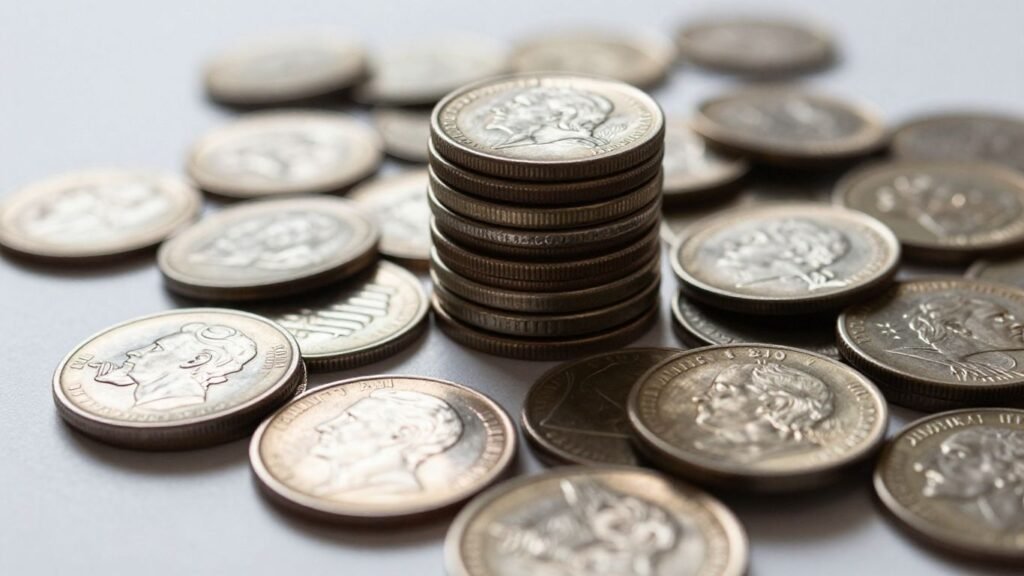
If you’ve ever wondered what your coins are worth or just want to learn more about U.S. coins, the 2026 Red Book Pricing Guide is here to help. This new edition is bigger, easier to use, and packed with updated prices and info. Whether you’re a longtime collector or just getting into the hobby, this guide answers questions about rarity, value, and history. The Red Book Pricing Guide has been trusted by collectors for decades, and the 2026 version brings a fresh look and even more details to the table.
Key Takeaways
- The 2026 Red Book Pricing Guide has a new design and bigger pages for easier reading.
- It covers over 12,000 coin listings and gives updated prices for more than 32,500 coins.
- You’ll find clear photos, mintage numbers, and details for each coin, from early American pieces to modern issues.
- The guide includes special sections on error coins, tokens, and coins from U.S. territories.
- It’s a go-to source for both beginners and experienced collectors looking for accurate, up-to-date coin values.
Understanding The 2026 Red Book Pricing Guide
A Redesigned and Reimagined Numismatic Reference
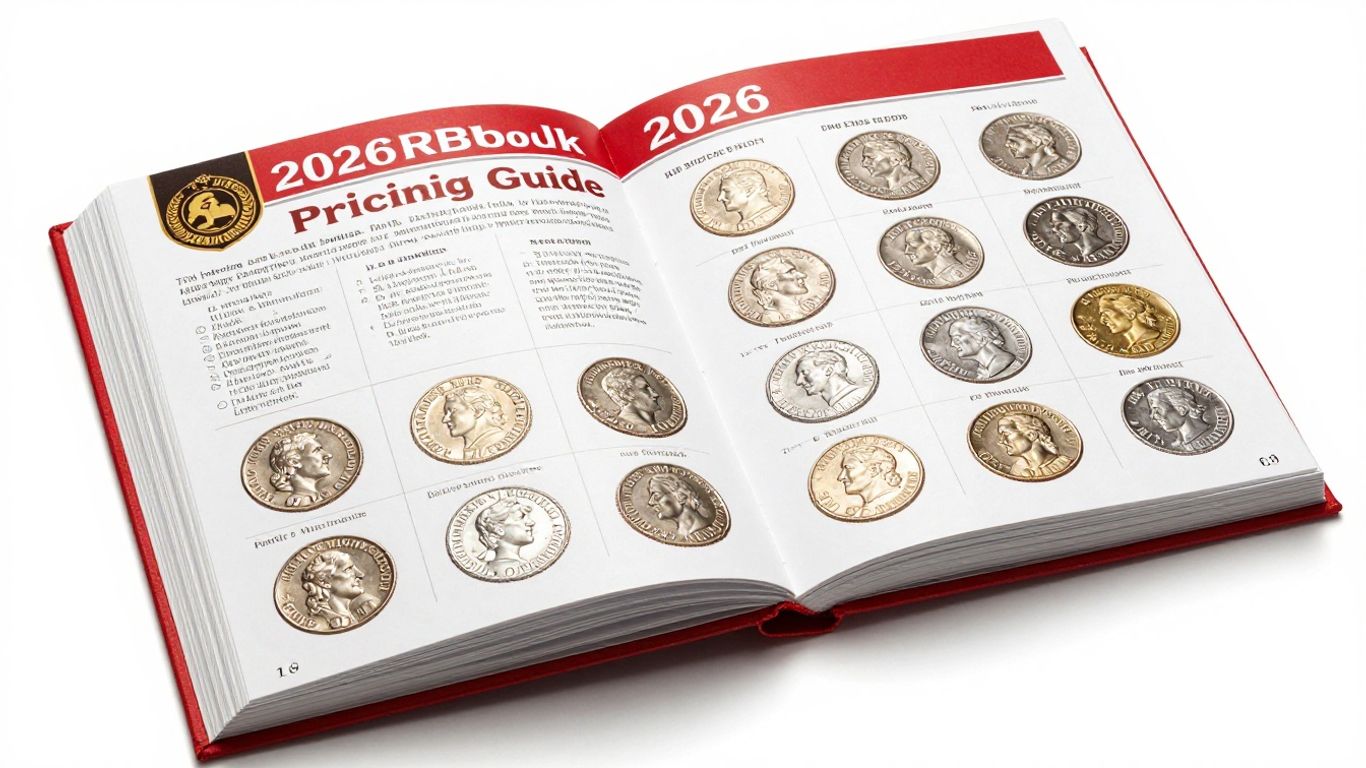
So, the 2026 Red Book is here, and it’s got a whole new look! They’ve completely redone it this year, making it bigger and easier to flip through. Think of it like getting your favorite old book back, but with a fresh coat of paint and maybe some new chapters added. It’s still the same trusted guide that millions of collectors have used since way back in 1946, but they’ve really tried to make it more user-friendly. They’ve added over 32,500 prices for more than 12,000 different coins, which is a lot. Plus, the layout is supposed to be much simpler to follow now, which is good news for anyone who’s ever gotten lost trying to find a specific coin.
Essential Companion for U.S. Coin Collectors
This book is really meant to be your go-to for anything U.S. coins. Whether you just found a handful of old change in a jar or you’re a serious collector hunting for rare pieces, the Red Book aims to have what you need. It covers everything from those really old colonial coins that look so different from what we have today, all the way up to the shiny new ones the mint is putting out. It’s packed with details like how many of a certain coin were actually made and what they might be worth in different conditions. It’s the kind of book you’ll keep coming back to, no matter how long you’ve been collecting.
Answers Key Collector Questions
Ever look at a coin and wonder, "What is this thing?" or "Is this rare?" or even "How much money could I get for it?" Well, the 2026 Red Book is designed to answer exactly those kinds of questions. It’s not just about prices, though. You’ll find information on the history behind the coins, details about their size and metal content, and even pictures to help you identify them. They’ve also included new sections with fun facts and updated information straight from the U.S. Mint. It’s like having a coin expert right there with you, ready to explain things.
This guide is updated annually, reflecting the latest market trends and mint production data. It’s a living document for a constantly evolving hobby.
Key Features of the 2026 Edition
Expanded Coin Listings and Pricing
This year’s Red Book is packed even fuller than ever before. Collectors now get access to pricing data for more coins, tokens, medals, and sets than in any previous edition—over 12,000 listings and more than 32,500 up-to-date prices. That’s a big jump, and it means even obscure or niche coins probably have a spot. The 2026 edition also uses the latest research and auction data, so you’re not left guessing about market value or rarity.
| Year | Number of Listings | Price Updates |
|---|---|---|
| 2025 | 11,500 | 30,000+ |
| 2026 | 12,000+ | 32,500+ |
- Prices reflect recent sales, not just old estimates
- Covers coins from colonial days all the way to modern mint issues
- Includes updated mintage figures and more detailed breakdowns
Enhanced Layout and Navigation
The 2026 Red Book’s new format is designed to make finding what you need quicker than ever. There’s a bigger page size, new color-coding, and clearer headings. If you’ve jumped between sections in older editions, the changes stand out right away. It lays flat for reference at coin shows or when you’re sorting through finds at home.
- Bigger, easier-to-read text and images
- Color highlights help you spot sections at a glance
- Quick-reference tabs on commonly used information
Flipping through this edition, I found myself actually stopping to read sections I usually skip—the layout just draws your eye and makes everything feel accessible.
Updated Research and Mint Data
Staying up to date is a real challenge in coin collecting, but the new Red Book pulls in the latest information straight from the U.S. Mint and major auction houses. So when gold or silver prices swing—or the Mint rolls out a "special" release—you get the facts for this year, not last.
- Real-time market updates integrated for popular series
- Fresh mintage records, including limited editions and bullion
- New research notes flag recent discoveries or revaluations
For collectors who care about accuracy, the 2026 Whitman Red Book really does make life a lot simpler.
Comprehensive Coin Coverage
This year’s Red Book really digs into the whole spectrum of U.S. coins. It’s not just about the shiny stuff you see every day. We’re talking about coins that tell stories from way back when.
Exploring Colonial and Early American Coins
Before the United States even had its own mint, people were using all sorts of coins. This section looks at those early pieces, like the Pine Tree Shillings and the Fugio cents. It’s fascinating to see what was circulating before the familiar U.S. dollar was a thing. You’ll find details on these early issues, their origins, and what makes them special to collectors today.
Federal Coins and Modern Series
Of course, the book covers all the coins the U.S. Mint has produced since its official start. This includes everything from the classic Morgan dollars and Lincoln cents to the newer series. Think about the American Women Quarters, the Native American Dollars, and the American Innovation series. The Red Book breaks down each series, giving you the lowdown on mintages, varieties, and current market values for each year and mint mark. It’s a lot to take in, but it’s all laid out clearly.
Specialized Collections and Historical Pieces
Beyond the main federal issues, there’s a whole world of other coins that collectors go after. This part of the guide touches on things like territorial gold coins, which were minted in areas that weren’t yet states. It also covers Civil War tokens, which were used as currency during a really turbulent time in history. You’ll also find information on coins from U.S. territories like Puerto Rico and the Philippines, plus other unique historical pieces that have a story to tell. It really shows how diverse coin collecting can be.
The Red Book aims to be your go-to for identifying and valuing a vast array of U.S. coinage, from the very first pieces used in the colonies to the latest issues from the mint. It’s designed to answer those nagging questions about what you have and what it’s worth.
Valuable Information for Collectors
So, you’ve got some coins and you’re wondering what they’re actually worth, right? It’s a common question, and the 2026 Red Book really digs into that. It breaks down coin values by grade, which is super important. You can’t just look at a coin and guess its value; the condition, or ‘grade,’ makes a huge difference. Think of it like a car – a brand new one is worth way more than one that’s been driven for years, even if it’s the same model.
Grade-by-Grade Coin Values
The Red Book gives you prices for coins in different conditions, from terrible shape (poor) all the way up to perfect (uncirculated). This helps you get a realistic idea of what your coins might fetch. It’s not just a single price; it’s a range, and that’s how the real market works.
Detailed Specifications and Mintage Data
Beyond just price, you’ll find all sorts of details about each coin. This includes things like the exact metal content, the diameter, and how many were actually made (mintage figures). Knowing the mintage is key – if only a few thousand were ever produced, that coin is likely rarer and more valuable than one where millions were minted. It’s like finding a limited edition print versus a mass-produced poster.
High-Resolution Photographs
Pictures are worth a thousand words, especially with coins. The Red Book has really clear photos. This helps you identify your coins accurately and see the details that affect their grade. Sometimes, just spotting a tiny mark or wear pattern in a photo can tell you a lot about a coin’s condition and, therefore, its worth. It’s a big help when you’re trying to match your coin to the examples shown in the guide. You can check out the latest edition’s features to see how detailed these photos are.
Understanding these details – the grade, the specs, the mintage numbers, and seeing clear pictures – really takes the guesswork out of figuring out what your coins are worth. It’s about knowing the story behind each piece.
Here’s a quick look at what you’ll find:
- Grade-by-Grade Pricing: Values shown for multiple condition levels.
- Mintage Figures: How many coins were officially produced.
- Coin Specifications: Details like size, weight, and metal composition.
- Clear Photography: Visual aids for identification and grading.
Navigating the Red Book Pricing Guide
Utilizing Collector's Price Guide Retail Pricing
Finding the value of your coins is a big part of collecting, and the 2026 Red Book makes it easier. It uses pricing from the Collector’s Price Guide (CPG) retail pricing system. This means you’re getting a look at what coins are generally selling for in the market right now, based on what dealers are asking. It’s not a hard-and-fast rule, but it gives you a solid starting point for understanding your collection’s worth. Think of it as a snapshot of the current coin market.
Leveraging Greysheet Identification Numbers
Ever get confused by all the different coin varieties? The Red Book helps clear that up with Greysheet Identification (GSID) numbers. These are special codes that pinpoint a specific coin, including its date, mint mark, and even its condition. Using these numbers is like having a secret handshake for coin collectors, making sure you’re talking about the exact same coin as everyone else. It helps avoid mix-ups and ensures you’re looking at the correct pricing and information. You’ll find these numbers right alongside the coin listings, making it simple to cross-reference.
Seamlessly Linking Coins Across Whitman Products
Whitman Publishing, the folks behind the Red Book, have made it super convenient to connect your Red Book to their other products. The GSID numbers we just talked about? They’re designed to work across their whole range of coin collecting items. So, if you’re using a Whitman album or another guide, you can easily find the same coin and its details. It creates a unified system, so you’re not jumping between different catalogs trying to match things up. It’s all about making your collecting life smoother and more organized.
In-Depth Numismatic Insights
Historical Essays on American Coinage
You get more than just numbers in the 2026 Red Book—there are stories behind every coin. Historical essays detail how coin designs changed from colonial times up to today. These pieces help collectors see how big events, like wars or economic shifts, shaped U.S. money. The essays cover all sorts of topics, such as:
- Coins from early New England, like Massachusetts coppers
- The switch from silver and gold to base metals in the 20th century
- How commemorative coins capture American milestones
If you ever wondered why the Buffalo Nickel looks the way it does, or what led to the creation of the modern quarter, these essays break it down without confusing details.
Understanding the Modern Rare-Coin Market
The world of rare coins can seem confusing at first, but this edition breaks down what’s going on in plain language. It explains trends in pricing, how current events or big sales affect the market, and what drives some coins to suddenly jump in value. If you’re looking to buy, sell, or just keep up with the changing market, this section gives you a clear view by covering:
- Coin market cycles and why prices change
- The impact of auctions and internet sales
- Why population reports (how many coins are graded in top condition) matter
Here’s a simple table you’ll find useful:
| Year | Auction Highs (Top 10 Coins) | Total Coins Graded (MS-65+) |
|---|---|---|
| 2023 | $15,250,000 | 7,800 |
| 2024 | $14,600,000 | 8,500 |
| 2025 | $17,300,000 | 9,200 |
Educational Articles for All Collectors
Whether you’re just starting your collection or have been collecting for decades, the educational articles section gives straightforward advice. Articles focus on real-world collecting situations and how to avoid common pitfalls, such as:
- Recognizing the signs of counterfeit coins (don’t get fooled by plating or altered dates)
- Grading tips—what to look for in Mint State coins versus circulated pieces
- Organizing your collection for insurance or estate planning
The writers don’t use overly technical language, so these are easy to follow, even if you’re new. These practical sections remind collectors that patience, careful observation, and a bit of curiosity can make all the difference.
Discovering Specific Coin Categories
The 2026 Red Book really digs into all sorts of U.S. coins, not just the common ones you see every day. It’s pretty cool how it breaks things down.
Territorial Gold and Civil War Tokens
This section is for the coins that tell a story of a different time in America. Think about the gold rushes out West – this is where you’ll find information on those territorial gold coins. They were made by private assayers and miners when official U.S. Mints weren’t readily available in those areas. And then there are the Civil War tokens. These were used as everyday money during the Civil War when regular coinage was scarce. They often have interesting designs and historical significance.
Coins from U.S. Territories
Beyond the mainland, the U.S. has had territories with their own coinage. The Red Book covers coins issued in places like Puerto Rico, the Philippines, and Hawaii before they became states or gained full independence. It’s a fascinating look at how American currency spread and adapted.
Bullion Coins: Silver, Gold, and More
If you’re interested in coins as an investment, this part is for you. It details the official U.S. bullion coins, like the American Silver Eagle, American Gold Eagle, and their platinum and palladium counterparts. You’ll find details on their specifications, mintages, and current market values, which can fluctuate based on precious metal prices. This is a great place to start if you’re thinking about adding precious metals to your collection.
Here’s a quick look at what’s covered:
- Territorial Gold: Coins from private mints in gold-producing regions.
- Civil War Tokens: Emergency currency used during the Civil War.
- Territorial Issues: Coins from U.S. possessions like Puerto Rico and the Philippines.
- Bullion Coins: Official U.S. coins made of silver, gold, platinum, and palladium.
The Red Book provides detailed listings for these specialized categories, helping collectors identify, value, and understand the historical context of each coin type. It’s more than just prices; it’s about the story behind the metal.
For anyone looking to broaden their numismatic horizons beyond standard circulating coins, this section of the 2026 Red Book is a must-read. It opens up whole new avenues for collecting.
Enhancing Your Collecting Journey
Fun Fact Spotlights
Ever wonder about the little details that make coin collecting so interesting? The 2026 Red Book sprinkles in "Fun Fact Spotlights" throughout its pages. These aren’t just random trivia; they often highlight unique historical tidbits, explain the meaning behind certain coin designs, or point out unusual minting errors. These little nuggets of information can really bring a coin to life and give you a new appreciation for its story. For instance, you might learn why a particular president’s portrait is slightly different on one coin issue compared to another, or discover the origin of a specific coin’s nickname. It’s like having a knowledgeable friend pointing out the coolest parts of a museum exhibit.
Investing and Grading Coinage
Thinking about your collection as more than just a hobby? The Red Book offers practical advice for those looking to invest in coins or simply understand their value better. It breaks down how coins are graded, which is super important because a coin’s condition dramatically affects its price. You’ll find information on the different grading scales used by experts.
Here’s a simplified look at grading:
- Poor (P-1): Barely recognizable details.
- Good (G-4): Outlines are visible, but details are worn.
- Very Fine (VF-20): Moderate wear, but most major details are clear.
- Extremely Fine (XF-45): Slight wear on the highest points.
- About Uncirculated (AU-55): Very light wear, almost like new.
- Mint State (MS-60 to MS-70): No wear, with varying degrees of surface preservation and strike.
Understanding these grades helps you make smarter buying decisions and accurately assess what you already own. It’s not just about knowing the price; it’s about knowing why it has that price.
Detecting Counterfeit Coins
Unfortunately, the world of coin collecting isn’t immune to fakes. The Red Book includes guidance on how to spot counterfeit coins, which is a must-have skill for any collector, especially if you’re buying from less reputable sources or online. It covers common signs to look out for, such as:
- Weight and Size: Counterfeits often don’t match the exact specifications of genuine coins.
- Edge Details: The reeding or smooth finish on the edge can be a giveaway.
- Strike Quality: Genuine coins usually have sharp, well-defined details, while fakes can appear mushy or soft.
- Metal Composition: Sometimes, the metal used in a fake coin is different from the authentic one, affecting its appearance and sound.
Learning to identify potential fakes protects your collection and your wallet. The Red Book provides the knowledge to help you avoid costly mistakes and build a collection with confidence.
The Legacy of the Red Book
Trusted Choice Since 1946
For decades, coin collectors have turned to the Red Book. It’s been around since 1946, which is a really long time in the collecting world. Think about it – that’s almost 80 years of history packed into one guide. It started out as a way for people to figure out what their coins were worth and learn a bit more about them. Over the years, it’s just gotten better and more detailed. It’s not just a price list; it’s a history book, a reference manual, and a friend to anyone interested in U.S. coins.
World's Best-Selling Coin Price Guide
It’s pretty wild to think about, but the Red Book is actually the best-selling coin price guide out there. Millions of copies have been sold, and that number keeps growing. Why so popular? Well, it’s updated every year with new information, prices, and research. Plus, it covers a huge range of coins, from the really old colonial stuff to the shiny new ones the mint is putting out. It’s the go-to for so many people, whether they’ve been collecting for fifty years or just found their first interesting coin in their pocket.
A Reliable Companion for Building Collections
Building a coin collection can feel a bit overwhelming sometimes. You’ve got all these different series, dates, mint marks, and conditions to keep track of. That’s where the Red Book really shines. It’s laid out in a way that makes sense, helping you identify what you have and understand its place in numismatic history. It provides:
- Grade-by-grade values so you know what a coin is worth in different conditions.
- Detailed specs like mintage numbers and metal content, which are key for understanding rarity.
- Clear photos to help you identify coins accurately.
This guide isn’t just about assigning a dollar amount to a coin. It’s about understanding the story behind it, its historical context, and its significance within the broader landscape of American coinage. It helps collectors make informed decisions, whether they’re hunting for a specific rare piece or simply organizing what they already own.
Exploring Error Coins and Patterns
Identifying Unique Coin Varieties
Sometimes, coins come off the minting press with little quirks. These aren’t just random mistakes; they’re often fascinating variations that collectors seek out. Think about things like off-center strikes, where the planchet wasn’t perfectly aligned when the dies hit it. Or maybe a double strike, where the coin was struck twice, leaving a ghost image. The Red Book helps you spot these. It’s amazing how a small imperfection can turn a common coin into something special.
Understanding Pattern Coinage
Pattern coins are like the prototypes of coins that never quite made it into circulation. These were experimental pieces, often struck in different metals or with unique designs, to show off new ideas to the government. They represent a really interesting side of U.S. coinage history. The Red Book gives you a look at some of these rare and unusual pieces, showing what could have been.
Valuable Information on Coin Errors
Coin errors can happen at almost any stage of the minting process. Some common ones include:
- Die Errors: This could be a cracked or broken die, leading to raised lines or missing details on the coin.
- Strike Errors: As mentioned, things like off-center strikes, double strikes, or weak strikes fall into this category.
- Planchet Errors: These happen before the coin is struck, like a clip planchet (where a piece of the metal strip was cut off incorrectly) or a foreign object embedded in the metal.
- Minting Errors: Broader issues like incorrect metal composition or plating problems.
The Red Book provides details on how to identify these errors and gives an idea of their value. It’s not just about finding a mistake; it’s about understanding its place in numismatics and what makes it collectible. This section is a great starting point for anyone curious about the less-than-perfect coins that sometimes turn up in change or collections.
Wrapping It Up
So, there you have it. The 2026 Red Book is here, and it’s looking pretty good. Whether you’ve been collecting coins for ages or are just starting to get interested, this guide is a solid tool to have. It’s packed with updated prices, cool facts, and all sorts of info to help you figure out what you’ve got and what it might be worth. Think of it as your go-to buddy for exploring the world of U.S. coins. Grab a copy and see where your collection takes you!
Frequently Asked Questions
What exactly is the 2026 Red Book Pricing Guide?
Think of the 2026 Red Book as your ultimate cheat sheet for U.S. coins. It’s a book packed with tons of information, including what coins look like, how many were made, and what they might be worth. It’s been helping coin collectors for a super long time, since 1946!
What's new and exciting in the 2026 edition?
This year’s Red Book got a major makeover! It has a fresh new look that’s easier to flip through. Plus, it’s loaded with over 32,500 updated prices for more than 12,000 different coins. They’ve also added fun facts to make learning about coins even more interesting.
Does the Red Book cover all kinds of U.S. coins?
Absolutely! You’ll find everything from super old coins made way back when America was just starting, to the coins we use every day, like quarters with famous women on them. It even covers special collector coins, gold and silver coins, and coins made by mistake – called error coins!
How does the Red Book help me figure out how much my coins are worth?
The Red Book shows you prices for coins in different conditions, from worn-out to practically perfect. It also gives you details about how many of each coin were made, which helps explain why some are worth more than others. It’s like having a price tag for almost every U.S. coin out there.
Is the Red Book easy for beginners to use?
Yes, it’s designed for everyone! Whether you’re just starting to collect coins or you’ve been doing it for years, the Red Book is super helpful. It has clear pictures and explains things in a way that’s easy to understand. It answers those burning questions like ‘What coin is this?’ and ‘How much is it worth?’
What kind of extra information can I find in the Red Book?
Besides prices, you’ll discover cool stories about the history of American money. There are also tips on how to tell if a coin is real or fake, and advice on how to grade coins (which means figuring out their condition). It’s like a whole history and how-to guide rolled into one!
Are there special sections for different types of coins?
You bet! The Red Book has dedicated parts for all sorts of coins. You can explore unique coins made in places like Colorado or California when they weren’t states yet, check out coins from places like Puerto Rico, or dive into the world of shiny gold and silver bullion coins.
Why has the Red Book been so popular for so long?
It’s been a go-to guide for collectors since 1946 because it’s super reliable and covers so much. People trust it to give them accurate information about coin values, history, and details. It’s the best-selling coin price guide in the world for a reason – it helps people build amazing coin collections!