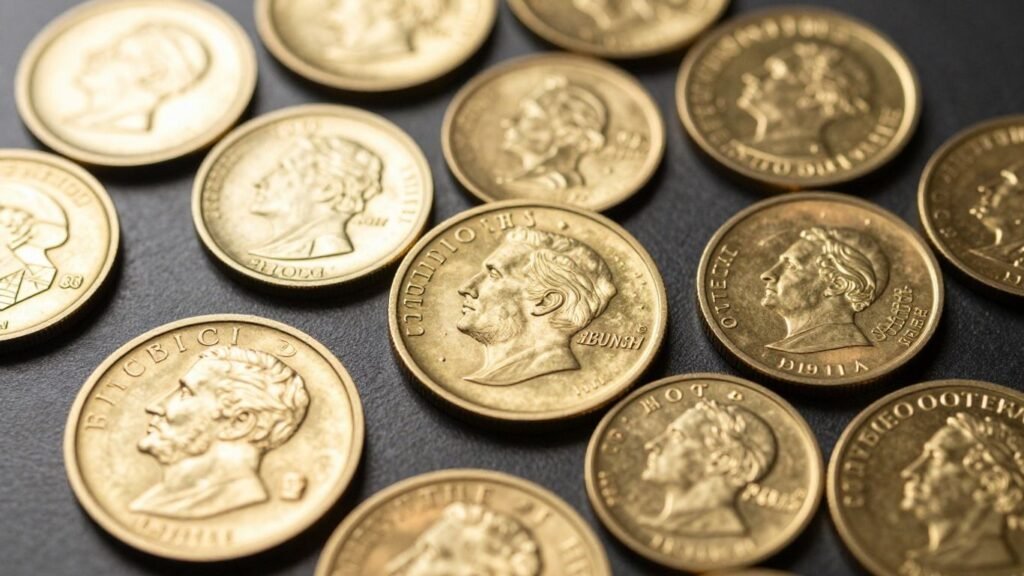
Looking for rare coins or bullion in the Austin area? It can be a bit confusing to know where to start. This guide is here to help you figure out the coin inventory Austin has to offer, whether you’re looking to buy something special or sell off a piece of your collection. We’ll cover some of the local spots and what they’re known for, so you can make a more informed decision.
Key Takeaways
- Austin Rare Coins and Bullion is a well-known spot for buying and selling gold, silver, and platinum. They deal with various bullion items and rare coins.
- Lone Star Coins has been around for a long time, specializing in rare coins and also buying and selling gold and silver bullion.
- Dallas Rare Coins, while in Dallas, is mentioned as a dealer with a large selection and experience in rare coins and bullion, including scrap gold and silver.
- Fort Worth Coin Company, located in Fort Worth, also deals with rare US coins and precious metal bullion, offering appraisals.
- Texas Precious Metals Depository offers storage solutions for investors and may be a place to inquire about selling or valuing certain precious metal items.
Exploring Austin's Rare Coin Inventory
Understanding the Appeal of Rare Coins
If you start asking coin collectors in Austin what keeps them interested, you’ll quickly learn it’s not just about the money. Rare coins hold pieces of history that you can actually touch. Some people fall in love with coins minted hundreds or even thousands of years ago. Others chase down hard-to-find US coins or commemorative issues that mark important events. Each coin has a story: who held it, where it’s been, or how it survived all this time. That sense of holding real history is something not many hobbies can offer. For collectors, building a collection is almost like curating a private museum—one that might even grow in worth over the years.
- Tangible connection to the past
- Artistic and design value
- Potential for price appreciation
- Fun of the hunt and completion
Picking up your first rare coin can turn casual curiosity into a lifelong interest. You never know which coin will be the one you can’t stop thinking about.
Key Factors in Coin Valuation
When it comes to figuring out what a rare coin is really worth, there’s no single answer. Coin valuation is a puzzle with a few key pieces:
| Factor | Why It Matters |
|---|---|
| Rarity | Fewer coins struck or surviving means higher demand. |
| Condition | Higher grade (less wear) usually means higher price. |
| Historical Significance | Important dates or events can boost value. |
| Market Demand | What collectors are actively seeking affects value. |
| Authenticity | Verified authenticity prevents costly mistakes. |
Collectors spend time learning grading basics and researching population reports to get a realistic sense of a coin’s place in the market. Sometimes, even a tiny difference in condition can mean a huge jump in price. In the end, the coin’s story and its condition are as important as the year on its face.
The Role of a Trusted Dealer
In Austin, working with a trusted coin dealer makes a world of difference. Anyone can list coins online, but only honest dealers make sure what you’re buying is the real deal. They help you:
- Avoid fakes and over-graded coins.
- Get fair market prices and honest assessments.
- Find coins that fit your collecting or investment goals.
- Learn about market cycles and timing for buying or selling.
You also gain access to a network—collectors, other dealers, sometimes even unique collections not visible to the public. A good dealer won’t just sell you coins; they’ll teach you how to spot opportunities and avoid costly mistakes. Most established Austin dealers want long-term clients, not just one-off sales.
The smartest collectors build relationships with trustworthy dealers who look out for their interests—not just for a quick sale. That’s the real key to growing a meaningful collection in Austin.
Austin Rare Coins and Bullion: A Premier Destination
Specializing in Pre-1933 US Gold Coins
When you’re looking into the world of rare coins, the stuff from before 1933 really stands out. These aren’t just old coins; they’re pieces of American history, minted when gold was a much more common part of our currency. Think about the Liberty Head Double Eagles, Indian Head Eagles, or even the classic Saint-Gaudens Double Eagles. These coins were made when the US was a different place, and they carry a weight of history that modern coins just don’t have. Austin Rare Coins and Bullion has a real focus on these pre-1933 gold coins, and they often have some of the most sought-after examples. They know these coins inside and out, from their minting details to their historical context, which is pretty important if you’re trying to build a collection that’s not just valuable, but also interesting.
Expertise in Certified Rare Coins and Exonumia
Beyond the gold coins, this place is also known for its work with certified rare coins. You know, the ones that have been graded by services like PCGS or NGC? That grading tells you a lot about a coin’s condition and authenticity, which is a big deal for collectors. They also deal in exonumia, which is basically anything that looks like a coin but isn’t actual money – think medals, tokens, or even old transportation tokens. It’s a niche area, but it shows they have a broad knowledge of numismatics. They can help you figure out what makes a certified coin or a unique piece of exonumia worth collecting.
Guidance for Building Your Collection
If you’re new to collecting or looking to take your collection to the next level, getting some advice can make a world of difference. It’s not just about buying pretty coins; it’s about making smart choices that will hold their value, or even grow over time. They can help you figure out what to look for, what to avoid, and how to put together a collection that makes sense for your goals, whether that’s profit, personal enjoyment, or both.
- Understand Your Goals: Are you looking for long-term investment, historical significance, or just the thrill of the hunt?
- Learn About Grading: Knowing how coins are graded (like Mint State or Proof) is key to understanding their condition and value.
- Focus Your Interests: Trying to collect everything can be overwhelming. Focusing on a specific era, type of coin, or metal can make the process more manageable and rewarding.
Building a collection takes time and a bit of strategy. It’s easy to get caught up in the excitement of finding a rare coin, but a good dealer can help you stay focused on building a cohesive and valuable collection over the long haul. They can guide you through the process, making sure you’re making informed decisions.
Bullion Offerings in the Austin Area
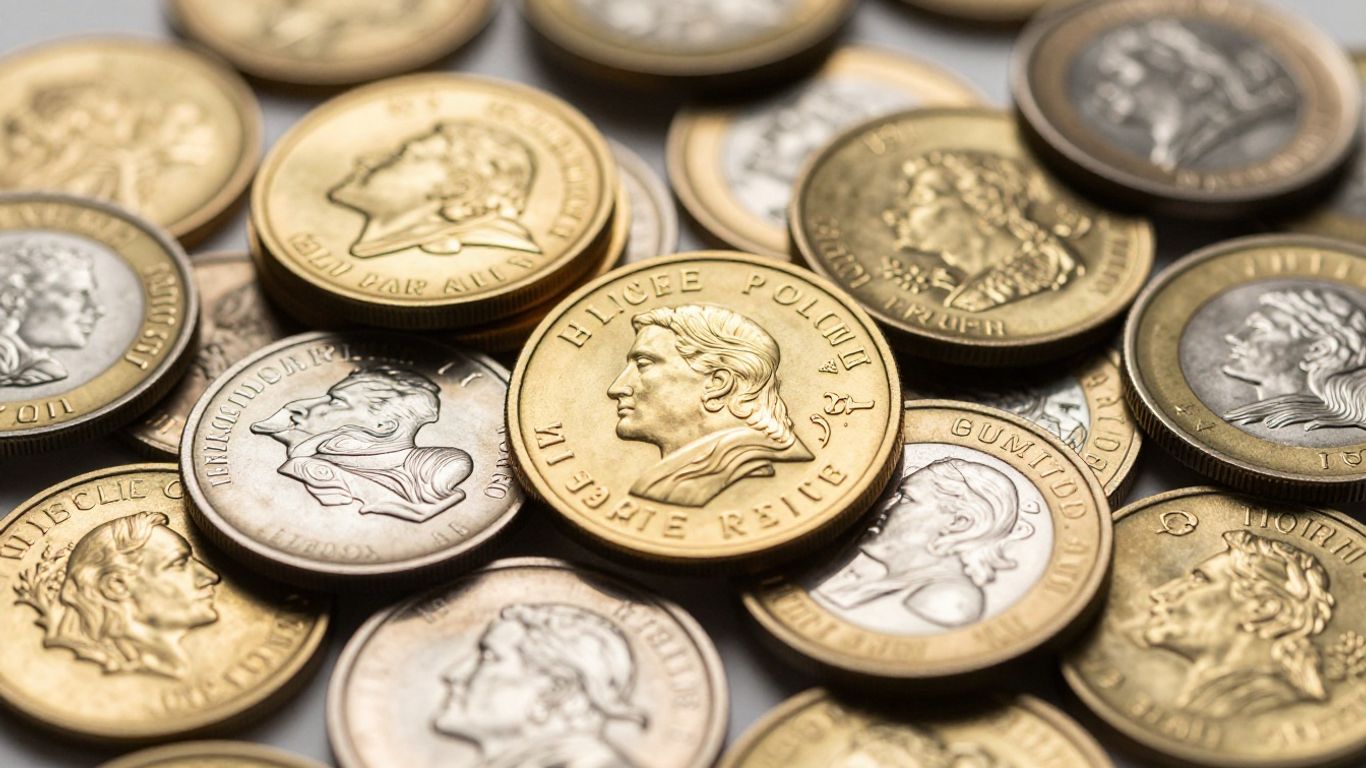
When you’re thinking about precious metals, Austin has a few places that deal with more than just old coins. We’re talking about gold, silver, and platinum in forms that are easy to buy and sell, like bars and coins. These are often called bullion, and they’re a popular way for people to invest in metals.
Gold, Silver, and Platinum Bullion Options
Austin’s coin dealers often have a good selection of bullion. You’ll find popular items like American Gold Eagles, Canadian Maple Leafs, and South African Krugerrands. These are government-minted coins, so they’re recognized worldwide and usually have a consistent value based on their metal content and a small premium. Beyond coins, you can also find bullion bars and rounds from various private mints. These can come in many sizes, from small 1-ounce pieces to larger bars weighing 10 ounces or more. The price you’ll pay for these items is usually tied closely to the current spot price of the metal, plus a small markup from the dealer.
Understanding Bullion Bars and Coins
So, what’s the difference between a bullion coin and a bar? Bullion coins, like the ones mentioned above, are typically minted by governments and carry a face value, though their actual worth is far greater due to the precious metal content. They’re often easier to trade and recognized globally. Bullion bars, on the other hand, are produced by private or government mints and come in various shapes and sizes. They might have a more straightforward design, often stamped with the refiner’s name, weight, and purity. For investors, both serve the purpose of holding physical precious metals, but coins can sometimes carry a slightly higher premium due to their collectibility and government backing.
Navigating Texas Sales Tax Exemptions
One of the nice things about buying precious metals in Texas is the sales tax situation. For qualifying bullion purchases, Texas offers a sales tax exemption. Generally, if you buy $1,000 or more worth of gold, silver, or platinum bullion (coins or bars), you don’t have to pay state sales tax on it. This can make a noticeable difference in the total cost of your investment. It’s always a good idea to confirm with the dealer that the items you’re purchasing qualify for this exemption, as some numismatic items or specific types of precious metal products might not be included.
Beyond Austin: Nearby Rare Coin Dealers
While Austin has some great spots for coin collectors, sometimes you might need to look a little further afield to find exactly what you’re after. Texas is a big state, and there are some well-established dealers in other major cities that are definitely worth considering, whether you’re buying, selling, or just looking for some expert advice. These places often have a deep inventory and a long history in the hobby.
Lone Star Coins: San Antonio's Longstanding Dealer
If you’re down in San Antonio, Lone Star Coins is a name that’s been around for ages – we’re talking over 40 years. They’ve built a solid reputation dealing with all sorts of rare coins, from high-grade U.S. coins to ancient and foreign pieces. They also carry certified coins, proof coins, and mint sets. Beyond coins, they handle stamps and other numismatic items. They’re also a go-to for gold and silver bullion, including bars, ingots, coins, and rounds. You can even check live prices for popular items like American Eagles and Canadian Maple Leafs on their site. Since they buy from the public, their inventory is always changing, which means you might find a real gem or they might be looking for something you have.
- Specialties: Rare U.S. coins (high-grade, certified, proof), Ancient and world coins, Stamps and numismatic items, Gold and silver bullion (bars, ingots, coins, rounds).
- Location: 15909 US Highway 281 North #123, San Antonio, TX 78232.
- Contact: (210) 735-7131.
Remember that Texas offers a sales tax exemption for bullion purchases over $1,000. It’s always a good idea to confirm the exact details with the dealer when you make a purchase.
Dallas Rare Coins: A Hub for US Coin Collectors
Heading north to Dallas, you’ll find Dallas Rare Coins, a dealer with over 30 years of experience. They really focus on U.S. rare coins, which is great if that’s your main interest. They’re a lifetime member of the ANA (American Numismatic Association), which is a pretty significant credential in the collecting world. They offer advice and appraisals for both new and seasoned collectors. Their inventory is extensive and constantly changing, so you might find proof coins, mint sets, certified coins, and even some world gold and silver coins. They’re also known for pre-1933 U.S. gold coins, Morgan and Peace silver dollars, and Franklin halves. If you’re into older silver coinage, they’ve got that too. Plus, they buy and sell scrap gold and silver, and even jewelry.
- Focus: U.S. rare coins, pre-1933 gold, silver dollars, certified coins, world coins.
- Services: Appraisals, buying and selling of rare coins and precious metals.
- Tip: Check their current inventory before visiting, as it changes frequently.
Fort Worth Coin Company: Bullion and Rare Coin Expertise
Just a short drive from Dallas is Fort Worth Coin Company, located in downtown Fort Worth and operating for over three decades. They have a strong selection of both U.S. rare coins and precious metal bullion. You can often find proof coins, certified coins, and investment-grade pieces there. They deal in gold, silver, platinum, and even palladium, in both bar and coin forms. They have an expert on-site who can help with appraisals and provide guidance, which is super helpful when you’re trying to figure out the value of your collection or make a new acquisition.
- Inventory: Rare U.S. Coins (certified, proof, investment-grade), Bullion (gold, silver, platinum, palladium bars and coins).
- Location: 2820 7th Street West, Fort Worth, TX 76107.
- Contact: (817) 336-1782.
These dealers, while not in Austin, represent significant resources for collectors across Texas. Their long histories and specialized knowledge can be incredibly beneficial for anyone serious about building or selling a coin collection.
The Importance of Condition and Demand
When you’re looking at rare coins, two things really stand out as making a big difference in what they’re worth: their condition and how much people want them. It’s not just about how old a coin is; it’s about how well it’s held up over time and whether collectors are actively seeking it out. Think of it like classic cars – a perfectly restored vintage Mustang is going to fetch a lot more than one that’s been sitting in a field for decades, even if they’re the same model.
Mint State vs. Proof Coin Grading
Coins generally fall into two main categories when we talk about their condition: Mint State (MS) and Proof (PR). Mint State coins are basically coins that were made for everyday use, intended to be spent. They can range from circulated (showing wear) to uncirculated. Proof coins, on the other hand, were never meant to go into your pocket. They’re made using special techniques, polished dies, and often struck multiple times to get that super sharp, mirror-like finish. Because of this special treatment and the fact they weren’t meant for circulation, proof coins often look stunning and are highly sought after by collectors.
Grading these coins is a whole science. Services like PCGS and NGC have detailed scales, usually from 1 to 70, to describe a coin’s condition. A higher grade means less wear, sharper details, and generally, a more attractive coin. For example, a coin graded MS-65 is considered a very high-quality Mint State coin, while a PR-65 is a top-notch proof coin. The difference between an MS-65 and an MS-60 can be thousands of dollars, showing just how much condition matters.
How Demand Influences Value
Even the rarest coin in the world won’t be worth much if nobody wants it. Demand is the real engine that drives prices up. What creates this demand? A few things, really. There’s the coin’s quality and rarity, of course, but also its historical significance. Does it represent a key moment in history? Was it part of a famous collection? These stories add layers of appeal. Plus, a coin’s track record as an investment plays a role. If certain types of coins have consistently appreciated over the years, more people will want to buy them, pushing prices higher. It’s a cycle: desirability leads to demand, and demand leads to higher prices. Finding coins that have a broad base of interested buyers, both new collectors and seasoned ones, is a smart move for building a collection that holds its value. This is where understanding the market, like what’s happening with pre-1933 US gold coins, becomes really important.
Condition Census and Finest Known Examples
When you get to the very top tier of coin collecting, people start talking about the
Building a Valuable Coin Collection
So, you’re thinking about putting together a coin collection that’s not just a pile of metal, but something that could actually grow in worth over time? That’s a smart move. It’s not just about buying shiny things; it’s about making smart choices. The key is to be patient and strategic, just like building anything else of lasting value.
Developing a Time-Tested Investment Strategy
When you’re aiming to build a collection that appreciates, having a plan from the start is pretty important. Think of it like planting a garden; you don’t just throw seeds around and hope for the best. You prepare the soil, choose the right plants, and tend to them. For coins, this means starting conservatively. Pick a price range you’re comfortable with and stick to it. A good way to start is by diversifying. Don’t put all your eggs in one basket. Mix in some gold coins, maybe some silver dollars, and coins from different years. This makes your collection more interesting and spreads out your risk.
- Start Small and Steady: Begin with a budget you can manage without stress. Wealth, and great coin collections, take time to build.
- Diversify Your Holdings: Mix different types of coins – gold, silver, various dates and denominations. This broadens your collection’s appeal and market exposure.
- Focus on Quality: Always try to acquire the best condition coins you can afford. Top-quality coins are always in demand and tend to perform better.
Thinking Like a Serious Collector
People who really make money in the rare coin market are usually the serious collectors. They’re not just buying; they’re hunting. They look for coins that are rare, in good shape, and maybe a bit overlooked by others. Your goal should be to find those same kinds of opportunities. It’s about spotting areas in the market that might not be getting a lot of attention right now but have the potential to do well later. This is where having a good dealer who knows the market inside and out can really help you spot those hidden gems.
The coin market can be unpredictable, but history shows that coins with genuine rarity and strong demand tend to hold their value and increase over time. It’s about finding those pieces that are scarce not just because few were made, but because few have survived.
Diversifying Your Precious Metals Portfolio
Once you’ve got a handle on basic gold and silver bullion, moving into pre-1933 U.S. rare coins is a logical next step to balance things out. It’s like adding different kinds of tools to your toolbox. You want a mix of things that can perform differently. Some coins might do well when the price of gold goes up, while others might be more influenced by collector demand. Having a variety means you’re not overly reliant on just one factor. Think about popular dates, but also those really tough-to-find key dates that collectors often struggle to complete a set with. These can be the real stars of a collection over the long haul.
Advantages of Owning Rare Coins
So, why bother with old coins when you can just buy gold bars? Well, owning rare coins offers a unique set of benefits that go beyond just holding precious metal. For starters, they’re tangible pieces of history. Holding a coin minted centuries ago connects you to the past in a way that a modern bullion bar just can’t. It’s like owning a miniature work of art that tells a story.
Long-Term Stability and Appreciation
One of the biggest draws is their potential for long-term stability and appreciation. Unlike stocks that can swing wildly, well-chosen rare coins tend to hold their value and often increase over time. This is partly because their supply is fixed – no more will ever be made – while the number of collectors keeps growing. This steady demand, coupled with inherent rarity, can lead to impressive growth. Think of it as a slow and steady race, not a sprint. Many collectors find that these coins perform well regardless of what the stock market is doing, offering a nice bit of diversification for your overall assets. It’s a smart way to build wealth that’s less tied to the daily financial news cycle. For those looking for a solid investment, rare coins represent a sound investment due to their intrinsic precious metal value, the trust associated with sovereign backing, and their consistent performance through various market conditions.
Privacy and Wealth Transfer
Another significant advantage is privacy. Transactions involving rare coins are generally not reported to the IRS, offering a level of discretion that other investments don’t provide. This makes them an excellent tool for discreet wealth preservation and for passing assets down to heirs. Imagine being able to transfer a significant amount of value to your children or grandchildren without a lot of government oversight. It’s a private way to ensure your legacy continues.
Portability of High-Value Assets
And let’s not forget portability. Rare coins pack a serious punch when it comes to value density. A small collection, even just what fits in a briefcase, can be worth a substantial amount of money. This makes them incredibly easy to transport or store securely, which is a practical benefit that shouldn’t be overlooked. If you ever needed to move your assets quickly, coins are far more manageable than, say, a large amount of gold bullion.
Building a collection takes time and patience. It’s not about getting rich quick, but about carefully selecting pieces that have both historical significance and market appeal. Focusing on quality and rarity, rather than just quantity, is key to developing a collection that will be both enjoyable and financially rewarding over the years.
Selling Your Medallions and Coins in Austin
So, you’ve got some medallions or old coins sitting around and you’re thinking about turning them into cash right here in Austin. It can feel a little overwhelming trying to figure out where to go and who will give you a fair shake. Whether you’re dealing with gold, silver, or just interesting old coins, Austin has a few places that might be a good fit. It’s usually a smart move to do a little homework before you head out the door.
Where to Sell Precious Metal Medallions
When you’re ready to sell, Austin Rare Coins and Bullion is a name that often comes up. They’ve been in the game for a while and handle a lot of different precious metals and coins. If you have pre-1933 U.S. gold coins, they’re definitely interested. They also deal with certified rare coins and other collectibles. Beyond coins, they’re a big player in gold, silver, and platinum bullion – think American Eagles, Maple Leafs, or even just plain bars. They’re known for being one of the larger dealers in the area, which often means they’re ready to buy.
Another spot to consider is Lone Star Coins, though they’re based in San Antonio. They’ve been around for over 40 years and deal with all sorts of rare coins, plus gold and silver bullion. Their website even shows live prices for popular items, which is pretty handy.
Understanding Medallion Valuation
Figuring out what your medallion is worth can depend on a few things. The metal it’s made from is usually the biggest factor – gold, silver, and platinum are obviously worth more than base metals. Then there’s the weight; more metal means more value. Rarity plays a part too; if it’s a limited edition or has a unique design, that can increase its worth. Sometimes, historical significance or special markings can add to the value, but often, it comes down to the melt value of the precious metal.
Here’s a quick breakdown of what influences value:
- Metal Content: Gold, silver, platinum, etc.
- Weight: How much precious metal is in it.
- Rarity: How many were made, and how many still exist.
- Condition: The state of the medallion (scratches, wear, etc.).
- Design/History: Unique or historically important pieces can be worth more.
It’s always a good idea to get a few opinions when selling valuable items. While one dealer might offer a certain price, another might see something slightly different, leading to a better offer. Don’t be afraid to shop around.
Preparing for a Sale
Before you go to sell, it’s smart to do a little prep work. If you have any paperwork that came with your medallion or coins – like receipts, certificates of authenticity, or even just notes about its history – bring it along. This can help the buyer figure out its value more accurately. Also, calling ahead to a dealer is a good idea. You can ask about their current buying prices and what types of items they’re particularly interested in at the moment. Some places might even prefer you make an appointment, especially if you have a large collection or a really special piece, just to make sure they have the right person available to look at it.
When you’re selling, most buyers will offer cash. Some might give you a check, or you might even be able to trade your items for other coins or jewelry. Just remember, taxes usually apply when you buy things, not typically when you sell to a dealer, but it’s always best to confirm this with the buyer directly.
Finding the Right Coin Inventory Austin Dealer
Finding a good coin dealer in Austin isn’t just about who has the flashiest collection or the fanciest shop. It’s about trust, know-how, and making sure you’re getting straight answers. Whether you’re brand new to coin collecting or you’ve got years under your belt, the right dealer can make all the difference.
The Value of Dealer Expertise
Working with a knowledgeable coin dealer brings a few things to the table:
- Accurate coin identification, grading, and genuine authentication.
- Up-to-date market pricing and trends, so you don’t overpay or undersell.
- Helpful guidance when you’re unsure about certain coins or metals.
Many dealers in Austin spend years learning the ins and outs of numismatics—they know what’s rare, what’s a common find, and what’s truly worth chasing.
Building Long-Term Relationships
There’s huge value in working with the same dealer over time. Here’s why long-term customer relationships pay off:
- You get first dibs on new or interesting stock.
- Dealers may alert you to deals on coins or bullion that fit your interests.
- Trust builds—no need to worry about authenticity with someone whose reputation you know.
- Repeat customers sometimes get better pricing or special consideration when selling.
A solid working relationship with your dealer means less hassle, more helpful advice, and better chances of finding what you really want for your collection.
Ensuring Fair Pricing and Transactions
Fair pricing is always a concern, especially for beginners. Here’s how you can spot a good deal:
- Compare offers from at least two local dealers before buying or selling.
- Ask for clear breakdowns of fees, premiums, or commissions.
- Check live spot prices if you’re dealing in bullion.
Here’s a quick table you can use to compare key info when shopping around:
| Dealer Name | Years in Business | Specialties | Buy/Sell Spread | Appraisal Service |
|---|---|---|---|---|
| Austin Rare Coins & Bullion | 30+ | US rare coins, bullion | Low/Moderate | Yes |
| Lone Star Coins | 40+ | Numismatics, bullion, ancients | Moderate | Yes |
| Dallas Rare Coins | 30+ | US coins, gold/silver, jewelry | Moderate | Yes |
| Fort Worth Coin Company | 20+ | Bullion, US rare coins | Low | Yes |
Don’t be shy—ask questions. If the dealer is vague about pricing or tries to rush you, that’s a red flag. Honest coin dealers in Austin should always take the time to explain what you’re buying, why it’s priced a certain way, and how it fits into the bigger collecting picture.
Final Thoughts on Austin's Coin Scene
So, we’ve looked at some of the places around Austin where you can find cool old coins and shiny bullion. Whether you’re just starting out or you’ve been collecting for years, it’s good to know there are folks who know their stuff. Remember, it’s always a smart move to do a little digging before you buy or sell. A quick phone call to check what they have or what they’re buying can save you time. Plus, getting a couple of opinions on your items is usually a good idea. Happy hunting for those treasures!
Frequently Asked Questions
What makes a coin rare and valuable?
A coin becomes rare and valuable for a few main reasons. First, how many were made in the first place. If only a few were created, they’re naturally rarer. Second, how many are still around today. Many old coins get lost, melted down, or damaged over time. Third, the condition of the coin matters a lot – a coin that looks almost new is worth much more than one that’s worn out. Finally, how many people want to buy it plays a big role. If lots of collectors are searching for a specific coin, its price can go up.
What's the difference between a regular coin and a proof coin?
Regular coins, often called ‘mint state’ coins, were made to be used as money in everyday life. Proof coins, on the other hand, are special. They’re made with extra care, often having a shiny, mirror-like finish and a frosted design. They were never meant for spending and are usually made for collectors.
How do I know if I have a valuable coin or medallion?
To figure out if your coin or medallion is valuable, you need to look at a few things. What is it made of? Is it gold, silver, or platinum? How much does it weigh? What year is it from? Are there any special markings or designs? Sometimes, the story behind the coin or how many are known to exist can also make it more valuable. It’s often best to ask an expert at a coin shop.
Is buying rare coins a good investment?
Many people see rare coins as a smart investment because they can hold their value over time, and sometimes even increase in worth. Unlike stocks, which can go up and down quickly, rare coins tend to be more stable. They’re also a way to keep wealth private and can be passed down through families. However, like any investment, there’s always some risk involved.
What does 'certified' mean when talking about coins?
When a coin is ‘certified,’ it means a professional company has checked it to make sure it’s real and to give it a grade based on its condition. Companies like PCGS and NGC are well-known for this. Getting a coin certified helps buyers know exactly what they’re getting and can make the coin more trustworthy and valuable.
What is bullion and why do people buy it?
Bullion refers to precious metals like gold, silver, or platinum that are kept in their raw form, like bars or coins, not for everyday use. People buy bullion as a way to invest in the metal itself. It’s seen as a safe place to put money, especially when other investments seem risky, because the value of the metal itself usually stays high.
Do I need to pay sales tax on gold and silver in Texas?
Good news for Texans! Texas offers a sales tax exemption for buying gold and silver bullion if the purchase is over $1,000. This means you won’t pay state sales tax on those larger bullion deals. It’s always smart to confirm the exact rules with the dealer, though.
How do I find a trustworthy coin dealer in Austin?
Finding a good coin dealer is key. Look for dealers who have been in business for a long time and have a good reputation. Check if they are members of respected organizations like the American Numismatic Association (ANA). Reading reviews and talking to other collectors can also help. A trusted dealer will be honest, knowledgeable, and willing to answer all your questions without pressure.