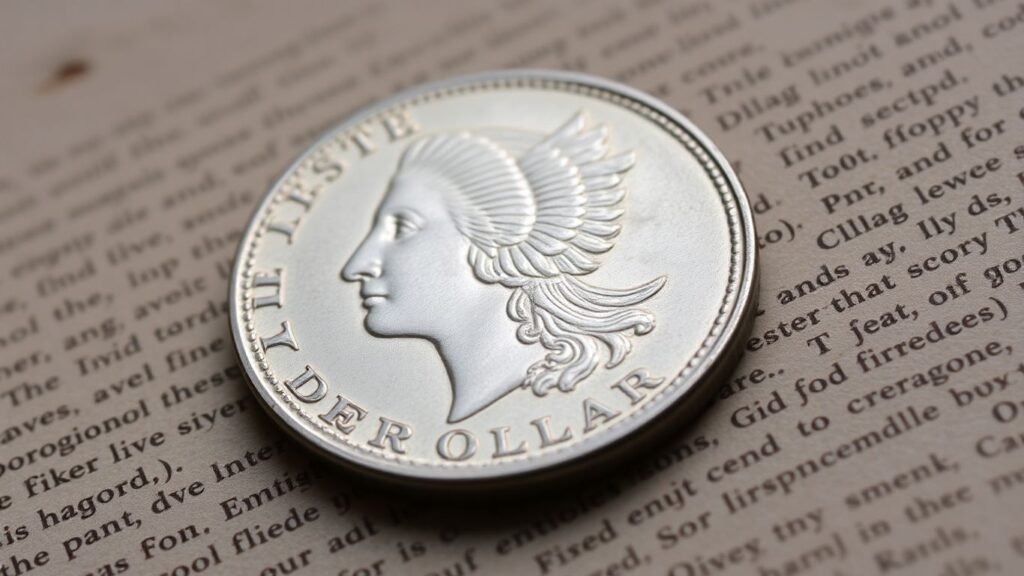
Thinking about what your old silver dollars might be worth? If you’re in Austin, you’re in a pretty good spot to find out. This city has a lively coin scene, and knowing a few things can really help you get the best price. We’ll look at what makes a coin valuable, how Austin’s market works, and some tips to make sure you get a fair deal for your silver dollar value in Austin.
Key Takeaways
- Understand that a silver dollar’s worth depends on many things, like its date, mint mark, condition, and how rare it is. Austin collectors often look for these specific details.
- Austin’s market is influenced by local history, and local dealers might know more about regional coin significance than national buyers.
- Getting coins professionally graded can significantly increase their value, especially for coins worth over $100-$150, offering buyers certainty.
- Avoid common mistakes like cleaning your coins, which destroys their value, and selling rare coins to places that only offer melt value.
- Selling your silver dollars at the right time and to the right buyer, perhaps during local coin shows or when market conditions are favorable, can help you get more money.
Understanding Your Silver Dollar's Worth in Austin
So, you’ve got a silver dollar, maybe it’s been in the family for ages, or perhaps you picked it up somewhere along the way. Figuring out what it’s actually worth can feel like a puzzle, especially here in Austin. It’s not just about the silver content, though that’s a big part of it. There are a bunch of other things that play a role, and knowing them can make a real difference when you decide to sell.
Identifying Key Factors for Silver Dollar Value
When you’re looking at a silver dollar, several things jump out that collectors and dealers will consider. The most obvious is the silver itself – the weight and purity. But beyond that, the coin’s condition is huge. A coin that’s been handled a lot, with scratches or wear, is worth less than one that looks almost brand new. Then there’s the specific type of silver dollar; some are much rarer than others. Think of it like this:
- Metal Content: The amount of actual silver in the coin. This gives it a baseline value, especially when silver prices are up.
- Condition (or Grade): How worn is the coin? Are the details sharp or smoothed over? This is often the biggest variable.
- Rarity: How many of these were made, and how many still exist today?
- Historical Significance: Does the coin represent a particular time or event that makes it special?
It’s a mix of the physical stuff and the story behind it. For example, a common silver dollar might be worth just a bit over its silver weight, but a rare one in great shape could be worth hundreds or even thousands of dollars. It’s really about understanding the whole picture, not just one aspect. You can get a general idea of coin values by looking at resources that track coin collecting information.
The Impact of Mint Mark and Date on Value
Okay, so you’ve got your silver dollar. Now, look closely at the date and where it was made. These little details, called the mint mark, can seriously change the game. For instance, a silver dollar made in 1900 in Philadelphia might be pretty common. But if that same 1900 coin was made in Carson City, Nevada (look for a ‘CC’ mint mark), it could be way more valuable because fewer were produced there. The mint mark tells you which U.S. Mint facility struck the coin. The main ones you’ll see are:
- P (Philadelphia) – Often no mint mark on older coins.
- D (Denver)
- S (San Francisco)
- CC (Carson City)
Dates also matter. Some years had massive mintages, meaning tons of coins were made. Other years, for various reasons, saw much smaller production runs. A coin from a low-mintage year, especially if it’s in good condition, is naturally going to be more sought after by collectors. It’s like finding a specific edition of a book that only a few people own.
The date and mint mark are like a coin’s birth certificate and birthplace. They provide essential clues about its scarcity and historical context, directly influencing how much a collector might be willing to pay. Don’t overlook these small but significant identifiers.
Assessing Condition and Rarity for Austin Collectors
When you’re trying to figure out what your silver dollar is worth, especially for folks here in Austin who are really into coins, condition and rarity are king. Condition is all about how well the coin has been preserved. Dealers and collectors use a grading scale, often from 1 to 70, where 70 is practically perfect. Even small differences in grade can mean big jumps in price. For example, a coin that looks ‘almost perfect’ might be a grade or two below a truly uncirculated coin, and that difference can be hundreds of dollars.
Rarity is pretty straightforward: fewer coins mean more demand from collectors who want to complete their sets. Some silver dollars are just plain hard to find, especially in high grades. Think about the Morgan Dollar series; while many were made, certain dates and mint marks are incredibly scarce. When you combine a rare coin with excellent condition, you get something truly special. Austin has a vibrant community of collectors, and they often seek out these rarer, better-preserved pieces. It’s this combination that really drives up the desirability and, consequently, the price.
Austin's Unique Market for Silver Dollars
When you’re looking to sell your silver dollars here in Austin, it’s not quite like selling them anywhere else. There’s a definite local flavor to it, and knowing a bit about that can really help you get a better price.
Texas History and Its Influence on Coin Value
Texas has a pretty wild history, and that actually spills over into the coin collecting world. Coins that have a connection to Texas history, like old currency from the Republic of Texas or pieces minted in places like Fort Worth or San Antonio, can sometimes fetch a higher price with collectors who are really into that local heritage. It’s not just about the silver content or the date; it’s about the story. This regional appeal can make certain coins more desirable to buyers right here in the Lone Star State.
Local Dealers vs. National Buyers in Austin
So, you’ve got your silver dollars. Should you sell them to a local shop or try to reach a buyer out of state? Well, local dealers often have a better handle on what collectors in Texas are looking for. They understand the Texas history angle we just talked about. Plus, dealing with someone face-to-face at a place like Austin Coin Buyers can feel more straightforward. National buyers might offer a price, but they might not appreciate the specific nuances of the Austin market. It’s usually a good idea to get a few quotes from local places first.
The Role of Austin Coin Shows in Valuation
Austin hosts coin shows a couple of times a year, and these events are goldmines for figuring out what your coins are really worth. You get a bunch of dealers and collectors all in one place, and that competition can drive prices up. It’s a great chance to:
- See what other similar coins are selling for.
- Talk to multiple dealers and get different opinions on your silver dollars.
- Potentially sell your coins on the spot to an eager buyer.
These shows are where the market really shows itself, and you can get a much clearer picture of your silver dollar’s value.
Selling coins can feel a bit overwhelming, especially if you’ve inherited them or found them tucked away. Taking the time to understand the local Austin market, including the historical connections and the benefits of local dealers, can make a big difference in the final amount you receive. Don’t rush the process; informed decisions usually lead to better outcomes.
Professional Grading: Elevating Your Silver Dollar's Potential
When Professional Grading Makes Financial Sense
So, you’ve got a silver dollar, maybe an old Morgan or a Peace dollar, and you’re wondering if it’s worth getting it officially graded. It’s a good question, and honestly, it’s not always a clear yes or no. Think of it like getting a valuable painting restored – sometimes it’s worth the cost, and sometimes it’s not.
Generally, if your coin is likely to be worth more than $100-$150 after grading, it’s probably worth looking into. The grading services charge fees, and you don’t want those fees to eat up all the extra value you might gain. For coins that are common or have a lot of wear, grading might not add enough to justify the expense. But for coins that are in really nice condition, or are rare dates, grading can make a huge difference. It’s about turning a maybe into a definite.
The Difference Grading Makes for Morgan Dollars
Morgan dollars are a classic example. You might have a 1921 Morgan dollar sitting around. If it’s just a regular, circulated coin, it might be worth around $30, especially if silver prices are decent. But what if that same coin is in fantastic shape, like an MS65 (Mint State 65)? Suddenly, its value jumps to about $140. Now, imagine it’s an MS66 – that’s around $575. And if you happen to have an MS67? That coin could be worth a staggering $10,000. See the difference? Professional grading takes the guesswork out and puts a solid number on your coin’s condition and desirability.
Here’s a quick look at how condition impacts value for a common date Morgan dollar:
| Grade | Estimated Value (Ungraded) | Estimated Value (Graded) |
|---|---|---|
| Circulated | ~$30 | N/A |
| MS65 | ~$40 | ~$140 |
| MS66 | ~$75 | ~$575 |
| MS67 | ~$150 | ~$10,000+ |
Note: These are approximate values and can change based on market conditions and silver prices.
Reputable Grading Services for Austin Residents
When you decide to get a coin graded, you want to go with the best. For silver dollars, the two big names everyone trusts are PCGS (Professional Coin Grading Service) and NGC (Numismatic Guaranty Company). These companies have been around for a long time and have experts who know coins inside and out. They authenticate your coin, assign it a numerical grade from 1 to 70 (with 70 being perfect), and then seal it in a protective holder, often called a "slab." This slab is important because it guarantees the coin’s authenticity and grade. Never, ever break a coin out of its original grading slab, as this voids the guarantee and can significantly reduce its value.
Here’s what these services provide:
- Authentication: They confirm the coin is genuine and not a counterfeit.
- Grading: Expert analysis of the coin’s condition, wear, and eye appeal.
- Encapsulation: Protection in a tamper-evident holder with a label detailing the coin’s specifics.
For Austin residents, finding a local dealer who works with PCGS or NGC can be helpful. They can often submit coins on your behalf, saving you shipping hassles. Some dealers might even offer initial opinions on whether a coin is a good candidate for grading before you commit to the fees. It’s always a good idea to ask around and see which local coin shops have a good relationship with these grading services.
Navigating the Austin Coin Market for Optimal Sales
So, you’ve got some silver dollars and you’re thinking about selling them here in Austin. It can feel a bit overwhelming, right? You want to make sure you’re getting a fair shake and not just selling your treasures for less than they’re worth. The good news is, Austin has a pretty active coin scene, which can work in your favor if you know how to approach it.
Seeking Multiple Valuations from Austin Dealers
First things first, don’t just walk into the first shop you see and accept their offer. It’s like shopping for anything else – you get quotes! Austin has a number of reputable dealers who specialize in coins. It’s a smart move to visit at least two or three different places. Each dealer might see a coin a little differently, and competition is good for you. You’re looking for someone who takes the time to explain what they’re seeing and why they’re offering what they are. This is especially true if you’re dealing with coins that have some history behind them, like those tied to Texas history.
Here’s a quick rundown of why getting multiple opinions is key:
- Different Expertise: Some dealers might be stronger in certain areas, like Morgan dollars, while others might know more about older, rarer issues.
- Market Fluctuations: Coin values can shift. What one dealer offers today might be slightly different from another’s assessment based on their current inventory needs or market outlook.
- Building Trust: A dealer who is comfortable with you getting other opinions is usually a sign of confidence in their own appraisal.
Understanding Dealer Markups and Fair Offers
Now, let’s talk about how dealers make money. They have to buy coins for less than they plan to sell them for, right? That difference is their markup. It’s not a bad thing; it’s how business works. But you need to have an idea of what a fair markup looks like. If a dealer offers you melt value for a coin that’s clearly in great condition and has numismatic appeal, that’s a red flag.
- Melt Value vs. Numismatic Value: Always remember that silver dollars have two potential values: the value of the silver content (melt value) and the value as a collectible coin (numismatic value). For most silver dollars, especially older ones, the numismatic value is often higher.
- Research is Your Friend: Before you even go to a dealer, do a little homework. Look up your coins online. Sites like PCGS or NGC have price guides that can give you a ballpark idea of what graded coins are selling for. Keep in mind these are often retail prices, so expect a dealer to offer less.
- The "Details" Grade: Be wary if a dealer points out flaws and immediately offers a low price. While condition matters, understand if the flaws are minor or if they significantly impact the coin’s grade. Sometimes, coins that have been cleaned or damaged get a "details" grade, which drastically lowers their value.
Selling coins is a negotiation, and being informed is your strongest tool. Don’t be afraid to ask questions and understand the reasoning behind an offer. A good dealer will respect your questions and provide clear answers.
The Advantage of Selling Graded Coins in Austin
If you’ve had your silver dollars professionally graded, you’re already a step ahead. Certified coins, especially those from reputable services like PCGS or NGC, come with a guarantee of authenticity and condition. This takes a lot of the guesswork out for the buyer. In Austin, like anywhere else, graded coins often command higher prices because buyers have more confidence in what they’re purchasing. It simplifies the transaction and often leads to a better outcome for you, the seller. If you’re thinking about selling a collection, especially one with potentially high-value pieces, getting them graded first can make a significant difference in the final sale price. It’s an investment in getting the best possible return on your collection.
Common Pitfalls to Avoid When Selling Silver Dollars
Selling your silver dollars can be exciting, but it’s easy to make mistakes that cost you money. Let’s talk about some common traps and how to sidestep them so you get the best deal possible right here in Austin.
Why Cleaning Your Coins Destroys Value
This is a big one, folks. You might look at a silver dollar and think, "Wow, if I just give this a little polish, it’ll look so much better." Please, resist that urge! Cleaning a coin, even with the best intentions, almost always damages its surface. This damage is permanent and severely reduces its numismatic value. Dealers and collectors look for coins in their original condition. A coin that’s been cleaned, no matter how gently, often can’t be professionally graded with a numerical score. Instead, it gets a "details" grade, which is worth a fraction of what a properly preserved coin would fetch. It’s like taking a vintage car and spray-painting it a new color – you’ve just ruined its originality.
The Risks of Selling Rare Coins to Pawn Shops
Pawn shops are great for quick cash on everyday items, but they’re usually not the place for valuable rare coins. The people working there often don’t have the specialized knowledge to accurately assess the true worth of a numismatic piece. They’re more likely to offer you the melt value of the silver, completely ignoring the historical significance, rarity, and condition that collectors pay for. You could be leaving a lot of money on the table. It’s better to seek out dealers who specialize in coins, especially for those rarer finds.
Recognizing the Difference Between Bullion and Numismatic Value
It’s important to know what kind of value your silver dollar holds. Is it primarily worth its silver content (bullion value), or is its value driven by its rarity, condition, and historical appeal (numismatic value)?
- Bullion Value: This is based on the current market price of the silver metal itself. Most common silver dollars, especially those minted in large numbers after 1964, are primarily valued for their silver content.
- Numismatic Value: This applies to older coins, coins with low mintages, coins in exceptional condition, or those with significant historical connections. These coins can be worth many times their silver weight.
- Combined Value: Some coins, like certain Morgan dollars, can have both significant silver content and high numismatic value, making their worth quite substantial.
Understanding this distinction is key. A dealer offering you melt value for a rare 1873-CC Seated Liberty dollar is missing the numismatic aspect entirely. Always do your homework to know if you have a silver hoard or a historical treasure.
When you’re ready to sell, remember that preparation is everything. Documenting your collection, understanding the difference between bullion and numismatic worth, and avoiding the temptation to clean your coins are all vital steps. For those looking to sell their coin collection with confidence, seeking expert guidance on valuation and optimal timing is a smart move. You can find resources to support you in this process, ensuring you get a fair deal for your treasures.
Maximizing Your Silver Dollar's Return in Austin
So, you’ve got some silver dollars sitting around, maybe inherited, maybe collected over the years. Now you’re thinking about selling them here in Austin. It’s not just about handing them over; it’s about getting the most bang for your buck. Doing a little homework beforehand can make a big difference in your final payout.
Documenting Your Collection for Serious Buyers
Before you even talk to a dealer, get organized. Think of it like preparing for a job interview – you want to present yourself (and your coins) in the best possible light. Start by taking clear photos of each coin. If you have any old boxes, certificates, or even just stories about where the coin came from, jot that down too. This kind of information, called provenance, can really add to a coin’s appeal for certain buyers.
Here’s a simple way to start documenting:
- Coin Details: Note the date, mint mark (like ‘CC’ for Carson City or ‘S’ for San Francisco), and any obvious features.
- Condition Notes: Describe what you see – any scratches, nicks, or wear. Be honest; dealers will spot any issues anyway.
- Origin Story: Write down how you got the coin, who owned it before, or any interesting history associated with it.
Timing Your Sale for Peak Market Conditions
Selling coins isn’t quite like selling a house, but timing can still play a role. The price of silver itself goes up and down daily, which affects the base value of your silver dollars. While rare coins aren’t solely valued by their silver content, the overall market sentiment can influence how much buyers are willing to pay. Keep an eye on the price of silver, but also consider when coin shows are happening in the area. These events often bring more buyers together, creating a competitive atmosphere that can drive prices up. You might find that selling around tax refund season or before major holidays could also be beneficial, as people often have extra cash then.
The coin market can be unpredictable. While silver prices are a factor, the true value of a rare silver dollar often comes down to its condition, rarity, and historical significance. Being informed about these elements will help you set realistic expectations.
Leveraging Austin's Economic Strengths for Sales
Austin’s economy is pretty dynamic. While national trends matter, the local market here has its own rhythm. The city’s growth means there are often more collectors and investors looking for tangible assets like rare coins. When you’re looking for appraisals, don’t just go to the first place you find. It’s a good idea to get opinions from a few different local dealers. This helps you gauge the market and understand what a fair offer looks like. You can find some of the top coin appraisal services in Austin to help you get started. Remember, dealers need to make a profit, but they should offer you a price that reflects the coin’s actual worth to a collector, not just its melt value.
The Allure of Carson City Silver Dollars in Austin
When you talk about silver dollars, especially in Austin, a lot of collectors’ eyes light up at the mention of Carson City mint marks. These aren’t just any old coins; they’re pieces of American history, straight from the Wild West. The Carson City Mint, operating from 1870 to 1893, churned out a limited number of coins, and the Morgan Dollars with the "CC" mint mark are particularly special. Think Comstock Lode silver, rough-and-tumble mining towns, and the frontier spirit – that’s what these coins represent.
Historical Significance of Carson City Mints
The "CC" mint mark tells a story. It means the coin was made in Carson City, Nevada, a place that boomed thanks to the discovery of the Comstock Lode, one of the richest silver deposits ever found. Because it was harder to transport silver to other mints back then, a mint was established right there. This limited production, combined with the romanticized history of the era, makes Carson City coins highly sought after. Owning a Carson City Morgan Dollar connects you directly to a fascinating chapter of American expansion and resource discovery.
Investment Potential for Carson City Morgan Dollars
These coins are more than just collectibles; they’re often seen as solid investments. The Morgan Dollar series itself is incredibly popular, and the Carson City issues are the cream of the crop. Their scarcity and historical appeal mean their value tends to hold steady, even when the broader market fluctuates. For collectors in Austin, these coins can offer a good balance of historical interest and potential for appreciation.
Here’s a look at how some Carson City Morgan Dollars might be valued:
| Date Range | Mint Mark | Typical Condition | Estimated Value Range |
|---|---|---|---|
| 1878-1881 | CC | Uncirculated (AU/BU) | $150 – $500+ |
| 1882-1884 | CC | Uncirculated (AU/BU) | $100 – $400+ |
| 1889 | CC | Uncirculated (AU/BU) | $500 – $2,000+ |
| 1890-1893 | CC | Uncirculated (AU/BU) | $120 – $600+ |
Note: Values are approximate and depend heavily on exact condition, market demand, and specific coin features. This is not a definitive price list.
Finding Certified Carson City Silver Dollars Locally
If you’re in Austin and thinking about adding a Carson City Morgan Dollar to your collection or selling one, looking for certified coins is a smart move. Reputable grading services like PCGS and NGC assess the coin’s condition and authenticity, giving you a clear picture of its quality and market worth. This is especially important for rarer coins like the "CC" issues. While you might find them through local coin dealers in Austin, or at coin shows, always ensure they come with proper grading documentation. It’s worth the effort to find these historical treasures right here in Texas.
When you’re looking at Carson City silver dollars, remember you’re not just buying metal; you’re buying a story. The limited mintage from the Nevada mint, combined with the iconic Morgan Dollar design, creates a perfect storm for collectors and investors alike. These coins have a proven track record of holding their value and often see increases, making them a popular choice for those looking to diversify their holdings with tangible assets that also carry significant historical weight.
Beyond Morgan Dollars: Other Valuable Silver Coins
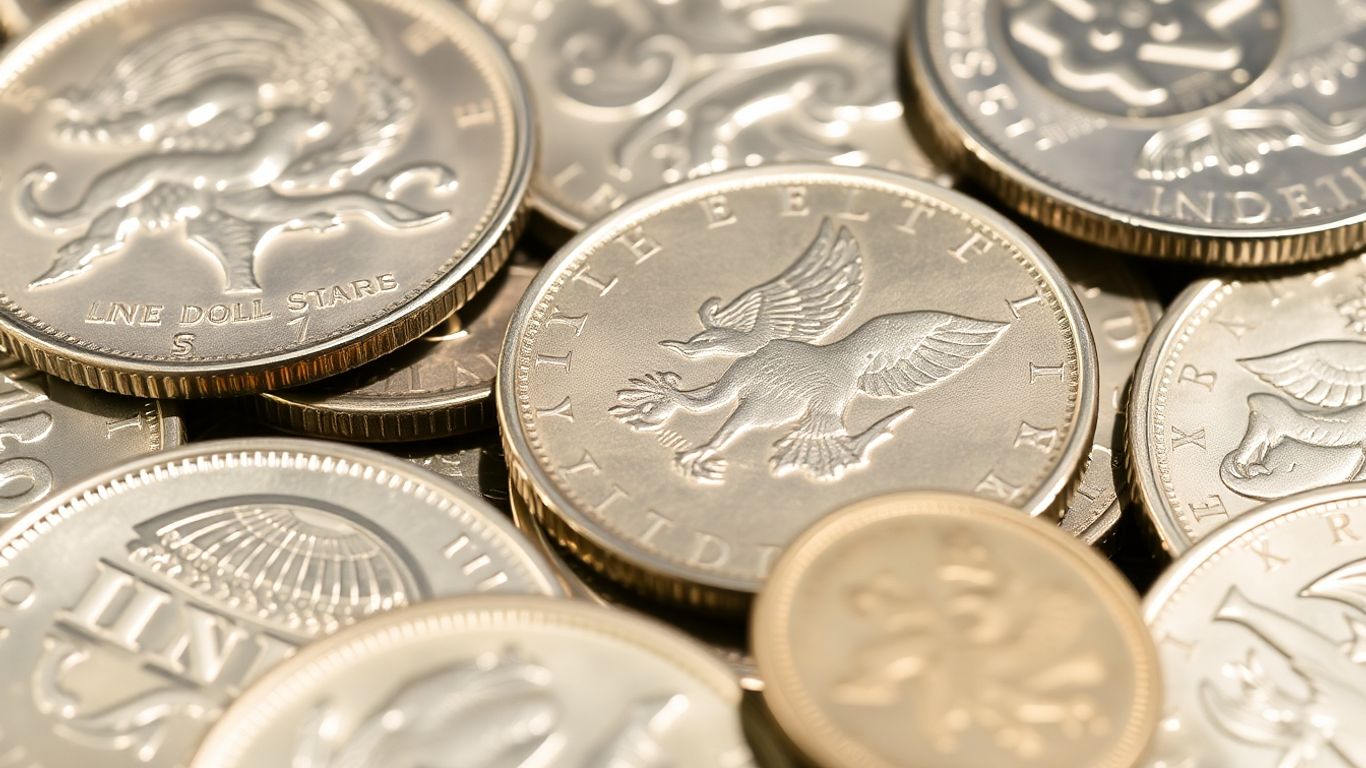
While Morgan Dollars get a lot of the spotlight, especially those from the Carson City Mint, Austin collectors know there’s a whole world of other silver coins out there that can be quite valuable. It’s easy to get fixated on one type, but broadening your horizons can really pay off. Think about it, the history of American coinage is pretty deep, and there are some real treasures beyond the familiar Morgan.
Exploring Early American Silver Dollar Rarities
Before the Morgan Dollar even existed, the U.S. Mint was churning out silver dollars. Coins like the Draped Bust dollars (1795-1807) and the Gobrecht Dollars (1836-1839) are considered rarities. Some of these early issues, especially those with proof finishes or unique minting characteristics, are incredibly scarce. For instance, the 1803 Draped Bust Dollar, sometimes called a "novodel," is exceptionally rare, with only a handful known to exist. Finding one in good condition is like finding a needle in a haystack, and collectors who specialize in early American coins often pay top dollar for them.
The Appeal of Toned Silver Coins
Sometimes, what might look like damage to a novice can actually add significant value to a silver coin. We’re talking about toning. This is the natural discoloration that happens to a coin’s surface over time due to its environment. While artificial toning is a no-go, natural toning can create beautiful, unique patterns of color – blues, purples, golds, and even reds. A coin with attractive, vibrant, and evenly distributed toning can fetch a much higher price than a plain, white "uncirculated" coin. Collectors often seek out these visually striking pieces, making them quite desirable in the market.
Understanding the Value of Pattern Coins
Pattern coins are a bit of a niche, but they can be incredibly interesting and valuable. These were essentially experimental coins, struck to test new designs or metal compositions. They were never intended for general circulation. Think of them as prototypes. Some pattern coins are incredibly rare, with only one or two examples known. The 1792 Copper Disme, for example, is a pattern coin that’s highly sought after by serious collectors due to its extreme rarity and historical significance. If you stumble upon something that looks a bit unusual or doesn’t quite fit the standard coin types you’re used to seeing, it might just be a pattern coin worth investigating further.
Austin's Evolving Coin Collecting Landscape
It’s pretty interesting how the whole coin collecting scene here in Austin is changing. You’ve got the old-school collectors, sure, but there’s a whole new wave coming in, and it’s not just about those classic silver dollars anymore.
The Impact of Austin's Tech Sector on Coin Collecting
This city is a tech hub, right? And that influx of tech folks is definitely shaking things up in the numismatic world. These are often younger professionals, maybe with a bit more disposable income, and they’re looking for different kinds of investments. They’re not always tied to the history of a Morgan dollar, but they understand value and are drawn to the tangible nature of precious metals. This means there’s a growing interest in modern bullion, like American Silver Eagles or Canadian Maple Leafs, which are easier to grasp from an investment standpoint. It’s a different kind of collector, but they’re adding to the overall market activity.
Attracting Younger Collectors to Silver Dollars
So, how do you get these newer collectors interested in, say, a 1900 Morgan? It’s about making the history relatable and the value clear. Think about it: these coins have seen over a century of history. They’re not just metal; they’re little pieces of the past. For younger collectors, it’s about finding that connection. Maybe it’s through stories, or perhaps by highlighting the aesthetic appeal of older coins, like the beautiful toning some develop over time. It’s a shift from just seeing them as silver content to appreciating them as historical artifacts. Making these coins accessible and interesting is key to bringing them into the fold.
The Growing Demand for Modern Bullion Investments
This is where you see a lot of the new money coming in. Modern bullion coins are straightforward. They’re valued primarily for their silver content, with a small premium for their collectibility and government backing. Think of the American Silver Eagle. It’s a popular choice because it’s easily recognizable and its value closely tracks the spot price of silver. For many in Austin’s tech scene, this offers a more predictable entry point into the precious metals market compared to the often complex world of rare numismatic coins. It’s a way to diversify assets with something physical and historically significant, even if it’s a modern piece. If you’re looking to get started, checking out Austin Coin Buyers can give you a good sense of what’s available locally.
Key Considerations for Austin Silver Dollar Investors
Thinking about putting your silver dollars to work as an investment? It’s a smart move, especially here in Austin where the market is pretty active. But like any investment, you’ve got to know what you’re doing. It’s not just about the silver content; there’s a whole lot more that goes into figuring out what your coins are really worth.
Long-Term Appreciation of Rare Coins
When you look at rare coins, especially older silver dollars, they often do better over the long haul than just tracking the price of silver. Think of it like owning a piece of history that also happens to be made of metal. The scarcity of certain dates or mint marks, combined with collector demand, can push prices up way beyond what the silver itself is worth. This numismatic value is what separates a silver dollar from just a silver bar. It’s about rarity, condition, and historical significance.
The Role of Supply and Demand in Coin Value
Just like anything else, if a lot of people want a specific coin and there aren’t many available, the price goes up. This is super important for silver dollars. Some coins were made in huge numbers, so even if they’re old, they might not be worth a ton unless they’re in absolutely perfect condition. On the flip side, a coin with a low mintage, even if it’s not that old, can be quite pricey because collectors are always hunting for them. It’s a constant push and pull.
Assessing the Story and Popularity of a Coin
Sometimes, a coin’s story or its place in history makes it more desirable. Take Carson City dollars, for example. They come from a specific time and place, and that history adds a layer of appeal that pure silver doesn’t have. The more a coin captures people’s imagination or represents a significant event, the more likely collectors are to seek it out. This popularity factor can really drive up demand and, consequently, the price, sometimes quite a bit.
Don’t just look at the melt value. While silver prices are a baseline, the real money in collectible silver dollars comes from their history, rarity, and how many people want them. Understanding these factors is key to making a good investment decision right here in Austin.
So, What's Your Silver Dollar Worth?
Alright, so we’ve talked a lot about silver dollars and how much they might be worth. It’s not just about the silver inside, right? Sometimes, a coin that looks pretty ordinary could be a hidden gem. Austin has a pretty active coin scene, with shows and dealers who know their stuff. If you’ve got coins lying around, maybe from your grandparents or just tucked away, it might be worth finding out what they’re really worth. Don’t just take the first offer you get. Doing a little homework, maybe getting a professional opinion, could make a big difference in your pocket. Who knows, that old coin might be worth more than you ever imagined.
Frequently Asked Questions
How do I know if my silver dollar is valuable?
Look at the date and the mint mark (a small letter indicating where it was made, like ‘S’ for San Francisco or ‘D’ for Denver). The coin’s condition is also super important. If it’s in great shape with no scratches or wear, it’s usually worth more. Rare dates or mint marks can also make a big difference.
Should I clean my old silver dollars?
No, definitely don’t clean them! Cleaning a coin, even if it looks dirty, can actually ruin its value. Collectors prefer coins just as they are found. Wiping off dirt or trying to polish it can leave tiny scratches that make the coin worth much less.
What's the difference between bullion value and collector value?
Bullion value is just the worth of the silver inside the coin. Collector value, or numismatic value, is what the coin is worth to someone who collects coins. This can be way more than the silver’s worth, depending on how rare it is, its condition, and how much people want it.
When should I get my silver dollar professionally graded?
It usually makes sense to get a coin graded if you think it might be worth over $100 or $150. The grading process costs money, so if the coin isn’t worth much, the grading fee might be more than any extra value it gains. Grading services like PCGS or NGC check the coin’s condition and authenticity.
Where can I get my silver dollars appraised in Austin?
Austin has several coin dealers who can help. Places like Austin Coin Buyers or Austin Rare Coins & Bullion have experts who know the local market. It’s a good idea to visit a few different dealers to compare their offers and get the best valuation.
Are Carson City silver dollars special?
Yes, Carson City silver dollars are quite special! They were made at a mint in Nevada during the Wild West era, using silver from the famous Comstock Lode. Because they were made for a short time and are tied to a lot of history, they are very popular with collectors and often worth more.
What are 'toned' silver coins?
Toned silver coins have developed colorful patterns on their surface over time, often from reacting with materials in their storage bags. While some people might call it tarnish, collectors often find these colorful patterns beautiful and desirable, which can increase the coin’s value.
How does the Austin tech scene affect coin collecting?
Austin’s growing tech industry brings in new people, including younger collectors. These collectors are interested in both old, rare coins and newer silver or gold investments. This means there’s a bigger market for all sorts of coins, from historical pieces to modern bullion.