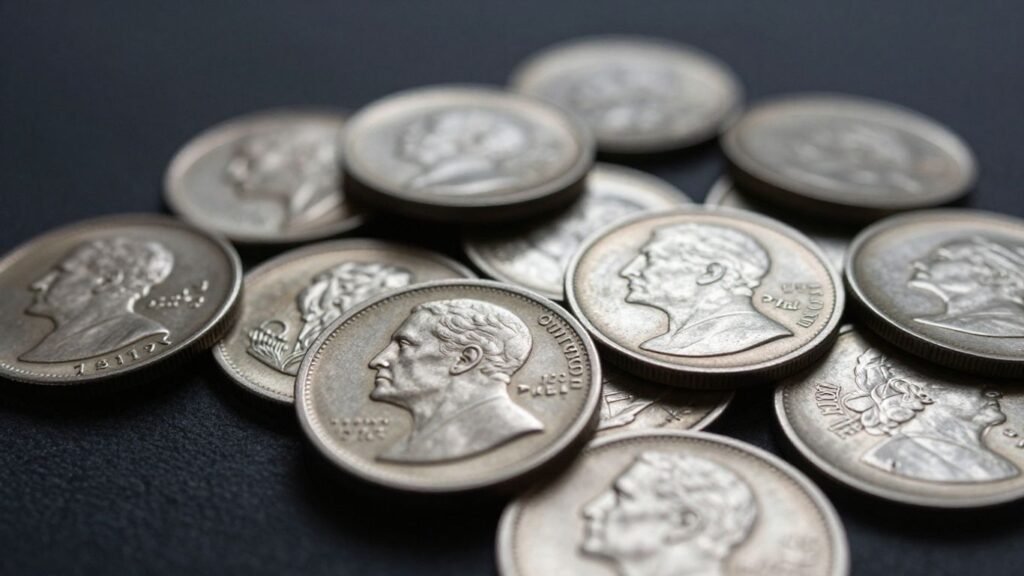
Thinking about selling some old silver coins? Austin, Texas, has a market for them, especially if you’ve got those 40 percent silver Kennedy half dollars. These coins, minted between 1965 and 1970, aren’t worth a fortune on their own, but their silver content still holds value. If you’re wondering where to find 40 percent silver coin buyers in Austin, TX, you’re in the right place. We’ll cover what to look for, where to go, and how to get the best deal for your silver.
Key Takeaways
- The Village Coin Shop is a well-known spot in Austin for buying and selling coins, including silver ones.
- Austin Rare Advisors can help if you have rare coins and want expert advice on selling them.
- Forty percent silver coins are typically Kennedy half dollars made from 1965 to 1970.
- Before selling, check your coins’ condition and understand if their value comes from silver content or collector interest.
- When selling, look for dealers who offer fair prices and are transparent about the selling process.
Austin's Premier 40 Percent Silver Coin Buyers
Understanding 40% Silver Kennedy Half Dollars
When you’re looking to sell silver coins in Austin, it’s helpful to know what you’ve got. A lot of people have heard about 90% silver coins, but there’s another category that’s pretty common: 40% silver. These are mostly the Kennedy half dollars that were made between 1965 and 1970. They look similar to the earlier half dollars, but the silver content is lower. The U.S. Mint changed the composition because the price of silver was going up. So, while they’re still silver, they’re not as pure as the older coins.
Where to Find Expert Appraisals in Austin
Getting a fair price for your coins starts with knowing their worth. In Austin, there are a few places that can help you figure out exactly what your 40% silver coins are worth. You don’t want to just take the first offer you get, especially if you’re not sure about the value. A good appraisal will look at the silver content, of course, but sometimes the condition of the coin can matter too, though for 40% silver, it’s usually about the melt value.
Here’s what to look for in an appraiser:
- Knowledge: Do they know the difference between 40% and 90% silver? Can they identify specific dates and mint marks?
- Transparency: Are they open about how they arrive at their valuation? Do they explain their pricing?
- Reputation: What do other people say about them? Are they known for being honest and fair?
Navigating the Market for Silver Coin Sales
Selling silver coins can feel a bit like a puzzle sometimes. You want to get a good price, but you also want the process to be straightforward. For 40% silver, the value is pretty closely tied to the current price of silver. This means the market can shift, and what your coins are worth today might be different tomorrow. It’s a good idea to have a general sense of silver prices before you go to sell.
The key to selling 40% silver coins is understanding that their value is primarily driven by their silver content. While some collectors might be interested, most buyers will be looking at the melt value. This makes it important to find buyers who are transparent about how they calculate their offers based on the spot price of silver.
When you’re ready to sell, think about these points:
- Check Current Silver Prices: A quick online search for "spot silver price" will give you a good idea of the going rate.
- Compare Offers: Don’t settle for the first offer. Visit a couple of different dealers to see who offers the best price.
- Know Your Coins: Even if it’s just 40% silver, knowing you have Kennedy half dollars from 1965-1970 is a good start.
Selling Your Silver Coins in the Austin Area
So, you’ve got some old silver coins lying around and you’re wondering what to do with them, especially if they’re the 40% silver variety. It’s not as complicated as it might seem, and Austin has a few good spots to check out. The first step is figuring out exactly what you have. It’s easy to get confused between different silver compositions, but knowing what you’re selling is key to getting a fair price.
Identifying Your 40% Silver Coin Holdings
When we talk about 40% silver coins, we’re mostly looking at Kennedy half dollars minted between 1965 and 1970. Before 1965, most US dimes, quarters, and half dollars were 90% silver. The government changed the composition for a few years, and that’s where the 40% silver coins come in. It’s important to distinguish these from the older, higher silver content coins, as their value is calculated differently. You’ll want to check the mint date on your coins. If it falls within that 1965-1970 range, you likely have 40% silver.
- Kennedy Half Dollars (1965-1970): These are the primary coins you’ll find with 40% silver content.
- Other Silver Coins: Be aware of 90% silver coins (pre-1965 dimes, quarters, half dollars) and silver bullion, which have different market values.
- Proof Sets & Commemoratives: Some special mint sets might also contain 40% silver, but these are less common for casual sellers.
It’s a good idea to get a general sense of what you have before you head out to sell. Knowing the dates and types of coins can help you have a more productive conversation with potential buyers and avoid any misunderstandings about their silver content.
Local Austin Coin Dealers Who Buy Silver
Austin has a number of reputable dealers who are interested in buying silver coins. Places like The Village Coin Shop are well-known in the area for their fair dealings and knowledge of precious metals. They, along with other local shops, are accustomed to evaluating coins based on their silver content and current market prices. It’s always a good move to call ahead or check their hours before you visit. Some dealers might specialize more in certain types of coins, so a quick call can save you a trip.
Maximizing Your Return on Silver Coin Sales
To get the most for your silver, do a little homework. Check the current spot price of silver online – this gives you a baseline for what your metal is worth. While dealers need to make a profit, understanding the market helps you gauge if their offer is reasonable. Don’t be afraid to get quotes from a couple of different places. The more informed you are, the better your chances of getting a fair deal. Remember, 40% silver coins are primarily valued for their silver content, not usually for their numismatic (collector) value, unless they are particularly rare dates or in exceptional condition. For those looking to sell a collection, Austin Rare Advisors can offer experienced guidance.
Key Austin Locations for Silver Coin Transactions
The Village Coin Shop: A Trusted Austin Buyer
When you’re looking to sell your 40% silver coins in Austin, The Village Coin Shop is a place many locals turn to. They’ve been around for a while and deal with all sorts of coins and precious metals. You can find them in Northwest Austin, near Research Blvd and Spicewood Springs Rd. They’re open Tuesday through Saturday, usually from 10 AM to 4 PM, but it’s always a good idea to check their hours before you head over. They handle a wide range of items, not just silver coins, so they’re used to seeing different types of collections.
Other Reputable Dealers for 40% Silver
Beyond The Village Coin Shop, Austin has a few other spots where you might find buyers for your 40% silver. It’s worth doing a little homework to see who’s currently active and paying fair prices. Sometimes, dealers specialize in certain types of coins, so one might be more interested in your specific holdings than another. It’s not uncommon for coin shops to also deal in jewelry or bullion, so they often have a good sense of the metal’s value.
Here are a few things to consider when looking for other dealers:
- Location: Are they conveniently located for you?
- Reputation: Do they have good reviews or word-of-mouth recommendations?
- Inventory: Do they seem to buy and sell a variety of coins, suggesting they’re active in the market?
- Specialization: Do they mention buying silver coins specifically?
Austin Rare Advisors: Expertise in Coin Sales
Austin Rare Advisors focuses more on the rare coin side of things, but they can still be a resource, especially if your collection has some higher-value pieces mixed in with your 40% silver. They emphasize that rare coins are often long-term investments, and they have decades of experience in the field. If you have a significant collection or are unsure about the numismatic value of your coins beyond their silver content, they might be a good place to get a professional opinion. They operate by appointment, so you’ll need to call ahead to schedule a meeting.
Selling coins can feel a bit overwhelming, especially if you’re not a seasoned collector. It’s smart to get a few opinions and compare offers. Remember, the price of silver fluctuates daily, and the condition of your coins can also play a role in what a buyer is willing to pay. Don’t be afraid to ask questions about how they arrive at their prices.
What Constitutes 40 Percent Silver Coinage
The Composition of 40% Silver Coins
When we talk about 40% silver coins, we’re generally referring to a specific era of U.S. coinage. Unlike the older, more common 90% silver coins, these pieces have a reduced silver content. The U.S. Mint used this 40% silver composition for a limited time, primarily for certain denominations of circulating coins. It’s a bit of a middle ground between the older silver coins and the base metal coins we see today.
Distinguishing 40% Silver from 90% Silver
Figuring out if you have 40% or 90% silver can be a little tricky if you’re not familiar with it. The easiest way to tell is by the date on the coin. Most 90% silver coins were minted before 1965. The 40% silver coins, on the other hand, fall into a narrower date range. They were made during a period when the U.S. was transitioning away from higher silver content in its currency.
Here’s a quick rundown:
- 90% Silver Coins: Generally, dimes, quarters, and half dollars minted from 1892 up to 1964. This includes popular series like Mercury dimes, Washington quarters, and Franklin half dollars.
- 40% Silver Coins: Primarily Kennedy half dollars minted from 1965 through 1970, and the Eisenhower dollar coins minted from 1971 through 1974.
So, if you’re looking at a coin dated 1965 or later, and it’s a half dollar or a dollar coin, it’s likely to be 40% silver. Anything dated 1964 or earlier, in those denominations, is usually 90% silver.
Identifying Kennedy Half Dollars (1965-1970)
The most common coins you’ll encounter that are 40% silver are the Kennedy half dollars. These coins were minted with this silver content for a specific period following the assassination of President John F. Kennedy. The intention was to honor him with a coin that still contained some silver, but at a lower cost to the government than the 90% silver coins.
Here’s how to spot them:
- Dates: Look for Kennedy half dollars dated between 1965 and 1970.
- Mint Marks: These coins were minted in Philadelphia (no mint mark) and Denver (D).
- Appearance: They look very similar to the 1964 Kennedy half dollars (which are 90% silver), but the date is the key differentiator.
While these coins contain silver, their value is primarily driven by their melt value rather than significant numismatic (collector) appeal, especially for common dates in average condition. This makes them a frequent target for those looking to sell silver based on its metal content.
It’s worth noting that while 40% silver coins are less common than their 90% counterparts, they still hold a place in the world of silver collecting and investment. Knowing their composition and dates is the first step to understanding their worth when you’re ready to sell.
Preparing Your Silver Coins for Sale
So, you’ve decided to sell some of your 40 percent silver coins. That’s great! Before you head out to meet with buyers, taking a little time to get your coins ready can make a big difference. It’s not about making them look brand new, but more about presenting them in a way that makes it easy for dealers to assess their value. Think of it as tidying up before guests arrive.
Assessing the Condition of Your Coins
When it comes to silver coins, especially those with a lower silver content like the 40% Kennedy half dollars, their condition plays a big role. Dealers will look at things like wear and tear, any scratches, or damage. While you can’t undo existing wear, you can avoid making things worse. Don’t try to clean your coins with harsh chemicals or abrasive materials. This can actually lower their value. A gentle wipe with a soft, lint-free cloth to remove loose dust is usually all that’s needed, if anything.
Understanding Bullion Value vs. Numismatic Value
It’s important to know that your 40% silver coins have two kinds of value. There’s the melt value, which is based on the amount of silver in the coin. Then there’s the numismatic value, which is what collectors might pay for the coin based on its rarity, condition, and historical significance. For 40% silver Kennedy half dollars, the bullion value is often the primary driver of price, especially since they were minted in large quantities. However, a coin in exceptionally good condition or a rare mint date could fetch a bit more.
Organizing Your Collection for Buyers
Making it easy for a buyer to see what you have is key. You don’t need to sort them by year or mint mark unless you want to, but grouping them can help. A simple way to organize is to keep your 40% silver coins separate from any other types of coins you might have. If you have a significant number, consider putting them in small bags or rolls. This shows you’ve put some thought into your collection and makes the dealer’s job simpler. For instance, if you have a large quantity, grouping them by silver fineness can speed things up considerably.
Presenting your coins in an organized manner not only shows respect for the buyer’s time but also helps you keep track of what you’re selling. It can prevent mix-ups and ensure you get a clear picture of the value of your holdings.
Austin Coin Buyers: What to Expect
Fair Pricing for Your Silver Holdings
When you’re looking to sell your 40% silver coins, getting a fair price is probably at the top of your mind. Most reputable Austin coin dealers aim to offer prices that reflect the current market value of the silver content, plus a small margin for their business. They understand that you want to get the most for your collection, and they want to make a profit too. It’s a balance, really. You’ll find that prices can fluctuate based on the daily silver spot price, so what you’re offered one day might be slightly different the next. Don’t be afraid to shop around a bit to compare offers.
The Selling Process with Local Dealers
Selling your coins locally in Austin is usually a pretty straightforward process. Here’s a general idea of what happens:
- Initial Contact: You’ll typically reach out to a dealer, either by phone or by visiting their shop. Some places might ask you to schedule an appointment, especially if you have a large collection.
- Appraisal: The dealer will examine your coins. They’ll look at the silver content, the condition of the coins, and any potential numismatic (collector) value they might have.
- Offer: Based on their assessment and current market rates, they’ll make you an offer.
- Transaction: If you accept the offer, the dealer will pay you, usually in cash or via check, and take possession of your coins.
It’s a good idea to have an idea of what your coins are worth beforehand, but remember that the dealer’s offer is based on their ability to resell them.
Building Trust with Austin Coin Buyers
Trust is a big part of any transaction, especially when dealing with potentially valuable items like silver coins. Look for dealers who are transparent about their pricing and the process. A good buyer will be happy to explain how they arrived at their offer and answer any questions you have. Many long-standing coin shops in Austin have built their reputation on honest dealings over many years. Checking reviews or asking for recommendations can help you find these trusted partners. For instance, places like The Village Coin Shop have been serving the Austin community for a while, which often indicates a reliable business.
When you’re ready to sell, remember that the value of your 40% silver coins is primarily tied to the silver market. While some coins might have a small collector’s premium, the bulk of their worth comes from the precious metal content. Dealers factor this into their offers, aiming for a price that allows them to profit while still being attractive to you.
Beyond 40 Percent: Other Silver Coin Investments
So, you’ve looked into the 40% silver Kennedy half dollars, and maybe you’re thinking, "What else is out there?" It’s a good question to ask. While 40% silver coins have their place, the world of silver coinage is much bigger. You might find yourself interested in other types of silver coins, especially if you’re looking to diversify your holdings or get more silver for your buck.
Exploring 90% Junk Silver Opportunities
When people talk about "junk silver," they’re usually referring to U.S. coins minted before 1965. These coins are made up of 90% silver. Think dimes, quarters, and half dollars from before that year. They’re called "junk" not because they’re worthless, but because their value is mostly tied to the silver content, not some rare collectible status. It’s a straightforward way to own physical silver.
- Common 90% Silver Coins:
- Mercury Dimes (1916-1945)
- Washington Quarters (1932-1964)
- Franklin Half Dollars (1948-1963)
- Kennedy Half Dollars (1964 only)
- Why Buy 90% Silver?
- More silver content per dollar compared to 40% coins.
- Widely recognized and easier to sell.
- A good entry point for investing in silver.
These pre-1965 coins are a tangible way to hold silver. Unlike paper money, they have intrinsic value that’s recognized globally. Even if you don’t sell them for their collector value, their silver content provides a solid base.
The Role of Silver Bullion in Austin
Beyond collectible coins, there’s also silver bullion. This is silver in its most basic form, like bars or rounds, stamped with its weight and purity. While coins have historical appeal, bullion is all about the silver itself. In Austin, like anywhere else, bullion is a popular choice for those focused purely on the metal’s investment potential. It’s often simpler to price and trade based on the current market rate for silver.
| Type | Purity | Common Forms |
|---|---|---|
| Silver Bullion | .999+ | Bars, Rounds, Ingots |
Considering Rare Coins as Investments
Then you have the world of rare coins. These aren’t just about the silver they contain; they’re valuable because of their rarity, historical significance, and condition. Some rare coins might contain silver, but their price is driven by collector demand. This is a different ballgame than just buying silver. It requires more research and often involves higher price tags, but the potential for appreciation can be significant if you know what you’re looking for. These coins are often considered long-term investments.
Austin's Market for Precious Metals
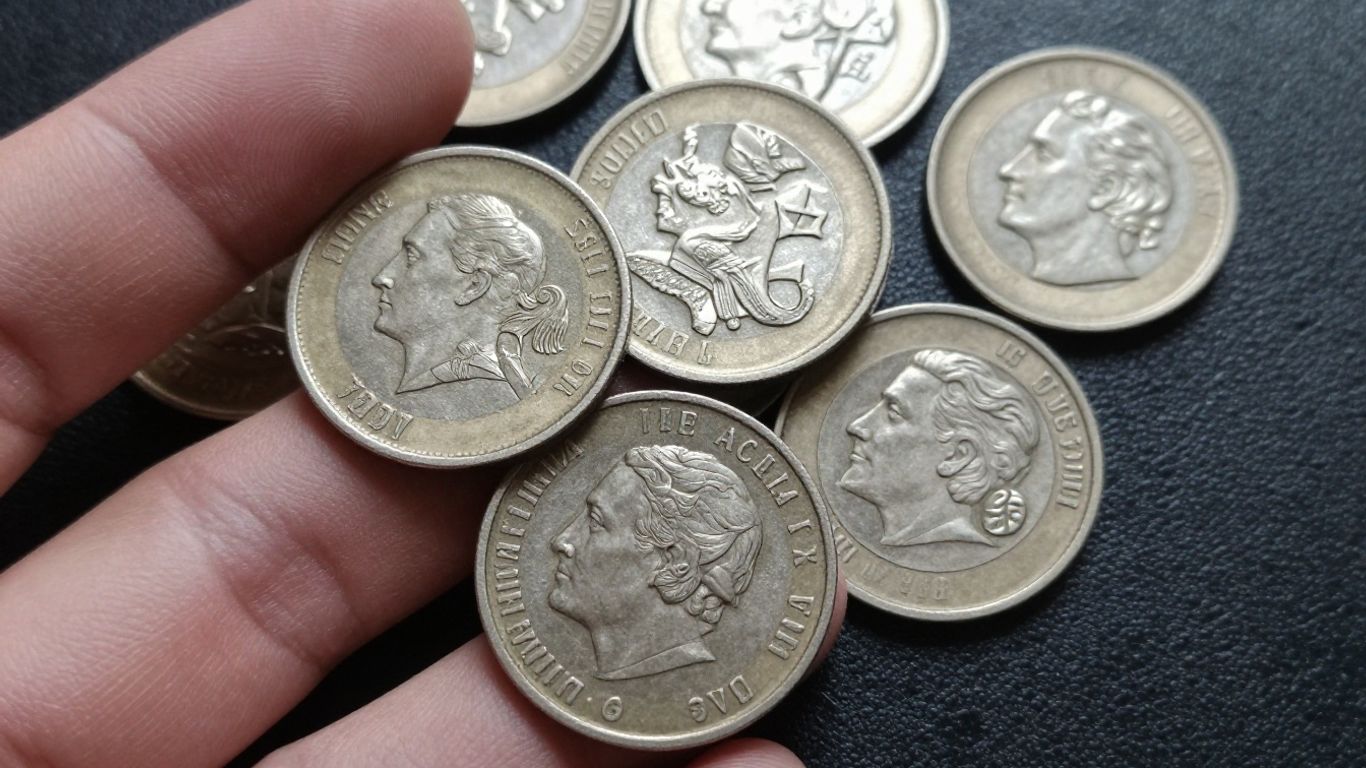
Current Silver Prices in Austin
Keeping tabs on the price of silver in Austin is pretty important if you’re looking to sell. It’s not like the price is fixed, you know? It moves around based on what’s happening in the wider world, supply and demand, and all sorts of economic stuff. For 40 percent silver coins, the value is mostly tied to the silver content itself, not so much the coin’s history or rarity, unless it’s a particularly special find. Generally, you’ll find that the spot price of silver dictates the base value of your coins. It’s a good idea to check a few sources before you head out to sell, just so you have a ballpark figure in mind. You can often find daily price updates online or by calling local dealers.
Factors Influencing Silver Coin Value
So, what makes one silver coin worth more than another, especially when we’re talking about that 40 percent stuff? Well, it’s a mix of things. The obvious one is the silver content. More silver means more value, plain and simple. Then there’s the condition of the coin. Is it scratched up, or does it look like it just came from the mint? That makes a difference. For 40 percent silver, which is mostly Kennedy half dollars from 1965 to 1970, the date and mint mark can sometimes play a small role, but it’s usually the silver weight that matters most. Unlike older coins that might be super rare, these are more about their metal content. It’s also worth noting that sometimes, coins that are part of a larger collection or have a unique history might fetch a bit more, but that’s less common with this specific type of silver.
Finding 40 percent silver coin buyers austin tx
When you’re ready to sell your 40 percent silver coins in the Austin area, you’ve got a few good options. Local coin shops are usually your best bet. Places like The Village Coin Shop are well-known for buying all sorts of coins, including those with silver content. They know the market and can give you a fair price based on the current silver rates. You might also find other reputable dealers who specialize in precious metals. It’s always smart to call ahead or check their websites to see what they’re buying. Sometimes, you can even find places that deal in gold and silver bullion, which often includes coins like the ones you’re looking to sell. Remember to get a couple of quotes if you can, just to make sure you’re getting the best deal possible for your silver.
Selling silver coins can feel a bit overwhelming at first, but it doesn’t have to be. The key is to do a little homework beforehand. Know what you have, check the current market prices, and find a dealer you feel comfortable with. Most buyers are straightforward and want to make a fair transaction.
Here’s a quick rundown of what to consider:
- Silver Content: This is the biggest factor for 40% silver coins.
- Coin Condition: While not as critical as for rare coins, damage can still lower the price.
- Market Price: Always check the current spot price of silver.
- Buyer Reputation: Choose a dealer known for fair dealings.
It’s not rocket science, but being prepared definitely helps you get the most out of your sale.
So, Where Do You Sell Your Silver?
Alright, so you’ve got these old silver coins, maybe from before 1965, and you’re wondering what to do with them. It’s not like you can just walk into any old store and get a fair price. But Austin does have places that deal with this stuff. We talked about a few spots, like The Village Coin Shop, which seems pretty straightforward about buying and selling coins and precious metals. Remember, these aren’t just random old coins; they’ve got real silver content, and some folks are definitely looking to buy. Do a little digging, maybe give a couple of places a call, and you should be able to find someone ready to make you an offer for your silver.
Frequently Asked Questions
What exactly are 40% silver coins?
These coins are made up of 40% silver and 60% other metals. In the U.S., the most common ones you’ll find are Kennedy half dollars made between 1965 and 1970. They look similar to other silver coins but have less silver content.
How can I tell if my coins are 40% silver?
The easiest way to identify 40% silver coins is by the date. For Kennedy half dollars, look for dates from 1965 through 1970. Coins made before 1965, like dimes, quarters, and other half dollars, are usually 90% silver, which is different.
Where in Austin can I sell my 40% silver coins?
Austin has several places that buy silver coins. Local coin shops, like The Village Coin Shop, are great places to start. Some dealers specialize in precious metals and can give you a fair price for your collection.
What's the difference between 40% silver and 90% silver coins?
The main difference is the amount of silver. 90% silver coins, like dimes and quarters made before 1965, have more silver than 40% silver coins, such as the Kennedy half dollars from 1965-1970. This difference in silver content affects their value.
Do I need to clean my silver coins before selling them?
Generally, it’s best not to clean your silver coins. Cleaning can sometimes damage them or reduce their value, especially if they have numismatic (collector) appeal. Buyers usually prefer to assess coins as they are.
How do dealers determine the price for my silver coins?
Dealers typically base their offers on the current market price of silver (bullion value). They’ll weigh your coins or calculate their silver content and offer a price based on that, minus a small percentage for their profit. Some rare coins might be worth more than just their silver.
What is 'junk silver'?
‘Junk silver’ is a term used for common silver coins, usually those made before 1965 (90% silver) or the 40% silver Kennedy half dollars. They are valued mostly for their silver content, not for their rarity or collector status.
Should I get an appraisal before selling?
Getting an appraisal can be helpful, especially if you suspect your coins might be rare or have collector value beyond their silver weight. Reputable coin dealers in Austin can provide an appraisal and explain the value of your coins.