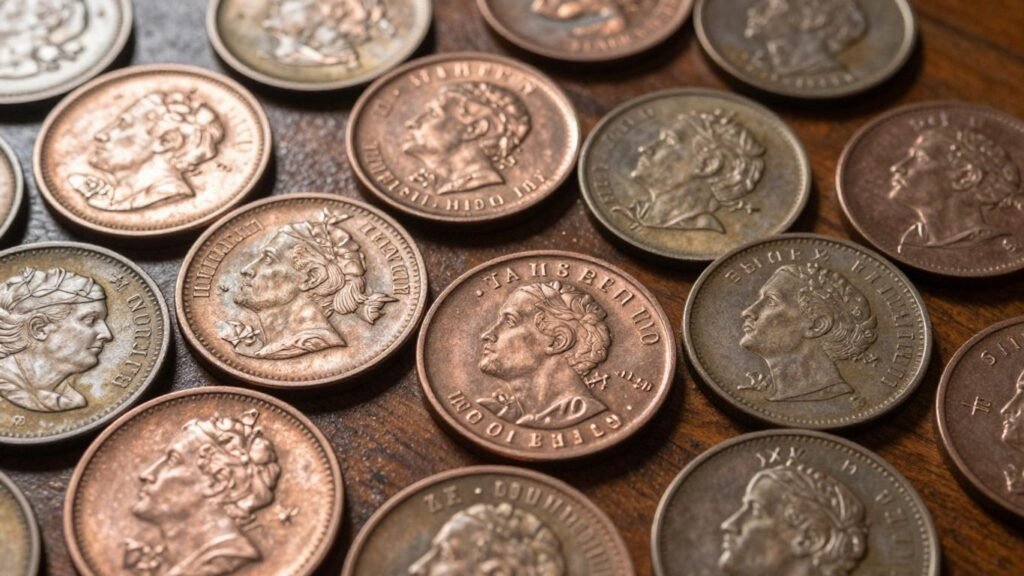
Thinking about selling your old Indian Head pennies in Austin? It can be a bit confusing figuring out where to go and who to trust. You want to get a fair price for your coins, but you don’t want to get ripped off. This guide is here to help you find the right people to talk to in Austin, Texas, especially as we look ahead to 2026. We’ll cover what makes these old coins tick and how to deal with folks who buy them.
Key Takeaways
- When looking for Indian Head pennies buyers in Austin, check out local coin shops like Kris’s Coins. They often have experience with older currency.
- Before you sell, get a feel for what your Indian Head pennies are really worth. Look at their date, condition, and any special markings.
- Watch out for dealers who offer very low prices, like 10 cents for Indian Head cents, especially if the dates are clear. This is usually a sign of a bad deal.
- Selling in person at a reputable shop can be a good way to go. It lets you see the buyer and the transaction happen right in front of you.
- Building a good relationship with a coin dealer can help you get better prices over time and ensure you’re treated fairly.
Finding Reputable Indian Head Penny Buyers in Austin
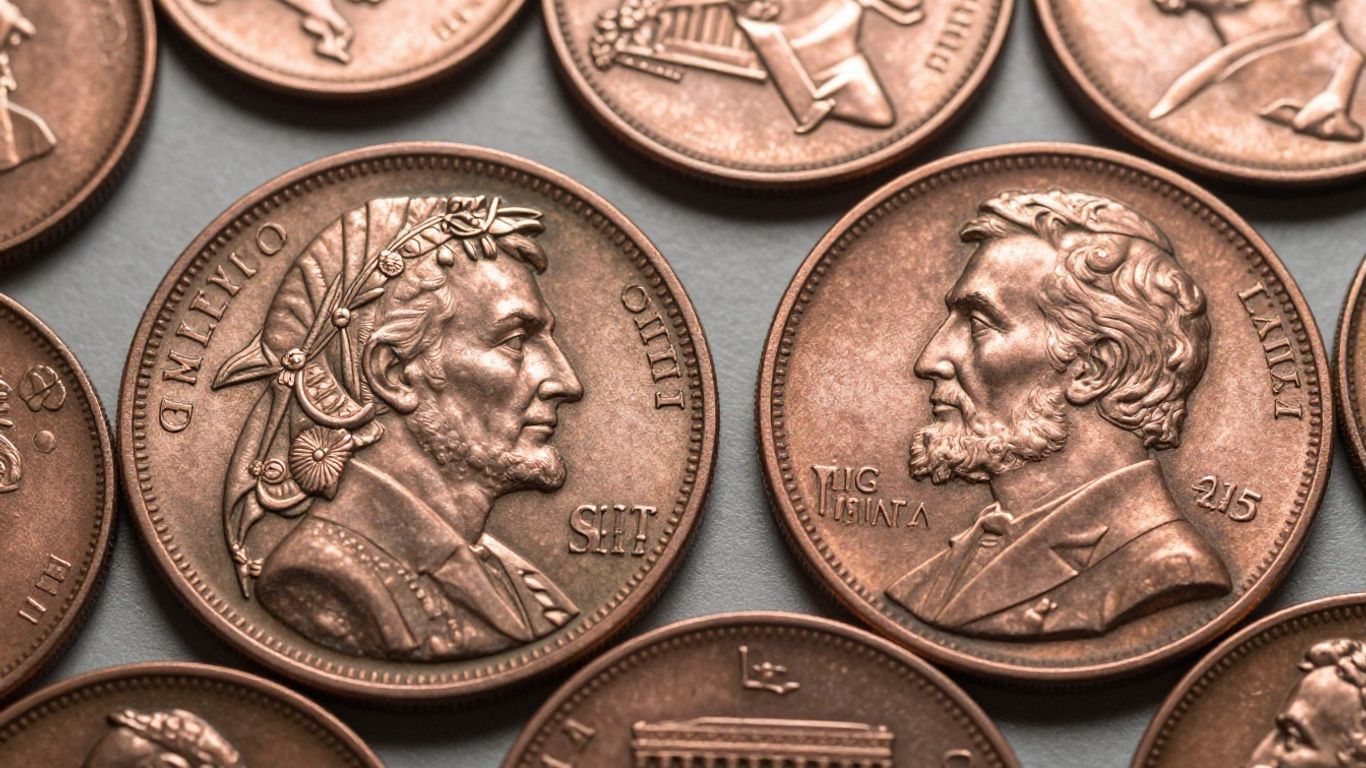
So, you’ve got some Indian Head pennies lying around and you’re wondering where to sell them in Austin. It can feel a bit overwhelming trying to figure out who’s on the level and who’s just trying to get one over on you. The good news is, with a little know-how, you can find some solid places to get a fair shake.
Understanding Fair Market Value for Your Pennies
Before you even talk to a buyer, it’s smart to get a general idea of what your pennies are worth. It’s not just about the date on the coin; condition plays a huge role. Some common dates might only be worth a dollar or two, while rare dates in good shape can fetch a lot more. Online resources and coin price guides can give you a ballpark figure, but remember, these are just guides. Actual selling prices can vary.
Here’s a rough idea of what some Indian Head pennies might be worth, depending heavily on condition and rarity:
| Year Range | Common Dates (Good Condition) | Key Dates/Rare Dates (Good Condition) |
|---|---|---|
| 1859-1864 | $5 – $20 | $50 – $500+ |
| 1864-1909 | $1 – $10 | $20 – $200+ |
Note: These are estimates. Actual value depends on specific date, mint mark, and condition.
Red Flags to Avoid When Selling Coins
When you’re looking for a buyer, keep an eye out for these warning signs. They can help you steer clear of a bad deal.
- Offers that seem too good to be true: If someone is offering you pennies on the dollar, especially for coins with clear dates, be suspicious. A common tactic is to offer a very low price, like 10 cents for an Indian Head penny, which is usually way below market value.
- High-pressure sales tactics: A reputable dealer will let you make your own decisions. If someone is pushing you to sell right now or making you feel uncomfortable, it’s best to walk away.
- Lack of transparency: They should be willing to explain how they arrived at their offer and show you what they’re looking at. If they’re vague or dismissive, that’s not a good sign.
- Rude or unprofessional behavior: You should feel respected. If a dealer is dismissive or rude about your coins or your questions, find someone else.
Dealing with coin buyers can sometimes feel like a gamble. It’s important to remember that you have the right to get a fair price for your items. Don’t be afraid to ask questions and to seek out multiple opinions before agreeing to a sale. Your collection has a story and a value, and a good buyer will recognize that.
The Importance of Legible Dates and Condition
The date on your Indian Head penny is a big deal. If it’s worn off or completely unreadable, the coin’s value drops significantly. Even if the date is there, the overall condition of the coin matters a lot. Look for:
- Wear: How much of the original detail is still visible?
- Damage: Are there any nicks, scratches, or bent spots?
- Toning/Patina: While some toning can be attractive, heavy discoloration or cleaning can hurt value.
A coin with a clear, legible date and minimal wear will always be worth more than one that’s heavily worn or damaged. It’s worth taking a close look at your pennies to see what condition they’re in before you start talking to buyers.
Austin Coin Dealers Specializing in Numismatics
When you’re looking to sell your Indian Head pennies, finding a dealer who knows their stuff is pretty important. In Austin, there are a few places that focus on coins, and knowing a bit about them can help you get a fair shake. It’s not just about finding anyone; it’s about finding someone who understands the hobby and the value of what you have.
Kris's Coins: A Local Austin Buyer
Kris’s Coins is a name that comes up when you talk about coin buying in Austin. They’ve been around and seem to handle a variety of coins, including gold and silver. They also mention buying other valuables, which is good to know if you have more than just pennies.
- Focus on Precious Metals and Coins: They deal in gold, silver, platinum, and palladium, both in bullion and numismatic forms.
- Estate Appraisals: If you’ve inherited a collection, they offer appraisal services.
- Buying Policy: They state they pay competitive prices for gold, silver, and other valuables.
It’s always a good idea to check their current hours and see if an appointment is needed before you head over.
Services Offered Beyond Coin Purchases
Some dealers do more than just buy coins. Kris’s Coins, for example, also offers estate appraisals. This can be super helpful if you’re not sure what you have or if you’re dealing with a larger collection from a family member. They also have a newsletter, which might give you some insights into the market or special deals they have going on. It’s like getting a little insider info.
Sometimes, a dealer’s willingness to explain things and show patience with someone new to coin collecting can tell you a lot about their character. It’s not just about the transaction; it’s about the interaction.
Customer Experiences with Austin Coin Buyers
Looking at what other people say can give you a feel for a place. Reviews for Kris’s Coins show a mix. Some folks have had really positive experiences, mentioning honesty and good prices, especially for silver. Others have reported feeling dismissed or that the service wasn’t great. It seems like experiences can vary, so it’s worth keeping that in mind. Hearing about both good and not-so-good interactions helps paint a fuller picture. When you’re dealing with something as specific as coin values, a good rapport with the buyer can make a big difference.
Evaluating Your Indian Head Penny Collection
Before you even think about selling your Indian Head pennies, it’s a good idea to get a handle on what you actually have. It’s not just about grabbing the first offer that comes your way. You need to know what makes your coins tick, so to speak.
Factors Affecting Indian Head Penny Value
Several things play a role in how much your Indian Head pennies are worth. The year is a big one, of course, but so is the mint mark (where it was made). Some years and mint marks are just rarer than others. For example, a 1907 Indian Head penny in good shape might fetch around $260, but a 1906 one is often more sought after. Then there’s the overall condition of the coin. A coin that’s been worn down to a nub won’t be worth as much as one that looks like it just came out of the mint.
Here’s a quick look at some common factors:
- Year and Mint Mark: Certain dates and locations (like Philadelphia, San Francisco, or Carson City) are much scarcer.
- Rarity: How many of that specific coin were originally made, and how many are believed to still exist?
- Demand: Are collectors actively looking for this particular coin right now?
The Role of Coin Condition in Appraisals
This is where things get a bit more detailed. Coin condition, or "grade," is super important. Dealers and collectors use specific terms to describe how worn a coin is. A coin that’s heavily circulated will have visible wear on the high points, while an uncirculated coin will look as if it never passed through anyone’s hands. Even small details matter. A coin that’s been cleaned can lose a lot of its appeal and value, so resist the urge to polish them up.
When assessing condition, look closely at the details. Are the lines on the headdress clear? Is the date readable? Even minor scratches or nicks can significantly impact what a coin is worth. It’s often better to leave a coin as-is rather than attempt to improve its appearance, as improper cleaning can do more harm than good.
Seeking Expert Opinions for Rare Finds
If you think you might have something really special, it’s wise to get a professional opinion. Sometimes, a coin might look ordinary to you, but an experienced numismatist can spot its true rarity. You can find these experts at local coin shops or through professional grading services. Getting a second opinion, especially for potentially valuable coins, is always a smart move. It helps you understand if you’re dealing with a common date or a genuine rarity that could be worth a good chunk of change. You might want to check out places like Kris’s Coins if you’re in the Austin area and suspect you have something noteworthy.
Navigating the Austin Coin Market
So, you’ve got some Indian Head pennies and you’re thinking about selling them here in Austin. It can feel a bit overwhelming, right? The market for old coins has its own rhythm, and knowing how to work with it is key to getting a fair deal. It’s not just about finding a buyer, but finding the right buyer.
Tips for a Successful Coin Sale
Selling your coins doesn’t have to be a headache. A little preparation goes a long way. Here are a few things to keep in mind:
- Do your homework: Before you even talk to a dealer, get a general idea of what your Indian Head pennies might be worth. Look up common dates and mint marks online. Websites dedicated to coin collecting can be a good starting point.
- Organize your collection: If you have more than just a few pennies, try to group them. Maybe by date, or by condition if you can tell the difference. This makes it easier for a dealer to assess your collection quickly.
- Be realistic about value: While you might hope for a big payday, most common Indian Head pennies aren’t going to make you rich. Understand that dealers need to make a profit, so they’ll offer less than retail value.
What to Expect During a Coin Appraisal
When you take your coins to a dealer for an appraisal, they’ll usually look at a few key things. First, they’ll check the date and mint mark – this is super important for rarity. Then, they’ll examine the coin’s condition. This includes looking at wear, any damage like scratches or bent rims, and how much detail is still visible. A coin’s condition can drastically change its value. They might also consider if the coin has any special historical significance or if it’s part of a rare series.
Remember, a dealer’s appraisal is an offer to buy. It’s their assessment of what they can pay you and still make a profit. It’s not necessarily the absolute highest price your coin could fetch on the open market, especially if you were to sell it directly to another collector.
Building Relationships with Trusted Dealers
Finding a good coin dealer in Austin is like finding a good mechanic – once you find one you trust, you stick with them. Look for dealers who are transparent about their pricing and willing to explain how they arrived at their offer. Don’t be afraid to ask questions. A reputable dealer will be happy to share their knowledge. Building a relationship means you’ll likely get better service and fairer prices over time. If you’re looking for specific types of coins or events, keep an eye out for local auctions, like the February 26th Austin Archer Coin Auction.
Where to Sell Your Indian Head Pennies Locally
So, you’ve got some Indian Head pennies lying around and you’re wondering where to turn them into cash right here in Austin. It’s not as complicated as it might seem, but you do need to know what you’re looking for. The key is finding a buyer who knows their stuff and treats you fairly.
Identifying Potential Buyers in Austin
When you’re looking for someone to buy your coins, think about the different types of places that deal with them. You’ve got dedicated coin shops, which are usually your best bet. These places are run by people who live and breathe numismatics. Then there are pawn shops, but honestly, they’re often not the best place for collectible coins. They might offer you a fraction of what your pennies are actually worth because they don’t specialize in them. Jewelers who also buy precious metals might be an option, especially if your pennies are silver, but again, coin shops are usually the specialists.
Here are a few types of places to consider:
- Local Coin Shops: These are your go-to spots. They have the knowledge and the customer base for coins.
- Coin Shows: Keep an eye out for local coin shows. These events bring multiple dealers together, giving you a chance to compare offers.
- Online Marketplaces (with caution): While not strictly local, some Austin dealers might have an online presence. Just be sure you’re dealing with a reputable Austin-based business if you go this route.
The Benefits of In-Person Transactions
Selling your Indian Head pennies in person has some real advantages. For starters, you can see the buyer’s reaction to your coins firsthand. You can also get an immediate offer and, if you agree, walk away with payment right then and there. It cuts out the shipping hassle and the uncertainty of mailing valuable items. Plus, you can ask questions and get a feel for the dealer’s knowledge and honesty. It’s just a more tangible way to do business.
Researching Buyer Reputation Before Selling
Before you pack up your pennies and head out, do a little homework. A quick online search can tell you a lot. Look for reviews on sites like Yelp or Google. See what other collectors have said about their experiences. Are they described as honest and fair, or are there complaints about lowball offers and rude service? For example, Kris’s Coins in Austin has a mixed bag of reviews, with some customers praising their honesty and others reporting negative interactions. It’s wise to check out places like [Kris’s Coins](Kris’s Coins) and see what the buzz is about.
Be wary of any dealer who seems overly eager to buy your coins without taking the time to properly examine them. A good buyer will want to understand the condition, dates, and any potential rarities before making an offer. Rushing the process is often a sign they’re trying to get a quick deal at your expense.
Remember, the U.S. Department of the Treasury has stopped making pennies, but they’re still legal tender. This just means the collecting side of things is even more interesting now. Existing pennies can still hold significant value for collectors.
Understanding Coin Dealer Practices
When you’re looking to sell your Indian Head pennies, it’s good to know how coin dealers usually operate. It’s not always a straightforward process, and some dealers might try to take advantage if you’re not prepared. Knowing what to expect can save you a lot of hassle and make sure you get a fair deal.
Ethical Practices for Coin Buyers
Reputable coin dealers aim to build trust. They should be upfront about how they determine value and explain their offers clearly. Honest dealers will provide a breakdown of their assessment, especially for more valuable coins. They won’t pressure you into a sale and will often encourage you to get a second opinion if you’re unsure.
Here are some signs of a dealer who plays fair:
- Transparency: They explain their pricing and why they offer what they do.
- Professionalism: They treat you and your collection with respect, regardless of its apparent value.
- Knowledge: They can answer your questions about your coins and the market.
- Patience: They don’t rush you into making a decision.
Common Lowball Offers to Watch For
Some dealers might try to offer you significantly less than what your coins are actually worth. This is often called a "lowball" offer. It’s a tactic to make a quick profit by buying low. For example, offering just a few cents for an Indian Head penny that might be worth several dollars, especially if it’s a rarer date or in good condition, is a big red flag.
| Coin Type | Typical Lowball Offer | Potential Fair Market Value (Varies Greatly) |
|---|---|---|
| Indian Head Penny | $0.10 – $0.25 | $0.50 – $100+ |
| Wheat Penny | $0.02 – $0.05 | $0.10 – $5+ |
Note: The "Potential Fair Market Value" is highly dependent on the coin’s date, mint mark, condition, and rarity. This table is for illustrative purposes only.
The Value of Professionalism in Transactions
How a dealer interacts with you says a lot. A professional dealer will be courteous, knowledgeable, and efficient. They understand that selling coins can be an emotional process, especially if the collection has sentimental value. They should make the experience as smooth and respectful as possible. If a dealer is dismissive, rude, or seems uninterested in your coins, it’s probably best to take your business elsewhere. You want to feel comfortable and confident that you’re being treated fairly.
When you’re dealing with coin buyers, remember that their business is to make money. However, that doesn’t mean they should be dishonest. A good dealer will find a way to make a profit while still giving you a price that reflects the true worth of your collection. It’s all about finding that balance.
Maximizing Your Return on Indian Head Pennies
So, you’ve got some Indian Head pennies lying around and you’re wondering how to get the most cash for them. It’s not just about finding a buyer, it’s about finding the right buyer and knowing what your coins are actually worth. Getting a fair price means doing a little homework before you head out the door.
When to Sell Your Collection
Timing can play a role, though for common Indian Head pennies, the market is usually pretty stable. However, if you have a particularly rare date or a coin in amazing condition, you might want to keep an eye on market trends. Generally, selling when you need the funds or when you’ve decided to downsize your collection is a good starting point. Don’t feel rushed; take your time to find the best opportunity.
Preparing Your Coins for Sale
This is a big one. Resist the urge to clean your coins! Seriously, don’t do it. Cleaning can actually damage the surface and significantly lower the value. Let the professionals handle any cleaning if they deem it necessary. What you can do is organize them. If you have them in albums, keep them that way. If they’re loose, maybe put them in small envelopes with any notes you have about them. A little organization makes it easier for a dealer to assess your collection.
Negotiating the Best Price
Before you even talk to a dealer, try to get a general idea of what your coins might be worth. Look up common dates and their typical values in various conditions. This isn’t about becoming an expert overnight, but it gives you a baseline. When you talk to buyers, listen to their offer, but don’t feel pressured to accept the first one. If an offer seems too low, politely explain that you’re looking for a price closer to market value. Sometimes, a little back-and-forth can lead to a better outcome. Remember, reputable dealers expect some negotiation.
It’s easy to get excited about selling a collection, but staying calm and informed is your best strategy. A little preparation goes a long way in making sure you get what your Indian Head pennies are truly worth.
Austin's Premier Destinations for Coin Enthusiasts
Austin’s got a pretty vibrant scene for folks who love old coins, and if you’re looking to sell your Indian Head pennies, knowing where to go is half the battle. It’s not just about finding a buyer; it’s about finding someone who appreciates what you’ve got and offers a fair shake.
Exploring Local Coin Shops
When you’re hunting for a place to sell your Indian Head pennies, hitting up local coin shops is a solid first step. These places are usually run by people who know their stuff, and they often have a steady stream of collectors coming through. Think of them as hubs for all things numismatic in Austin. You might find a shop that specializes in older coins, which is exactly what you want when you’re dealing with pennies from the late 1800s and early 1900s. It’s always a good idea to check out a few different shops to get a feel for who’s out there and what they’re looking for.
Attending Coin Shows and Events
Austin sometimes hosts coin shows or numismatic events. These are fantastic opportunities. You’ll find dealers from all over, not just local ones, all gathered in one spot. It’s a great chance to compare offers side-by-side and meet a wider range of potential buyers. Plus, you can often learn a lot just by walking around and seeing what other people are collecting and selling. Keep an eye on local event listings or numismatic association websites for announcements. These events can be a goldmine for finding serious collectors and dealers.
Connecting with the Austin Numismatic Community
Beyond just shops and shows, there’s a whole community of coin collectors in Austin. Sometimes, the best way to find a buyer is through word-of-mouth. Joining a local coin club or attending numismatic society meetings can put you in touch with people who might be looking for exactly what you have, or who can point you toward a reputable dealer. These connections can be really helpful, especially if you have a more unusual or rare coin that a general dealer might overlook. It’s about building relationships within the hobby.
The Nuances of Selling Vintage Currency
Selling old coins, like those Indian Head pennies you might have tucked away, isn’t always as straightforward as you’d think. There’s more to it than just finding someone who wants to buy them. You’ve got to get a handle on what makes them tick, value-wise, and what makes one coin worth more than another. It’s a whole world of history and metal right there in your hand.
Identifying Key Dates and Rarities
When you’re looking at your collection, some dates just stand out. For Indian Head pennies, the years 1877, 1909-S, and 1908-S are often the ones that get collectors excited. These aren’t just random numbers; they represent periods when fewer coins were minted, or perhaps when a specific mint mark (like the ‘S’ for San Francisco) was produced in smaller quantities. Finding one of these key dates can significantly boost the value of your coin. It’s like finding a rare edition of a book – it’s the same story, but the scarcity makes it special.
Here’s a quick look at some dates that often draw attention:
- 1877: A notoriously low mintage year.
- 1909-S: The last year of the Indian Head cent, with the San Francisco mint mark adding rarity.
- 1908-S: Another scarce date from the San Francisco mint.
Beyond specific dates, look for coins with mint marks (like ‘S’, ‘O’ for New Orleans, or ‘CC’ for Carson City) as these can indicate lower production numbers compared to coins made at the Philadelphia mint (which usually has no mint mark).
Understanding Grading Scales
How a coin looks and feels matters a lot. Coin grading is basically a way to describe a coin’s condition. It uses a scale, often from 1 to 70, where higher numbers mean better condition. You’ll hear terms like ‘Poor’ (P-1), ‘Fair’ (F-12), ‘Good’ (G-4), ‘Very Good’ (VG-8), ‘Fine’ (F-15), ‘Very Fine’ (VF-20), ‘Extremely Fine’ (EF-40), ‘About Uncirculated’ (AU-50), and then the ‘Mint State’ (MS-60 to MS-70) grades for uncirculated coins. A coin that looks like it’s barely been touched will fetch a much higher price than one that’s heavily worn or damaged.
It’s not just about scratches; it’s about the wear on the high points of the design, the color, and any marks or damage. For example, an MS-65 grade means a coin is uncirculated and has very few minor blemishes, while an AU-50 might be uncirculated but show slight wear on the highest points. Getting a professional appraisal can help you understand where your coins fall on this scale.
The Appeal of Historical Coinage
Vintage currency, especially coins like the Indian Head penny, carries a piece of history. These aren’t just pieces of metal; they’re tangible links to past eras. Think about the hands they’ve passed through, the transactions they were part of, and the economic times they represent. This historical aspect adds a layer of appeal that goes beyond the metal’s melt value. Collectors are often drawn to the story behind the coin, its design, and its place in American history. Understanding this narrative can help you appreciate why certain coins are sought after and can inform your decisions when looking for buyers. If you’re interested in learning more about valuing older currency, this guide on old foreign currency might offer some useful insights, even though it focuses on international items.
When you’re looking to sell, remember that buyers are often looking for more than just the metal content. They’re interested in the coin’s condition, its rarity, and its historical significance. A coin that’s well-preserved and has a significant date or mint mark will always be more attractive than one that’s common and worn out. It’s this combination of factors that truly defines a coin’s worth in the collector’s market.
Choosing the Right Buyer for Your Collection
So, you’ve got some Indian Head pennies and you’re ready to sell. That’s great! But before you rush off to the first place that offers cash, it’s super important to pick the right buyer. Not all coin dealers are created equal, and some are definitely better than others when it comes to getting a fair shake for your collection.
Comparing Offers from Multiple Dealers
Think of it like selling anything else – you wouldn’t buy the first car you see, right? Selling coins is the same. It really pays to shop around. Get quotes from a few different places in Austin. This way, you can see who’s offering what and get a feel for the market. You might be surprised at the difference in offers you receive.
Here’s a quick look at what you might expect:
| Coin Type | Potential Offer Range (per coin) | Notes |
|---|---|---|
| Common Indian Head | $0.10 – $0.50 | Depends heavily on date and condition |
| Key Date Indian Head | $5.00 – $50.00+ | Requires careful grading and authentication |
| Damaged/Low Grade | Below melt value | Often not worth much to collectors |
Remember, these are just general ideas. A specific coin’s value can swing wildly based on its exact condition and rarity.
The Importance of Transparency
A good coin buyer will be upfront about how they determine value. They should be willing to explain their pricing, show you how they’re grading your coins, and answer any questions you have. If someone seems cagey, avoids explaining things, or just gives you a lump sum without any breakdown, that’s a bit of a warning sign.
- Ask questions: Don’t be shy. If you don’t understand something, ask them to clarify.
- Look for explanations: A reputable dealer will explain why they’re offering a certain price.
- Check for grading: They should be able to show you the condition of your coins and how it affects the price.
- Beware of pressure: A good buyer won’t rush you into a decision.
When you’re selling something as specific as old coins, it’s easy to feel a little out of your depth. That’s why finding someone you can trust is half the battle. You want to feel confident that they’re not just trying to get one over on you. A little bit of research upfront can save you a lot of headaches later on.
Ensuring a Secure and Fair Sale
Ultimately, you want a transaction that feels both secure and fair. This means the buyer should be professional, respectful of your time and your collection, and conduct the sale in a way that makes you feel comfortable. For instance, if you’re meeting someone you found online, make sure it’s in a safe, public place. If you’re going to a shop, check their reviews beforehand. A buyer who has a good reputation in the local coin community is usually a safe bet. You’re looking for someone who treats your collection with the respect it deserves, not just as a pile of metal.
Wrapping Up Your Austin Coin Hunt
So, if you’re in Austin and looking to sell those old Indian Head pennies, remember there are places that want to see them. It’s not always about hitting the jackpot, but finding a fair deal from someone who knows their stuff. Keep an eye out for dealers who are upfront about pricing and treat you right. A little research goes a long way, and hopefully, you’ll find the perfect buyer for your collection right here in Austin.
Frequently Asked Questions
What makes an Indian Head Penny valuable?
The year it was made and how many were produced play a big role. Some years are rarer than others. Also, the condition of the penny matters a lot. Pennies that look new and haven’t been worn down are usually worth more.
Where can I find coin buyers in Austin?
Austin has several coin shops that buy old coins. Kris’s Coins is one place mentioned. It’s a good idea to look for dealers who specialize in coins, also known as numismatists. Checking online reviews can help you find reputable ones.
How do I know if a coin dealer is trustworthy?
A good dealer will be honest and offer a fair price. Watch out for dealers who offer very low prices, like just a few cents for a valuable coin, or who are rude and dismissive. Reputable dealers are usually happy to explain things and treat you with respect.
What is the best way to find out what my coins are worth?
You can get an appraisal from a coin dealer. Some dealers offer this service. Looking up your coin’s year and condition online can also give you an idea, but an expert’s opinion is often best, especially for rare coins.
Should I clean my Indian Head Pennies before selling them?
No, it’s generally not a good idea to clean old coins yourself. Cleaning can damage the coin’s surface and actually lower its value. Let the experts handle any cleaning if they think it’s necessary.
What should I expect when I take my coins to a dealer?
A dealer will likely look at your coins, check their condition, and research their rarity. They’ll then make an offer based on what they believe the coins are worth in the current market. A good dealer will be transparent about how they arrived at their price.
Are all Indian Head Pennies valuable?
Not all of them are worth a lot of money. While some rare dates or coins in excellent condition can be quite valuable, many common ones might only be worth a small amount. The year, mint mark (where it was made), and condition are key factors.
What's the difference between selling to a local shop and online?
Selling locally means you can meet the buyer in person, see their reaction to your coins, and get paid right away. Online selling might offer more options but can be riskier if you don’t know the buyer. For valuable coins, an in-person transaction with a trusted local dealer is often preferred.