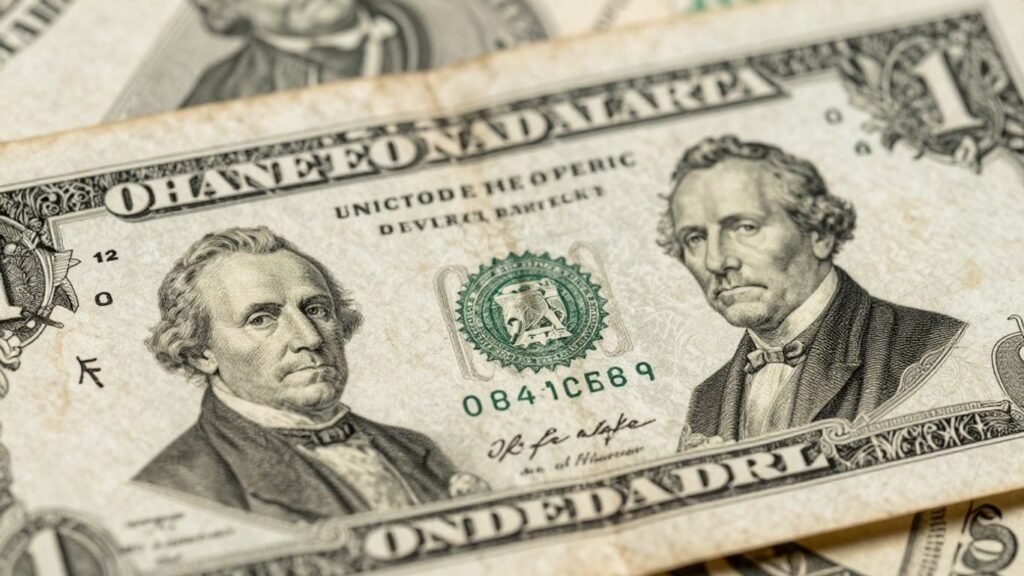
Thinking about selling some old money? If you’re in Austin and have some interesting notes, you might be wondering where to find the best confederate currency buyers Austin has to offer. It’s not always easy to know who to trust or where to get a fair price. This guide is here to help you figure out what kind of currency might be valuable and where you might be able to sell it. We’ll cover a few different types of paper money that collectors often look for.
Key Takeaways
- Green Seal Federal Reserve Notes are common but can be valuable in good condition.
- 1929 Depression-Era Currency, like Federal Reserve Notes from that time, is sought after by collectors.
- Uncut currency sheets are rare and often command higher prices.
- Gold Certificates and Silver Certificates (Blue Seal, Red Seal, Indian Chief, Horse Blanket) are generally more collectible than standard currency.
- Star Notes, which replace a “0” in a serial number, can be more valuable depending on rarity.
1. Green Seal Federal Reserve Notes
So, you’ve got some Green Seal Federal Reserve Notes lying around? These are the ones you see most often in circulation, the regular dollar bills we use every day, but older ones can be worth more than their face value. Think of them as the workhorses of U.S. currency. They’ve been around for a while, and collectors are definitely interested in them, especially if they’re in good shape or have some interesting serial numbers.
The condition of your Green Seal note is a big deal when it comes to its value. A crisp, uncirculated bill will fetch a lot more than one that’s been folded and handled a million times. Collectors look for things like sharp corners, no creases, and bright colors. Even small signs of wear can make a difference.
Here’s a quick rundown of what makes a Green Seal note more collectible:
- Condition: As mentioned, this is key. Look for notes that are like new.
- Serial Numbers: Low serial numbers (like 00000001) or repeating numbers (like 12345123) can add significant value.
- Star Notes: If your note has a star at the end of the serial number, it means it was a replacement for a misprinted bill. These are generally rarer and more sought after.
- Rarity: Older series years or notes from less common Federal Reserve districts might be harder to find.
When you’re looking to sell, remember that authenticity matters. Reputable dealers will want to see your notes in person or have them graded by a professional service to confirm they’re the real deal and assess their condition accurately. It’s always a good idea to get a few opinions if you have something you think might be particularly valuable.
If you’re in Austin and thinking about selling your Green Seal Federal Reserve Notes, finding a buyer who knows their stuff is important. You want someone who can accurately assess the condition and rarity, giving you a fair price for your piece of American financial history. Don’t just take the first offer; do a little homework on the buyer and the potential worth of your notes.
2. 1929 Depression-Era Currency
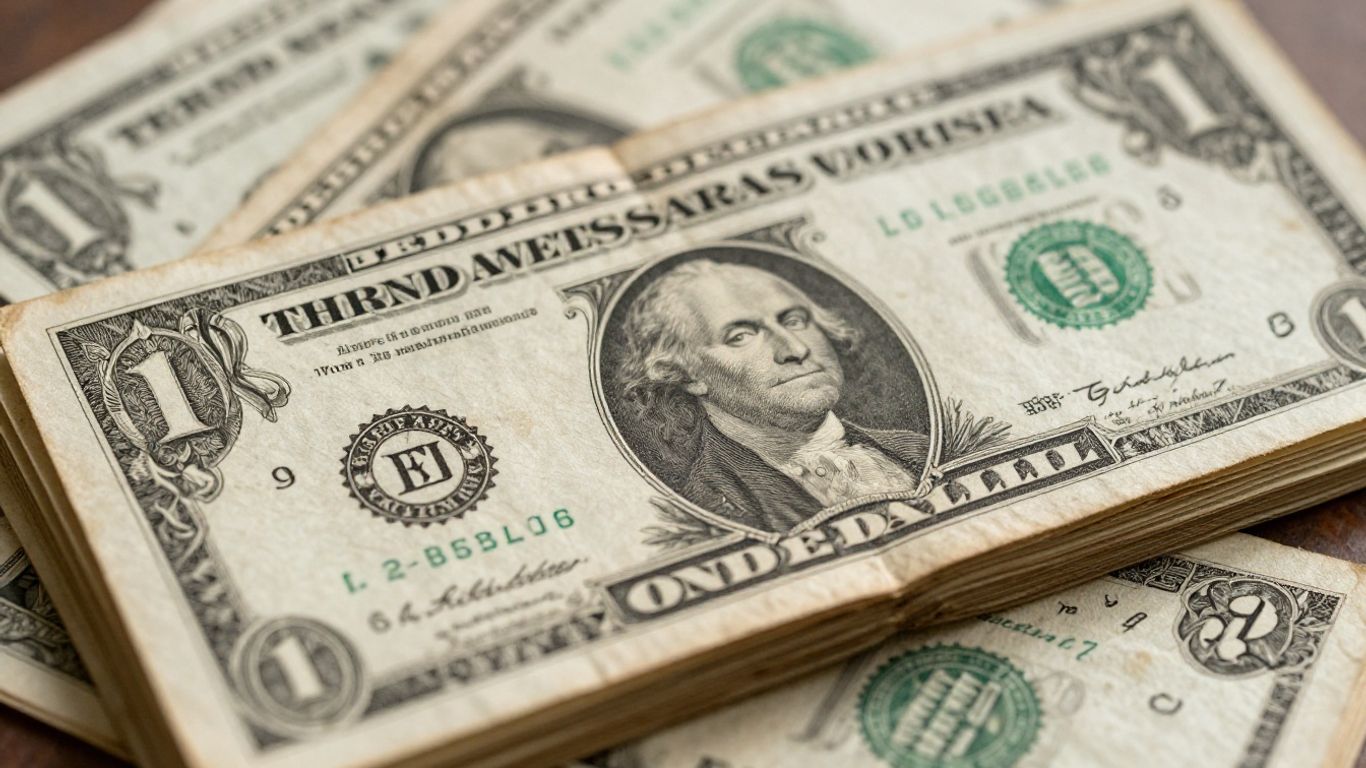
When you think about money from the Great Depression, you might picture old, worn-out bills. And sure, some of them are like that. But the 1929 series of Federal Reserve Notes is a really interesting part of U.S. currency history. These notes were printed right before the banking system really changed, and they have a distinct look. They’re smaller than the older large-size notes but bigger than what we use today.
These 1929 notes are sought after by collectors for their historical significance and unique designs. They represent a specific time in America, and finding them in good condition can be a real find. If you have some of these lying around, it might be worth getting them checked out.
Here’s a quick look at what makes them stand out:
- Size: They’re the first small-size notes issued by Federal Reserve Banks.
- Design: Each note features a portrait of a notable American figure and a distinctive seal of the Federal Reserve district it came from.
- Condition Matters: Like most collectibles, the better the condition, the more it’s worth. Folds, tears, or heavy wear can really bring down the value.
Collectors often look for notes from specific Federal Reserve districts, like New York or Chicago, or those with particularly interesting serial numbers. Sometimes, you’ll find notes that were never circulated, which are especially prized.
The economic hardship of the 1930s meant that many of these bills saw heavy use. Finding examples that have survived in crisp, uncirculated condition is a challenge, making them quite desirable for serious collectors who appreciate a piece of tangible history from a difficult era.
3. Uncut Currency Sheets
You know, sometimes you find these really interesting things when you’re digging through old collections. Uncut currency sheets are definitely one of those. Instead of individual bills, you’re looking at a whole sheet of money, straight from the printing press, before it was cut up into the notes we usually see. These sheets are pretty rare and can be quite valuable to collectors.
Think about it – it’s a snapshot of the printing process itself. Collectors often look for these because they represent a piece of history in a way that single bills don’t. They’re not just about the face value of the money; it’s about the rarity and the condition.
Here’s what makes them stand out:
- Rarity: They weren’t meant for circulation, so very few survived.
- Condition: Since they’re uncut, they often come in excellent shape.
- Historical Value: They show you how money was made.
When you’re looking to sell an uncut sheet, the condition is everything. Any tears, folds, or discoloration can really affect what someone is willing to pay. It’s best to handle them carefully, maybe even keep them in protective sleeves.
Selling an uncut sheet is a bit different than selling regular bills. You’re dealing with a larger item, and its condition is paramount. Collectors want to see that pristine, straight-from-the-mint quality. It’s not just about the money printed on it, but the sheet as a whole piece of history.
4. Gold Certificates
Gold Certificates are a really interesting part of U.S. currency history. These notes were actually backed by gold held by the Treasury. Think of them as a direct claim on gold. They stopped being issued for circulation way back in 1933, which makes them pretty scarce today.
Finding genuine Gold Certificates can be a bit of a treasure hunt. They come in different denominations, and their value can really vary depending on rarity, condition, and historical significance. Some of the more sought-after ones are the larger denominations or those with unique serial numbers.
If you’re looking to sell, knowing what you have is the first step. Here’s a quick rundown of what collectors often look for:
- Condition: Is the note crisp and new, or is it worn and creased? This makes a big difference.
- Rarity: How many of these particular notes were printed, and how many are believed to still exist?
- Historical Context: Was the note part of a significant event or owned by someone notable?
Selling these older notes requires a bit of care. You want to make sure you’re dealing with someone who understands their historical value, not just their face value. A good buyer will appreciate the story behind the certificate.
Many collectors are always on the lookout for these pieces of financial history. If you think you might have a Gold Certificate, it’s worth getting it appraised by someone who specializes in rare coin collecting. They can help you understand its true worth in today’s market.
5. Blue Seal Silver Certificates
Blue Seal Silver Certificates are a pretty interesting part of US currency history. These notes were actually redeemable for actual silver dollars right up until 1968, which is a pretty wild thought when you consider how much paper money is worth today. They’re recognizable by that distinctive blue seal and serial number.
If you’ve got some of these lying around, it’s worth checking their condition and rarity. Some specific series or denominations can be more sought after by collectors.
Here’s a quick rundown of what makes them stand out:
- Distinctive Blue Seal: This is the easiest way to spot them.
- Redeemable for Silver: Historically, they could be exchanged for silver dollars.
- Various Denominations: You’ll find them in $1, $2, $5, and $10 values.
Finding a buyer who knows their stuff is key when selling these. You want someone who appreciates the historical significance and can accurately assess the value. It’s not just about the face value; the condition and any special markings can really change things. If you’re looking to sell, consider places that specialize in older US currency, like DJP Jewelers & Luxury Buyers which is opening a new Austin location soon.
The market for these older certificates can fluctuate, but genuine interest from collectors remains steady. It’s always a good idea to get a few opinions if you have a significant amount or a particularly rare note.
6. Red Seal Silver Certificates
Red Seal Silver Certificates are a pretty interesting part of US currency history. These notes, officially called United States Notes, were printed from 1878 until 1964. The ‘red seal’ part comes from the distinctive red ink used for the serial numbers and the Treasury seal on the face of the bill. They were backed by silver dollars held in the Treasury, which is why they’re called Silver Certificates.
These are generally more common than some other types of older currency, but condition really matters a lot when it comes to value. A crisp, uncirculated note will fetch a much higher price than one that’s been folded and handled a lot. Collectors often look for specific series years or denominations within the Red Seal category.
Here’s a quick look at some common denominations:
- $1
- $2
- $5
- $10
When you’re looking to sell, knowing the series year can be helpful. For example, Series 1928 and Series 1953 are quite common. The really valuable ones often have special features or are in exceptionally good shape.
Selling Red Seal Silver Certificates can be straightforward if you find the right buyer. Many dealers are interested in these, especially if they are in good condition. It’s worth getting a few opinions if you have something you think might be rare or particularly well-preserved. Don’t just take the first offer you get.
If you have a stack of these, especially if they’re still in their original bank straps or bundles, that can add to their appeal for collectors. It’s always a good idea to handle them carefully to avoid damaging them further.
7. Funny Back Blue Seal Silver Certificates
Alright, let’s talk about those ‘Funny Back’ Blue Seal Silver Certificates. These aren’t your everyday dollar bills, that’s for sure. They get their nickname because, well, the back design is a bit different from the standard ones you might see. Instead of the usual intricate scrollwork, you’ll find a more simplified, almost cartoonish-looking Treasury seal. It’s a quirky detail that makes them stand out to collectors.
These notes are quite sought after by collectors specifically because of their unusual design. They were issued for a relatively short period, making them harder to find than their more common counterparts. If you’ve got one of these tucked away, it might be worth looking into.
Here’s a quick rundown of what makes them interesting:
- Unique Back Design: The most defining feature is the simplified Treasury seal on the reverse.
- Limited Issuance: They weren’t printed for as long as other silver certificates, increasing their rarity.
- Collector Appeal: Their distinctiveness makes them a favorite for those looking to complete a specific type of collection.
Finding these can be a bit of a treasure hunt. They pop up in various conditions, and naturally, the better the condition, the higher the value. It’s always a good idea to get any currency you think might be rare appraised by someone who knows their stuff.
When you’re looking to sell, remember that condition is king. Even a rare note can lose a lot of its appeal if it’s heavily worn, torn, or has significant damage. Buyers are always looking for notes that have been well-preserved over the years.
8. Red Seal Star Notes
Red Seal Star Notes are a bit of a special case when you’re looking at older U.S. currency. Basically, if a regular bill had a printing error and had to be replaced, the Treasury would swap it out for a star note. These star notes have a star symbol right there in the serial number where the error would have been. It’s a neat little detail that makes them stand out.
These notes are generally more collectible than their regular counterparts. The rarity factor comes into play because fewer of them were printed. Think about it – they were only made to replace damaged or misprinted bills. So, if you’ve got one, especially in good condition, it’s definitely worth looking into.
When you’re trying to figure out if you have a star note, just look at the serial number. You’ll see a star at the beginning or end of the number. It’s pretty straightforward once you know what to look for. Some collectors really go for these, and their value can jump up depending on the denomination, the series year, and how well it’s been preserved. You can use tools to check your serial number for fancy types like these star notes.
Here’s a quick rundown of what makes them interesting:
- Replacement Bills: They were printed to replace bills that had errors.
- Star Symbol: A star replaces a digit in the serial number.
- Collectibility: Often more sought after than regular issue notes.
The condition of a star note is a big deal for collectors. A bill that’s crisp and shows no signs of wear will always be worth more than one that’s been folded a lot or has tears. It’s the same story with most collectible paper money, really.
If you’re thinking about selling, finding a buyer who knows their stuff is key. Someone who specializes in U.S. paper money will be able to give you a fair assessment. They understand the nuances of star notes and what drives their value in the collector’s market.
9. Indian Chief Silver Certificates
When you’re looking at older U.S. currency, the Indian Chief Silver Certificates definitely stand out. These notes, officially known as Series of 1886 and 1899 Silver Certificates, feature portraits of Native American leaders. The 1886 issue shows a portrait of Red Cloud, a prominent Lakota leader, while the 1899 issue features a portrait of Chief Joseph of the Nez Perce tribe. These are some of the most visually striking and historically significant Silver Certificates you can find.
Collectors often seek these out not just for their numismatic value but also for the connection to American history they represent. The condition of an Indian Chief Silver Certificate plays a huge role in its worth. A note in crisp, uncirculated condition will fetch a much higher price than one that’s been heavily circulated and shows signs of wear.
Here’s a general idea of what influences their value:
- Condition: As mentioned, this is key. Look for sharp corners, full color, and no major creases or tears.
- Rarity: While not as rare as some other historical notes, certain series or specific notes in high grades can be harder to come by.
- Demand: The current market interest from collectors directly impacts prices.
If you have an Indian Chief Silver Certificate you’re thinking of selling, it’s a good idea to get it appraised by someone who knows these older notes well. They can help you understand its specific grade and what buyers in Austin might be willing to pay.
Selling older currency like Indian Chief Silver Certificates requires a bit of research. Understanding the specific series and the condition of your note is the first step to getting a fair price. It’s not just about the face value; it’s about the history and the rarity that collectors are really after.
10. Horse Blanket Silver Certificates
When you hear ‘Horse Blanket Silver Certificates,’ you might picture something huge, and well, you’re not entirely wrong. These are the large-sized $10,000 Federal Reserve Notes, and they’re quite a sight. They got their nickname because of their sheer size, making them stand out from most other paper money you’ll find.
These notes are some of the highest denomination currency ever printed by the U.S. government for public use. They were primarily used in high-value transactions, often between banks. Because of their limited circulation among the general public and their significant face value, finding one in good condition can be a real challenge for collectors.
Here’s a quick look at what makes them special:
- Denomination: $10,000
- Nickname Origin: Their large physical size.
- Primary Use: High-value interbank transactions.
- Rarity: Scarce, especially in top condition.
If you happen to have one of these giants tucked away, it’s definitely worth getting it appraised by a reputable buyer. Their size and history make them a fascinating piece of American financial history.
The sheer scale of these notes is impressive, a tangible link to a time when financial dealings involved much larger physical currency than we’re used to today. They represent a specific era of banking and wealth.
Ready to Sell Your Confederate Notes?
So, you’ve got some old Confederate money lying around and you’re wondering what to do with it. It’s not as complicated as you might think. We’ve looked at some places in Austin that deal with this kind of thing. Whether you’re looking to sell a few notes or a whole collection, these buyers are ready to take a look. Remember to do a little homework on your own notes before you go in, just so you know what you might be dealing with. It’s always good to have an idea of what you have. Good luck with your sale!
Frequently Asked Questions
What kind of old money can I sell in Austin?
You can sell many types of old U.S. paper money. This includes Green Seal Federal Reserve Notes, money from the 1929 Depression era, uncut sheets of bills, Gold Certificates, and various Silver Certificates like Blue Seal, Red Seal, Funny Back, Indian Chief, and Horse Blanket types. We also buy special notes like Red Seal Star Notes.
Where is the best place to sell my currency in Austin?
For selling your currency in Austin, look for trusted dealers who specialize in rare coins and paper money. Places like Top US Currency are known for their expertise and fair dealings with collectors.
Are Green Seal Federal Reserve Notes valuable?
Yes, Green Seal Federal Reserve Notes can be quite valuable, especially if they are in good condition or have rare serial numbers. Their value depends on factors like rarity, condition, and demand among collectors.
What makes 1929 Depression-Era currency special?
This currency is special because it represents a unique time in American history, the Great Depression. Collectors often seek these notes for their historical significance and the stories they tell about that challenging period.
How much are uncut currency sheets worth?
Uncut currency sheets are sheets of bills that have not been cut apart. They are often valuable to collectors because they are rare and show the printing process. Their worth depends on the type of currency and how many bills are on the sheet.
What are Gold Certificates and Silver Certificates?
Gold Certificates and Silver Certificates are types of U.S. paper money that were once backed by gold or silver, respectively. They are now collected for their historical value and unique designs, like the Indian Chief or Horse Blanket styles.
What are 'Funny Back' Blue Seal Silver Certificates?
‘Funny Back’ refers to a specific type of Blue Seal Silver Certificate where the back design is different from the usual. These unusual variations can make them more interesting and potentially more valuable to collectors.
Should I clean my old money before selling it?
It’s generally not recommended to clean old money yourself. Cleaning can damage the notes and significantly reduce their value. It’s best to leave them as they are and let experts handle them.