Ever wondered about those coins you find in your pocket? Most of them are what we call business strike coins. They’re made in huge numbers, meant for everyday use. This article will break down how these coins are made, what makes them different from other types, and why they matter, especially if you’re into collecting coins. We’re going to get into the nitty-gritty of business strike coins explained, so you know exactly what you’re looking at.
Key Takeaways
- Business strike coins, also known as circulation strikes, are made for everyday spending, unlike special collector coins like proofs.
- The standard minting process for business strikes involves preparing metal, cutting blanks, softening them, and then striking them quickly in large batches.
- Because they’re made so fast and in such large quantities, business strike coins often have minor surface flaws and scratches.
- Business strikes are different from proof coins, which are made with extra care for collectors and have a distinct, often mirrored, finish.
- Finding business strike coins in perfect, uncirculated condition can be rare, and these high-grade examples are often sought after by collectors.
Understanding Business Strike Coins Explained
Defining The Business Strike
So, what exactly is a business strike coin? Think of it as the workhorse of the coin world. These are the coins made with the intention of being used in everyday transactions – the kind you find jingling in your pocket or purse. Unlike special collector coins, business strikes are produced in massive quantities. They’re the pennies, nickels, dimes, and quarters that keep our economy moving. The United States Mint churns these out by the billions, focusing on getting them into circulation efficiently.
Purpose Of Business Strikes
The main goal behind creating business strike coins is simple: to provide a medium of exchange for the public. The mint essentially acts like a factory, taking raw metal and turning it into usable currency. While they aim for perfection, the sheer volume means that minor imperfections are part of the process. The priority here is mass production and cost-effectiveness, making sure there’s enough money for everyone to use.
Distinguishing From Other Strike Types
It’s pretty easy to tell a business strike apart from other types of coins once you know what to look for. Proof coins, for instance, are made with extra care, often struck multiple times with polished dies and handled meticulously to achieve a mirror-like finish. They’re made for collectors. Special Mint Sets (SMS) are another category, often featuring a satin-like finish. Business strikes, on the other hand, are struck just once and aren’t given that same level of special treatment. They’re built for circulation, not for display cases.
Here’s a quick rundown:
- Business Strikes: Made for circulation, struck once, mass-produced, may have minor surface marks.
- Proof Strikes: Made for collectors, struck multiple times, highly polished dies, brilliant mirror-like finish.
- Special Mint Sets (SMS): Often have a satin or frosted appearance, struck with special dies.
The production process for business strikes is all about efficiency. Metal strips are fed into machines that punch out coin blanks, which are then softened and struck. This method, while fast, means coins might pick up scratches or minor dings along the way. It’s a trade-off for getting coins out to the public quickly and affordably.
The Standard Minting Process For Business Strikes
Preparing Metal Strips
It all starts with big coils of sheet metal, sometimes weighing as much as 6,000 pounds. These coils get unwound and flattened out. Think of it like taking a crinkled piece of paper and smoothing it perfectly flat before you draw on it. This flat metal strip is then ready to be fed into the next machine.
Blanking And Annealing Planchets
Next up, the blanking press punches out small, round metal discs from the flattened strip. These discs are called planchets. After they’re punched out, they go into an annealing furnace. This furnace heats them up, which softens the metal. It’s kind of like tempering steel; it makes the metal more workable for the next big step. This whole process, handling the metal in bulk, is where those little scratches and dings we sometimes see on coins start to appear. The goal here is speed and volume, not individual perfection.
The Striking Process
Now for the main event! The softened planchets are fed into a coining press. This machine has dies with the coin’s design on them. With a powerful slam, the press strikes the planchet, impressing the design onto both sides. Some presses can churn out hundreds of coins every minute. After being struck, the coins tumble into large bins. From there, they’re off to be counted and packaged, ready to head out into the world for everyday use.
Characteristics Of Business Strike Coins
Surface Imperfections and Scratches
When you look at a business strike coin, especially one that’s been around for a bit, you’ll probably notice it’s not exactly pristine. That’s totally normal. The way these coins are made, all stacked up and handled in big batches, means they often pick up little marks. Think of it like a busy factory floor – things get bumped and jostled. So, you might see tiny lines, maybe a little ding here or there. These aren’t usually considered defects; they’re just part of the coin’s story. It’s a sign it came off the press and was ready to do its job in the world.
Variations In Mint State Finish
Even when a business strike coin is brand new, fresh from the mint, it might not look perfectly polished like you’d expect. The minting process prioritizes getting coins made quickly and in huge numbers. This means the planchets (the blank metal discs before they’re struck) aren’t always treated with the super-careful handling that collector coins get. They might have a slightly duller finish or some minor surface inconsistencies. It’s not that the mint is being sloppy, it’s just that the goal is mass production for everyday use, not creating a flawless collectible piece right out of the gate.
The Role Of Efficiency In Production
Making millions of coins every day requires a focus on speed and cost-effectiveness. The machines that strike these coins are powerful and work fast. They handle the metal blanks in large quantities, often just dumped into bins. This bulk handling is what makes them so affordable and available, but it also means that minor surface marks or slight variations in the strike are pretty common. It’s a trade-off: you get a coin you can use for your daily purchases, but it won’t have that perfect, untouched look you might see on a specially made collector coin. The whole system is set up to get coins into circulation without breaking the bank.
The United States Mint’s primary job is to produce coins for everyday commerce. This means the production process for business strikes is geared towards efficiency and volume. While they aim for quality, the sheer scale of minting billions of coins annually means that minor surface marks, slight variations in strike, and other small imperfections are an expected part of the output. These characteristics are not typically viewed as flaws but rather as inherent traits of coins intended for circulation.
Comparing Business Strikes To Other Coin Types
Business Strikes Versus Proof Strikes
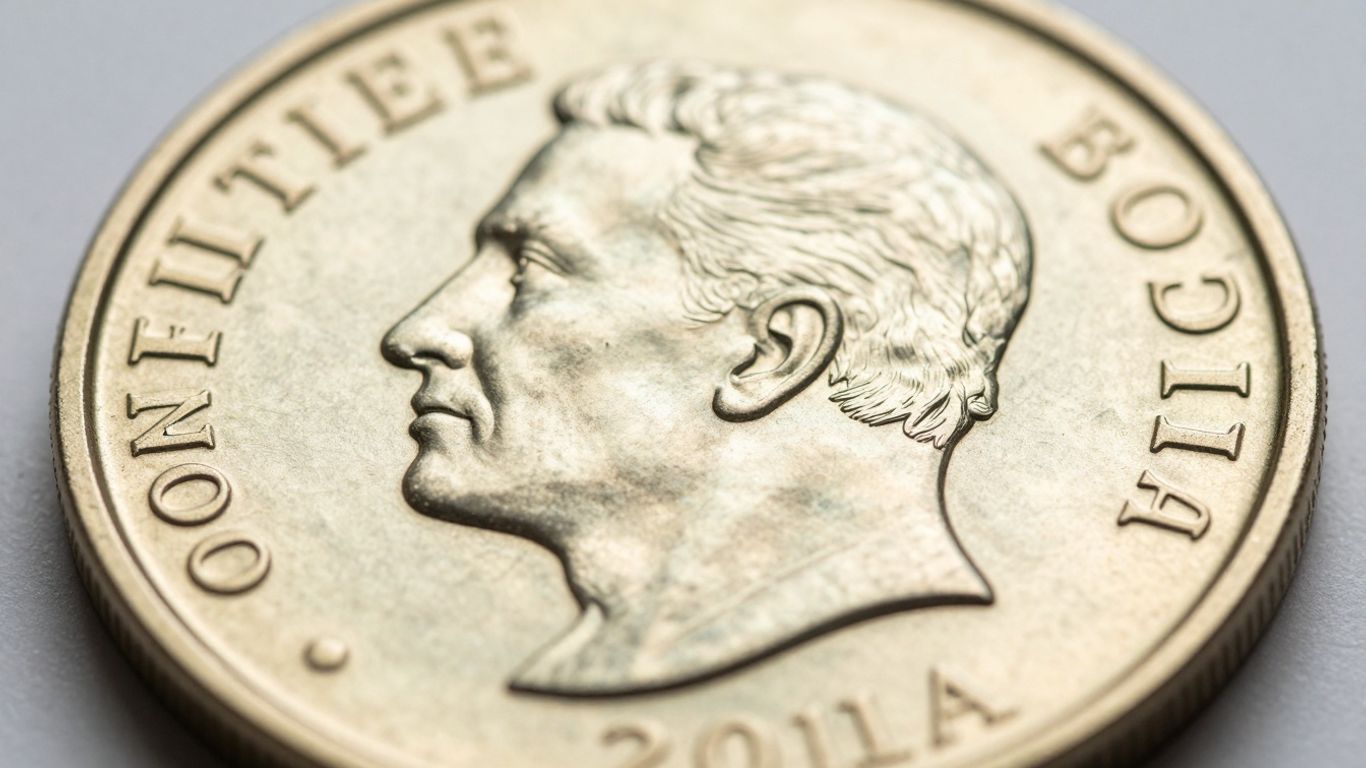
When you look at coins, you’ll notice they aren’t all made the same way. The most common type you’ll find in your pocket is the business strike, also called a circulation strike. These are the coins the U.S. Mint churns out by the millions, meant to be used for everyday buying and selling. Because they’re made in such huge numbers and handled in bulk, they often have minor imperfections like tiny scratches or bag marks. The main goal here is efficiency – get a lot of coins made quickly and affordably.
Proof strikes, on the other hand, are a whole different story. These coins are made specifically for collectors. They start with specially polished metal blanks, and the dies used are also treated with extra care. Each proof coin is struck at least twice, sometimes more, to get a really sharp, detailed image with a mirror-like finish. They’re handled individually and packaged carefully. Think of business strikes as the workhorses of the currency world, while proof strikes are the show ponies, made for display and appreciation.
The Special Mint Set Strike
Beyond business and proof strikes, there’s also the Special Mint Set (SMS) strike. These were produced for a period, mainly in the 1960s and early 1970s, and they sort of fall in between business and proof strikes. They weren’t quite as elaborately produced as proofs, but they were definitely a step up from regular business strikes. The planchets were often specially treated, and the coins were struck with more care than circulation coins, resulting in a finish that was often satin-like or had a different kind of luster. They were intended to offer collectors a higher-quality coin than what was typically found in circulation, without the full mirror finish and high relief of a proof coin.
Bullion Strikes and Their Design
Bullion strikes are another category, primarily focused on coins made from precious metals like gold, silver, or platinum. While they are often struck using processes similar to business strikes to facilitate mass production, their design emphasis is usually on showcasing the metal’s inherent value. You might see bolder, simpler designs on bullion coins, making the metal itself the star. Sometimes, these coins might not even have a mint mark, allowing them to be produced at various mint facilities without altering their universal appeal. Their primary purpose is as an investment vehicle, holding intrinsic value based on their metal content, rather than for everyday commerce.
The key difference between these strike types boils down to their intended purpose and the production methods employed. Business strikes are for circulation, proofs are for collectors with high detail, SMS strikes offer a middle ground, and bullion strikes focus on the precious metal content.
The Journey Of A Business Strike Coin
So, you’ve got a coin, right? But how did it get from a hunk of metal to the pocket change you might find later? It’s actually a pretty wild ride, especially for those business strike coins meant for everyday use. They don’t exactly get pampered.
From Press To Bin
Once a coin is actually struck, it’s not like someone carefully places it aside. Nope. These coins tumble out of the coining presses and land in big bins. We’re talking about machines that can churn out hundreds of coins every single minute. It’s all about speed and volume here. The goal is to get as many coins made as possible, as quickly as possible. This whole process means that the coins are basically jostling around with each other right from the start, which is why you often see little marks on them even when they’re brand new.
Counting And Packaging Procedures
After they’ve had their initial tumble, the coins are moved to areas where they get counted. This is usually done by machines, too. They’re not counting them one by one with little hands; it’s all automated. Then, they get packaged up. For business strikes, this typically means being put into rolls or larger bags. Think about those rolls of pennies or quarters you see at the bank – that’s where they’re headed. This bulk packaging is another reason they aren’t handled with kid gloves. It’s efficient, but it doesn’t do much for preserving a pristine surface.
The United States Mint produces billions of coins each month across its various facilities. This massive output is a testament to the industrial scale of modern coin production, prioritizing accessibility for commerce over individual coin perfection.
Distribution To Commerce
From those packaging areas, the coins are loaded onto trucks. They’re then transported to distribution centers, and eventually, they make their way to banks. From the banks, they get distributed to businesses and, ultimately, into the hands of people like you and me. It’s a huge logistical operation designed to keep the economy moving. So, that quarter in your pocket? It’s been on quite a journey before it even got to you, and its adventure is really just beginning if it enters circulation. You can learn more about the basic minting process that starts it all.
Condition And Value Of Business Strikes
Mint State and Uncirculated Definitions
When we talk about business strike coins, especially those that haven’t seen much action in your pocket, we often use terms like "Mint State" or "Uncirculated." Basically, these mean the same thing: the coin is in brand-new condition. It hasn’t been worn down by being passed around from person to person. Think of it as a coin straight from the mint, still looking fresh. A coin is considered Mint State if it shows no signs of wear from circulation. Even if a coin never made it into circulation, it might still have tiny marks or imperfections from the minting process itself. It’s not always about perfection, but about the absence of wear.
The Impact of Circulation on Condition
Once a business strike coin starts getting used for everyday purchases, its condition changes. This is what we call "circulated." The more it’s handled, the more it gets scratched, dented, or worn smooth. This wear and tear definitely affects how the coin looks and, importantly, how much it’s worth. A coin that’s been through the wringer will look quite different from one that’s been kept safe in a collection.
Here’s a quick look at how circulation affects a coin:
- Minor Wear: You might see some light scratches or a slight softening of the coin’s details, especially on raised areas.
- Moderate Wear: More noticeable scratches, some loss of sharpness in the design, and maybe some rim nicks.
- Heavy Wear: Significant loss of detail, smooth surfaces, and possibly bent or damaged edges.
Rarity of High-Grade Business Strikes
Finding business strike coins in top-notch condition, like perfect Mint State grades, can be surprisingly difficult. Because these coins are made to be spent, many end up getting worn down over time. The ones that survive in excellent shape are much rarer. This rarity, combined with their condition, can make these high-grade business strikes quite sought after by collectors, and sometimes they can fetch a pretty penny.
The sheer volume of coins produced for daily commerce means that while most business strikes are common, those that have managed to avoid wear and tear are the ones that truly stand out. It’s a numbers game, really – millions are made, but only a fraction survive in pristine condition.
For example, certain special releases, like the 2020-W America the Beautiful Quarters with the "W" mint mark, are business strikes but were produced in limited quantities and often kept by collectors, making them rarer finds in high grades.
Historical Context Of Business Strikes
Ancient Origins Of Coinage
Coins, as we know them, didn’t just pop into existence overnight. The idea of using standardized metal pieces for trade goes way back. Think ancient Lydia, around the 6th century BCE. They were among the first to use stamped lumps of electrum, a natural mix of gold and silver, as money. These early coins weren’t exactly fancy, but they were a huge step up from bartering. The core concept was to have a reliable, government-backed token for buying and selling. Over time, different civilizations, like the Greeks and Romans, got really good at making coins, adding intricate designs and using purer metals. It was all about making trade easier and more trustworthy across larger areas.
Evolution As A Medium Of Exchange
From those early Lydian beginnings, coins really took off. They became the backbone of economies for centuries. Imagine trying to trade a cow for a loaf of bread every single time – it gets complicated fast! Coins simplified all of that. Different empires and kingdoms issued their own coins, and these often traveled far beyond their borders. The designs on these coins weren’t just pretty pictures; they told stories about rulers, gods, and important events. They were like little pieces of history you could hold in your hand. As trade routes expanded, so did the reach of coinage, influencing cultures and economies across continents.
Modern Mass Production
Fast forward to today, and coin production is a whole different ballgame. We’re talking about mints churning out billions of coins every year. It’s all about efficiency and getting those coins into people’s pockets so they can actually be used. Unlike those ancient coins or special collector editions, the main goal for business strike coins is to be functional currency. This means the process is streamlined. Metal strips are fed into machines, blanks are punched out, softened, and then struck with immense force. It’s a high-volume operation, and while the mints aim for quality, the sheer scale means minor imperfections are just part of the deal. It’s a far cry from the hand-struck coins of old, but it serves its purpose in our modern world.
Potential Flaws In Business Strike Production
The Likelihood Of Minting Errors
When you’re churning out billions of coins, like the U.S. Mint does every year, things aren’t always going to be perfect. It’s just the nature of the beast. While the goal is always to make every coin look great, sometimes a few slip through the cracks. These aren’t usually big, dramatic mistakes, but little things that happen because so many coins are made so quickly.
Balancing Quality And Cost
Think of the mint as a factory. Their main job is to get coins made efficiently and affordably so they can get into our pockets. This means they handle the metal blanks in big batches, not one by one like they would for collector coins. The machines that make the dies and strike the coins are set up for speed and cost-effectiveness. It’s a constant balancing act between making a lot of coins and making sure each one is flawless. For business strikes, speed and cost usually win out over absolute perfection.
Handling Of Materials In Bulk
Here’s a look at how the bulk handling can lead to imperfections:
- Metal Strips: They arrive in huge coils, sometimes weighing thousands of pounds. As they’re unwound and flattened, minor scratches or dents can happen.
- Planchets: After being punched out of the metal strips, these coin blanks are often tumbled around. This can cause them to bump into each other, leading to small marks or abrasions.
- Annealing: While this process softens the metal, the planchets are heated in large furnaces. Sometimes, this can cause slight discoloration or surface irregularities.
- Striking: Even though the presses are powerful, the dies themselves can develop minor imperfections over time, which then transfer to the coins.
The sheer volume of coins produced means that minor surface blemishes, like tiny scratches or bag marks, are quite common on business strike coins. These aren’t considered errors but rather a natural consequence of mass production. The focus is on getting the coin’s design clearly impressed, not on achieving a pristine, untouched surface.
The reality is that most business strike coins will show some signs of their journey from the mint to your hand, whether it’s a tiny nick or a slight imperfection in the strike.
Collecting Business Strike Coins
So, you’ve got a bunch of coins lying around, maybe in a jar or just rattling in your pocket. Ever wonder if some of them are worth more than just their face value? That’s where understanding business strike coins comes in, especially when you start thinking about collecting them. It’s not just about the shiny, perfect-looking ones; even the everyday coins can have a story and a place in a collection.
Identifying Certified Business Strikes
When you’re looking to collect business strikes, especially those with potential value, you’ll often hear about "certified" coins. This means a professional grading service has examined the coin and given it a grade based on its condition. They put it in a special holder, called a slab, with a label detailing the coin’s identity and grade. Finding a business strike in a high grade, like Mint State 65 or better, is where the real collecting excitement begins. It shows the coin has survived its journey with minimal wear and tear.
Examples of Notable Business Strikes
While most business strikes are made for everyday spending, some stand out. Think about special issues or coins from specific mints. For instance, the U.S. Mint sometimes releases special quarters with a "W" mint mark from the West Point Mint. These are business strikes, but they were made in much smaller numbers and often come with special markings, making them more sought after by collectors. Another example could be a coin from a mint that had a very short production run for a particular year.
The Appeal to Numismatists
Why would someone collect coins that are meant to be spent? Well, for numismatists (that’s coin collectors), it’s about the history, the artistry, and the challenge. Finding a business strike in amazing condition, especially one that’s rare, is like finding a needle in a haystack. It represents a piece of history that was made to be used but managed to escape the wear and tear of daily life. Plus, the sheer volume of coins produced means there’s always something new to discover, a different variety, or a unique error to find. It’s a hobby that can be as simple as saving change or as complex as hunting down specific, high-grade rarities.
Wrapping It Up
So, that’s the lowdown on how business strike coins are made. It’s a pretty straightforward process, really. They’re made in huge numbers, meant for everyday use, which is why you might see a few nicks or scratches on them. Unlike those fancy proof coins collectors go for, these are all about getting coins into people’s hands efficiently. Knowing this helps you appreciate the coins you use every day, even if they aren’t perfect. It’s a balance of making lots of coins quickly and keeping them decent enough for your pocket.
Frequently Asked Questions
What exactly is a business strike coin?
A business strike coin, also known as a circulation strike, is a coin made for everyday use, like the change you get from buying something. Think of pennies, nickels, and quarters – those are business strikes. They’re made in huge numbers, so they’re not usually as special or valuable as coins made just for collectors.
How are business strike coins made?
It starts with big rolls of metal sheets. These sheets are flattened and then punched into small metal circles called planchets. Before getting their design, these planchets are heated to make the metal softer. Then, powerful machines called presses strike the design onto both sides of the planchet. After being struck, the coins are collected in bins.
Why do business strike coins sometimes have scratches or look imperfect?
Because millions of these coins are made very quickly to keep costs down, they’re handled in large batches. This means they can get small scratches or bumps during the making and moving process. Unlike collector coins, which are handled with extreme care, business strikes are made for speed and quantity, so a few tiny flaws are expected.
What's the difference between a business strike and a proof strike coin?
Proof strike coins are made with extra special care, using polished metal and striking them multiple times to get a super clear, shiny look. They’re made for collectors. Business strikes, on the other hand, are made quickly for everyday spending and don’t get that same careful, high-quality treatment.
What does 'mint state' mean for a business strike coin?
‘Mint state’ or ‘uncirculated’ means a business strike coin is in perfect, brand-new condition. It hasn’t been used as money in everyday life, so it doesn’t show any signs of wear or damage from being passed around.
Are business strike coins valuable?
Most business strike coins aren’t worth much more than their face value because so many are made. However, if a business strike coin is in extremely good condition (mint state) and is rare, it can become quite valuable to coin collectors.
Why are business strikes made so efficiently?
The main goal for making business strike coins is to produce a lot of them quickly and cheaply. This way, there are always enough coins for everyone to use for buying and selling things. It’s all about making sure money is available for regular business.
Can you tell if a coin is a business strike just by looking at it?
Often, yes. Business strikes usually have a more ‘worn’ or less shiny appearance compared to proof coins. They might show small scratches or imperfections from the minting process. Coins you find in your pocket are almost always business strikes.