
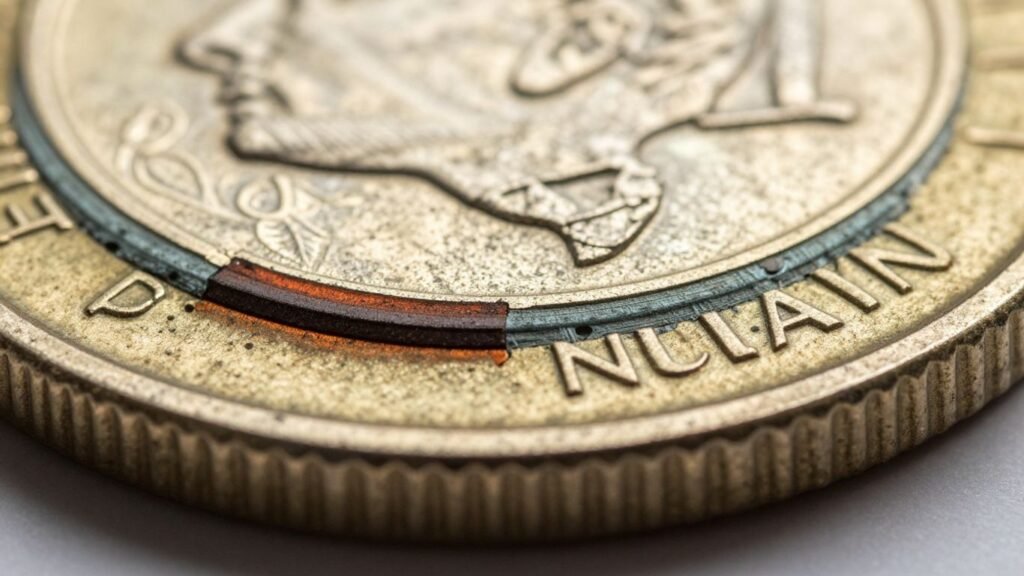
Ever wonder what’s actually inside the coins you use every day? It’s not just one solid piece of metal. Modern money, like quarters and dimes, is actually made of layers. This is called clad coin composition, and it’s a pretty neat bit of engineering that makes our money last longer and cost less to make. We’re going to break down exactly what clad coin composition explained means, why it’s used, and how it differs from older coins.
Key Takeaways
- Clad coins are made of multiple metal layers, typically a copper core with outer layers of a copper-nickel alloy.
- This layered design makes coins more durable, resistant to wear, and cost-effective to produce compared to older, solid-metal coins.
- The shift to clad coinage in the mid-20th century was driven by the rising cost of precious metals.
- While durable, clad coins can sometimes experience layer separation or surface wear, and they have different weight and feel compared to traditional coins.
- Security features like reeded edges and microprinting are often incorporated into clad coins to help prevent counterfeiting.
Understanding Clad Coin Composition Explained
So, what exactly makes up those coins jingling in your pocket? It’s not just a blob of metal, you know. Modern coins, the ones we use every day, are actually built in layers. This layered approach, called ‘clad’ coinage, is pretty neat and has a few reasons behind it. Think of it like a metal sandwich – a core in the middle with outer layers bonded to it.
The Core Metal Layer
At the heart of most clad coins is a solid core made primarily of copper. This copper layer is the backbone of the coin, giving it its bulk and a good bit of its weight. It’s a sturdy foundation that the other metals are attached to. Copper is used because it’s relatively inexpensive, abundant, and has good structural properties. It’s not the flashy part, but it’s definitely important for the coin’s overall form.
Outer Metal Layers
Now, on the outside, you’ve got the layers that give the coin its familiar look and feel. These outer layers are what people usually see and touch. They’re bonded to the copper core under high pressure and heat, so they don’t just flake off easily. This is where the coin gets its color and its resistance to wear and tear. It’s all about making the coin last through countless transactions.
The Copper-Nickel Alloy
Often, these outer layers are made from a specific mix called a copper-nickel alloy. This is typically a combination of about 75% copper and 25% nickel. This particular alloy is chosen for a few good reasons. It’s durable, resists corrosion pretty well (so your coins don’t turn into a green mess), and it gives the coin that silvery appearance we associate with dimes, quarters, and half-dollars. It’s a smart choice that balances looks, toughness, and cost.
The way these different metals are combined isn’t random. It’s a carefully engineered structure designed to make coins last longer in circulation, resist damage from everyday handling, and be produced economically. This layered construction is the key to why modern coins feel and look the way they do.
Here’s a quick look at the typical makeup:
- Core: Primarily Copper
- Outer Layers: Copper-Nickel Alloy (approx. 75% Copper, 25% Nickel)
This layered system is what allows mints to create coins that are tough enough for daily use without costing a fortune to make.
The Evolution of Modern Coinage
Origins of Clad Coinage
Back in the day, coins were pretty much just solid chunks of valuable metal, like silver or gold. But as the prices of these metals started climbing, mints around the world began to feel the pinch. It got to a point where the metal inside a coin was actually worth more than the coin itself! This was a big problem because people would just melt down the coins for their metal, causing shortages of actual money to use for buying stuff. The United States saw this happen with silver coins, and even earlier with copper pennies. To stop this from happening, they had to get creative.
The Shift from Traditional Metals
This whole metal price issue really kicked things into high gear in the mid-20th century. The U.S. Mint, in particular, was looking for a way to make coins that wouldn’t break the bank but would still hold up to everyday use. They needed something that looked and felt like a coin but didn’t rely on expensive silver or gold. This led to a lot of experimenting. The big breakthrough came when they figured out how to layer different metals together. It was like making a metal sandwich, which turned out to be a much more affordable way to produce currency.
Revolutionizing Minting Processes
So, what did this shift mean for how coins were made? Well, it was a pretty big deal. Instead of just stamping a design onto a single piece of metal, mints had to develop new techniques to bond layers of metal together. This wasn’t just about saving money; it also meant coins could be made tougher and more resistant to wear and tear. Plus, these new layered coins had to work with all the vending machines and coin-counting machines that were already out there. The goal was to make a coin that was cheap to produce, durable, and compatible with existing technology. The Coinage Act of 1965 was a major step, officially changing the composition of dimes, quarters, and half dollars to this new layered style.
Key Components of Clad Coins
So, what exactly makes up these modern coins we use every day? It’s not just a single piece of metal, nope. Clad coins are actually built like a sandwich, with different metals layered together. This construction is what gives them their unique properties, like being tough and looking good even after a lot of handling.
The Central Copper Core
At the heart of most clad coins is a core made primarily of copper. Think of it as the sturdy foundation. This copper layer isn’t just there to bulk things up; it provides a significant part of the coin’s structure and contributes to its overall weight and conductivity. It’s a pretty common metal, which helps keep production costs down, a big win for mints.
Nickel and Copper-Nickel Cladding
Now, for the outer layers. These are typically made from a copper-nickel alloy. This is the stuff you see on the outside, giving the coin its familiar silvery appearance. This alloy is tough stuff, resisting corrosion and wear really well. It’s also what gives the coin its characteristic feel and sound when you handle it. The United States Mint, for example, uses a specific blend for its circulating coins.
Layered Construction for Durability
The way these layers are put together is pretty neat. The copper core is sandwiched between two outer layers of the copper-nickel alloy. This isn’t just glued on; the layers are metallurgically bonded under heat and pressure, meaning they’re essentially fused together. This makes the coin strong and prevents the layers from separating easily during normal use. It’s a clever way to get the benefits of different metals without the high cost of using solid silver or gold for every coin. This layered approach is a big reason why clad coins are so common in everyday transactions.
This layered design is a smart engineering feat, balancing material costs with the need for a coin that can withstand the constant jingle and exchange of daily commerce. It’s a practical solution that has served us well for decades.
Here’s a quick look at the typical makeup:
- Core: Copper
- Outer Layers: Copper-Nickel Alloy (typically 75% copper, 25% nickel)
This combination means the coin has the strength and lower cost of copper on the inside, with the durable, attractive finish of the copper-nickel alloy on the outside. It’s a system that works, making these coins last a long time in your pocket.
Advantages of Clad Coin Production
Making coins using the clad method really changed things up, mostly for the better. It’s all about being smart with materials to keep costs down while still making a coin that lasts. Think about it: instead of using a solid chunk of a more expensive metal, you’re using a core of something cheaper, like copper, and then wrapping it in a thin layer of something else, like a copper-nickel mix. This trick means you get a coin that looks and feels right, but costs a lot less to make. This cost-effectiveness is a huge win for governments and mints.
Beyond just saving money, this layered approach makes the coins tougher. They hold up better to all the shuffling around in pockets and cash registers. Plus, the way they’re made allows for really detailed designs to be stamped onto the surface. It’s a neat bit of engineering that makes everyday money more practical and a bit more interesting to look at.
Here’s a quick rundown of why clad coins are a good idea:
- Saves Money: Using less of the pricier metals means production costs drop significantly. This is a big deal when you’re making millions, or even billions, of coins.
- Lasts Longer: The layered construction helps coins resist wear and tear better than older, single-metal coins. They don’t get as beat up over time.
- Looks Good: The outer layers can be finished to look really nice, and it’s easier to get sharp, detailed images and patterns pressed into them.
- Lighter Weight: Compared to solid metal coins of the same size, clad coins are lighter. This makes them easier to handle, transport, and carry around.
The shift to clad coinage wasn’t just about saving a few bucks; it was a practical solution to the rising costs of traditional metals. By cleverly combining a less expensive core with a more durable outer layer, mints could produce currency that was both economically viable and robust enough for daily use. This innovation allowed for a more stable and accessible monetary system.
So, while you might not think about it much when you’re grabbing change, the way these coins are put together is pretty smart. It’s a balance of making something that works well for everyone involved, from the people making the coins to the people using them every day.
Distinguishing Clad Coins From Traditional
So, you’ve got some change in your pocket, and you’re wondering what makes these modern coins tick. It’s pretty easy to tell them apart from the older ones, the ones our grandparents might have used. The biggest giveaway is usually the edge and the overall feel.
Think about it: older coins, like silver dollars or even some older pennies, felt pretty solid, maybe a bit heavier. They were made from a single block of metal. Clad coins, on the other hand, are like a sandwich. They have a core, usually copper, and then layers of other metals, like copper-nickel, bonded to the outside. This layered construction changes things up.
Weight and Feel Differences
When you hold a clad coin next to an older, traditional coin of the same size, you’ll likely notice a difference in weight. Clad coins tend to be lighter. That’s because the metals used in the outer layers, while looking similar to older metals, are often less dense or used in thinner layers. It’s not a huge difference, but it’s there. You might also notice a slightly different ‘ring’ when you drop them or tap them together. The feel in your hand is just a bit less substantial, less dense.
Visual Identification Cues
Visually, clad coins often have a distinct look, especially around the edges. If you look closely at the edge of a clad coin, you might see a different colored metal peeking through, especially if the outer layer has worn down a bit. This is a dead giveaway that it’s a layered coin. Traditional coins, being a single metal, have a uniform color all the way through. Also, the way they tarnish or wear can be different. While traditional coins might develop a deep patina, clad coins can sometimes show a dulling or a more uniform surface wear.
Durability Comparisons
Here’s a quick look at how they stack up:
- Clad Coins: Built to last through everyday use. The layered design helps them resist wear and tear better than many older coins. They’re less likely to get those deep scratches or bend easily.
- Traditional Coins: Depending on the metal, these could be quite durable (like gold or silver) or more prone to damage (like softer copper coins). However, they don’t have the issue of layers separating.
- Cost-Effectiveness: Clad coins are generally much cheaper to produce because they use less of the more expensive metals.
The shift to clad coinage wasn’t just about saving money; it was a practical move to keep currency circulating without breaking the bank. By using a less expensive core metal and bonding it with a thin outer layer, mints could produce coins that looked and felt familiar but were far more economical to make in the millions needed for daily commerce. This layered approach also offered a way to maintain a consistent appearance over time, even with heavy use.
Common Differences Summarized
| Feature | Clad Coins | Traditional Coins |
|---|---|---|
| Construction | Layered metal (e.g., copper core, outer alloy) | Single metal composition (e.g., pure copper, silver) |
| Weight | Generally lighter | Often heavier |
| Edge Appearance | May show different metal layers | Uniform color throughout |
| Durability | Good resistance to wear, risk of separation | Varies by metal, no layer separation risk |
| Production Cost | Lower | Higher |
Potential Drawbacks of Clad Coinage
While clad coins have a lot going for them, they aren’t perfect. Like anything manufactured, there are a few downsides to this layered approach to making money.
Risk of Layer Separation
Sometimes, the different metal layers in a clad coin can start to come apart. This is called delamination. It’s not super common, but when it happens, the coin can look pretty rough. You might see edges peeling away, or the coin might feel a bit warped. This separation can make a coin unusable for transactions and definitely affects its appearance. It’s kind of like a cheap laminate peeling off furniture – it just doesn’t look right and compromises the whole thing.
Susceptibility to Surface Wear
Even though clad coins are designed to last, their outer layers can still get scratched or worn down over time. Think about coins you carry in your pocket every day. The shiny finish can get dull, and you might see little nicks or gouges. While this is normal wear and tear for any coin, the outer metal on clad coins can sometimes chip or flake off, especially if they’re handled a lot or exposed to harsh conditions. This can make them look older faster than you might expect.
Challenges in Counterfeit Deterrence
Because clad coins are made from specific layers of metals, there’s always a risk that someone might try to fake them. While modern minting processes have security features, the materials themselves can sometimes be easier to replicate with less expensive metals than, say, solid gold or silver coins. It’s a constant game of cat and mouse to stay ahead of counterfeiters, and the layered nature of clad coins presents its own set of challenges in making them truly impossible to copy accurately.
The Role of Clad Coins in Circulation
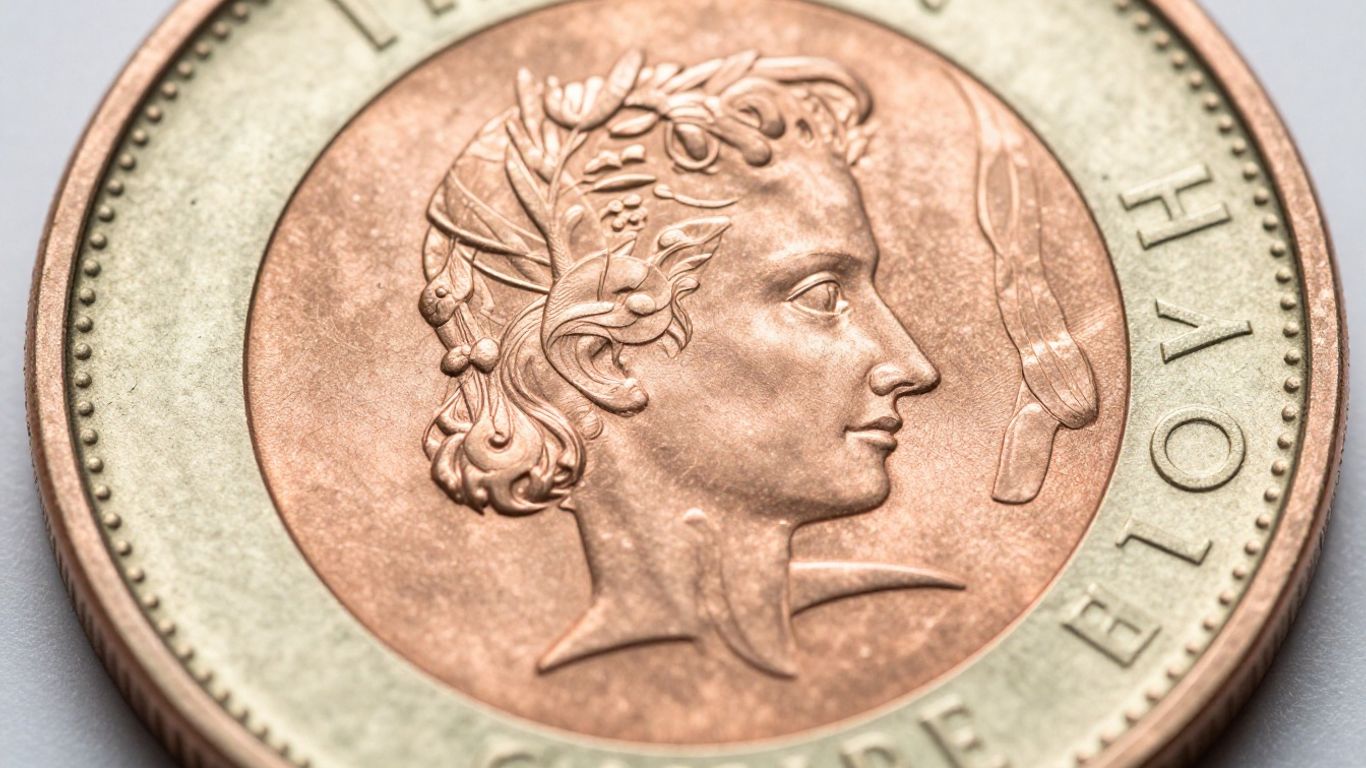
You know, those coins jingling in your pocket? Most of them are probably clad coins, and they’re pretty important for how we get through the day. Think about buying a coffee, grabbing a snack from a vending machine, or even paying for a bus ride. Clad coins are the workhorses for all those little everyday exchanges. They’re designed to be tough and last a long time, which is exactly what you need when they’re being passed around from hand to hand constantly.
Essential for Everyday Transactions
Clad coins are the backbone of small-scale commerce. Because they’re made to be durable and relatively inexpensive to produce, governments can mint them in huge quantities. This means we always have enough change for those quick purchases. They’re accepted everywhere, from parking meters to laundromats, making them super convenient.
- Quick purchases: Buying small items without needing to use a card.
- Vending machines: Powering the machines that give us snacks and drinks.
- Public transport: Often the easiest way to pay for a bus or train fare.
- Coin-operated services: Like laundry or arcade games.
Maintaining Monetary System Integrity
Beyond just convenience, clad coins help keep the whole money system running smoothly. Their consistent composition and security features make them hard to fake, which is a big deal. If everyone started getting fake change, it would cause all sorts of problems. The fact that clad coins are standardized means we can trust the money we’re using.
The layered construction of clad coins, while sometimes prone to separation, is a deliberate design choice aimed at balancing cost, durability, and appearance for widespread use. This makes them a practical solution for the vast majority of daily financial interactions.
Convenience in Handling and Transport
Compared to older coins made from solid precious metals, clad coins are lighter. This might not seem like a huge deal, but imagine transporting millions of coins for banks or businesses. That weight difference adds up, saving money and effort. Plus, their distinct look and feel make them easy to sort and count, which speeds things up at the checkout counter or when making change.
Security Features Integrated Into Clad Coins
Microprinting for Authenticity
Ever looked super close at a coin and seen tiny, almost invisible text? That’s microprinting, and it’s a clever way to make sure you’re holding the real deal. It’s like a secret signature from the mint. These little words or numbers are so small that regular printers just can’t copy them accurately. You’ll often find them tucked away in the design, maybe along the edge or in a less obvious spot. It’s a small detail, but it makes a big difference in stopping fakes.
The Function of Reeded Edges
Those little ridges you see on the sides of many coins? They’re called reeding, and they’re not just for looks. Back in the day, coins were often made of solid silver or gold. If someone shaved off a bit of the metal to steal it, the reeding would be messed up, and you’d know something was wrong. With clad coins, reeding still helps. It makes it harder for someone to try and fake a coin by plating a cheaper metal over a different core, because the edge would look off. It’s a simple, old-school trick that still works.
Advanced Visual Security Elements
Beyond microprinting and reeding, modern clad coins sometimes get some extra visual flair to make them even tougher to counterfeit. Think about special inks that change color when you tilt the coin, or tiny holographic images that seem to move. These aren’t just for making the coins look cool; they’re complex security features that require specialized equipment to reproduce. It’s like giving the coin a built-in disguise that only the official mint can pull off.
The layered nature of clad coins, while great for cost and durability, also presents unique challenges for security. Counterfeiters might try to mimic the outer appearance, but replicating the precise composition and the integrated security features is significantly harder. This layered approach, combined with advanced printing and design techniques, creates a robust defense against imitation.
Here’s a quick rundown of what makes clad coins secure:
- Microprinting: Tiny text that’s hard to see and even harder to copy.
- Reeded Edges: The ridged sides that help detect tampering or plating.
- Color-Shifting Inks/Holograms: Visual elements that change appearance, making replication difficult.
- Layered Composition: The specific metal layers themselves are hard to perfectly mimic.
These features work together, making it much more difficult for unauthorized copies to pass as genuine currency in everyday transactions.
Clad Coinage Versus Bimetallic Designs
Understanding Layered Construction
So, we’ve talked a lot about clad coins, right? They’re those everyday coins with a core and outer layers. Think of it like a metal sandwich. The most common U.S. coins, like quarters and dimes, are clad. They have a copper middle and then a copper-nickel alloy on the outside. This makes them durable and keeps production costs down. It’s a pretty smart way to make coins that can handle a lot of use without breaking the bank.
Distinct Metal Placement
Now, bimetallic coins are a bit different. Instead of a core with layers, bimetallic coins have two distinct metals joined together, often in a ring and a plug design. The Canadian $2 coin, for example, has a silver-colored outer ring and a gold-colored center. It’s not just about having two metals; it’s about how they’re put together. This design is often used for higher-value coins or collector’s items, giving them a unique look and feel.
Here’s a quick look at how they differ:
- Clad Coins: Core metal surrounded by outer metal layers (e.g., copper core with copper-nickel cladding).
- Bimetallic Coins: Two distinct metals joined, often with one forming the outer part and the other the inner part (e.g., outer ring and inner plug).
Examples of Bimetallic Currency
Bimetallic coins aren’t as common in everyday U.S. circulation as clad coins, but you can find them in other countries. The aforementioned Canadian $2 coin (Toonie) is a prime example. Many European countries also use bimetallic coins for their higher denominations, like the €1 and €2 coins. These designs often incorporate different colors and textures, making them easily recognizable and harder to counterfeit. It’s a neat way to add security and visual interest to currency.
The way metals are combined in coins, whether layered or joined, is all about balancing cost, durability, and security. It’s a fascinating bit of engineering that goes into something we use every single day without much thought.
Identifying Clad Coin Errors
So, you’ve been digging through your change or maybe even doing some metal detecting, and you find a coin that looks a little… off. It might seem like you’ve stumbled upon a rare mint error, but sometimes, what looks like a missing clad layer is actually just a coin that’s seen better days. It’s easy to get excited, but it’s important to know the difference between a genuine error and simple damage or environmental wear.
Distinguishing Errors from Damage
This is where things can get tricky. A lot of folks online, especially in coin collecting groups, will post pictures of coins that are dirty or have weird discoloration, thinking they’ve found a coin missing its outer layers. More often than not, these are just coins that have been buried or exposed to the elements for a long time. Think of them as "dirt coins." I’ve dug up plenty of modern coins myself, and they often look like they’ve lost their cladding, but it’s just corrosion and grime. True mint errors, like a missing clad layer, are much rarer.
The Importance of Weight and Thickness
When you’re trying to figure out if you have a real error, two things are super important: weight and thickness. The U.S. Mint has specific standards for how much clad coins should weigh and how thick they should be. If a coin is supposed to have both its outer layers but is significantly lighter or thinner than it should be, that’s a strong clue it might be an error. For example, a 2005 Oregon State Quarter should weigh about 5.67 grams. If you find one that weighs only 4.5 grams and looks thinner, it might be missing its outer clad layer. These measurements help separate actual minting mistakes from coins that have just been damaged over time. You can find detailed specifications for different coins, which is a good resource for collectors interested in mint errors.
Common Types of Cladding Errors
While missing clad layers are the most talked-about errors, there are a few variations to keep an eye out for:
- Missing Clad Layer (Partial or Full, Before or After Strike): This is when one or both of the outer metal layers don’t get applied correctly before the coin is struck, or they separate afterward.
- Partial Clad Layer: Similar to the above, but only a portion of the clad layer is missing.
- Laminations: This is when the layers of the coin don’t bond properly, leading to peeling or flaking. It’s less common with clad coins because the layers are already quite thin.
- Incomplete Cladding: This happens when the metal strip used to make the coin blanks isn’t fully covered by the cladding material on all sides.
It’s really about understanding the manufacturing process. Clad coins are made by bonding layers of metal together. Errors occur when this bonding or application process goes wrong at the mint. Damage, on the other hand, happens after the coin leaves the mint, through circulation, accidents, or environmental exposure.
Here’s a quick look at some typical thicknesses and weights for clad coins:
| Coin Type | Clad Layer Thickness (approx.) | Core Thickness (approx.) | Total Thickness (approx.) | Standard Weight (approx.) |
|---|---|---|---|---|
| Dime | 180.34 µm | 688.34 µm | 1049 µm | 2.268 g |
| Quarter | 231.14 µm | 916.94 µm | 1379 µm | 5.670 g |
Remember, these are general figures, and there are always slight tolerances. But if your coin is way off these numbers, it’s definitely worth investigating further!
Wrapping It Up
So, that’s the lowdown on clad coins. They’re not just random pieces of metal; they’re carefully put together with layers of copper and nickel alloys. This makes them tough enough for everyday use, keeps them looking decent for a long time, and is easier on the wallet for everyone involved. While old coins might have a certain charm, these layered coins are what keep our pockets jingling today. Next time you get some change, take a second look – you’re holding a little piece of modern metal science.
Frequently Asked Questions
What exactly are clad coins?
Clad coins are like sandwiches made of metal! They have a core made of one metal, usually copper, and then outer layers of a different metal, like a copper-nickel mix. This makes them tough and helps them keep their looks.
Why did we start using clad coins instead of older types?
Older coins were often made of solid silver or copper, which got really expensive. Making clad coins uses less of the costly metals, so they are cheaper to produce and still work great for everyday money.
What are the main metals used in clad coins?
Most U.S. clad coins have a copper middle. The outside layers are usually a mix of copper and nickel, which gives them that silvery color. Some newer coins might use other metal mixes for their outer layers.
Are clad coins more durable than older coins?
Yes, they are! The layered design makes clad coins strong and helps them resist wear and tear from being used all the time. They’re built to last much longer in your pocket or wallet.
Can you easily tell a clad coin from an old-style coin?
Absolutely! Clad coins have a very distinct look because of their layers. You can often see the difference just by looking at them, and they might feel a bit lighter too.
Do clad coins have any downsides?
Sometimes, the layers can start to separate, which isn’t good. Also, the outer layer can get scratched or worn down over time, showing the copper inside. It can also be a bit trickier to stop people from making fake ones.
How do clad coins help with security?
Mints add special features to make them harder to copy. This can include super tiny writing that’s hard to see without a magnifier, or ridges on the edge of the coin that can show if someone has tried to mess with it.
Are clad coins the same as bimetallic coins?
Not quite. Clad coins have layers, kind of like a layered cake. Bimetallic coins use two different metals, but they’re usually placed in different parts of the coin, like an outer ring and an inner center, rather than being layered on top of each other.