So, you’ve got a bunch of coins lying around, maybe from your grandpa’s old jar or something you picked up on a trip. It’s easy to let them just sit there, but if you’re thinking about actually collecting them, you need a plan. This is where figuring out the best way to store and keep track of them comes in. We’re going to look at different coin album options and other ways to organize your collection, because honestly, a messy pile of coins isn’t much fun. Let’s get this sorted.
Key Takeaways
- Understanding what you want from your coin collection helps you pick the right storage and organization tools.
- There are many reference books and digital tools available to help you learn about coins and their value.
- Choosing between binder systems, card files, or dedicated sections depends on how you like to see and sort your coins.
- Both physical logbooks and digital apps can work for keeping track of your coins, pick what suits you.
- Consistent organization helps avoid buying duplicates, tracks your collection’s worth, and makes managing it easier.
Understanding Your Coin Collection Needs
Before you even think about binders or software, let’s talk about what you’re actually trying to do with your coins. Are you just starting out with a few interesting finds, or are you building a serious investment portfolio? Knowing this makes a big difference in how you’ll want to organize everything.
Defining Numismatic Terminology
It helps to know the lingo. When you’re looking at coins, you’ll see terms like ‘mint mark,’ ‘obverse,’ ‘reverse,’ ‘condition,’ and ‘grade.’ Understanding these basics means you can read coin descriptions and labels without getting lost. For example, the mint mark tells you where a coin was made, and the condition, or grade, is super important for figuring out a coin’s value. Getting a handle on these terms is like learning the alphabet before you can read a book.
Historical Context of World Coinage
Coins aren’t just metal discs; they’re tiny pieces of history. A coin from ancient Rome tells a story about the empire, while a coin from the early 20th century might reflect a nation’s industrial growth. Thinking about the history behind your coins can guide what you collect and how you group them. Maybe you’re drawn to coins from a specific era, like the Victorian period, or perhaps you want to trace the evolution of currency in a particular country. This historical perspective can really shape your collecting focus.
Assessing Coin Condition and Storage Basics
How you store your coins matters a lot. You don’t want them getting scratched, tarnished, or damaged. For beginners, simple Mylar flips or small envelopes work fine. As your collection grows, you might look into more specialized coin collection albums. The condition of a coin is graded on a scale, and this grade significantly impacts its worth. A coin that looks almost perfect will be worth much more than one that’s heavily worn. So, understanding basic grading and proper storage from the get-go prevents damage and helps you appreciate what you have.
Thinking about your collection’s needs upfront saves a lot of headaches later. It’s about setting yourself up for success, whether that means finding a specific coin easily or just enjoying the history in your hands.
Exploring Essential Coin Reference Materials
Alright, so you’ve got some coins, maybe a few interesting ones from your travels or some old ones you found in a drawer. Now what? You need some good books to help you figure out what you’ve actually got. It’s not just about knowing if it’s worth a lot of money, though that’s part of it. It’s about understanding the history, the design, and why some coins are way rarer than others. Think of these books as your guides through the whole coin world.
The 'Redbook' for U.S. Coin Valuations
If you’re even a little bit into U.S. coins, you’ve probably heard of the "Redbook." Seriously, it’s like the go-to manual for American numismatics. Published every year, it covers pretty much every U.S. coin you’d want to know about, from the old colonial stuff to modern issues. It gives you prices, how many were made (mintages), and a bit of history for each. It’s got these great full-color pictures, too, which makes it way more interesting than just reading a list. You can find it pretty easily online or in bookstores. Just a heads-up, they don’t usually offer the full price guide for free online because, well, copyright and all that.
- History of U.S. minting: How did we even get here?
- Valuation standards: What makes one coin worth more than another?
- Circulating U.S. pieces: From pennies to dollars, what’s out there?
- Mint and proof sets: The special editions collectors love.
The "Redbook" is a yearly update, so make sure you’re looking at a recent edition if you want the most current pricing and information. Old editions are still great for historical context, but market values change.
Identifying Rare Die Varieties
This is where things get a bit more specialized. Sometimes, coins have tiny differences in their design because of how the dies (the metal stamps that strike the coin) were made or used. These are called die varieties. Books like the "Cherrypickers’ Guide" are all about spotting these. They show you high-quality photos and explain exactly what to look for – like doubled dies or repunched mint marks. It’s super helpful if you like the thrill of finding something unusual that most people overlook. Even if you’re just starting, it gives you an idea of what to keep an eye out for.
- How die varieties happen: The nitty-gritty of minting errors.
- Key diagnostics: What specific things to look for (doubled dies, etc.).
- Photos and comparison markers: Visual aids to help you spot differences.
- Rarity ratings and market value estimates: How common is it, and what’s it worth?
Photographic Grading Guides
Okay, so you’ve found a coin, and you think it might be special. How do you know its condition? That’s where grading comes in, and it’s a big deal in coin collecting. Books like "Photograde" are fantastic because they show you pictures of the same coin in different conditions, from worn-out to practically perfect. You can lay your coin next to the photos and get a pretty good idea of where it fits. Accurate grading is super important for determining a coin’s true value. It takes practice, but having these visual guides makes it much easier to learn.
- Side-by-side photo examples: See the same coin in various grades.
- Assessment criteria: What to look for in terms of wear.
- How to judge strike vs. wear: Differentiating between how well it was made and how much it’s been used.
- Practical grading technique: Tips for applying what you see to your own coins.
Building Your Numismatic Library
So, you’ve got a growing pile of coins and you’re starting to think, ‘How do I actually learn more about these things?’ That’s where building a solid numismatic library comes in. It’s not just about having pretty books on a shelf; it’s about having the right tools to understand what you’ve got, what it’s worth, and where it came from. Think of it as your personal coin detective kit.
Key Resources for Beginner Collectors
When you’re just starting out, it’s easy to get overwhelmed. You need books that break things down without making you feel like you need a degree in history. Look for guides that explain the basics of coin identification, grading, and even how to spot fakes. A good beginner book will cover common coins you might find and give you a roadmap for your collecting journey. The goal is to build confidence and a foundational knowledge.
- The ‘Redbook’ (A Guide Book of United States Coins): This is practically a must-have for anyone collecting U.S. coins. It lists virtually every U.S. coin ever made, with values, mintages, and historical tidbits. It’s updated yearly, so you’re always getting current information.
- Scott Travers’ One-Minute Coin Expert: This book is great because it’s designed for quick learning. It helps you identify valuable coins, understand condition, and avoid common beginner mistakes without getting bogged down in super technical details.
- Ed Reiter’s The New York Times Guide to Coin Collecting: This offers a clear introduction, explaining how coins are made, what makes them rare, and how to assess their appearance. It’s a solid starting point for understanding the U.S. market.
Comprehensive Encyclopedias of Numismatics
As your collection expands beyond just U.S. coins, or if you want to go deeper into specific areas, encyclopedias are your next step. These books offer a broader view, often covering world coinage or specific historical periods in great detail. They are fantastic for understanding the context of your coins.
- The World Encyclopedia of Coins: This type of reference, like the one by Mackay and Mussell, provides a global survey of coins. They’re usually arranged by country and include images and historical notes, which really helps put individual coins into a larger picture. It’s a great way to see how different cultures and economies expressed themselves through coinage.
- Specialty Publications: Depending on your interest—say, ancient Roman coins or early American tokens—there are specialized books that go into extreme depth. These are often written by leading experts in their field and can be incredibly informative.
Building a library isn’t a one-time event. It’s an ongoing process. As your collection grows and your interests shift, so too will the books you need. Think about acquiring new resources as you acquire new coins. This keeps your knowledge base current and relevant to what you’re actually collecting.
Supplementing Knowledge with Digital Tools
While books are fantastic, let’s be real, the digital age offers some pretty neat tools too. You don’t have to ditch your books, but these can really speed things up. Think of them as your modern-day assistants. You can find resources to support the publication of new numismatic materials online, keeping your knowledge fresh. Check out numismatic resources.
- Online Databases: Websites like PCGS CoinFacts or NGC Coin Explorer offer vast databases of coins with images, grading information, and population reports. They are invaluable for quick lookups and comparisons.
- Mobile Apps: There are apps that can help you identify coins using your phone’s camera or manage your collection on the go. These are super handy when you’re at a coin show or flea market.
- Online Forums and Communities: While not strictly ‘books,’ active online communities can be a goldmine of information. You can ask questions, share your finds, and learn from experienced collectors. Just remember to cross-reference information you find online with your trusted reference books.
Choosing The Right Organizational System
Alright, so you’ve got your coins, and maybe you’re starting to feel a little overwhelmed. That’s totally normal! The next big step is figuring out how to keep everything tidy. Picking the right way to organize your collection is super important, especially as it starts to grow. It’s not just about making things look neat; it’s about being able to find what you need, when you need it, and avoiding those annoying, costly mistakes like buying a coin you already have. Think of it as setting up the foundation for a really enjoyable hobby, rather than a chaotic mess.
There are a few main ways people tackle this, and what works best really depends on you and your collection. Let’s break down some of the popular methods.
Binder Systems for Visual Organization
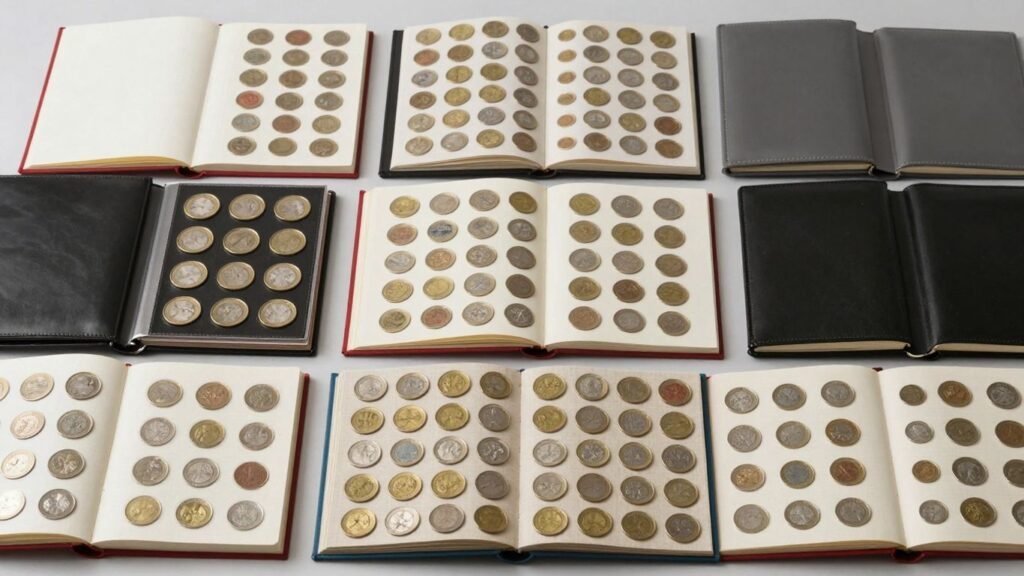
These are great if you like to see your coins laid out. You know, like those clear plastic pages where you can slide in your coins and see them all at once. It makes browsing your collection really easy and gives it a professional look. Plus, you can group them by series or type, which is handy.
- Easy to Browse: Flip through pages and see what you’ve got.
- Visual Appeal: Makes your collection look organized and presentable.
- Protection: Keeps coins safe in individual slots.
Using binder pages means you can quickly see the condition and type of each coin without having to pull it out of anything. It’s a very hands-on approach that many collectors appreciate.
Card File Systems for Flexible Sorting
This method uses individual cards, often in a box, for each coin. It’s super flexible because you can easily sort and re-sort your cards. Need to add a new coin? Just make a new card and pop it in. You can even attach photos to these cards. It’s a bit more work upfront, but it’s really adaptable.
- Adaptable: Easy to rearrange and add new items.
- Detailed: You can put a lot of info on each card.
- Portable: Good for taking inventory or notes with you.
Dedicated Sections for Different Coin Types
This is less about the physical storage method (like binders or cards) and more about how you group things. You might decide to have one section for U.S. coins, another for world coins, or maybe one for silver coins and another for gold. It helps keep similar items together, making it easier to manage specific parts of your collection.
- Logical Grouping: Keeps related coins together.
- Focused Management: Easier to track specific areas of interest.
- Scalable: You can add new sections as your collection diversifies.
Ultimately, the best system is the one you’ll actually stick with. Don’t overcomplicate it at first. Start simple and adjust as you go!
Implementing Physical Organization Methods
Maybe you’re not the most computer-savvy person, or perhaps you just prefer a more hands-on approach. That’s totally fine! There’s a lot to be said for sticking with traditional methods. Organizing your coin collection using physical logs and display cases can actually help you get to know your collection much better than just clicking around on a screen. It’s a tangible way to connect with your coins.
Setting Up Traditional Logbooks
Getting started with a physical logbook is pretty straightforward. You’ll need something to write in, and a simple notebook will do the trick. Think of a five-subject notebook; you can dedicate each section to a different coin type or series. The key is to create a system that makes sense to you. This could mean alphabetizing your coins, assigning numbers that correspond to specific entries in your log, or grouping them by country or historical period. The goal is to be able to find any coin quickly without a fuss.
Utilizing Notebooks for Cataloguing
When you’re cataloguing in a notebook, think about what information is most important for each coin. You’ll want to record details like:
- The coin’s name and type
- The date of acquisition
- The purchase price
- Any condition notes (e.g., "slight scratch on rim," "nice luster")
- Where it’s stored in your physical setup (e.g., "Album A, Page 3, Slot 5")
This level of detail helps prevent costly mistakes, like buying a coin you already own. It also builds a solid record of your collection’s history and value.
Tangible Benefits of Physical Systems
There’s a certain satisfaction that comes from physically handling your collection and updating your records by hand. It feels more personal. Plus, you’re not dependent on electricity, internet access, or software updates. For many collectors, this independence and the direct interaction with their coins are big advantages. It transforms cataloguing from a chore into a more engaging part of the hobby.
While it might take a bit more time upfront, setting up a physical cataloguing system allows for a deep, personal connection with your numismatic treasures. It’s a method that has served collectors for generations and continues to offer a rewarding experience for those who appreciate the tactile nature of their hobby.
Leveraging Digital Cataloguing Solutions
Okay, so you’ve got a growing pile of coins, and maybe the old shoebox method isn’t cutting it anymore. That’s where digital tools come in. Think of them as super-powered spreadsheets, but way more specialized for us coin folks. These digital platforms can really transform how you manage your collection, making it easier to track everything from value to condition.
There are a few main types of digital helpers out there. You’ve got your desktop software, which is like a big, powerful database you install on your computer. These are great if you have a massive collection and want all the bells and whistles, like detailed historical data and price tracking. Then there are cloud-based solutions. These live on the internet, meaning you can get to your collection info from your phone, tablet, or any computer. Super handy if you’re always on the go or want to share your collection details with, say, your insurance agent.
Cloud-Based Platforms for Accessibility
These are the "access it anywhere" options. You log in through a web browser, and your collection data is right there. Most of them automatically back up your information, which is a huge relief. No more worrying about your hard drive crashing and losing everything. Plus, many have mobile apps, so you can check your inventory while you’re at a coin show or even at a dealer’s shop. It’s pretty neat.
Desktop Applications for Comprehensive Databases
If you’re more of a "one computer, one master file" kind of person, desktop applications might be your jam. They often have really deep databases, sometimes including information on thousands of world coins. You can usually add your own notes, photos, and track purchase prices. They tend to be a one-time purchase, which some people prefer over monthly subscriptions. Just make sure you back up that file regularly – seriously, don’t skip the backups!
Mobile Apps for Field Cataloguing
These are the pocket-sized organizers. Designed for your smartphone or tablet, they’re perfect for when you’re out and about. You can quickly add new coins you acquire, snap a photo right there, and jot down details. Some even let you scan coin barcodes if you have them. They’re usually simpler than the big desktop programs, but for quick cataloguing on the fly, they’re hard to beat. It means you won’t forget what you bought or how much you paid.
Keeping your coin collection organized digitally means you’re less likely to buy duplicates. It also helps you see how your collection is growing in value over time. Plus, having a clear record is super important if you ever need to file an insurance claim or sort out your estate.
Here’s a quick look at what you might find:
- Data Storage: Where your collection info lives (your computer, the internet, or both).
- Features: What the software can do (price tracking, photo storage, grading notes, etc.).
- Cost: One-time purchase, monthly fee, or sometimes free.
- Ease of Use: How simple or complex the interface is.
Choosing the right digital tool really depends on how big your collection is, how much detail you want to track, and where you prefer to access your information. It’s all about finding a system that makes sense for you and your coins.
Mastering Organization Strategies
Once you’ve got a handle on what you’re collecting and the resources you need, it’s time to really nail down how you’re going to keep track of it all. This is where things get interesting, because there isn’t just one ‘right’ way to do it. The best system is the one that makes sense to you and helps you find what you’re looking for without a headache.
Alphabetical Organization for Simplicity
This is pretty much what it sounds like. You arrange your coins based on their names. It’s super straightforward, especially if you have a wide variety of coins from different places or time periods. Think of it like organizing a library by author’s last name. If you know you’re looking for a "Canadian Maple Leaf" or a "Morgan Dollar," you know exactly where to start looking. It’s easy to add new coins too; you just slot them in where they belong alphabetically. This method is great for beginners or anyone who likes a clear, no-fuss approach.
Numerical Systems for Efficient Notation
Some collectors prefer to assign a unique number to each coin or storage container. This can be really handy if you’re dealing with a lot of similar items or if you want to speed up your cataloguing process. Instead of writing out the full description every time, you just jot down the number. It’s like having a secret code for your collection. You’ll need a master list or database that links each number to the specific coin details, but once that’s set up, you can log new acquisitions pretty quickly. This is often seen in more advanced setups where speed and concise notation are key.
Categorical Organization for Focused Collections
This approach is all about grouping your coins based on shared characteristics. Maybe you collect coins from a specific country, like all U.S. state quarters. Or perhaps you focus on a particular metal, such as silver dollars. You could also organize by historical era, like Roman coins or 20th-century European issues. This makes it easy to see the scope of your specialized collection at a glance. It’s perfect for collectors who have a defined area of interest and want to build a deep collection within that niche.
Choosing the right organizational method isn’t just about tidiness; it’s about making your collection accessible and enjoyable. A system that allows you to quickly locate any item, understand its place within your holdings, and avoid costly mistakes like buying duplicates is a system that truly serves your hobby.
Advanced Cataloguing Techniques
As your coin collection grows, you might find that basic organization methods just don’t cut it anymore. That’s where advanced cataloguing comes in. It’s about taking your record-keeping to the next level, especially if you’re dealing with valuable pieces or a large number of coins. This is where you really start treating your collection like a serious investment.
Set Registry Communities for Competition
For many collectors, the thrill isn’t just in owning coins, but in owning the best examples. Set registries are online platforms, often run by grading services like PCGS or NGC, where you can list your coins and compete with others to have the highest-ranking set. Think of it like a leaderboard for coin collections. You enter your coin’s details, its grade, and its unique identifier, and the registry tracks your progress. It’s a great way to get motivated and see how your collection stacks up against others in specific categories, like "Complete U.S. Type Set" or "Mint State Lincoln Cents." It adds a competitive edge that many find quite engaging.
Integrating Professional Features
This level of cataloguing often involves adopting practices similar to professional dealers or institutions. It means going beyond just listing what you have. You’ll want to include detailed provenance – the history of ownership for each coin. This can significantly increase a coin’s value and desirability. High-quality photographs from multiple angles are also a must, not just for your own reference but for insurance and potential future sales. Think about tracking market value fluctuations, especially for precious metals. Linking your cataloguing system to market data feeds can give you a real-time view of your collection’s worth. It’s about building a robust record that supports the financial aspect of your hobby. You can find some good tips on coin grading that will help with this detailed record-keeping.
Hybrid Approaches for Comprehensive Management
Most serious collectors don’t stick to just one method. A hybrid approach combines the best of different systems. You might use a sophisticated desktop database for your main inventory, complete with high-resolution images and detailed notes. Then, you could use a mobile app to quickly log new acquisitions at a coin show, syncing it later with your main database. Or perhaps you maintain a physical logbook for sentimental reasons or as a backup, while also utilizing a cloud-based system for accessibility. The key is consistency. Whatever combination you choose, make sure it flows logically and that you can easily access and update information. It’s about creating a system that works for you, making your collection management efficient and enjoyable.
Building a detailed catalogue is more than just an organizational task; it’s an investment in the long-term security and potential appreciation of your numismatic assets. It provides clarity, prevents costly errors, and offers peace of mind.
Maintaining Your Collection's Records
Keeping your coin collection organized is super important, especially as it grows. It’s not just about finding things easily; it’s also about avoiding those annoying and sometimes costly mistakes, like buying a coin you already have. Whether you’re into old gold pieces, shiny silver bullion, or those really rare numismatic finds, good cataloguing turns a potentially messy hobby into a smart way to manage your investments.
Avoiding Costly Duplicate Purchases
This is a big one. Nobody wants to spend money on a coin they already own, especially when dealing with valuable metals where those mistakes can really add up. A well-maintained record means you can quickly check what you have before making a new purchase, whether you’re at a coin show or browsing online. It saves you money and a whole lot of frustration.
Tracking Investment Performance
For many collectors, coins are more than just a hobby; they’re an investment. Keeping track of what you paid for each coin and its current market value is key. This helps you see how your collection is performing over time. You can spot which coins are appreciating and make smarter decisions about buying, selling, or just holding onto them. It’s like managing a stock portfolio, but with much cooler assets!
Ensuring Insurance and Estate Planning Documentation
This is where things get serious. Having detailed records is absolutely vital for insurance purposes. If, heaven forbid, your collection is stolen or damaged, you’ll need proof of what you owned, its value, and its condition. Beyond that, good documentation makes things so much easier for your heirs. They’ll know exactly what the collection is worth and what it means, helping to ensure your numismatic legacy is handled properly.
Proper record-keeping transforms your collection from a personal passion into a well-documented asset. This foresight protects your investment and simplifies future planning, offering peace of mind for both you and your loved ones.
Here’s a quick look at what your records should ideally include:
- Coin Identification: Full details like country, denomination, year, mint mark, and any unique identifiers.
- Acquisition Details: Date purchased, seller, and the price you paid.
- Condition and Grading: Notes on the coin’s condition, or professional grading information if applicable.
- Current Valuation: Regularly updated market value, especially for precious metals.
- Photographs: Clear images from multiple angles can be incredibly helpful for identification and insurance.
The Importance of Consistent Cataloguing
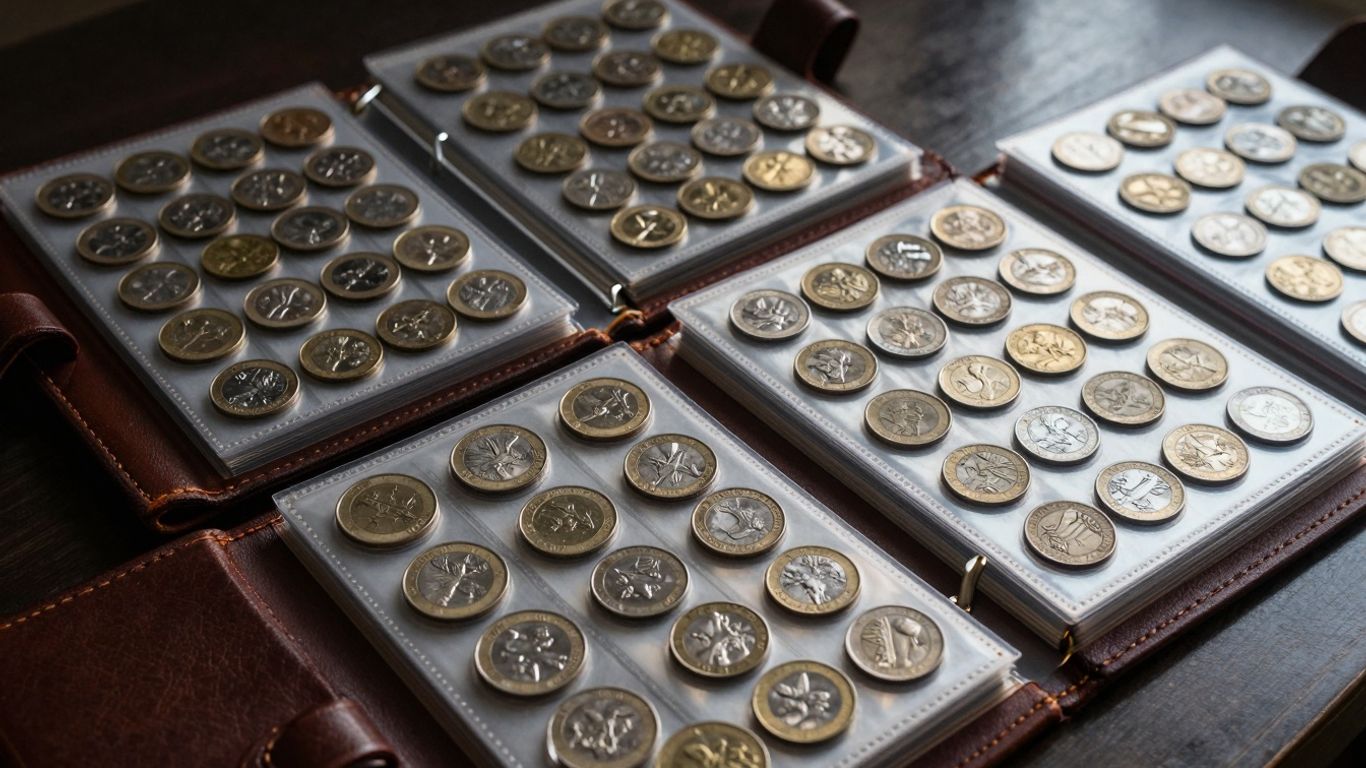
Keeping your coin collection organized is extremely important, especially as it grows. Doing this will both allow you to more easily find and file coins, but also help avoid the sometimes costly mistake of purchasing a coin you already own. Whether you’re collecting historic gold coins, modern silver bullion, or rare numismatic treasures, proper cataloguing transforms collecting from a chaotic pursuit into a systematic investment strategy. It helps track the total value of your holdings, identify gaps in your collection, monitor market performance of individual pieces, and provide documentation for insurance purposes. For serious collectors building substantial precious metals portfolios, organization becomes essential for both security and investment management.
Transforming a Hobby into a Systematic Pursuit
When you first start collecting coins, it might seem easy enough to remember what you have. A few coins here, a few there. But as your collection expands, things can get messy fast. Without a system, you might find yourself digging through boxes or binders just to locate a specific piece. This is where consistent cataloguing comes in. It’s about creating a clear map of your numismatic world. Think of it like keeping a detailed journal for your coins. You note down what you have, when you got it, how much you paid, and any other details that matter to you. This makes finding any coin a breeze and stops you from accidentally buying duplicates. It really turns a fun pastime into something more structured, almost like managing a small business.
Maximizing Enjoyment and Investment Potential
Consistent cataloguing does more than just keep things tidy; it actually makes collecting more enjoyable and can help your investments grow. Knowing exactly what you own, its condition, and its approximate value means you can make smarter decisions. Are you looking to complete a specific series? Your catalogue will show you what’s missing. Thinking about selling a piece? You’ll have the purchase details and condition notes ready. This kind of information is also vital for insurance or if you ever need to pass your collection on. It provides a clear picture of your assets. For those with significant holdings, especially in precious metals, this detailed record-keeping is key to tracking performance and understanding your collection’s financial standing. It’s about getting the most out of your hobby, both personally and financially. You can even link your catalogue to market data to see how your coins are performing over time.
Scalable Systems for Growing Collections
What works for ten coins might not work for a thousand. That’s why building a scalable system from the start is so important. You might begin with a simple notebook or spreadsheet, but as your collection grows, you’ll want a system that can grow with it. This could mean moving to more advanced software or a dedicated database. The key is that the system should be adaptable. You need to be able to add new coins easily, update information, and still be able to find what you’re looking for quickly. A system that requires a complete overhaul every time you add a few more coins is just going to lead to frustration. Think about what you might need in five or ten years. A well-planned, consistent cataloguing approach means your hobby remains a source of pleasure, not a source of stress, no matter how large your collection becomes. You can find some great advice on organizing and displaying your collection here.
Here’s a quick look at how your catalogue might evolve:
- Beginner: Simple list of coins, purchase date, and price.
- Intermediate: Add condition notes, mint marks, and basic grading.
- Advanced: Include high-resolution photos, provenance, market value tracking, and cross-references to storage locations.
The time invested in proper organization pays dividends through increased enjoyment, better investment decisions, and peace of mind that comes from knowing exactly what treasures your collection contains. It transforms a potentially chaotic hobby into a systematic pursuit that maximizes both enjoyment and investment potential.
Wrapping It Up
So, we’ve looked at a bunch of ways to keep your coin collection tidy and easy to manage. Whether you’re leaning towards fancy digital tools or just a good old-fashioned notebook, the main thing is to pick a system that works for you and stick with it. It doesn’t have to be complicated; it just needs to make sense so you can find your coins without a headache and know what you’ve got. Getting organized now will save you time and maybe even some money down the road, making this whole coin collecting thing even more enjoyable. Happy collecting!
Frequently Asked Questions
What's the best way to start organizing my coin collection?
Start simple! Think about how you look at your coins. Do you collect by country, by year, or by type (like quarters or pennies)? Pick a way that makes sense to you, like putting all your U.S. coins together, then maybe sorting them by denomination. A basic notebook or a simple spreadsheet can be a great starting point to list what you have.
Why is it important to keep track of my coins?
Keeping records helps you know exactly what you own. This stops you from accidentally buying a coin you already have, which can save you money. It also helps you see how much your collection is worth over time, which is useful if you ever need to insure it or pass it on.
Should I use a notebook or a computer program to catalog my coins?
Both work! A notebook is great if you like writing things down and having something physical to hold. Computer programs or apps can be faster, especially for large collections, and they often let you add pictures and easily search your list. Many collectors use a mix of both.
What information should I include when I catalog a coin?
At a minimum, write down the coin’s name (like ‘1964 Kennedy Half Dollar’), where it was made (the mint mark), its condition (is it shiny or worn?), and when and where you got it. Adding the price you paid is also a good idea.
How do I figure out the condition of my coins?
Coin condition, or ‘grade,’ is super important for value. Look for signs of wear, like scratches or dull spots. Books and websites with pictures showing different grades (from ‘mint state’ meaning perfect, to ‘poor’ meaning very worn) can help you compare. It takes practice, but visual guides are a big help.
What are 'die varieties' and do I need to worry about them?
Die varieties are like small mistakes or changes made when the coin was stamped at the mint. Sometimes these make a coin much rarer and more valuable! For beginners, it’s okay not to focus on these too much, but as you get more into collecting, special books can help you spot them.
Are there special books that can help me identify and value my coins?
Absolutely! For U.S. coins, the ‘Redbook’ (A Guide Book of United States Coins) is a very popular yearly guide that lists coins, their history, and estimated values. There are also books that focus on grading or identifying rare errors. Digital resources and apps can also provide this information quickly.
How can I keep my collection safe and organized as it gets bigger?
As your collection grows, stick to your chosen organization system. Use proper coin holders (like flips or slabs) to protect them from damage. Keep your catalog records updated regularly. Storing your collection in a safe place away from extreme temperatures or moisture is also key.