So, you’re looking to get into buying or selling silver, huh? It can feel a bit like learning a new language, especially with all the specific terms people throw around. Whether you’re eyeing old coins or shiny bars, understanding the lingo is half the battle. This guide breaks down the common junk silver terminology explained, so you don’t feel lost when you’re talking to dealers or reading up on the market. Let’s get you up to speed.
Key Takeaways
- Junk silver refers to old silver coins that have lost their numismatic value and are primarily valued for their silver content, often at or near the spot price.
- Silver purity is measured in percentages, with ‘fine silver’ being 99.9% pure and ‘sterling silver’ being an alloy of 92.5% silver and 7.5% other metals.
- Silver is typically measured in troy ounces, which are heavier than standard ounces (a troy ounce is about 31.1 grams).
- The price of silver involves the ‘spot price’ (the current market value) plus a ‘premium’ that covers costs like fabrication and distribution, and sometimes numismatic value for rare coins.
- Understanding terms like ‘allocated’ vs. ‘unallocated’ silver, ‘bid/ask’ prices, and ‘bullion’ is important for trading and storing your silver safely.
Understanding Core Junk Silver Terminology Explained
Alright, let’s get down to brass tacks with some of the basic terms you’ll hear when people talk about junk silver. It can sound like a whole different language at first, but once you break it down, it’s not so bad. Think of it like learning the rules of a new game – you need to know what the pieces are called before you can really play.
What is Junk Silver?
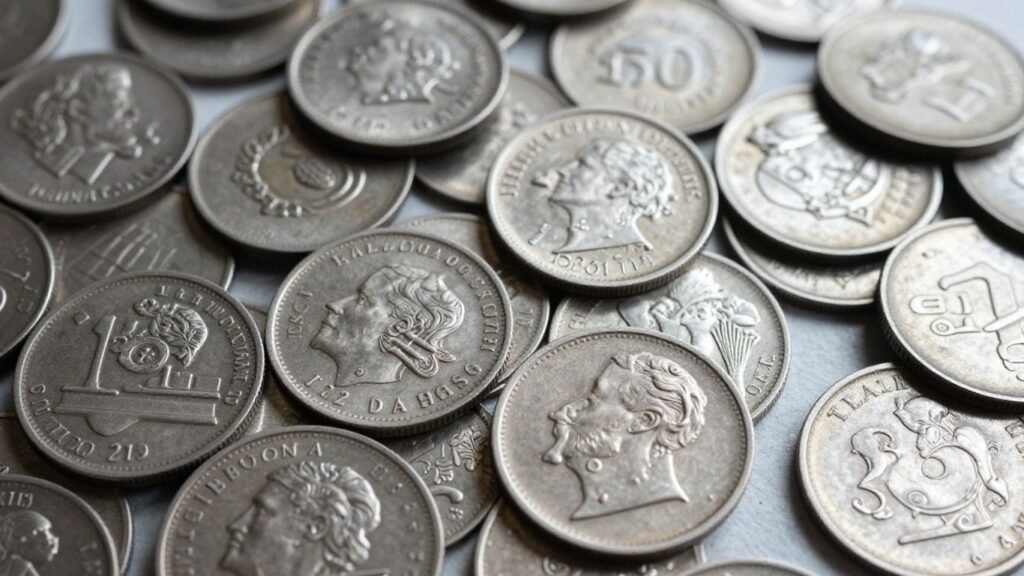
So, what exactly is junk silver? Basically, it’s silver that’s been made into coins, but these coins aren’t really worth much for their collectible value anymore. Their main value comes from the actual silver content inside them. We’re talking about older U.S. dimes, quarters, and half dollars that were minted before 1965. Before that year, these coins were made with 90% pure silver. After 1965, the government changed things up and started using less silver, or none at all, in those denominations. So, when someone says "junk silver," they’re usually referring to these older, silver-content coins that are traded based on their melt value rather than their face value or any special collector appeal.
The Role of Purity in Silver
When you’re dealing with silver, purity is a big deal. It tells you how much actual silver is in a piece versus other metals mixed in. This is super important because the price you’ll pay, and the value you’ll get back, is directly tied to how much pure silver you have.
Here’s a quick rundown:
- Fine Silver: This is the purest form you’ll typically find, usually 99.9% silver. It’s really soft and bendy, so it’s not great for making things that need to be durable, like jewelry or silverware.
- Sterling Silver: This is what you often see in jewelry and tableware. It’s an alloy, meaning it’s a mix of metals. Sterling silver is 92.5% pure silver and 7.5% other metals, usually copper. The added metals make it harder and more durable than fine silver, while still keeping that nice silver look.
The difference between fine silver and sterling silver is all about the mix. Fine silver is almost pure silver, while sterling silver has other metals added to make it stronger and more practical for everyday items.
Distinguishing Fine Silver from Sterling Silver
Knowing the difference between fine silver and sterling silver is pretty straightforward once you know what to look for. Fine silver, often marked as .999 or 999, is the closest to pure silver you can get in a usable form. It’s often found in bullion coins and bars meant for investors. Sterling silver, on the other hand, is usually stamped with "Sterling," "Ster," or a "925" mark. This 925 indicates that there are 925 parts of pure silver out of 1000 total parts, confirming that 92.5% silver alloy. So, if you see a piece of jewelry or silverware with a "925" stamp, you know it’s sterling silver, not pure fine silver. This distinction matters because fine silver will always be worth more per ounce due to its higher silver content.
Key Terms for Identifying Silver Content
When you’re looking at silver, especially the kind people call ‘junk silver,’ knowing what you’re dealing with is pretty important. It’s not all the same, and understanding the terms helps you figure out what you’re actually buying.
Defining 'Fine Silver'
Fine silver is basically the purest form of silver you can get. Think 99.9% pure. It’s super shiny and soft, which is great for some things, but not so much for making durable items like jewelry or coins that need to hold up to being handled a lot. Because it’s so soft, it bends and scratches easily. You’ll often see fine silver used in things like silver bullion bars or some high-purity collectible coins where the main point is the silver content itself, not how tough it is.
Understanding Sterling Silver Alloys
This is where things get a bit more practical for everyday items. Sterling silver isn’t pure silver. It’s actually an alloy, meaning it’s a mix of metals. The standard for sterling silver is 92.5% pure silver and 7.5% other metals, usually copper. Why bother mixing it? Well, that bit of copper makes the silver much harder and more durable. This is why sterling silver is used for most silver jewelry, tableware, and decorative items. It keeps that nice silver look but can actually last without getting all bent out of shape. You’ll often see a stamp like ‘925’ or ‘Sterling’ on items made of this alloy.
The Significance of Purity Percentages
Knowing the purity percentage is a big deal when you’re buying silver. It directly affects the value and what the silver is good for. Here’s a quick rundown:
- 99.9% Pure (Fine Silver): This is the highest purity. It’s great for investment-grade bullion where you’re just after the silver itself. It’s also sometimes called ‘three nines fine’.
- 92.5% Pure (Sterling Silver): This is the standard for most silver goods. It’s a good balance of silver’s beauty and the durability needed for items that get used.
- Below 90%: This is often where junk silver coins fall. These coins, like older dimes, quarters, and half dollars, were made with a mix of silver and other metals. While they contain silver, their value is primarily based on their melt value rather than any collectible or aesthetic appeal.
The difference between fine silver and sterling silver is all about practicality. Fine silver is pure but fragile, while sterling silver is an alloy that’s tougher and more suitable for items that need to withstand daily use. For investors, understanding these percentages helps determine the intrinsic value of the silver they are acquiring.
When you’re looking at older coins, especially those made before 1965 in the US, they often contain a significant amount of silver, but not usually 99.9%. These are the coins that typically fall into the ‘junk silver’ category, valued more for their silver content than their history or condition.
Navigating the World of Silver Measurement
When you’re looking at junk silver, you’ll notice that measurements can seem a little confusing at first. It’s not like weighing out ingredients for a recipe; there’s a specific standard used for precious metals that you need to get familiar with. This system has been around for ages and is pretty standard across the board.
The Troy Ounce Standard
First off, the main unit you’ll encounter is the troy ounce. This is the standard for measuring precious metals like gold and silver, and it’s different from the regular ounce you might use for, say, butter. A troy ounce is actually heavier than a standard ounce. Specifically, one troy ounce weighs about 31.103 grams. This might not seem like a big difference, but when you’re dealing with larger quantities or making precise calculations, it adds up.
- 1 troy ounce = 31.103 grams
- 1 troy ounce = 480 grains
- 20 pennyweights = 1 troy ounce
This system helps keep things consistent whether you’re buying silver in London or New York. It’s all about having a common language for traders and collectors.
Comparing Troy Ounces to Standard Ounces
So, how much heavier is a troy ounce? Well, a standard ounce, also known as an avoirdupois ounce, is about 28.35 grams. That means a troy ounce is roughly 1.09 times heavier than a standard ounce. It’s a small but important distinction. If you buy a 100-ounce bar of silver, it’s actually going to weigh a bit more than 100 ounces on a regular scale. This is why you’ll often see weights quoted in troy ounces for bullion. Understanding this difference is key to accurately assessing the value of your silver holdings.
Here’s a quick look:
| Measurement Type | Grams per Unit | Comparison to Troy Ounce |
|---|---|---|
| Troy Ounce | 31.103 g | 1 |
| Standard Ounce | 28.35 g | ~0.91 troy ounces |
Practical Implications for Investors
Why does this matter to you as an investor? Well, pricing is almost always done per troy ounce. When you see the "spot price" of silver, that’s the price for one troy ounce of pure silver on the open market. If you’re looking at older coins, their silver content will be measured in troy ounces, and that’s what determines their melt value. For example, a coin might contain 0.77 troy ounces of silver. You’d then multiply that by the current spot price to get a baseline value. It’s also important when you’re comparing prices between different dealers or products. Always make sure you’re comparing apples to apples, meaning troy ounces to troy ounces. This helps prevent confusion and ensures you’re getting a fair deal when you buy silver bullion.
When you’re buying or selling silver, especially in bulk, the difference between troy and standard ounces can add up. Always double-check the units being used to make sure you’re not overpaying or undervaluing your assets. It’s a small detail, but it’s one that savvy investors pay close attention to.
Common Forms of Junk Silver
When people talk about "junk silver," they’re usually referring to silver coins that aren’t really worth much as collectibles but still hold value because of their silver content. Think of them as old coins that have seen better days, maybe a bit worn down, but still packed with that precious metal. It’s not about the history or the rarity for these pieces; it’s all about the silver inside.
Identifying Junk Silver Coins
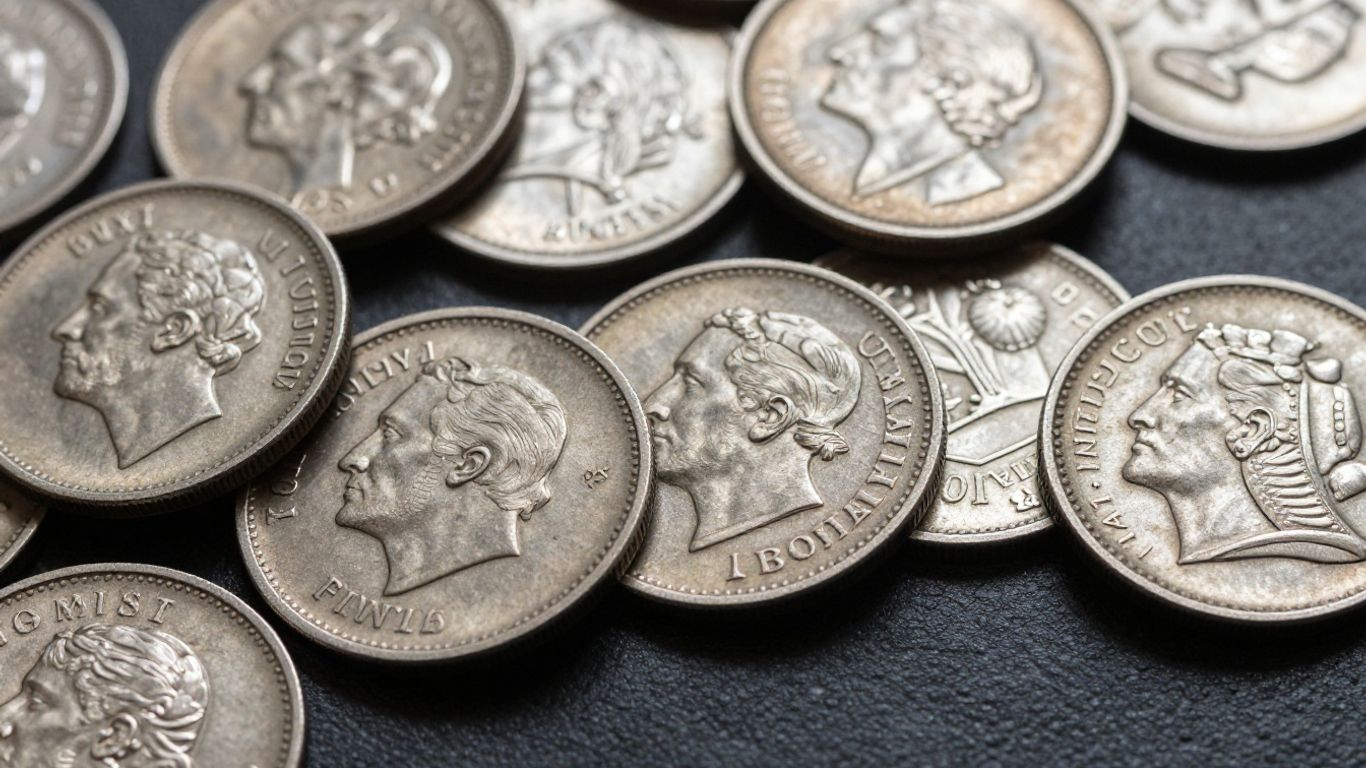
Most of the time, when you hear "junk silver coins," people mean pre-1965 US dimes, quarters, half-dollars, and dollar coins. Why pre-1965? Because before that year, these coins were made with 90% pure silver. After 1964, the US Mint switched to using less silver, and eventually none, in circulating coinage. So, these older coins are a common way for folks to get their hands on a bit of silver without breaking the bank.
- US Dimes (1946-1964): These contain about 0.0723 troy ounces of pure silver.
- US Quarters (1946-1964): Each quarter has roughly 0.1807 troy ounces of pure silver.
- US Half-Dollars (1946-1964): These pack about 0.3614 troy ounces of pure silver.
- US Silver Dollars (pre-1965, e.g., Morgan, Peace): These are larger and contain around 0.7734 troy ounces of pure silver.
It’s important to remember that these coins are valued based on their silver weight, not their face value. A quarter is still just a quarter in terms of what you can buy at a store, but its silver content makes it worth much more to someone collecting silver.
Understanding Silver Bars and Ingots
Beyond coins, you’ll also find silver in the form of bars and ingots. These are basically blocks of silver, often stamped with their weight and purity. They’re pretty straightforward – you’re buying a chunk of silver. Bars can range from tiny ones, just a few grams, all the way up to big 1000-ounce bars. Ingots are similar, often just a more generic term for a cast bar. The key thing here is that they’re usually made of highly pure silver, often 99.9% or even 99.99% pure. This makes them a popular choice for investors who want to hold physical silver without the numismatic (collector) value attached to coins.
The Nature of Silver Jewelry as Junk Silver
Silver jewelry can sometimes fall into the "junk silver" category, but it’s a bit different. While jewelry is made of silver, its value isn’t just about the metal. You’ve got the craftsmanship, the design, and any gemstones involved. Most jewelry isn’t made of pure silver because it would be too soft and easily damaged. Instead, it’s often made from sterling silver, which is 92.5% silver mixed with other metals to make it more durable. So, when you’re looking at jewelry as a silver investment, you have to consider both the silver content and the other factors that make it jewelry. It’s not as simple as just weighing the metal like you would with a silver bar or a 90% silver coin.
When you’re dealing with silver that’s not in coin form, like bars or ingots, the focus is almost entirely on the metal’s weight and purity. These items are typically produced by refiners and are meant for straightforward investment purposes, making them easy to price based on the current market rate for silver.
Market Dynamics and Pricing Factors
When you’re looking at junk silver, it’s not just about the silver content itself. A few things really shake up how much you’ll pay. Think of it like buying a used car – the base model might be one price, but condition, rarity, and how much people want it can change things a lot.
Spot Price vs. Premium
The spot price is basically the current market price for one troy ounce of pure silver. It’s what you see on the news most of the time. But with junk silver, you almost never pay just the spot price. You’ll pay the spot price plus a premium. This premium covers the costs of making the coins, distributing them, and the dealer’s profit. Premiums can change based on how much silver is available and how many people are trying to buy it.
Here’s a quick look at how it works:
| Item Type | Typical Premium Over Spot | Notes |
|---|---|---|
| Generic Silver Bar | 5-15% | Lower premiums, often for larger amounts |
| Minted Silver Coin | 10-25% | More recognizable, easier to trade |
| Junk Silver Coins | 15-30%+ | Varies greatly by coin type and condition |
The Impact of Fabrication and Distribution Costs
Making silver into usable forms costs money. For junk silver, this means the original minting of the coins, plus the costs of getting them from the mint to distributors, then to dealers, and finally to you. These costs are built into the price. Think about the trucks, the security, the storage – it all adds up. Even though these coins are old, they still have to go through a supply chain. This is why you’ll often find that junk silver offers an affordable and accessible entry point into silver investment because the premiums are generally lower than for brand-new, highly polished products.
Numismatic Value Considerations
Sometimes, a junk silver coin is worth more than just its silver. This is called numismatic value. It happens when a coin is rare, in really good condition, or has historical significance. For example, a common circulated dime from the 1950s is mostly valued for its silver. But a rare mint error or a coin from a very limited mintage might fetch a much higher price, even if it’s technically ‘junk’ silver. It’s a bit of a wild card, and it’s why knowing your coins can sometimes pay off big time.
Understanding these pricing factors helps you make smarter decisions. It’s not just about the silver; it’s about the whole package – the metal, the manufacturing, the transport, and any special appeal the coin might have.
Understanding Silver's Role as an Asset
So, why do people bother with silver, especially the older, less shiny kind we call ‘junk silver’? It’s not just about collecting old coins. Silver, like gold, has a long history as something people trust when other things get shaky. It’s a physical thing you can hold, which is a big deal in a world that’s increasingly digital.
Silver as a Tangible Asset
Think about it: you can actually touch silver. It’s not just a number on a screen or a promise from a company. This physical nature makes it different from stocks or bonds. When you own silver, you own something real. This is what we mean by a tangible asset. It has substance. You can store it, move it, and it exists independently of any government or financial institution’s balance sheet. This is a big part of why people feel secure owning it.
The Concept of a Safe Haven Asset
Sometimes, when the economy is a mess or there’s political drama, people get nervous about their money. They worry that their regular cash or investments might lose value. In these times, many folks turn to things like silver. It’s seen as a ‘safe haven’ – a place to park your wealth where it’s less likely to be hit hard by turmoil. While gold often gets the spotlight as the ultimate safe haven, silver plays a similar role, though sometimes with more ups and downs. It’s a way to protect your purchasing power when the world feels uncertain.
Silver's Commercial Utility and Scarcity
It’s not just about storing value, though. Silver is actually used in a lot of industries. Think electronics, solar panels, and even medical equipment. It’s got unique properties that make it useful. Because it’s used in so many applications and isn’t being dug up infinitely, there’s a natural scarcity to it. This combination of being useful and not being super abundant means it has an intrinsic value beyond just being a shiny metal. The demand from industry can actually influence its price, which is different from something like gold that’s mostly held as an investment or for jewelry.
Legal and Regulatory Aspects of Silver
When you’re looking at junk silver, it’s not just about the metal itself. There are some rules and laws that come into play, and knowing them can save you headaches down the road. It’s kind of like understanding traffic laws before you drive – you don’t want to get a ticket!
Legal Tender Coins and Their Value
Lots of the silver coins people collect, especially older ones, were actually made to be used as money. We call these "legal tender." This means they had a face value printed on them, like a dollar or a quarter. But here’s the kicker: the silver inside is usually worth way more than that face value. Think about a silver dollar coin from the 1800s. It might say ‘ONE DOLLAR’ on it, but the silver content alone could be worth twenty times that, or even more. So, while it’s technically legal tender, you’re not going to spend it at the grocery store for a loaf of bread. Its real worth is in the silver, not the number stamped on it.
Capital Gains Tax Implications
Okay, so if you buy silver and its value goes up, and then you sell it for a profit, the government usually wants a piece of that pie. This is called capital gains tax. How much you pay often depends on how long you held onto the silver. If you sell it within a year, it’s usually taxed at your regular income rate, which can be higher. If you hold it for more than a year, it’s typically taxed at a lower, long-term capital gains rate. It’s a good idea to keep records of what you paid for your silver and when you bought it, just in case you need to report it. Tax laws can get complicated, so talking to a tax professional is usually a smart move.
Self-Invested Personal Pensions (SIPPs) and Silver
This is a bit more specific, especially if you’re in the UK. A SIPP is a type of retirement account where you have a lot of control over your investments. Believe it or not, you can actually put physical silver into a SIPP. This can be pretty attractive because, in some cases, the silver held in a SIPP might be exempt from capital gains tax. Plus, the government might even contribute a portion of your investment through tax relief. However, there are rules. The silver has to meet certain purity standards, and it’s usually held by a custodian, meaning you don’t have it in your hands. There are also fees involved with managing the SIPP. It’s definitely something to look into if you’re planning for retirement and want to diversify your holdings beyond stocks and bonds.
Understanding the legal side of owning silver is just as important as knowing its market value. It affects how you buy, sell, and even store your precious metals. Don’t skip this part – it’s the fine print that matters.
Operational Terms in Silver Trading
When you start getting into buying and selling silver, especially in larger amounts or more regularly, you’ll run into some specific terms that traders and dealers use. It’s not super complicated, but knowing these can make things a lot smoother and help you understand what’s really going on.
Over-the-Counter (OTC) Markets
Think of the Over-the-Counter (OTC) market as a more direct way of trading. Instead of going through a big, formal exchange like you might see with stocks, OTC trading happens directly between two parties. In the silver world, this often involves bullion dealers, refiners, and other big players. The London Bullion Market Association (LBMA) keeps an eye on a lot of this activity, making sure things are on the up and up.
Bid and Ask Price Differences
This is pretty standard in any market where things are bought and sold. The ‘bid’ price is what a buyer is willing to pay for silver right now. The ‘ask’ (or ‘offer’) price is what a seller is asking for it. The difference between these two prices is called the ‘spread’.
Here’s a quick look:
- Bid Price: The highest price a buyer will pay.
- Ask Price: The lowest price a seller will accept.
- Spread: The difference between the bid and ask price. This is how dealers make money.
The wider the spread, the more it costs you to trade.
The Role of the LBMA
The London Bullion Market Association, or LBMA, is a big deal in the precious metals world. They set standards for things like the purity of gold and silver that can be traded on the market. They also oversee a lot of the trading that happens, especially in London, which is a major global hub for bullion. When you see silver that meets LBMA standards, it generally means it’s of a high quality and purity that’s recognized worldwide. They have daily ‘fixings’ where prices are set, which influences markets globally.
Dealing with silver often involves understanding these behind-the-scenes terms. It’s like learning the rules of a game before you play. Knowing the difference between bid and ask, or what the LBMA does, helps you make smarter choices and avoid getting confused when you’re ready to buy or sell.
Storage and Ownership of Silver
So, you’ve decided to get into junk silver. That’s cool. But now you’re probably wondering, ‘Where do I put this stuff?’ It’s not like you can just leave a pile of coins on your dresser. Figuring out how to store and own your silver is a big deal, and there are a few ways to go about it.
Allocated vs. Unallocated Silver
This is where things can get a little confusing, but it’s important to get it right. When you hear ‘allocated silver,’ it means your silver is set aside just for you. It’s like having your own personal stash. This silver isn’t mixed with anyone else’s, and it’s not on the books of the dealer or storage company. If the company goes belly-up, your silver is safe from creditors. It’s yours, plain and simple. You’ll likely pay a fee for this secure storage, but for many, the peace of mind is worth it. You can even purchase silver bullion online and have it delivered to a secure vault.
On the flip side, there’s ‘unallocated silver.’ This is more like a paper promise. You own a certain amount of silver, but it’s not physically separated for you. It’s pooled with other investors’ metal. While it might seem cheaper upfront, there’s a risk. If the company holding the unallocated silver runs into financial trouble, your claim might get tangled up with other creditors. It’s generally considered less secure than allocated silver.
Pooled Accounts Explained
Pooled accounts are a bit like unallocated silver, but the name makes it sound more organized. Basically, your silver gets mixed in with everyone else’s. Think of it like a shared bank account, but for precious metals. While it can be a way to store larger amounts without the hassle of individual storage, there’s a catch. Sometimes, the amount of metal in the account might not perfectly match the total amount investors are supposed to own. It’s always a good idea to ask for details about how they track everything and what happens if there’s a shortfall.
The Importance of Physical Possession
Look, at the end of the day, nothing beats holding your own silver. Having physical possession means you know exactly what you have, and it’s right there with you. It’s the most straightforward way to own junk silver. You don’t have to worry about third-party storage issues or complex account structures. Of course, this means you’re responsible for keeping it safe, whether that’s in a home safe or another secure location. For many, the tangible nature of holding their investment is a huge part of why they got into silver in the first place.
Here’s a quick rundown of storage options:
- Allocated Storage: Your silver is kept separate and clearly marked as yours. Highest security and ownership clarity.
- Unallocated Storage: You own a share of a larger pool of silver. Potentially lower cost, but less direct ownership.
- Pooled Accounts: Similar to unallocated, where silver is mixed with other investors’. Requires careful monitoring.
- Home Storage: You keep the silver yourself. Maximum control, but you’re responsible for security.
When you’re dealing with physical assets like junk silver, understanding the ownership structure is just as important as knowing the metal’s purity. Don’t just assume you own it; make sure the paperwork and storage arrangements clearly reflect your ownership rights. It’s about having real control over your investment.
Authenticity and Quality in Silver
When you’re dealing with silver, especially if you’re looking at older coins or pieces that aren’t brand new from the mint, figuring out if it’s the real deal and what condition it’s in matters a lot. It’s not just about the silver content; how it was made and how it’s been treated can change its value.
Understanding Assaying for Purity
So, how do you actually know how much silver is in something? That’s where assaying comes in. Think of it like a detailed check-up for metals. A professional assay involves testing a sample of the metal to figure out its exact purity. This is super important because silver items aren’t always 100% pure silver. They often have other metals mixed in, called alloys, to make them stronger or easier to work with. For instance, sterling silver is a common alloy that’s 92.5% silver and 7.5% other metals. An assay confirms that percentage. You might see stamps like ‘925’ or ‘900’ on an item, which are results from an assay, telling you the silver content per thousand parts. If you’re buying, especially in bulk, knowing the purity is key to understanding what you’re actually getting. You can often check if silver is real by seeing if it’s magnetic; actual silver won’t stick to a magnet. Look for those official stamps or hallmarks like 925, 900, or 800, which indicate the purity of the silver. official stamps or hallmarks
Brilliant Uncirculated (BU) Condition
When you hear ‘Brilliant Uncirculated’ or ‘BU’, it’s talking about coins that are essentially in the same condition as when they left the mint. They haven’t been used as money, so they haven’t gone through the wear and tear of circulation. This means they still have all their original mint luster and sharp details. It’s like buying something straight off the factory line. For collectors, this condition is a big deal because it means the coin is as close to perfect as you can get without it being a specially made proof coin. It’s a way to describe a coin that’s in new condition, just as it was when it left the mint.
Proof Coins and Their Characteristics
Proof coins are a whole different level of special. These aren’t just regular coins; they’re made using special techniques to create a very high-quality finish. The process usually involves multiple strikes of the coin die, and the planchets (the blank metal discs) are often polished before striking. This gives proof coins a distinctive look: a frosted or matte finish on the raised parts of the design and a mirror-like, reflective background. They’re typically made in limited numbers and are intended for collectors rather than for everyday spending. Because of the extra effort and care that goes into making them, proof coins usually command a higher price than regular uncirculated coins. They are carefully inspected during manufacturing to ensure only perfect examples are released.
The quality and condition of silver items can significantly impact their value, especially for collectors. Understanding terms like ‘assaying,’ ‘Brilliant Uncirculated,’ and ‘proof’ helps you make informed decisions when buying or selling. It’s about more than just the metal; it’s about the craftsmanship, history, and preservation of the piece.
Wrapping It Up
So, there you have it. We’ve gone over a bunch of terms that might have seemed confusing at first, but hopefully, they make a bit more sense now. Knowing what terms like ‘bullion,’ ‘spot price,’ or ‘sterling silver’ actually mean can make a big difference when you’re looking to buy or just understand what’s going on in the silver market. It’s not about becoming an instant expert overnight, but just getting a handle on the basics so you don’t feel lost. Think of it like learning a few key phrases before traveling to a new country – it opens things up and makes the experience smoother. Keep this guide handy, and don’t be afraid to look things up as you go. Happy collecting!
Frequently Asked Questions
What exactly is 'junk silver'?
Junk silver basically means old silver coins that aren’t really special because of their history or how rare they are. People buy them mostly for the silver metal inside, not because they’re collector’s items. Think of them as silver you can hold, but not necessarily valuable for their looks or past.
Is all silver the same?
Nope! There’s ‘fine silver,’ which is super pure (like 99.9% silver), but it’s really soft. Then there’s ‘sterling silver,’ which is a bit less pure (92.5% silver) but mixed with other metals to make it stronger for things like jewelry and silverware. Junk silver coins are usually made of sterling or a similar mix, not fine silver.
How do you measure silver?
Silver is usually measured in ‘troy ounces,’ not the regular ounces you might use for food. A troy ounce is a bit heavier, about 31.1 grams. So, when you hear about silver prices, they’re talking about troy ounces.
What's the difference between the price of silver and its 'premium'?
The ‘spot price’ is the current market price for silver itself. A ‘premium’ is the extra cost you pay on top of that spot price. This extra cost covers things like making the silver into coins or bars, getting it to you, and sometimes its rarity or condition.
Can I put silver in my retirement savings?
In some places, like the UK, you can include certain types of silver, like bullion coins, in a special retirement account called a SIPP. It’s a way to invest in silver for the long term, but there are rules about how it’s held and taxed.
What does 'allocated' vs. 'unallocated' silver mean?
‘Allocated’ silver means your specific silver items (like bars or coins) are set aside just for you and aren’t mixed with anyone else’s. ‘Unallocated’ means your silver is part of a larger pool, and you just own a certain amount, but not specific pieces.
What is 'Brilliant Uncirculated' (BU) condition for coins?
When a coin is described as ‘Brilliant Uncirculated’ (BU), it means it’s in perfect, brand-new condition, just as it left the mint. It hasn’t been used as money and still has all its original shine and detail.
Why is silver considered a 'safe haven asset'?
A ‘safe haven asset’ is something people turn to when the economy or world events are uncertain. Silver, like gold, is seen as a stable store of value that might hold its worth better than other investments when times are rocky.