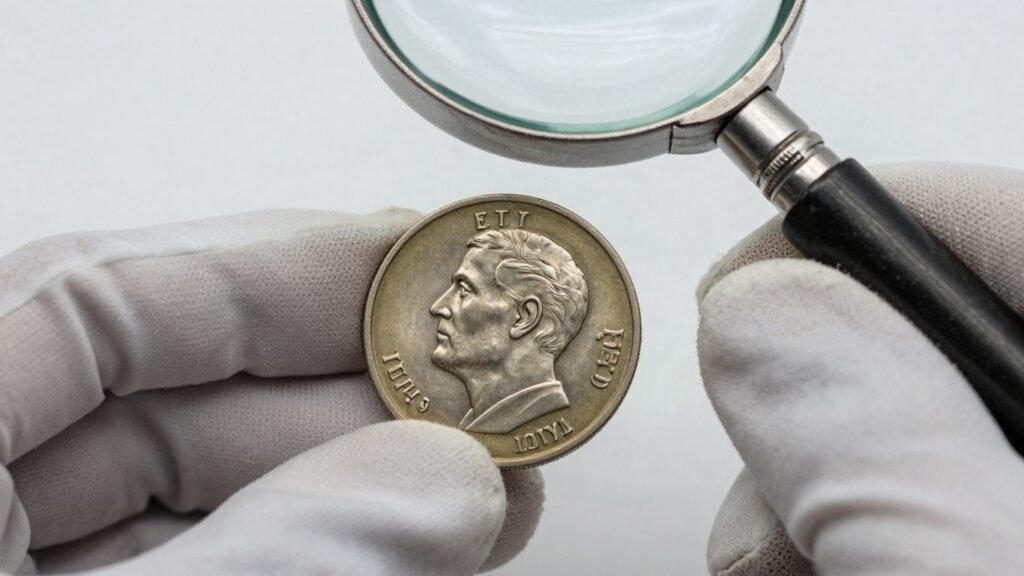
Getting your coins professionally graded can seem like a big puzzle, right? It felt that way to me when I first started collecting, honestly. There’s a lot to know, and it’s easy to get lost. That’s why I put together this guide. We’re going to walk through the whole coin grading certification process, step by step, making it simple. Whether you’re new to coins or just need a refresher, this will help you understand what’s what. Plus, we’ll cover why it’s a good idea and what you get out of it. Let’s get started and make coin grading less confusing.
Key Takeaways
- Professional coin grading matters because it confirms authenticity, protects your coins in secure holders, and can increase their market value.
- The Sheldon Scale, from 1 to 70, is the standard used to grade coins, with higher numbers indicating better condition.
- Not all coins are worth grading; focus on key dates, rare varieties, or coins with high potential for a good grade.
- When submitting coins, ensure you have the right supplies, like specific coin flips, and carefully fill out the submission form.
- Buying pre-graded coins is a good option for beginners, offering authenticity and quality without the submission process, but always verify the certification and assess eye appeal.
Understanding The Coin Grading Certification Process
Getting your coins professionally graded can seem like a big step, especially if you’re new to collecting. It’s like sending a prized possession off to be evaluated by experts, and you want to make sure it’s done right. This process isn’t just about getting a number assigned to your coin; it’s about authentication, preservation, and understanding its true market value. Professional coin grading provides a standardized and trusted method to understand a coin’s value and desirability.
Why Professional Coin Grading Matters
When you’re building a coin collection, especially one you hope will grow in value, knowing exactly what you have is pretty important. Professional grading services act as impartial third parties. They examine your coin for authenticity and assign it a grade based on its condition. This objective assessment is what gives a graded coin its credibility in the market. It means that when someone buys a coin graded by a reputable service, they know what they’re getting, reducing the risk of buying a fake or an over-graded piece. It’s all about building trust in the numismatic world.
The Benefits of Certified Coins
So, why go through the trouble of getting coins certified? For starters, it confirms your coin is genuine. No one wants to accidentally buy a counterfeit, and a grading service’s stamp of approval helps prevent that. Beyond authenticity, the coins are sealed in protective holders, often called "slabs." These slabs protect the coin from damage, dirt, and environmental factors, helping to preserve its condition for years to come. This protection, combined with the authentication, often makes certified coins more desirable to buyers and can potentially increase their value. It’s a way to safeguard your investment and make your coins more appealing for future sale or trade.
The Role of Third-Party Graders
Third-party grading companies, like NGC, are the backbone of the modern coin market. They operate independently, meaning they don’t buy or sell coins themselves, which helps maintain their objectivity. Their teams consist of experienced numismatists who use their knowledge and sometimes specialized equipment to assess each coin. They look at everything from the strike quality and surface preservation to the overall eye appeal. This consistent, expert evaluation creates a common language for collectors and dealers, making transactions smoother and more transparent. It’s their job to provide that unbiased opinion that buyers and sellers rely on.
The grading process involves a detailed examination of a coin’s physical characteristics. Experts assess factors such as wear, luster, surface preservation, strike, and eye appeal. This meticulous review leads to the assignment of a numerical grade, typically on the 70-point Sheldon Scale, which then dictates the coin’s market value and desirability among collectors.
Navigating The Grading Scale
Introduction To The Sheldon Scale
So, you’ve got some coins and you’re thinking about getting them graded. That’s cool. But before you send them off, you gotta understand how they’re even judged, right? It’s not just about whether it looks shiny or not. There’s a system, and it’s pretty much the same one everyone uses. It’s called the Sheldon Scale.
Basically, it’s a number from 1 to 70. Dr. William Sheldon came up with it way back when, and it’s stuck. Think of it like a report card for your coin. A ‘1’ means it’s pretty rough, maybe you can barely tell what it is. A ’70’ is like a perfect score – flawless. Most of the action happens somewhere in the middle, but that’s for later.
The Sheldon Scale provides a universal language for coin condition, ranging from 1 (Poor) to 70 (Perfect Mint State). This numerical system allows for consistent evaluation and communication among collectors and dealers.
Understanding Circulated Versus Uncirculated
When people talk about coin grades, you’ll hear two big terms: ‘circulated’ and ‘uncirculated’. It’s pretty straightforward, really. Circulated coins are the ones that have actually been used in everyday transactions. They’ve been passed around, maybe tossed in a pocket or a cash register. Because of this, they usually show some wear and tear.
Uncirculated coins, on the other hand, are the opposite. They haven’t been used for buying stuff. They’ve likely come straight from the mint or have been kept safe in collections since they were new. These coins usually keep their original shine, or ‘luster’, and don’t have those little nicks and scratches you see on circulated coins. The difference between circulated and uncirculated is a major dividing line in coin grading.
Here’s a quick look at where these fall on the Sheldon Scale:
| Category | Sheldon Scale Range | Description |
|---|---|---|
| Circulated | 1 – 59 | Shows visible signs of wear from use. |
| About Uncirculated | 50 – 58 | Very minor wear, almost uncirculated. |
| Uncirculated | 60 – 70 | No signs of wear, retains original mint luster. |
Key Grade Ranges For Collectors
While the Sheldon Scale goes from 1 to 70, most collectors focus on specific ranges. You’re not usually looking at coins graded ‘1’ unless it’s something incredibly rare. For most people, the real interest starts when coins are in good shape.
- Good to Fine (Grades 4-15): These coins show significant wear but are still identifiable. They might be affordable entry points for certain series.
- Very Fine to Extremely Fine (Grades 20-30): Wear is noticeable but not overwhelming. Details are still quite clear.
- About Uncirculated (Grades 50-58): These coins have seen very little circulation. You might see a tiny bit of wear on the highest points, but they look pretty much new.
- Mint State (Grades 60-70): This is the sweet spot for many collectors. These coins show no signs of wear at all. The numbers within this range indicate the level of perfection:
- MS-60 to MS-63: These are considered basic Mint State coins. They lack wear but might have noticeable bag marks or other minor imperfections.
- MS-64 to MS-66: These are often called
Preparing Your Coins For Submission
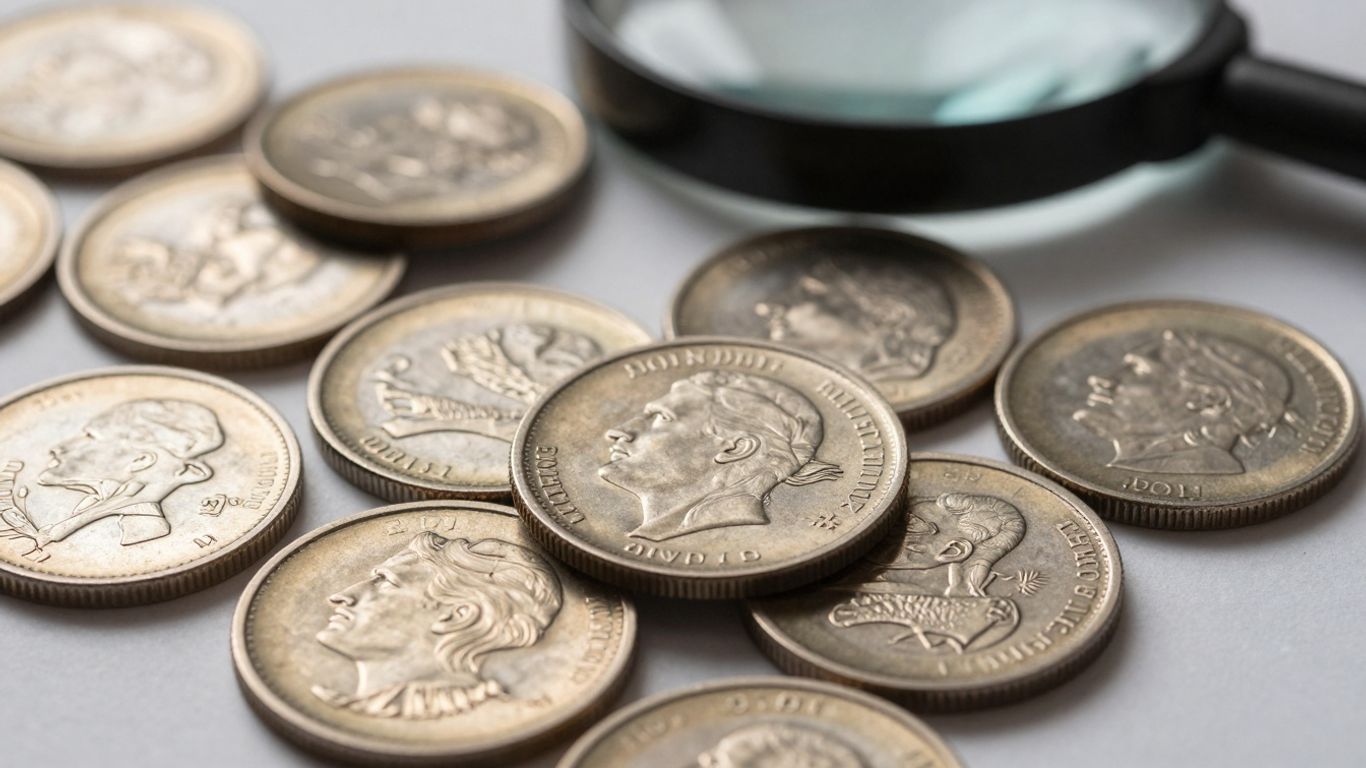
Alright, so you’ve decided to get some of your coins professionally graded. That’s a big step! Before you can send them off to the grading service, there’s a bit of prep work involved. It’s not super complicated, but doing it right can save you headaches later. Think of it like getting ready for a big trip – you wouldn’t just throw things in a bag, right? Same idea here.
Identifying Coins Worth Grading
Not every coin in your collection is going to be a prime candidate for professional grading. Honestly, some coins just aren’t valuable enough to justify the cost of grading. So, how do you figure out which ones are worth the effort? Generally, you’re looking for coins that have a decent market value, especially if they are in good condition. Older coins, rare mintages, coins with historical significance, or those that are in exceptionally nice shape for their age are usually good bets. If a coin is common, heavily worn, or has a low melt value, it might be best to skip the grading process for that particular piece. It’s a bit of a balancing act between the potential value of the coin and the fees you’ll pay to get it graded.
Essential Submission Supplies
To get your coins ready for their journey, you’ll need a few specific items. Don’t just grab any old plastic baggie; the grading services have requirements. You’ll definitely want to get your hands on some Mylar coin flips. These are usually 2.5 x 2.5 inches, which is the standard size that works well for most coins and is what services like NGC require. Beyond the flips, you’ll need a sturdy shipping box or a padded mailer. Bubble wrap or some kind of packing material is a must to keep everything from rattling around. And, of course, you’ll need strong tape to seal everything up tight. Don’t forget labels for your coins and submission forms!
Choosing the Right Coin Flips
When it comes to coin flips, the material and size really matter. You want to use flips made of Mylar. Why Mylar? Because it’s inert, meaning it won’t react with your coin’s metal and cause damage over time. Avoid PVC flips – those are the ones that can make your coins sticky and damaged. The standard size for submissions is typically 2.5 x 2.5 inches. This size accommodates most standard-sized coins comfortably and fits well within the shipping materials. Make sure each coin gets its own flip. It’s a small detail, but it’s important for keeping your coins separate and protected during transit. You’ll also need to label these flips with your submission number and the specific line item from your submission form, like 1234567-1 for submission number 1234567, coin on line 1. This helps the grading service match each coin to its paperwork.
Proper preparation is key. Taking the time to select the right supplies and correctly prepare each coin can prevent damage during shipping and ensure a smoother grading process. It shows you’re serious about your collection and the grading outcome.
Here’s a quick rundown of what you’ll likely need:
- Mylar Coin Flips: Specifically, the 2.5 x 2.5 inch size is usually recommended.
- Shipping Box or Padded Mailer: Choose something sturdy enough to protect your coins.
- Padding Material: Bubble wrap or foam to prevent movement.
- Strong Tape: For securely sealing the package.
- Labels: For your coin flips and the outside of the package.
- Pen: For writing on labels if you’re not printing them.
Setting Up Your Grading Account
Before you can send your precious coins off to be graded, you’ll need to get an account set up with the grading service. For this guide, we’re focusing on NGC (Numismatic Guaranty Company), a major player in the field. It’s not a super complicated process, but it does require a little attention to detail.
Creating Your NGC Account
First things first, you need to head over to the NGC website. It’s pretty straightforward. You’ll find a "Sign Up" or "Create Account" button, usually in the top corner. Click on that and follow the prompts. They’ll ask for your basic contact information – name, address, email, that sort of thing. This is the information they’ll use to contact you and send your graded coins back, so make sure it’s all correct.
Exploring NGC Website Resources
Once your account is active, take some time to poke around the NGC website. It’s actually got a lot of useful stuff buried in there. You can find price guides that might help you figure out if a coin is even worth grading. There are also sections on counterfeit detection, which is always good to be aware of, and details about their conservation services if you think a coin might benefit from a little professional cleaning before grading. It’s worth getting familiar with these areas before you dive headfirst into submitting.
Understanding Membership Tiers
NGC has a few different membership levels. For folks just starting out, the "Premium" membership is often a good bet. It usually comes with some grading credits included, which can help offset the cost of the membership itself. Other tiers might be better suited for high-volume dealers or those submitting very specific types of coins. Think about how many coins you plan to submit in a year and what your budget looks like when choosing. It’s not a decision you can’t change later, but picking the right one upfront can save you a bit of hassle and money.
Completing The Submission Form
Entering Personal And Shipping Details
Alright, so you’ve got your coins ready and your NGC account is all set up. The next big step is filling out the submission form. Don’t let it scare you; it’s really just a way for NGC to know who you are, where to send your coins back, and how to contact you if they need to. You’ll start by putting in your basic personal info – your name, address, phone number, and email. Then, you’ll specify the return shipping details. This is important because it tells them exactly where those shiny, newly graded coins should end up. Make sure this address is current and correct, especially if you’ve moved recently.
Specifying Coin Information
This is where you tell NGC about each coin you’re sending in. It might seem like a lot of detail, but it helps them process everything accurately. You’ll need to list the coin’s country, the year it was minted, its denomination (like a quarter or a dollar), and the mint mark if it has one. For example, you’d write "1909-S VDB Lincoln Cent" or "1795 Draped Bust Silver Dollar". You’ll also indicate if the coin is considered "Mint State" (uncirculated) or "Proof". If you’re not totally sure about the condition, you can leave that part blank, and NGC’s experts will figure it out. It’s a good idea to have a coin price guide handy or do some quick online research to get a feel for your coin’s potential value. This section is also where you’ll note any special varieties or errors if you know of them.
Declaring Declared Values
Now, about the declared value. This is basically your best guess at what the coin is worth. It’s not a guarantee, but it’s used for insurance purposes while your coins are with NGC and helps them categorize your submission. Don’t just throw a random number out there. Take a look at recent sales of similar coins in similar conditions. Websites that track auction results can be super helpful here. If you’re submitting multiple coins, you’ll need to fill out this information for each one. It’s a good practice to use NGC’s online resources to help you estimate values accurately. Remember, if you’re sending in a lot of coins, you might need to use more than one form, but make sure they all have the same submission number.
Here’s a quick rundown of what goes into the coin information section:
- Country: Where the coin was made (e.g., USA, Canada, Great Britain).
- Year: The year the coin was minted.
- Denomination: The face value of the coin (e.g., Penny, Nickel, Dime, Dollar).
- Mint Mark: The letter indicating the mint facility (e.g., S for San Francisco, D for Denver, CC for Carson City).
- Variety/Error: Any known special features or mistakes.
Filling out the submission form accurately is key to a smooth grading process. Double-checking all the details before you send it off can save you a lot of time and potential headaches down the line. It’s better to take a few extra minutes now than to deal with delays later.
The Submission And Grading Journey
So, you’ve filled out the forms, picked your grading tier, and carefully selected the coins you want certified. Now comes the part where you actually send them off and wait. It can feel a little nerve-wracking, sending your treasures through the mail, but with a bit of preparation, it’s a pretty straightforward process.
Packaging Your Coins Securely
This is where you want to be extra careful. You don’t want your coins getting banged around in transit. First off, make sure each coin is in its own 2.5×2.5 inch Mylar flip. These are the ones NGC requires, and they keep the coins from scratching each other. On each flip, you need to put a label. This label should have your submission form number and the line number for that specific coin from your form. For example, if your form number is 1234567 and the coin is the first one listed, your label would read ‘1234567-1’. Clear labels are key to making sure everything matches up on their end.
Once all your coins are in their labeled flips, you need to pack them up. A padded bubble mailer or a small, sturdy box works well. You want to make sure the flips are snug and don’t move around too much. Adding some extra padding, like bubble wrap, inside the box is a good idea too. Don’t forget to include copies of your submission forms inside the package. Finally, seal the box securely with tape and attach your shipping label. Remember to choose a shipping method that includes tracking and insurance.
Tracking Your Submission Status
After you’ve shipped your package, the waiting game begins. But you don’t have to just sit there wondering. NGC has a pretty good system for letting you know what’s happening with your coins. Once you log into your account on their website, you can head over to the ‘My Submissions’ section. Here, you’ll see updates on where your coins are in the process. It usually starts with ‘Received’ when they confirm they’ve got your package. Then it moves to ‘Scheduled for Grading,’ meaning they’re in the queue. Next, you’ll see ‘Grading/Quality Control’ while they’re actually being examined. The final stage is ‘Finalized/Imaged/Shipped,’ which means the grading is done, your coins have been photographed, and they’re on their way back to you.
It’s important to be patient during this phase. Depending on the service tier you selected and how busy they are, the entire grading process can take anywhere from a few weeks to a couple of months. Checking the status online regularly can help ease the anxiety of waiting.
Understanding Grading Timelines
The time it takes for your coins to be graded can really vary. NGC offers different service tiers, and these directly impact how quickly you get your coins back. The ‘Express’ tier is the fastest but also the most expensive, usually reserved for high-value coins. The ‘Standard’ tier is a good middle-ground for most collectors, offering a reasonable turnaround time at a fair price. For more common or modern coins, there are ‘Economy’ or ‘Modern’ tiers which are slower but cheaper. You can usually find estimated turnaround times on the NGC website when you’re choosing your submission tier. Keep in mind these are just estimates, and actual times can fluctuate based on their workload. If you have any questions about your specific submission’s timeline, don’t hesitate to reach out to their customer service.
Decoding Your Coin's Certification Label
So, you’ve sent your coins off, and they’ve come back all snug in their plastic holders, often called "slabs." It’s exciting, right? But what exactly does all that writing on the label mean? It’s not just fancy decoration; it’s the coin’s report card, telling you everything important about it. Let’s break it down.
Understanding The Slab And Label
That clear plastic case isn’t just for show. It’s designed to protect your coin from damage, like scratches, environmental gunk, or even just fingerprints. Think of it as a secure, see-through vault. Inside, you’ll find a label that’s packed with information. This label is your key to understanding the coin’s identity and condition as determined by the grading service. It’s what gives the coin its certified status and helps establish its place in the market.
Key Information On Grading Labels
When you look at a label from a major grading company like NGC or PCGS, you’ll see a few main things. It’s pretty straightforward once you know what to look for:
- Coin Identification: This is usually the biggest text. It tells you what the coin is – like "Morgan Dollar" or "Lincoln Cent" – along with its date and mint mark (e.g., "1909-S VDB"). This confirms you have the specific coin you think you do.
- The Grade: This is the heart of the label. It’s a number, usually from 1 to 70, often with a prefix like "MS" (Mint State) for uncirculated coins or letters like "AU" (About Uncirculated) or "VF" (Very Fine) for circulated ones. For example, "MS-65" means it’s in excellent uncirculated condition.
- Variety/Attribution (Sometimes): For certain coins, you might see extra details. This could be a specific die variety (like a "VAM" number for Morgan Dollars) or a special designation. These are usually for more advanced collectors, but they can add to a coin’s story and sometimes its worth.
Verifying Your Coin's Certification
It’s always a good idea to double-check. Most grading services have a section on their website where you can enter the certification number found on your coin’s slab. This lets you see the exact details the grading company recorded for that specific coin. It’s a quick way to confirm authenticity and the assigned grade. It also helps you keep track of your collection, especially if you have many graded pieces.
The information on a coin’s certification label isn’t just for show; it’s a standardized record. This record helps ensure that when someone buys a coin graded a certain way, they know exactly what they’re getting, regardless of who is selling it. It builds confidence in the market and makes trading and selling much simpler for everyone involved.
Leveraging Your Graded Coins
So, you’ve gone through the whole process, submitted your coins, and now they’re back, snug in their protective slabs with shiny new labels. What do you do now? Well, it’s time to actually enjoy the fruits of your labor. These certified coins aren’t just pretty objects; they can be real assets, both for your collection and potentially for your wallet.
Displaying and Storing Certified Coins
First things first, you want to keep these coins safe. That slab is good, but it’s not invincible. Think about where you’re going to keep them. A secure spot is key, maybe a safe or a dedicated display cabinet. It’s also a good idea to control the environment – extreme temperatures or humidity aren’t great for coins long-term, even in a slab. So, a climate-controlled room is ideal if you can manage it. You can get special display cases designed for graded coins, which look pretty sharp and keep them organized.
Selling or Trading Graded Coins
This is where things can get interesting. Graded coins are much easier to sell because the buyer knows exactly what they’re getting. The grade is verified, the coin is authenticated, and the risk is significantly lower for the buyer. You can use online auction sites, specialized coin dealer networks, or even platforms like Whatnot, which have become quite popular for live auctions of collectibles. When selling, remember that the grade is paramount, but also consider the coin’s ‘eye appeal’ – how attractive it looks. Sometimes, a coin with great eye appeal can fetch a higher price than another coin of the exact same grade.
Using Graded Coins for Investment
Many people get into coin collecting not just for the history or the thrill of the hunt, but also as an investment. A coin that receives a high grade, especially in the Mint State 60-70 range, can see its value jump dramatically compared to its ungraded counterpart. It’s not uncommon for a coin worth a few hundred dollars raw to be worth thousands once it gets a top-tier grade. Of course, this isn’t guaranteed, and you need to do your homework. Researching the market, understanding rarity, and knowing which coins tend to perform well are all part of the investment side of things.
The decision to grade a coin often hinges on its potential to increase in value significantly after certification. While not every coin will see a massive jump, key dates, rare varieties, and coins that achieve exceptionally high grades are the ones most likely to provide a strong return on the grading investment.
Alternatives To DIY Grading
So, you’ve learned all about the grading process, but maybe sending your coins off feels like a bit much right now. That’s totally fine! For many collectors, especially those just starting out, the idea of grading coins yourself can seem a little daunting. It takes time, effort, and a good bit of knowledge to get it right. If you’re looking for a simpler way to build a collection with certified coins, buying pre-graded coins is a fantastic option.
The Appeal Of Pre-Graded Coins
Buying coins that have already been graded by professional outfits like NGC or PCGS means you’re getting a coin that’s already been authenticated and assigned a grade. It’s like buying a piece of mind. These coins come sealed in protective holders, often called slabs, with a label that tells you everything about the coin – its grade, its authenticity, and sometimes even its rarity. This takes a lot of the guesswork out of collecting, which is super helpful when you’re trying to figure out what’s what. You can even use apps like CoinKnow to help identify coins you might be interested in.
Advantages For New Collectors
For folks new to coin collecting, pre-graded coins are a real game-changer. You get to see what different grades look like up close, without the pressure of submitting your own coins and hoping for the best. It’s a great way to learn the grading standards and start building a collection that you know is legitimate. Plus, you can skip the whole submission process – no forms, no waiting around for weeks. You can just focus on finding the coins that really interest you, whether it’s a specific series or a certain historical period. It really streamlines the process of building a cohesive collection.
Where To Buy Certified Coins
Finding certified coins isn’t too hard these days. You’ve got a few main places to look:
- Coin Dealers: Both local shops and online dealers are a big source. Many specialize in graded coins and can offer advice. Reputable online dealers often have detailed descriptions and certification numbers you can check.
- Auction Platforms: Websites like eBay, Heritage Auctions, and GreatCollections are popular spots. You can often find rare coins here, but always double-check the seller’s reputation and the coin’s certification details.
- Live Auction Apps: Platforms like Whatnot have become quite popular. They offer a more interactive way to buy, with live bidding and direct interaction with sellers. It can be a fun way to snag a great deal.
When you’re looking at pre-graded coins, don’t just look at the grade. Check the coin’s overall appearance, sometimes called ‘eye appeal.’ A coin might have the same grade as another, but if it looks nicer – maybe it has a brighter shine or sharper details – it could be worth more. Always do a little research on the coin’s value before you buy, too. You want to make sure you’re getting a fair price.
Ultimately, buying pre-graded coins is a smart move for many collectors. It offers convenience, authenticity, and a solid foundation for building your collection without the complexities of the grading process itself.
Evaluating Pre-Graded Coin Purchases
So, you’re looking at coins that have already been graded and put into those fancy, sealed holders. It’s a smart move, especially if you’re new to this or just want to skip the submission hassle. But just because it’s got a grade on the label doesn’t mean you should buy it without a second thought. There are a few things to check to make sure you’re getting a good deal and a coin you’ll be happy with.
Verifying Certification Numbers
Every coin that gets graded gets its own unique number. Think of it like a social security number for your coin. You absolutely need to check this number on the grading company’s website, like NGC or PCGS. This does a couple of things. First, it confirms the coin is real and that the grade on the label is legit. Second, it often gives you more info, like how many other coins of the same type and grade exist (that’s called a population report) and sometimes even past sales data. It’s a quick way to make sure you’re not looking at a fake or a coin that’s been messed with.
Assessing Eye Appeal and Quality
Okay, so the grade tells you about the coin’s technical condition – how many scratches, how much wear, that sort of thing. But how the coin looks is a whole different story. This is what people mean by "eye appeal." A coin might have the same grade as another one, but if it’s got this amazing, vibrant color or a really strong shine, it’s going to look way better and probably be worth more. Conversely, a coin with the same grade but dull color or weak details might not be as exciting, even if the number is the same. You want to look for coins that just catch your eye in a good way.
Determining Fair Market Value
This is a big one. Before you hand over your cash, you’ve got to do a little homework. Use online resources, like price guides from the grading companies or check recent auction results. See what similar coins, with the same grade and from the same company, have actually sold for. It’s easy to overpay if you don’t know what the going rate is. Remember, even two coins with identical grades can have different prices. Factors like rarity, how many people want that specific coin, and that eye appeal we just talked about all play a part. You don’t want to buy a coin only to find out later you could have gotten it for much less.
Here’s a quick checklist to keep in mind:
- Certification Verification: Always check the coin’s unique number on the grading service’s website.
- Eye Appeal: Look for strong luster, attractive toning, and sharp details.
- Market Research: Compare prices with recently sold coins of the same grade.
- Seller Reputation: If buying from a dealer or online, check their reviews and history.
Buying pre-graded coins can be a fantastic way to build your collection with confidence. It takes a lot of the guesswork out of the equation. However, it’s not a ‘set it and forget it’ situation. A little bit of due diligence on your part can save you money and ensure you’re acquiring coins that truly add to your collection’s quality and value.
Wrapping It Up
So, we’ve walked through the whole coin grading thing, from why it matters to how you actually do it. It might seem like a lot at first, but breaking it down makes it way less scary. Remember, getting your coins graded by places like NGC isn’t just about getting a number; it’s about protecting your collection, knowing what you have, and maybe even seeing its value go up. Whether you decide to grade your own coins or buy them already graded, the main thing is to be informed. Happy collecting out there!
Frequently Asked Questions
Why should I get my coins professionally graded?
Getting your coins graded by experts is like giving them a special report card. It proves your coin is real and not a fake. It also protects your coin in a strong case and can make it worth much more money. It’s a way to be sure about what you have and to keep it safe for a long time.
What is the Sheldon Scale?
The Sheldon Scale is a number system used to grade coins, going from 1 to 70. A grade of 1 means the coin is in very bad shape, almost falling apart. A grade of 70 means it’s absolutely perfect, with no flaws at all. Most collectors look for coins in the higher numbers, especially those that haven’t been used much.
What's the difference between circulated and uncirculated coins?
A circulated coin is one that has been used in everyday buying and selling, so it shows signs of wear. An uncirculated coin, also called ‘Mint State,’ has never been used for buying and has kept its original shine and details. Think of it like a brand new toy versus one that’s been played with a lot.
How do I know if my coin is worth grading?
It’s not always worth paying to get every coin graded. Usually, coins that are rare, have special dates or errors, or are already in very good condition are the best candidates. If a coin might get a high grade, it’s often a good idea to send it in to show off its quality and potentially increase its value.
What do I need to send my coins for grading?
You’ll need a few things. First, make sure you have the right size plastic flips, usually 2.5×2.5 inches, to hold your coins safely. You’ll also need shipping supplies like a strong box, bubble wrap for padding, tape, and labels to make sure your coins get to the grading company without any damage.
How do I track my coin submission?
Most grading companies, like NGC, have websites where you can create an account. Once you submit your coins, you can usually log in to your account to see the status of your submission. They often provide updates as your coins move through the grading process.
What information is on a graded coin's label?
The label inside the protective case, called a ‘slab,’ tells you important things about your coin. It usually includes the coin’s name, date, where it was made (mint mark), its condition grade (like MS-65), and a unique number that identifies it. This label is like the coin’s ID card.
Can I buy coins that are already graded?
Yes, absolutely! Buying pre-graded coins is a popular choice, especially for new collectors. It means someone else has already paid for the grading, and you can trust that the coin has been checked for authenticity and condition. You just need to make sure you verify the grading number and check that the coin looks good to you.