So, you’ve got some old coins, maybe from a grandparent or found tucked away somewhere. It’s tempting to want to make them look shiny and new, right? I get it. I once tried to polish up an old pocket watch I found, and let’s just say it didn’t go as planned. It ended up looking duller, and I worried I’d ruined it. Turns out, with coins, that urge to ‘clean them up’ can really hurt their worth. This article is about spotting coins that have been messed with and why leaving them alone is usually the best move.
Key Takeaways
- Cleaning coins almost always lowers their value. It removes the natural patina, which is like a coin’s history book, and can cause damage you can’t even see.
- What looks like dirt or tarnish on older coins is often a sign they’re real and have a story. This natural coloring, called patina, is actually a good thing for value.
- Even if you think you’re being gentle, cleaning can leave tiny scratches or alter the surface. Experts can spot these signs of cleaning, detecting cleaned coins signs, and it makes them worth less.
- If you inherit coins, don’t try to clean them. The best bet is to get them looked at by a professional to see what they’re worth in their current state.
- Original condition is king. Unless a coin is extremely rare and needs professional conservation, leave it as you found it. That’s how you keep its history and value intact.
Understanding The Risks Of Cleaning Coins
Patina As A Sign Of Authenticity
So, you’ve got a coin, maybe it looks a little dull or has some odd coloring. Your first thought might be to grab some polish and make it shine like new. Hold on a second, though. That "dirt" or discoloration you’re seeing? It might actually be a good thing. It’s called patina, and for older coins, it’s like a historical fingerprint. It tells a story about where the coin has been and how long it’s been around. Genuine patina is a sign of authenticity and age, not something to be scrubbed away. Think of it like the aged look on antique furniture; it adds character and history.
The Irreversible Damage Of Cleaning
Here’s the tough part: once you clean a coin, you can’t un-clean it. It’s permanent. Even if you think you’re being super gentle, you’re likely doing damage that can’t be fixed. This isn’t like washing a dirty shirt; you’re dealing with metal. Cleaning can remove microscopic layers of the coin’s surface. This might not be obvious to your eyes, but experts can spot it a mile away. It can also create tiny scratches or pits that weaken the coin’s structure. It’s a bit like trying to fix a scratch on a photograph by rubbing it – you just end up making it worse.
Reduced Value And Marketability
This is where the rubber meets the road for collectors. A cleaned coin, no matter how old or rare, is almost always worth less than an uncleaned one. Why? Because collectors and dealers want original surfaces. They want coins that look as close to how they did when they were first made, minus the natural aging process. A coin that looks like it’s been polished or scrubbed loses its appeal. It’s harder to sell, and when you do sell it, you’ll get less money for it. For common coins, a cleaning might reduce their value to just the melt value of the metal, which is a fraction of what it could have been.
Identifying Signs Of Cleaned Coins
Spotting a cleaned coin isn’t always as easy as it sounds, especially if you’re just looking at a picture. But when you have the coin in your hand, there are a few things to look for. The most telling sign is often how the light plays off the surface.
Examining Surface Luster And Cartwheels
When a coin is first struck at the mint, it has a certain shine, often called "mint luster." If you tilt the coin under a light source, you might see a pattern of light that seems to radiate outwards, like spokes on a wheel. This is the "cartwheel effect." When a coin has been cleaned, especially with abrasive methods, this natural luster can be disturbed or completely removed. You might see a flat, dull appearance instead of that lively shine. Sometimes, cleaning can create a different kind of shine, one that looks almost greasy or overly bright, which isn’t natural.
Detecting Unnatural Coloration
Coins develop color over time, a process called toning. This can range from a light golden hue on silver to deep browns and blues. Unnatural coloration, however, can be a red flag. If a coin looks too uniformly colored, or if the color seems to be concentrated in the lower areas of the design while the high points are strangely bright, it might have been chemically treated. Acid dips, for example, can strip away natural toning, leaving a coin looking bleached or with odd splotches of color where the acid didn’t quite reach evenly.
Recognizing Microscopic Scratches
This is where a magnifying tool, like a jeweler’s loupe, really comes in handy. Cleaning often leaves behind tiny scratches, sometimes called "hairlines." These aren’t usually deep gouges but rather a network of very fine lines. If you look at the coin’s surface under magnification and see these lines, especially if they all seem to go in the same direction across the entire coin, it’s a strong indicator of cleaning. Sometimes, dipped coins might have a more random pattern of faint scratches all over. It’s different from the wear you’d expect from a coin that’s been in circulation for years.
Be aware that some cleaning methods can be very subtle. Even if you don’t see obvious scratches or weird colors, a coin might still have been cleaned. Professionals often use specialized equipment to detect these subtle alterations that the naked eye might miss.
Here’s a quick rundown of what to watch out for:
- Surface Shine: Does it look too bright, too dull, or just ‘off’? Natural luster has a distinct look.
- Color: Is the toning uniform, patchy, or does it look bleached?
- Scratches: Look for fine lines under magnification, especially if they cover the whole coin.
- Design Detail: Has the cleaning worn away any of the fine details in the coin’s design?
The Importance Of Preserving Patina
Patina As A Sign Of Authenticity
That colorful coating you see on older coins? It’s called patina, and it’s not just some random discoloration. It’s actually a natural byproduct of a coin’s environment and age. Think of it like the rings on a tree – each layer tells a story about where the coin has been and how long it’s been around. For collectors, a well-preserved patina is often a sign that a coin hasn’t been messed with. It suggests the coin has been left in its original state, which is usually what people want. Trying to scrub this off is like trying to erase a coin’s history. It’s a big no-no in the collecting world because it can make a coin look artificial and, frankly, less interesting.
The Irreversible Damage Of Cleaning
When you clean a coin, you’re not just wiping away dirt. You’re often removing microscopic layers of the original metal surface. This can happen even if you think you’re being gentle. Methods like using abrasive cloths or even certain dips can strip away the coin’s original mint luster and, more importantly, its patina. Once that surface is gone, it’s gone forever. You can’t put it back. This damage is permanent and immediately noticeable to experienced collectors and graders. It’s like taking a sander to a valuable antique piece of furniture – you might make it look ‘cleaner’ for a moment, but you’ve destroyed its original character and value.
Reduced Value And Marketability
So, why is preserving patina such a big deal for value? Because cleaned coins are just not as desirable. Collectors and dealers can spot cleaning attempts, even subtle ones, and it instantly lowers the coin’s worth. A coin that might have been worth hundreds or even thousands in its original condition could be worth only its melt value if it’s been cleaned. It’s not just about the money, though. Cleaned coins are harder to sell. They sit on the market longer because serious collectors are looking for coins that have their original surfaces intact. It’s a bit like trying to sell a classic car that’s been repainted with cheap spray paint – it just doesn’t have the same appeal or value as one that’s been meticulously maintained.
The natural toning on a coin is a historical marker. It’s proof of its journey through time and its undisturbed existence. Attempting to ‘improve’ this by cleaning is, in reality, a form of destruction that permanently impacts the coin’s integrity and desirability.
Here’s a quick look at how cleaning impacts value:
- High-Grade Original Coin: High market desirability, commands premium prices.
- Cleaned Coin (Same Grade): Significantly reduced market desirability, often valued near melt.
- Rare Coin (Cleaned): Still collectible, but value is substantially diminished compared to an uncleaned example.
It’s really about respecting the coin’s history. That original surface, including the patina, is part of what makes it a historical artifact. When you clean it, you’re essentially damaging that artifact. For many coins, especially older ones, the patina is what gives them their character and historical significance. It’s a visual cue that the coin has survived the decades (or centuries!) without being altered. Collectors often seek out coins with attractive, original toning because it indicates careful handling and storage over the years. It’s a sign of authenticity and good provenance, which are key factors in determining a coin’s true worth and appeal in the numismatic market.
Common Cleaning Methods And Their Impact
So, you’ve got a coin that looks a bit dull, maybe a little grimy. The first thought might be to give it a good scrub, right? Well, hold on a second. Many common ways people try to ‘clean up’ their coins can actually do more harm than good, and honestly, it’s usually not worth the risk. Think of it like trying to fix a delicate antique with household cleaners – you might make it look different, but you’re probably damaging it in the process.
The Dangers Of Acid Dips
Acid dips are often seen as a quick fix. You dip the coin in a mild acidic solution for a short time, then rinse it off. Sounds simple enough. The idea is to strip away tarnish or discoloration. While it might remove the surface gunk, it also takes away a layer of the coin’s original surface. This includes those subtle lines that give a coin its ‘cartwheel’ effect – that shimmering luster you see when you tilt it. After a dip, the surface often looks dull and lifeless. It’s like taking a fine polish to a vintage car’s paint job; you might remove some dirt, but you’re also removing a bit of the original finish.
Abrasive Cleaners And Their Effects
Then there are the abrasive cleaners, like pastes or creams you might use for silver. You rub them on, hoping to buff out the tarnish. This is where things get really dicey. These cleaners are designed to scrub away material. What they end up doing is destroying that mint luster and often removing a significant chunk of the coin’s value. Even if you can’t see the damage with the naked eye, microscopic scratches are left behind, and the coin’s surface is permanently altered. Dealers and collectors can spot this a mile away, and it drastically lowers what the coin is worth.
Home Remedies To Avoid
People get creative, and that’s where some of the worst damage happens. Think about using things like baking soda paste, toothpaste, or even harsh household chemicals. These aren’t designed for delicate metal surfaces. They can cause:
- Chemical Reactions: Some substances can react with the coin’s metal, causing pitting or further discoloration over time.
- Surface Abrasion: Even seemingly ‘gentle’ home remedies can have abrasive qualities that scratch the surface.
- Residue Buildup: Some materials might leave behind a residue that’s hard to remove and can look unsightly.
The core issue with most cleaning attempts, whether professional or DIY, is that they remove original surface material. This original surface is what gives a coin its character, its history, and a significant portion of its value. Once it’s gone, it’s gone forever. There’s no going back to the way it was when it left the mint.
It’s really tempting to try and make a coin look ‘better,’ but in the numismatic world, ‘better’ often means ‘original.’ What looks like dirt or tarnish to an untrained eye is frequently a sign of the coin’s age and history, known as patina. Messing with that patina is almost always a bad idea for the coin’s long-term value and integrity.
Professional Perspectives On Coin Cleaning
Numismatists' View On Historical Artifacts
Numismatists, the serious students of coins, tend to view coins as tiny historical artifacts. For them, the wear and tear, the subtle color changes, and even what might look like dirt are all part of the coin’s story. It’s like looking at an old painting; you wouldn’t scrub away the craquelure or the aged varnish, right? These experts see patina not as grime, but as a historical record. It tells you where the coin has been, how it was handled, and its journey through time. They believe that cleaning a coin is akin to erasing a piece of history. It’s a permanent alteration that removes the evidence of its past life, making it less of a historical document and more of a shiny, but soulless, piece of metal.
Collectors' Concerns About Tradability
Now, collectors who are more focused on the market side of things have a slightly different take, though they generally agree with numismatists on one thing: don’t clean your coins. For these collectors, the main concern is how easily they can sell their coins later on. A coin that looks like it’s been scrubbed, even if it was done with the best intentions, is a red flag. It signals potential damage and a loss of that original, desirable surface. This makes the coin much harder to move and often results in a lower price. It’s all about originality and market appeal. If a coin looks too perfect, too shiny, or just ‘off,’ buyers get suspicious.
Here’s a quick look at why both groups prefer original coins:
- Numismatists: Value coins as historical records, seeing patina as proof of authenticity and age.
- Collectors: Prioritize coins that are easy to sell, and original surfaces are key to marketability.
- Both: Recognize that cleaning almost always diminishes a coin’s value, regardless of the method used.
Expert Detection Of Cleaning Attempts
It might surprise you, but experienced dealers, graders, and collectors can often spot a cleaned coin with a keen eye, sometimes even without magnification. They look for specific tells. These aren’t always obvious to the untrained observer. They might notice an unnatural, uniform luster that doesn’t match the coin’s age or type. Sometimes, there’s a lack of fine detail in the fields or on the high points of the design, suggesting it’s been polished away. Even microscopic scratches, invisible to most people, can be a dead giveaway. These experts have seen thousands, if not millions, of coins, and they develop a feel for what’s original and what’s been altered. It’s a skill honed over years of handling and studying coins.
The impulse to make an old coin look new is strong, especially when you first inherit a collection. You might think a little polish will reveal its true beauty. However, in the world of numismatics, this impulse is almost always misguided. What appears as ‘dirt’ or ‘tarnish’ is often a protective layer, a historical marker that adds to the coin’s character and worth. Removing it is a permanent mistake that professional eyes will spot, significantly impacting the coin’s desirability and value.
Handling Inherited Coin Collections
The Perils Of Pre-Existing Cleaning
So, you’ve inherited a box of old coins. That’s pretty cool, right? But before you get too excited about polishing them up to a dazzling shine, hold on a second. It’s really common for older coins, especially those passed down through families, to have already been messed with. Someone, maybe your grandpa or great aunt, might have tried to ‘clean’ them years ago, thinking they were making them look better. Unfortunately, once a coin has been cleaned, that damage is permanent. You can’t un-clean a coin. What looks like dirt or tarnish might actually be a natural patina that tells a story about the coin’s age and history. Trying to ‘fix’ it often just makes things worse, removing that historical layer and potentially adding new scratches you can’t even see without a microscope.
Avoiding Further Damage To Heirlooms
When you get a collection, the absolute best thing to do is just leave it be. Seriously. Don’t try to wipe off any dust, don’t try to buff out any spots, and definitely don’t try any home remedies you saw online. Think of these coins like old photographs – you wouldn’t try to ‘restore’ a faded photo by painting over it, would you? It’s the same idea here. The goal is to preserve what’s there.
Here are a few things to keep in mind:
- Handle with care: Always pick up coins by their edges. Your fingers have oils that can transfer onto the coin’s surface, and over time, this can cause problems. Wearing cotton or nitrile gloves is a good idea if you plan on handling them much.
- Storage matters: Don’t just toss them in a drawer. Use proper coin holders. Things like Mylar flips, acrylic capsules, or acid-free cardboard holders are good. Avoid anything made of PVC, as that stuff can actually damage the coins over time.
- Resist the urge to clean: This is the big one. If a coin looks dull or discolored, it’s usually better to leave it alone. That ‘dirt’ might be its natural toning, which adds to its character and value.
If you’re tempted to clean a coin because it looks really grimy, remember that what you see might be part of its history. A coin that looks ‘dirty’ could be a sign of its age and authenticity. Trying to remove it could erase that history and significantly lower the coin’s worth. It’s a tough impulse to fight, but patience is key.
Seeking Professional Appraisal
Before you do anything else, get the collection looked at by someone who knows coins. A professional appraiser or a reputable coin dealer can tell you what you’ve got. They can identify if any coins have been cleaned already and advise you on the best way to store and preserve the rest. They’ll also give you an idea of what the collection is actually worth in its current condition. Sometimes, coins that look like common change can be quite rare and valuable, but only if they’re in their original state. Sending them off to grading services like PCGS or NGC is also an option if you want a professional opinion on their condition and authenticity.
When Professional Conservation Might Be Considered
Okay, so we’ve talked a lot about not cleaning coins. And honestly, that’s usually the best advice. But what if you’ve got something really special, maybe something dug up from the ground, and it’s covered in gunk? In super rare cases, professional help might be an option. We’re talking about coins that are incredibly valuable and rare, where the potential gain outweighs the risk, and even then, it’s a big ‘maybe’.
Rare Coins Requiring Expert Intervention
Sometimes, you might find a coin that’s so historically significant and rare that its value is astronomical. Think of a coin unearthed after centuries, encrusted with dirt and corrosion. For these extreme situations, a specialist might be called in. They have the tools and knowledge to potentially improve a coin’s condition without destroying its historical integrity. It’s not about making it shiny; it’s about stabilizing it. This is not for your average pocket change or even most collectible coins.
Understanding Coin Conservation Techniques
Professional conservation isn’t like scrubbing a pot. It’s a delicate process. These folks use specialized, gentle methods. They might use specific solvents or even controlled environments to remove harmful buildup. The goal is always to preserve as much of the original surface and patina as possible. They’re not trying to make the coin look new; they’re trying to stop it from deteriorating further.
Here’s a general idea of what they might do:
- Surface Cleaning: Using very mild agents to remove loose debris.
- Corrosion Treatment: Applying specific chemicals to halt or reverse damaging oxidation.
- Stabilization: Protecting the coin’s surface to prevent future degradation.
It’s important to remember that even the best professionals can’t undo damage from previous harsh cleaning. Their work is about preservation, not restoration to a mint state.
The Role Of Specialized Services
If you ever find yourself in that incredibly rare situation where you think a coin might benefit from professional attention, you need to go to the absolute best. Companies like the Numismatic Conservation Service (NCS), which is affiliated with PCGS, or similar high-end services are the ones to consider. They have a reputation to uphold and understand the numismatic world. They’ll assess the coin and tell you honestly if conservation is even a good idea. If they hesitate, that’s your cue to leave it alone.
Best Practices For Protecting Your Collection
Alright, so you’ve got some coins, maybe inherited, maybe found, maybe bought. The big question is, how do you keep them looking good and, more importantly, keep their value? It’s not as complicated as you might think, but it does require a bit of care. The golden rule is to leave them be as much as possible. Seriously, resist the urge to polish them up.
Proper Storage Solutions
Think of storage like a safe house for your coins. You want to keep them protected from the elements and from each other. Forget those old cardboard flips with the sticky tape; they can actually harm your coins over time. What you want are materials that are inert, meaning they won’t react with the metal. Look for things made of Mylar, polyester, or acrylic. These are generally acid-free and won’t degrade or release harmful gases. Coin flips, those little plastic holders with pockets for the coin and a spot for notes, are a good, affordable option. You can also get individual acrylic capsules for special coins or binder pages for larger collections. Just steer clear of anything vinyl – it’s a no-go.
Here’s a quick rundown of what to use and what to avoid:
- Safe Materials: Polyester, Mylar, Acrylic
- Good Options: Coin flips, individual capsules, acid-free binder pages
- Materials to Avoid: Vinyl (PVC), old cardboard holders, anything that feels soft and rubbery
Safe Handling Techniques
This is where most people accidentally cause damage. Your hands, believe it or not, are not coin-friendly. The natural oils on your skin can leave marks that are pretty much permanent. Even a fingerprint can etch itself onto the surface. So, what’s the fix? Always handle your coins by their edges. If you’re really concerned, or handling valuable pieces, wear cotton or nitrile gloves. It might feel a bit formal, but it’s the best way to prevent transferring oils and dirt. It’s also a good idea to handle them over a soft surface, like a felt mat or even a clean towel, just in case you drop one. You can find more tips on careful handling at coin edges.
Maintaining A Stable Environment
Coins don’t like extremes. Think of them like fine wine – they prefer a cool, dry, and stable environment. Avoid places with a lot of humidity, as this can lead to corrosion. Extreme temperature fluctuations aren’t great either. A consistent environment is key to preventing long-term damage. So, that dusty attic or damp basement? Probably not the best spots for your collection. A dedicated shelf in a climate-controlled room is usually your best bet.
The biggest mistake people make is thinking they’re helping a coin by cleaning it. In reality, any attempt to make a coin look ‘shinier’ almost always reduces its historical significance and market value. Original surfaces, even if they appear dull or toned, are almost always preferred by serious collectors and numismatists.
Distinguishing Between Toning And Dirt
Okay, so you’ve got a coin, and it looks a little… well, not shiny. Maybe it’s got some brown spots, or a bit of a dull gray look. The big question is: is this just dirt, or is it something called toning? And why does it even matter? It matters a lot, actually, because mistaking one for the other can lead you down a path of damaging your coins.
Toning As A Natural Process
Think of toning as a coin’s natural aging process. When a coin is made of metals like silver or copper, it reacts with the air and other elements over time. This reaction creates a layer on the surface. For silver coins, this might look like colorful patterns – blues, purples, yellows, or even dark gray. Copper coins often develop a brown or greenish coating, which we call patina. This toning is often a sign that the coin is original and hasn’t been messed with. It’s like wrinkles on a person; it shows age and history. Collectors actually like certain types of toning because it can make a coin look more interesting and, believe it or not, more valuable. It’s a visual record of the coin’s journey through time. You can sometimes see this toning develop even when a coin is stored away, especially if the storage materials aren’t perfectly inert. It’s a slow, chemical change that happens naturally. Learning about toning is a big part of understanding coin collecting, and there are resources to help you learn more about coin preservation.
Identifying Genuine Dirt Accumulation
Dirt is, well, dirt. It’s foreign material that has physically stuck to the coin’s surface. Unlike toning, which is a chemical change of the coin’s surface, dirt sits on top of it. It might look like dark smudges, gritty bits, or even waxy deposits. You might find it in the nooks and crannies of the coin, like inside the lettering or around the design details. Genuine dirt often feels different too; if you were to (carefully!) touch it, it might feel rough or powdery. It doesn’t usually have the same colorful, iridescent quality that toning can have. Sometimes, dirt can be so ingrained that it looks like it’s part of the coin, but under magnification, you can often see the distinct particles. It’s the stuff that gets into every little crevice, not a uniform coating.
The Value Of Original Surfaces
So, why all the fuss? Because cleaning a coin to remove what you think is dirt can actually remove the toning, which is often more desirable. When you try to scrub off dirt, you can easily scratch the coin’s surface. These aren’t big, obvious gouges, but tiny little lines, called hairlines, that catch the light. You might not see them at first, but they are there, and they significantly reduce a coin’s value. It’s like trying to clean a dusty old painting with a rough cloth – you might get the dust off, but you’ll also damage the paint. The original surface of a coin, with its natural toning and mint luster, is what gives it its historical character and market appeal. Once that surface is altered or damaged by cleaning, it’s gone forever. There’s no going back. It’s always better to leave a coin as it is, even if it looks a bit grubby, than to risk permanent damage through cleaning.
The key takeaway is that what might appear as undesirable grime is often a natural patina that adds historical depth and value to a coin. Attempting to remove this layer, whether it’s dirt or toning, almost invariably leads to surface damage that collectors and numismatists can easily detect, resulting in a significant loss of the coin’s worth. Originality is paramount in coin collecting.
The Unrecoverable Nature Of Cleaning Damage
Permanent Loss Of Surface Detail
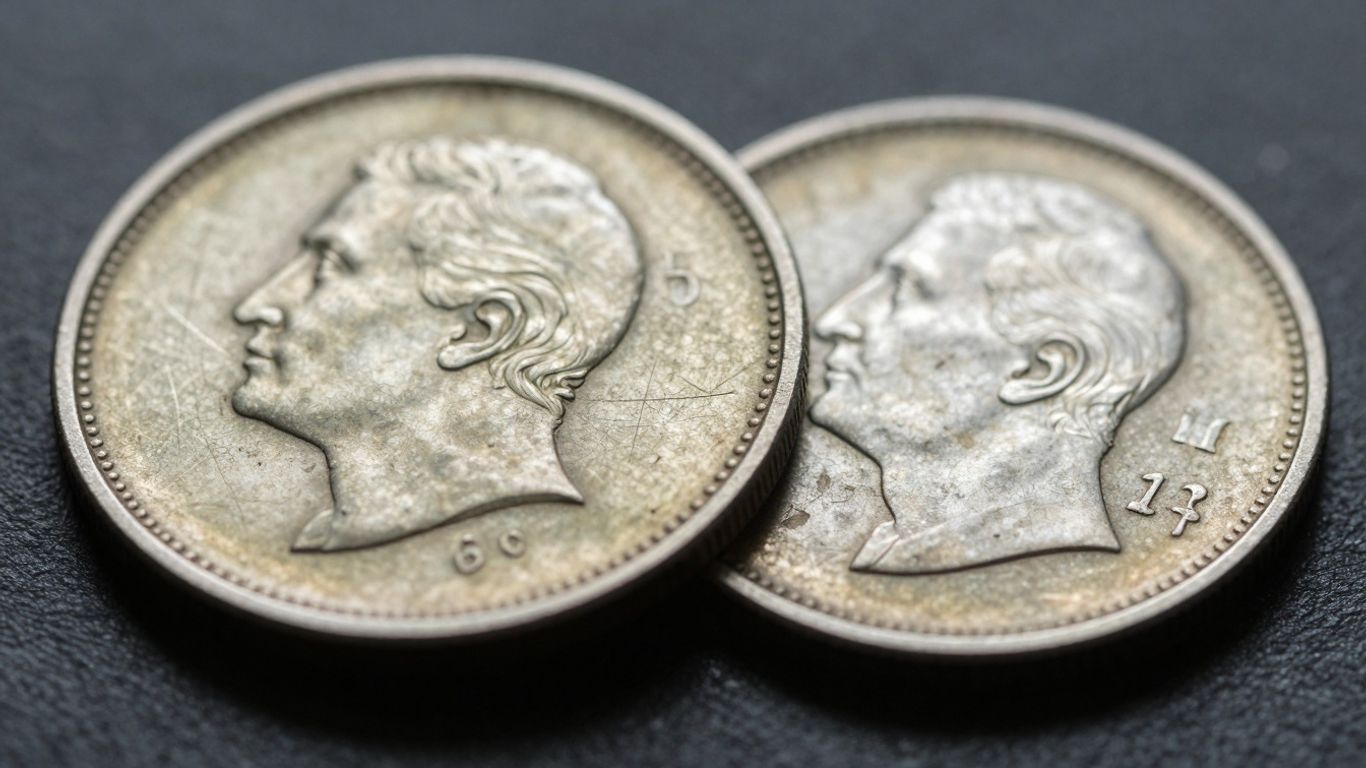
So, you’ve got a coin that looks a bit dull, maybe it’s got some dark spots or just doesn’t have that sparkle it once did. The first thought might be to give it a good scrub, right? Well, hold on a second. When you clean a coin, especially with anything abrasive or chemical, you’re not just wiping away dirt. You’re actually removing microscopic layers of the coin’s surface. Think of it like sanding down a piece of wood – you can’t put those original grains back. This process strips away the original mint luster, that subtle sheen created when the coin was first struck. It also damages the delicate flow lines that give a coin its characteristic "cartwheel" effect when you tilt it in the light. Once that original surface is gone, it’s gone forever. No amount of polishing or dipping can bring it back. It’s like trying to un-bake a cake; the damage is done.
The Impossibility Of Reversing Cleaning
This is the tough part: you can’t un-clean a coin. If you’ve used an abrasive pad, a harsh chemical dip, or even just rubbed it too hard with a cloth, the damage is permanent. Numismatists and experienced collectors can spot the signs of cleaning pretty easily, even if it looks okay to the untrained eye. They look for a lack of original luster, a dull or "scratched" appearance under magnification, or unnatural coloration. These aren’t things you can fix later. It’s not like a scratch on a car that can be buffed out; this is damage to the very metal itself. Trying to "fix" a cleaned coin usually just makes it worse.
Why Original Condition Is Paramount
Originality is king in the coin collecting world. A coin’s value isn’t just about its metal content or its rarity; its condition is a huge factor. The original surfaces, the natural patina that develops over time, and the original mint luster all contribute to a coin’s desirability and, therefore, its value. Cleaning removes these elements, making the coin less appealing to serious collectors and significantly reducing its market price. It’s often said that a cleaned coin is worth only a fraction of what an uncleaned, original coin would be. Even if a coin is rare, if it’s been cleaned, its value can plummet.
Here’s a general idea of how cleaning impacts value:
| Coin Condition | Estimated Value Impact |
|---|---|
| Uncleaned, Original | Full Market Value |
| Lightly Cleaned | 30-50% Reduction |
| Heavily Cleaned | 70-90% Reduction |
| Damaged/Polished | Negligible Value |
The allure of a coin lies not just in its history, but in its preservation. When that preservation is compromised by cleaning, a piece of its story and its potential value is lost permanently. It’s a lesson many collectors learn the hard way.
Wrapping Up: The Best Way to Handle Your Coins
So, after all this talk about cleaning, the main takeaway is pretty simple: just don’t do it. Seriously, resist that urge to scrub away what looks like dirt. That natural toning, or patina as the experts call it, is actually a good thing. It tells a story and proves the coin is the real deal. Trying to make it shiny can easily damage the surface, and once that’s gone, it’s gone for good. Plus, anyone who knows coins will spot a cleaned one a mile away, and that usually means a big drop in value. If you’ve got a collection, especially one you inherited, the safest bet is to leave it just as it is and get a professional opinion. They can tell you what you’ve got without messing it up. Remember, your coins are little pieces of history, and treating them with care means preserving their story and their worth.
Frequently Asked Questions
Why shouldn't I clean my old coins?
Cleaning old coins usually makes them worth less money. Even if you try to be careful, you can accidentally scratch the coin or remove its natural color, called patina. This damage can’t be undone and makes the coin less valuable to collectors.
What is patina and why is it important?
Patina is the natural coating that forms on a coin over time. It’s like a coin’s history book! It shows the coin’s age and where it’s been. Many collectors see patina as a sign that a coin is real and hasn’t been messed with. It also adds to the coin’s unique look and historical story.
How can I tell if a coin has been cleaned?
Look closely at the coin’s surface under a good light. Cleaned coins might look unnaturally shiny or have tiny scratches that go in the same direction all over. Sometimes, the color might look off, too. Experts can often spot these signs, even if they aren’t obvious at first.
What happens if I use something like a toothbrush or polish on my coins?
Using things like toothbrushes, harsh cleaners, or polishes will scratch the coin’s surface. This removes the original texture and luster, which collectors value highly. It’s like erasing the coin’s original details, making it look worn out and less desirable.
I inherited some old coins. Should I clean them to make them look better?
No, it’s best not to clean them. The coins might already have been cleaned, and trying to clean them again could cause more damage. It’s better to leave them as they are and get them looked at by a professional appraiser who can tell you their true value without harming them.
Are there any times when cleaning a coin is okay?
Generally, no. The only real exception might be very ancient coins that have been buried for centuries and are covered in dirt. Even then, cleaning should only be done by experts who know how to do it without damaging the coin. For most coins, especially those from the last few hundred years, it’s always best to leave them alone.
What's the difference between toning and dirt on a coin?
Toning is a natural color change that happens over time, like patina. It’s usually even and can be quite beautiful. Dirt is just surface grime that can often be removed without harming the coin’s surface. However, even removing dirt can sometimes be risky, so it’s usually best to leave it unless a professional advises otherwise.
Where should I store my coins to keep them safe?
Store your coins in protective holders made of materials that won’t harm them, like special plastic flips or capsules. Keep them in a cool, dry place away from sunlight and humidity. Always handle coins by their edges, not the flat surfaces, to avoid transferring oils or fingerprints.