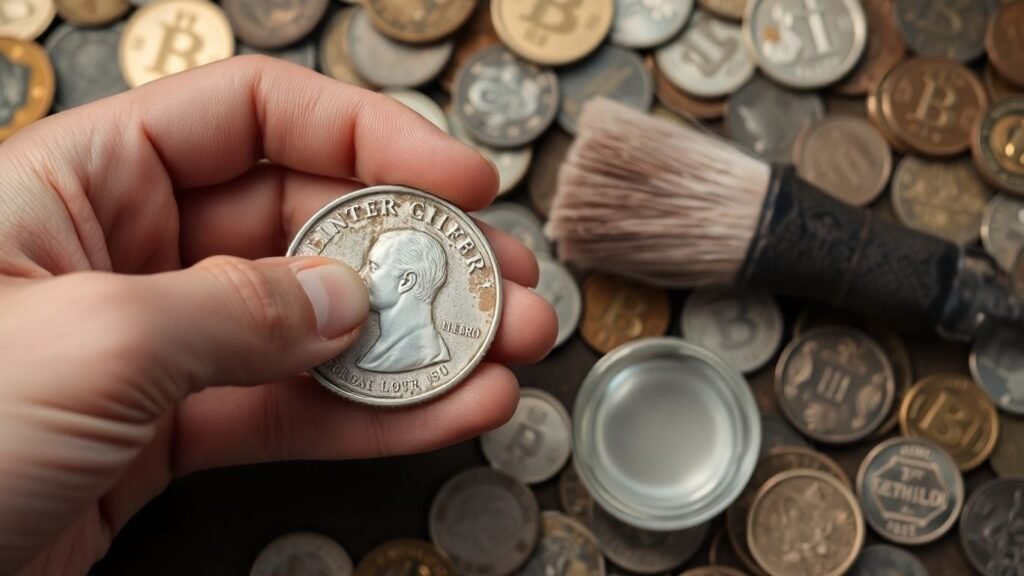
Collecting coins is a pretty cool hobby, right? You end up with these little pieces of history in your hands. But keeping them looking good and, you know, valuable, can be a bit tricky. Sometimes you might think about cleaning them up, but honestly, that can go wrong fast. This article is all about proper coin cleaning methods, or more importantly, when *not* to clean them, and how to keep your collection safe.
Key Takeaways
- Always handle coins with care, ideally using gloves, to avoid transferring skin oils that can damage their surface and value.
- When cleaning is necessary, use only distilled water and mild, non-abrasive soap, and always rinse thoroughly.
- Harsh chemicals, abrasive materials like brushes or toothpaste, and vigorous scrubbing should be strictly avoided.
- For valuable or delicate coins, it’s often best to leave them uncleaned, as patina and toning can add to their character and worth.
- Proper storage in inert, PVC-free holders within a stable, dry environment is the best way to prevent damage and the need for cleaning.
Understanding Proper Coin Cleaning Methods
When you first get into coin collecting, it’s tempting to want to make every coin look as shiny and new as possible. But here’s the thing: cleaning coins is a really tricky business. One wrong move can seriously damage a coin and tank its value. It’s not like washing a dirty dish; coin surfaces are incredibly delicate, and what might seem like a good idea to you could be a disaster for the coin.
Why Cleaning Coins Requires Extreme Caution
Think about it – these are often old, sometimes very old, pieces of metal. They’ve survived decades, even centuries, and have developed a unique look. This look, often called patina or toning, is actually desirable to many collectors. It tells a story. When you try to scrub away that history, you’re often removing value. Harsh chemicals, abrasive cloths, or even just too much rubbing can leave permanent marks, dull the surface, or strip away that natural character. It’s a bit like trying to restore an old painting – you need to know exactly what you’re doing, or you risk making it worse.
The Delicate Nature of Coin Surfaces
Coin surfaces aren’t just flat metal. They have microscopic details, intricate designs, and a specific finish that was applied during minting. Even something as simple as a fingerprint can start to react with the metal over time, causing discoloration. Using the wrong cleaning agent can etch the surface, while scrubbing with anything harder than a soft cloth can create tiny scratches that are visible under magnification. These imperfections are permanent and can significantly impact a coin’s grade and, consequently, its worth. It’s why professionals often advise against cleaning unless absolutely necessary, and even then, with extreme care. For many collectors, the goal is preservation, not alteration.
When Cleaning is Not the Best Option
Honestly, in most cases, cleaning is probably not the best option for your coins. If a coin has a nice, even toning – that’s the discoloration that happens over time, often in shades of brown, blue, or purple – that’s usually a good thing. It shows the coin has aged naturally. Trying to remove it can leave the coin looking unnaturally bright and can make it less appealing to experienced collectors. For valuable or rare coins, it’s almost always better to leave them as they are. If you’re unsure, it’s wise to consult with a numismatic expert or a trusted dealer before you even think about picking up a cleaning cloth. They can assess the coin and advise whether cleaning is appropriate or if it would be detrimental to its value. Sometimes, the best way to preserve a coin is simply to store it properly and avoid handling it unnecessarily. You can find some good advice on handling coins to prevent damage.
Essential Supplies for Safe Coin Cleaning
Alright, so you’ve decided your coin needs a little spruce-up. Before you grab just anything, let’s talk about what you actually need. Using the wrong stuff can seriously mess up a coin, turning a potential treasure into a damaged piece. Having the right tools is half the battle when it comes to cleaning coins safely. It’s not about having a ton of fancy gadgets, but rather selecting simple, effective items that won’t harm the coin’s surface.
Gathering Your Cleaning Materials
When you’re getting ready to clean, think gentle. You don’t need harsh chemicals or abrasive scrubbers. Here’s a basic list to get you started:
- Soft, Lint-Free Cloths: Microfiber cloths are your best friend here. They’re great for gently wiping away dust or drying without leaving scratches.
- Distilled Water: Forget tap water. The minerals in tap water can leave spots or react with the coin’s surface. Distilled water is pure and won’t add any unwanted elements.
- Mild Dish Soap: We’re talking about a basic, non-abrasive dish soap. Avoid anything with added moisturizers, degreasers, or strong scents, as these can leave residue.
- Cotton Swabs: These are handy for getting into the nooks and crannies of a coin, especially if there’s dirt stuck in the details.
- Plastic or Rubber Bowl: You’ll need something to hold your cleaning solution. A metal bowl could potentially scratch the coin if it bumps against the side.
Choosing the Right Cleaning Solution
This is where a lot of people go wrong. They think stronger is better, but with coins, it’s the opposite. For most common cleaning needs, you really only need two things:
- Distilled Water: As mentioned, this is your base. It’s neutral and won’t introduce contaminants.
- A Drop of Mild Dish Soap: Just a tiny bit mixed into the distilled water is usually enough to help lift dirt and oils. It acts as a mild surfactant.
That’s it. Seriously. You don’t need fancy coin dips or polishes for general cleaning. Those can be incredibly harsh and strip away patina, which is often desirable. For really stubborn grime, a slightly longer soak in this simple solution is usually more effective and much safer than using a chemical cleaner.
Protective Gear for Handling Coins
Your hands might seem clean, but they carry oils and acids that can damage a coin’s surface over time. This is especially true for higher-grade coins or those with delicate finishes. So, before you even touch a coin you plan to clean, put on some protection:
- Gloves: Nitrile or cotton gloves are ideal. They create a barrier between your skin and the coin, preventing the transfer of oils and fingerprints. This is non-negotiable if you’re handling valuable pieces.
- Clean Work Surface: Make sure the area where you’re working is clean and free of dust or debris. Laying down a soft cloth can also provide a safe landing spot if you happen to drop a coin.
Think of it like this: you wouldn’t handle a delicate piece of artwork with greasy hands, right? Coins, especially older or more valuable ones, deserve that same level of care. Prevention is always better than trying to fix damage later.
Step-by-Step Guide to Cleaning Coins
Alright, so you’ve decided your coin needs a little spruce-up. It’s not as scary as it sounds, but you’ve got to be gentle. Think of it like giving a very old, very fragile piece of art a bath – you wouldn’t scrub it, right? We’re aiming to remove surface gunk, not polish it to a mirror shine.
Initial Coin Assessment
First things first, take a good look at the coin. Is it just dusty, or is there some serious grime built up? For light dust, sometimes a gentle wipe with a soft microfiber cloth is all you need. If it looks like it’s been through a mudslide, then we’ll move on to the next steps. It’s really important to decide if cleaning is even necessary before you start. Sometimes, that dullness or discoloration is actually a sign of age, called patina, and collectors might prefer it that way. If you’re unsure about a valuable coin, it’s always best to pause and get a professional opinion.
Preparing the Cleaning Solution
Forget harsh chemicals or abrasive cleaners. We’re going for mild and gentle. The best bet is usually distilled water. Why distilled? Because tap water has minerals that can leave spots or react with the coin’s metal. You can mix a tiny bit of a very mild, non-abrasive dish soap into the distilled water. Just a drop or two in a small bowl is plenty. You want a solution that’s mostly water, not a bubbly mess. This gentle mix helps lift dirt without attacking the coin’s surface. For more on what to use, checking out resources on coin care can be helpful.
Gentle Washing and Rinsing Techniques
Now for the actual cleaning. Hold the coin carefully by its edges. Seriously, try not to touch the faces of the coin at all. You can use rubber-tipped tweezers or just your fingertips, but always focus on the rim. Rinse the coin under a gentle stream of lukewarm distilled water. This gets rid of any loose debris. If you’re using the mild soap solution, you can let the coin soak for a few minutes – maybe 5 to 10. This helps loosen up any stubborn dirt. After soaking, give it another gentle rinse under distilled water to wash away the loosened grime and any soap residue. You don’t want any soap left behind, as that can cause problems later on.
Advanced Cleaning Techniques and Considerations
Sometimes, a simple wash and rinse just won’t cut it. You might have some stubborn grime or tarnish that needs a bit more attention. This is where we get into the more involved methods, but remember, caution is still the name of the game. Messing up here can really hurt a coin’s value, so proceed with care.
Soaking Stubborn Dirt Away
For dirt that’s really caked on, a gentle soak can work wonders. You’re not looking to dissolve the coin, just loosen up that persistent gunk. A solution of distilled water with a tiny drop of a mild, non-ionic soap (like basic dish soap without any degreasers or fancy additives) is usually the way to go. Let the coin sit in this solution for a bit – maybe 15 to 30 minutes, or even longer for really tough cases. Just keep an eye on it. You don’t want it sitting in there for days on end. This process helps break down the bond between the dirt and the coin’s surface, making it easier to remove later.
Careful Drying Methods
This is a step where many people go wrong. You absolutely do not want to rub a coin dry with a towel. That’s a fast track to scratches. Instead, after rinsing, gently pat the coin with a soft, lint-free cloth, like a microfiber towel. Better yet, let it air dry completely on a clean, soft surface. You can also use a gentle stream of distilled water to help rinse off the last bits of moisture, guiding it off the coin’s surface. Some people use a soft brush to wick away water, but that requires a very light touch.
Using Cotton Swabs for Details
When you need to get into the nooks and crannies, like around the lettering or in the design elements, cotton swabs are your friend. Dip a swab in your cleaning solution (or just distilled water for a final rinse) and gently work it over the areas that need attention. The key here is to be incredibly gentle; you’re not scrubbing, you’re dabbing and lightly guiding. Avoid pressing hard, as the cotton fibers, while soft, can still cause micro-abrasions if you apply too much force. It’s a slow process, but it allows for targeted cleaning without affecting the broader surfaces of the coin.
Crucial Do's and Don'ts of Coin Cleaning
Alright, let’s talk about cleaning coins. It’s one of those things where you can easily mess things up if you’re not careful. Seriously, one wrong move and you could take a coin from valuable to practically worthless. So, what should you do, and what should you absolutely steer clear of?
Approved Cleaning Practices
When you do decide a coin needs a little attention, stick to methods that are gentle and won’t alter the coin’s surface. Think of it like giving a delicate antique a bath – you wouldn’t use steel wool, right?
- Use Distilled Water: Always opt for distilled water. Tap water has minerals that can leave spots or react with the coin’s metal. It’s a simple switch that makes a big difference.
- Mild Soap is Your Friend: If you need a bit more cleaning power, a tiny drop of a non-abrasive, pH-neutral dish soap mixed with distilled water is usually okay for common dirt. Rinse thoroughly afterward.
- Handle with Care: Always handle coins by their edges to avoid transferring oils from your skin. If you’re doing any kind of cleaning or detailed examination, wearing soft cotton gloves is a really good idea. This prevents fingerprints and potential damage to the coin’s surface.
- Soaking for Stubborn Grime: For dirt that’s really stuck on, a gentle soak in distilled water (or the mild soap solution) for a short period can help loosen it. Don’t leave it in there for days, though.
Practices to Strictly Avoid
This is where most people go wrong. These actions can permanently damage a coin’s surface and value. It’s better to leave a coin dirty than to ruin it with improper cleaning.
- No Abrasives, Ever: This includes things like toothpaste, baking soda, metal polishes, or even rough cloths and brushes. They will scratch the surface, and those scratches are permanent.
- Harsh Chemicals are a No-Go: Forget about vinegar, lemon juice, ammonia, or any strong cleaning agents. These can react with the metal, causing pitting or discoloration.
- Don’t Rub or Scrub Vigorously: Even with a soft cloth, aggressive rubbing can wear down the coin’s details or remove its natural patina. Gentle dabbing or very light circular motions are the most you should attempt.
- Avoid Tumbling or Ultrasonic Cleaners: While these might seem efficient, they are far too aggressive for most collectible coins and can cause significant damage.
When it comes to cleaning, the golden rule is: when in doubt, don’t clean it. Many collectors prefer coins with their original surfaces, even if they show some age. Patina, the natural toning that develops over time, can actually add character and value to a coin. Aggressive cleaning can strip this away, leaving the coin looking unnatural and less desirable to serious collectors.
Handling Proof and Delicate Coins
Proof coins and coins made of softer metals, or those with intricate designs, require even more caution. They are often more susceptible to damage.
- Proof Coins: These are specially struck coins with a mirror-like finish and frosted design. Cleaning them can easily ruin the delicate frosted areas and the mirror fields, drastically reducing their value. It’s almost always best to leave proof coins as they are.
- Soft Metal Coins: Coins made from metals like silver or copper can be more prone to scratching and wear than those made from harder metals. Treat them with extra gentleness.
- Toned Coins: While some toning is natural and even desirable, artificial toning or heavy, unsightly toning might tempt you to clean. However, attempting to remove toning can be very risky. If a coin has significant toning, it’s often better to consult with a professional numismatist before considering any cleaning. You can find helpful tips on coin care at coin identifier.
Remember, the goal is preservation. If you’re unsure about a specific coin or cleaning method, it’s always safer to seek advice from experienced collectors or professionals.
Preserving Value: When to Forego Cleaning
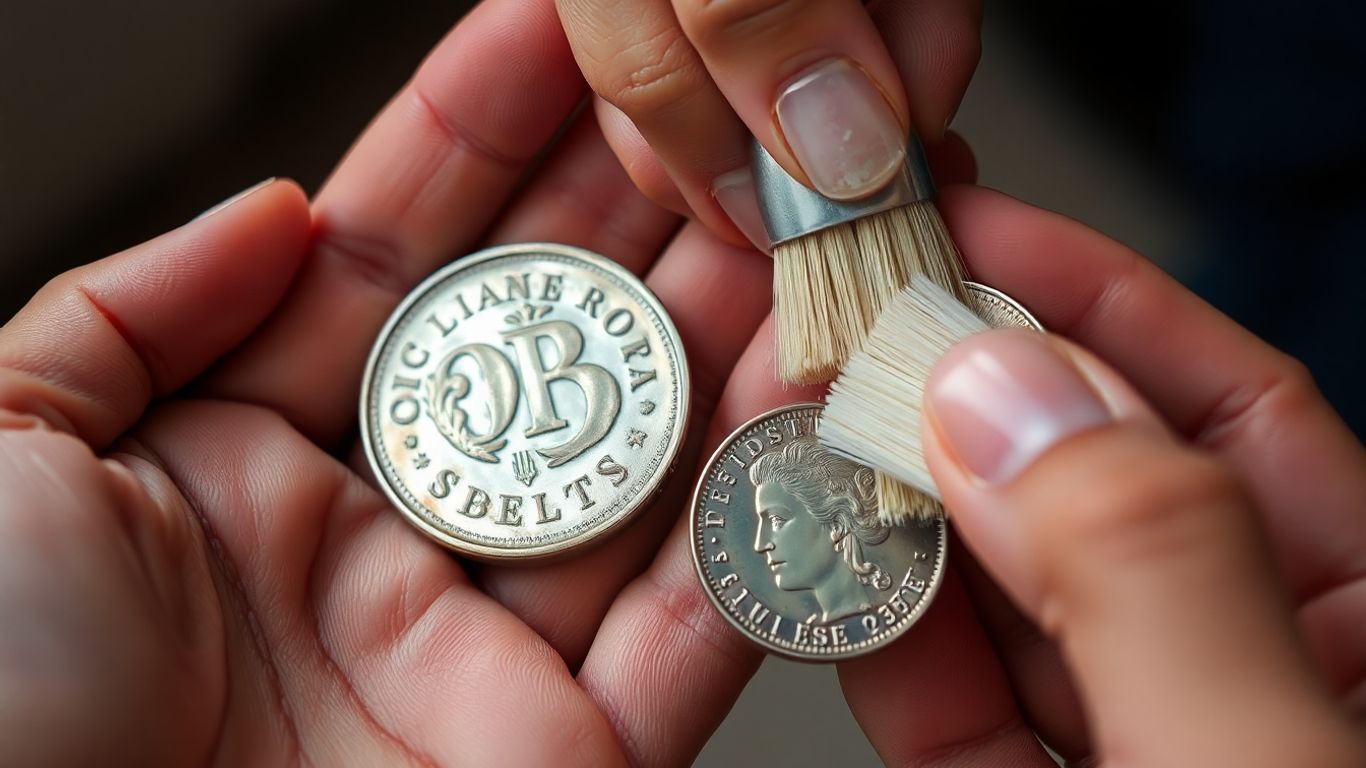
Sometimes, the best thing you can do for a coin is absolutely nothing. It might sound counterintuitive, especially when you see a bit of grime or dullness, but cleaning can actually hurt a coin’s worth. Think about it: collectors often pay more for coins that look just as they did when they were first minted, or coins that have developed a natural, aged look over time. That’s where patina and toning come in.
The Importance of Patina and Toning
Patina and toning aren’t just fancy words; they’re signs of a coin’s history. Patina is a surface layer that forms on metals like copper and bronze over many years due to chemical reactions with the environment. Toning is similar but often refers to the discoloration seen on silver and gold coins. These natural color changes can actually add character and value to a coin, especially older ones. A deep, even toning can be quite attractive to a numismatist, indicating the coin has been left undisturbed for a long time. Scrubbing away this natural aging process can strip the coin of its unique appeal and, unfortunately, its market value.
Consulting Numismatic Experts
Before you even think about reaching for a cleaning cloth, especially with coins you suspect might be valuable or historically significant, it’s wise to get a professional opinion. Numismatists, the experts in coin collecting, can tell you if a coin is better left alone. They understand the nuances of coin grading and what collectors are looking for. Sometimes, a coin might look dirty to the untrained eye, but a numismatist will recognize that the surface is actually original and desirable. They can advise on whether any cleaning is appropriate and, if so, how it should be done without causing harm. It’s a small step that can save you from making a costly mistake.
Protecting High-Value Collections
If you’ve got a collection that represents a significant investment, the stakes for cleaning are even higher. For rare coins, mint condition pieces, or items with significant historical context, the original surface is paramount. Cleaning can drastically reduce a coin’s grade, which directly impacts its price. For instance, a coin that might have been graded as ‘uncirculated’ could drop to a much lower grade if cleaned, losing a substantial portion of its value. It’s often better to store these valuable pieces carefully and accept their current appearance, rather than risk damaging them through cleaning. Prevention through proper storage and handling is always the best policy for these prized possessions.
Proper Coin Storage for Preservation
Alright, so you’ve cleaned your coins (carefully, I hope!) and now you’re wondering how to keep them looking good. Storing them right is a big deal. It’s not just about sticking them in a drawer; it’s about protecting them from all sorts of things that can mess them up over time. Think of it as giving your coins a safe, comfy home where they won’t get damaged.
Selecting Inert Coin Holders
First off, what you put your coins in matters a lot. You want to avoid anything that can react with the metal. Plastics with PVC, for example, can break down and cause this nasty green or brown gunk to form on your coins. Nobody wants that. So, look for holders made from materials like Mylar, polyethylene, or acrylic. These are generally considered inert, meaning they won’t cause problems. You can find individual coin capsules, plastic flips, or even specialized albums that use these safe materials. The goal is to create a barrier between your coin and anything that could harm it.
Maintaining a Stable Storage Environment
Coins really don’t like big swings in their surroundings. Temperature and humidity are the main culprits here. If it’s too humid, you can get oxidation, which is basically rust for coins, or unwanted toning. If the temperature jumps around a lot, it can stress the metal over long periods. Ideally, you want a cool, dry place with consistent conditions. Basements can sometimes work if you can control the humidity, but attics are usually a bad idea because they get too hot. Keeping things stable is key.
Avoiding Harmful Storage Materials
This ties back to the holders, but it’s worth mentioning separately. Some older coin albums or even paper envelopes can contain acids or chemicals that leach into the coin’s surface. Even if the holder itself is okay, if it’s pressed right up against acidic paper, you can still get damage. Always check what your storage materials are made of. If you’re unsure, it’s better to err on the side of caution and get new, inert holders. It’s a small investment to protect potentially valuable pieces.
Storing coins properly isn’t just about preventing immediate damage; it’s about long-term preservation. The right materials and environment can keep your collection looking its best for generations, maintaining its appeal and value. Think of it as an investment in the future of your collection.
Here’s a quick rundown of what to look for:
- Inert Holders: Mylar, polyethylene, acrylic capsules.
- Stable Environment: Cool, dry, with consistent temperature and low humidity.
- Avoid: PVC plastics, acidic paper, direct exposure to air pollutants.
- Handling: Always use cotton gloves or handle coins by their edges.
Environmental Controls for Coin Collections
Managing Humidity Levels
Keeping your coins in a stable environment is a big deal for their long-term health. Think of it like keeping a delicate plant happy – it needs just the right conditions. Too much moisture in the air, and you’re inviting trouble. High humidity can really speed up oxidation, which is basically rust for coins, and it can cause unwanted toning, those dark or colorful splotches that can really mess with a coin’s look and value. It’s best to aim for a relative humidity level below 50%. You can get a small hygrometer to measure this. If your storage area is a bit damp, consider using silica gel packets. These little packets soak up moisture and can be "recharged" by baking them in an oven, which is pretty neat. Just make sure they don’t directly touch your coins; keep them in a separate container within the main storage box.
Controlling Temperature Fluctuations
Just like humidity, extreme temperature swings aren’t great for coins. Rapid changes can cause materials in holders or albums to expand and contract, which might stress the coin over time. Plus, temperature changes often go hand-in-hand with humidity changes. A consistent, moderate temperature is the goal. Most collectors find that keeping their collection in a room with a stable temperature, like a main living area, works well. Basements can be good if you can control the humidity, as they often have more stable temperatures year-round. Avoid places like attics or garages where temperatures can really go wild with the seasons.
The Role of Ventilation in Storage
This one might seem a little counterintuitive. You want to protect your coins from the air, right? Well, yes and no. While you don’t want them exposed to pollutants or excessive moisture, completely sealing them in an airtight container can sometimes trap any existing moisture and create a stagnant environment. A little bit of air exchange is generally good, as long as the air itself is clean and dry. Think of it as letting your collection breathe a little, but in a controlled way. So, while a sealed plastic bin might seem secure, a container that allows for minimal air exchange, perhaps with a desiccant pack inside, is often a better choice. It’s all about finding that balance to keep things fresh without letting in the bad stuff.
Keeping your coins in a cool, dry, and dark place is the golden rule. Direct sunlight can accelerate toning, and extreme temperatures can cause damage over time. Using inert, PVC-free holders is also a must. These simple steps go a long way in preserving the condition and value of your collection.
Handling Coins to Prevent Damage
You know, sometimes the simplest things can cause the most trouble for your coin collection. It’s not always about the big cleaning mistakes; it’s often the everyday handling that can sneak up on you. Think about it – every time you pick up a coin, you’re introducing it to a whole world of potential issues, mostly from your own hands.
Minimizing Direct Contact
Our skin is pretty amazing, but it’s also a source of oils and acids that aren’t exactly coin-friendly. These natural substances can transfer onto the coin’s surface, and over time, they can cause discoloration or even damage the metal. It’s like leaving fingerprints, but on a microscopic level that can really mess with the coin’s appearance and value. The best way to avoid this is to simply not touch the coin’s face directly.
Here are a few ways to keep direct contact to a minimum:
- Use Cotton Gloves: These are a collector’s best friend. They create a barrier between your skin and the coin, preventing oil transfer. Make sure they’re clean before you use them, though!
- Tweezers (with care): For smaller coins or when you need a bit more precision, specialized coin tweezers can work. Just be sure they have soft, non-marring tips to avoid scratching.
- Coin Holders: Whenever possible, keep your coins in their individual holders. This way, you can handle the holder, not the coin itself.
The Significance of Edge Handling
If you absolutely must handle a coin with your bare hands, there’s a right way and a wrong way. The wrong way is to grab it by the face, which we’ve already talked about. The right way? Grip the coin by its edge. The edge, or "reeding" as it’s called on many coins, is usually less detailed and more robust than the main surfaces. It’s the least sensitive part of the coin, so holding it here minimizes the risk of transferring oils or causing accidental scratches.
Think of it like holding a delicate piece of glass – you wouldn’t grab the middle, right? You’d find a less conspicuous spot. For coins, that spot is the edge.
Using Protective Gloves
Gloves are really the gold standard for handling coins, especially if you plan on doing it often or if you’re dealing with particularly valuable or sensitive pieces. Cotton gloves are great because they’re soft and absorbent. Some collectors also prefer nitrile gloves, which offer a good grip and are also inert.
| Glove Type | Pros |
|---|---|
| Cotton | Soft, absorbent, good for general use |
| Nitrile | Good grip, durable, chemical resistant |
No matter what type of glove you choose, make sure they are clean and free of any powders or chemicals that could transfer to your coins. It might seem like a small detail, but in the world of coin collecting, these small details are what preserve your collection’s integrity and value for years to come.
Long-Term Coin Collection Care
Taking care of your coins doesn’t stop after you’ve cleaned them. To keep your collection looking good and holding its value for years to come, you need a solid long-term plan. It’s not super complicated, but it does require some attention to detail. Think of it like maintaining a classic car – a little regular upkeep goes a long way.
Regular Inspection of Your Collection
It’s a good idea to check on your coins periodically. This isn’t about handling them a lot, but more about giving them a visual once-over. You’re looking for any signs of trouble, like new spots, discoloration, or anything that just doesn’t look right. Catching issues early can prevent them from becoming bigger problems. It’s also a chance to appreciate what you have!
Documenting Your Coin's History
Keeping records is more important than you might think. For each coin, try to note where you got it, when you acquired it, and any significant details about its condition or any previous cleaning it might have undergone. This information can be really helpful if you ever decide to sell or just want to remember the story behind a particular piece. It also helps in tracking the overall growth and value of your collection. For more detailed advice on coin storage and preventing toning, you can visit coin care tips.
Seeking Professional Advice
Sometimes, you’ll run into a coin that you’re not sure about, or you might have a particularly valuable piece that you want to be extra sure is protected. In these situations, don’t hesitate to reach out to a professional numismatist. They have the knowledge and experience to give you specific advice tailored to your collection. They can spot potential problems you might miss and offer solutions that are best for preserving your coins’ integrity. It’s better to ask an expert than to risk damaging a valuable item through guesswork.
Here’s a quick rundown of what to keep in mind:
- Environment is Key: Store coins in a stable, cool, and dry place. Avoid places with big temperature swings or high humidity.
- Handle with Care: Always use cotton gloves or handle coins by their edges. Skin oils can cause damage over time.
- Use Proper Holders: Opt for inert, PVC-free holders. These protect coins without introducing harmful chemicals.
- Avoid Direct Contact: Don’t let coins touch acidic materials like certain papers or cardboard.
Maintaining the condition of your coins is a continuous process. Regular checks and proper storage are the cornerstones of preserving their aesthetic appeal and monetary worth over the long haul. Don’t underestimate the impact of small, consistent efforts.
Wrapping Up Your Coin Care Journey
So, we’ve gone over how to give your coins a gentle clean when needed, and more importantly, how to keep them looking good in the first place. Remember, most of the time, leaving your coins alone is the best policy. But if you do decide to clean, take it slow and easy with the right stuff. Proper storage is really where it’s at for long-term preservation. Keeping them in a stable, dry spot, away from grubby hands, will do wonders. Think of it as giving your collection a comfy, safe home. Happy collecting, and may your coins stay shiny and valuable!
Frequently Asked Questions
Why should I be super careful when cleaning coins?
Coins can look tough, but their surfaces are really delicate. If you clean them the wrong way, you could accidentally scratch them, make them look dull, or even lower their value. Collectors often prefer coins that look untouched, so it’s best to clean only when absolutely necessary and with great care.
What are the basic supplies I need to clean a coin safely?
For safe cleaning, you’ll want a soft cloth that doesn’t leave lint, like a microfiber cloth. You’ll also need distilled water (tap water has minerals that can cause problems), a tiny bit of mild dish soap without any extra stuff, and rubber gloves to keep the oils from your hands off the coin. A plastic bowl is better than metal, which can scratch.
Can I use regular soap and water to clean my coins?
It’s best to use distilled water instead of tap water because tap water has minerals that can leave marks or spots on your coin. For soap, use just a tiny amount of mild dish soap that doesn’t have any harsh cleaners or additives. Always rinse the coin very well afterward to get all the soap off.
What's the biggest mistake people make when cleaning coins?
A common mistake is using things that are too rough, like abrasive cleaners, harsh chemicals, or even toothbrushes. These can easily scratch the coin’s surface or remove its natural color, called patina, which can actually add to its value. It’s important to be gentle and avoid anything that seems like it might scrub too hard.
When is it better NOT to clean a coin?
You should probably skip cleaning if the coin is old, rare, or very valuable. These coins often look better with their natural aging, called patina or toning, which collectors appreciate. Cleaning them might actually decrease their worth. If you’re unsure, it’s always a good idea to ask an expert first.
How should I store my coins after cleaning them?
After cleaning and drying, store your coins in holders that are safe for them, like special plastic capsules or sleeves made from materials that won’t harm the metal. Keep them in a place that’s cool, dry, and away from direct sunlight. This helps prevent them from getting dirty or damaged again.
Why is handling coins by the edges so important?
The oils and acids on our skin can damage a coin’s surface over time, causing discoloration or dullness. By holding a coin only by its edges, you minimize the amount of skin that touches the coin’s main surfaces, helping to keep it in better condition for longer.
What is patina or toning, and why is it sometimes good?
Patina or toning refers to the natural color changes that happen to a coin over time due to its metal reacting with the air and environment. While some people might see it as dirt, collectors often see it as a sign of a coin’s age and history. On some coins, this natural coloring can actually make them more interesting and valuable.