
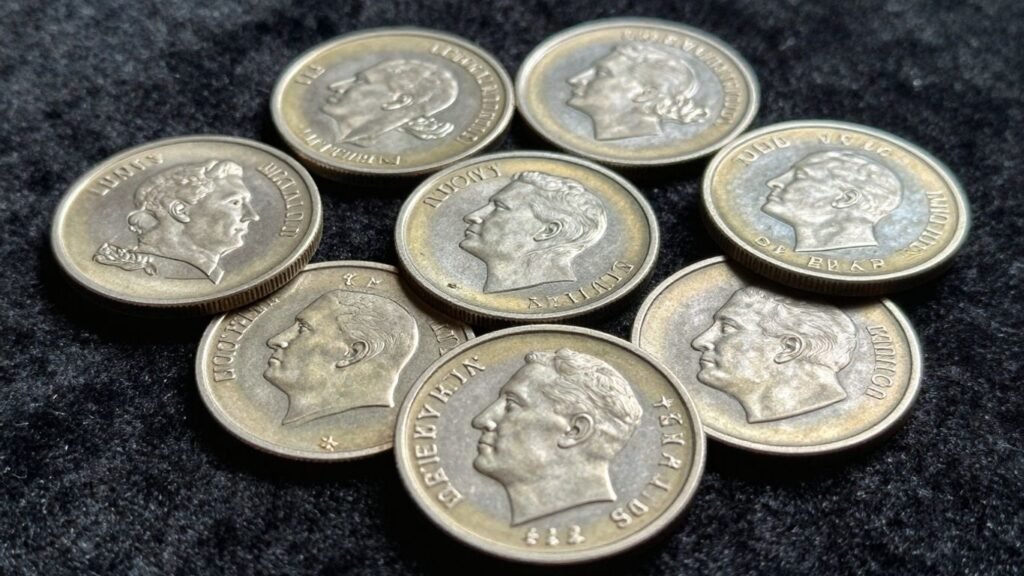
So, you’ve got some coins and want to keep them looking good, right? Tarnish can be a real bummer, making those shiny pieces look dull and potentially messing with their value. It’s not super complicated, but you do need to pay a little attention to how you handle and store them. This guide is all about preventing coin tarnish, so your collection stays in tip-top shape. We’ll cover the basics of why it happens and what you can do to stop it before it starts.
Key Takeaways
- Understanding why coins tarnish, especially silver, helps you protect them better. It’s a chemical reaction, and knowing the cause is half the battle.
- Handling coins carefully is a big part of preventing tarnish. Try to touch them as little as possible, and when you do, use gloves or hold them by the edge.
- Storing your coins in the right environment makes a huge difference. Keep them somewhere cool, dry, and stable, away from moisture and air pollution.
- Using proper coin holders made from safe materials is a must. Avoid plastics that can break down and harm your coins over time.
- There are advanced ways to protect your collection, like using VCI products or controlling humidity with silica gel, which can really help keep tarnish at bay.
Understanding Coin Tarnish
So, you’ve got some coins, maybe they’re old, maybe they’re shiny new ones you just picked up. And you notice, over time, they start to look a little… off. That dulling, that darkening? That’s tarnish, and it’s a big deal for coin collectors. It’s not just about looks; it can really mess with how much your coins are worth.
The Chemistry Behind Silver Tarnishing
Silver coins, especially, are prone to this. It’s all about chemistry, really. Silver likes to react with sulfur compounds that are just floating around in the air. Think of it like a slow-motion chemical reaction. When silver atoms meet sulfur, they form silver sulfide. That’s the stuff that makes your coin look dull and gray or even black. It’s not like rust on iron, which eats away at the metal. Tarnish is more of a surface thing, a coating. But that coating can still be a problem. Factors like how humid it is, the temperature, and even what else is in the air can speed this whole process up. If you’re dealing with silver, keeping it away from things like rubber or wool is a good idea because they can have sulfur in them too. It’s why keeping your coins in dry, sealed spots is so important for preserving their shine.
Tarnish Versus Toning: A Collector's Distinction
Now, collectors sometimes use the word "toning" when they talk about this discoloration on coins. It’s kind of a nuanced thing. Tarnish is generally seen as a negative, a sign of degradation. But "toning" can sometimes refer to a more desirable, even attractive, coloration that develops over time. Think of those cool, rainbow-like patterns you sometimes see on older silver dollars. That’s toning, and some collectors actually seek that out. It’s a subtle difference, but for someone really into coins, it matters. Tarnish is usually an even, dull coating, while toning can be more varied and colorful. It really depends on the specific coin and how it’s been stored.
Impact of Tarnish on Coin Value
Here’s the kicker: tarnish can seriously affect your coin’s value. If you’re collecting coins just for the metal content, a little tarnish might not be a huge deal. But if you’re collecting for numismatic value – meaning the coin’s historical significance, rarity, or condition – tarnish is a problem. Pristine coins, the ones without much wear or any significant tarnish, are the ones that fetch the highest prices. Trying to clean off tarnish can be risky business. You might end up scratching the coin or even removing some of the metal itself, which is a big no-no for valuable pieces. It’s way easier to prevent tarnish in the first place than to try and fix it later. So, handling your coins carefully and storing them properly are key steps to protecting their worth.
- Minimize direct contact: The oils and dirt on your hands can speed up tarnishing.
- Use proper storage: Acid-free holders and stable environments are your friends.
- Avoid harsh chemicals: Keep coins away from substances that can react with the metal.
Cleaning tarnish off a coin can be more damaging than the tarnish itself, especially for rare or valuable pieces. It’s often better to live with a bit of patina than to risk altering the coin’s surface through aggressive cleaning methods.
Essential Handling Practices
When you’re dealing with coins, especially those you plan to keep for a while or that have some serious collector value, how you touch them matters. It might seem like no big deal, but even the oils from your skin can start to cause problems over time. Think of it like this: you wouldn’t want to smudge a masterpiece painting, right? Coins are kind of the same way.
Minimizing Direct Contact
The less you touch a coin directly, the better it will hold up. It’s really that simple. Every time you pick up a coin with your bare fingers, you’re potentially transferring oils, dirt, and other microscopic gunk onto its surface. This stuff can react with the metal, leading to discoloration or even more serious damage down the line. It’s a slow process, but it adds up.
The Importance of Clean Hands and Gloves
If you absolutely have to handle a coin, make sure your hands are spotless. Wash them thoroughly with soap and water, and then dry them completely. Even better, though, is to use gloves. Soft cotton gloves are a classic choice for coin collectors. They provide a barrier between your skin and the coin’s surface. Nitrile gloves can also work, but make sure they’re the kind that are safe for collectibles and don’t have any powders or chemicals that could transfer. It’s a small step that makes a big difference in preserving your coin collection.
Handling Coins by the Edges
When you do need to pick up a coin, always try to hold it by its edge. Imagine you’re holding a tiny, valuable pizza slice – you’d grab it by the crust, not the toppings. The edge is usually the thickest part of the coin and has the least amount of detail that could be damaged. Avoid touching the obverse (the front) or reverse (the back) of the coin at all costs. If you need to rotate the coin to get a better look, do it gently by manipulating the edges between your fingers. This technique helps prevent smudges and accidental scratches that can really hurt a coin’s appearance and, consequently, its worth.
Here’s a quick rundown of what to do:
- Wash and dry your hands thoroughly before handling.
- If possible, wear clean cotton or nitrile gloves.
- Always grasp coins by their edges.
- Avoid touching the coin’s faces (obverse and reverse).
- Use a soft cloth or pad underneath the coin if you need to set it down temporarily.
Handling coins with care isn’t just about keeping them looking pretty; it’s about maintaining their integrity and historical significance. The oils and acids on our skin, while natural, can act like a slow-acting solvent on metal surfaces over extended periods. This is why even experienced collectors are meticulous about how they interact with their pieces.
Optimal Storage Environments
So, you’ve got your coins, and you’re handling them with care. That’s great! But where you keep them is just as important, maybe even more so. Think of it like storing fine wine or old photographs; the surroundings really matter.
Controlling Temperature and Humidity
This is a big one. Coins, especially those made of silver or copper, don’t like big swings in temperature or moisture. When the air gets humid, it can speed up all sorts of nasty reactions that lead to tarnish and corrosion. Too much heat isn’t great either, as it can stress the metal over long periods. The goal is a stable, cool, and dry place.
Here’s a quick rundown of what to aim for:
- Temperature: Ideally, keep your collection between 65-75°F (18-24°C). Avoid places that get really hot or cold.
- Humidity: Aim for relative humidity below 50%. Anything higher increases the risk of problems.
- Stability: Fluctuations are the enemy. A consistent environment is better than one that goes from dry to damp or hot to cold.
The Role of Stable Environments
Why is stability so important? Well, imagine a coin sitting in a box in an attic. During the summer, it gets scorching hot. In the winter, it freezes. This constant expansion and contraction of the metal, along with the changing moisture levels in the air, can actually weaken the coin’s structure over time. It’s like repeatedly bending a paperclip – eventually, it breaks. A stable environment minimizes this stress.
Keeping your coins in a place with consistent conditions helps prevent unseen damage. Think of it as giving your collection a peaceful, unchanging home where it can rest without being bothered by the outside world’s weather.
Avoiding Areas Prone to Moisture
Some spots in your house are just naturally more humid or prone to water issues. You’ll want to steer clear of these for coin storage:
- Basements: Often damp and can flood.
- Attics: Extreme temperature swings and potential for leaks.
- Garages: Similar issues to attics and basements, plus potential for fumes.
- Bathrooms/Kitchens: High humidity from daily use.
- Near windows or exterior walls: Can experience more temperature and moisture changes.
Instead, look for interior closets or rooms that have more stable conditions. If you’re serious about protecting a valuable collection, you might even consider a small dehumidifier or a dedicated safe with climate control features. It sounds like a lot, but for rare coins, it can make a world of difference in preserving their condition and, by extension, their value.
Protective Coin Holders
Choosing Acid-Free and Inert Materials
When you’re looking to keep your coins looking good, the container they live in really matters. You don’t want anything that’s going to react with the metal and cause problems down the road. Think of it like picking out a good quality frame for a picture – you want something that protects it without damaging it. For coins, this means sticking to materials that are "acid-free" and "inert." Basically, these are materials that won’t break down and release gunk that can mess with your coin’s surface. Stuff like Mylar, polyethylene, or polypropylene are generally safe bets. They won’t cause that nasty green or black stuff to show up over time.
Benefits of Airtight Capsules and Slabs
For that extra layer of security and preservation, airtight capsules and professional "slabs" are pretty popular. Capsules are usually clear, hard plastic cases that seal up nicely, keeping out dust, moisture, and air. They’re great for individual coins you want to keep really protected. Slabs are a bit more serious; these are coins that have been graded by professional services and then sealed in a hard plastic holder with a label detailing their grade and authenticity. This kind of protection is top-notch for valuable coins. It not only shields them from the environment but also provides a tamper-evident seal and a recognized grade, which is a big deal for collectors.
Avoiding PVC-Containing Plastics
This is a big one, and something a lot of collectors learn the hard way. Some plastics, especially older, softer ones, contain something called PVC (polyvinyl chloride). Over time, PVC breaks down and releases chemicals that are really bad news for coins. You’ll often see a greasy, sticky, or sometimes even a greenish residue form on the coin where it touched the plastic. It’s a real pain to clean off, and sometimes the damage is permanent. So, always check your coin holders. If a plastic feels really soft and flexible, or if it has a strong chemical smell, it’s probably best to avoid it. Look for labels that say "PVC-free" or "inert plastic."
Here’s a quick rundown of what to look for:
- Safe Materials: Mylar, polyethylene, polypropylene, acrylic.
- Materials to Avoid: Most soft, flexible plastics; anything that smells strongly chemical.
- Check Labels: Look for "PVC-free" or "acid-free" indicators.
When selecting holders, think long-term. A few extra cents spent on a quality, inert holder now can save you a lot of heartache and potential loss of value later on. It’s a small investment for big protection.
Advanced Tarnish Prevention Technologies
When it comes to keeping your coins looking their best, especially those made of silver, you might want to look beyond just basic handling and storage. There are some pretty neat technologies out there designed specifically to fight off that pesky tarnish before it even starts. It’s all about creating a protective bubble, so to speak, around your collection.
Utilizing Vapor Corrosion Inhibitors (VCI)
So, what exactly are Vapor Corrosion Inhibitors, or VCIs? Think of them as tiny, invisible guardians. These are special chemicals that release a protective vapor into an enclosed space. This vapor then settles onto metal surfaces, forming a thin, molecular layer. This layer acts as a barrier, stopping the chemical reactions that lead to tarnish. It’s a pretty clever way to protect coins without actually touching them directly with any chemicals.
How VCI Products Create a Protective Shield
VCIs work by slowly releasing their inhibiting compounds into the air within a sealed container. These compounds then travel through the air and attach themselves to the metal surface of your coins. This forms a protective film that prevents corrosive elements, like moisture and sulfur compounds, from reaching the metal. It’s like a microscopic force field. The effectiveness depends on how well the container is sealed; the more airtight it is, the longer the VCI protection lasts. This technology is becoming more popular because it’s non-toxic and doesn’t leave any residue on the coins, which is a big plus for collectors.
VCI Options for Various Storage Needs
There are a bunch of different VCI products available, so you can find something that fits your collection size and storage setup. You can get VCI paper or film that you can wrap around individual coins or place inside coin folders. There are also VCI emitters or cards that you can put into larger storage boxes, display cases, or even safes. Some companies even make VCI-lined bags or capsules, which are great for single, high-value coins. It’s a flexible approach that lets you tailor your protection. For instance, you might use VCI paper for your bulk storage and then VCI capsules for your most prized pieces. If you’re looking for ways to keep your silver coins safe, exploring VCI products is a smart move.
The key to VCI effectiveness is containment. Without a reasonably sealed environment, the vapor will dissipate, and its protective qualities will be lost. This means that while VCI is great for drawers, boxes, and cabinets, it won’t do much good if your coins are just sitting out in the open air.
Here’s a quick look at some common VCI product types:
- VCI Paper: Thin paper impregnated with VCI chemicals. Good for wrapping individual coins or lining drawers.
- VCI Emitters/Cards: Small cards or devices that release VCI vapor. Useful for larger containers or display cases.
- VCI Bags: Plastic bags with VCI properties built-in. Offer both physical protection and vapor protection.
- VCI Capsules: Small, sealed capsules designed for individual coins, often with a VCI lining.
Using these technologies can make a real difference in preventing tarnish and keeping your coins in top condition for years to come. It’s a proactive step that can save you a lot of trouble down the line.
Environmental Controls for Collections
Keeping your coins in good shape over the long haul really comes down to controlling their surroundings. It’s not just about tossing them in a box; you’ve got to think about the air they’re breathing, so to speak. Fluctuations in temperature and humidity are the silent killers of coin condition. Think of it like this: a stable environment means less stress on the metal, which translates to less chance of tarnish or other damage creeping in.
The Efficacy of Silica Gel Packs
Silica gel packs are your best friend when it comes to managing moisture. These little packets absorb excess humidity, creating a drier micro-environment around your coins. They’re super cheap and you can toss them into pretty much any storage container. Just remember, they don’t last forever. You’ll need to ‘recharge’ them periodically by heating them up (usually in an oven at a low temp) or replace them if they’ve absorbed too much moisture. It’s a simple step, but it makes a noticeable difference, especially if you live in a humid area.
Using Humidity Meters for Monitoring
To really get a handle on your collection’s environment, a simple humidity meter is a smart buy. You can place these little gadgets right inside your storage boxes or display cases. They give you a real-time reading of the relative humidity. Aim for a consistent level, ideally between 30% and 50% relative humidity. Too high, and you risk corrosion; too low, and some materials might become brittle. It takes the guesswork out of whether your storage solutions are actually working.
Investing in Climate-Controlled Display Cases
For serious collectors, especially those with high-value pieces, climate-controlled display cases are the ultimate solution. These aren’t your average display boxes. They actively regulate both temperature and humidity within the case, providing a perfectly stable environment. While they can be a bit of an investment upfront, the peace of mind and the protection they offer can be well worth the cost. They’re great for showcasing your collection while keeping it in top-notch condition.
Limiting Exposure to Harmful Elements
So, you’ve got these coins, right? And you want them to look good, maybe even keep their value. Well, a big part of that is just keeping them away from stuff that can mess them up. Think of it like protecting a delicate painting – you wouldn’t leave it out in the rain, would you? Coins are kind of the same way. They can react to all sorts of things in the air and around them.
Shielding Coins from Air Pollutants
Air isn’t just empty space. It’s got all sorts of tiny particles and gases floating around. For coins, especially those made of silver or copper, these can be a real problem. Sulfur compounds, for instance, are a common culprit. They’re in the air, and when they meet silver, they start a chemical reaction that causes that familiar dark tarnish. It’s not just about looks, either; this tarnish can actually affect how much a coin is worth, especially to serious collectors who want things as close to original condition as possible. The less your coins are exposed to these airborne troublemakers, the better.
Keeping Coins Away from Chemicals
This one might seem obvious, but it’s worth repeating. You need to be mindful of where you store your coins. Things like household cleaners, certain glues, even some types of paper or cardboard can release chemicals that are bad news for coins. Imagine storing your prized silver dollar next to a bottle of ammonia – not a good idea! Even things like rubber bands can degrade over time and leave marks. It’s best to keep coins in a dedicated space, away from workshops, garages, or areas where you might be using strong cleaning agents.
The Effect of Light Exposure on Coins
Light, especially direct sunlight, can also be a silent destroyer of coin condition. Over time, prolonged exposure can cause discoloration, sometimes referred to as "fading" or "bleaching" on certain metals. While some collectors might actually seek out specific types of toning that develop over years in controlled conditions, uncontrolled light exposure can lead to undesirable, uneven changes. It’s generally a good practice to store your coins in darker environments, like in albums, boxes, or display cases that offer UV protection, rather than leaving them out on a sunny windowsill. This helps maintain their original appearance and prevents unwanted alterations.
Maintaining Coin Condition Over Time
So, you’ve got these coins, right? And you want them to look good, maybe even be worth something down the road. That means you can’t just shove them in a drawer and forget about them. Keeping them in good shape is an ongoing thing, not a one-and-done deal. It’s about being a bit mindful day-to-day.
Regularly Monitoring Your Collection
Think of this like checking on your plants. You wouldn’t just water them once and assume they’re good forever. Coins need a similar kind of attention. You should be giving your collection a once-over now and then. What are you looking for? Little signs of trouble. Maybe a bit of unexpected color change, or a spot that wasn’t there before. Catching these things early is way easier than fixing a big problem later. It’s like spotting a tiny weed before it takes over your garden.
- Visual Inspection: Just look at them. Are they still shiny (if they’re supposed to be)? Any new spots or discoloration?
- Environmental Check: Is the storage area still dry and cool? No leaks or weird smells?
- Holder Integrity: Are the coin holders still in good shape? No cracks or signs of degradation?
The goal here isn’t to obsess, but to be aware. A quick scan every few months can save you a lot of heartache and potential loss down the line. It’s about proactive care.
The Value of Documentation and Inventory
This might sound like a chore, but trust me, it’s a lifesaver. Keeping a record of what you have, where it is, and when you got it is super important. It’s not just for insurance purposes, though that’s a big one. It helps you keep track of your collection’s condition over time. You can note down when you last checked a coin, or any observations you made. This kind of history can be really useful if you ever decide to sell or if you need to make a claim.
Here’s a simple way to think about it:
- List Your Coins: What coin is it? Date, mint mark, condition (as best you can tell).
- Record Acquisition Details: When did you get it? From whom? How much did you pay?
- Note Storage Location: Where is this specific coin or group of coins stored?
- Add Condition Notes: Any observations about its state, especially if you notice changes.
When to Seek Professional Cleaning Advice
Okay, this is a big one. Resist the urge to clean your coins yourself, especially if they look a bit dull. Most of the time, DIY cleaning does more harm than good. You can easily scratch the surface or remove valuable patina. If a coin looks like it really needs attention, don’t just grab a toothbrush and some toothpaste. It’s almost always better to leave it alone or consult with a professional numismatist. They know the difference between tarnish and toning, and they understand which cleaning methods, if any, are appropriate for specific metals and coin types without damaging their value. Sometimes, what looks like tarnish to you might actually be desirable toning that adds to the coin’s appeal and worth.
Specific Considerations for Silver Coins
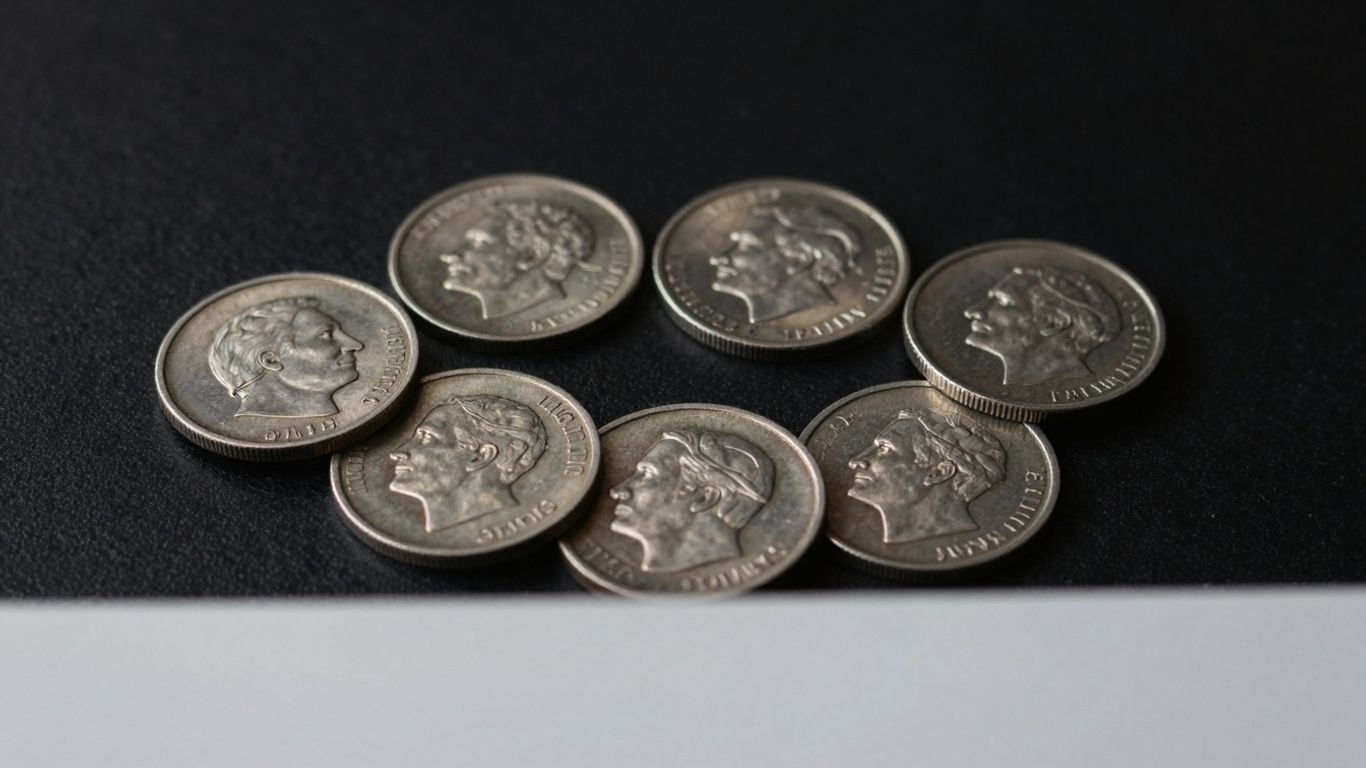
Why Silver is Prone to Tarnishing
Silver coins have a special place in many collections, but they also come with a unique challenge: tarnish. This isn’t just about looks; it can affect how much your coins are worth. Silver is naturally reactive, especially with sulfur compounds found in the air. Think of it like this: when silver atoms meet sulfur, they form a new compound, silver sulfide. This is what gives tarnished silver that dull, dark coating. It’s a chemical reaction, plain and simple, and it happens more easily with silver than with many other metals.
Understanding Silver Oxide Formation
While we often talk about tarnish, the actual process involves a few steps. The most common culprit is hydrogen sulfide gas, which is present in small amounts in most air. When silver comes into contact with this gas, it reacts to form silver sulfide. This is the black or gray film you see. It’s different from rust, which happens with iron. Silver sulfide doesn’t typically eat away at the metal underneath, but it sure does change the appearance. The rate at which this happens can speed up if the air is humid or contains more pollutants.
The Nuances of Silver Toning
Now, here’s where it gets interesting for collectors. Sometimes, what looks like tarnish is actually called "toning." Toning can happen over a long time in specific environments and can create beautiful, subtle colors on the coin’s surface, like the "rainbow toning" you might see on certain Morgan dollars. While tarnish is generally seen as a negative, some collectors actually prefer certain types of toning because it shows the coin’s history and can even add to its appeal and value. It’s a fine line, and knowing the difference between damaging tarnish and desirable toning is key for any serious collector.
Here’s a quick rundown of what affects silver coins:
- Air Quality: Pollutants, especially sulfur compounds, are the main cause of tarnish.
- Humidity: Higher moisture levels in the air can speed up the tarnishing process.
- Handling: Oils and residues from your skin can react with the silver surface.
- Storage Materials: Certain plastics or chemicals can cause or accelerate discoloration.
It’s important to remember that cleaning tarnished silver coins can be a tricky business. Aggressive cleaning methods can actually remove tiny bits of the silver itself or cause microscopic scratches. For valuable or rare coins, it’s often better to leave them as they are or consult a professional rather than risk damaging their numismatic value through improper cleaning.
Wrapping It Up: Keeping Your Coins Shiny and Valuable
So, we’ve gone over a bunch of ways to keep those coins from getting all dull and yucky. It really comes down to being a bit careful with how you handle them and where you keep them. Think about it – a little effort now can save you a headache later, and more importantly, keep your collection looking good and holding its value. Whether you’re just starting out or you’ve been collecting for years, these simple steps can make a big difference. Don’t let tarnish sneak up on you; take charge and protect your treasures!
Frequently Asked Questions
What causes coins to get that dull, dark coating?
That dull coating, called tarnish, happens when the metal in the coin, especially silver, reacts with certain gases in the air, like sulfur. It’s a natural chemical process, kind of like how iron gets rusty, but it doesn’t usually eat away at the coin itself. Things like humidity and pollution can make it happen faster.
Is tarnish the same as toning on a coin?
While people often use the terms interchangeably, ‘toning’ is sometimes preferred by collectors. Toning can sometimes create beautiful, colorful patterns on a coin, like the ‘rainbow toning’ seen on some silver coins. This kind of toning can actually be seen as desirable and might even increase a coin’s value, unlike plain old tarnish.
Why is it so important to handle coins carefully?
Handling coins with bare hands is a big no-no for collectors. The natural oils and any lotions or soaps on your skin can speed up tarnishing and damage the coin’s surface over time. It’s best to hold coins by their edges or, even better, wear clean cotton or nitrile gloves.
What's the best way to store coins to prevent damage?
The key is a stable, controlled environment. Keep your coins in a cool, dry place away from direct sunlight and anything that might cause moisture or pollution. Using special coin holders made from materials that don’t contain harmful chemicals is also super important.
What are these special coin holders made of?
You’ll want holders that are ‘acid-free’ and ‘inert,’ meaning they won’t react with the coin’s metal. Think of hard plastic capsules or special flips. It’s crucial to avoid plastics that contain PVC, as these can break down and release chemicals that harm your coins over time.
Are there any special products to help stop tarnish?
Yes, there are! Products with VCI, which stands for Vapor Corrosion Inhibitor, are becoming popular. These products release a protective gas that forms a shield around the coin, preventing tarnish without actually touching the coin. They come in bags, drawer liners, and even small capsules.
Should I worry about humidity and temperature?
Absolutely! Big swings in temperature and humidity are major enemies of coin preservation. High humidity, especially, can speed up tarnishing. Using things like silica gel packs to absorb moisture and even humidity meters to keep track of levels can make a big difference.
Is it ever okay to try and clean a tarnished coin?
Cleaning coins can be really tricky. While it might seem like a good idea, aggressive cleaning or polishing can actually scratch the coin or remove tiny bits of metal, which can lower its value, especially for rare or old coins. Sometimes, the natural toning is more valuable than a cleaned coin. For valuable coins, it’s often best to leave cleaning to the professionals or to accept the toning.