So, you’ve got some silver coins, maybe inherited them, maybe bought them, and now you’re wondering if they’re the real deal? It happens. The market can be tricky, and spotting fakes isn’t always easy. This guide is here to walk you through some common silver coin testing methods, from the super simple stuff you can do at home to the more involved techniques the pros use. We’ll cover what to look for, what to watch out for, and how to feel more confident about your silver.
Key Takeaways
- Genuine silver has distinct properties like being non-magnetic and a good heat conductor, which are the basis for many simple tests.
- At-home tests like the magnet check, ice melt, visual inspection, and listening to the coin’s ring can offer quick authenticity clues.
- Professional silver coin testing methods, such as XRF analysis and metallurgical testing, provide highly accurate results about metal composition.
- Being aware of common counterfeit red flags, like incorrect weight, design flaws, or odd discoloration, is vital for buyers.
- Understanding hallmarks and buying from trusted sources are important steps in verifying silver coins and avoiding fakes.
Understanding Core Silver Properties For Testing
Before you start poking and prodding your silver coins, it’s a good idea to know what makes real silver, well, real. It’s not just about the shiny look, though that’s part of it. Real silver has some pretty distinct characteristics that set it apart from the fakes. Understanding these basics will make all the testing methods that follow make a lot more sense.
Recognizing Genuine Silver's Lustre and Tone
Genuine silver, especially sterling silver (which is 92.5% pure silver), has a particular look. It’s not usually as bright and flashy as some other metals. Think more of a soft, lustrous sheen. It tends to have a cooler tone, too, not warm like gold. Over time, pure silver tarnishes, developing a darker patina, but this is a natural process and can often be polished away. If you see a very brassy or yellowish hue, that’s usually a sign it’s not silver. Also, keep an eye out for how it ages. Real silver develops a consistent tarnish, while plated items might show wear in spots, revealing a different metal underneath.
The Non-Magnetic Nature of Pure Silver
This is a big one, and super easy to check. Pure silver is not magnetic. If you bring a strong magnet near a genuine silver coin or item, nothing should happen. If it sticks to the magnet, or even just feels like it’s being pulled towards it, you’ve almost certainly got a fake on your hands. This test is great because it’s quick and doesn’t damage the item at all. It’s a primary indicator that something isn’t right, though it doesn’t guarantee something is real silver if it passes (some non-magnetic metals can be used in fakes).
Silver's High Thermal Conductivity
Silver is one of the best conductors of heat out there, second only to diamond. What does that mean for testing? Well, it means silver transfers heat really quickly. You can use this property for a simple test: place an ice cube on a piece of real silver and a suspected fake. The ice on the real silver should melt noticeably faster because the metal is drawing the heat from the ice cube so efficiently. It’s a neat trick that relies on a physical property of the metal itself. It’s not foolproof, as other good conductors might give a similar result, but combined with other tests, it’s quite revealing.
Essential At-Home Silver Coin Testing Methods
So, you’ve got some silver coins and you’re wondering if they’re the real deal? It’s totally understandable. The market can be a bit tricky, and nobody wants to end up with a fake. Luckily, you don’t always need fancy equipment to get a pretty good idea of what you’re holding. There are several straightforward tests you can do right at home. These methods rely on silver’s unique physical traits, and while they might not be as precise as professional lab work, they’re a great starting point for any collector or investor.
The Simple Magnet Test for Authenticity
This is probably the easiest test you can do. Pure silver, and even sterling silver, isn’t magnetic. So, if you have a strong magnet (like a neodymium magnet), try holding it near your coin. If the coin sticks to the magnet or shows any attraction, it’s a pretty strong sign that it’s not genuine silver. It’s likely made of a more common, magnetic metal like iron or steel, possibly with a silver plating. Keep in mind, though, that some counterfeiters are clever and might use non-magnetic base metals, so this test alone isn’t foolproof, but it’s a great first step.
Utilizing the Ice Test for Thermal Conductivity
Silver is an amazing conductor of heat. This means it transfers heat really quickly. For this test, you’ll need a small ice cube and a flat surface. Place the ice cube directly onto the coin. If it’s real silver, the ice should start melting almost immediately. This happens because the silver is rapidly drawing the heat from the ice cube. If the ice melts slowly or not at all, your coin might be a fake or, at best, not pure silver. It’s a neat way to see silver’s properties in action.
Visual Inspection for Plating and Discoloration
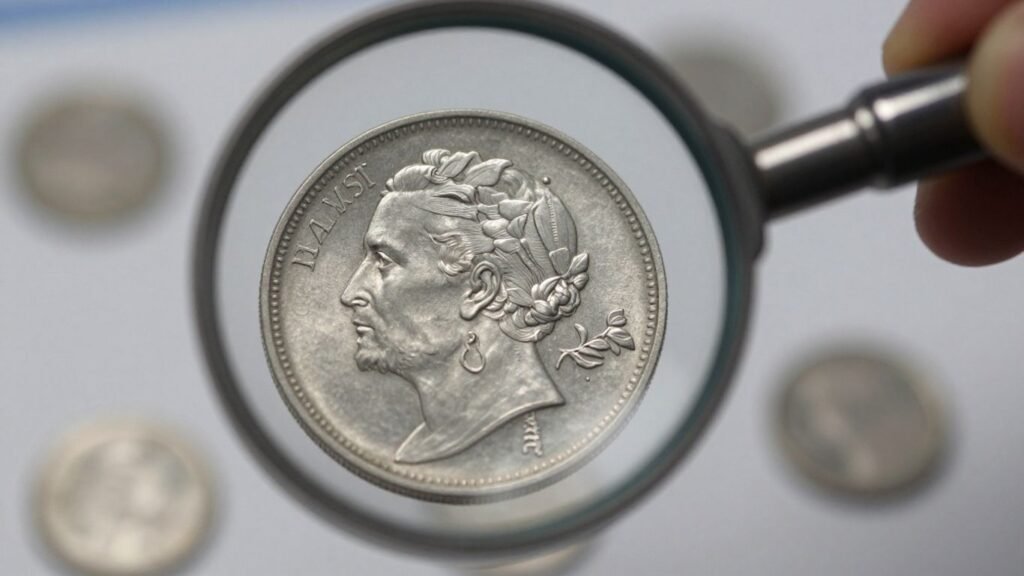
Sometimes, the most obvious clues are right in front of your eyes. Take a close look at your coin, maybe with a magnifying glass if you have one. Check the edges, especially around the rim. If you see a different colored metal peeking through, that’s a big red flag for plating. Real silver doesn’t typically flake off like that. Also, keep an eye out for any unusual discoloration. While silver can tarnish, a greenish or blackish hue in specific spots, especially where the metal might be worn down, can indicate a base metal reacting underneath. You can often spot small, detailed hallmarks and mintmarks with a good magnifier [edde].
The Sound Test for Distinctive Ring
This one is a bit more subjective but can be quite revealing. When you strike a genuine silver coin, it should produce a clear, ringing sound. It’s almost like a musical note. To do this, you can gently tap the coin with another silver coin or a hard, non-metallic object. If the coin makes a dull thud or a clunky sound, it’s probably not pure silver. This test works best when you have a known genuine silver coin to compare it against, so you can really hear the difference.
These at-home tests are fantastic for getting a preliminary assessment of your silver coins. They’re simple, require minimal equipment, and can quickly help you identify obvious fakes. However, for absolute certainty, especially with valuable items, professional testing is always the best route.
Advanced Techniques in Professional Silver Testing
So, you’ve done the basic tests at home, and maybe you’re still not 100% sure, or you’re dealing with a really high-value piece. That’s where the pros come in. They’ve got some pretty sophisticated tools and methods that go way beyond a magnet or an ice cube.
X-Ray Fluorescence (XRF) for Composition Analysis
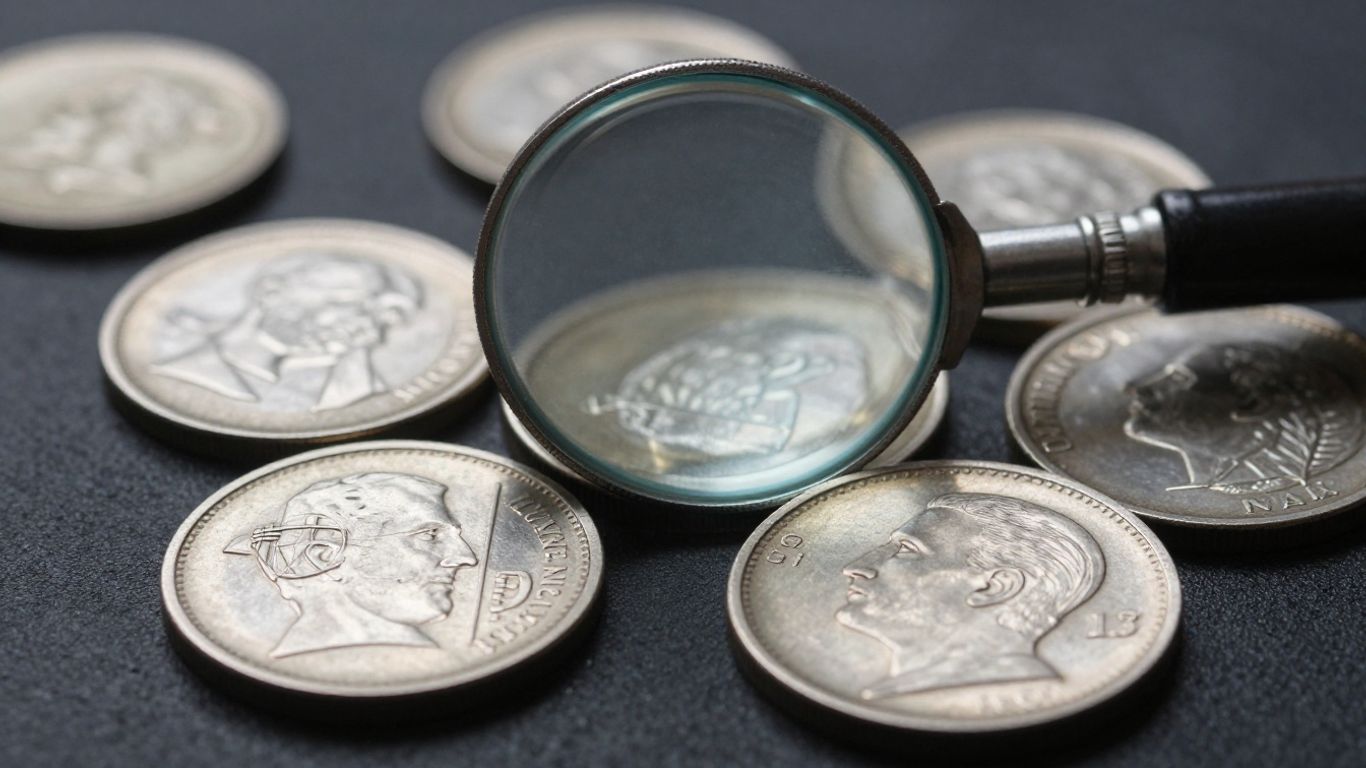
This is a big one for professionals. XRF testing is non-destructive, meaning it won’t damage the coin or item. It works by shooting X-rays at the silver and then measuring the fluorescent X-rays that bounce back. Different elements give off different X-ray signals, so the machine can tell you exactly what metals are in the item and in what percentages. It’s super precise for figuring out if it’s pure silver, sterling, or something else entirely.
Ultrasound Testing for Purity and Internal Flaws
Think of this like an ultrasound for your silver. It sends sound waves through the metal and measures how they travel and reflect. This can help determine the thickness of the silver, and more importantly, it can detect internal inconsistencies or impurities that you can’t see from the outside. It’s especially useful for spotting voids or layers that shouldn’t be there.
Metallurgical Analysis for Detailed Composition
This is probably the most in-depth method. Metallurgical analysis involves taking a tiny sample (sometimes microscopic) and examining its structure and composition under a microscope. It can reveal the exact alloy makeup, grain structure, and even heat treatment history of the metal. It’s the gold standard, so to speak, for really understanding what you’re dealing with, though it does require taking a small sample.
When you’re dealing with professional testing, the goal is accuracy and certainty. These methods are used because they provide data that’s hard to fake or misinterpret, giving peace of mind for collectors, investors, and dealers alike.
Here’s a quick rundown of what these tests can reveal:
- Exact Silver Percentage: Confirms if it meets standards like .999 fine or .925 sterling.
- Presence of Other Metals: Identifies alloys like copper, nickel, or zinc, which are common in fakes or lower-grade items.
- Layering or Plating: Can sometimes detect if a thin layer of silver is applied over a different base metal.
- Internal Structure: Reveals any hidden flaws, porosity, or inconsistencies within the metal itself.
Identifying Counterfeit Silver: Red Flags to Watch For
Spotting fake silver can feel like a treasure hunt, but with a few key things to look out for, you can avoid getting duped. It’s not always obvious, and sometimes fakes are pretty convincing, but there are definitely some tell-tale signs if you know where to look. Paying attention to the details is your best defense.
Weight and Size Discrepancies
Real silver has a certain heft to it. If a coin or bar feels lighter or heavier than it should, that’s a big clue. Even a small difference can mean it’s not pure silver. For example, a genuine U.S. dime minted before 1965 should weigh exactly 2.5 grams and measure 17.9mm across. If yours is off, it’s probably not the real deal.
Here’s a quick look at some common weights and sizes:
| Item Type | Expected Weight (grams) | Typical Diameter (mm) | Typical Thickness (mm) |
|---|---|---|---|
| Pre-1965 US Dime | 2.5 | 17.9 | 1.35 |
| Pre-1965 US Quarter | 6.25 | 24.3 | 1.75 |
| 1 oz Silver Bar | 31.1 | Varies | Varies |
Design Inconsistencies and Detail Deviations
Counterfeiters often struggle to perfectly replicate intricate designs. Look closely at the details. Are the letters sharp or a bit fuzzy? Is the relief (how raised the design is) as pronounced as it should be? Sometimes, you’ll see things that just look ‘off’ – maybe a historical figure’s face looks a bit cartoonish, or the fine lines in a pattern are missing or look like they were scratched on.
- Fuzzy or weak lettering: Edges of letters might not be crisp.
- Lack of fine detail: Think about tiny elements like hair strands, leaves on a plant, or the texture on a surface – these are often simplified or missing on fakes.
- Incorrect patterns or textures: The surface might look too smooth or have odd striations from the manufacturing process.
Signs of Flaking or Green Discoloration
Genuine silver doesn’t typically flake off, and while it can tarnish, it usually turns a dark gray or black, not green. If you see a silvery coating that looks like it’s peeling away, especially around the edges, it’s a strong sign that you’re looking at silver plating over a cheaper base metal. That green stuff? That’s often copper or another metal reacting with the air, showing through where the plating has worn thin. It’s a pretty clear indicator that the item isn’t solid silver.
Sometimes, the most obvious signs are the ones we overlook. A coin that feels too light, a design that looks blurry, or a strange color peeking through are all signals that something isn’t right. It’s like a puzzle, and each piece of information helps you see the bigger picture of authenticity.
The Role of Hallmarks in Silver Verification
When you’re looking at silver coins or other silver items, you’ll often see little stamps or marks on them. These are called hallmarks, and they’re actually pretty important for figuring out if something is the real deal.
Understanding Purity Stamps Like '925'
Think of hallmarks as a kind of quality control stamp. For silver, the most common one you’ll see is ‘925’. This isn’t just a random number; it means the item is made of sterling silver, which is 92.5% pure silver mixed with a small amount of other metals (usually copper) to make it stronger. It’s a standard that’s been around for ages. Other common stamps might indicate different levels of purity, like ‘999’ for fine silver, which is almost pure. These stamps are your first clue to the silver’s content.
Recognizing Marks on Silver-Plated Items
Now, not everything that looks like silver is solid silver. A lot of items are silver-plated, meaning they have a thin layer of real silver over a base metal. These items often have different kinds of marks. You might see things like ‘EPNS’ (Electroplated Nickel Silver) or ‘EPBM’ (Electroplated Britannia Metal). Sometimes, you might see ‘HGE’ (Heavy Gold Electroplate) or ‘RPL’ (Repoussé), which also point to plating. These marks tell you it’s not solid silver, even if it looks shiny.
Awareness of Potentially Fake Hallmarks
Here’s where things get a bit tricky. Because hallmarks are supposed to guarantee purity, some dishonest sellers might put fake ones on counterfeit items. It’s like putting a fake designer label on a knock-off bag. So, while a hallmark is a good sign, it’s not the only thing you should rely on. You need to look at the quality of the stamp itself. Does it look crisp and well-defined, or is it blurry and uneven? Sometimes, fake hallmarks are just poorly done. It’s also wise to compare the hallmark you see with known, genuine marks for that particular type of item or era.
- Check the clarity: Genuine hallmarks are usually sharp and clear.
- Look for consistency: Does the mark match other known examples?
- Consider the item’s age: Older items might have different styles of hallmarks.
- Be wary of unusual marks: If a mark seems odd or doesn’t make sense, investigate further.
Relying solely on hallmarks can be risky. They are a helpful indicator, but should always be considered alongside other verification methods, especially for valuable items. A professional opinion is often the safest bet when in doubt.
Distinguishing Between Silver and Silver-Plated Items
It’s pretty common to get confused between solid silver and silver-plated items, especially when you’re just starting out. They can look really similar at first glance, but there are some key differences to keep an eye out for. Knowing these can save you from overpaying or ending up with something that isn’t what you thought it was.
Examining Hallmarks for Purity Indicators
Hallmarks are like tiny signatures that tell you about the metal. On genuine silver, you’ll often see stamps like ‘925’ or ‘Sterling’. ‘925’ means it’s 92.5% pure silver, with the rest usually being copper to make it a bit tougher. ‘Sterling’ is basically the same thing. If you see marks like ‘EPNS’ (Electroplated Nickel Silver) or ‘EPBM’ (Electroplated Britannia Metal), that’s a pretty clear sign it’s plated. These marks indicate that a thin layer of silver has been applied over a base metal.
Signs of Wear on Plated Surfaces
This is where things can get obvious. Silver plating, no matter how well done, can wear down over time, especially on items that get handled a lot, like cutlery or jewelry. You might start to see the base metal peeking through, often looking like a different color, maybe brassy or grayish. This wear usually happens along edges, corners, or high-contact areas. Solid silver, on the other hand, will just get scratched or tarnished, but the metal underneath is still silver.
Color and Tone Differences
Genuine silver tends to have a specific kind of luster – it’s bright but not overly flashy. It also has a cooler tone compared to some other metals. Silver-plated items can sometimes look a bit too bright or have a slightly different hue, especially if the plating is thin or starting to wear. Over time, real silver develops a patina, a sort of dulling or darkening, which many people find attractive. Plated items might tarnish unevenly or show discoloration where the plating has worn off.
While visual cues and hallmarks are great starting points, they aren’t always foolproof. Some skilled counterfeiters can mimic hallmarks, and plating can be applied quite well. For absolute certainty, especially with valuable items, combining these observations with other tests like the magnet test or consulting a professional is always a good idea. Don’t rely on just one method.
Here’s a quick rundown:
- Solid Silver: Look for ‘925’, ‘Sterling’. Shows consistent color and luster. Wear reveals more silver. Develops a natural patina.
- Silver-Plated: Look for ‘EPNS’, ‘EPBM’, or no purity marks. Wear can reveal base metal (different color). May tarnish unevenly or show flaking.
- Base Metal: No silver content, just a coating. Wear is very obvious, showing the underlying metal. No silver-specific hallmarks.
It’s all about paying attention to the details. A little bit of detective work can go a long way in figuring out what you’ve really got.
Legal Frameworks Governing Silver Trade
Understanding Hallmarking Laws
Lots of countries have rules about marking silver. These aren’t just suggestions; they’re laws designed to stop people from getting ripped off. Basically, if something is sold as silver, it often has to have a stamp on it showing how pure it is. Think of stamps like ‘925’ for sterling silver. These laws help make sure you know what you’re actually buying. It’s a way for governments to say, ‘Hey, this is supposed to be silver, and here’s proof.’ Without these, it would be way easier for sellers to pass off cheaper metals as the real deal.
Navigating International Trade Regulations
When silver crosses borders, things get a bit more complicated. There are rules for trading silver internationally, especially for big amounts or valuable pieces. These regulations are there to keep things honest and prevent illegal stuff from happening. It means that if you’re buying or selling silver from another country, you might need to be aware of different import and export rules. It’s all about making sure the silver moving around the globe is legitimate and accounted for.
Consumer Rights in Silver Transactions
As a buyer, you’ve got rights. You’re entitled to know the real deal about the silver you’re purchasing – its purity, where it came from, and what it actually is. If a seller misrepresents silver, there are usually laws in place to protect you. Knowing these rights is pretty important. It means you can make smarter choices and aren’t left holding a fake when you thought you were getting the genuine article. It’s about having the information you need to make a sound purchase.
Here’s a quick rundown of what you can expect:
- Accurate Description: Sellers must describe silver items truthfully regarding their metal content.
- Right to Information: You should be able to ask questions about the silver’s origin and purity, and receive honest answers.
- Recourse for Deception: If you’re sold a fake and it was misrepresented, you generally have legal avenues to seek a refund or compensation.
Dealing with silver, whether you’re a collector, investor, or just buying a piece of jewelry, means you’re interacting with a market that has rules. These rules, from national hallmarking laws to international trade agreements and your basic consumer rights, are there to create a more trustworthy environment for everyone involved. Ignoring them can lead to unexpected problems and financial losses.
Practical Strategies for Consumers and Businesses
When you’re dealing with silver, whether you’re just starting out or you’ve been collecting for years, having a solid plan can save you a lot of headaches. It’s not just about knowing the tests; it’s about how you approach buying and selling in the first place. Being smart about where and how you acquire silver is your first and best defense against fakes.
Prioritizing Purchases from Reputable Dealers
This is probably the most straightforward advice, but it bears repeating. Stick to dealers you know and trust. Think about it: a dealer who has been around for a while, has good reviews, and a clear return policy is generally a safer bet than a random seller online or at a flea market. They have a reputation to uphold, and selling fakes would ruin that pretty quickly. For businesses, this means vetting your suppliers just as carefully. You don’t want your inventory to be compromised by counterfeit items.
The Value of Continuous Education on Silver
Don’t just rely on one test or one dealer. Keep learning. The world of precious metals is always changing, and so are the methods counterfeiters use. Read up on different types of silver coins and bars, understand common hallmarks, and stay aware of new testing techniques. The more you know, the better you’ll be at spotting something that just doesn’t feel right. It’s like anything else; the more you practice, the better you get.
When to Seek Professional Appraisal Services
Sometimes, you just can’t be sure, especially with high-value items or large collections. That’s when it’s time to call in the pros. A qualified appraiser has specialized equipment and the knowledge to give you a definitive answer. For businesses, this might be part of your quality control process. For consumers, it’s a worthwhile investment if you’re buying something significant or if you’ve inherited a collection and need to know its true worth. Don’t be afraid to ask for a second opinion if you’re still unsure.
Here’s a quick rundown of what to keep in mind:
- Know Your Source: Always buy from established dealers with good reputations.
- Stay Informed: Regularly update your knowledge about silver properties and testing methods.
- Trust Your Gut (and the Experts): If something seems off, investigate further. Don’t hesitate to get a professional opinion.
- Document Everything: Keep records of your purchases, including receipts and any certifications.
Dealing in silver requires a degree of caution and diligence. By combining knowledge, careful sourcing, and professional verification when needed, you can significantly reduce the risks associated with counterfeit items and build confidence in your transactions.
Future Innovations in Silver Coin Testing Methods
It feels like every day there’s some new tech popping up, and testing silver is no different. While the old-school methods still work, people are always looking for faster, more accurate ways to check if that coin or bar is the real deal. It’s all about staying ahead of the fakes, right?
Advancements in Spectrometry Techniques
Spectrometry is getting seriously good. Think of X-Ray Fluorescence (XRF) analyzers, which are already pretty standard for pros. They shoot X-rays at the metal and analyze the light that bounces back to tell you exactly what’s in it. The future here means these machines will likely get smaller, cheaper, and even more precise. We might see handheld devices that give you a full breakdown of silver purity and any other metals present in seconds. This could really change the game for small dealers and even collectors who want a quick, reliable check.
Development of Portable Testing Devices
This is the one I’m most excited about. Imagine a device you can carry in your pocket that can tell you if your silver is genuine. We’re talking about making sophisticated testing accessible to everyone. These portable gadgets could use a mix of technologies – maybe a bit of spectrometry, conductivity sensors, and even magnetic field detectors – all rolled into one easy-to-use unit. It would be a huge step up from just using a magnet or a scale, especially when dealing with items that have intricate designs or might be plated. It’s about democratizing the testing process, so you don’t have to be a professional to spot a fake. This could really help protect consumers from getting ripped off.
Blockchain for Authenticity Verification
This one sounds a bit sci-fi, but it makes sense. Blockchain technology, the same stuff behind cryptocurrencies, could be used to create a secure digital record for silver items. Each genuine piece could be assigned a unique digital ID, and its entire history – from minting to sale – could be recorded on the blockchain. This makes it incredibly difficult to counterfeit because you’d have to fake both the physical item and its digital history. It’s a way to add a layer of trust and traceability that’s hard to beat. Think of it like a digital passport for your silver, proving its origin and authenticity.
The drive for better testing methods is fueled by the constant battle against counterfeiters. As technology advances, so do the methods used to deceive. This ongoing innovation in testing is vital for maintaining trust and integrity within the precious metals market, protecting both investors and legitimate businesses alike.
The Economic Repercussions of Counterfeit Silver
It’s not just about owning a fake coin or piece of jewelry; the spread of counterfeit silver has some pretty serious ripple effects on the economy. Think about it – when fake stuff floods the market, it messes with the value of the real deal. This isn’t just a small problem; it can really shake things up for everyone involved.
Direct Consumer Financial Losses
The most obvious hit is to the folks who get duped. You think you’re buying a genuine silver item, maybe for investment or just because you like it, and you hand over good money. Then you find out it’s not real silver at all. That’s money straight out of your pocket, and the fake item is worth way less than you paid. It’s a tough pill to swallow, especially if you were counting on that item holding its value. For collectors, this can mean losing a significant chunk of their investment, impacting their ability to acquire more authentic coins.
Erosion of Market Confidence and Trust
When people start getting burned by fakes, they get wary. They start questioning whether anything they buy is genuine. This loss of trust is a big deal for the entire silver market. Legitimate dealers and artisans who have worked hard to build a reputation can suffer because buyers become hesitant. It makes the whole market feel less secure, and that can slow down sales for everyone, not just those dealing with potentially fake items.
Impact on Artisans and Manufacturers
People who make real silver items, whether they’re intricate jewelry or well-crafted coins, also feel the pinch. Cheaper fakes make it harder for them to compete. Their authentic, high-quality goods might get overlooked because a counterfeit looks similar enough at first glance but costs much less. This unfair competition can drive down prices and profits for honest businesses, and in the long run, it could even lead to a decline in the craftsmanship we see in the market.
Dealing with counterfeit silver isn’t just a matter of deception; it’s an economic drain. It directly harms consumers, undermines the integrity of the market, and puts legitimate businesses under pressure. Staying informed and vigilant is key to protecting yourself and supporting the genuine silver trade.
Here are some common signs that might indicate a silver item isn’t genuine:
- Weight Discrepancies: Real silver has a specific density. If an item feels too light or too heavy for its size, it’s a red flag.
- Magnetic Attraction: Pure silver is not magnetic. If a magnet sticks to your item, it’s likely made of a different, magnetic metal, possibly plated.
- Color and Tone: While silver can tarnish, look for unnatural colors or signs of plating wearing off, revealing a different metal underneath.
- Design Details: Counterfeits often lack the sharp, crisp details found on genuine coins or jewelry. Look for mushy or poorly defined elements.
These issues collectively create a less stable and less trustworthy environment for anyone involved in the silver trade, from individual collectors to large-scale manufacturers.
Wrapping It Up
So, we’ve gone over a bunch of ways to check if your silver is the real deal. From the simple magnet trick you can do at home to the fancy machines professionals use, there’s a lot to know. It’s pretty important to get this right, especially if you’re buying or selling. Knowing the difference between real silver and fakes helps you avoid getting ripped off and keeps the market honest. Keep learning, stay sharp, and don’t be afraid to ask for help if you’re unsure. The world of silver can be tricky, but with these tips, you’re much better equipped to handle it.
Frequently Asked Questions
How can I quickly check if my silver is real at home?
You can do a few simple tests right at home! Try the magnet test: real silver doesn’t stick to magnets. Also, place an ice cube on it; real silver’s great heat-conducting ability will make the ice melt super fast. Just looking closely for any weird colors or peeling can help too.
What are the common signs that silver might be fake?
Watch out if the item sticks to a magnet, has dull or unclear designs, shows spots of green color, or if the silver coating seems to be peeling off. Sometimes, fake silver makes a dull sound when tapped, unlike the clear ring real silver makes.
How do experts figure out if silver is genuine?
Professionals use fancy tools! They might use X-ray machines (XRF) to see exactly what metals are in the item without damaging it. Other methods involve using sound waves (ultrasound) or detailed lab tests to check the metal’s makeup and find any hidden flaws.
What do those little stamps, like '925', on silver mean?
Those stamps are called hallmarks, and they’re like a secret code for silver! A ‘925’ stamp means the item is made of 92.5% pure silver, which is called sterling silver. It’s a good sign that the silver is real, but always be a little careful, as some fakes try to copy these marks.
How can I tell the difference between real silver and just silver-plated stuff?
Real silver usually has a hallmark stamp like ‘925’. Silver-plated items might have different marks, like ‘EPNS’. Also, look for wear and tear – if you see a different colored metal showing through, especially on edges, it’s probably plated. Real silver has a consistent look and tone.
Why is it important to buy silver from trusted sellers?
Buying from a seller you trust is super important because they are less likely to sell you fakes. Reputable dealers want to keep their good name and will usually offer genuine silver. It saves you the headache and money of accidentally buying a fake.
What happens if fake silver gets into the market?
When fake silver appears, people lose money because they paid for real silver but got a fake. It also makes people nervous about buying silver in general, which can hurt honest sellers and the whole silver market. It’s like a bad apple spoiling the bunch.
Will technology make testing silver easier in the future?
Yes, definitely! Scientists are working on making testing machines smaller, cheaper, and easier to use, so even regular people could check their silver easily. They’re also looking into using things like special computer codes (blockchain) to prove silver is real and where it came from.