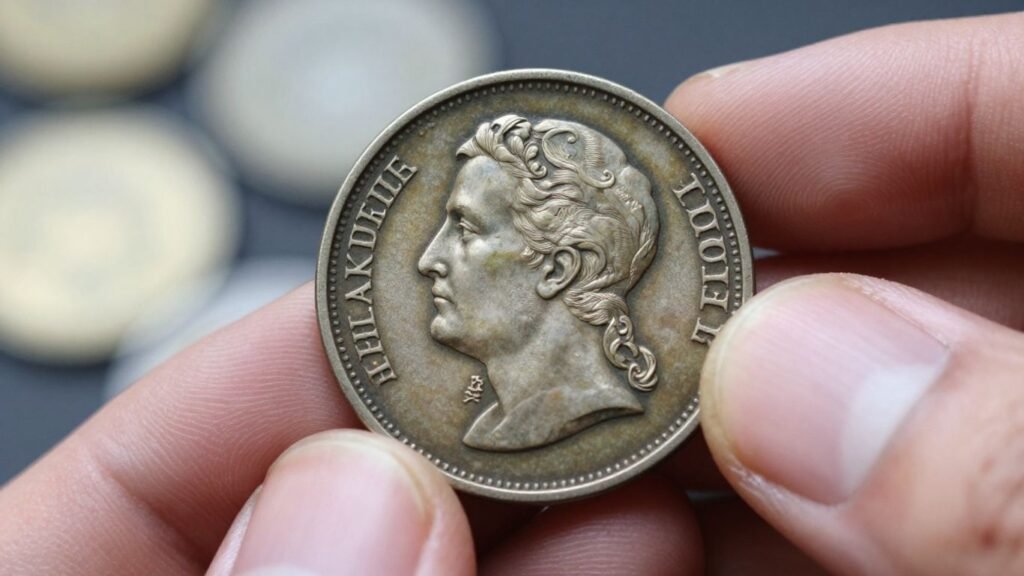
So, you’ve got a bunch of old coins lying around, maybe inherited them, or just collected them over the years. It’s easy to just shove them in a drawer, but what if they’re actually worth something? Or what if you just want to know what you have? That’s where coin cataloging in Austin, TX comes in. It’s basically like getting a detailed report card for your coins, telling you what they are, their condition, and what they might be worth. It sounds a bit formal, but it’s a pretty smart way to handle your collection, especially if you’re thinking about selling or just want to keep them safe.
Key Takeaways
- Getting your coins cataloged in Austin, TX means getting a full list of everything you own, with details on each piece.
- Professional cataloging helps you figure out what your coins are really worth on the market right now.
- Knowing exactly what you have makes it easier to keep your collection secure and handle things like insurance or dividing an estate.
- Experts can sort through all sorts of coins, from shiny bullion to really old, rare ones, and even foreign money.
- Using local Austin specialists means you get folks who know the community and can give you personal advice on your collection.
Comprehensive Coin Cataloging Austin TX Services
When it comes to your coin collection, knowing exactly what you have is the first step to protecting its value. Here in Austin, we provide detailed cataloging services designed to give you a clear picture of your numismatic assets. This process is more than just making a list; it’s about creating a reliable record that serves multiple purposes. Whether you’re a seasoned collector or just inherited a box of old coins, understanding your holdings is key.
Full Collection Inventories
We create thorough inventories that go beyond simple coin counts. Each coin is documented with its key characteristics, such as mint year, denomination, metal type, and any unique markings. This detailed approach helps in understanding the composition and potential value of your entire collection.
Here’s a look at what a typical inventory might include:
- Coin Identification: Full details like year, mint mark, and series.
- Condition Notes: A preliminary assessment of the coin’s state.
- Estimated Value: Based on current market data and coin specifics.
- Quantity: How many of each specific coin you possess.
Digital and Physical Record-keeping
We offer flexible record-keeping options to suit your needs. You can opt for a fully digital catalog, accessible from anywhere, or a traditional physical binder. Many clients find a hybrid approach works best, with digital records for easy searching and physical copies for secure storage.
- Digital: Secure cloud storage, searchable databases, and easy sharing capabilities.
- Physical: Professionally bound reports, organized by category or value.
- Hybrid: A combination of both for maximum utility and security.
Custom Catalog Solutions
Every collection is unique, and so are the needs of its owner. We work with you to tailor the cataloging process. Perhaps you want to focus on specific types of coins, track acquisition costs, or note provenance. We can adapt our services to meet these specific requirements, ensuring your catalog is exactly what you need. If you’re looking to sell rare coins or a coin collection, consulting an Austin Coin Advisor can help you get the most money for your valuable items.
Cataloging provides a clear roadmap for your collection’s past, present, and future. It’s the foundation upon which informed decisions about preservation, appraisal, and potential sales are made. Without it, you’re essentially guessing at the true worth and significance of your numismatic treasures.
Benefits of Professional Coin Cataloging in Austin
Having your coin collection properly cataloged in Austin offers a surprising number of advantages, going way beyond just knowing what you have. It’s about making sure your collection is understood, protected, and ready for whatever comes next.
Accurate Appraisal for Market Value
When you get your coins cataloged by professionals, you get a clear picture of what they’re actually worth on today’s market. This isn’t just a guess; it’s based on a deep look at the coin’s condition, its rarity, and current collector demand. For instance, a coin that looks okay to you might be a rare variety that experts can spot, significantly changing its value. This detailed assessment helps you understand the true financial potential of your holdings, whether you’re thinking about selling or just want to know the worth of your assets.
Enhanced Collection Security
A well-cataloged collection is a more secure collection. Knowing exactly what you own, down to the smallest detail, makes it much harder for items to go missing unnoticed. It also provides a solid foundation for implementing better storage and handling practices. Think of it like having a detailed manifest for a ship – you know every piece on board. This detailed record-keeping is a proactive step towards safeguarding your investment.
Documentation for Insurance and Estate Purposes
This is where cataloging really shines, especially when dealing with significant collections or planning for the future. Having a professional, itemized list of your coins is invaluable for insurance purposes. If the unthinkable happens, like a fire or theft, you’ll have the documentation needed to file a claim accurately. It also streamlines the process of estate planning and distribution. Proper documentation can make a huge difference in how smoothly your collection is handled by heirs or legal representatives, ensuring fair valuation and distribution. This is particularly important when considering how assets are passed on, as detailed records can support tax-efficient strategies for wealth transfer. You can find more information on how estate planning works with tangible assets here.
Here’s a quick look at why this documentation is so important:
- Insurance Claims: Provides proof of ownership and value for lost or damaged items.
- Estate Settlements: Simplifies the appraisal and division of assets among beneficiaries.
- Loan Collateral: Can be used to secure loans against your collection’s value.
- Future Sales: Offers a clear history and condition report for potential buyers.
Types of Coins We Catalog in Austin TX
Bullion and Precious Metals
Most collectors in Austin sooner or later bring in coins made mostly of precious metals like gold, silver, or platinum. These coins are traded based on their metal content rather than their rarity. Not only do we catalog official bullion pieces like American Eagles or Canadian Maple Leafs, but we also handle private mint rounds, bars, and older gold currency. Many folks appreciate bullion for its value as a safe asset, and keeping an organized record of these items makes selling, insuring, or appraising much less of a headache.
- Common types:
- Gold and silver bullion coins
- Platinum and palladium coins
- Gold Krugerrands, American Gold Eagles, Silver Maple Leafs
| Metal | Popular Issuers | Examples |
|---|---|---|
| Gold | US Mint, South Africa | Gold Eagle, Krugerrand |
| Silver | Canada, Australia | Maple Leaf, Koala |
| Platinum | US Mint, Royal Mint | Platinum Eagle, Britannia |
Numismatic and Rare Coins
If you’re more of a history buff or a serious coin fan, your collection probably includes key dates, mint errors, or sought-after rarities. We keep records of these high-interest pieces, noting details like condition, variety, and provenance. Cataloging helps keep track of what makes certain coins special, especially for market value.
- Numismatic coins include:
- Rare early US coins (like Morgan dollars, large cents)
- Error coins and proof issues
- Coins with famous stories attached
Having a detailed catalog of rare coins keeps the collection safe and makes estate or insurance documentation much smoother later.
Commemorative and Ancient Pieces
We also see a fair share of coins made to mark historic moments or honor famous people—sometimes they’re older than most currencies still in use. These might be modern issues from government mints or truly ancient coins dug up from the past. Cataloging commemoratives and ancients takes careful documentation, since identifying details and historical context really matter.
- Notable commemoratives:
- Common ancient coins:
Foreign and World Currency
Plenty of Austin collectors bring in coins, banknotes, and tokens from every continent. Whether you have a few old pesos from a family trip or a drawer full of European silver, we catalog:
- Circulated and uncirculated world coins
- Colonial or pre-modern foreign currencies
- Special banknotes with historic or collectible value
Every coin—no matter where it’s from—can find its proper spot in your collection records when you work with a professional cataloging service.
Expert Coin Grading and Authentication Processes
Sheldon Scale and Industry Standards
When we talk about grading coins, there’s a standard system most folks in the know use. It’s called the Sheldon Scale, and it runs from 1 to 70. A coin graded ‘1’ is pretty rough, barely recognizable, while a ’70’ is absolutely perfect, like it just came off the minting press yesterday. We look at things like the coin’s surface, how sharp the details are, and if there are any marks or wear. It’s not just about how old a coin is; its condition is a huge part of its story and its worth. For example, a common coin in a high grade can be worth way more than a rare coin in poor condition. We stick to these established grading practices to make sure everyone’s on the same page.
Condition and Rarity Evaluation
Figuring out what a coin is really worth involves looking at two main things: its condition and how rare it is. We examine each coin closely, noting any scratches, dents, or wear patterns. This detailed assessment helps us assign a grade on that Sheldon Scale we just talked about. But condition isn’t the whole picture. We also have to consider rarity. How many of these coins were made? How many still exist today, especially in good condition? Sometimes, a coin might be common, but if it’s in amazing shape, it can still be quite desirable. Conversely, a rare coin might not fetch as much if it’s heavily worn or damaged. It’s a balancing act, really.
Third-Party Certification Partners
Sometimes, getting a professional opinion from a well-respected third party is the best way to go. These organizations are like the official referees of the coin world. They have experienced graders who examine coins and then seal them in protective holders, called slabs, along with their grade and authenticity. This certification gives collectors and buyers a lot of confidence. It means the coin has been vetted by experts and its condition is officially recognized. For many collectors, especially those dealing with higher-value items, this kind of independent verification is a must-have. It’s a way to ensure you’re getting what you pay for and that the coin’s value is well-supported. We work with these trusted partners to provide that extra layer of assurance for your collection, making it easier to understand the true market value of your pieces. You can find more information about these services from organizations like PCGS and NGC.
Authenticating a coin involves more than just looking at it. It’s a process that combines historical knowledge, an understanding of minting techniques, and a keen eye for detail. We check for signs of counterfeiting, alterations, or damage that might not be obvious to the untrained eye. This careful examination is what gives a coin its verified status and helps determine its place in the market.
Why Choose Local Coin Cataloging Austin TX Specialists
When it comes to your coin collection, picking the right people to help catalog it really matters. You want folks who know Austin and understand coins, not just some faceless online service. That’s where local specialists shine.
Decades of Experience in Austin Community
We’ve been part of the Austin coin scene for a long time, seeing trends come and go and building relationships with collectors right here. This isn’t just a job for us; it’s a passion we’ve honed over years, working with countless collections from across the city and surrounding areas. We’ve seen it all, from common circulated coins to incredibly rare finds, and we bring that deep well of knowledge to every project.
Fair and Transparent Practices
Trust is a big deal, especially when you’re dealing with valuable items. We believe in being upfront about everything. You’ll always know what we’re doing, why we’re doing it, and what the costs are. No hidden fees, no surprises. Our goal is to make the cataloging process as clear and straightforward as possible for you.
Personalized Consultations and Advice
Every coin collection is unique, just like its owner. We don’t do one-size-fits-all. We take the time to sit down with you, listen to your needs, and tailor our cataloging services to fit your specific collection and goals. Whether you’re looking to sell, insure, or just organize your treasures, we provide advice that’s specific to your situation and the Austin market.
Here’s a quick look at what makes our local approach different:
- Deep Local Market Knowledge: We understand the Austin collector base and what drives demand here.
- Personalized Attention: You’re not just another number; you’re a valued member of our community.
- Direct Communication: Speak directly with experienced catalogers who know your collection.
- Community Roots: We’re invested in Austin and committed to serving our neighbors.
Choosing local means you’re working with people who are invested in your success and the preservation of numismatic history within our own community. It’s about building a relationship based on shared interest and reliable service.
Estate and Inheritance Coin Collection Services
When a loved one passes away, dealing with their coin collection can feel overwhelming. It’s not just about the money; these coins often hold sentimental value and a history of their own. Our goal is to make this process as smooth as possible for you and your family.
Cataloging for Heirloom Valuation
We understand that a coin collection passed down through generations is more than just an asset. It’s a legacy. Our cataloging process focuses on identifying each piece, noting its condition, and researching its historical context. This detailed record helps establish the collection’s value, not just in dollars, but also in terms of its significance as an heirloom. We meticulously document:
- Coin Type and Origin: Identifying the specific mint, year, and country of origin.
- Condition and Grade: Assessing the coin’s preservation using industry standards.
- Rarity and Historical Notes: Researching any unique characteristics or historical associations.
- Metal Content: Determining the precious metal value, if applicable.
Streamlining Estate Appraisals
Appraising an entire coin collection can be a complex and time-consuming task, especially when you’re already managing other estate matters. We simplify this by providing a clear, organized inventory. This systematic approach allows for a more accurate and efficient appraisal, giving you a solid understanding of the collection’s worth. We can help by:
- Creating a digital or physical inventory list.
- Providing estimated market values for each item.
- Working with estate executors and legal representatives to provide necessary documentation.
Maximizing Inherited Collection Value
Our aim is to help you get the most out of the collection you’ve inherited. By accurately cataloging and appraising each coin, we uncover its true market potential. Whether the collection consists of precious metal bullion, rare numismatic pieces, or historical foreign currency, our knowledge of the Austin market ensures you receive fair and competitive offers. We can advise on the best strategies for selling, whether it’s a single valuable coin or the entire collection, helping you convert this legacy into tangible financial benefit.
Handling an inherited coin collection requires a delicate balance of respect for its history and a practical approach to its current value. Our services are designed to honor both aspects, providing clarity and support during a significant life transition.
Preparing Your Collection for Cataloging
Before we can get your coins properly cataloged, a little bit of prep work on your end can make a big difference. It’s not about being a coin expert yourself, but more about making sure we have a good starting point. Think of it like tidying up your garage before a big clean-out – it just makes the whole process smoother.
Safe Handling and Storage Tips
When you’re getting your coins ready, remember they’re delicate. The oils and dirt from your hands can actually damage them over time, especially older coins. It’s best to handle them by the edges, or even better, use cotton gloves if you have them. If you don’t have gloves, just be super careful about where you touch the coin.
- Use cotton gloves: This is the gold standard for preventing fingerprints and oils from transferring to the coin’s surface.
- Handle by the edges: If gloves aren’t an option, always hold coins by their rims. Avoid touching the faces or fields of the coin.
- Store in protective holders: If your coins are already in individual plastic flips, cardboard holders, or slabs, leave them there. These provide a good layer of protection.
- Avoid PVC: Make sure any storage materials you’re using don’t contain PVC (polyvinyl chloride). Over time, PVC can break down and damage coins, leaving a green residue.
Organizing Coins for Assessment
Having your coins somewhat organized before you bring them in helps us work more efficiently. You don’t need to sort them by date or mint mark unless you’ve already done that. Just having them grouped in a way that makes sense to you is a great start. Maybe you have a box of silver dollars, a pouch of foreign coins, and a few special pieces you keep separate. That’s perfect.
Here’s a simple way to think about organizing:
- Group by type: If you have a lot of similar coins (like all your US silver dollars, or all your foreign currency), keep those together.
- Separate by material: It can be helpful to group precious metal coins (gold, silver) separately from other types.
- Keep special items aside: If there are coins you know are particularly rare or have a special story, it’s good to have them easily accessible.
Identifying Valuable and Unique Items
While we’re the experts at spotting value, it’s always interesting to see if you’ve already identified any coins that stand out to you. Maybe it’s a coin with a really unusual error, a very old date, or one that belonged to a family member with a story. Don’t worry if you’re not sure; that’s what we’re here for. Just bringing your collection as-is allows us to do our job.
Sometimes, the most overlooked items can hold surprising value. It’s not always the shinest or the oldest coin that commands the highest price. Our process involves looking at a combination of factors, including rarity, condition, historical context, and current market demand. So, even if a coin doesn’t look like much to the untrained eye, it might be exactly what a collector is searching for.
By taking these simple steps, you help us get a clearer picture of your collection right from the start, leading to a more accurate and efficient cataloging process.
Understanding Coin Market Trends in Austin
Keeping up with what’s happening in the coin market here in Austin can feel like a full-time job, but it’s pretty important if you want to know what your collection is really worth. It’s not just about how old a coin is or if it’s made of gold. Lots of things play a part.
Local Collector Demands
What people in Austin are actively looking for can really move prices. Sometimes, there’s a big interest in a specific type of coin, maybe something tied to Texas history or a particular minting year that’s popular with local collectors. When demand goes up, so does the price. It’s basic supply and demand, really.
Historical Appreciation of Specific Coins
Some coins just tend to go up in value over time, regardless of what’s trending right now. Think about coins that are rare, have a unique story, or are made from precious metals. These often hold their value and can even increase significantly, especially if they’re in good condition. It’s like they become more desirable the older they get.
Impact of Economic Factors on Value
Economic conditions, both locally and globally, can really shake things up. When the economy is shaky, people often turn to tangible assets like gold and silver coins as a safer place to put their money. This can drive up the prices of bullion coins. On the other hand, if people have more disposable income, they might spend more on rare collectibles, boosting those markets.
Here’s a quick look at how different factors can influence coin value:
- Rarity: Fewer coins available means higher prices.
- Condition: A coin in mint condition is worth much more than a worn one.
- Metal Content: Gold and silver prices directly affect bullion coin values.
- Historical Significance: Coins tied to important events or people often fetch higher prices.
- Collector Demand: What local and national collectors want right now matters.
Understanding these market dynamics is key. It helps you make smarter decisions about when to buy, when to sell, and what to focus on for your collection. It’s not just about owning coins; it’s about understanding their place in the market.
For example, a coin that was common a decade ago might be quite sought after today if a new generation of collectors discovers it or if its historical context becomes more relevant. It’s a constantly changing picture, and staying informed is your best bet.
Integration with Coin Buying and Selling in Austin
When it comes time to part with some of your collection, or even just to get a sense of what things are worth on the open market, knowing how to connect with buyers in Austin is key. Our cataloging services act as a bridge, making the process of selling or trading your coins much smoother.
Catalog-Assisted Sales Transactions
Having a detailed catalog of your coins means you’re not just guessing at what you have. Each coin is documented with its specifics – condition, rarity, metal content, and any unique features. This information is gold when you’re talking to potential buyers. Instead of a vague "I have some old silver dollars," you can present a clear list: "I have three Morgan Silver Dollars, dated 1889-O, 1904, and 1921-S, all graded as XF-45, with the 1889-O showing some cartwheel luster." This level of detail helps buyers understand exactly what they’re looking at, leading to more serious offers and fewer lowball attempts. It transforms a potentially confusing negotiation into a straightforward transaction based on facts.
Facilitating Peer-to-Peer Trades
For collectors who enjoy swapping pieces with others, a catalog is invaluable. It provides a clear record of what you own and what you might be looking for. You can easily share sections of your catalog with fellow collectors to see if there’s a mutual interest in trading. This avoids misunderstandings about a coin’s condition or authenticity, making trades more equitable and satisfying for everyone involved. It’s like having a personal inventory that you can confidently present to anyone in the Austin coin community.
Transparent Offerings Based on Detailed Records
When you bring your cataloged collection to a dealer or a buying event, they can see you’ve done your homework. This often leads to more respectful and serious discussions about pricing. Our cataloging process includes notes on market trends and recent sales data where applicable, giving you a solid foundation for understanding the offers you receive. It helps ensure that the prices offered reflect the actual market value, rather than just a quick, on-the-spot guess. This transparency builds trust and makes the selling experience much more positive.
Here’s a quick look at how cataloging helps during a sale:
- Know Your Inventory: A clear list of every coin, its date, mint mark, and condition.
- Justify Your Price: Detailed notes on rarity and grading support your asking price or negotiation stance.
- Attract Serious Buyers: Professional documentation signals that you’re a serious seller with a well-maintained collection.
- Streamline the Process: Buyers can quickly assess your collection, speeding up the evaluation and offer stage.
When you’re ready to sell, having a professionally cataloged collection in Austin means you’re presenting your coins in the best possible light. It’s not just about listing what you have; it’s about showcasing the quality and history of each piece, which directly impacts how buyers perceive its worth and how much they’re willing to pay. This preparation is a game-changer for getting fair value.
Coin Cataloging for Insurance and Documentation
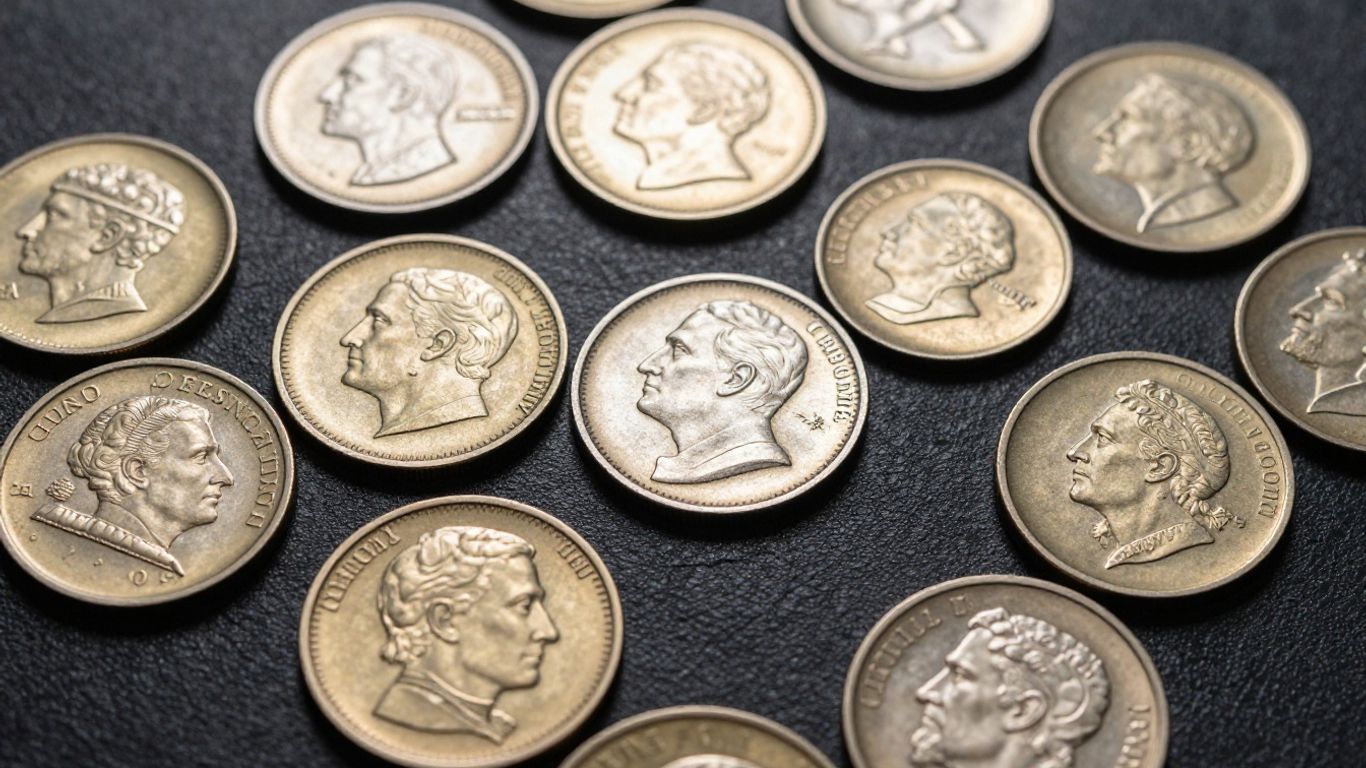
Having a detailed record of your coin collection is super important, especially when it comes to insurance and making sure everything is properly documented. It’s not just about knowing what you have; it’s about having proof. This helps immensely if you ever need to file a claim or just want to keep track of your assets for future planning. A well-cataloged collection provides peace of mind and tangible proof of ownership.
Creating Detailed Inventory Reports
When we catalog your coins, we create thorough reports that go beyond just listing what you own. We document key details for each piece, making it easy to understand its significance and value. This includes:
- Coin Identification: Full details like the mint, date, denomination, and any specific varieties.
- Condition Assessment: A clear description of the coin’s state, often referencing industry standards.
- Estimated Value: Based on current market data and the coin’s specifics.
- Photographic Evidence: High-quality images of each coin, front and back.
This level of detail is what makes the reports so useful for insurance purposes. It’s like having a professional appraisal report for every single item in your collection. You can find services in Austin that specialize in this kind of detailed work, like Austin Coins and Jewelry.
Supporting Insurance Claims
If the unthinkable happens – like a fire, flood, or theft – having a detailed inventory report is a lifesaver. Instead of trying to recall every coin you owned from memory, you have a professional document that insurers can use. This makes the claims process much smoother and helps ensure you get fair compensation for your lost items. It’s much easier to prove what was lost when you have a comprehensive list with descriptions and photos.
Providing Proof for Loss or Theft
Beyond insurance claims, these detailed records serve as solid proof of ownership. If a coin is stolen and later recovered, your catalog can help establish that it belongs to you. It also helps in cases of inheritance or estate settlement, providing clear documentation for heirs. This systematic approach removes a lot of guesswork and potential disputes down the line.
Proper documentation isn’t just a formality; it’s a practical necessity for protecting your investment. It transforms a collection from a personal passion into a well-defined asset, ready to be accounted for when needed.
Advanced Technology in Coin Cataloging Austin TX
Digital Imaging and Database Systems
Keeping track of your coin collection has gotten a lot easier with modern tech. We use high-resolution digital cameras to capture detailed images of each coin. These aren’t just pretty pictures; they show every scratch, mint mark, and bit of wear. All this information goes into a secure database. This means we have a precise record of what you own, which is super helpful for insurance or if you ever decide to sell some pieces. It’s like having a digital twin of your entire collection.
QR-Coded Inventory Tags
To make things even more organized, we can assign unique QR codes to each coin or group of coins. You can scan these codes with your smartphone to instantly pull up all the cataloged details for that specific item. This makes managing your collection on the go a breeze. Imagine quickly checking the details of a coin at a show or when discussing it with another collector. It’s a simple but effective way to keep everything accessible.
Remote Access and Backup Solutions
Your collection’s data isn’t just stored locally. We utilize cloud-based systems to back up all cataloging information. This provides peace of mind, knowing that your records are safe from local disasters like fires or floods. Plus, with your permission, you can often access your catalog remotely, allowing you to view your collection’s details from anywhere. This level of data security and accessibility is a big step up from old-fashioned paper ledgers. It’s a smart way to protect your investment and stay informed about your collection’s status, whether you’re at home or planning a trip to see some of the latest gaming innovations from places like AGS.
The integration of technology into coin cataloging means that even the most complex collections can be managed with surprising ease. Detailed digital records provide a level of clarity and security that was previously unimaginable, transforming how collectors interact with and protect their assets.
Client Experiences with Austin Coin Cataloging Experts
Testimonials from Local Collectors
It’s always good to hear from folks who’ve actually used these services. We talked to a few people around Austin who’ve had their coin collections cataloged, and here’s what they had to say.
- Sarah K.: "I inherited my grandfather’s coin collection and had no idea what I had. The team here took the time to go through everything, explain what was rare, what was common, and gave me a clear list. It made deciding what to do next so much easier."
- Mark T.: "I’ve been collecting for years, but my system was a mess. They helped me digitize my entire inventory. Now I can see what I have, where it is, and its approximate value at a glance. It’s a game-changer for managing my collection."
- Emily R.: "When I needed to get my coins appraised for insurance, I was worried about the process. They were professional, thorough, and provided a detailed report that my insurance company accepted without any issues. I felt confident knowing my collection was properly documented."
Case Studies of Preserved Collections
Sometimes, seeing how a service has helped others in specific situations really drives the point home. We’ve seen a few examples right here in Austin that show the real impact of good cataloging.
One local family had a collection that had been passed down for generations. It was stored in various boxes and albums, with little to no organization. After a professional cataloging session, they discovered several high-value pieces they weren’t aware of. This detailed record allowed them to properly insure the collection and also provided a clear basis for dividing it among heirs, preventing potential disputes.
Another instance involved a collector who needed to liquidate a portion of their holdings due to a change in financial circumstances. The detailed catalog they had previously created, complete with condition notes and estimated values, allowed them to approach potential buyers with confidence. They were able to secure fair prices quickly because the documentation was so clear and professional.
Ongoing Support and Consultation Stories
It’s not just about the initial cataloging, either. Many collectors in Austin find ongoing value in the relationship they build with these experts.
We heard from David L., who uses a local cataloging service for regular updates. "Every time I acquire a new piece, or if I hear about a shift in the market for a certain type of coin, I can call them. They’ll update my records and give me their thoughts on how it fits into the bigger picture. It’s like having a knowledgeable advisor on call."
This kind of continuous support helps collectors stay informed and make smart decisions over the long term, ensuring their collection not only stays organized but also keeps pace with market changes.
Working with local coin cataloging specialists means you’re not just getting a service; you’re building a relationship with people who understand the Austin market and your specific needs as a collector. They are there to help you protect and understand your investment, whether it’s a few inherited pieces or a vast numismatic library.
Ready to Get Started?
So, if you’ve got a pile of old coins gathering dust or you’re looking to turn your collection into something more, don’t just let them sit there. Getting them looked at by the right people in Austin can make a big difference. Whether it’s for a bit of extra cash, to understand their history, or just to see what they’re really worth, there are local experts ready to help. It’s a good way to make sure your coins are properly valued and maybe even find them a new home where they’ll be appreciated. Give it a shot and see what you discover.
Frequently Asked Questions
What exactly is coin cataloging?
Coin cataloging is like making a detailed list of all your coins. It includes things like what the coin is made of, when it was made, how rare it is, and what condition it’s in. Think of it as creating a special ID card for each coin in your collection.
Why should I catalog my coin collection?
Cataloging helps you know exactly what you own. It’s super useful for figuring out how much your coins are worth, keeping them safe, and having proof of ownership for things like insurance or if you ever need to pass them down to someone else.
Do you catalog all types of coins?
Yes, we do! We can catalog all sorts of coins, from shiny gold and silver coins to old, rare ones with lots of history. We also handle coins from different countries and special commemorative coins.
How do you know if a coin is valuable?
We look at a few things to figure out a coin’s value. This includes how well it’s preserved (its condition), how many of them were made (rarity), and what people are willing to pay for them right now. We also check if they’re real.
What's the difference between cataloging and grading?
Cataloging is making a full list and description of your coins. Grading is more about checking the coin’s condition and assigning it a number or grade based on how good it looks. Both are important for understanding your collection’s worth.
Can you help if I inherited a coin collection?
Absolutely! If you’ve inherited coins, we can help you catalog them so you know what you have and what it’s worth. This makes it much easier to manage or sell the collection.
Do I need to do anything before bringing my coins in?
It helps if you have a general idea of what you have, but it’s not required. Just make sure your coins are stored safely. We’ll handle the detailed examination and cataloging process from there.
How long does it take to catalog a collection?
The time it takes really depends on how many coins you have and how complex they are. We work efficiently, but for larger collections, it might take a bit longer. We’ll give you an estimate when you come in.