Have you ever looked at an old coin and wondered if it’s worth more than just its face value? Maybe you found something in a grandparent’s attic or just picked up a coin that looked interesting. Austin, TX, has a vibrant community of coin experts who can help you figure out what you’ve got. This article is all about finding those experts and understanding the world of coin identification in Austin, TX.
Key Takeaways
- Getting your coins looked at by professionals in Austin, TX, helps you understand their real worth.
- Expert appraisals can uncover rare and valuable coins you might not have noticed.
- Selling your collection in Austin means getting fair prices and fast payment.
- Knowing about coin condition and rarity helps when you decide to sell.
- Austin has local coin groups and dealers who know the Texas coin market well.
Expert Coin Identification Austin TX Services
Understanding Your Coin's True Value
Got a coin lying around and wondering what it’s worth? It’s not always obvious. That old quarter might be just a quarter, or it could be a rare find worth a good bit more. Figuring out a coin’s real value takes a trained eye and some specific knowledge. Many things play a part, like how many were made, if it’s in good shape, and if anyone actually wants to collect it right now. We help you sort through all that.
Professional Coin Appraisals in Austin
Getting a professional appraisal is the best way to know for sure. In Austin, there are folks who specialize in this. They look at your coins closely, considering all the factors that make them valuable. This isn’t just about spotting a shiny piece of metal; it’s about understanding its history and its place in the collecting world.
Here’s what goes into an appraisal:
- Rarity: How many of these coins were originally produced, and how many still exist today?
- Condition: Is the coin worn down, or does it look almost new? Even small details matter.
- Demand: Are collectors actively looking for this type of coin right now?
- Metal Content: For gold and silver coins, the precious metal itself has a base value.
Identifying Rare and Collectible Coins
Sometimes, a coin looks ordinary but is actually quite rare. This could be due to a minting error, a limited production run, or historical significance. Professional appraisers know where to look for these special characteristics. They can spot the subtle differences that turn a common coin into a treasure.
The world of coin collecting, or numismatics, is vast. What seems like a simple piece of currency can hold layers of history, economic context, and artistic merit, all contributing to its desirability and monetary worth among enthusiasts and investors alike. Understanding these elements is key to accurately assessing any coin’s potential value beyond its face or metal worth.
Austin's Premier Coin Buyers
When it’s time to turn your coin collection into cash, finding the right buyer in Austin is key. You want someone who knows their stuff, offers a fair price, and makes the whole process smooth. It’s not just about selling coins; it’s about getting the best value for your treasures.
Several places in Austin specialize in buying coins, from individual pieces to entire collections. They understand that each coin has a story and a unique worth, whether it’s a common silver dollar or a rare piece of Texas history. These buyers often focus on specific types of coins, like gold and silver bullion, or delve into the more intricate world of collectible U.S. coins and paper money.
Selling Your Coin Collection in Austin
Selling a coin collection can feel a bit overwhelming, especially if you’ve inherited it or just accumulated items over the years without much knowledge. The good news is that Austin has dealers who make this process straightforward. They’re equipped to handle everything from a few old quarters to a massive hoard of Morgan dollars.
Here’s what you can generally expect when you decide to sell your collection:
- Initial Contact & Appraisal: Most reputable dealers will ask you to schedule an appointment. This allows them to give you their undivided attention and properly assess your coins. Some may even offer a preliminary appraisal based on photos you send.
- Evaluation: During the appraisal, they’ll look at several factors. This includes the metal content (like gold or silver), the coin’s condition (any scratches, wear, or damage), its rarity, and current market demand. For U.S. coins, they’ll consider the mint mark and year.
- Offer and Payment: Once they’ve evaluated your collection, they’ll present you with a cash offer. Good dealers are transparent about how they arrived at that price. If you accept, payment is usually immediate, often in cash, but sometimes via other methods like Zelle or bank transfer.
It’s important to work with buyers who are upfront about their pricing and the factors influencing it. A good dealer will explain why a coin is worth what they’re offering, helping you understand its true market value.
Competitive Offers for Your Coins
Getting a competitive offer means dealing with buyers who are knowledgeable about the current market. They know the difference between a coin’s melt value (just the precious metal content) and its collector value (based on rarity, condition, and demand). This is where working with specialists really pays off. They can spot those rare gems that might be overlooked by a general pawn shop.
Factors influencing offers include:
- Metal Content: The spot price of gold and silver is a baseline, especially for bullion coins like American Eagles. You can find a wide selection of these at places like LCR Coin.
- Rarity and Mint Mark: A coin from a low-mintage year or a specific mint can be worth significantly more than a common date.
- Condition (Grading): Coins in mint condition, or those professionally graded by services like PCGS or NGC, typically command higher prices.
- Market Demand: What collectors are actively seeking at any given time plays a big role.
Fast and Secure Payment Options
Once you agree on a price, you want your payment quickly and securely. Most reputable coin buyers in Austin offer same-day payment. They understand that you’re looking to liquidate your assets efficiently. Common payment methods include:
- Cash
- Check
- Electronic transfers (like Zelle or Venmo)
- Bank wire transfers
The key is to find a buyer who prioritizes a secure and transparent transaction from start to finish. This builds trust and ensures you feel confident about the deal.
Specialized Coin Appraisal Services
Appraising U.S. Coins in Austin
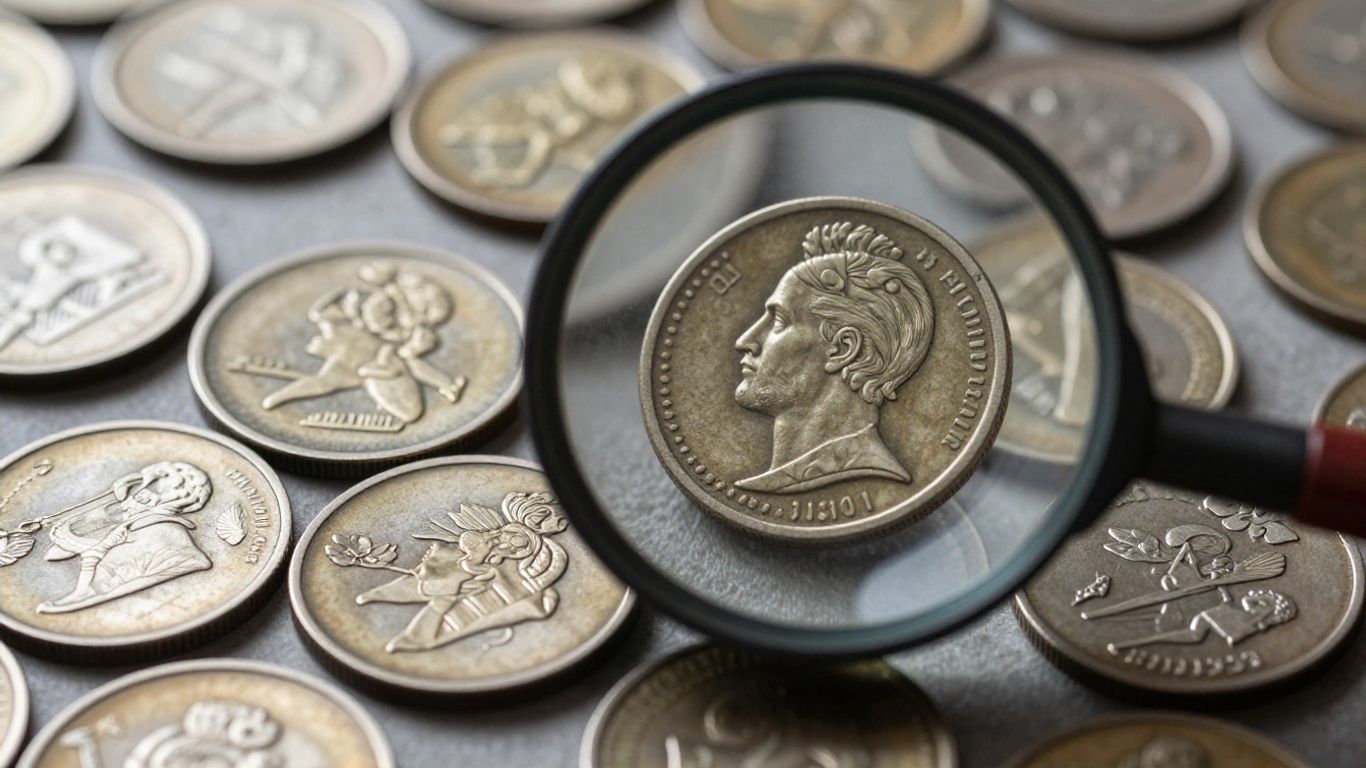
When it comes to U.S. coins, there’s a whole world of history and value packed into those small metal discs. From the classic Morgan silver dollars that many collectors adore to the iconic Walking Liberty half dollars, each series has its own story and market. Getting a professional appraisal for your U.S. coins in Austin means understanding not just the silver or gold content, but also the coin’s condition, its rarity, and how much demand there is for it right now. This detailed assessment is key to knowing what your collection is truly worth. We look at everything from mint marks to wear patterns to give you a clear picture.
Valuing Gold and Silver Coins
Gold and silver coins are a bit different because they have both an intrinsic value based on the metal they contain and a numismatic value that comes from their collectibility. For example, an American Gold Eagle or a Canadian Silver Maple Leaf is often valued based on the current market price of gold or silver. However, if that coin is rare, in perfect condition, or has a significant historical connection, its numismatic value could be much higher than just the metal’s worth. We help you figure out that balance.
Here’s a quick look at factors influencing gold and silver coin value:
- Metal Content: The weight and purity of the gold or silver.
- Rarity: How many of these specific coins were originally minted and how many still exist.
- Condition: The coin’s state of preservation, from pristine to heavily worn.
- Market Demand: How many collectors or investors are currently looking to buy.
Identifying Historical Texas Currency
Texas has a unique history, and that extends to its currency. Before Texas was fully integrated into the U.S. system, and even during certain periods after, there were unique forms of money circulating. This includes things like Confederate currency issued during the Civil War, or specific Texas notes. These items can be fascinating to collectors interested in local history. Identifying these requires a specific kind of knowledge, looking at the printing, the signatures, and the historical context to determine authenticity and value. It’s not just about the paper; it’s about the history it represents.
Understanding the specific historical context and the issuer of any Texas-related currency is vital. This helps in determining its authenticity and its appeal to collectors who specialize in regional numismatics.
Navigating the Coin Market in Austin
Understanding Coin Rarity and Demand
So, you’ve got some coins and you’re wondering what they’re really worth. It’s not just about the metal they’re made of, though that’s a big part of it. The real magic happens when you look at how rare a coin is and how many people actually want it. Think about it: a coin that’s super common won’t fetch as much as one that only a handful of people have. Demand plays a huge role. If a particular coin is suddenly popular with collectors or investors, its price can shoot up, even if there are a decent number of them out there. It’s a bit like the stock market, but with shiny metal discs. The interplay between scarcity and desire is what truly drives coin values.
Factors Determining Coin Value
When you’re trying to figure out what your coins are worth, several things come into play. First off, there’s the metal content. If your coin is made of gold or silver, that’s a solid baseline value right there, and it changes daily with the market. Then there’s the condition of the coin. Is it scratched up? Worn smooth? Or does it look like it just came from the mint? The better the condition, the higher the price. Finally, you have to consider the coin’s specific details: its year, where it was made (the mint mark), and how many were produced. All these details can make a coin more or less desirable to collectors.
Here’s a quick rundown of what appraisers look at:
- Metal Content: The type and weight of precious metal (gold, silver, platinum).
- Condition: How well-preserved the coin is, with minimal wear and tear.
- Rarity: How many of this specific coin were originally minted and how many still exist.
- Demand: How sought-after the coin is by collectors and investors right now.
- Historical Significance: Some coins have value beyond their material due to their place in history.
The Importance of Coin Condition
Let’s be honest, nobody wants a beat-up old penny if they can get a shiny new one, right? The same goes for collectible coins. The condition, or ‘grade,’ of a coin is super important. A coin that’s been handled a lot, maybe tossed around in a pocket or purse, will be worth less than one that’s been carefully stored. Even tiny scratches or nicks can make a big difference. This is why professional coin dealers in Austin pay close attention to the wear and tear on your coins. They use specific grading scales to assess this, and a higher grade means a higher potential payout. It’s why people are interested in things like Texas’s growing digital asset landscape, as it represents a new frontier for value Texas digital assets.
When you’re looking to sell your coins, remember that condition is king. A coin that looks like it just came out of the mint will always be more appealing than one that’s seen better days. Even minor imperfections can significantly impact its market price, so it’s worth getting an expert opinion to see just how well your coins have held up over time.
Trusted Coin Dealers in the Austin Area
Finding the right person to help you with your coins can feel like a treasure hunt itself. You want someone who knows their stuff, treats you fairly, and makes the whole process straightforward. In Austin, TX, several reputable coin dealers stand out for their knowledge and honest dealings. These professionals understand the local market and have a deep appreciation for numismatics, whether you’re looking to sell a few pieces or an entire collection.
Why Choose Experienced Numismatists
When you’re dealing with potentially valuable items, going with someone who has years of experience in the coin world makes a big difference. Experienced numismatists have seen it all – from common circulated coins to incredibly rare finds. They know how to spot authenticity, grade coins accurately, and understand the subtle factors that affect value. This knowledge means you’re more likely to get a fair assessment and a competitive offer. They can also help you understand the story behind your coins, which is often as interesting as their monetary worth.
Building Trust with Coin Collectors
Trust isn’t built overnight, especially when it comes to selling something you’ve held onto, perhaps for years. Reputable dealers in Austin prioritize transparency. This means explaining their appraisal process, showing you how they arrive at a price, and being upfront about any fees. They aim to build long-term relationships, not just make a quick sale. Many collectors appreciate dealers who are patient, willing to answer all questions, and provide a comfortable environment for discussing your collection. For those new to coin collecting or selling, this approach is particularly important. You can often find reviews or testimonials that speak to a dealer’s integrity and customer service, like those found at Austin Coins and Jewelry.
Local Expertise for Your Coin Needs
Local dealers bring a unique advantage: they understand the Austin and Texas market specifically. This can be important for items with regional significance, like historical Texas currency or tokens from local industries. They are often connected to a network of other collectors and dealers, which can help them accurately price and find buyers for even the most specialized items. Their familiarity with the local community also means they are accessible for in-person consultations, making the process feel more personal and secure. They can offer insights into what’s currently in demand among collectors in the area, helping you get the best possible outcome for your coins.
Selling Inherited Coin Collections
Finding out what to do with a coin collection that’s been passed down can feel a bit overwhelming, especially if you’re not a collector yourself. It’s not just about the money; these coins often carry a lot of family history. We get that. Our goal is to make this process as smooth and respectful as possible for you.
Appraising Estate Coin Collections
When you inherit coins, the first step is figuring out what they’re actually worth. This isn’t always straightforward. Some coins might look ordinary but are actually quite rare, while others might be valuable mostly for their metal content. A proper appraisal looks at several things:
- Rarity: How many of these coins were made, and how many still exist?
- Condition: Is the coin worn down, or is it in great shape? Even small differences can change the value a lot.
- Demand: Are collectors actively looking for this type of coin right now?
- Historical Significance: Does the coin represent an important event or time period, especially in Texas history?
We can help you sort through everything, whether it’s a few old silver dollars or a large collection of Republic of Texas notes. We’ll explain our findings clearly, so you know exactly what you have.
Discreet Handling of Valuables
We understand that dealing with inherited items can be a sensitive matter. You want to be sure your valuables are handled with care and privacy. Whether we’re looking at coins in person or you’re sending them to us, we treat every collection with the utmost discretion. Our appointments are private, and if you use our mail-in service, your items are fully insured and tracked. Your peace of mind is important to us.
Guidance for New Coin Owners
If you’ve just inherited a coin collection, you might have questions about what to do next. Do you keep them? Sell them? How do you even start? We’re here to provide clear, no-pressure guidance. We can help you understand the options available, whether that means selling some or all of the collection, or even just learning more about the history behind the coins. Our aim is to help you make informed decisions that feel right for you and your family.
Convenient Coin Selling Options
Selling your coin collection doesn’t have to be a hassle. There are several ways to get your coins appraised and sold in Austin, making the process work for your schedule and comfort level. Whether you prefer face-to-face interactions or the ease of mail-in services, there’s an option for you.
In-Person Appraisals in Austin
For many, the best way to sell coins is to see the person who’s buying them. This allows for immediate questions and a direct understanding of the appraisal. Many dealers in Austin operate by appointment only. This isn’t to make things difficult; it’s actually to give you their full attention. When you book an appointment, you’re setting aside dedicated time for an expert to look over your coins without feeling rushed. They can explain what makes a coin rare, its condition, and why they’re offering a certain price. It’s a good way to learn more about your collection too.
- Schedule an appointment: Call ahead to book a time that works for you.
- Bring your coins: Have your collection ready for evaluation.
- Receive an offer: Get a price based on metal content, rarity, and market demand.
- Get paid: Many dealers offer same-day payment options.
Secure Mail-In Services
If getting to a dealer isn’t practical, or if you have a large collection you’d rather not transport, mail-in services are a great alternative. Reputable services understand the need for security and transparency. Your coins are typically insured during transit, and the appraisal process is often done under video surveillance. You’ll usually get a detailed report and a fair offer. This method offers a high degree of convenience for those who are busy or live further away.
Appointment-Based Consultations
Similar to in-person appraisals, this option emphasizes a scheduled, one-on-one experience. It’s about ensuring you get personalized attention from a numismatic expert. These consultations are designed to be thorough, allowing the dealer to properly assess each coin’s unique characteristics. It’s a good choice if you have a particularly rare or complex collection and want to ensure every piece is examined with the care it deserves.
Selling coins should feel straightforward. Whether you’re meeting someone in person or sending your collection through the mail, the goal is a fair assessment and a smooth transaction. Look for dealers who are clear about their process and offer transparent pricing.
Beyond Bullion: Identifying Unique Coins
Confederate Currency and Texas Notes
While gold and silver coins get a lot of attention, there’s a whole other world of collectible paper money out there, especially items tied to Texas history. Think about Confederate currency, for instance. Notes issued by the Confederate government, and even those from individual banks within Texas during the Civil War, are more than just old paper; they’re pieces of history. Collectors really seek these out because they represent a specific time and place. If you’ve got some of this old money lying around, it’s definitely worth getting it looked at by someone who knows its historical and collector value.
Oil Field Tokens and Historical Items
Texas has a rich history, and that includes things like oil field tokens. These weren’t money in the traditional sense, but they were used in specific industries, often for things like worker pay or company store credit. They can be quite interesting to collectors who focus on industrial history or local Texas memorabilia. Beyond tokens, keep an eye out for other historical items that might have circulated or been used in the state. Sometimes, these less common items can surprise you with their appeal to the right collector.
Collectible U.S. Paper Money
It’s not just coins that hold value. U.S. paper money, especially older issues or those with interesting designs or historical significance, can be very collectible. This includes things like early U.S. notes, fractional currency, or even notes from specific banks that are no longer around. The condition and rarity of these paper items play a big role in their worth. It’s a different kind of collecting than coins, but just as fascinating and potentially profitable. If you find old bills tucked away, it might be worth investigating what they are.
Connecting with Austin's Numismatic Community
Local Coin Clubs and Organizations
Austin and the surrounding Texas area have a lively group of people who love coins. Joining a local coin club is a great way to meet others who share this interest. These groups often get together to talk about coins, show off their latest finds, and trade items. It’s a good place to learn more about what makes certain coins special and to get tips from folks who have been collecting for years. The Austin Coin Club, for instance, has been active since 1969, showing a long-standing passion for numismatics in the city.
Resources for Coin Enthusiasts
Beyond clubs, there are other places to find information. Museums in Texas often have exhibits that touch on the history of money, from early Republic of Texas notes to items from the oil boom days. These can offer a different perspective on the coins and currency you might find. Libraries and historical societies can also be good sources for research, especially if you’re interested in local Texas currency or specific historical periods.
Networking with Fellow Collectors
Connecting with other collectors can really make coin collecting more enjoyable. You can learn a lot by just talking to people about their experiences. Sometimes, you might even find that someone in the community has the exact coin you’ve been searching for, or they might be looking for something you have. It’s all about building relationships within the hobby.
Getting involved locally means you’re not just collecting coins; you’re becoming part of a story. Sharing knowledge and passion with others adds a whole new layer to the experience, making discoveries even more rewarding.
Ready to Find Your Treasure?
So, if you’ve got a pile of old coins sitting around, maybe from a grandparent or just stuff you’ve collected over the years, don’t just let them gather dust. Austin has some really good people who know their stuff when it comes to coins. They can tell you if you’ve got a common penny or something actually rare and worth some money. Getting an appraisal is usually free, and honestly, it’s kind of fun to learn about what you have. Who knows, you might be sitting on a little piece of history, or even a small fortune. It’s definitely worth checking out what those old coins are really worth.
Frequently Asked Questions
How do I know if my coin is valuable?
Many things make a coin valuable! It could be made of gold or silver, be very old, or be super rare. Sometimes, a coin’s condition plays a big role too. The best way to find out for sure is to have an expert look at it.
What's the difference between a coin appraisal and an identification?
Coin identification is figuring out exactly what coin you have – its date, mint mark, and type. An appraisal goes a step further by telling you how much that coin is worth in today’s market.
Do I need an appointment to get my coins looked at in Austin?
Yes, it’s usually best to make an appointment. This makes sure you get dedicated time with an expert who can carefully check out your coins and give you a fair price without feeling rushed.
Can I sell just one coin, or do I need a whole collection?
You can sell just one coin or a whole collection! Whether you have a single rare find or boxes of coins from a family member, experts are happy to look at them and make an offer.
What kinds of coins do you buy?
We buy all sorts of coins! This includes U.S. coins like old silver dollars and pennies, gold coins, foreign coins, and even old paper money or special tokens from Texas history.
How do you determine the value of my coins?
Several things matter. We look at what the coin is made of (like gold or silver), how rare it is, how many people want to buy it, and its condition – if it’s worn out or looks almost new.
What happens after I get an appraisal?
After the appraisal, you’ll get an offer for your coins. You can then decide if you want to sell them. If you do, you’ll usually get paid right away, often on the same day.
Is it safe to mail my coins for appraisal?
Yes, reputable dealers use secure, insured shipping. Your coins are tracked, and the packages are protected so they arrive safely. This is a convenient option if you can’t meet in person.