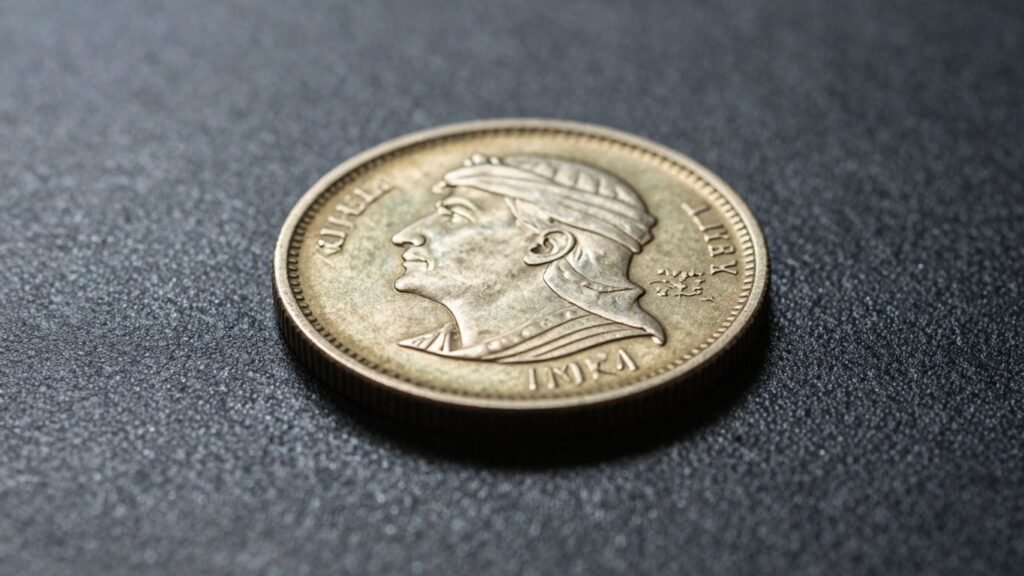
Thinking about selling some old coins you’ve found? Maybe you inherited a box of them, or perhaps you’ve been collecting for a while. Austin, TX, has a lively coin market, and knowing a bit about how coins are valued can make a big difference. This article is here to help you understand the basics of rare coin evaluation in Austin, TX, so you can get a fair price for your collection.
Key Takeaways
- Understanding what makes a coin valuable involves looking at how rare it is, its condition, its metal content, and if it has any historical importance.
- Professional grading services like PCGS and NGC can significantly increase a coin’s worth by providing a standardized assessment of its condition.
- Factors like the coin’s date, any minting errors, and the total number of coins made (mintage) are important clues to its rarity.
- Austin is a good place to evaluate various coins, including gold, silver, foreign, and specific numismatic pieces, with local dealers understanding regional interests.
- To get the best price, avoid cleaning your coins, don’t sell to general pawn shops, and always do your homework before accepting an offer.
Understanding Rare Coin Evaluation in Austin, TX
So, you’ve got some old coins lying around, maybe from a relative or just something you’ve picked up over the years. It’s easy to wonder if they’re worth anything more than their face value, or even just the metal they’re made of. That’s where understanding coin evaluation comes in, especially here in Austin. It’s not just about knowing what a coin is; it’s about figuring out what someone else might pay for it.
What Constitutes a Coin Appraisal?
Basically, a coin appraisal is a professional look at your coin to figure out its current market value. It’s more than just a quick glance. Experts consider a bunch of things to arrive at a number. They’re not just guessing; they’re using their knowledge of the market, historical significance, and the coin’s physical condition. This detailed assessment helps you know exactly what you have before you even think about selling. Whether it’s a shiny gold piece or a worn silver dollar, an appraisal gives you a clear picture. If you’re curious about getting a professional assessment, places like Austin Coin Buyers can help you understand the worth of your collection.
Key Factors Influencing Coin Value
Several things can make one coin worth a lot more than another, even if they look similar. Here are some of the big ones:
- Scarcity: How many of these coins were made, and how many are still around today? Fewer coins usually mean higher value.
- Condition (Grade): This is a huge one. Coins are graded on a scale, and a coin in near-perfect condition can be worth exponentially more than one that’s heavily worn.
- Metal Content: For gold and silver coins, the actual amount of precious metal is a baseline value. But rarity and condition can push the price way beyond just the metal’s worth.
- Historical Significance: Some coins are just plain interesting because of when and where they were made, or what events they represent.
- Collector Demand: What are people actively looking for right now? Popular coins can see their prices go up simply because lots of collectors want them.
It’s important to remember that the value of a coin isn’t fixed. It can change based on the market, what collectors are interested in, and even the economic climate. What might be a common coin today could become rare tomorrow, and vice versa.
The Importance of Local Expertise
Austin has its own unique history and a growing community of collectors. Local dealers and evaluators often have a better feel for what specific coins might be worth in this area. They understand regional collecting trends and might know about certain coins that have a special connection to Texas history, like old Republic of Texas currency or gold pieces from early settlements. This local knowledge can be really helpful. It means you’re not just getting a generic valuation; you’re getting one that’s tuned into the Austin market. This can make a big difference when you’re trying to get the best possible price for your coins.
The Crucial Role of Professional Coin Grading
When you’re looking to sell rare coins in Austin, getting them professionally graded can make a huge difference in what you get paid. It’s not just about having a coin; it’s about having a coin that’s been officially recognized for its condition and authenticity. This process takes the guesswork out of the equation for potential buyers and collectors.
How Professional Grading Impacts Value
Think of professional grading like getting a report card for your coin. Services like NGC or PCGS examine your coin closely, looking at things like wear, luster, strike quality, and overall appearance. They then assign a numerical grade, usually on the Sheldon Scale. A higher grade often means a significantly higher price. For example, a common coin might be worth only a few dollars ungraded, but if it’s in top condition and graded, it could be worth hundreds or even thousands. This standardized grading system provides a level of trust and transparency that buyers appreciate, making them more willing to pay a premium for a coin that has been authenticated and graded by a reputable third party. It’s a way to guarantee the coin’s condition and authenticity, which is a big deal in the collecting world. You can find out more about how these services work by looking into NGC coin grading.
Understanding the Sheldon Scale
The Sheldon Scale is the standard for grading coins. It runs from 1 to 70, with higher numbers indicating better condition. Here’s a quick breakdown:
- 1-45 (Circulated): These coins show obvious signs of wear from being used in everyday transactions. The more wear, the lower the number.
- 46-58 (About Uncirculated): These coins have seen very little circulation and have minimal wear, often only visible under magnification.
- 59-70 (Uncirculated/Mint State): These coins have never been used for commerce and are in pristine condition. A grade of 70 is considered perfect.
The difference between a coin graded MS65 and MS66 can be substantial, sometimes doubling or tripling the value. This is why even minor differences in preservation matter greatly to collectors.
When Professional Grading Makes Financial Sense
While professional grading adds a layer of credibility, it’s not always the best move for every coin. The cost of grading can sometimes outweigh the potential increase in value, especially for lower-value coins. Generally, it makes financial sense to grade coins that are:
- Potentially Rare: Coins with a low mintage or historical significance.
- In High Grade: Coins that appear to be in uncirculated or near-uncirculated condition.
- Valued Above a Break-Even Point: Most experts suggest that if a coin might be worth $100-$150 or more after grading, the cost of grading is likely to be recouped through a higher sale price. For coins valued below this threshold, the grading fees might eat up any potential profit.
It’s important to remember that grading services charge fees for their work. You’ll need to factor these costs into your decision-making process. Sometimes, a coin’s inherent rarity and condition speak for themselves, but for many, professional grading is a key step toward maximizing their return.
Identifying Potentially Rare Coins
So, you’ve got a coin, maybe it’s old, maybe it’s just been sitting in a drawer for years. How do you even begin to figure out if it’s more than just pocket change? It’s not always obvious, but there are a few things to look at. The date on the coin is often the first clue.
Examining Coin Dates for Rarity
Generally speaking, the older the coin, the more likely it is to be rare. Coins made before 1800 are almost always considered rare. As you move into the 19th century, rarity becomes more common, but many coins from this era still hold significant value. Coins from the 20th century are less likely to be rare, though there are definitely exceptions, especially for certain mint years or special issues.
Recognizing Minting Errors
Sometimes, coins aren’t made perfectly. These mistakes, known as minting errors, can actually make a coin more valuable. Think about coins that were struck twice, had the wrong metal used, or have a design that’s off-center. These kinds of errors are usually caught at the mint, but occasionally, they slip through and end up in circulation. If you spot something that looks
Types of Coins Valued in Austin
When you’re looking to get your coins evaluated here in Austin, it’s good to know what kinds of coins experts typically look at. It’s not just about old pennies; there’s a whole world of metal and history that collectors are interested in.
Evaluating Gold and Silver Coins
Gold and silver coins are a big part of the market, and their value often comes down to the metal content itself. Think of American Eagles, Krugerrands, or older U.S. gold pieces minted before 1933. Experts will check how much pure gold or silver is in the coin, but they also look at how rare it is and its condition. Even if a coin is mostly valued for its metal, a coin in great shape or one that’s hard to find can fetch a much higher price than just its melt value.
Here’s a quick look at what influences their worth:
- Metal Content: The weight and purity of the gold or silver are primary factors.
- Scarcity: How many of these coins were originally made, and how many still exist?
- Condition: Is the coin worn down, or does it look almost new?
- Collector Demand: Are people actively looking to buy this specific type of gold or silver coin?
Assessing Rare and Numismatic Coins
Beyond just the precious metal, there are coins valued for their history and rarity – these are often called numismatic coins. This category includes special issues, limited runs, and coins with unique historical ties to Texas or the U.S. For example, coins from the Republic of Texas era or pieces minted in places like Fort Worth or San Antonio can be quite sought after by local collectors. These coins often gain value not just from their metal, but from their story and how few of them are left.
Key things that make a numismatic coin valuable:
- Key Dates: Specific years or mint marks that were produced in very low numbers.
- Minting Errors: Mistakes made during the minting process can make a coin unique and desirable.
- Historical Significance: Coins tied to important events or figures.
- Eye Appeal: How attractive the coin looks to a collector.
Appraising Foreign Coin Collections
Don’t forget about coins from other countries! Whether they’re made of gold, silver, or just interesting historical pieces, foreign coins can also be quite valuable. Collectors might be interested in them for their design, the history they represent, or even their metal content if they’re made of gold or silver. An expert evaluator can help sort through these international pieces, figuring out if they have value as bullion (based on metal) or as collectible items with their own unique history and rarity.
Evaluating foreign coins requires a broad knowledge base. It’s not just about knowing U.S. currency; understanding international minting practices, historical periods, and global market demand is key to getting a fair appraisal for these diverse items.
Navigating the Austin Coin Market
Local Coin Shows and Buyer Activity
Austin has a pretty active coin scene. You’ll find coin shows happening a couple of times a year, and these events are great places to see what buyers are looking for and what prices are like. It’s a chance for people from all over Texas to come and trade. If you’re thinking about selling, knowing about these shows can give you a feel for the market. It’s not just about having a rare coin; it’s about finding the right buyer who appreciates its worth. For instance, a well-established dealer like Austin Rare Coins & Bullion has been part of this market since 1989, showing a long-term presence and understanding of local collector interests.
The Impact of Austin's Economy on Coin Sales
It might surprise you, but the local economy really does play a role in how coins sell. Austin’s economy has been growing, especially with the tech industry booming. This means more people have disposable income, and some of that might go towards collecting. When the economy is doing well, collectors are often more willing to spend money on higher-end or rarer coins. This increased demand can push prices up for certain items. It’s a bit of a ripple effect; a strong local economy generally means a healthier market for collectibles.
Leveraging a Growing Collector Base
Austin is attracting more and more people, and with that comes a growing number of coin collectors. This expanding base of enthusiasts means there’s a larger pool of potential buyers for your coins. It’s not just about the old-school collectors anymore; new people are getting into the hobby. This diversity in the collector base can be good for sellers because different collectors might be interested in different types of coins. Some might focus on historical Texas currency, while others might be drawn to modern bullion. Understanding who is collecting what can help you find the best match for your pieces.
When you’re looking to sell, remember that the market isn’t static. Prices can change based on what’s popular, how many of a certain coin are available, and even the general economic climate. Doing a little homework on current trends can make a big difference in the offer you receive.
Maximizing Your Coin's Worth
So, you’ve got some old coins lying around, maybe inherited from a relative or just collected over the years. It’s easy to just want to get rid of them quickly, but hold on a second. There are definitely ways to make sure you’re getting the most money possible for them. It’s not just about handing them over; it’s about being smart about it.
Preparing Your Collection for Sale
Before you even think about showing your coins to anyone, you need to get organized. This is where you can really make a difference in what you get paid. Think of it like getting ready for a job interview – you want to look your best.
- Document Everything: Take clear photos of each coin. Write down what you know about it – the date, any markings, where you got it, or any stories associated with it. This information is gold to a buyer.
- Organize by Type: Group your coins together. Put all the silver dollars in one pile, all the pennies in another, and so on. If you have coins from specific eras or mints, group those too.
- Research Basic Values: Use resources like the PCGS Price Guide to get a general idea of what similar coins are selling for. Remember, this is usually a retail price, so expect dealers to offer less, but it gives you a starting point.
Don’t clean your coins. Seriously. It might seem like a good idea to make them shiny, but it almost always damages their numismatic value. A coin that looks cleaned will be worth much less than one that’s been left alone.
Documenting Your Coin Holdings
This ties into preparation, but it’s worth its own mention. Having a good record of what you own is super important. It shows you’re serious and helps speed up the evaluation process. If you have coins that have been professionally graded and are still in their sealed holders, do not break them out. Those holders are part of the guarantee and removing them can significantly decrease the coin’s value.
Building Seller Confidence with Preparation
When you walk into a coin shop or meet a buyer, being prepared makes a huge difference. You’ll feel more confident, and they’ll see you as a serious seller. This can lead to better offers. If you’re dealing with a large collection, getting multiple opinions from reputable dealers is a smart move. Places like Austin Coins and Jewelry are known for their fair assessments, and getting a second or third opinion can help you confirm you’re getting a good deal. Honest dealers won’t pressure you into selling on the spot; they’ll understand you want to do your homework.
Avoiding Common Pitfalls in Coin Sales
Selling rare coins can feel like a minefield if you’re not careful. A few common mistakes can seriously cut into the amount of money you walk away with. Let’s talk about some of the biggest traps to sidestep.
The Dangers of Cleaning Rare Coins
This is a big one, and people do it all the time thinking they’re helping. Never, ever clean your rare coins. Seriously. What might look like a nice polish to you can actually destroy the coin’s numismatic value. Over time, coins develop a patina, which is a natural surface layer that collectors often find desirable. Rubbing it off, even with a soft cloth, can create microscopic scratches that are visible under magnification. This damage significantly lowers the coin’s grade and, consequently, its worth. Coins that have been cleaned or altered often can’t even get a numerical grade from professional services like PCGS or NGC; they’ll only get a "details" grade, which is worth a fraction of what a properly preserved coin would fetch.
Why Pawn Shops Are Not Ideal for Rare Coins
Pawn shops are great for quick cash on everyday items, but they’re usually not the place to sell your valuable coins. The people working there often don’t have specialized knowledge about numismatics. They might not recognize the rarity or historical significance of your coin. Because of this, they’ll likely offer you the melt value of the metal, especially for gold and silver coins, completely ignoring any collector premium the coin might command. You could be leaving a lot of money on the table.
The Value of Thorough Pre-Sale Research
Before you even think about selling, do your homework. Look up your coins using resources like the PCGS Price Guide. This will give you an idea of what similar graded coins are selling for. Keep in mind that these guides usually show retail prices, so a dealer will offer you less than that to make a profit. Still, it’s a good starting point to understand the ballpark value. Knowing this information beforehand helps you spot lowball offers and negotiate more effectively. It’s also wise to get multiple opinions from reputable dealers in Austin. Don’t feel pressured to sell to the first person you talk to. Getting a few different valuations can give you a clearer picture of your coin’s true market worth.
Finding Trusted Coin Evaluators in Austin
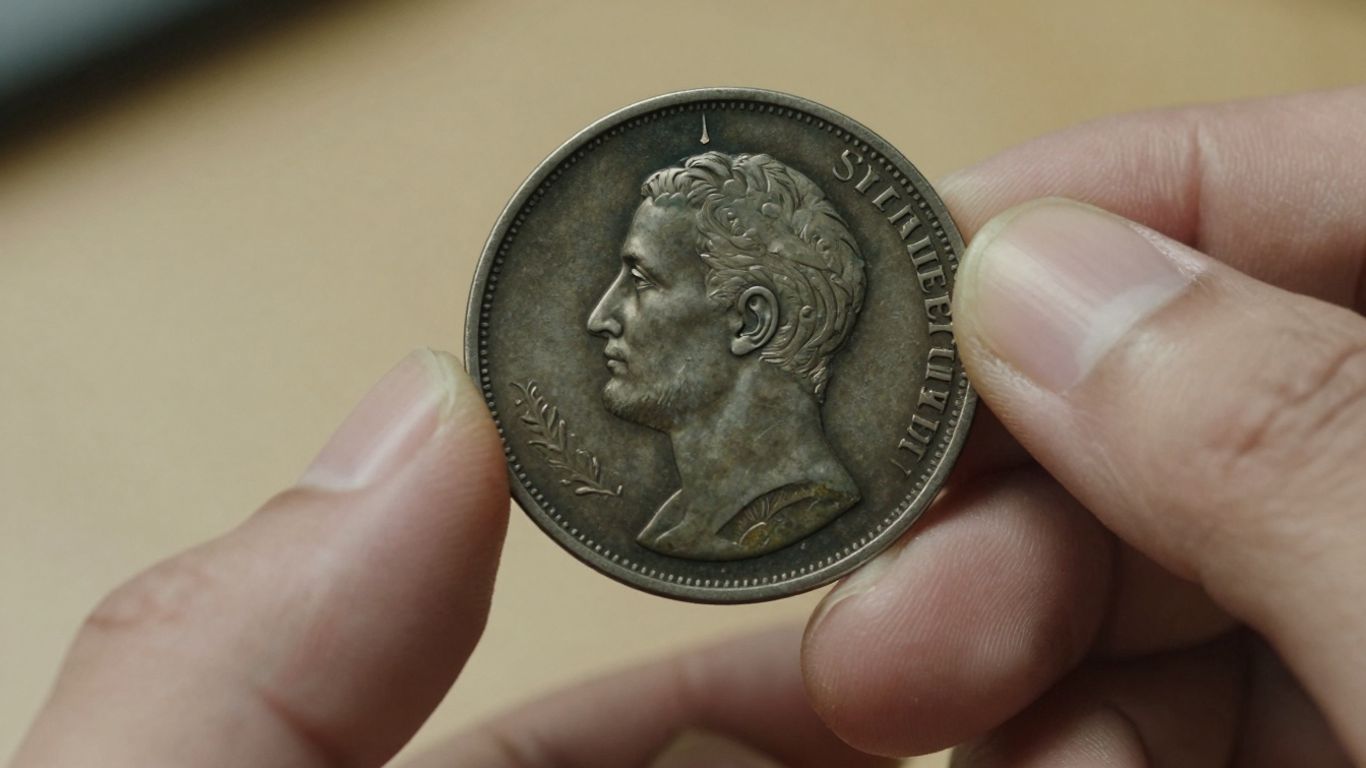
So, you’ve got some old coins lying around, maybe from a grandparent or just something you picked up over the years. You’re wondering if they’re worth anything, and more importantly, who can you trust to tell you the real story? It’s a common question here in Austin, and honestly, finding the right person to look at your coins can feel a bit like a treasure hunt itself.
Seeking Reputable Local Dealers
When you’re looking for someone to evaluate your coins, sticking with local, established dealers makes a lot of sense. These folks often know the Austin market inside and out. They understand what collectors in the area are looking for, and they’ve usually built a reputation over time. Think about dealers who have a physical shop, have been around for a while, and maybe even have good reviews or affiliations with numismatic organizations. It’s not just about getting a price; it’s about getting an honest assessment from someone who’s invested in the community.
The Benefits of Multiple Valuations
Don’t just take the first number you’re given. It’s a smart move to get a few different opinions. Different dealers might have different specialties or different ideas about what a coin is worth, especially if it’s a rare piece. Getting two or three valuations can give you a much clearer picture and help you spot if someone is trying to lowball you. It’s like shopping around for anything else important – you want to make sure you’re getting a fair deal.
Here’s a quick look at why getting multiple opinions is a good idea:
- Market Knowledge: Different dealers might have access to different buyer networks or be aware of recent sales that influence value.
- Specialization: One dealer might be great with gold coins, while another knows more about specific historical U.S. currency.
- Negotiation Power: Knowing you have other offers gives you a stronger position if you decide to sell.
Choosing Experts Over General Resellers
This is a big one. You might be tempted to take your coins to a pawn shop or a general antique dealer, especially if it’s convenient. But here’s the thing: they often don’t have the specialized knowledge needed for rare coins. They might offer you a price based on the metal content alone, completely missing out on the numismatic value – that’s the value collectors place on a coin due to its rarity, condition, and historical significance. An expert coin evaluator understands these nuances and can accurately assess the true worth beyond just the melt value.
When you’re dealing with potentially valuable coins, it’s easy to get confused by all the different factors that go into their worth. Things like how many were made, how well they’ve been kept, and whether a specific type is popular with collectors right now all play a part. A good evaluator can sort through all of this for you, making sure you understand why a coin is priced the way it is, rather than just giving you a number.
Wrapping It Up
So, you’ve got some old coins lying around, maybe from your grandpa or just tucked away in a box. It’s easy to think they’re just old metal, but here in Austin, they could be worth a surprising amount. Getting a good look from someone who really knows coins, like the folks at Austin Coin Buyers or Austin Rare Coins & Bullion, is the way to go. They can tell you if that coin needs a fancy grading or if it’s ready to sell. Don’t just take the first offer you get, especially not from a pawn shop. Do a little homework, maybe get a couple of opinions, and remember – never, ever clean those coins yourself. Taking these steps means you’ll get a fair price for whatever treasures you’ve been holding onto.
Frequently Asked Questions
What makes a coin valuable in Austin?
A coin’s worth depends on a few things. How rare it is, meaning how many were made and how many are still around, is a big factor. Also, how well it’s kept – if it looks new or worn – matters a lot. Some coins are made of gold or silver, which adds to their value. Plus, if a coin has a cool story or is from an important time in history, collectors might pay more for it. The current demand from collectors also plays a role.
Should I get my coins professionally graded?
Getting your coins checked by a professional grading service can really help. It’s like getting a report card for your coin. If a coin is worth more than about $100 to $150, the cost of grading is usually worth it because it can make the coin sell for much more. For less valuable coins, the grading cost might be more than the extra money you’d get.
How can I tell if my coin might be rare?
You can start by looking at the date on the coin. Coins made before 1800 are often rare, and many from the 1800s are also quite special. Keep an eye out for any mistakes made when the coin was created, like a double image or a missing part. Also, check how many of that specific coin were originally made; a lower number usually means it’s rarer.
What kinds of coins do people value in Austin?
In Austin, people are interested in all sorts of coins. This includes gold and silver coins, like American Eagles or old silver dollars. They also look for rare coins that have special historical meaning or are hard to find. Collections of foreign coins are also valued, whether they are made of precious metals or are interesting historical pieces.
Are there special coins related to Texas history?
Yes, Texas has a unique history that can make some coins extra special to collectors in the area. Think about old money from the Republic of Texas, gold pieces from early settlers, or coins made in Texas cities like Fort Worth or San Antonio. Local experts know about these specific types of coins and their importance to Texas collectors.
What's the best way to sell my coins in Austin?
It’s smart to get a few opinions from different coin dealers in Austin. This helps you see who offers the best price. Going to local coin shows can be good because many buyers are there, and they might compete for your coins. Make sure you do some research beforehand so you know what your coins might be worth.
Why shouldn't I clean my old coins?
Cleaning a rare coin can actually hurt its value a lot. Even if you think you’re making it look better, you can easily scratch the surface or remove its original shine, which collectors really like. Most professional grading services won’t give a cleaned coin a high grade, making it worth much less than if it were left untouched.
Where can I find trustworthy people to evaluate my coins in Austin?
Look for established coin dealers in Austin who have been in business for a while and have a good reputation. You can check if they are members of professional organizations or look for reviews. Getting opinions from more than one dealer is a good idea to make sure you’re getting a fair assessment and a good offer.