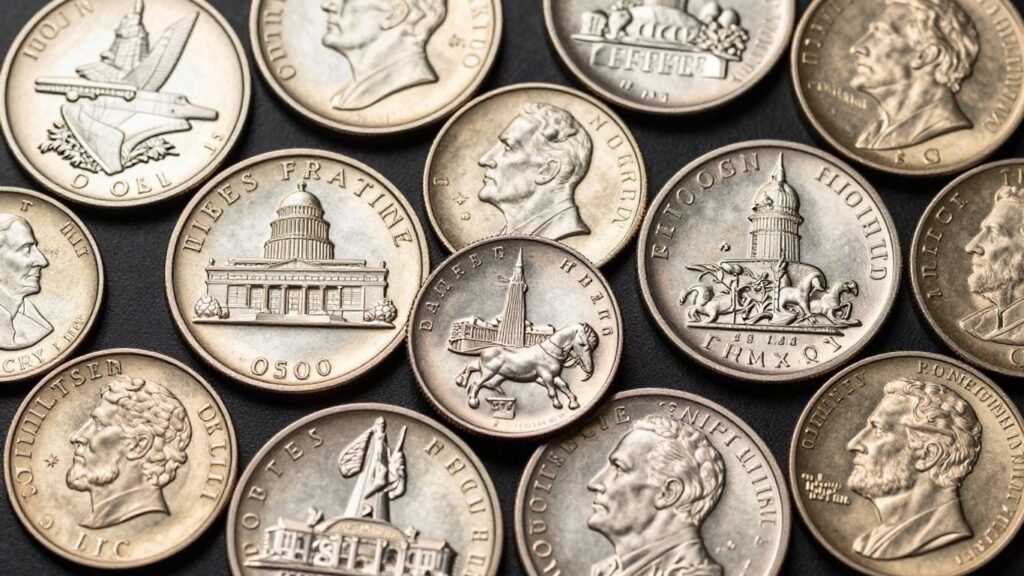
So, you’ve seen those shiny coins and wondered what’s the deal? They’re not just old money; they’re like little pieces of history you can hold. The U.S. Mint puts out these special coins, called commemorative coins, to celebrate important stuff – think big events, famous people, or cool places. They’re made with nice metals and have awesome designs, making them super popular with collectors. Whether you’re into history, art, or just like collecting things, these commemorative coin programs offer a fun way to connect with the past and maybe even grow your collection.
Key Takeaways
- Modern commemorative coins are special issues from the U.S. Mint that honor significant events, people, or places, offering a blend of history and art.
- These coins come in various metals like gold and silver, featuring unique designs and finishes (proof or uncirculated) that appeal to collectors.
- Popular U.S. commemorative coin programs include the American Eagle series, America the Beautiful Quarters, and Presidential/Innovation Dollars.
- Collecting these coins involves choosing a focus, setting a budget, and understanding grading standards and coin values.
- Authenticity is key when buying; consider purchasing from government mints or reputable dealers, and always be aware of potential scams.
Understanding U.S. Commemorative Coin Programs
So, you’re thinking about getting into collecting U.S. commemorative coins? That’s awesome! These aren’t your everyday quarters or dollar bills; they’re special coins made to celebrate important moments, people, or places in American history. Think of them as tiny pieces of art and history you can hold in your hand. The U.S. Mint has been making these for a long time, and they come in all sorts of metals and designs, making them super interesting for collectors.
Defining Modern Commemorative Coins
What exactly makes a coin "commemorative"? Basically, it’s a coin authorized by Congress to mark a specific event or theme. Unlike regular coins that are made for everyday spending, commemoratives are usually produced in limited numbers and are meant for collectors. They often feature unique designs that tell a story. For instance, you might find coins celebrating national parks, historical figures, or significant anniversaries. The U.S. Mint has authorized programs for coins through 2027, adding to the rich history of these special issues.
The Appeal of Commemorative Coinage
Why do people love collecting these coins? Well, there are a few reasons. For starters, they connect us to history in a tangible way. Holding a coin that commemorates, say, the 100th anniversary of something important, feels pretty cool. Plus, the designs are often really beautiful. Talented artists work on these, and you can see the detail and craftsmanship. They’re not just metal discs; they’re miniature sculptures. And let’s be honest, the idea that some of these coins might increase in value over time doesn’t hurt either. It’s a hobby that can be both personally rewarding and potentially financially smart.
Historical Significance and Artistic Merit
These coins are more than just pretty objects. They serve as educational tools, reminding us of events and people that shaped our nation. Each coin can be a conversation starter, a way to share a piece of history. The artistic side is just as important. The U.S. Mint puts a lot of effort into the designs, often using different finishes and intricate details to make them stand out. This blend of historical importance and artistic quality is what really draws people in. It’s a way to appreciate both our past and the skill of modern engravers and designers.
Here’s a quick look at some common types:
- Gold and Silver Commemoratives: Often made with precious metals, these are popular for their intrinsic value and striking designs.
- American Eagle Series: A well-known series that includes gold, silver, and platinum coins, offering a range of choices.
- America the Beautiful Quarters Program: Celebrated national parks and sites, making these quarters highly collectible.
- Presidential and Innovation Dollars: These programs honor U.S. presidents and innovators, bringing unique designs to the dollar coin format.
When you start looking into commemorative coins, you’ll quickly see there’s a huge variety. It’s easy to get overwhelmed, but that’s also part of the fun. Finding coins that speak to you, whether it’s a specific event, a historical figure, or just a design you find beautiful, is what collecting is all about. Don’t feel pressured to collect everything; focus on what interests you most.
Exploring Types of U.S. Commemorative Coins
The U.S. Mint has put out a lot of different commemorative coins over the years, and they really cover a wide range of interests. It’s not just about gold and silver, though those are certainly popular. You’ve got programs that celebrate everything from national parks to important figures in American history.
Gold and Silver Commemoratives
These are often the first things people think of when they hear "commemorative coins." They’re usually made with precious metals, which adds to their appeal. Gold coins tend to be more expensive, naturally, but they often mark really significant events or anniversaries. Silver commemoratives are a bit more accessible price-wise, but they still carry that historical weight and artistic flair. Many collectors start with silver because it offers a good balance of beauty, historical connection, and affordability.
The American Eagle Series
This is a big one. The American Eagle program isn’t strictly "commemorative" in the sense of marking a single event, but it’s a cornerstone for many collectors. It includes coins in gold, silver, and platinum, each with iconic designs. They’re produced annually, but certain issues or finishes can become quite sought after.
America the Beautiful Quarters Program
This program was a huge hit and really brought a lot of new people into collecting. From 2010 to 2021, the U.S. Mint released quarters featuring a different national park or national site from each state and territory. It was a fantastic way to learn about the country’s natural and historical landmarks, and many of these quarters have become quite collectible.
Presidential and Innovation Dollar Programs
These programs are great for history buffs. The Presidential Dollar series honored every U.S. president, and the Innovation Dollars celebrate American ingenuity. They’re typically made with a copper core and a metal clad, making them very affordable. The designs change regularly, offering a continuous stream of new coins to collect.
These coins are more than just metal; they’re tangible pieces of history and art. Each one tells a story, whether it’s about a president, a national park, or a significant anniversary. Understanding the different series available is the first step to finding what truly sparks your interest in collecting.
Here’s a quick look at some common types:
- Precious Metal Commemoratives: Often gold or silver, these are prized for their intrinsic value and detailed designs.
- Circulating Commemoratives: These are coins that actually enter general circulation but feature special designs to mark events or themes.
- Non-Circulating Commemoratives: These are made specifically for collectors and are not intended for everyday use. They often have higher minting quality and more intricate designs.
Navigating the World of Commemorative Coin Collecting
So, you’ve decided to jump into collecting U.S. commemorative coins. That’s awesome! It can feel a bit overwhelming at first, with so many different coins out there. But don’t worry, figuring out where to start and how to build a collection you’ll love is totally doable. It’s all about finding what speaks to you.
Determining Your Collecting Focus
Before you buy anything, take a moment to think about what really interests you. Are you drawn to specific historical events? Maybe you love coins featuring famous figures or national parks. Pinpointing your interest early on will make your collecting journey much more enjoyable and focused. It’s like choosing a favorite flavor of ice cream – you could try them all, but knowing your top pick helps.
Theme-Based Collections
This is a really popular way to collect. You pick a theme and then hunt down coins that fit. For example, you could collect coins related to:
- American History: Think Revolutionary War anniversaries, presidential milestones, or significant inventions.
- National Parks and Landmarks: The America the Beautiful Quarters program is a prime example here, but there are others too.
- Arts and Culture: Coins celebrating famous artists, musicians, or literary figures.
- Sports: Commemoratives for the Olympics, World Cup, or other major sporting events.
Building a collection around a theme lets you tell a story. Each coin adds a piece to that narrative, making your collection unique and personal.
Series Completion Strategies
Another approach is to focus on completing specific coin series. The U.S. Mint often releases coins in sets over several years. For instance, the Presidential Dollars or the Innovation Dollars are designed to honor a different person each year. Completing a series can be a fun challenge. It gives you a clear goal and a sense of accomplishment as you fill those empty slots in your album.
Here’s a quick look at how some series are structured:
| Series Name | Typical Release Frequency | Focus |
|---|---|---|
| Presidential Dollars | Annually (4 per year) | U.S. Presidents |
| America the Beautiful Quarters | Annually (5 per year) | U.S. National Parks and Sites |
| Innovation Dollars | Annually (4 per year) | American innovation and ingenuity |
Deciding whether to chase themes or complete series is a personal choice. Some collectors do both, while others stick to just one method. There’s no right or wrong way; it’s about what keeps you excited about collecting.
No matter which path you choose, remember to have fun with it. Collecting should be a source of joy, not stress. Enjoy the hunt, learn about the coins, and appreciate the history they represent.
Essential Tools for Commemorative Coin Collectors
So, you’ve caught the bug for collecting U.S. commemorative coins. That’s awesome! But before you go too deep, let’s talk about what you’ll actually need to make this hobby enjoyable and keep your treasures safe. It’s not just about buying coins; it’s about caring for them too.
Collector Albums and Display Cases
First off, you need a place to put these shiny things. Just tossing them in a drawer isn’t going to cut it, trust me. You’ll want proper storage. Think about albums designed specifically for coins. These often have slots for different series or denominations, making it easy to see what you have and what you’re missing. Many collectors also like display cases. These are great for showing off your favorite pieces, maybe on a shelf or desk. They offer protection while still letting you admire the coins. For a good start, check out options for coin holders and albums.
Magnifying Tools for Detailed Inspection
Commemorative coins are all about the details, right? The intricate designs, the tiny inscriptions – you can’t appreciate them fully without a little help. A magnifying glass is a must-have. Even better is a coin loupe, which is a small, powerful magnifier that’s easy to carry around. It lets you get up close and personal with the coin’s surface. This is super helpful for spotting minting errors, checking for wear, or just admiring the craftsmanship. You’ll be surprised what you can see with a little magnification.
Accessing Grading Services
Now, this is where things can get a bit more serious, especially if you’re thinking about the investment side of collecting. Professional grading services are organizations that evaluate the condition and authenticity of coins. They assign a numerical grade (like 65, 69, or 70) that tells you how well-preserved the coin is. While you don’t need to grade every coin you own, it’s good to know these services exist. They can add a lot of confidence when buying higher-value coins or when you want a professional opinion on your collection’s quality. Some of the big names you’ll hear about are PCGS and NGC.
Keeping your coins in good condition is key. This means storing them in a stable environment, away from extreme temperatures and humidity. Always handle your coins by the edges to avoid transferring oils from your skin, which can damage the surface over time. Using archival-quality holders and albums is also a smart move to prevent chemical reactions that could harm the metal.
Evaluating Modern Commemorative Coins
Evaluating modern commemorative coins is a big part of collecting, especially if you plan to build a collection that holds or gains value over time. Understanding how coins are graded, what finish they have, and what makes one coin more valuable than another can really make a difference. Let’s break down the basics in a way that’s easy to follow.
Understanding Grading Standards
Grading is basically the system for measuring a coin’s condition. Third-party services like PCGS and NGC use their own scales, but here’s a quick look at what you’ll usually see:
| Grade | Short Name | Description |
|---|---|---|
| MS-70 | Mint State 70 | Perfect – no flaws visible, even under magnification. |
| MS-65 | Mint State 65 | Gem Uncirculated – only minor marks, strong luster. |
| MS-60 | Mint State 60 | Uncirculated – no sign of circulation, but may have bag marks or slight imperfections. |
| PF-70 | Proof 70 | Flawless proof coin, perfect surfaces and strike. |
| PF-65 | Proof 65 | High-quality proof coin, with a few small blemishes. |
- Grades usually go from 1 (worst) to 70 (perfect)
- Higher grades tend to mean higher prices
- Generally, collectors and investors prefer coins that come with an official grade
It pays to have a basic sense of how grading works—even if you don’t plan to get your own coins graded. You won’t overpay for coins that have wear, and you’ll better spot true gems.
Recognizing Proof vs. Uncirculated Finishes
Modern commemorative coins are often made with different finishes. Here’s the short version:
- Proof coins are made for collectors, struck multiple times for crisp detail and a mirror-like background.
- Uncirculated coins (also called Mint State) are made for collectors but with a standard finish—less flashy, but still never used in circulation.
How to tell the difference:
- Proof coins look shiny and have frosted designs that pop against the background.
- Uncirculated coins have a matte or satiny appearance.
- The packaging or certificate from the mint will almost always say which one you have.
Factors Influencing Coin Value
Not every commemorative coin is worth a fortune. These main things affect value:
- Rarity: Low mintage or unique features = higher value.
- Condition/Grade: The closer to flawless, the better.
- Demand: Popular topics or series tend to hold their value better.
- Metal Content: Gold or silver coins are worth at least their melt value—but collector demand can push prices higher.
When it comes to collecting, value isn’t just about dollars—it’s about finding pieces you like and understanding what makes them special.
In short, start by learning how to read grading labels, know what finish you have, and keep an eye on rarity and demand. Over time, these habits will help you make smarter choices in your collection.
Where to Purchase Authentic Commemorative Coins
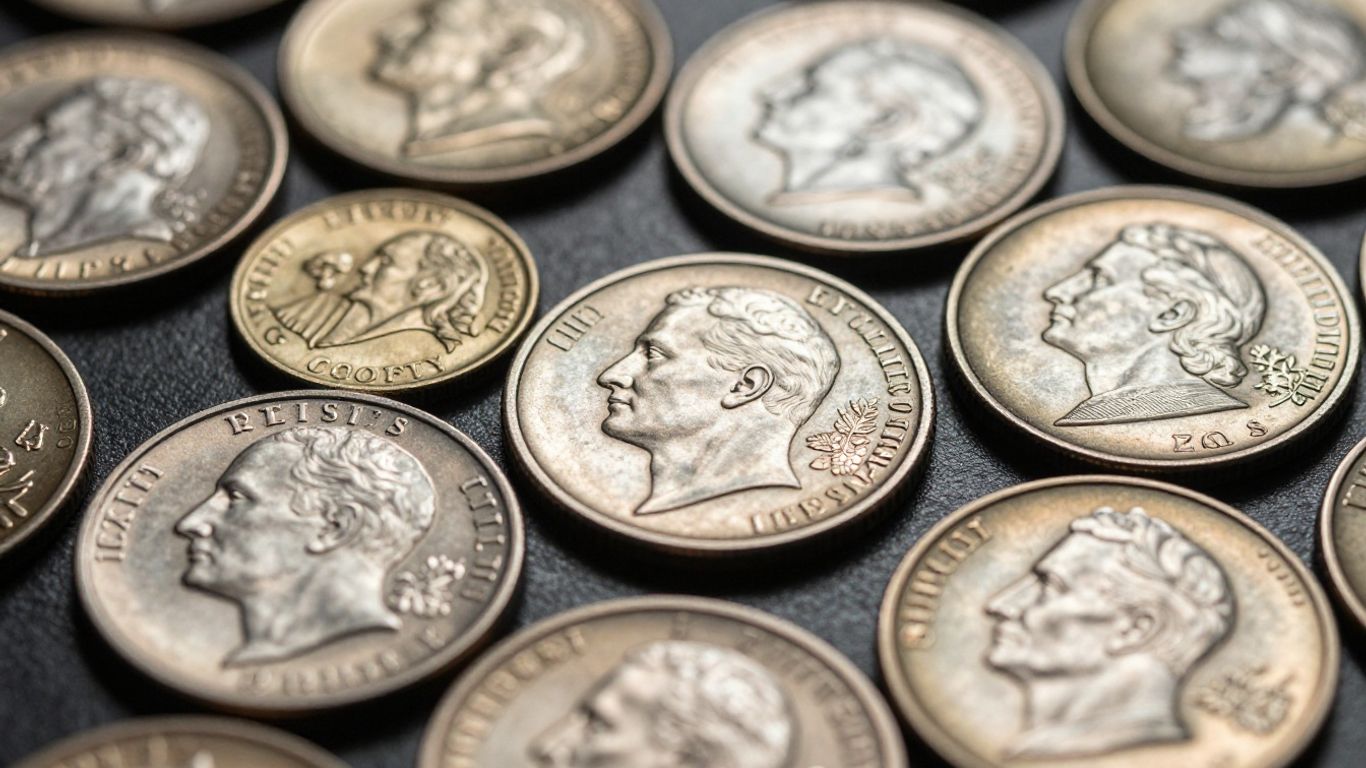
So, you’ve decided to jump into the world of U.S. commemorative coins. That’s awesome! But before you start filling up your cart, you’ve got to know where to actually buy these things, and more importantly, where to get the real deal. Nobody wants a fake, right?
Buying Directly from Government Mints
Your first stop, and probably the safest bet, is the U.S. Mint itself. They’re the official source, so you know everything they sell is legit. They have their own online store and sometimes even physical locations. It’s a straightforward way to get brand-new issues, often right when they come out. Plus, you get all the official details about the coin’s story and specs.
Reputable Coin Dealers and Shows
This is where things get a bit more interesting. You’ve got established coin shops, both brick-and-mortar and online. These folks usually know their stuff inside and out. They often deal in both new releases and older commemoratives that might be harder to find. Going to coin shows is also a blast – you can see coins up close, talk to dealers, and sometimes even find a hidden gem. Just make sure the dealer has a good reputation. Ask around, check reviews, and look for dealers who are members of professional organizations.
Here’s a quick look at what to expect:
- New Issues: Often available directly from the mint or authorized purchasers.
- Older Issues: Found through dealers, auctions, and shows. Condition and rarity play a big role here.
- Specialized Items: Some dealers focus on specific series or types of commemoratives.
Online Marketplaces and Auctions
Okay, the internet is a huge place for buying coins. Sites like eBay, or specialized coin auction sites, can have a massive selection. This is where you might find that one coin you’ve been hunting for ages. But, and this is a big ‘but’, you have to be super careful. Scammers love online marketplaces. Always check seller ratings, read descriptions thoroughly, and look at all the pictures. If a deal seems too good to be true, it probably is. It’s often best to stick with sellers who have a long history of positive feedback specifically for selling coins.
When buying online, especially from less regulated platforms, always prioritize sellers who provide clear, high-resolution images of the actual coin being sold. Avoid stock photos or blurry pictures. If a seller refuses to provide more detailed images or answer specific questions about the coin’s condition or provenance, it’s a major red flag. Your due diligence here can save you a lot of heartache and money later on.
Avoiding Counterfeits and Scams
It’s a bummer when you think you’ve found a great deal on a commemorative coin, only to realize later it’s not the real deal. Dealing with fakes and scams can really take the fun out of collecting. But don’t worry, with a little know-how, you can steer clear of most of the trouble.
Authentication Methods for Collectors
When you’re looking at a coin, especially one that’s supposed to be rare or valuable, there are a few things you can check. First off, look for official documentation. Reputable sellers will often provide a certificate of authenticity, especially for higher-value items. Even better is a coin that has been professionally graded by a recognized service like PCGS or NGC. These services put the coin in a special holder with a label detailing its grade and confirming its authenticity. It’s like a birth certificate for your coin.
- Check for official grading service slabs: Coins graded by PCGS or NGC are generally safe bets. Look at the label for any signs of tampering.
- Examine the coin’s details: Compare the coin in question to known genuine examples. Look at the sharpness of the design, the lettering, and any mint marks. Fakes often have mushy details or incorrect fonts.
- Weight and dimensions: Genuine coins have specific weights and diameters. If a coin feels too light or is the wrong size, it’s a major red flag.
- Sound test (for some coins): While not foolproof, some collectors can tell a fake by the sound a genuine silver or gold coin makes when gently tapped. It’s a subtle difference, though.
Recognizing Red Flags When Buying
Scammers are always trying new tricks, but some warning signs are pretty common. If something seems too good to be true, it probably is. A super rare coin being sold for way less than market value? That’s a big warning.
- Unbelievably low prices: If the price is significantly lower than what similar coins are selling for, be suspicious.
- Poor quality photos: Sellers who use blurry, dark, or stock photos instead of clear pictures of the actual coin are often hiding something.
- Vague descriptions: Lack of specific details about the coin, its condition, or its history can be a sign of a seller who doesn’t know what they’re selling or is trying to avoid scrutiny.
- Pressure tactics: A seller pushing you to buy quickly without giving you time to think or do your research is a bad sign.
- Unwillingness to provide more information: If you ask for more photos, details, or proof of authenticity and the seller refuses or becomes defensive, walk away.
The best defense against counterfeits and scams is education and caution. Take your time, do your homework on both the coin and the seller, and never feel pressured into a purchase. Building a collection should be exciting, not stressful.
Ensuring Authenticity of Your Collection
Once you’ve built up your collection, it’s a good idea to periodically review your purchases, especially if you acquired coins from less-than-ideal sources. If you have doubts about a coin’s authenticity, consider sending it to a reputable grading service for evaluation. While this costs money, it can save you from holding onto fakes and can confirm the genuine nature of your prized possessions. Keeping good records of where and when you bought your coins, along with any accompanying documentation, also helps in verifying their legitimacy down the line. It’s all about being a smart and informed collector.
Proper Storage and Display of Your Collection
So, you’ve got some cool commemorative coins. Awesome! But what do you do with them now? Just tossing them in a drawer isn’t going to cut it if you want them to look good and keep their value. Keeping your coins safe and sound is just as important as finding them in the first place.
Selecting Appropriate Coin Holders
First things first, you need to get your coins into some kind of holder. This is your first line of defense against all sorts of nasty stuff. You don’t want anything that’s going to react with the metal of your coin. Think about materials like Mylar or inert plastics. Avoid anything that smells chemically or feels sticky – that’s a bad sign. For individual coins, you’ve got a few options:
- Flips: These are usually two-pocket plastic sleeves. One side holds the coin, and the other can hold a small card with its details. They’re pretty basic but work well for many coins.
- 2x2s: These are small cardboard holders with a Mylar window. You staple them shut around the coin. They offer a bit more protection than flips and are easy to label.
- Capsules: These are clear, round plastic containers that snap together. They offer excellent protection and let you see both sides of the coin clearly. They come in specific sizes for different coin diameters.
Utilizing Albums and Display Cases
Once you’ve got your coins in individual holders, you might want to organize them. This is where albums and display cases come in. Albums are great for keeping series together, like the America the Beautiful Quarters or Presidential Dollars. They usually have pre-cut slots for each coin.
- Coin Albums: These are often book-style binders with pages designed to hold specific coin types or series. They make it easy to see your collection at a glance and track your progress.
- Display Cases: If you want to show off your best pieces, a display case is the way to go. These can range from simple wooden boxes with velvet lining to larger glass cabinets. They protect your coins from dust and handling while making them look like a museum exhibit.
Protecting Your Investment
Beyond just holders and albums, think about the environment your coins are in. Temperature and humidity are big enemies of metal. You want to avoid places with wild swings in temperature, like attics or garages. Basements can be damp, which is also bad news. Aim for a stable, moderate environment.
Keeping your collection in a stable environment is key. Avoid extreme temperatures and high humidity. This helps prevent toning and corrosion, which can really damage your coins over time and lower their value. Think of it like storing old photos – you want to keep them somewhere cool, dry, and dark.
Handling your coins properly is also part of protection. Always try to touch them by the edges, or better yet, wear cotton gloves. Your skin has oils that can leave marks on the coin’s surface, and over time, these can cause problems. It might seem like a lot of fuss, but for coins you care about, it’s worth the effort.
Joining the Numismatic Community
So, you’ve got a growing collection of U.S. commemorative coins, and maybe you’re starting to wonder what other folks are doing with theirs. It’s a pretty common feeling, honestly. While building your collection solo can be rewarding, connecting with other collectors can really open up the hobby. It’s not just about showing off your latest finds, though that’s part of the fun. It’s about learning, sharing, and finding people who get why that 2023 American Liberty silver medal is just so cool.
Benefits of Coin Clubs and Forums
Getting involved with a coin club or an online forum is a great next step. These places are buzzing with activity and knowledge. You can find local clubs through directories, which is a good way to meet people face-to-face. Online, places like modern US coins forums are active 24/7. You can ask questions, share photos of your coins, and get opinions from people who have been collecting for years. It’s like having a whole team of experts ready to help.
Learning from Experienced Collectors
One of the biggest perks of joining a community is the chance to learn from those who’ve been around the block. They’ve seen trends come and go, they know the pitfalls to avoid, and they often have a knack for spotting a good deal. You can pick up tips on everything from coin storage to identifying rare varieties. Plus, many organizations offer webinars and educational resources that are super helpful for beginners and seasoned collectors alike.
Connecting with Fellow Enthusiasts
Ultimately, collecting can be a bit of a solitary pursuit if you let it. But when you connect with others who share your passion, it becomes a shared adventure. You might discover new series to collect, get advice on specific coins you’re hunting for, or even arrange trades. It’s about building relationships around a common interest. The numismatic community is vast and welcoming, so don’t hesitate to jump in.
Being part of a numismatic community means you’re never truly alone in your collecting journey. It’s a network of shared knowledge, enthusiasm, and support that can significantly enrich your experience with U.S. commemorative coins and beyond.
Wrapping Up Your Coin Journey
So, that’s a look at U.S. commemorative coins. It’s a pretty interesting hobby, right? Whether you’re drawn to the history, the art, or maybe even the idea of a good investment, there’s definitely something out there for you. We’ve talked about different types of coins, from gold to silver, and even those cool America the Beautiful quarters. Remember, it’s okay to start small and figure out what you like. Maybe you’ll focus on a specific theme or try to complete a series. Just keep learning, maybe grab a good reference book like the Red Book, and most importantly, have fun with it. Happy collecting!
Frequently Asked Questions
What exactly are U.S. commemorative coins?
Think of commemorative coins as special coins made to honor important people, events, or places in American history. They’re not usually meant for everyday shopping like regular money. Instead, they’re created for collectors and people who want to remember something special. They often have cool designs and are made from metals like silver or gold.
Why do people collect commemorative coins?
People collect these coins for many reasons! Some love the history behind them and how they tell a story. Others are drawn to the beautiful artwork and detailed designs. Plus, some coins can become more valuable over time, making them a kind of investment.
What's the difference between proof and uncirculated coins?
Uncirculated coins look like they just came from the mint – shiny and new, without any signs of wear. Proof coins are made with extra special care. They have a mirror-like background and frosted designs, giving them a really fancy, high-quality look.
Where can I buy real commemorative coins?
The safest places to buy are directly from the U.S. Mint, or from trusted coin dealers and reputable coin shows. You can also find them online, but always be sure the seller is well-known and has good reviews to avoid fakes.
How do I know if a coin is real and not a fake?
Look for coins that come with a certificate of authenticity from a recognized grading service. Also, be wary of deals that seem too good to be true. If you’re unsure, it’s best to buy from a seller you know and trust.
What are some popular U.S. commemorative coin programs?
Some well-known ones include the American Eagle series (gold, silver, and platinum), the America the Beautiful Quarters program that features national parks, and the Presidential and Innovation Dollar programs. Each offers unique designs and themes.
How should I store my commemorative coins?
It’s important to keep them safe from damage. Use special coin holders made from materials that won’t harm the metal. Coin albums or display cases are great for keeping them organized and showing them off while protecting them.
Is there a way to learn more or connect with other collectors?
Absolutely! Joining a local coin club or participating in online numismatic forums is a fantastic way to learn from experienced collectors, share your passion, and discover new coins. There are also many great books and websites dedicated to coin collecting.