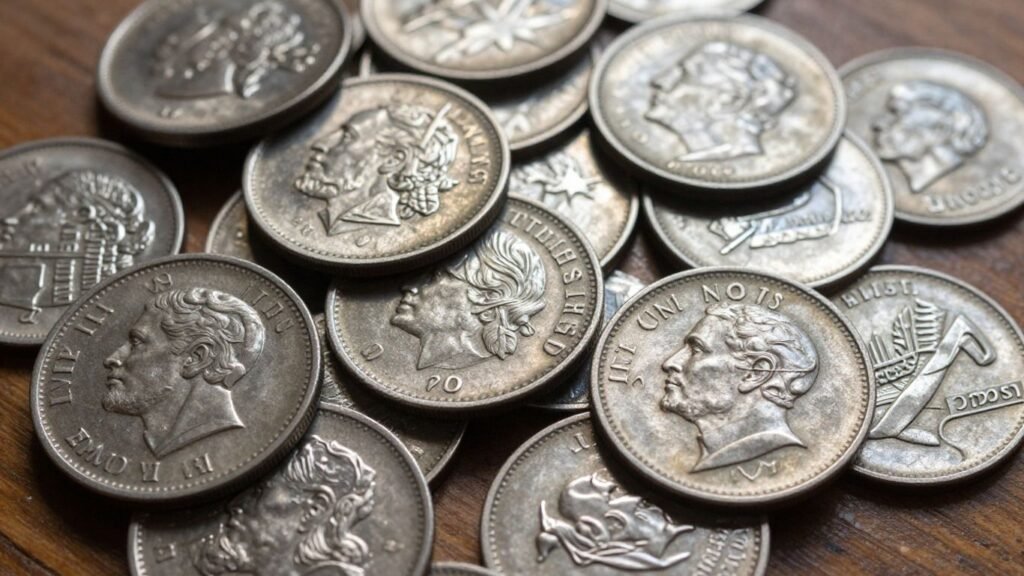
Thinking about selling your old silver coins in Austin, Texas? You might have some of that good old constitutional silver sitting around, maybe from an inheritance or just a collection you’ve gathered over the years. These aren’t just any old coins; they’re made with a good amount of actual silver. If you’re wondering where to find constitutional silver coins buyers in Austin, TX, and how to get a fair price, you’ve come to the right place. We’ll break down what you need to know to make the process smooth and profitable.
Key Takeaways
- Constitutional silver coins are U.S. dimes, quarters, and half dollars minted before 1965, containing 90% silver.
- Local coin shops and precious metal dealers in Austin are good places to start when looking for buyers.
- Buyers look for the silver content, condition, and any numismatic (collector) value your coins might have.
- Getting an appraisal from a reputable dealer is important to understand your coins’ worth before selling.
- Selling during times of higher silver prices and comparing offers from different buyers can help you get more money.
Where To Sell Constitutional Silver Coins In Austin
So, you’ve got some old silver coins lying around, maybe inherited them or just picked them up over the years. These aren’t just any old coins; they’re what folks call ‘constitutional silver,’ meaning they’re made of 90% silver and were once actual currency. If you’re in Austin and thinking about cashing in, you’ve got a few good options. It’s not like selling a used couch; these coins have a real value tied to the silver content, and knowing where to go makes all the difference.
Understanding Constitutional Silver Coins
Basically, constitutional silver refers to U.S. dimes, quarters, and half-dollars minted before 1965. That’s the cutoff year because that’s when the U.S. government changed the composition of these coins, removing most of the silver. Before that, they were made with 90% silver and 10% copper. Think of coins like the Mercury dime, the Washington quarter, or the Walking Liberty half-dollar. While some might have a bit of collector value depending on the date and condition, most people selling them today are looking to get paid based on their silver weight. They’re often called ‘junk silver’ not because they’re worthless, but because their primary value is in the metal itself, not necessarily their rarity as a collectible.
Why Choose Local Austin Buyers
Selling locally in Austin has its perks. For starters, you can often get a feel for the buyer and the transaction. You can walk into a shop, show them your coins, and get an offer on the spot. This avoids the hassle and potential risk of shipping your valuable coins to an unknown online buyer. Plus, supporting local businesses is always a good thing, right? You’re likely to find dealers who specialize in precious metals and coins right here in the city, and they understand the Austin market.
What Buyers Look For In Your Coins
When a buyer looks at your constitutional silver, they’re primarily interested in a few key things. The silver content is the biggest factor. They’ll be weighing your coins and calculating their value based on the current spot price of silver. Beyond that, they’ll check the condition of the coins. While most ‘junk silver’ isn’t rare enough for minor wear and tear to drastically reduce its value, coins in exceptionally good condition might fetch a slightly higher price. They’ll also quickly identify the denomination and mint date to confirm they are indeed 90% silver coins.
Here’s a quick rundown of what they’ll check:
- Silver Purity: Confirming it’s 90% silver.
- Weight: This is directly tied to the silver content and current market price.
- Denomination & Date: To verify it’s a pre-1965 U.S. coin.
- Condition: While less critical for bulk silver value, it can sometimes influence the offer.
Buyers are generally looking for the melt value of the silver. This means they’re less concerned with the coin’s history or specific collectible appeal and more focused on the raw material it’s made from. Think of it like selling scrap metal, but with a bit more precision.
Identifying Your Constitutional Silver Holdings
So, you’ve got some old coins lying around and suspect they might be worth more than their face value, especially with the current interest in silver. That’s where understanding "constitutional silver" comes in. These aren’t just any old coins; they’re specifically U.S. dimes, quarters, and half dollars minted before 1965. Why before 1965? Because that’s the year the U.S. switched from using 90% silver in these coins to a copper-nickel clad composition. Knowing what you have is the first step to getting a fair price.
Common Denominations To Look For
When you’re sifting through your coin collection or piggy bank, keep an eye out for these common denominations. They’re the usual suspects when it comes to constitutional silver:
- Dimes: Look for Mercury dimes (1916-1945) and Roosevelt dimes (1946-1964).
- Quarters: Barber quarters (1892-1916) and Washington quarters (1932-1964) are key.
- Half Dollars: Barber half dollars (1892-1915), Walking Liberty half dollars (1916-1947), Franklin half dollars (1948-1963), and the 1964 Kennedy half dollars are the ones to spot.
Mint Dates And Silver Content
The date on your coin is a big clue. As mentioned, any U.S. dime, quarter, or half dollar made before 1965 is generally 90% silver. There are a few exceptions, like some very early coins minted before the 1840s which had a slightly different silver composition (around 89.24%), but for most people looking to sell, the pre-1965 rule is a good starting point. Dollar coins minted before 1935 also fall into this category. It’s pretty straightforward: if it’s a circulating U.S. coin with a denomination of 10 cents or higher and it was made before 1965, it’s likely got that 90% silver content.
Distinguishing Bullion From Numismatic Value
This is where things can get a little tricky, but it’s important. Most constitutional silver coins are valued primarily for their silver content – this is often called "bullion value" or sometimes, less flatteringly, "junk silver." However, some coins, even within the pre-1965 group, might have extra value because of their rarity, condition, or historical significance. These are called "numismatic" coins. For example, a common date Mercury dime in worn condition is worth mostly its silver. But a rare date Standing Liberty quarter in pristine condition could be worth significantly more than just its silver weight. Most buyers in Austin will focus on the silver content for these common coins, but it’s good to be aware if you think you might have something special. You can find a good selection of these coins at places like SD Bullion.
When you’re assessing your coins, remember that wear and tear can affect their value. While most buyers are looking for the silver content, coins that are heavily damaged or worn down to almost nothing might fetch a bit less than those in better shape. It’s a balance between the metal inside and the coin’s overall condition.
Finding Reputable Constitutional Silver Coin Buyers
So, you’ve got some old silver coins lying around and you’re thinking about selling them. That’s great! But where do you even start looking for someone who actually wants to buy them, especially here in Austin? It can feel a bit overwhelming, but don’t worry, we’ll break it down.
Local Coin Shops In Austin
Your first stop might be a local coin shop. These places are usually filled with people who know their stuff when it comes to coins, both old and new. They often have a good understanding of what your constitutional silver is worth, not just for its silver content, but sometimes for its collector value too. It’s nice to be able to walk in, show them what you have, and get a feel for their offer right then and there. Plus, supporting a local business always feels good, right?
- Check their reviews: Before you go, do a quick online search for reviews. See what other customers say about their experience.
- Ask about their buying process: A good shop will be happy to explain how they evaluate coins and what factors they consider.
- Don’t feel pressured: You’re not obligated to sell to the first shop you visit. Take your time and compare offers.
Precious Metal Dealers Specializing In Coins
Beyond general coin shops, there are dealers who specifically focus on precious metals, including coins. These folks are often very knowledgeable about the silver market and can give you a solid price based on the current spot price of silver. They might be more focused on the melt value of your coins, which is often the case with constitutional silver, as it’s primarily valued for its silver content. You can find these dealers through online searches or by asking around in local collector communities. They often deal in larger quantities, so if you have a significant amount of silver, they might be a good option. Many of these dealers will buy 90% U.S. dimes, quarters, and halves minted before 1965, often referring to it as
The Selling Process For Your Silver Coins
So, you’ve decided to sell your constitutional silver coins. That’s a big step, and knowing what to expect can make it a lot smoother. It’s not just about handing over some old coins; there’s a bit of a process involved to make sure you get a fair shake.
Getting An Accurate Appraisal
First things first, you need to know what you’ve got. An appraisal is key. You’ll want to find someone who really knows their stuff when it comes to coins, especially silver ones. They’ll look at a few things:
- The silver content: This is usually the biggest factor for constitutional silver. They’ll check the purity and weight.
- The coin’s condition: Even if it’s "junk silver," a coin that’s in better shape might fetch a little more.
- Mint date and rarity: While most constitutional silver is valued for its melt, some specific dates or mint marks might be more sought after by collectors.
Don’t be afraid to get a second opinion if you’re unsure about an offer. Some places offer free appraisals, which is a great way to start.
Understanding Offers And Payouts
Once you have an appraisal, you’ll start getting offers. Buyers will typically base their offer on the current spot price of silver, plus a small premium or discount depending on the coins and the buyer. It’s important to understand how they’re calculating their offer.
Here’s a general idea of what you might see:
| Coin Type | Typical Silver Content | How Value is Often Determined |
|---|---|---|
| Dimes (pre-1965) | 90% Silver | Melt Value (per ounce) |
| Quarters (pre-1965) | 90% Silver | Melt Value (per ounce) |
| Half Dollars (pre-1965) | 90% Silver | Melt Value (per ounce) |
| Silver Dollars (pre-1936) | 90% Silver | Melt Value (per ounce) |
Remember, the "melt value" is based on the amount of pure silver in the coin, multiplied by the current market price of silver. Some buyers might pay a bit over melt for common bags of coins, while others stick strictly to the silver weight.
When you get an offer, ask for it in writing if possible. This helps avoid any confusion later on. Also, clarify if the offer is based on the spot price at that exact moment or if it’s a fixed price.
Secure Transaction Practices
Safety is a big deal when selling something of value. A reputable buyer will make the transaction feel secure. This means:
- Meeting in a safe, public place: Especially if you’re meeting an individual buyer or going to a smaller shop.
- Clear payment methods: They should be upfront about how they’ll pay you, whether it’s cash, check, or electronic transfer.
- Honest weighing and counting: You should be able to see the coins being weighed and counted, so you know the numbers are accurate.
Don’t feel pressured to complete a sale if something feels off. Trust your gut, and always prioritize your safety and security throughout the process.
Maximizing Your Return On Silver Coins
So, you’ve got some old silver coins lying around, maybe from your grandpa’s collection or just stuff you’ve picked up over the years. You’re thinking about selling them, which is smart. But how do you make sure you’re getting the most cash for them? It’s not always as simple as just walking into the first shop you see. There are a few things to consider that can really make a difference in your pocket.
When Is the Best Time to Sell
Timing can be a big deal when you’re selling anything, and silver coins are no different. The price of silver fluctuates daily, sometimes quite a bit. If you’re not in a rush, keeping an eye on the silver market can pay off. When the spot price of silver is high, you’ll generally get more money for your coins, especially if they’re mostly valued for their silver content.
- Monitor the Silver Spot Price: Check financial news sites or dedicated precious metal trackers. A rising trend might mean it’s a good time to sell.
- Consider Market Trends: Sometimes, broader economic news can influence precious metal prices. Keep an ear out for major global events.
- Avoid Selling During Dips: If the price has just taken a nosedive, it’s probably not the best moment to cash in.
Factors Affecting Coin Value
It’s not just about the silver content. The condition of your coins and their rarity play a huge role. A coin that’s heavily worn might be worth close to its melt value, while a coin in great shape, especially if it’s a rarer date or mint mark, could be worth much more.
Here’s a quick rundown of what buyers look at:
| Factor | Description |
|---|---|
| Silver Content | The amount of pure silver in the coin (usually 90% for older US coins). |
| Weight | Heavier coins mean more silver, thus more value based on melt price. |
| Condition | Wear and tear, scratches, or damage can significantly reduce value. |
| Rarity | Low mintage numbers or specific mint dates can make a coin more collectible. |
| Demand | How many people want this specific type of coin right now. |
Negotiating With Buyers
Once you have an idea of what your coins are worth, you can approach negotiations more confidently. Don’t be afraid to get quotes from a few different places. This gives you a baseline and shows you what the market is willing to pay. Remember, most buyers are looking to make a profit, so their initial offer might not be their best offer. Be polite but firm, and know your bottom line.
When you’re selling, especially if you have a large collection, it’s often best to get multiple opinions. Different dealers might specialize in different types of coins or have different customer bases, leading to varied offers. Don’t feel pressured to accept the first offer you receive; take your time to compare and choose the one that feels right for you.
Austin's Market For Constitutional Silver
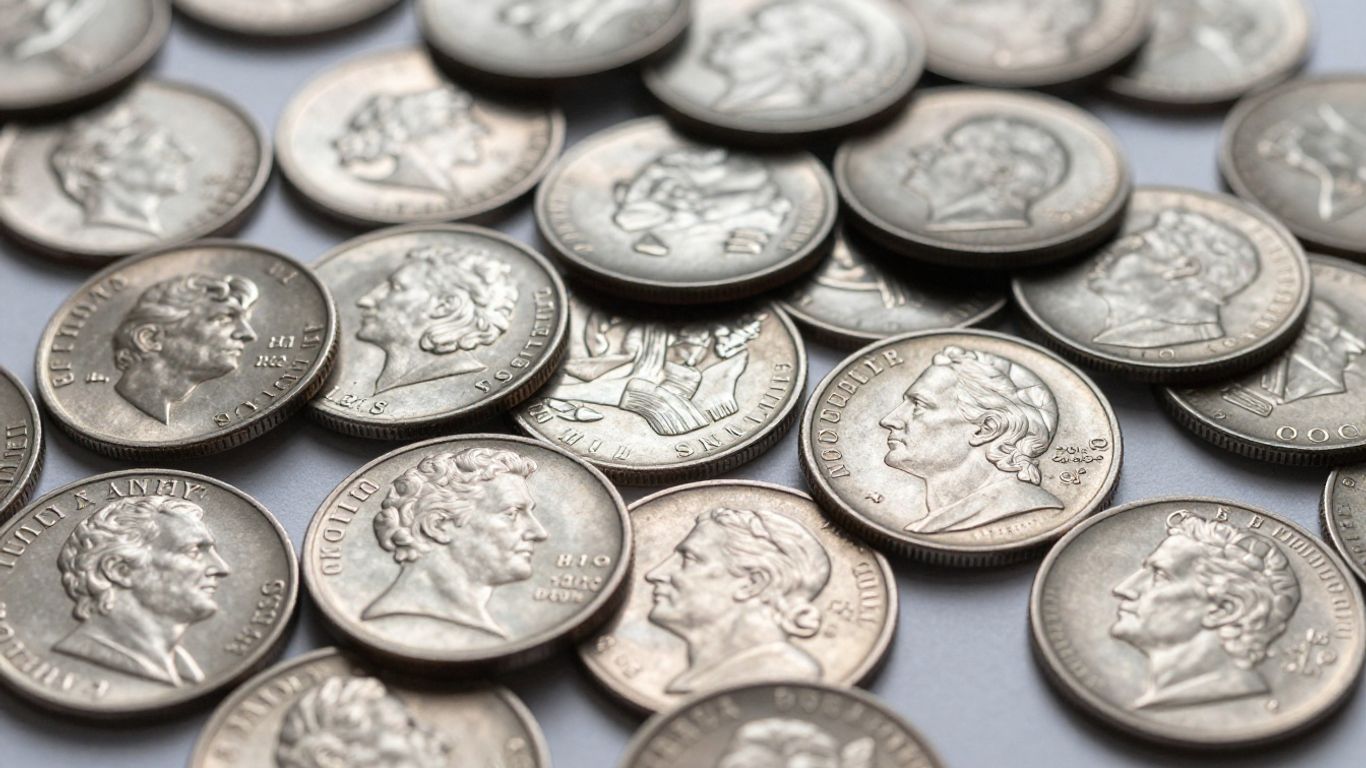
Austin has a pretty active market for constitutional silver coins. It’s not just about big-time investors; lots of regular folks are looking to sell these old coins. You’ll find that many local coin shops and precious metal dealers in the Austin area are keen to buy these pieces of American history. They often see them as a straightforward way to acquire silver bullion, especially the common 90% silver coins like dimes, quarters, and half dollars minted before 1965. The demand is steady because these coins are a tangible way to own silver.
Local Demand For Silver Coins
The local demand in Austin for constitutional silver is pretty consistent. People are often looking to offload collections they’ve inherited or accumulated over the years. Dealers are usually happy to take these off their hands, often paying based on the silver content rather than any numismatic rarity, unless a specific coin is exceptionally rare or in pristine condition. It’s a good sign for sellers that there are always buyers around.
Key Austin Coin Buyer Locations
When you’re looking to sell, Austin has several types of places that will be interested. You’ve got dedicated coin shops, which are often the first stop for collectors and investors. Then there are precious metal dealers who focus more on the bullion aspect – they’re primarily interested in the silver weight. Some online buyers also have a presence or cater to the Austin area, offering another avenue to get quotes. It’s worth checking out a few different spots to see who offers the best deal.
Navigating The Austin Coin Scene
Figuring out where to sell can feel a bit overwhelming at first. It helps to do a little homework. Check out reviews for local shops, see if they specialize in coins, and understand how they price their purchases. Remember, most buyers will be looking at the melt value, especially for common dates. You can get a general idea of silver prices online before you go in. It’s a good idea to get a few quotes before you commit to selling to just one buyer. You can find places that buy 90% U.S. constitutional silver coins all over the city.
What Buyers Seek In Constitutional Silver
When you’re looking to sell your constitutional silver coins here in Austin, it helps to know what the buyers are actually looking for. It’s not just about having silver; it’s about the specifics of those coins. Most buyers are primarily interested in the melt value, which is tied directly to the silver content. However, some other factors can play a role.
Focus On Silver Purity And Weight
Constitutional silver, often called 90% silver, refers to U.S. dimes, quarters, and half dollars minted before 1965. These coins contain 90% pure silver and 10% other metals, usually copper. Buyers will be looking at the total silver weight you have. The purity is pretty standard for these coins, so the main thing is how much silver you’re bringing to the table.
Here’s a quick look at the silver content in common denominations:
| Coin Denomination | Silver Weight (troy oz) per coin | Approximate Silver Value (based on $25/oz spot) |
|---|---|---|
| Dime (pre-1965) | 0.0723 | $1.81 |
| Quarter (pre-1965) | 0.1808 | $4.52 |
| Half Dollar (pre-1965) | 0.3617 | $9.04 |
Note: These values are approximate and fluctuate with the market price of silver.
Condition And Rarity Considerations
While melt value is king for most buyers, the condition of your coins can sometimes make a difference, especially if you have something a bit more special. A coin that’s heavily worn might fetch a price closer to its pure silver content. However, a coin in really nice shape, with clear details and no major damage, might be worth a tiny bit more, even if it’s not a rare collectible.
Buyers generally look for:
- Minimal wear: Details are still visible and not smoothed over.
- No significant damage: Avoid coins with deep scratches, bends, or holes.
- Original surfaces: Coins that haven’t been cleaned or altered.
Most dealers in Austin will focus on the silver content. They’re not typically looking to build a rare coin collection. Their business model is usually based on buying silver at a slight discount to the spot price and then reselling it, often to refiners or larger bullion dealers. So, while condition matters a little, don’t expect a pristine coin to dramatically increase its value unless it’s a genuinely rare date or mint mark.
Common Coins vs. Collectible Rarities
For the most part, buyers are interested in the bulk silver value of your constitutional coins. This means common dates like 1940s, 1950s, and early 1960s dimes, quarters, and halves are what they’ll be buying by the pound, so to speak. They’re less concerned with whether you have a 1943 P or a 1950 D quarter.
However, there are exceptions. Certain dates and mint marks can be significantly rarer and more sought after by collectors. If you happen to have coins like:
- A 1916 Standing Liberty Quarter (key date)
- A 1932-D or 1932-S Washington Quarter
- Certain early Barber or Walking Liberty half dollars
These might be worth more than their silver content. A good buyer will recognize these and offer you a price that reflects their numismatic (collector) value, or they might suggest you sell them separately to a specialist dealer. It’s always good to do a quick search for your specific coin’s date and mint mark if you suspect it might be something special.
Selling Your Silver Coin Collection
So, you’ve decided it’s time to part with your collection of constitutional silver coins. That’s a big step, and honestly, it can feel a little overwhelming at first. You’ve probably held onto these coins for a while, maybe they were inherited, or perhaps you just started collecting them over the years. Whatever the reason, getting ready to sell them involves a few key steps to make sure you get a fair shake.
Preparing Your Coins For Sale
First things first, don’t go cleaning them up with harsh chemicals or polishing them to a shine. Seriously, resist the urge. For most buyers, especially those looking for silver content, cleaning can actually hurt the value. It can leave scratches or alter the coin’s surface in a way that collectors or dealers see as damage. Instead, just handle them carefully by the edges. If they’re really dusty, a gentle puff of air or a very soft brush might be okay, but generally, less is more. It’s also a good idea to sort them a bit. Grouping them by denomination (dimes, quarters, half dollars) and by date can make the process smoother when you’re talking to potential buyers. You might even want to jot down a rough inventory. This helps you keep track of what you have and makes it easier for a dealer to assess your collection quickly. Think of it like organizing your closet before a big clear-out; it just makes everything less chaotic.
Evaluating Multiple Offers
This is where you really want to pay attention. Don’t just take the first offer that comes your way. It’s like shopping around for a car – you want to see what different places are offering. Get quotes from a few different buyers. This could include local coin shops, precious metal dealers, or even online platforms that serve the Austin area. Each buyer might have a slightly different pricing structure or a different view on the value of your specific coins. Some might focus more on the melt value (the pure silver content), while others might give a little extra for rarer dates or coins in better condition. Comparing offers is your best tool for getting the most money for your collection.
Here’s a quick look at what different buyers might focus on:
- Melt Value Buyers: These folks are primarily interested in the silver content. They’ll calculate the weight and purity of the silver and offer you a price based on the current spot price of silver, usually with a small discount. This is common for bags of common date, circulated coins.
- Numismatic Buyers: These buyers look at the coin’s collector value. They consider the rarity, condition, historical significance, and demand for specific dates and mint marks. They might pay a premium over melt value for desirable coins.
- General Dealers: Many dealers offer a mix. They’ll assess both the silver content and any potential collector value, trying to find a balance that works for both of you.
Ensuring A Smooth Transaction
Once you’ve accepted an offer, the final step is making sure the transaction goes smoothly and securely. If you’re selling in person, especially at a place like The Village Coin Shop, make sure you’re in a safe, well-lit environment. It’s always a good idea to have a friend or family member with you if you feel more comfortable. Discuss payment methods beforehand. Most reputable dealers will offer cash or a check on the spot. Be wary of anyone who pressures you to make a quick decision or seems hesitant to answer your questions. A good transaction should feel transparent and fair. You want to walk away feeling confident that you got a good deal and that the process was straightforward. Remember, these coins have value, and the person buying them should treat the transaction with respect.
Austin Resources For Selling Silver
So, you’ve got some old silver coins lying around and you’re wondering where to take them in Austin. It’s not as complicated as it might seem. There are a few main places you’ll want to check out.
Local Coin Dealers In Austin
These are probably your go-to spots. Local coin shops are usually run by people who know their stuff when it comes to coins, both for their silver content and any collector value they might have. They often have a steady stream of customers looking for these kinds of coins, so they’re usually ready to make an offer. It’s a good idea to visit a couple of different ones to compare what they say your coins are worth. You might find that one shop offers a bit more than another.
Precious Metals Brokers
These folks focus more on the raw value of the metal itself. If your coins are mostly valuable for their silver content (think common dates, worn condition), a precious metals broker might give you a straightforward price based on the current market rate for silver. They deal in larger quantities and might be more interested if you have a significant amount of silver. Some of these places also deal in other precious metals like gold and platinum, so they’re pretty knowledgeable about the market in general.
Online Platforms Serving Austin
Don’t forget about the internet! While you might not be handing coins over in person, many online precious metals dealers have a presence or serve customers in the Austin area. This can be a good option if you’re looking for competitive pricing or if you have a large collection. Just be sure to do your homework on the company’s reputation and read reviews. Shipping your coins safely is also a big consideration here.
When you’re looking to sell, remember that the price of silver fluctuates daily. It’s wise to check the current spot price of silver before you head out. This gives you a baseline for what your coins are worth based purely on their silver weight.
Here’s a quick rundown of what to expect:
- Local Coin Shops: Good for appraisals, potentially better prices for numismatic value, personal service.
- Precious Metals Brokers: Straightforward pricing based on silver content, good for bulk sales.
- Online Platforms: Wide reach, competitive pricing, requires careful vetting and secure shipping.
It’s always a good move to get a few different opinions on your coins. You can even check out places that sell jewelry-making supplies in Austin, like Webamc, as they sometimes have connections or insights into the local precious metals market, though they might not be direct buyers themselves. Getting multiple offers helps you feel confident you’re getting a fair deal for your constitutional silver.
Understanding The Value Of Your Silver
When you’re looking to sell your constitutional silver coins, it’s good to have a basic idea of what they’re worth. It’s not just about the silver content, though that’s a big part of it. There are a few things that play into the final price a buyer might offer.
Spot Price Of Silver
The most straightforward factor is the current market price of silver itself, often called the "spot price." This is the price for one troy ounce of pure silver, and it fluctuates daily based on global supply and demand. Think of it as the baseline value for the metal in your coins. If silver prices are high, your coins will generally be worth more, and vice versa. This is the foundation for how buyers will assess your collection.
Premiums And Discounts
Buyers don’t usually pay you the exact spot price for your silver. They’ll often offer a percentage of the spot price, which is called a "discount." For example, a buyer might offer 80% of the spot price. This discount covers their costs of doing business, like sorting, storing, and reselling the silver. On the flip side, sometimes certain coins, especially if they’re in high demand or part of a larger lot, might get a small "premium" above the spot price, but this is less common with standard constitutional silver.
Numismatic Value Factors
Beyond the silver content, some coins have "numismatic" value. This is value that comes from the coin’s collectibility, rarity, condition, and historical significance. While most constitutional silver is valued primarily for its melt content (the silver itself), a rare date, a coin in exceptionally good condition, or one with an interesting mint error could be worth more than just its silver weight. However, for typical circulated dimes, quarters, and half dollars made before 1965, the numismatic value is often minimal compared to the silver’s melt value. Most buyers will focus on the silver content unless a coin is a known rarity.
Here’s a quick look at how the silver content is calculated for common U.S. coins:
| Coin Type | Face Value | Silver Content (Approx.) |
|---|---|---|
| Dime (pre-1965) | $0.10 | 0.0723 troy oz |
| Quarter (pre-1965) | $0.25 | 0.1807 troy oz |
| Half Dollar (pre-1971) | $0.50 | 0.3615 troy oz |
When selling, remember that buyers are looking to make a profit. They need to account for their overhead, the time it takes to sort and process coins, and the risk involved in holding inventory. Therefore, expect offers to be below the current spot price of silver. It’s wise to get a few quotes from different buyers to see who offers the best rate for your specific coins.
For a general idea of how much silver is in your coins, you can use this calculation: multiply the face value of your coins by 0.715 to get an estimate of the silver weight in troy ounces. For instance, $100 face value in dimes would be roughly 71.5 troy ounces of silver. This gives you a starting point for understanding the potential melt value of your collection, which you can then compare against current silver prices.
Ready to Sell Your Constitutional Silver?
So, if you’ve got those old dimes, quarters, or half dollars sitting around, and you’re thinking about turning them into cash, Austin has places that want to see them. We’ve talked about what makes this silver special and where you might find buyers. Don’t just let them gather dust. Getting a fair appraisal is the first step, and it’s usually free. You might be surprised what those coins are worth today. Give it a shot and see what happens.
Frequently Asked Questions
What exactly are constitutional silver coins?
Think of constitutional silver coins as old U.S. money made before 1965. These coins, like dimes, quarters, and half-dollars, were made with 90% real silver. They’re called ‘constitutional’ because they were part of the country’s official money system.
Why would someone want to sell these old silver coins in Austin?
People sell them because they’re worth more for their silver content than their face value. The price of silver changes, and when it’s high, these old coins become valuable. Selling them locally in Austin means you can get cash quickly.
What do buyers look for when I bring my silver coins?
Buyers mainly care about the amount of silver in your coins. They’ll check the weight and purity. While the coin’s condition and rarity can add value, for most ‘constitutional’ silver, it’s all about the silver metal itself.
How do I know if my coins are actually constitutional silver?
Look for coins made before 1965. Common ones include dimes, quarters, and half-dollars from that era. You can usually tell by the date on the coin. Coins made after 1964 typically don’t have silver in them.
Where can I find places in Austin to sell my silver coins?
Austin has several options. You can visit local coin shops, dealers who specialize in precious metals, or sometimes pawn shops. Some online buyers also work with people in Austin, but local shops offer a chance to see the buyer and get paid right away.
How do I get a fair price for my silver coins?
It’s best to get your coins appraised by a few different buyers. Knowing the current silver price helps. Be aware that buyers will offer you a price based on the silver’s melt value, which is usually a bit less than the spot price of silver.
What's the difference between selling for silver value and collectible value?
Most constitutional silver coins are valued for their silver content – what they’re worth melted down. However, some rare dates or coins in excellent condition might be worth more to collectors. Buyers will usually focus on the silver value unless a coin is exceptionally rare.
Are there any specific Austin dealers known for buying silver coins?
While specific dealer names can change, Austin has a number of reputable coin and precious metal dealers. It’s always a good idea to search online for ‘coin buyers Austin TX’ or ‘sell silver coins Austin’ and check reviews to find trusted local businesses.