Thinking about selling some gold items in Austin, TX? It can be a bit confusing to figure out where to go. There are a lot of different things people want to buy, from shiny coins to old necklaces. This guide is here to help you find the right coin jewelry buyers in Austin, TX, so you can get a fair price for whatever you’re looking to sell. We’ll break down what buyers are looking for and what you can expect.
Key Takeaways
- When selling gold, the amount you get depends on how much it weighs, how pure it is, and the current market price. Buyers like ATX Jewelry Exchange take gold in various purities, from 10K to 24K, and buy it in any condition.
- For selling gold bars or natural gold nuggets, look for buyers in Austin who offer clear evaluations and pay cash right away. ATX Jewelry Exchange is mentioned as a place that does this.
- The difference between 10K, 14K, and 18K gold is the amount of pure gold in them. 18K has the most pure gold. White gold and yellow gold have the same value based on their purity.
- Dental gold is treated like scrap gold and its value is based on weight and purity. Buyers offer cash for it in any condition.
- Some places, like ATX Jewelry Exchange, buy gold jewelry even if there are stones or diamonds still in it. They evaluate the whole piece to give you the best offer.
1. Gold Coins
Got some gold coins lying around? Whether they’re old collector’s items or just pure bullion, selling them in Austin can be a straightforward process if you know where to look. The value of your gold coins really comes down to their gold content and the current market price.
When you’re looking to sell, buyers will typically consider a few things:
- Purity (Karat): Gold coins are often made of high-purity gold, like 21K, 22K, or even 24K (pure gold). The higher the karat, the more gold is in the coin.
- Weight: The heavier the coin, the more gold it contains, and thus, the higher its potential value.
- Market Price: The price of gold fluctuates daily. Buyers will use the current spot price of gold to determine their offer.
- Numismatic Value: Some coins, especially older or rare ones, might have value beyond their gold content. This is called numismatic value, and it’s something a specialized buyer will assess.
Here’s a quick look at common gold purities you might find:
| Purity | Gold Content |
|---|---|
| 10K | ~41.7% |
| 14K | ~58.3% |
| 18K | 75% |
| 21K | 87.5% |
| 22K | ~91.7% |
| 24K | 99.9% (Pure) |
When selling gold coins, it’s smart to get a few opinions. Reputable buyers will offer a clear breakdown of how they arrived at their price, considering the gold’s weight and purity. They won’t charge hidden fees, and the offer they give you is what you’ll get.
2. Gold Bars
Selling gold bars in Austin is pretty straightforward, especially if you know where to look. Unlike jewelry, bars are usually pretty pure, making them simpler to appraise. The value you’ll get is mostly tied to their weight and the current market price of gold.
When you bring in your gold bars, a buyer will check a few things:
- Purity: Most bars are stamped with their karat, like 24K (which is pure gold). This is the most important factor.
- Weight: They’ll weigh your bars accurately to determine the amount of gold you have.
- Market Price: The buyer will look at the live gold spot price to figure out the current value.
It’s good to know the basics of what you have before you go in. For instance, a 1-ounce gold bar is different from a 10-ounce bar, and the purity matters a lot. You might have bars from different mints or even older ones that don’t have as clear markings, but experienced buyers can still figure out their worth.
Buyers in Austin are looking for gold bars in any condition. They understand that even if a bar is scratched or a bit worn, its gold content is what really counts. They’ll give you a price based on that pure gold value, minus any small fees or commissions, which good places won’t even charge.
Here’s a quick look at common gold purities you might find in bars:
| Purity | Description |
|---|---|
| 24 Karat (24K) | Pure Gold (99.9% or higher) |
| 22 Karat (22K) | About 91.7% pure gold |
| 18 Karat (18K) | 75% pure gold |
When you’re ready to sell, look for buyers who are upfront about how they calculate their offers and who pay on the spot. It makes the whole process much smoother.
3. Gold Jewelry
Got some gold necklaces, rings, or bracelets gathering dust? Selling gold jewelry in Austin can be a smart way to get some cash. It’s not just about the weight of the gold, though; the craftsmanship, any gemstones, and the designer can all play a part in its worth.
When you’re looking to sell, it’s good to know a few things about your pieces. The karat of the gold tells you how much pure gold is in the mix. For example:
- 10K gold: About 41.7% pure gold
- 14K gold: About 58.3% pure gold
- 18K gold: About 75% pure gold
- 24K gold: 99.9% pure gold (this is pure gold, often found in coins or bars, but rarely in everyday jewelry because it’s quite soft).
Even if your jewelry is broken, tarnished, or you’ve lost the matching earring, it still has value. Buyers look at the gold content, but they also consider other factors. If you have pieces with diamonds or other stones, reputable buyers will assess those too, giving you a more complete offer.
Finding a buyer who understands the nuances of jewelry, not just the scrap metal value, can make a big difference in the price you get. Look for places that specialize in jewelry and have good reviews from people in the Austin area.
Some buyers might even offer different prices for white gold versus yellow gold, though the actual gold content is what matters most for melt value. Yellow gold is making a comeback, so don’t assume it’s out of style. The key is to find a buyer who is transparent about how they determine the value of your specific gold jewelry. They should be able to explain their appraisal process clearly, whether it’s based on weight, purity, or if there’s a market for the piece as a whole.
4. Scrap Gold
Scrap gold is essentially any gold item that’s no longer wanted in its current form. This can include broken jewelry, old dental work, tarnished pieces, or even single earrings. The value of scrap gold is determined by its weight and purity, not its condition. When you bring in scrap gold, buyers will melt it down to determine its exact gold content.
Here’s a quick look at common gold purities you might encounter:
- 10K Gold: About 41.7% pure gold.
- 14K Gold: About 58.3% pure gold.
- 18K Gold: 75% pure gold.
- 24K Gold: 99.9% pure gold (pure gold).
When selling, look for buyers who are transparent about their evaluation process. They should be able to tell you the karat of your gold and how they arrived at their offer. Some places might even buy jewelry with stones still in it, evaluating both the metal and the gems separately. If you’re looking for a place to sell your gold in Austin, checking out top gold buyers in Austin can give you a good starting point.
Selling scrap gold is a straightforward way to get cash for items you no longer need. The key is understanding that the price you get is based on the gold’s weight and its karat, so even damaged or old pieces can be quite valuable. Reputable buyers will offer a fair price based on the current market rate for gold.
It’s important to find a buyer who offers a fair price based on the current market value. Many places buy gold in any condition, so don’t hesitate to bring in those tangled necklaces or bent rings. They’re worth something!
5. Natural Gold Nuggets
If you’ve stumbled upon some natural gold nuggets, maybe from a prospecting trip or an inherited collection, you might be wondering where to sell them in Austin. These aren’t your typical jewelry pieces; they’re raw, unrefined gold straight from the earth. Their value is determined by their weight and purity, much like other gold items, but their unique shapes can sometimes add a bit of extra appeal.
When you bring your nuggets to a buyer, they’ll look at a few things:
- Weight: How much do the nuggets weigh? This is a primary factor in determining their worth.
- Purity (Karat): While nuggets are generally high in gold content, buyers will test them to confirm their purity. Most natural nuggets are very close to pure gold (22-24K).
- Condition: Are they clean, or do they have a lot of attached rock or dirt? While buyers can clean them, it’s good to have them in decent shape.
- Market Price: The current price of gold on the global market plays a big role in the offer you’ll receive.
Some buyers might even consider the natural aesthetic of the nuggets if they’re particularly interesting shapes or sizes, though this is less common than with finished jewelry.
Selling natural gold nuggets requires a buyer who understands their unique nature. They’re not just scrap metal; they’re a piece of the earth’s history. A good buyer will assess them carefully, considering both their intrinsic gold value and any unique characteristics they might possess, offering a fair price based on these factors.
6. Dental Gold
Got some old gold crowns or bridges lying around? That’s dental gold, and yes, it has value! Dentists often use high-karat gold alloys for fillings, crowns, and bridges because gold is durable and doesn’t react with the body. When you’re done with them, these pieces can be sold for their gold content.
The value of your dental gold depends on its weight, purity, and the current market price of gold. While it might not look like much, even small amounts can add up. Buyers will typically test the gold to determine its karat, which tells them how much pure gold is in the alloy. Common dental gold alloys are usually around 10K to 16K, but it can vary.
Here’s what to expect when selling dental gold:
- Assessment: Reputable buyers will use professional tools to test the gold’s purity. They’ll weigh it accurately.
- Offer: You’ll receive an offer based on the gold’s weight, purity, and the current spot price. Look for places that offer transparent pricing.
- Payment: Most buyers offer immediate payment, often in cash.
It’s important to find a trustworthy buyer. Some places might try to undervalue your dental gold. Doing a little research beforehand can help you find a place like ATX Jewelry Exchange that offers fair prices and a straightforward selling process. They’re known for their expert testing and private appointments, making it easy to get cash for your old dental work.
7. Designer Jewelry
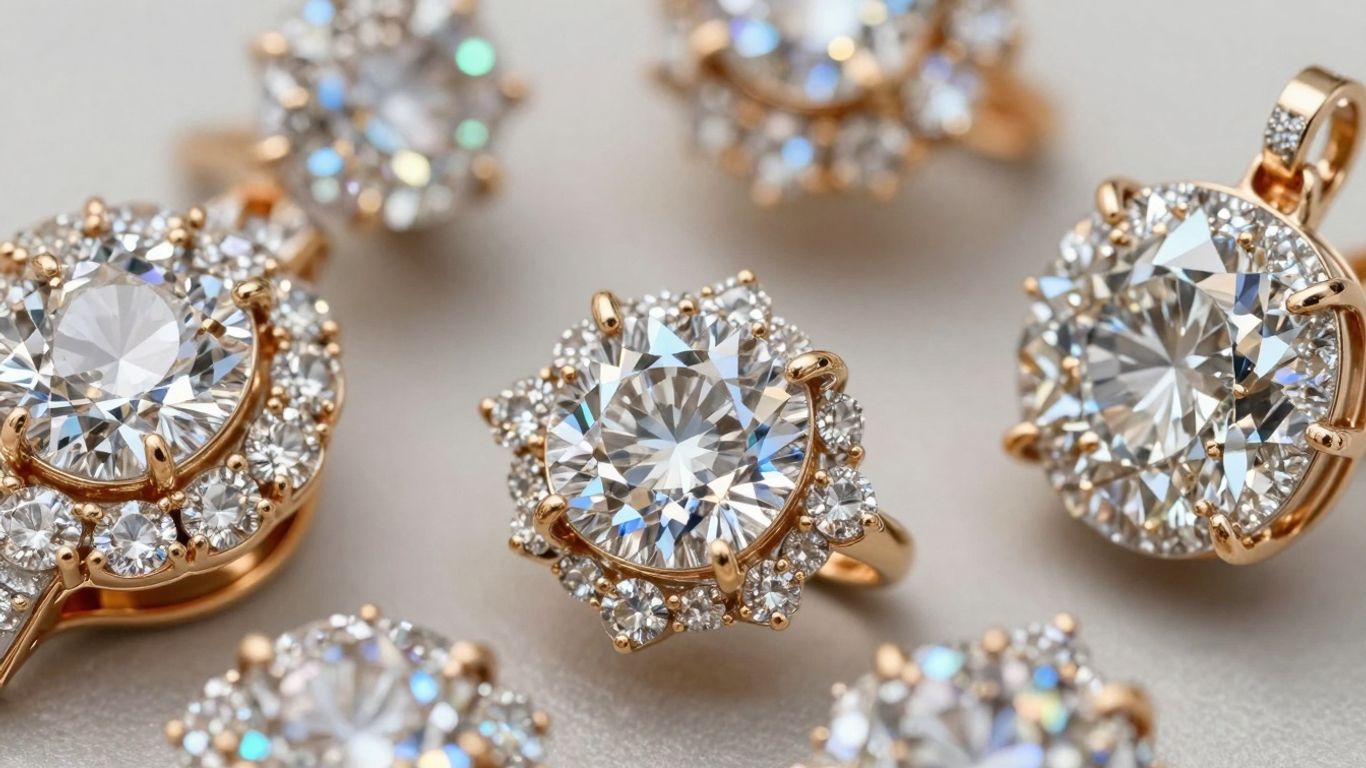
Selling designer jewelry is a bit different than just selling gold. These pieces often have value beyond just the metal weight because of the brand name, the craftsmanship, and sometimes even the history behind them. Think Tiffany & Co., Cartier, or Van Cleef & Arpels – these names mean something in the jewelry world.
Getting a fair price for your designer pieces means finding a buyer who understands this added value. It’s not just about the gold or platinum; it’s about the designer’s mark. A good buyer will know how to assess the brand’s reputation and the current market demand for that specific designer.
When you’re ready to sell, here are a few things to keep in mind:
- Gather Documentation: If you still have the original box, papers, or receipts, bring them along. This can significantly help in proving authenticity and getting a better offer.
- Know Your Brands: Familiarize yourself with the designers you own. Knowing if a piece is particularly rare or sought-after can give you an edge.
- Look for Specialists: Some buyers focus more on precious metals, while others specialize in high-end designer items. Finding a specialist can lead to a more accurate appraisal.
It’s important to work with reputable buyers who have experience with luxury brands. They’ll use specialized equipment to check the authenticity and condition of your jewelry. You want someone who can give you a professional assessment, not just a scrap metal price. For example, places like DJP Jewelers in Austin often have staff who are knowledgeable about designer pieces and can offer competitive prices.
Selling designer jewelry requires a buyer who appreciates the brand name and craftsmanship, not just the raw materials. A knowledgeable buyer can offer a price that reflects the true worth of these unique items, going beyond simple melt value.
Here’s a quick look at what buyers typically consider:
| Factor | Description |
|---|---|
| Brand Name | Recognition and desirability of the designer. |
| Materials | Type and quality of gold, platinum, gemstones. |
| Condition | Wear and tear, damage, or need for repair. |
| Authenticity | Proof of origin, original packaging, certificates. |
| Rarity | Limited editions or hard-to-find pieces. |
8. Watches
When it comes to selling watches in Austin, TX, you’re likely dealing with more than just a timepiece; you’re holding a piece of craftsmanship, history, and often, significant value. Whether it’s a vintage Rolex, a modern Omega, or a classic Cartier, these items can fetch a good price if you know where to look.
The key to getting a fair price for your watch is understanding its condition, brand, model, and any accompanying documentation. A watch in good working order, with its original box and papers, will always command a higher price than one that’s damaged or incomplete. Buyers are looking for authenticity and provenance, so if you have service records or a certificate of authenticity, be sure to include them.
Here’s what buyers typically consider when evaluating a watch:
- Brand and Model: High-end brands like Rolex, Patek Philippe, and Audemars Piguet are always in demand. Specific popular models within these brands also hold their value well.
- Condition: This includes the case, crystal, dial, hands, and bracelet. Any scratches, dents, or signs of wear will affect the value.
- Movement: Whether it’s mechanical (automatic or manual-wind) or quartz, the movement’s functionality and accuracy are important.
- Originality: Are all the parts original to the watch, or have any been replaced?
- Box and Papers: The original box, warranty card, manual, and any service records add significant value.
When you’re ready to sell, consider places that specialize in luxury items. Some jewelers and dedicated watch buyers in Austin have the expertise to properly assess and offer competitive prices for timepieces. For instance, places like ATX Jewelry Exchange are known for handling luxury watches and offering quick, secure transactions.
Selling a watch can feel a bit daunting, especially if it’s a valuable piece. It’s wise to get a professional appraisal from someone who truly understands the watch market. They can help you determine the best way to sell and ensure you get what your watch is worth, without any surprises.
Don’t underestimate the value of your watch. With a little research and the right buyer, you can turn that timepiece into cash.
9. Diamonds
When it comes to selling diamonds, whether they’re loose stones or part of a piece of jewelry, you want to make sure you’re getting a fair shake. It’s not like selling old clothes; diamonds have a real market value, and knowing what you have is the first step. The best way to sell expensive jewelry is always through reputable and professional jewelry buyers. They’ve got the tools and the know-how to properly assess a diamond’s worth.
Here’s a quick rundown of what buyers usually look at:
- Carat Weight: This is the diamond’s size. Bigger isn’t always better, but it’s a big factor in price.
- Cut: How well the diamond is shaped and faceted. A good cut makes it sparkle.
- Color: Diamonds are graded on a scale from D (colorless) to Z (light yellow or brown). Colorless diamonds are usually worth more.
- Clarity: This refers to any imperfections or inclusions inside the diamond. Fewer imperfections mean a higher clarity grade and more value.
It can be a bit confusing, right? That’s why getting an expert opinion is so important. You don’t want to undersell a gem just because you didn’t know its true potential. Many places offer free appraisals, which is a great way to start. For instance, places like Diamond Banc in Austin can help you understand what your diamonds are worth without any pressure.
Selling diamonds requires a bit of homework. Understanding the basics of the 4 Cs (carat, cut, color, clarity) gives you a starting point, but a professional evaluation is key to getting the best price. Look for buyers who are transparent about their process and offer detailed explanations for their valuation.
When you’re ready to sell, look for buyers who specialize in diamonds and have a good reputation in the Austin area. They’ll be able to give you a precise valuation and a competitive offer. It’s all about finding someone you trust to handle your valuable stones.
10. Sterling Silver
Sterling silver, often marked with ‘925’ or ‘Sterling’, is a popular choice for jewelry and tableware. While it doesn’t hold the same intrinsic value as gold or platinum, it still has a market. When selling sterling silver items, buyers look at the overall condition, the craftsmanship, and the weight of the silver.
Reputable buyers will offer a fair price based on the current market value of silver.
Here’s what typically influences the price you might get:
- Weight: The more silver your item contains, the higher its potential value.
- Purity: Sterling silver is 92.5% pure silver, with the remaining 7.5% usually copper. Higher purity means more value.
- Condition: Items that are not heavily tarnished or damaged will fetch a better price.
- Brand/Designer: Sometimes, well-known brands or designer pieces can command a premium beyond just the silver content.
When you’re looking to sell, consider items like:
- Sterling silver jewelry (necklaces, bracelets, rings, earrings)
- Sterling silver flatware (forks, knives, spoons)
- Sterling silver serving pieces (platters, bowls, pitchers)
- Sterling silver decorative items
It’s a good idea to gather any original documentation you might have for your sterling silver pieces, like receipts or authenticity papers. This can help buyers confirm the item’s origin and quality. You can find beautiful sterling silver pieces, like those available since 1954, that might be worth selling if you no longer need them finely crafted jewelry.
Selling sterling silver can be a straightforward process if you work with buyers who specialize in precious metals. They can quickly assess the purity and weight, giving you a clear offer. It’s always wise to get quotes from a couple of different places to ensure you’re getting a competitive price for your items.
Ready to Sell Your Coin Jewelry?
So, you’ve gone through your jewelry box and found some coin jewelry you’re ready to part with. It can feel like a big step, but finding the right buyer in Austin makes all the difference. We’ve talked about what makes a buyer trustworthy, like clear pricing and fair evaluations. Remember, places like ATX Jewelry Exchange are set up to handle all sorts of gold items, from different karats to even scrap pieces. They don’t charge extra fees, and they’ll give you a straightforward offer based on the current market. Don’t forget to book an appointment to get their full attention. Selling your valuables should be a smooth process, and with the right information, you can get a good deal for your coin jewelry right here in Austin.
Frequently Asked Questions
How much money will I get for my gold?
The amount you get depends on how much your gold weighs, how pure it is (like 10K, 14K, 18K, or 24K), and the going price for gold right now. We buy gold in any condition, even if it’s broken or you don’t want it anymore, and we offer fair cash prices.
Where is the best place to sell my gold in Austin?
ATX Jewelry Exchange is a trusted local buyer in Austin. We make selling your gold fast, easy, and clear, and you can get paid right away.
Can I sell gold bars?
Yes, if you have gold bars to sell, ATX Jewelry Exchange is a good place to go. We buy gold bars and give fair prices based on the current market value. Our process is simple and safe.
What's the difference between 10K, 14K, and 18K gold?
The difference is how much real gold is in it. 10K gold is about 41.7% pure gold, 14K is about 58.3% pure, and 18K is 75% pure. The higher the number, the more gold it has, which usually means it’s worth more.
Does white gold have a different value than yellow gold?
When it comes to their melting value, white gold and yellow gold are worth the same if they have the same purity (karat). The color difference comes from the other metals mixed in. White gold gets its color from metals like palladium or nickel, while yellow gold keeps its natural color.
What is dental gold worth?
Dental gold is treated like scrap gold. Its value is based on its weight, purity, and the current price of gold. We buy dental gold in any condition and offer good rates.
Do I need an appointment to sell gold?
Yes, we work by appointment only. This way, we can give each customer our full attention for a private and personal experience. Setting an appointment means our experts can give you a thorough evaluation without any waiting.
Are there any fees when I sell gold?
No, ATX Jewelry Exchange doesn’t charge any hidden fees or commissions. The price we offer you after looking at your gold is the exact amount you’ll get. It’s straightforward and based on the current market.