Thinking about selling some coins in Austin, TX? It can feel a little overwhelming trying to figure out where to go. There are quite a few places around town that deal with coins, whether they’re old and rare or just plain gold and silver. We’ve put together a quick rundown to help you find a good deal and get fair coin prices in Austin, TX. This guide will help you understand what influences coin value, how to get accurate appraisals, and where to find reputable dealers.
Key Takeaways
- Understanding what makes a coin valuable, like its material, rarity, and condition, is the first step to getting fair coin prices in Austin, TX.
- Getting a professional appraisal is important to know the true worth of your coins before you sell.
- When selling silver or gold coins, know the purity standards and how spot pricing affects the value.
- Look for reputable coin dealers in Austin by checking their credentials, experience, and industry certifications.
- Be aware of common scams and pressure tactics when selling coins to ensure you get a fair offer.
Understanding Fair Coin Prices in Austin, TX
What Influences Coin Value?
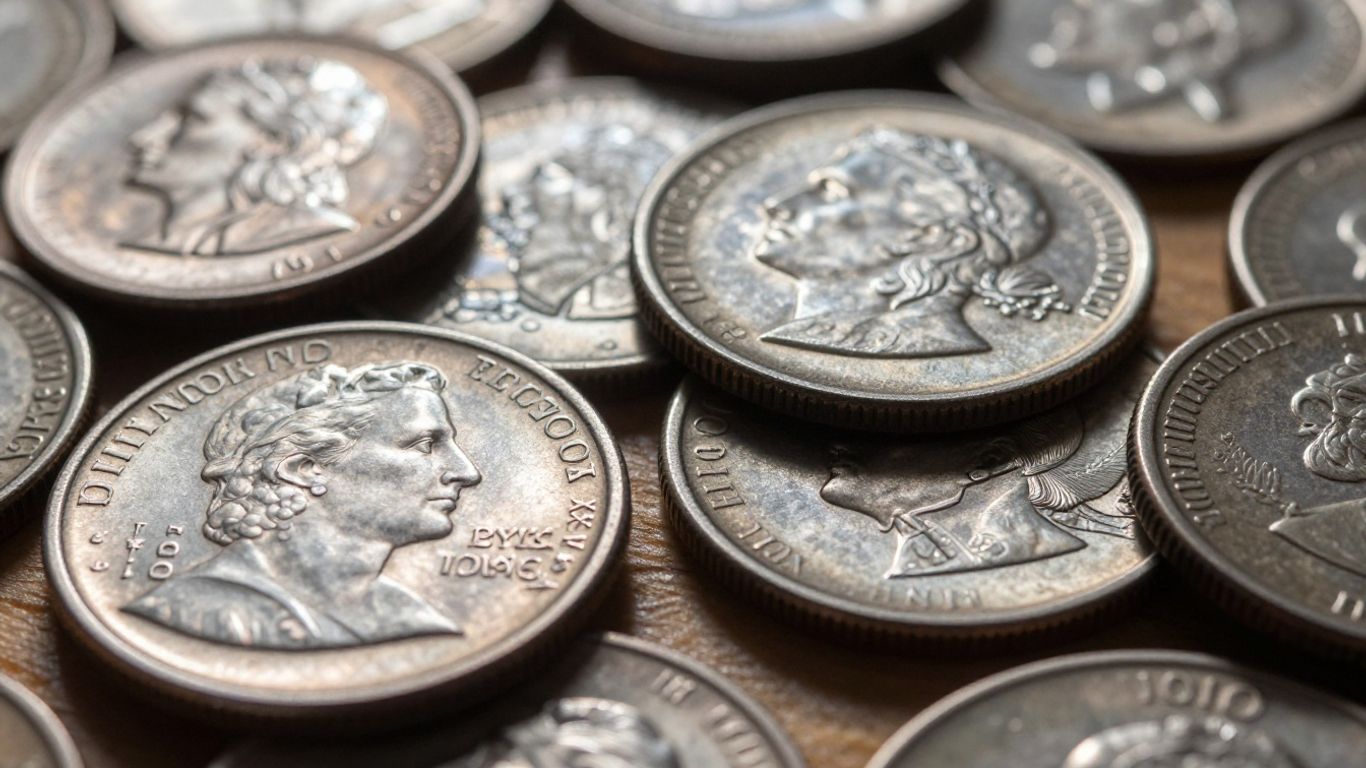
Figuring out what your coins are actually worth can feel like a puzzle sometimes. It’s not just about the metal they’re made of, though that’s a big part of it, especially for silver and gold coins. Several things come into play. The rarity of a coin, meaning how many were made and how many still exist, plays a huge role. Then there’s the condition – a coin that’s been worn down from lots of handling will be worth less than one that looks almost new. Collectors also care a lot about the specific year and mint mark, which tells you where and when it was made. Sometimes, a coin’s history or its connection to a specific event can add to its appeal and, therefore, its price.
Here’s a quick look at some key factors:
- Rarity: How many were produced vs. how many are left.
- Condition (Grade): Wear and tear significantly impact value.
- Metal Content: The amount of gold, silver, or other precious metals.
- Demand: What collectors and investors are looking for right now.
- Historical Significance: Any special stories or events tied to the coin.
The Importance of Accurate Appraisals
Getting a good handle on your coin’s worth means you need a solid appraisal. Without one, you might end up selling your treasures for way less than they’re actually worth. It’s like trying to sell a house without knowing its market value – you’re just guessing. A professional appraisal takes into account all those factors we just talked about: the coin’s condition, its rarity, its metal content, and current market demand. This gives you a realistic price point, so you know what to expect when you start talking to buyers. An accurate appraisal is your best defense against getting a lowball offer.
Relying on a quick online search or a guess from someone who isn’t a coin specialist can lead to disappointment. A proper appraisal involves careful examination by someone who understands the nuances of numismatics.
Navigating the Austin Coin Market
Austin has a pretty active market for coins, with a mix of local coin shops, jewelers who buy precious metals, and even private collectors. The trick is knowing where to find the buyers who are knowledgeable about the specific types of coins you have. Some places might be great for common silver dollars, while others might be better suited for rare gold pieces or even ancient coins. It pays to do a little homework before you walk into a shop. You want to find dealers who are reputable and have a good track record. Asking around, checking online reviews, and understanding who specializes in what can save you a lot of time and potential hassle. It’s all about finding the right fit for your collection.
Selling Your Silver Coins in Austin
So, you’ve got some silver coins gathering dust and you’re thinking about turning them into cash. It’s a smart move, especially with silver prices fluctuating. Austin has a decent market for these, but knowing where to start can be a bit of a puzzle. You want to make sure you’re getting a fair shake, not just a lowball offer.
Where to Find 90 Percent Silver Coin Buyers
When you’re looking to sell coins with 90 percent silver content, like old Morgan or Peace dollars, you’ll want to find buyers who understand their numismatic value beyond just the melt price. These coins often have a collector’s premium. Look for established coin dealers in Austin who specialize in U.S. silver coinage. It’s always a good idea to check out places like Austin Coin Buyers that focus on these types of coins. They’ll be more likely to offer a price that reflects both the silver content and the coin’s rarity or condition.
Here’s what to look for in a buyer:
- Knowledge: Do they know their Morgans from their Peace dollars?
- Transparency: Are they upfront about how they determine the price?
- Reputation: What do other collectors say about them?
Understanding 40 Percent Silver Coin Valuations
Coins made with 40 percent silver, such as Kennedy half dollars minted between 1965 and 1970, are a bit different. Their value is primarily tied to the silver content, as they generally don’t carry a significant collector’s premium. When you’re looking to sell these, focus on buyers who offer pricing based on the current silver spot price, minus a small dealer margin. You can often find these buyers at general precious metals dealers or even some jewelry exchanges that deal in bullion.
Remember that the value of these coins is mostly about the silver itself. Don’t expect a huge markup just because it’s a historical coin.
Calculating Silver Content in Your Coins
Before you even talk to a buyer, it helps to have a rough idea of what you have. For 90 percent silver coins, the calculation is pretty straightforward. Most older U.S. silver dollars and half dollars (pre-1965) are 90% silver. For example, a silver dollar weighs about 26.73 grams, so 90% of that is roughly 24.06 grams of pure silver. For 40 percent silver coins, the calculation is similar, just using the lower percentage.
Here’s a quick rundown:
- Identify the coin type and mint date: This tells you the likely silver purity.
- Find the coin’s weight: You can often find this online.
- Calculate the pure silver weight: Multiply the coin’s weight by its silver percentage (e.g., 0.90 for 90% silver).
- Check the current silver spot price: This gives you a baseline for the metal’s value.
Knowing this information can help you spot fair offers and avoid getting less than your coins are worth. You can find resources online to help with calculating silver content if you’re unsure.
Selling Gold Coins in Austin, TX
So, you’ve got some gold coins sitting around and you’re thinking about selling them here in Austin. It can feel a bit daunting, right? You want to make sure you’re getting a fair price, and that means understanding a few key things before you walk into a shop. Gold coins, especially investment-grade ones like Krugerrands, have a value that’s pretty directly tied to the price of gold itself, but there’s more to it than just that.
Understanding Gold Purity Standards
When you’re dealing with gold coins, the purity is a big deal. It tells you how much actual gold is in the coin. You’ll often see terms like ‘karat’ or ‘fineness’. Karat is more common for jewelry, but for coins, fineness is usually the standard. Fineness is a number out of 1000 that shows the proportion of pure gold. For example, .999 fine means 99.9% pure gold. Most modern bullion coins aim for this high level of purity. Older coins or coins from different countries might have different standards, so it’s good to know what you’re working with. Knowing the fineness helps determine the actual gold weight, which is a major factor in its value.
Here’s a quick look at common fineness levels:
| Fineness | Purity |
|---|---|
| .999 | 99.9% |
| .995 | 99.5% |
| .9167 | 91.67% (22 Karat) |
| .900 | 90.0% (21.6 Karat) |
Navigating Gold Spot Pricing and Premiums
The price you see quoted for gold on the news or online is called the ‘spot price’. This is the raw market price for pure gold, usually per ounce. However, when you buy or sell gold coins, the price you get will likely be different. Buyers have to make a profit, so they’ll add a ‘premium’ on top of the spot price when selling, and they’ll pay you a price slightly below the spot price when buying. This premium covers their costs, the risk they take, and their profit margin. For common bullion coins, this premium is usually pretty small, but it can add up. It’s important to remember that the spot price is just a baseline; your actual transaction price will be influenced by these premiums. You can find current gold prices at many financial news sites.
The difference between the spot price and what a dealer offers can seem confusing. It’s important to remember that dealers have overhead, need to make a profit, and are taking on the risk of holding inventory. A fair offer will reflect these realities while still being competitive.
Where to Sell Krugerrands for Top Value
Krugerrands are one of the most popular gold bullion coins out there, and for good reason. They’re easily recognizable and have a strong resale market. When you’re looking to sell your Krugerrands in Austin, you want to find buyers who understand their value as bullion. Some places might try to lowball you by treating them like common jewelry. Look for reputable coin dealers or bullion buyers who specialize in precious metals. They’ll be able to accurately assess the coin’s weight and purity and offer you a price based on the current gold market, minus a reasonable selling premium. Checking out places like ATX Jewelry Exchange can be a good starting point, as they are known for their expertise in precious metals.
Identifying Reputable Coin Dealers in Austin
Checking Credentials and Experience
When you’re looking to sell coins, especially valuable ones, finding a dealer you can trust is a big deal. It’s not just about getting a fair price; it’s about feeling secure in the transaction. So, how do you spot a good one in Austin? Start by looking at how long they’ve been in business. A dealer who’s been around for years likely has a solid reputation and knows the market well. Ask them about their experience with the specific types of coins you have. Someone who specializes in ancient coins might not be the best person to appraise your modern silver dollars, for example. Don’t be afraid to ask questions about their buying process and how they determine coin values. A reputable dealer will be happy to explain things clearly.
The Role of Industry Certifications
While not always required, certain certifications can give you extra peace of mind. Organizations like the American Numismatic Association (ANA) have standards for dealers. Membership in such groups often means a dealer adheres to a code of ethics. You might also see dealers who are members of the Professional Numismatists Guild (PNG). These are generally dealers who have met strict requirements for experience and integrity. It’s a good sign if they’re willing to show you their credentials. It shows they take their profession seriously and want you to feel confident. You can often check these affiliations online before you even visit a shop.
What to Look for in Local Coin Shops
Beyond credentials, there are practical things to observe when you walk into a coin shop. Is the place clean and organized? Does the dealer seem knowledgeable and willing to talk without pressure? A good dealer will be transparent about their pricing and fees. Look for shops that have a physical location and have been serving the Austin community for a while. Online reviews can offer some insight, but visiting in person is best. See if they have a clear process for evaluating your coins. For instance, if you’re selling gold, they should be able to explain how they determine gold purity standards. It’s also wise to get a written offer, even if it’s just for your records. If you’re selling bullion, like Krugerrands, you want a buyer who understands spot pricing and premiums accurately.
Trust your gut feeling. If a dealer makes you feel uncomfortable, rushed, or pressured, it’s okay to walk away and try another place. There are plenty of honest coin buyers in Austin who want to build long-term relationships with collectors and sellers.
Specialty Coin Sales in Austin
Where to Sell Colonial Coins
Got some old colonial coins gathering dust? Austin has a market for these historical pieces, but finding the right buyer is key. These aren’t your everyday coins; they require someone who understands their historical significance and rarity. It’s important to find a dealer who specializes in or has a strong interest in early American coinage. When you’re looking to sell, consider dealers who actively participate in numismatic (coin collecting) communities. They’re more likely to appreciate the nuances that make your colonial coins valuable.
Here’s a quick rundown of what to look for:
- Knowledge: Does the dealer know their stuff when it comes to colonial history and coinage?
- Reputation: Check reviews and ask around. A good reputation means fair dealings.
- Specialization: Some shops focus more on modern bullion, while others have a passion for older, rarer items.
Selling colonial coins is different from selling silver bullion. The value isn’t just in the metal; it’s in the history, the condition, and the rarity. A buyer who understands this will offer a much fairer price.
If you’re unsure where to start, checking out established coin dealers in the area is a good first step. Some places, like The Village Coin Shop, have been around for a while and might be a good place to get an initial appraisal.
Selling Pattern Coins in Austin
Pattern coins are experimental or proposed coin designs that were never officially adopted for circulation. Because of their unique nature and often limited mintage, they can be quite valuable to collectors. Selling pattern coins in Austin means you need to connect with buyers who understand their numismatic importance. These aren’t coins you’d typically find at a general coin shop; you’re looking for specialists.
When evaluating your pattern coins, consider these factors:
- Rarity: How many are known to exist?
- Design: Is it an interesting or historically significant design?
- Condition: As with all coins, condition plays a huge role in value.
Finding buyers for these specialized items might take a bit more effort. You might need to look beyond the typical Austin coin dealers and seek out auction houses or dealers who focus on rare and unique numismatic items. Sometimes, a dealer who handles high-end collectibles might be your best bet.
Finding Buyers for Fractional Coins
Fractional coins, especially those made of precious metals like gold or silver, can be a bit trickier to sell than standard-sized coins. These could be anything from small gold fractions of an ounce to older coins that were cut into pieces. The value here is often a mix of the metal content and the historical context, if any.
When you’re looking to sell fractional coins, keep these points in mind:
- Metal Purity: Confirm the fineness of the metal. This is usually stamped on the coin or can be determined by a dealer.
- Weight: Accurately weighing your fractional coins is important for calculating their melt value.
- Buyer Type: Bullion dealers are often the best bet for fractional metal coins, as they can easily assess the metal content and pay based on current market prices.
For example, if you have older silver coins that have been cut, a dealer who buys 90 percent silver coins might be interested, but they’ll be looking at the silver content rather than any collector value.
It’s always a good idea to get a few different opinions on value, especially for less common coin types. This helps ensure you’re getting a fair offer in the Austin market.
Evaluating Your Coin Collection
So, you’ve got a pile of coins and you’re wondering what they’re actually worth. It’s not always as simple as just looking at the date on the front, you know. There are a few things that really make a coin tick, especially when you’re thinking about selling them here in Austin. Let’s break down how to get a handle on what you’ve got.
Decoding Fineness Markings on Coins
Ever look at a coin and see tiny numbers or letters stamped on it? Those aren’t just decoration. They tell you about the metal content, which is a big deal for value. For precious metals like gold and silver, fineness markings are super important. They show you how pure the metal is.
- 999.9 or .999: This means the metal is extremely pure, like 99.9% or 99.99% pure. You’ll see this on modern bullion coins.
- .925: This is the standard for sterling silver, meaning 92.5% silver and 7.5% other metals. Common in jewelry, but sometimes found on older coins.
- .900 or .400: These indicate lower silver content, often found in older circulating coins like U.S. silver dollars or dimes before 1965 (90% silver) and half dollars from 1965-1970 (40% silver).
Knowing these markings helps you understand the base metal value of your coins.
Assessing Coin Condition and Wear
Beyond the metal content, the physical state of your coin plays a huge role. A coin that looks like it just came from the mint will be worth a lot more than one that’s been tossed around in pockets for decades. Buyers look at several things:
- Surface Preservation: Are there scratches, nicks, or bag marks? Even small ones can reduce value.
- Wear: Has the design worn down? Look at high points like the hair on a portrait or the eagle’s wings. Heavy wear means lower value.
- Cleaning: Has the coin been cleaned? This is a big one. Cleaning often damages the surface and significantly lowers a coin’s numismatic (collector) value, even if it looks shinier.
- Toning: Natural toning (color changes) can sometimes add to a coin’s appeal for collectors, but artificial or harsh toning can be a negative.
The difference between a coin graded as uncirculated versus one with visible wear can be thousands of dollars.
Understanding Coin Variations
Sometimes, coins that look identical aren’t. Small differences can make a big impact on value. These variations can include:
- Mint Marks: Where was the coin made? Coins from certain mints (like Carson City, NV, historically) are often rarer and more valuable.
- Die Varieties: Sometimes the dies used to strike coins have errors or unique features. These can be minor (like a doubled die) or major, and collectors seek them out.
- Rarity: How many of a particular coin were made? How many still exist? Lower mintage numbers and fewer surviving examples generally mean higher value.
Figuring out the exact details of your coins might seem like a lot of work, but it’s really the best way to know what you have. It helps you talk to dealers in Austin with more confidence and get a fair price for your collection.
When you’re ready to get a professional opinion, look for dealers in Austin who specialize in grading and can explain these factors to you clearly.
Maximizing Your Coin Sale Payout
So, you’ve decided it’s time to sell some of your coins. That’s great! But before you rush off to the first place that buys them, let’s talk about how to make sure you’re getting the most cash possible. It’s not just about the coin itself; a few smart moves can really make a difference in your final payout.
Tips for Increasing Your Offer
Getting the best price isn’t always about luck. There are practical steps you can take to improve the offer you receive. Think of it like preparing for a job interview – you want to present yourself in the best possible light.
- Know Your Market: Keep an eye on precious metal prices. If gold or silver is trending up, you might get a better offer. It’s not about predicting the future, but understanding the current mood of the market.
- Condition Matters: Try not to clean your coins yourself. While it might seem like a good idea to make them shiny, improper cleaning can actually lower their value. Buyers often prefer coins in their original state, even with some natural toning.
- Gather Documentation: If you still have any original packaging, certificates of authenticity, or even old receipts related to the coins, bring them along. This can add a layer of trust and sometimes even value, especially for rarer items.
- Shop Around: This is probably the most important tip. Don’t settle for the first offer you get. Different buyers have different margins and specialties. Getting quotes from a few reputable dealers in Austin can reveal significant differences in what they’re willing to pay.
When to Sell Your Coins
Timing can play a role, though it’s tricky to get perfect. Generally, you might see better offers when:
- The price of gold or silver is on an upward trend.
- There’s general economic uncertainty or inflation concerns, as precious metals can be seen as a safer bet.
- Major global events create demand for tangible assets.
While predicting market shifts is tough, being aware of broader economic conditions can help you decide if now is a potentially good time to sell. It’s about aligning your sale with favorable market sentiment rather than trying to perfectly time a peak.
Comparing Multiple Buyer Offers
This is where you really see the value of your coins. Different coin dealers and buyers in Austin will assess your coins based on their own business model, expertise, and current inventory needs. Some might specialize in bullion, while others focus on numismatic (collectible) value.
Here’s a simple way to think about comparing offers:
| Buyer Type | Typical Payout Basis | Notes |
|---|---|---|
| Bullion Dealer | Close to spot price, minus a small buyer’s premium. | Best for modern gold and silver coins valued primarily for metal content. |
| Numismatic Dealer | Based on rarity, condition, and historical significance. | Best for rare or collectible coins where metal value is secondary. |
| Jewelry Buyer | Often based on melt value, may offer less for coins. | Can be an option, but they might not fully appreciate coin-specific value. |
Always ask buyers to explain their offer. If one buyer offers significantly more, try to understand why. It could be they see something you missed, or they simply have a lower overhead and can afford to pay you more. Don’t be afraid to ask questions; a good buyer will be happy to explain their valuation.
Avoiding Scams When Selling Coins
Selling coins can be a great way to make some extra cash, but it’s also an area where some less-than-honest folks try to take advantage. You want to get a fair price for your hard-earned collection, not get ripped off. So, let’s talk about how to spot the warning signs and keep your sale smooth and honest.
Red Flags to Watch For
There are definitely some tell-tale signs that a buyer might not have your best interests at heart. Keep an eye out for these:
- Pressure Tactics: If someone is pushing you to make a decision right now, that’s a big red flag. They might say the market is about to crash or offer a ‘special deal’ that’s only good for a few minutes. A legitimate buyer knows selling valuable items is a big deal and will give you time to think.
- Offers Way Below Market Value: Did you do your homework on what your coins are worth? If an offer seems way too low, it probably is. Some buyers hope you don’t know the real value of your coins and will try to lowball you.
- Lack of Transparency: A good buyer will be open about how they figure out the value of your coins and what their pricing structure is. If they get cagey or give you vague answers when you ask questions, be wary.
- No Physical Location or Contact Info: While online businesses are common, if a buyer has absolutely no verifiable address or phone number, it can be harder to trust them. You want to know you can reach them if there’s an issue.
- Bad or No Reviews: Do a quick search for reviews of the buyer. If you can’t find any, or if they have a lot of negative feedback, it’s probably best to look elsewhere.
The Importance of Transparency
Honesty is key in any transaction, especially when you’re dealing with potentially valuable items like coins. A transparent buyer will be upfront about:
- Their Evaluation Process: How do they determine the value of your specific coins? Are they looking at melt value, collector value, or a combination?
- Their Pricing Structure: What percentage of the market value are they paying? Are there any fees involved in the appraisal or sale?
- Their Policies: What are their terms for buying coins? Understanding this upfront can prevent misunderstandings later.
If a buyer is unwilling to explain these things clearly, it’s a sign they might be trying to hide something.
Recognizing Pressure Tactics
This is a common scammer tactic. They want you to feel rushed so you don’t have time to think or compare offers. Watch out for:
Austin's Premier Coin Buying Services
When it comes time to sell your coins in Austin, TX, you want to be sure you’re dealing with reputable folks who know their stuff. It’s not always easy to tell who’s who in the coin world, and you don’t want to end up with a lowball offer or, worse, get scammed. Luckily, there are some established places in Austin that have built a good name for themselves.
ATX Jewelry Exchange: A Trusted Buyer
For those looking to sell gold coins, especially popular ones like Krugerrands, ATX Jewelry Exchange is a name that comes up often. They focus on providing fair prices based on the actual gold content and current market rates. They handle evaluations discreetly and by appointment, which can make the process feel more personal and less rushed. If you’re selling bullion, their specialized knowledge in precious metals means you’re likely to get a more accurate assessment than from a general jeweler. They’re known for being straightforward and offering competitive payouts, making them a solid choice for sellers.
MI Trading: Expert Silver Evaluations
If your collection leans more towards silver coins, MI Trading is another Austin-based service worth considering. They have a reputation for being knowledgeable about various types of silver coins, from common 90% silver pieces to more specialized items. Understanding the exact silver content in your coins is key, and MI Trading can help with that. They often provide detailed explanations of how they arrive at their valuations, which is great for sellers who want to understand the process. Their focus on accurate silver evaluations means you’re less likely to be surprised by the offer.
Finding Coin Buyers with Physical Locations
While online buyers exist, there’s a certain comfort in dealing with a business that has a physical presence in Austin. Having a brick-and-mortar shop means you can often visit in person, see where your coins are being evaluated, and get cash on the spot. It also adds a layer of accountability. When looking for these places, consider:
- Reputation: Check online reviews and see what other sellers in Austin have experienced.
- Specialization: Do they focus on the types of coins you have (e.g., gold, silver, rare collectibles)?
- Transparency: Are they open about their pricing, fees, and how they determine value?
Dealing with a local business that has a physical address can provide a sense of security. It means there’s a tangible entity you can go back to if any questions or issues arise after the sale. Plus, it often means they’re invested in the local community and building long-term relationships with customers.
When you’re ready to sell, taking the time to research these premier services in Austin can make a big difference in getting a fair price for your coins. It’s always a good idea to get a few different opinions before you commit to a sale, but starting with these trusted names can set you on the right path. You can find more information on selling specific types of coins, like 90 percent silver coins, to help you prepare.
Understanding Market Dynamics for Fair Prices
When you’re looking to sell coins, especially in a place like Austin, TX, it’s not just about the coin itself. The whole market plays a big role in what kind of offer you’ll get. Think of it like selling a used car; the price can change depending on how many people are looking for that specific model, what’s happening with gas prices, and even the time of year. Coins are similar, but with their own unique set of influences.
How Market Timing Affects Offers
Timing can really make a difference. If there’s a lot of interest in gold or silver right now, maybe because people are worried about the economy, you’ll likely see better offers. On the flip side, if demand is low, buyers might not be as eager to pay top dollar. It’s a bit like trying to sell a popular video game when a new version just came out – demand can shift quickly.
The Impact of Economic Uncertainty
When the economy feels shaky, people often turn to precious metals like gold and silver as a safer place to put their money. This increased demand can push prices up. So, if you’re holding onto gold or silver coins during times of economic uncertainty, you might find that buyers are more willing to pay a premium. It’s a classic safe-haven effect.
Global Influences on Coin Demand
What happens in other parts of the world can absolutely affect coin prices right here in Austin. Major global events, changes in currency values, or even shifts in how much gold or silver is being mined can all impact the market. For instance, if a large country suddenly starts buying a lot of gold, it can create a ripple effect that increases demand everywhere. It’s a connected world, and that includes the coin market.
Here’s a quick look at factors that can influence coin prices:
- Precious Metal Prices: The daily spot price of gold and silver is a major driver.
- Collector Demand: For rare or historically significant coins, the number of collectors interested is key.
- Economic Stability: During uncertain times, demand for precious metals often rises.
- Geopolitical Events: International news and political situations can affect global markets.
- Minting Activity: How many new coins are being produced can influence the supply.
Understanding these market forces isn’t about becoming a financial guru. It’s about having a realistic picture of what might be affecting the offers you receive. Knowing when demand is high or when economic factors are pushing prices up can help you feel more confident about selling your coins at a fair price.
Wrapping It Up
So, you’ve learned a bit about finding fair prices for your coins right here in Austin. It’s not always a simple process, and sometimes it feels like you need a special decoder ring just to figure out what something’s worth. But by doing a little homework, knowing what to look for in a buyer, and not being afraid to ask questions, you can definitely get a good deal. Remember to check out different places, compare what they offer, and trust your gut. Happy coin hunting, Austin!
Frequently Asked Questions
What makes a coin valuable?
A coin’s value can depend on a few things. How rare it is, its condition (like if it’s scratched or worn out), if it’s made of precious metal like gold or silver, and if it has any special historical meaning all play a part. Sometimes, even the year it was made or how many were produced can make a big difference.
How do I know if I'm getting a fair price for my coins in Austin?
To get a fair price, it’s smart to get your coins checked by a few different dealers. This way, you can compare offers. Also, doing a little research beforehand about the type of coins you have and what similar coins have sold for can help you know what to expect.
Where are the best places to sell silver coins in Austin?
In Austin, you can look for coin shops, jewelry exchanges, or dealers who specialize in precious metals. Places like MI Trading or ATX Jewelry Exchange are known for buying silver. It’s always a good idea to check reviews and see if they have experience with the type of silver coins you own.
What's the difference between 90% and 40% silver coins?
Coins made of 90% silver, like older dimes, quarters, and halves, have more silver in them, so they’re usually worth more. Coins made of 40% silver, like Kennedy half dollars from 1965-1970, have less silver and are worth less based on their silver content alone.
How do I sell gold coins like Krugerrands in Austin?
When selling gold coins like Krugerrands, their value is mostly based on the current price of gold. Dealers who focus on bullion or precious metals, such as ATX Jewelry Exchange, are good places to check. They’ll look at the gold’s market price and any small premium added for the coin itself.
What should I look for in a coin dealer?
A good coin dealer should be honest and knowledgeable. Look for ones who have been in business for a while, have good reviews from other customers, and are members of professional coin groups. They should be willing to explain how they value your coins and not pressure you into selling.
What does 'spot price' mean for gold and silver?
‘Spot price’ is the current price for gold or silver that you can buy or sell right now on the market. When you sell coins, the dealer’s offer is usually based on this spot price, plus or minus a small amount called a premium, depending on the coin and the buyer.
How can I avoid getting scammed when selling coins?
Be wary of dealers who pressure you to sell quickly, offer prices that seem too good to be true, or won’t clearly explain their pricing. Always get multiple offers, check reviews, and make sure the dealer has a good reputation and is transparent about their process.