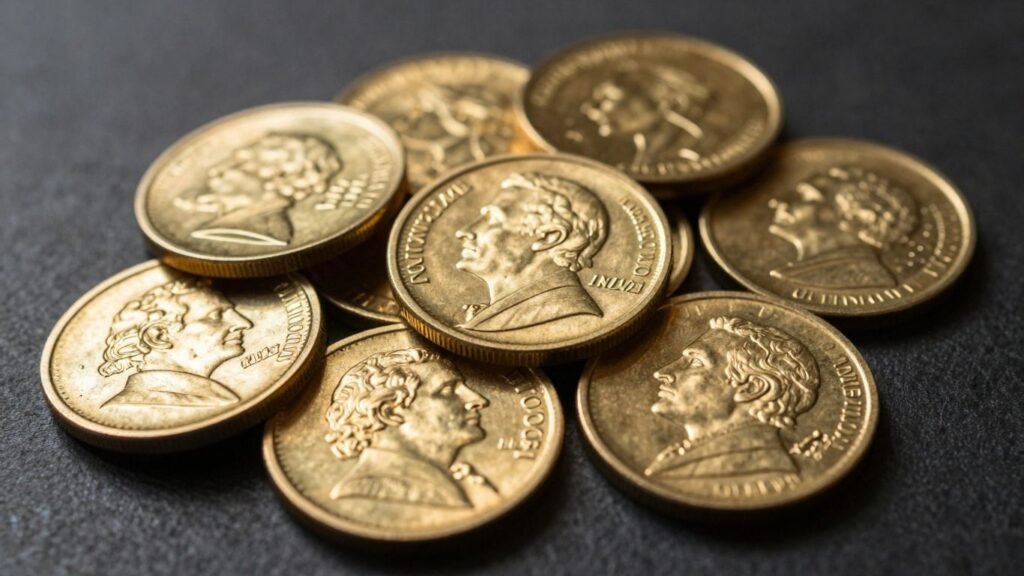
Thinking about selling your Austrian Gold Philharmonic coins in Austin? It’s a smart move, especially with the current market. These coins are pretty popular, and Austin has a decent number of places that are interested in buying them. This guide will help you figure out where to go and how to get the best price for your gold. We’ll look at some local dealers and what makes a good buyer.
Key Takeaways
- Austin has several coin dealers and specialized gold buyers interested in Gold Philharmonic coins.
- Understanding the coin’s value, including its gold content and condition, is important for a good sale.
- Shop around and compare offers from different gold philharmonic buyers in Austin to maximize your return.
- Reputable dealers like Austin Rare Coins & Bullion, ATX Jewelry Exchange, and Diamond Banc are good options.
- Properly handling and documenting your coins can help ensure a smooth selling process.
Locating Gold Philharmonic Buyers in Austin
So, you’ve got some Austrian Gold Philharmonic coins sitting around and you’re wondering where to turn them into cash right here in Austin. It’s not as complicated as it might seem, but knowing a few things can make a big difference in getting a fair price. Austin has a surprisingly active market for precious metals and collectible coins.
Understanding The Austrian Philharmonic Coin
First off, what exactly are you holding? The Austrian Philharmonic is one of the world’s most recognized gold bullion coins. It’s minted by the Austrian Mint and is famous for its beautiful design featuring the Great Organ of the Vienna Musikverein on one side and a collection of instruments on the other. These coins are made of .9999 fine gold, which is pretty pure. They come in various sizes, typically 1 oz, 1/2 oz, 1/4 oz, and 1/10 oz. Knowing the exact size and purity of your coins is the first step to understanding their worth.
Why Austin Is A Prime Location For Coin Sales
Austin’s growing population and its status as a hub for both tech and culture mean there’s a good number of people interested in diversifying their assets with precious metals or adding to their collections. This creates a healthy demand for coins like the Gold Philharmonic. Plus, Texas generally has a favorable environment for precious metals dealers. You’ll find several reputable dealers in the area who are actively looking to buy.
Navigating The Local Coin Market
When you’re ready to sell, you’ll want to know how the local market works. It’s a good idea to get a sense of what your coins are worth before you walk into a shop. This involves understanding the current spot price of gold, as your coin’s value will be closely tied to it. You’ll also want to consider if your coins have any numismatic (collector) value beyond their gold content, though for most Philharmonics, the gold value is the primary driver. It’s wise to check out a few different places to compare offers. You can start by looking into dealers who specialize in precious metals or coins. For instance, places like Capital Coin and Bullion are known for their work with precious metals.
Selling gold can feel a bit daunting, especially if it’s your first time. The key is to do a little homework beforehand. Knowing the basics about your coins and the current market will help you feel more confident when you talk to potential buyers.
Austin's Premier Coin Dealers
Austin has a solid lineup of places where you can take your gold Philharmonic coins, and some stand out as top spots for serious collectors and casual sellers alike. These dealers often have a good mix of numismatic knowledge and a keen eye for precious metal value, making them great options when you’re ready to part with your coins.
South Austin Coin Exchange: A Comprehensive Option
South Austin Coin Exchange is a go-to spot if you’re looking to buy or sell a variety of precious metals, including gold, silver, and platinum coins and bullion. They’re particularly interested in gold coins and those rare U.S. issues that collectors seek out. What’s nice is they offer free appraisals without any pressure to sell, so you can get a feel for what your coins are worth. Their showroom is always changing, with new coins, bars, and rounds appearing regularly. If you happen to have a large quantity of items, they even offer wholesale pricing, which can be a real advantage.
Capital Coin And Bullion: Expertise In Precious Metals
Since 2008, Capital Coin and Bullion has aimed to be Austin’s primary destination for anyone interested in precious metals. They stock a good selection of high-quality bullion, including popular gold and silver coins like the American Eagle and, of course, the Austrian Philharmonic. You’ll also find gold bars and pre-1964 silver coins. They’re known for keeping their premiums low and offer discounts for bulk purchases. Plus, they can even help with guidance for precious metal IRAs. It’s a place that really bridges the gap between coin collecting and investing in metals, welcoming both newcomers and seasoned buyers.
Regal Coin And Jewelry: A Wide Selection
Regal Coin and Jewelry is a big player in the Texas precious metals scene, with multiple locations and an online presence. They deal in all sorts of gold and silver items, but they have a strong focus on bullion coins and jewelry. Their selection of gold bullion coins is quite extensive, featuring many of the world’s most recognized issues, including the Austrian Philharmonic. They also carry a broad range of silver bullion coins, along with older U.S. silver coins like Morgan and Peace dollars. If you’re looking for variety, Regal Coin and Jewelry is definitely worth checking out. You can find them at 2110 W Pecan St, Ste 102, Pflugerville, TX 78660.
When you’re looking to sell your gold Philharmonic coins, it’s always a good idea to get a sense of what the market is doing. Prices can fluctuate based on global economic factors and the spot price of gold. Knowing this can help you feel more confident when you talk to dealers.
Here’s a quick look at what some of these dealers focus on:
- South Austin Coin Exchange: Buys/sells gold, silver, platinum coins & bullion. Offers free appraisals.
- Capital Coin and Bullion: Specializes in bullion, including Philharmonic coins. Offers low premiums and bulk discounts.
- Regal Coin and Jewelry: Wide selection of bullion coins and jewelry. Multiple locations.
These dealers represent some of the best options in Austin for handling your gold coins. It’s often beneficial to visit a couple of them to compare their offers and get a feel for their customer service before making a decision. For a highly reputable dealer with a long history in rare coins, consider Austin Rare Coins & Bullion.
Specialized Gold Buyers In The Area
Kris's Koins: Buying Gold, Silver, And Platinum
Kris’s Koins is a local spot that focuses on buying precious metals. They’re known for taking in gold, silver, and platinum, which means your Gold Philharmonic coins would definitely be on their radar. They aim to give you a fair price for your metals, treating each transaction with care. It’s a good idea to give them a call first to see what they’re currently paying for gold coins like the Philharmonic.
McBride's Coin Department: Focusing On Collectibles
McBride’s Coin Department has a different angle. While they certainly deal with gold, their real strength lies in collectible coins. If your Gold Philharmonic has any numismatic value beyond its gold content – maybe it’s a rare year or in exceptionally good condition – McBride’s might be the place to get a better offer. They understand the nuances of coin collecting, which can sometimes mean a higher payout than a place that only looks at melt value.
Village Coin Shop: Catering To All Collectors
Village Coin Shop is a bit of a catch-all for coin enthusiasts. They buy a wide range of coins, from common bullion pieces to more specialized collector items. This makes them a flexible option for selling your Gold Philharmonic. They’re equipped to handle both the pure gold value and any potential collector’s premium your coin might carry. It’s always worth checking out a place like this because they see a lot of different coins and know the market well. They are a good place to start if you’re unsure where your coin fits in the market.
When you’re looking to sell your Gold Philharmonic coins, remember that different buyers specialize in different areas. Some focus purely on the gold content, while others appreciate the numismatic or collector’s value. Understanding these differences can help you find the buyer who will offer you the most for your specific coin.
Here’s a quick look at what each might prioritize:
- Kris’s Koins: Primarily interested in the precious metal content (gold, silver, platinum).
- McBride’s Coin Department: Looks for collectible value, rarity, and condition beyond just the gold.
- Village Coin Shop: Buys a broad spectrum, from bullion to collectibles, offering a balanced approach.
It’s often a smart move to get quotes from a couple of these specialized dealers to compare offers. You might be surprised at the difference. If you’re looking for a place that handles a variety of precious items, DJP Jewelers in Austin is another option to consider for appraisals and sales.
Selling Your Gold Philharmonic Coins
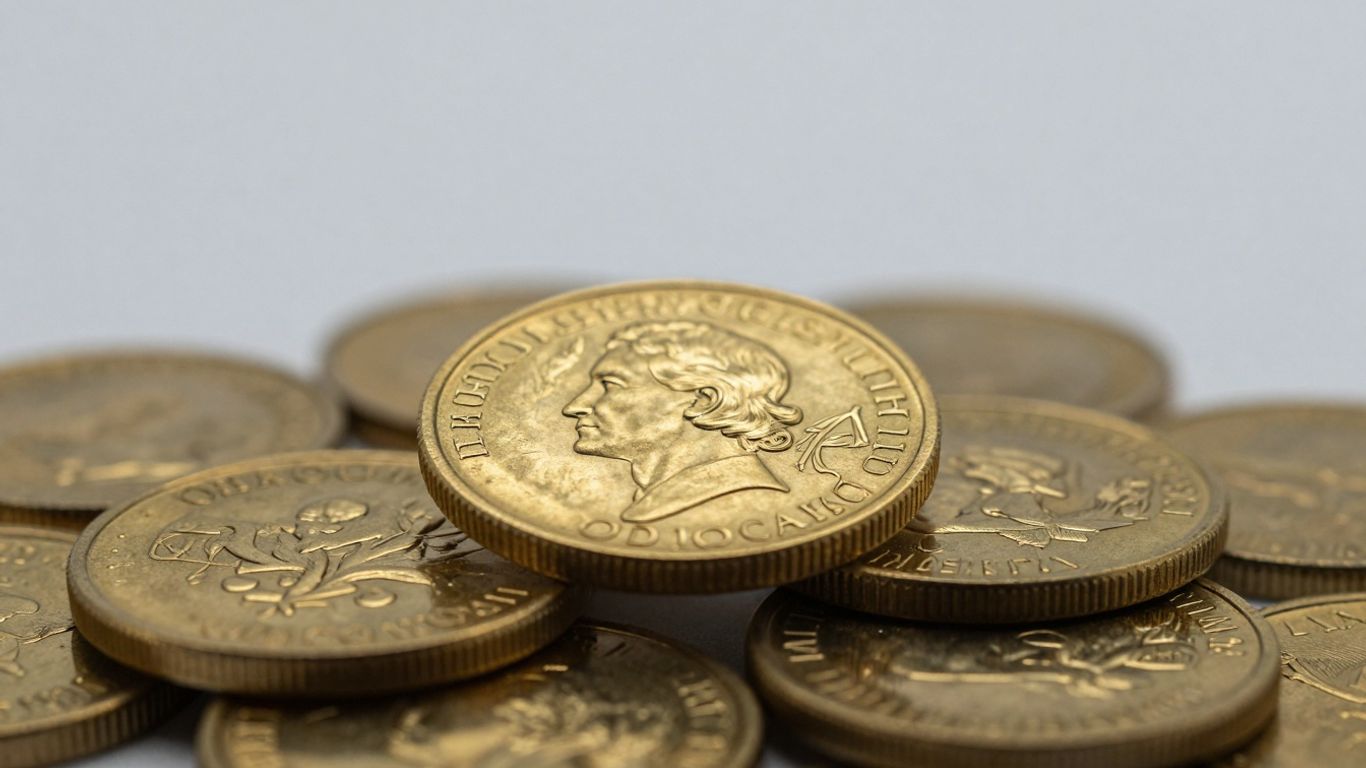
So, you’ve got some Gold Philharmonic coins sitting around and you’re thinking about turning them into cash. That’s a smart move, especially if you’ve been keeping an eye on the gold market. But before you rush off to the first place that says "We Buy Gold," it’s a good idea to know a few things. Getting the most for your coins means understanding how they’re valued and where to find buyers who appreciate what you have.
Getting An Accurate Appraisal
This is probably the most important step. You wouldn’t sell a classic car without knowing its worth, right? Same goes for your coins. An appraisal isn’t just about getting a number; it’s about understanding why that number is what it is. A good appraiser will look at your coins closely, considering everything from their gold content to any unique features they might have. They’ll explain the factors that influence the price, so you’re not just guessing.
Understanding Coin Valuation Factors
When it comes to Gold Philharmonic coins, there are a few key things that determine their value. It’s not just about the weight of the gold, though that’s a big part of it. Here’s a quick rundown:
- Gold Content: This is the most straightforward part. The coin is made of a specific amount of pure gold, and its value is tied to the current market price of gold. This price can change daily.
- Condition (Grade): Even though they’re gold, the physical state of the coin matters. Is it scratched? Worn down? A coin in mint condition will be worth more than one that’s been handled a lot.
- Rarity and Collectibility: While Philharmonics are primarily bullion coins, sometimes specific mint years or limited editions might have a slight collector appeal, though this is less common than with older, rarer coins.
- Market Demand: Sometimes, demand for certain types of coins can push prices up, even if the gold content hasn’t changed.
The Selling Process Explained
Selling your coins doesn’t have to be complicated. Most reputable dealers follow a similar process:
- Initial Contact & Appraisal: You’ll bring your coins in, or sometimes arrange for them to be sent, for an evaluation. This is where you get your offer.
- Offer Review: The buyer will present you with a price based on their appraisal. This is your chance to ask questions.
- Acceptance & Payment: If you agree to the price, the transaction is finalized, and you’ll receive payment. This is often done via check or wire transfer.
- Rejection & Return: If you’re not happy with the offer, you should be able to get your coins back without any hassle. Reputable buyers will always return your items if a deal isn’t made.
It’s always a good idea to get a few opinions before you commit to selling. This way, you can be sure you’re getting a fair price for your Gold Philharmonic coins.
Maximizing Your Sale Value
So, you’ve got these Gold Philharmonic coins, and you’re ready to turn them into cash. That’s great! But before you rush off to the first place that says "We Buy Gold," let’s talk about how to make sure you’re getting the most bang for your buck. It’s not just about finding a buyer; it’s about finding the right buyer and knowing what your coins are really worth.
When To Sell Your Gold Philharmonic
Timing can be a big deal when you’re selling something like gold. The price of gold goes up and down, kind of like the stock market, but usually a bit slower. When global economies feel shaky, people tend to buy more gold, which can push prices up. Conversely, if things are stable and people feel confident, gold might not be as popular. It’s worth keeping an eye on the news and gold price charts. You don’t need to be an expert, but a general sense of the market can help. Selling when the price is high is obviously ideal, but sometimes you just need the cash, and that’s okay too.
Comparing Offers From Different Buyers
This is super important. Don’t just take the first offer you get. Different places will value your coins differently. Some might focus only on the gold weight, while others might see collector value. It’s a good idea to get quotes from a few different places. Think of it like shopping around for a car – you wouldn’t buy the first one you see, right? You want to know you’re getting a fair deal. You can check out top gold buyers in Austin to get an idea of who’s out there.
Here’s a quick way to compare:
- Buyer A: Offers $X per coin based on melt value.
- Buyer B: Offers $Y per coin, considering both melt value and potential collector appeal.
- Buyer C: Offers $Z per coin, but their fees are higher.
Negotiating The Best Price
Once you have a few offers, you can start talking. If one buyer is close to another’s offer but maybe a bit lower, you can mention the higher offer. Sometimes, they’ll be willing to meet it or get pretty close. Be polite but firm. You know what you’re looking for, and they know you’ve shopped around. Don’t be afraid to ask questions about how they arrived at their price. Understanding their reasoning can help you negotiate better. Remember, they want your coins, and you want the best price for them. It’s a negotiation, and a little back-and-forth is normal.
Selling gold isn’t always just about the weight of the metal. Some buyers might overlook the specific details of a coin, like its condition or rarity, which can add extra worth. Always ask if they consider these factors beyond just the pure gold content. A good buyer will look at the whole picture.
Trustworthy Gold Philharmonic Buyers
When it comes to selling something as specific as Gold Philharmonic coins, you want to make sure you’re dealing with folks who know their stuff and won’t try to pull a fast one. Austin has a few places that have built a good name for themselves. It’s not just about getting cash; it’s about getting a fair shake.
Austin Rare Coins & Bullion: A Reputable Choice
Austin Rare Coins & Bullion has been around for a while, and they’ve got a solid reputation in the coin collecting world. They deal with all sorts of rare coins, including bullion like the Gold Philharmonic. They’re known for being upfront about what they’re buying and what they’re paying. If you’re looking for a place that understands the numismatic side of things, not just the melt value, this is a good spot to check out.
ATX Jewelry Exchange: Transparency and Speed
ATX Jewelry Exchange is another option that often gets mentioned. They focus on being clear about their process and aim to make the selling experience quick. They buy a variety of precious metals and jewelry, and they’re pretty good at giving you a straightforward offer. If you’re not looking to wait around forever and want to know exactly what you’re getting, they’re worth a look.
Diamond Banc: Premium Payouts For Gold
Diamond Banc is a bit different. They don’t just look at the gold weight; they consider other factors that might make your coin more valuable, like its condition or any special markings. They work with a large network of refiners, which they say helps them pay top dollar. They also have options for how you get paid, whether it’s a wire transfer or even meeting in person for larger deals. They emphasize that your gold is insured throughout the process, which is a nice bit of reassurance.
Choosing the right buyer means looking beyond just the price per ounce. Consider their reputation, how they explain their valuation, and whether you feel comfortable with their process. A good buyer will make you feel informed and respected, no matter the size of your collection.
Here’s a quick look at what some buyers consider:
- Gold Content: The purity and weight of the gold are always a primary factor.
- Coin Condition: Wear and tear can affect the value, especially for collectible coins.
- Market Demand: The current price of gold and the demand for specific coins play a big role.
- Rarity/Collectibility: While Philharmonics are bullion, some years or specific mint errors might be more sought after by collectors.
The Importance Of Expertise
Identifying Genuine Gold Philharmonic Coins
When you’re looking to sell your Gold Philharmonic coins, knowing they’re the real deal is pretty important. It sounds obvious, right? But there are fakes out there, and a good buyer needs to spot them. They’ll check the coin’s weight, dimensions, and the specific details of the design – like the organ on the reverse and the instruments on the obverse. They’re looking for any tiny inconsistencies that might suggest it’s not an authentic Austrian Philharmonic. A reputable dealer has seen thousands of these coins and can usually tell a genuine one from a fake just by looking and feeling it. It’s not just about the gold content; it’s about the coin itself being legitimate.
The Role Of Market Trends
Gold prices don’t just stay the same. They go up and down based on all sorts of things happening in the world. Think about the economy – if things are shaky, people often buy more gold, which can push the price up. Or maybe a country’s currency gets weaker, and that can make gold more expensive. Buyers who really know their stuff pay attention to these trends. They understand that the value of your Gold Philharmonic isn’t just what it’s made of, but also what the market is willing to pay for it right now. This means they can give you a more accurate price based on current conditions, not just a generic gold value.
Working With Experienced Dealers
Selling something like a Gold Philharmonic coin is a bit more involved than just selling scrap metal. You want someone who knows coins, specifically gold coins, and understands the market. An experienced dealer can tell you not only the gold value but also if there’s any collector value attached to your specific coin, though for modern bullion like the Philharmonic, that’s less common. They’ll be upfront about how they arrive at their price. They’ll explain the factors influencing the offer, like the spot price of gold and any premiums. Having a dealer who knows what they’re doing makes the whole selling process smoother and usually gets you a better deal. It means you’re less likely to be low-balled or confused about the offer you receive. They can also help you understand if selling now is a good idea compared to waiting for better market conditions.
Preparing Your Coins For Sale
So, you’ve decided it’s time to part with your Gold Philharmonic coins. That’s great! But before you rush off to the nearest dealer, there are a few things you should do to make sure you get the best possible outcome. It’s not just about handing them over; a little preparation goes a long way.
Handling Your Gold Philharmonic Coins
First off, be gentle. These coins, while made of gold, can still get scratched or damaged, which can affect their value, especially if they’re considered collectible beyond just their metal content. Try to handle them by the edges. Avoid touching the flat surfaces – fingerprints can be a real pain to remove and might even be seen as damage by some buyers. If your coins are in protective cases or holders, leave them in there. Taking them out might do more harm than good.
Documenting Your Collection
It’s a good idea to have a list of what you’re selling. For each coin, jot down its name (like the Austrian Gold Philharmonic), the year it was minted if you can see it, and any distinguishing marks or features. If you have any original packaging or certificates of authenticity, gather those up too. This information helps buyers understand what you have and can speed up the appraisal process. It also helps you keep track of everything, so you don’t accidentally forget a coin or mix up details.
Understanding Buyer Requirements
Different dealers might have slightly different needs. Some might want to see your coins by appointment only, while others might accept walk-ins. It’s smart to check their websites or give them a quick call beforehand. Ask about their preferred payment methods, what kind of identification they might need from you, and if they buy individual coins or prefer whole collections. Knowing this upfront saves you a trip or a wasted appointment.
Making sure your coins are presented well and that you have all the relevant information ready can make a big difference. It shows you’re serious and have taken care of your assets, which often translates into a smoother transaction and a better price for you. Don’t underestimate the power of being prepared.
Here’s a quick rundown of what to consider:
- Physical Condition: Note any visible scratches, dents, or wear. Even minor imperfections can impact value.
- Original Packaging: If you still have the coin’s original mint capsule, certificate, or box, keep it with the coin.
- Identification: Be ready to show a valid government-issued ID, as most reputable dealers require this for transactions.
- Payment Preferences: Understand how the buyer pays – cash, check, wire transfer, etc. – and if that works for you.
Wrapping Up Your Coin Sale
So, you’ve got some gold Philharmonic coins sitting around and you’re ready to turn them into cash here in Austin. It might seem a little overwhelming at first, but as we’ve seen, there are some solid places to check out. Whether you’re leaning towards a dedicated coin shop like South Austin Coin Exchange or Capital Coin and Bullion, or maybe a place that handles a bit of everything like Regal Coin and Jewelry, the key is doing a little homework. Remember to get a few opinions, compare offers, and trust your gut. Selling your coins doesn’t have to be a headache; with the right approach, you can get a fair deal and move on with your day.
Frequently Asked Questions
What makes the Austrian Philharmonic coin special?
The Austrian Philharmonic is a popular gold coin known for its high purity and beautiful design featuring musical instruments. It’s backed by the Austrian government, making it a reliable choice for investors and collectors.
Why is Austin a good place to sell gold coins?
Austin has a lively market for precious metals, with several reputable dealers and collectors looking for items like your Gold Philharmonic. The city’s growing population and interest in investments mean there are plenty of buyers.
How do I know if my coin is real?
Reputable dealers have the tools and knowledge to test your coin’s authenticity. They’ll check its weight, size, and metal content to make sure it’s genuine gold. It’s always best to go to a trusted buyer.
What affects the value of my Gold Philharmonic coin?
The main things that determine your coin’s price are the current market price of gold, the coin’s condition (how worn it is), and sometimes its rarity if it’s a special edition. Most of the value comes from the gold itself.
Should I clean my coins before selling them?
It’s generally not a good idea to clean your gold coins. Cleaning can actually lower their value by scratching the surface or removing natural toning. Dealers prefer to see coins as they are.
How can I get the best price for my coins?
To get the most money, get offers from a few different buyers. This way, you can compare prices and make sure you’re getting a fair deal. Don’t be afraid to ask questions about their offers.
Do I need an appointment to sell my coins?
Many coin dealers in Austin prefer appointments, especially for larger collections or for a more personalized experience. It ensures they have enough time to properly evaluate your coins and give you their full attention.
What kind of payment can I expect?
Most buyers will pay you in cash, check, or electronic transfer. Some may offer immediate payment on the spot after agreeing on a price. Always ask about their payment methods beforehand.