Looking for a coin specialist in Austin, TX can feel a bit overwhelming, especially if you’re new to collecting or just moved to the area. There are a lot of shops and online options, and everyone claims to be the best. Whether you’re after rare coins, bullion, or just want someone honest to appraise your collection, it helps to know what to look for. This guide will break down what makes a good coin specialist Austin TX and give you some tips to help you feel confident about your choice.
Key Takeaways
- Figure out what you want from your coin collection before searching for a specialist.
- Check for industry certifications and real customer reviews to spot trustworthy dealers.
- Look for a coin specialist Austin TX who is open about pricing and buying policies.
- Consider if you need someone with knowledge of rare coins, bullion, or a certain era.
- Building a good relationship with your coin specialist can make collecting easier and more enjoyable.
Understanding Your Needs as a Coin Collector
Getting started with a coin specialist in Austin, TX, really depends on knowing what you want as a collector. Without some clarity about your goals and interests, it’s easy to get lost or overwhelmed. Here’s a breakdown of what to think through before scheduling that first appointment.
Assessing Your Collection Goals
- Ask yourself what you want out of your collection—are you hoping to build a complete set, find rare errors, or simply collect coins from different countries?
- Decide if your interest is more about history and culture, investing, or maybe a bit of both.
- Consider how much time and energy you want to put into collecting.
Figuring this out early will keep you focused and help your specialist guide you better. Even seasoned collectors revisit their goals from time to time, either to narrow their focus or to try something new.
Determining Your Budget for Acquisitions
Setting a budget is one of the most practical steps you can take. Here’s a basic table that might help you structure your thinking:
| Monthly Budget | Collecting Focus | Typical Acquisition Rate |
|---|---|---|
| $50 – $100 | Common date coins | Several per month |
| $100 – $500 | Key dates, upgrades | 1-2 higher value coins |
| $500+ | Rarities, investments | Occasional big buys |
- Think about both short-term (monthly) and long-term (annual) budgets.
- Remember to account for grading fees, storage, and sometimes even insurance.
- Don’t feel you need a huge budget to get started; many collections start small and grow over time.
The most satisfying collections often come from steady, thoughtful purchases rather than big, impulsive spending.
Identifying Specific Coin Interests
- Do you like coins from certain eras (like early American cents) or prefer a world scope?
- Some folks love coins with historical significance, others care more about modern design or limited mintage numbers.
- Pinpointing what excites you most about coins will make using grading criteria and research easier as you grow your collection.
- Make a list (even just a rough one) of the types of coins or series you’d most like to pursue. It’s okay if things change as you learn more, but having a starting point keeps you grounded.
Understanding your own motivations and parameters will help your conversations with a coin specialist feel more personal and productive. It also guards against buyer’s remorse and helps keep collecting fun and meaningful, not stressful.
Key Attributes of a Reputable Coin Specialist Austin TX
Finding a coin specialist you can trust in Austin is a big deal. You want someone who knows their stuff, is upfront about prices, and has a good name in the community. It’s not just about buying or selling coins; it’s about building a relationship with someone who can guide you.
Verifying Industry Certifications and Affiliations
When you’re looking for a coin dealer, check if they’re part of any professional groups. Organizations like the American Numismatic Association (ANA) or the Professional Numismatists Guild (PNG) have standards that members have to meet. It’s a good sign if they’re accredited by groups like the Better Business Bureau (BBB) too. This shows they’re committed to doing business honestly.
- American Numismatic Association (ANA): Look for dealers who are members. They often have educational resources and a code of ethics.
- Professional Numismatists Guild (PNG): Membership here usually means a dealer has been vetted and has a solid reputation.
- Better Business Bureau (BBB): An accreditation suggests a commitment to fair practices and customer satisfaction.
Evaluating Dealer's Reputation and Reviews
What are other collectors saying about them? Online reviews can give you a good idea of what to expect. Look for patterns in feedback – are people consistently happy with their service, or are there recurring complaints? A dealer with a long history of positive interactions is usually a safe bet.
A good reputation isn’t built overnight. It comes from consistent honesty, fair dealings, and a genuine interest in helping collectors. Don’t be afraid to ask around or do a little digging online.
Assessing Transparency in Pricing and Policies
This is super important. A reputable dealer will be clear about how they price their coins. They should be able to explain their pricing structure, especially if there are premiums over the spot price for bullion. You should also understand their return policy and any fees associated with buying or selling. No one likes surprises when it comes to money.
Here’s what to look for:
- Clear Pricing: Prices should be readily available and easy to understand, especially for bullion. They should show the spot price and any dealer premium.
- No Hidden Fees: The price you’re quoted should be the final price, including any necessary shipping or handling.
- Fair Buy/Sell Spreads: The difference between what they buy a coin for and what they sell it for shouldn’t be excessive.
Specializations Within the Coin Market
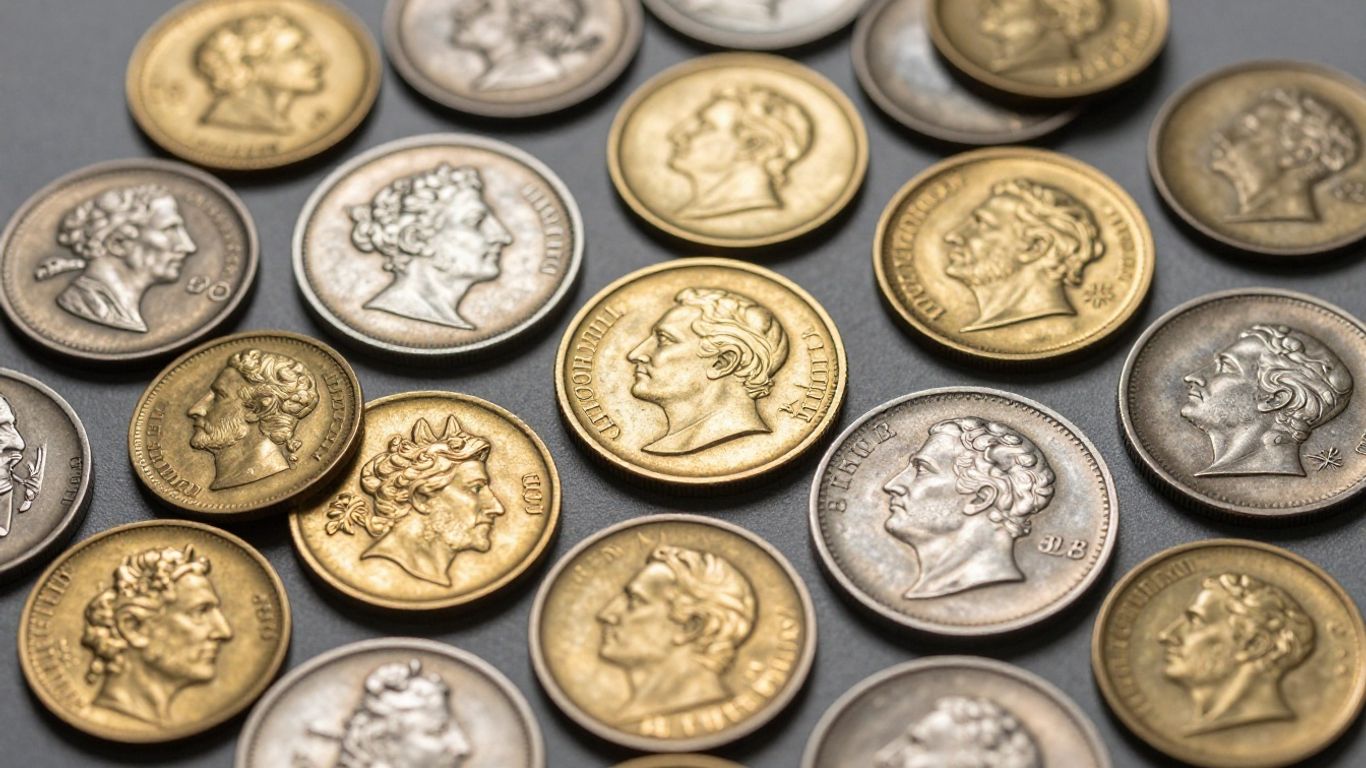
When you’re picking a coin specialist in Austin, it’s good to be clear about what they actually focus on. Not every shop or expert is the same—some are deep into rare finds, others are all about investment metals, and a few get super specific with certain historical coins. Understanding these specializations makes it way easier to find someone who actually meets your needs.
Focus on Numismatic Rarities
- These specialists search for coins that are uncommon—think odd mint errors, short-run coins, and pieces in amazing condition.
- A good rare coin expert will know the stories behind those finds and can help you buy or sell at the right price.
- They work best if your collection hinges on rarity or museum-quality pieces, rather than coins you’d see in every collection book.
Expertise in Bullion and Investment Coins
- Some specialists keep their eyes on the market value of gold, silver, and platinum coins.
- Their main job: help investors get the most out of precious metals.
- If you’re mainly interested in coins for their metal content (not necessarily for rare dates or designs), you’ll want someone who knows spot prices, premiums, and the best times to buy or sell.
Here’s a quick table comparing numismatic and bullion-focused specialists:
| Specialization | Typical Client | Primary Service |
|---|---|---|
| Numismatic Rarity | Serious collectors | Rare coins, appraisals |
| Bullion/Investment | Investors, flippers | Metal pricing, liquidity |
Knowledge of Specific Coin Series or Eras
- Some dealers home in on one country, century, or even a single type of coin (like Morgan dollars, or ancient Roman coins).
- They follow subtle details like die varieties—little changes made during minting—and can spot forgeries from a mile away.
- If you’re collecting a focused set or want to fill tricky gaps, this is who you’ll want in your corner.
The more tailored a specialist’s focus, the more likely you’ll get the answers (and inventory) matching your collecting goals. It pays to ask about their strongest area—and, honestly, to look elsewhere if your interest falls outside it.
The Importance of Expertise in Coin Valuation
When you’re looking to buy or sell coins, especially those with some history or rarity, getting a fair price is key. This is where a coin specialist’s knowledge really comes into play. They’re not just looking at a coin as a piece of metal; they understand its story, its condition, and what collectors are actually willing to pay for it.
Accurate Appraisal of Rare Coins
Figuring out what a rare coin is truly worth isn’t as simple as checking a price list. A good specialist knows the nuances that affect value. This includes things like:
- Mint marks: Where and when the coin was made can significantly impact its rarity.
- Die varieties: Small differences in the dies used to strike the coins can create rare variations.
- Historical significance: Coins tied to important events or figures often command higher prices.
- Eye appeal: Sometimes, a coin just looks better than others of the same grade, and collectors will pay a premium for that.
A specialist’s trained eye can spot these details that an untrained person might miss, leading to a much more accurate valuation.
Understanding Market Trends for Investment Coins
If you’re buying coins as an investment, knowing the current market is vital. Prices for bullion coins, like gold or silver Eagles, tend to follow the price of the metal itself. However, the numismatic market – the market for collectible coins – can be more complex. A specialist stays updated on:
- Auction results: What have similar coins sold for recently?
- Dealer inventories: What’s available, and at what price points?
- Collector demand: Which series or types of coins are currently popular?
Keeping up with these trends helps ensure you’re buying at a good time and not overpaying for a coin that might be losing favor with collectors.
Identifying Authenticity and Condition
This is perhaps the most critical aspect of coin valuation. A coin might look impressive, but if it’s not genuine or has been altered, its value plummets. Specialists are trained to spot:
- Counterfeits: Coins made to deceive.
- Altered coins: Genuine coins that have been tampered with to look rarer or in better condition (e.g., adding mint marks, cleaning to improve appearance).
- Wear and tear: Accurately assessing the grade of a coin is essential. A coin graded as MS-65 is worth far more than one graded as MS-60, and the difference is often subtle.
Working with a dealer who understands these factors, and perhaps even works with services like NGC graded coins, can save you a lot of money and heartache in the long run.
Navigating the Austin Coin Market Landscape
Exploring the Austin coin scene can feel a little overwhelming at first. There’s more than one way to track down coins, meet other collectors, or just find help with your collection. It all depends on where you like to hunt and who you want to work with. Austin’s coin market blends a local, hands-on approach with online conveniences and friendly community events.
Local Austin Coin Dealers and Their Offerings
Austin has a handful of well-known coin shops dotted throughout the metro area. Each one brings its own style. Some focus on rare numismatic classics, others serve mostly bullion investors, and a few mix both worlds. You’ll want to:
- Visit a couple of shops in person to check the vibe and see inventory quality.
- Ask about authentication for rare items – do they carry graded coins (PCGS, NGC) or raw?
- Pay attention to transparency. Are prices clearly marked? Can staff explain their offers?
Here’s a quick comparison of how local dealers might differ:
| Feature | Brick & Mortar Dealers | Traveling Coin Shows | Auction Houses |
|---|---|---|---|
| Examining Coins | In-person | In-person & varied | Sometimes preview |
| Immediate Purchase | Yes | Yes | Auction format |
| Negotiation | Sometimes | Often | Rare |
| Inventory Variety | Depends on shop | High, but temporary | Varies |
Dropping by different shops on an afternoon can help you spot real differences—sometimes the smallest store has the hidden gem!
Online Retailers Serving Austin Collectors
Shopping online is pretty easy these days, and it opens up more inventory than you may ever see in a single store. Just be careful about who you trust online. Some tips:
- Look for established platforms with lots of positive feedback.
- Find out if shipping is insured and trackable, especially for valuable items.
- See if online sellers have simple return policies in case of disputes or mistakes.
Some online retailers even let you lock in spot prices right as you buy, which can matter when prices are jumpy. Still, nothing replaces holding the coin in your hand before buying.
Networking with Other Austin Coin Enthusiasts
Local coin clubs and meet-ups make this hobby a lot more fun and sometimes a little more profitable. These groups:
- Share news about upcoming shows, estate sales, or silent auctions.
- Help with questions, from coin grading basics to identifying counterfeits.
- Offer swap meets or trading opportunities where you might snag a deal not found anywhere else.
If you’re new, try attending a local show or joining a Facebook group for Austin-area collectors before making big purchases. It’s all about building trust and learning from others’ experiences.
In short, Austin gives you a real mix—shop local for the touch-and-feel experience, browse online for rare items, and connect with the community to learn faster. The best results come when you try a little bit of everything.
Building a Relationship with Your Coin Specialist
Finding a coin specialist is one thing, but building a solid, long-term relationship with one is where the real magic happens for collectors. It’s not just about buying and selling; it’s about having a trusted advisor who understands your passion and your collection’s journey. Think of them as your guide through the sometimes confusing world of numismatics.
Communication and Accessibility
This is huge. You need to be able to reach your specialist when you have a question or a potential find. Are they responsive? Do they get back to you in a reasonable time? A good specialist will make time for you, whether it’s a quick call about a coin you saw online or a longer chat about your collection goals. It’s also helpful if they’re accessible in ways that work for you, whether that’s in person at their shop, over the phone, or even through email. Some collectors find it helpful to look for dealers who are members of organizations like the Professional Numismatists Guild, as these groups often have standards for member conduct and communication.
Trust and Confidentiality
When you’re dealing with potentially valuable items, trust is everything. You need to feel confident that your specialist is honest, ethical, and has your best interests at heart. This means transparency in pricing, clear explanations of what they’re offering, and a commitment to fair dealings. Confidentiality is also key, especially if you’re looking to sell a significant portion of your collection discreetly. You don’t want your personal financial dealings becoming public knowledge.
Long-Term Investment Guidance
A great coin specialist does more than just appraise and sell. They can offer advice on where the market might be heading, what types of coins might be good additions to your collection based on your goals, and how to best preserve and manage your assets. They can help you plan for the future, whether that’s building a specific type of collection or preparing for eventual liquidation. This kind of guidance is what separates a good dealer from a truly exceptional one who becomes an indispensable part of your collecting life.
Evaluating a Coin Specialist's Inventory
When you’re looking to buy coins, the actual stock a dealer has is super important. It’s not just about having any coins; it’s about the kind of coins and how they’re presented. Think of it like walking into a grocery store – you want to see fresh produce, a good variety, and clear prices, right? The same applies to coin shops.
Breadth and Depth of Coin Selections
A good specialist will have a wide range of coins. This means they don’t just stick to one thing, like only modern American Eagles or only ancient Roman coins. They should have a mix that shows they understand different parts of the coin market. This could include:
- US Coins: From early copper cents to modern commemoratives.
- World Coins: Coins from various countries and historical periods.
- Bullion: Gold, silver, platinum, and palladium coins and bars.
- Numismatic Rarities: Scarce and historically significant pieces.
Having both a broad selection (many different types) and depth (multiple examples within a type) is a good sign. It suggests they can cater to various collector interests and aren’t just flipping a few common items.
Quality and Condition of Available Coins
This is where things get really detailed. You want to see coins that are well-cared for. This means:
- Proper Storage: Coins shouldn’t be loose in a bin where they can scratch each other. They should be in protective holders or flips.
- Accurate Descriptions: If a coin is graded by a service like PCGS or NGC, the dealer should clearly state that and provide the grade. If it’s raw (ungraded), they should describe its condition honestly, without exaggeration.
- Cleanliness: Coins should look appealing. While cleaning can devalue a coin, a dealer’s inventory shouldn’t look dusty or neglected.
A specialist who takes pride in their inventory will present their coins in a way that highlights their best features. This attention to detail often reflects their overall professionalism and knowledge.
Sourcing of Unique or Hard-to-Find Items
Anyone can stock common coins. What sets a great specialist apart is their ability to find those special pieces that are harder to come by. This might be a rare date, a coin with a unique error, or a specific variety that a collector has been searching for. Their network and experience play a big role here. If a dealer can consistently source items that aren’t readily available elsewhere, it shows they have strong connections within the numismatic community and a good understanding of what collectors are looking for.
The Role of a Coin Specialist in Authentication
When you’re looking to buy or sell coins, especially valuable ones, making sure they’re the real deal is super important. That’s where a good coin specialist really shines. They’ve got the know-how to tell genuine coins from fakes, and they understand how coins are graded, which affects their worth.
Understanding Grading Services
Third-party grading services are a big part of the coin world today. They’re companies that professionally examine coins and then assign them a grade based on their condition and authenticity. Think of them like the experts who grade baseball cards or fine art. Some of the most well-known ones include:
- PCGS (Professional Coin Grading Service): One of the biggest names, they’ve graded millions of coins and their grades are widely accepted.
- NGC (Numismatic Guaranty Company): Another major player, also with a huge number of coins graded and a strong reputation for accuracy.
- ANACS (American Numismatic Association Certification Service): A long-standing service that provides grading and authentication.
These services put coins in sealed holders, called slabs, with a label showing the coin’s grade and other details. This makes it easier for collectors to buy and sell with more confidence because the coin’s condition has been verified by an independent expert.
Identifying Counterfeit or Altered Coins
Sadly, fake coins exist, and sometimes real coins are altered to look better than they are. A specialist can spot these. They look at things like the metal composition, the strike quality, the wear patterns, and even tiny details that a regular person might miss. They know what a genuine coin should look and feel like, and they can often tell if something’s off just by looking closely or using special tools.
It’s not just about knowing what a coin should look like, but also understanding the common ways fakes are made or how genuine coins are tampered with. This deep knowledge comes from years of hands-on experience and studying countless examples, both real and fake.
Expert Opinion on Coin Authenticity
Even with grading services, sometimes you just need a second opinion, or you might have a coin that hasn’t been graded yet. A coin specialist can provide that expert opinion. They can tell you if a coin is authentic, what its likely grade would be, and give you a sense of its market value. This is really helpful whether you’re buying a single rare coin or looking to sell an entire collection. They act as your trusted advisor in a market where knowing who and what to trust can be tricky.
Considering a Coin Specialist's Buying Services
So, you’ve got some coins you’re thinking about selling. Maybe your collection has grown beyond what you want to manage, or perhaps you need to free up some cash. Whatever the reason, a good coin specialist can be a real help here. They’re not just about selling you coins; many also buy from collectors. This can make the process of selling your own coins much smoother.
Fair Offers for Your Collection
When you’re looking to sell, getting a fair price is pretty important, right? A reputable dealer will usually offer you a price based on the current market value, taking into account the coin’s condition and rarity. They should be able to explain how they arrived at their offer. It’s a good idea to get a few opinions from different dealers if you can, just to compare. Some dealers might offer you a bit less if they plan to resell the coin quickly, while others might offer more if they see it as a long-term addition to their inventory or for a specific client.
Here’s a quick look at what influences an offer:
- Coin’s Condition (Grade): A coin in better shape, especially if professionally graded, usually fetches a higher price.
- Rarity: How many of these coins were made, and how many are still around?
- Market Demand: Is this coin currently popular with collectors or investors?
- Metal Content: For bullion coins, the spot price of gold, silver, or platinum plays a big role.
Discreet and Professional Transactions
Selling coins, especially a large collection, can feel a bit personal. You want the transaction to be handled with respect and privacy. A good specialist will treat your collection with care and conduct the sale professionally. This means clear communication, secure handling of your coins, and a straightforward payment process. They understand that this might be a significant event for you, and they aim to make it as stress-free as possible. You shouldn’t feel pressured or rushed into a decision.
Expertise in Liquidating Assets
Sometimes, selling a coin collection is about more than just getting rid of some old items; it’s about liquidating an asset. Specialists who deal with coins regularly have a good sense of how to get the best value when selling. They know the market, they know who might be looking for specific types of coins, and they have the connections to find those buyers. This can be particularly helpful if you have a diverse collection with items that appeal to different types of collectors or investors. They can help you understand the best way to sell different parts of your collection, whether it’s all at once or in stages.
When considering selling your coins, remember that a specialist’s role extends beyond just making an offer. Their knowledge of the market, their network of buyers, and their professional approach can significantly impact the outcome of your sale. It’s about finding someone you trust to handle your collection fairly and efficiently.
Leveraging Technology in Your Search
Hunting down the right coin specialist in Austin feels a lot different today than it did even ten years ago. Tech tools let you find, compare, and chat with pros long before you shake hands in person. Instead of calling every dealer in the yellow pages, you’re now checking reviews, browsing inventories, and even video chatting—all without leaving your house. Let’s break down the tech that makes it easier.
Online Reviews and Forums
Before you trust someone with your coins, see what others say.
- Local forums and collector groups are full of straight talk about Austin’s dealers.
- Review sites (Google, Yelp) give you snapshots of a dealer’s reputation—just watch for patterns, not one-offs.
- Coin-specific platforms (like Collector’s Universe or regional Facebook groups) offer tips on who’s fair, honest, and knows their stuff.
| Review Platform | Type | What to Look For |
|---|---|---|
| Google Reviews | Public/Local | Response to issues |
| Forums (e.g. CoinTalk) | Collector-focused | Technical knowledge shared |
| Facebook Groups | Regional/Social | Dealer interactions |
Virtual Consultations
Some coin specialists now offer video calls for appraisals or questions—no need to haul your coins across town. Why try this?
- You save time, especially for a first chat or simple questions.
- It’s less pressure—you can prepare your questions, take notes, and pause if you need a minute.
- You see how they handle simple requests before committing to an in-person deal.
Getting a feel for a dealer’s style online lowers the risk of wasting your time on someone who doesn’t fit your needs. Start small, ask a couple clear questions—if they’re patient and clear, that’s a good sign.
Digital Inventory Browsing
These days, many Austin dealers upload their stock to searchable websites or inventory platforms. This is a game-changer:
- You spot rare or specific coins before visiting.
- Sites often update in real-time—so you don’t ask about coins already sold.
- Some dealers even let you reserve or purchase coins online for in-store pickup or shipping.
What should you look out for?
- Pictures you can zoom in on for details.
- Up-to-date information—if it looks outdated or incomplete, call before you go.
- Clear pricing and return policies.
Shopping for coins isn’t the secret club it used to be. If you use digital tools—reviews, video chats, online shelves—you’ll feel more confident, save time, and likely get better service. If you’re not techy, ask a friend or relative to help the first time around. Most specialists these days expect it and are happy to work with collectors wherever they’re most comfortable.
Finding Your Austin Coin Expert
So, you’ve done your homework and know what you’re looking for in a coin specialist here in Austin. It’s not just about finding someone who knows their stuff, but also someone you feel good working with. Remember to check out their reputation, ask plenty of questions, and trust your gut. Whether you’re after a rare find or just want to get a fair price for your collection, the right specialist is out there. Happy hunting!
Frequently Asked Questions
How do I know if a coin specialist in Austin, TX is trustworthy?
A trustworthy coin specialist will have industry certifications, memberships in groups like the American Numismatic Association, and good reviews from other collectors. You should also look for clear pricing and honest answers to your questions.
What should I bring when meeting a coin specialist for the first time?
Bring a list or photos of your coins, any paperwork or certificates you have, and a clear idea of your goals—whether you want to buy, sell, or learn more about your collection.
Can a coin specialist help me figure out if my coins are real or fake?
Yes, a good coin specialist can check your coins for authenticity. They may use tools or send coins to grading services to make sure they are real and in good condition.
How do coin specialists set their prices?
Coin specialists usually base their prices on current market values, the rarity and condition of the coin, and sometimes a small dealer fee. Honest dealers will show you how they figure out their prices.
Is it better to buy coins from a local dealer or online?
Both options have benefits. Local dealers let you see coins in person and ask questions directly. Online dealers may have a bigger selection or better prices, but you need to check their reputation carefully.
What types of coins do specialists in Austin usually offer?
Most Austin coin specialists offer a range of coins, including rare collectibles, bullion coins like gold and silver eagles, and coins from different countries and eras. Some focus on certain types, like old U.S. coins or modern bullion.
How can I avoid scams when buying or selling coins?
Stick with well-known dealers who have good reviews and clear business practices. Avoid deals that sound too good to be true and always ask for proof of authenticity before buying.
Do coin specialists also buy coins from collectors?
Yes, many coin specialists buy coins from collectors. They should give you a fair offer based on the coin’s value and handle the transaction professionally and privately.