
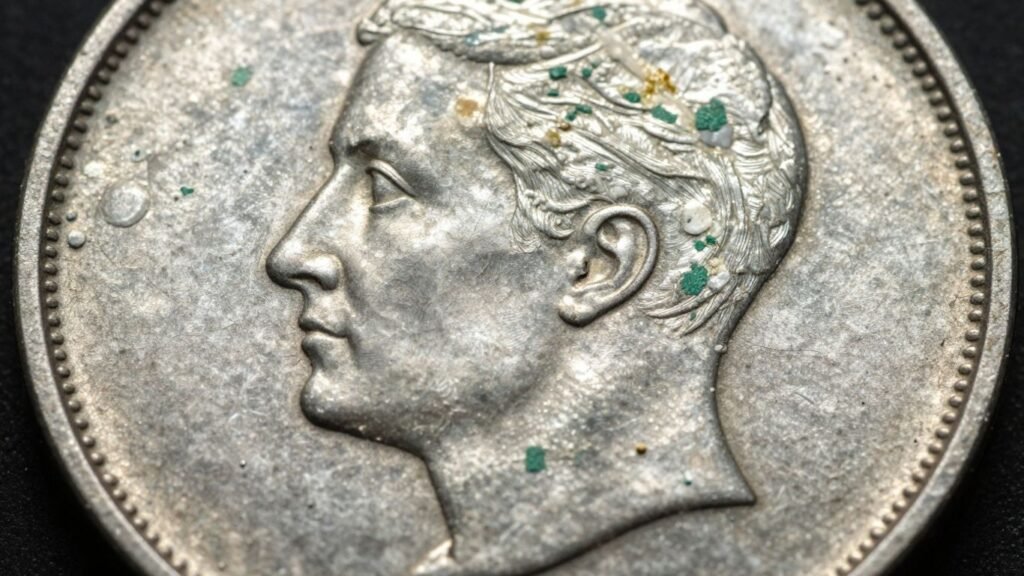
You know, collecting coins can be a really rewarding hobby. You’re holding pieces of history, right? But sometimes, the very things we use to keep them safe can actually harm them. I’m talking about PVC, or polyvinyl chloride. It’s in a lot of common plastic items, and if your coins touch it, it can cause some serious damage. It’s not something you want to find on your prized possessions. Let’s talk about how to spot this damage, what to do about it, and most importantly, how to stop it from happening in the first place.
Key Takeaways
- PVC, a plasticizer found in soft plastics like some coin flips, releases chemicals that damage coins over time, often appearing as green or sticky spots.
- Visual signs of PVC damage include discoloration (green, gray, white), a sticky feel, and a dulling of the coin’s surface, with copper and silver being particularly vulnerable.
- If PVC damage is found, immediately isolate the affected coins and discard any contaminated storage materials to prevent the problem from spreading.
- Safely cleaning PVC damage often involves using acetone to dissolve the residue, followed by gentle cleaning and thorough rinsing with distilled water.
- Preventing future PVC damage means choosing coin storage solutions specifically labeled as PVC-free, such as those made from polypropylene (PP) or polyethylene (PE).
Understanding PVC Damage on Coins
Alright, let’s talk about something that can really put a damper on your coin collecting hobby: PVC damage. It’s a sneaky problem, and if you’re not careful, it can ruin some of your most prized pieces. So, what exactly is this PVC stuff, and why is it such a menace to our coins?
What is Polyvinyl Chloride?
Polyvinyl chloride, or PVC, is a type of plastic. You’ll often find it in softer, more flexible plastic items. Think about those flimsy plastic flips or the plastic pages that some people use to store their coins in binders. It’s added to make the plastic bendy and easy to work with. The key thing to remember is that PVC is usually found in soft, pliable plastics, not the hard, rigid ones. If a plastic feels a bit rubbery or stretchy, there’s a good chance it contains PVC.
The Insidious Nature of PVC
Here’s where PVC gets really annoying. Over time, this plastic can break down. When it does, it releases chemicals, specifically hydrochloric acid. This acid is what causes the damage to your coins. It’s not like a sudden explosion; it’s a slow, creeping process. You might not even notice anything is wrong for years, and then suddenly, you see the tell-tale signs. It’s like a slow leak in your roof – you don’t see the damage until the ceiling starts to sag.
Why PVC is Harmful to Coin Collections
So, why is this breakdown so bad for coins? Those released chemicals react with the metal of your coins. This reaction can cause a range of issues, from a dulling of the surface to sticky, green, or white residue. In worse cases, it can actually eat away at the metal, leaving pits and permanent discoloration. This isn’t just an aesthetic problem; it can significantly reduce the value of a coin, sometimes by a lot. Imagine finding a rare coin, only to discover it’s been slowly corroding in its holder.
Here are some common places you might find PVC:
- Soft plastic coin flips
- Plastic pages for binders
- Some types of plastic envelopes
- Certain older coin display cases
It’s important to know that not all plastics are bad. Hard, rigid plastics, or those specifically labeled as "PVC-free," "polypropylene" (PP), or "polyethylene" (PE), are generally safe for coin storage. The danger lies specifically with the soft, flexible plastics that contain PVC.
It’s a real bummer when you discover PVC damage, but understanding what it is and where it comes from is the first step to protecting your collection. We’ll get into how to spot it and what to do about it next.
Identifying PVC Damage on Your Coins
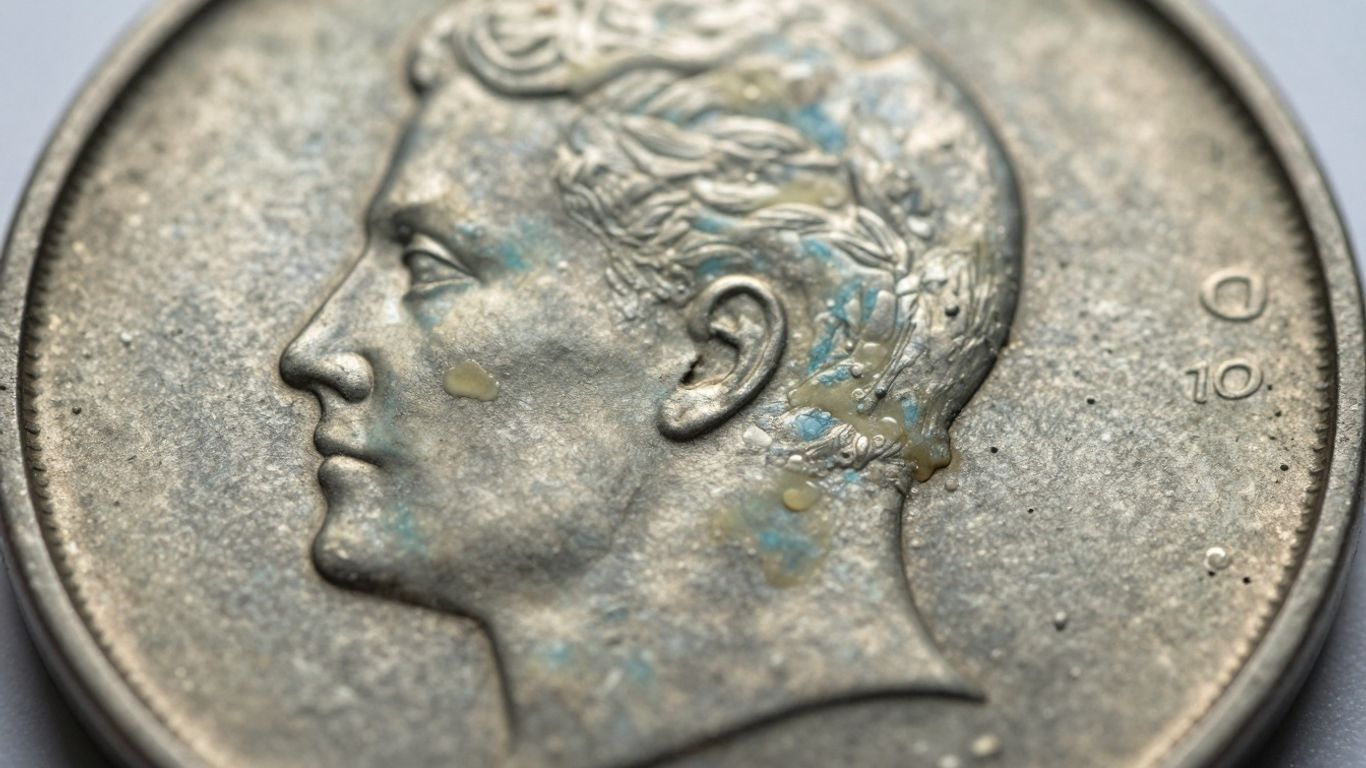
So, you’ve got a coin collection, and you’re worried about it. Maybe you’ve heard whispers about PVC damage, or perhaps you’re just doing your due diligence. It’s good to be cautious. The first step in protecting your coins is knowing what to look for. Spotting PVC damage early can save a coin from serious harm. It’s not always obvious at first glance, which is what makes it so sneaky.
Visual Clues of PVC Contamination
When PVC starts to break down, it releases chemicals that react with the metal of your coins. This reaction leaves behind a residue. You might notice a few things:
- A sticky film: Sometimes, the affected area will feel tacky to the touch, almost like a weak glue. This is a pretty strong indicator that something’s not right.
- Dullness or cloudiness: The coin’s natural luster might disappear, replaced by a hazy or matte appearance, especially in spots.
- Surface irregularities: You might see small pits or a general unevenness on the coin’s surface where the damage is occurring.
The Color Palette of PVC Damage
Color is often the most telling sign. While it can vary a bit depending on the coin’s metal and how long it’s been exposed, here are the common colors you’ll see:
- Green: This is probably the most classic sign. It can range from a light, almost pastel green to a darker, more intense shade. Think of it like a verdigris, but often with a slightly different texture.
- White or Gray: Sometimes, especially on silver coins, the damage might appear as a chalky white or grayish deposit. It can look a bit like tarnish, but it’s a chemical reaction.
- Blue-ish Tinge: Less common, but some collectors report seeing a faint blue or blue-green hue on affected areas.
Assessing the Extent of PVC Damage
Once you spot potential damage, you need to figure out how bad it is. This helps you decide what to do next.
- Minimal Damage: A few small spots or a slight discoloration. These might be treatable with careful cleaning.
- Moderate Damage: Larger patches of color, a noticeable sticky film, or some surface dullness across a significant portion of the coin.
- Severe Damage: Deep pitting, extensive green or white encrustations, and a coin that feels significantly degraded. This is where professional help might be necessary.
It’s important to remember that even if you can’t see obvious damage, a coin that has been stored in PVC for a long time might still have microscopic damage that could worsen over time. Always err on the side of caution with older storage materials.
Don’t panic if you find some damage. The key is to identify it, understand what you’re dealing with, and then take the right steps to address it and prevent it from happening again. It’s a learning process, and catching it early makes all the difference.
Vulnerability of Different Coin Metals
Copper and Bronze Susceptibility
When it comes to PVC damage, copper and bronze coins are really the ones you need to watch out for. These metals seem to attract the bad stuff from degrading PVC like a magnet. You’ll often see bright green spots or a sort of sticky, powdery residue forming on them. It happens pretty fast, too. If you’ve got old copper cents or bronze medals tucked away in PVC holders, there’s a good chance they’ve already picked up some damage. It’s tough to get rid of once it takes hold, and it can really mess with the coin’s surface.
Silver's Reaction to PVC
Silver coins aren’t immune to PVC’s nasty effects, though they might show it a bit differently than copper. Instead of bright green, you might notice a dull, chalky white coating or a grayish film. Sometimes, it can look like a tarnish that just won’t come off. This stuff can really obscure the coin’s details and make it look pretty unappealing. Silver’s natural luster can be completely dulled by prolonged exposure to PVC fumes. It’s a bummer, especially for those beautiful silver dollars or old dimes.
Gold and Nickel Exposure
Gold coins are generally more resistant to chemical reactions, so they tend to fare better against PVC. You might see some darkening or a slight film on the surface if left in contact for a very long time, but it’s usually not as severe as with copper or silver. Nickel coins can also be affected, often showing a grayish plaque or a general cloudiness. While perhaps not as dramatic as the green spots on copper, this can still detract from the coin’s appearance and, unfortunately, its value. It’s a good reminder that even the more robust metals aren’t completely safe.
It’s easy to think that just because a coin is made of a noble metal like gold, it’s invincible. But the reality is that even gold can be affected by the breakdown products of PVC over extended periods. The damage might be less obvious, but it’s still there, slowly eating away at the coin’s surface quality.
The Chemical Reaction of PVC and Metal
How PVC Releases Damaging Chemicals
Storing coins in holders made with PVC might seem harmless at first, but over time, PVC begins to break down, especially when exposed to heat, light, or humidity. During this process, it releases hydrochloric acid and other chemicals. These newly released chemicals don’t just sit there; they actively attack the coin’s surface, initiating chemical changes that can be tough to reverse.
Some things that trigger this breakdown include:
- High temperatures (like a warm room or sunlight)
- High humidity levels
- Lengthy storage (months or years)
The Formation of Sticky Patina and Green Spots
Coins don’t show signs immediately after being placed in PVC holders. Instead, damage shows up slowly:
- A tacky or greasy film forms first.
- Over time, green or blue-green spots appear, called verdigris.
- This sticky layer can trap dirt and dust, making things worse.
Different metals react in their own way:
| Coin Metal | Typical Reaction | Visible Damage |
|---|---|---|
| Copper/Bronze | Quick & strong | Bright green spots, pitting |
| Silver | Gradual | Green film, loss of shine |
| Gold | Slower reaction | Slight darkening, surface film |
Long-Term Effects on Coin Integrity
The longer a coin sits in PVC, the deeper the damage can go. What starts as surface residue may eventually eat into the metal itself, leaving irreversible pits or color changes. That can knock hundreds, even thousands, off a coin’s value.
- Lost luster and detail
- Permanent discoloration
- Pitted or rough texture
Early signs might be easy to ignore or wipe away, but ignoring PVC damage can mean destroying a coin’s beauty and value for good.
Immediate Steps for PVC-Affected Coins
So, you’ve found that tell-tale green gunk or sticky residue on your coins. Don’t panic, but do act fast. Time is really of the essence here. The longer those chemicals sit on your metal, the more damage they can do. Think of it like a small cut – you want to clean it up before it gets infected, right? Same idea with coins.
Isolate Contaminated Coins
First things first, get those affected coins away from the rest of your collection. Seriously, separate them immediately. You don’t want whatever is causing the damage to jump to your other treasures. It’s like finding a sick plant in your garden; you pull it out so it doesn’t spread to the healthy ones. Keep them in a temporary, safe spot, maybe a simple glass jar or a non-PVC plastic container, just until you can deal with them properly. This stops the problem from getting bigger.
Discarding Damaged Storage Materials
Anything that touched the contaminated coins needs to go. This means those old, soft plastic flips, binder pages, or any other storage item that shows signs of that nasty PVC residue. Don’t try to save them; they’re compromised. Throw them out. It might feel wasteful, especially if they were expensive holders, but trust me, it’s not worth risking your entire collection for. You can find safe alternatives later, like polypropylene (PP) or polyethylene (PE) labeled items, which are safe for coins.
Preventing Spread Within Your Collection
This is all about containment. Once you’ve isolated the bad apples and tossed the offending storage materials, take a good look at your other coins and their holders. Are there any subtle signs of discoloration or stickiness on coins that weren’t directly affected? It’s better to be overly cautious. If you see even a hint of a problem, treat those items as potentially contaminated too. This proactive approach is key to protecting the bulk of your collection from further harm. Remember, a little bit of vigilance now can save you a lot of heartache and money down the road.
Cleaning PVC Damage Safely
So, you’ve found some of that nasty PVC gunk on your coins. Don’t panic just yet! While it’s a real bummer, there are ways to tackle it. The key here is to be gentle and methodical. Rushing things can make the problem worse, and nobody wants that.
Using Acetone for PVC Removal
Acetone is your best friend when it comes to dissolving PVC residue. You can find it in most hardware stores, or even in some nail polish removers (just make sure it’s pure acetone with no additives). It’s a solvent that breaks down the plastic without harming most coin metals. Always work in a well-ventilated area and wear gloves and eye protection – this stuff isn’t something you want on your skin or in your eyes.
Here’s a basic rundown:
- Preparation: Get a glass container and pour enough acetone to fully submerge the affected coin(s). Make sure the container is clean.
- Soaking: Place the coin in the acetone. For light contamination, a few hours might be enough. For tougher spots, you might need to leave it for 24 hours or even a bit longer. Check on it periodically.
- Gentle Agitation: After soaking, you can try gently swirling the container. Sometimes, this is enough to loosen the residue.
Gentle Cleaning Techniques
Once the coin has had a good soak, it’s time for some careful cleaning. The goal is to lift the softened PVC off the coin’s surface without causing any new damage. You’ll want to avoid anything abrasive.
- Soft Brush: A soft-bristled brush, like a new, soft toothbrush or a specialized numismatic brush, can be used to gently scrub the affected areas. Use light pressure.
- Cotton Swabs: For more precise work, cotton swabs (Q-tips) are excellent. You can use them to gently wipe away loosened residue. Be prepared to use several swabs, as they’ll pick up the gunk.
- Avoid Rubbing: Never rub the coin vigorously with your fingers, a cloth, or anything that could scratch the metal. This will only create more problems.
Rinsing and Drying Procedures
After you’ve managed to remove the PVC residue, it’s super important to rinse the coin properly. Tap water can contain minerals and chemicals that might react with the coin’s surface or leave spots. Distilled water is the way to go.
- Rinse Thoroughly: Rinse the coin under a stream of distilled water. Make sure all traces of acetone and loosened PVC are washed away.
- Air Dry: The best way to dry your coin is to let it air dry completely. You can place it on a soft, clean cloth (like a microfiber cloth) in a safe place. Avoid wiping it, as this can cause scratches or leave lint behind.
- Repeat if Necessary: If you still see some stubborn residue after the initial cleaning and drying, you might need to repeat the soaking and gentle cleaning process. Sometimes, it takes a couple of tries to get it all off.
Dealing with PVC damage can be a bit of a process. It requires patience and a delicate touch. Remember that the goal is to remove the contaminant without harming the coin’s original surface. If the damage is deep or widespread, professional help might be the better option.
It’s also a good idea to inspect any other storage materials that were in contact with the damaged coin. If they feel soft or sticky, they’re likely PVC-based and should be discarded immediately to prevent further contamination of your collection.
When Professional Help is Needed
Recognizing Severe Damage
Sometimes, you can try to fix things yourself, and it works out okay. But other times, you just make it worse, right? That’s kind of how it is with coins and PVC damage. If you’re seeing really deep green spots, a sticky residue that won’t budge even after a good soak in acetone, or if the metal itself looks eaten away, you’ve probably gone past the point of DIY fixes. Severe PVC damage can permanently alter the coin’s surface and even its structure. It’s not just a surface stain anymore; it’s like the metal itself has been compromised. Trying to force it or clean it too aggressively at this stage can cause more harm than good, potentially scratching the coin or removing valuable patina.
Consulting Numismatic Experts
When you’re faced with a coin that looks like it’s been through the wringer due to PVC, it’s time to call in the pros. Numismatists, or coin experts, have seen it all. They can properly assess the damage and tell you if there’s any hope for restoration. They have access to specialized tools and techniques that the average collector just doesn’t have. Think of them as the coin doctors. They can give you an honest opinion on whether a coin is salvageable or if it’s best to just accept the damage and focus on preserving what’s left.
The Limits of Coin Restoration
It’s important to go into this with realistic expectations. Not every coin can be saved, no matter how skilled the expert. If the PVC has been on the coin for a very long time, or if the metal is particularly soft, the damage might be too deep to reverse. Sometimes, the best a professional can do is stabilize the coin to prevent further deterioration. They might be able to remove the visible damage, but the underlying effects on the metal could remain. It’s a bit like trying to un-burn a piece of paper; you can sometimes fix the edges, but the scorch marks are usually there to stay. So, while professionals can work wonders, they can’t perform miracles on every single coin.
Preventing Future PVC Damage
Alright, so we’ve talked about how nasty PVC can be for your coins. The good news is, stopping it from happening in the first place is way easier than trying to fix the mess later. It really comes down to being smart about what you use to store your collection.
Choosing PVC-Free Storage Solutions
This is the big one. You absolutely need to make sure any plastic touching your coins is free from Polyvinyl Chloride. Think of it like this: if you wouldn’t store your fancy watch in a leaky bucket, don’t store your coins in plastic that’s going to break down and harm them. Always opt for materials specifically labeled as PVC-free. This is the golden rule.
Understanding Material Labels (PP and PE)
When you’re shopping for coin supplies, keep an eye out for specific labels. You’ll often see plastics marked with abbreviations. The ones you want are:
- PP (Polypropylene): This is generally a safe bet for coin storage. It’s a stable plastic that doesn’t tend to break down and release harmful chemicals.
- PE (Polyethylene): Another good choice. Like polypropylene, polyethylene is known for its inertness, meaning it won’t react with your coins.
Avoid anything that doesn’t have a clear label or, worse, is known to contain PVC. If a plastic feels unusually soft, flexible, or has a strong chemical smell, it’s probably best to steer clear.
Avoiding Common Storage Pitfalls
Sometimes, damage happens not because the material is inherently bad, but because of how it’s used or where it’s kept. Here are a few things to watch out for:
- Old Binders and Folders: Those old plastic pages you might have inherited or found at a flea market? They’re prime suspects for containing PVC. Even if they look okay, the plastic might be degrading.
- Cheap "Flip" Holders: You know, those flimsy little plastic sleeves? Many of the cheaper ones are made with PVC. They might seem convenient, but they’re a ticking time bomb for your coins.
- Proximity to Other Plastics: Even if your coin holders are safe, storing them near other items made of PVC (like some desk organizers, placemats, or even certain types of packaging) can sometimes lead to off-gassing that affects your coins.
The key takeaway here is vigilance. Take a moment to check the materials you’re using. A little bit of effort upfront can save you a lot of heartache and expense down the road. Your coins will thank you for it by staying in their best possible condition.
It might seem like a lot to remember, but once you get into the habit of checking labels and choosing the right supplies, it becomes second nature. Your collection’s long-term health depends on these simple choices.
Safe Coin Storage Options
Recommended Holder Materials
When it comes to keeping your coins safe from harm, the materials you choose for storage are super important. You really want to avoid anything that could react with the metal or break down over time. Think of it like this: you wouldn’t store your fancy dinner plates in a rusty old box, right? Same idea applies here. Always opt for materials specifically made for coin preservation.
The Role of Coin Flips and Albums
Coin flips and albums are pretty common, and for good reason. They offer a way to keep your coins organized and somewhat protected. However, not all flips are created equal. The cheap, soft plastic ones you might find at a general store? Those are often made with PVC, which, as we’ve discussed, is a big no-no. You need to look for flips that are explicitly labeled as PVC-free. Some flips are made from Mylar or polyethylene, which are much safer bets. Albums can be great for displaying your collection, with slots for each coin. Just make sure the pages and any plastic slides are also made from inert, archival-safe materials. It’s a good idea to check out resources like BCW coin supplies to see what’s out there.
Investing in Quality Coin Capsules
For your more valuable or sensitive coins, investing in individual coin capsules is often the best route. These are typically made from hard, clear acrylic or inert plastics. They provide a really solid barrier against physical damage – think scratches or dings. Plus, they let you see both sides of the coin clearly without having to handle it directly. Some capsules even come with foam inserts to keep the coin snug and prevent it from moving around. While they might cost a bit more upfront, the protection they offer for your prized pieces is usually well worth the investment. They’re a step up from flips and albums, offering a more robust shield.
When selecting storage, think about the long-term. What might seem okay for a few months could cause problems years down the line. It’s better to spend a little more now on safe materials than to deal with costly damage later.
Maintaining Coin Value After Cleaning
So, you’ve managed to clean up some coins that had that nasty PVC gunk on them. That’s a win! But now, the big question is, what happened to their value? It’s a bit of a mixed bag, honestly. The impact of PVC damage on a coin’s value can range from a minor dip to a significant loss, depending on the severity and the coin itself.
The Impact of PVC Damage on Value
When a coin shows signs of PVC damage, especially those stubborn green spots or a sticky residue, collectors and dealers get nervous. They know that even if you’ve cleaned it up, there’s a chance the damage isn’t fully gone, or that the metal itself might have been weakened. This uncertainty usually translates to a lower price. Think of it like a car that’s been in a flood – even if it looks okay on the outside, buyers will be wary.
Here’s a general idea of how value can be affected:
- Minor Surface Residue: If the damage was just a light film that cleaned off easily, the value might only drop a little, maybe 10-20%. The coin still looks good, and the metal wasn’t deeply affected.
- Visible Patina or Discoloration: If cleaning left behind some lingering discoloration or a slightly altered surface texture, expect a bigger hit, potentially 30-50% or more.
- Pitting or Metal Loss: This is the worst-case scenario. If the PVC ate into the metal, creating pits or actual loss of material, the coin’s numismatic value can plummet. It might be worth only its melt value, or significantly less than a comparable undamaged coin.
Can Damaged Coins Retain Value?
It’s not all doom and gloom. Sometimes, a coin can still hold onto some of its worth, even after experiencing PVC damage. This is more likely if:
- The coin was already very rare or historically significant: People might still want it for its rarity, even with the damage.
- The damage was caught extremely early: If you cleaned off a fresh spot before it could really do much harm, the value might not be too badly affected.
- The cleaning was done perfectly: A professional, careful cleaning that leaves the coin looking as natural as possible helps more than a rough scrub.
However, it’s important to be realistic. A coin that was once worth hundreds or thousands might only fetch a fraction of that after significant PVC damage, even after cleaning. Buyers often factor in the risk that the damage could worsen over time or that the cleaning process itself might have caused subtle issues.
The key takeaway here is that prevention is always better than cure. Storing your coins in materials that are known to be safe, like polypropylene or polyethylene, will save you a lot of heartache and potential financial loss down the line. It’s a small investment upfront for the long-term health and value of your collection.
The Importance of Proactive Prevention
Honestly, the best way to maintain your coin’s value is to avoid PVC damage in the first place. Once a coin is damaged, especially if the metal is affected, it’s very hard to get its full value back. Even if you can clean off the visible signs, the history of damage can linger. Collectors are savvy, and they’ll often spot the signs or know to ask about the coin’s storage history. So, sticking to PVC-free holders, albums, and flips is the smartest move you can make. It protects your investment and keeps your collection looking its best for years to come.
Wrapping It Up
So, there you have it. PVC damage is a real bummer for coin collectors, and it can sneak up on you if you’re not careful. We’ve talked about what it looks like, why it’s so bad for your coins, and most importantly, how to stop it from happening in the first place. Sticking to safe storage materials and keeping an eye on your collection are your best defenses. Don’t let those sneaky plastics ruin your hard-earned treasures. A little bit of awareness goes a long way in keeping your coins looking great for years to come.
Frequently Asked Questions
What exactly is PVC damage on coins?
PVC damage happens when soft plastic, often found in old coin holders or flimsy plastic sheets, breaks down over time. This breakdown releases chemicals that can eat away at the metal of your coins, leaving behind ugly green, gray, or white spots and a sticky residue. It’s like the plastic is slowly eating your coin!
How can I tell if my coins have PVC damage?
Look closely at your coins. You might see strange colored spots, usually greenish, grayish, or whitish. Sometimes the coin’s surface can look dull or feel a bit sticky. Copper and silver coins are usually the most affected, showing these signs more easily.
Is PVC damage permanent?
It depends. If you catch it early, you might be able to clean off the damage. But if the chemicals have gone deep into the metal, it can be very hard, or even impossible, to fix completely. That’s why spotting it early is super important!
What's the best way to clean PVC damage?
A common and effective method is to soak the affected coin in acetone (the kind found in nail polish remover). After soaking, you can gently try to rub off the residue with a Q-tip. Always wear gloves and eye protection when using acetone, and be very gentle to avoid scratching the coin.
What should I do if I find PVC damage on one of my coins?
First, immediately remove the damaged coin and any plastic it was touching from your collection. Throw away the contaminated plastic items. If you have other coins stored nearby, it’s a good idea to check them too, as the damage can spread.
What kind of storage materials are safe for my coins?
Look for materials labeled ‘PVC-free.’ Good options include polypropylene (often marked as ‘PP’) and polyethylene (‘PE’). Many coin-specific holders, albums, and capsules are made from these safe materials. Cardboard 2×2 holders can also be okay for less valuable coins, but check for staples or adhesives.
Can coins with PVC damage still be valuable?
Unfortunately, PVC damage usually lowers a coin’s value because it ruins its appearance and can affect its long-term condition. Even if you clean it, the damage might still be visible or buyers might worry about future problems. Prevention is definitely the best way to keep your coins valuable.
Are all soft plastics bad for coins?
Yes, generally speaking, soft, flexible plastics are the ones to avoid because they are more likely to contain PVC or other chemicals that can harm your coins. Hard, rigid plastics or materials like polypropylene and polyethylene are usually safe bets for coin storage.