Coins can end up looking pretty rough, right? Sometimes it’s just from being passed around a lot, but other times, it’s something else entirely. We’re talking about all sorts of damage, from stuff that happens naturally in the environment to when someone tries to ‘fix’ a coin and makes it worse. Understanding these different environmental coin damage types is pretty important if you’re collecting or just curious about old coins.
Key Takeaways
- Coins can get damaged in many ways, not just from normal wear and tear. Environmental factors play a big role.
- Things like corrosion, staining, and even saltwater exposure can mess up a coin’s surface over time.
- People often accidentally damage coins trying to clean them, using the wrong methods or chemicals.
- Mechanical issues like bag marks, scratches, and bending are common, especially from handling and storage.
- Recognizing intentional alterations, like tooling or added features, is key to understanding a coin’s true condition.
Understanding Environmental Coin Damage Types
The world is tough on coins. They’re tossed around, handled by thousands, exposed to chemicals, and sometimes even pulled out of the ocean. Knowing the ways coins suffer damage outside the mint helps collectors spot issues that affect both value and appearance. Let’s break down what environmental coin damage really means and the usual ways coins take a beating.
The Impact of Environmental Factors on Coin Surfaces
Coins might look sturdy, but even metal changes when exposed to its surroundings. Things like humidity, air pollution, and soil minerals play a part in the process. For example:
- Moisture and air cause metals to tarnish or rust
- Industrial pollution can stain and pit surfaces
- Soil can leave residue and odd colors, especially if a coin was buried or lost outside
In many cases, damage from the environment happens slowly, but once it starts, reversing it is nearly impossible.
Many collectors are surprised to see how quickly storage in a damp basement or drawer can trigger visible changes on a once-bright coin.
Distinguishing Damage from Mint Errors
It’s easy to confuse environmental damage with mistakes made at the mint, but collectors and dealers treat these issues very differently. Here’s how you can tell them apart:
- Mint Errors: Flaws like off-center strikes or missing design elements that happen during manufacture
- Environmental Damage: Changes caused after minting, usually from storage or exposure
- Value Impact: Mint errors often add interest or value; environmental damage almost always lowers it
A mishandled coin with corrosion or heavy stains will be worth less, while a rare mint error could make a coin more interesting—even desirable.
Check out a review of technical and environmental impacts for a deeper look at metal and environment interactions.
Common Causes of Coin Degradation
There’s a surprising number of ways coins get damaged after leaving the mint. Some of the biggest offenders:
- Water and humidity: Moisture is a main cause of corrosion and tarnish.
- Chemicals: Exposure to cleaning agents, salt (like seawater), and pollutants can eat away at metals.
- Dirt and minerals: Soil, sand, and minerals can react with coin surfaces or stick in fine details.
- Handling: Oils and acids from fingers, plus friction from bags or pockets, all leave marks over time.
| Source of Damage | Common Result | Easy to Reverse? |
|---|---|---|
| Moisture/Humidity | Tarnishing, corrosion | No |
| Chemicals/Pollutants | Pitting, discoloration | No |
| Soil/Dirt | Surface residue | Sometimes |
| Handling | Scratches, wear | No |
The point is, unless a coin spends its entire life untouched in a perfect container, some level of environmental damage is almost unavoidable. But knowing the types and sources of damage makes protecting and evaluating your collection a lot simpler.
Mechanical Forms of Coin Damage
Coins can take a beating, and not all of that damage comes from Mother Nature or some chemical reaction. A lot of it is just plain old physical abuse, either from everyday handling or sometimes, sadly, on purpose. We’re talking about the stuff that leaves a visible mark, changing the coin’s surface and, usually, its value.
Bag Marks and Circulation Wear
This is probably the most common type of damage you’ll see. Think about it: freshly minted coins get tossed into big bags and shipped around. They bump into each other, they get handled by tellers, dropped by customers – it all adds up. These little dings, scratches, and scuffs are what we call bag marks. While they’re a normal part of a coin’s life in circulation, a lot of them can really take away from a coin’s appeal, especially for collectors who want that pristine look. It’s like a well-loved book versus a brand-new one; both have their place, but the wear tells a story.
The more a coin travels through commerce, the more likely it is to accumulate these minor surface imperfections.
Bending, Warping, and Mutilation
Sometimes, coins get subjected to forces that actually change their shape. Bending is pretty straightforward – the coin just isn’t flat anymore when you look at it edge-on. Warping is similar, a more general distortion. Then there’s mutilation, which is a more extreme form of damage. This could be anything from a coin being run over by a car to someone intentionally damaging it with tools. These kinds of issues go beyond simple wear and tear and can significantly impact a coin’s collectibility. It’s hard to appreciate the intricate design when the coin itself is misshapen.
Scratches and Graffiti on Coin Surfaces
Beyond the general wear, coins can suffer from more specific types of damage. Scratches are obvious, but they can range from faint hairlines (which might be acceptable on some coins) to deep gashes that really mar the surface. Graffiti is even more deliberate – someone taking a sharp object to etch initials, words, or symbols onto the coin. This is a clear sign of abuse and is almost always detrimental to a coin’s value. It’s a shame when people deface these pieces of history. You might see these kinds of marks on coins that have been used in jewelry or just subjected to vandalism. It’s important to distinguish these from natural surface irregularities that might occur during the minting process, like those radiating lines that can suggest an issue with the die itself Radiating lines on a coin suggest an issue with the die, the planchet, or the striking process.
Mechanical damage is often the result of direct physical contact. Whether it’s the jostling in a coin bag, a deliberate scratch, or an attempt to alter the coin’s appearance, these actions leave a tangible mark that numismatists can identify. Understanding these forms of damage is key to accurately assessing a coin’s condition and historical integrity.
Chemical and Environmental Coin Degradation
Corrosion and Its Effects on Metal
Coins, especially those made from base metals like copper, silver, and even gold to a lesser extent, are susceptible to chemical reactions with their surroundings. This process, known as corrosion, is essentially the metal changing into new molecular compounds. Think of it like rust on an old car, but on a coin. Severe corrosion can eat away at the coin’s surface, creating pits and a rough texture that significantly detracts from its appearance and value. While gold and platinum are pretty much immune, most other metals will show some signs of this over time, especially if they’ve been buried or stored in damp conditions. Grading services often note specific areas of corrosion, like "OBV CORROSION" (obverse, or front side) or "REV CORROSION" (reverse, or back side), and "EDGE CORROSION" if it’s on the rim.
Staining and Discoloration from Exposure
Sometimes, a coin might look off-color but isn’t actually corroding. This is called staining or discoloration. It’s like a bruise on the coin’s surface, often caused by contact with chemicals, certain plastics, or even just prolonged exposure to a specific environment. Unlike corrosion, staining doesn’t usually involve the metal itself breaking down chemically, but it can be just as permanent and unsightly. It might show up as splotches, streaks, or an overall dulling of the coin’s original color. If the staining is isolated to one side, it might be labeled "OBV STAINED" or "REV STAINED." Sometimes, this discoloration is a result of improper rinsing after a cleaning attempt, leaving behind residue that permanently alters the coin’s look.
The Saltwater Effect on Coinage
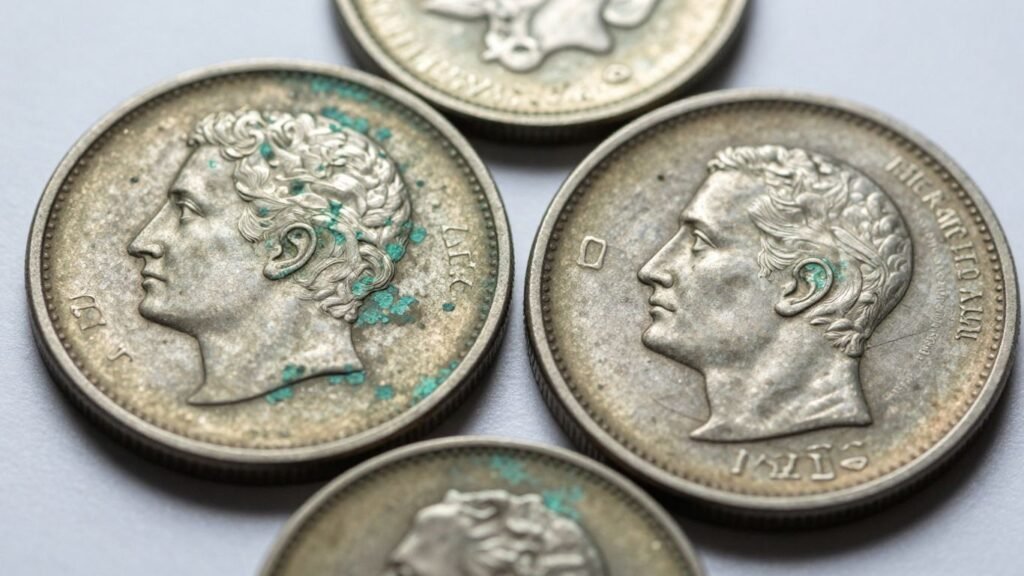
Coins that have spent time submerged in saltwater, whether from shipwrecks, coastal finds, or even just being stored near the ocean, can develop a very specific type of damage. This "saltwater effect" is a form of corrosion accelerated by the high concentration of salts and minerals in the water. The result is often a rough, pitted surface, and sometimes a greenish or bluish patina, especially on copper or silver coins. This type of damage is quite distinct and can be a tell-tale sign of a coin’s history, though it’s generally considered detrimental to the coin’s grade. It’s a harsh environment, and coins that survive it often bear significant marks of their ordeal.
Handling coins improperly after they’ve been exposed to harsh environments can make things worse. For instance, trying to clean off salt residue too aggressively can scratch the metal or remove original patina that might be desirable. It’s a delicate balance between preserving the coin and removing damaging elements.
Here’s a quick look at how different environments can affect coins:
- Buried Coins: Often show signs of soil acidity, leading to pitting and corrosion.
- Waterlogged Coins: Depending on the water type (fresh vs. salt), can develop unique corrosion patterns or mineral deposits.
- Coins in Poor Storage: Contact with acidic paper, certain plastics (like vinyl), or even skin oils can cause staining, spotting, or accelerated toning.
- Atmospheric Exposure: Prolonged exposure to humid or polluted air can lead to surface oxidation and discoloration over time.
Damage from Cleaning and Alteration
It’s a tale as old as collecting itself: someone finds an old coin, thinks it looks a bit dull, and decides to give it a good scrub. Unfortunately, what seems like a simple attempt to improve a coin’s appearance often leads to irreversible damage. This section dives into how cleaning and other alterations can mess with a coin’s surface, sometimes making it worth a lot less.
Improper Cleaning Techniques
Many collectors, especially beginners, get tempted to clean their coins. It’s easy to see tarnish or dirt and think a quick dip in some cleaner or a rub with a cloth will make it look better. But here’s the thing: coins are delicate. Using harsh chemicals or abrasive materials can strip away the original surface, called luster, and leave behind tiny scratches that are visible under magnification. This is often called "over-dipping" if done with acids, and it can really ruin the coin’s natural look. Even something as simple as wiping a coin with your shirt can cause microscopic scratches, known as hairlines, that detract from its value.
Here are some common cleaning mistakes:
- Chemical Dipping: Using acids to remove tarnish can also remove original surface texture and reflectivity.
- Abrasive Scrubbing: Brushes, erasers, or even steel wool will create visible scratches.
- Polishing: Trying to make a coin shiny again often results in an unnatural, "burnished" look.
When you try to clean a coin, you’re essentially removing a layer of its history. That patina, that toning, that’s part of the coin’s story. Once it’s gone, you can’t get it back. It’s like trying to un-bake a cake.
Burnishing and Polishing Effects
Burnishing and polishing are more aggressive forms of cleaning. Burnishing often involves tumbling a coin with abrasive media, like ball bearings or even small rocks, to give it a very bright, almost unnatural sheen. Polishing is similar but usually less intense. While these methods might make a coin look shiny, they completely destroy the original mint luster and can leave the surface looking "wiped" or overly smooth. Experts can usually spot these treatments because the details of the coin might look a bit softened or distorted. It’s a far cry from the original, subtle glow a coin should have. For anyone interested in preserving historical artifacts, understanding these treatments is key, much like how numismatic museums preserve delicate currency.
Whizzing and Altered Surfaces
"Whizzing" is a particularly sneaky technique. It involves using a high-speed rotary wire brush to create artificial luster on a coin, often to make a worn coin look like it just came from the mint. The problem is, this process usually distorts the fine details of the coin’s design, like the lettering or the fine lines in the artwork. It’s a tell-tale sign for experienced collectors. Beyond whizzing, other altered surfaces might include attempts to conceal damage, like spot removal using fine tools, or applying waxes or oils to make a coin look better temporarily. These treatments fundamentally change the coin’s original state and are generally frowned upon in the collecting community.
Surface Alterations and Intentional Damage
Sometimes, coins look a little too perfect, or maybe they have weird marks that just don’t seem right. This often points to someone messing with the coin’s original state, either to make it look better, rarer, or just for kicks. It’s not just about wear and tear; this is about deliberate changes.
Tooling and Device Manipulation
This is where someone tries to fix up a coin’s design, maybe to hide a scratch or a big dent. They might move metal around or add something to make a feature stand out more. It’s basically trying to cheat the coin’s natural appearance. Think of it like trying to buff out a scratch on your car with a magic eraser – it might look okay for a bit, but it’s not the original finish.
Altered Mintmarks and Added Features
This is a pretty common way people try to pull a fast one. They might change a mintmark from a common one to a rare one, or even add a mintmark that wasn’t there originally. It’s all about making a less valuable coin seem like a much scarcer, more desirable piece. Sometimes, they might even try to add features that weren’t part of the original design.
Here are a few ways this happens:
- Changing a mintmark: Taking a ‘D’ for Denver and making it look like an ‘S’ for San Francisco.
- Adding a mintmark: Putting a mintmark on a coin that never had one from the mint.
- Removing a mintmark: This is often done to make a coin look like it came from a mint that didn’t actually produce that year, making it seem rarer.
Countermarking and Chop Marks
Countermarking is when someone punches a symbol or initial onto a coin. Chop marks, on the other hand, were common on older silver coins, especially trade dollars, used in Asia. Merchants would punch these marks into the coins as a way to vouch for their authenticity or value. While chop marks have a historical context, other forms of countermarking are usually seen as damage.
These intentional marks, whether they’re merchant chops or someone’s initials, fundamentally change the coin’s surface and its original intended appearance. They tell a story, but not one that the mint intended.
Specific Environmental Damage Classifications
Coins can pick up all sorts of issues just from sitting around or being handled without care. Sometimes it’s obvious, like a big scratch, but other times it’s more subtle, like a weird spot or a change in color that makes you wonder what happened. These aren’t usually mint errors; they’re more about what the coin went through after it was made. Understanding these specific classifications helps you know what you’re looking at when you examine a coin.
Porosity and Surface Irregularities
Porosity refers to tiny pits or holes that can form on a coin’s surface. This often happens when the metal itself has imperfections or when the coin is exposed to certain environmental conditions over a long time. Think of it like the metal developing a bad case of acne. These irregularities can make the surface look rough and uneven, and they can sometimes be a sign of underlying corrosion starting to form. It’s not something you can easily fix, and it definitely affects how a coin looks and how it might be graded. The presence of significant porosity can lead to a coin being graded as "Details" by professional services.
Questionable Toning and Coloration
Sometimes a coin develops a patina or toning that looks a bit too perfect, or maybe just plain weird. This is what we call questionable toning or coloration. It means the color might not be natural. People sometimes try to speed up or fake toning using chemicals or heat to make a coin look older or more appealing, but it often ends up looking artificial. Natural toning usually develops gradually and evenly, while faked toning can be blotchy or have unnatural hues. It’s a tricky area because what looks like natural toning to one person might look suspicious to an expert. If you’re looking at a coin with unusual colors, it’s worth investigating further. You can find more information on how these factors affect grading at professional numismatic services.
Residue and Foreign Substance Contamination
Coins can end up with all sorts of gunk on them. This could be anything from dirt and grime to sticky stuff like tape residue or even wax. Sometimes, if a coin was stored improperly, it might have residue from packaging materials. These foreign substances can obscure the coin’s details and sometimes even react with the metal over time, causing further damage. Removing this residue can be difficult, and improper cleaning attempts often make things worse, leading to scratches or altered surfaces. It’s best to leave residue removal to the professionals if you’re concerned about it.
Here’s a quick rundown of what to look out for:
- Dirt and Grime: Common, especially on circulated coins.
- Adhesives: Tape, glue, or sticker residue.
- Chemical Residue: Leftover from improper cleaning attempts or storage.
- Organic Matter: Plant material, mold, or other biological contaminants.
Dealing with residue requires a careful approach. Aggressive cleaning can easily damage the coin’s surface, potentially lowering its value more than the residue itself. Sometimes, the best course of action is to leave it alone or consult with a conservation expert.
It’s important to remember that these issues, while not always intentional damage, can significantly impact a coin’s grade and desirability. Being able to identify them is a key part of understanding coin condition.
Physical Alterations Beyond Normal Wear
Sometimes coins get messed up in ways that go way beyond just getting a little scratched up from being in a pocket or a coin roll. We’re talking about stuff that really changes the coin’s original look and feel, often because someone tried to mess with it or it went through something pretty rough. It’s not just about wear and tear anymore; it’s about significant changes to the coin’s physical state.
Bent and Warped Coin Characteristics
Coins aren’t supposed to be bendy, right? But sometimes they are. This happens when a coin gets subjected to serious physical force. Think about it like trying to bend a metal spoon – it takes some effort, but it can be done. A coin can get bent or warped from being stepped on, run over, or even just from being in a really bad accident. When you look at a bent coin from the side, you can clearly see it’s not flat anymore. It’s got a curve to it that wasn’t there when it left the mint. This kind of damage definitely takes away from its original appeal and makes it hard to grade normally.
Holed and Plugged Coins
This one’s pretty straightforward. Some coins end up with holes drilled right through them. Why? Well, historically, people have done this to wear coins as jewelry, like pendants or charms. Other times, a coin might have a hole plugged with a different metal, maybe to try and hide the damage or even to add something to it. Either way, a hole or a plug is a pretty obvious alteration that significantly impacts the coin’s integrity and value. It’s a clear sign the coin has been physically modified.
Mounted and Ex-Jewelry Coin Conditions
This is similar to holed coins, but it’s more about what’s attached to the coin. You’ll see coins that have been set into rings, pendants, or other types of jewelry. Sometimes, the mounting is still on the coin, showing where it was attached. Other times, the coin might have been removed from its setting, but you can still see the tell-tale signs of where it was held – maybe little nicks or flattened spots on the edge. These coins are often called "ex-jewelry" and, like holed coins, they’re usually not considered in their original condition for serious collecting purposes.
When a coin has been physically altered, whether it’s bent, holed, or mounted, it’s a pretty big deal. These aren’t minor issues; they’re major changes that affect how the coin looks, how it feels, and most importantly, how it’s valued. It’s like taking a classic car and cutting the roof off to make it a convertible – it’s still a car, but it’s not the original design anymore, and that changes everything for collectors.
Identifying Unethical Coin Treatments
Spot Removal and Surface Concealment
Sometimes, people try to make a coin look better by messing with its surface. One common trick is trying to remove a spot. You know, those little dark marks that can really bring down a coin’s grade? People might use fine tools, like a needle, to try and pick or scrape these spots away. It’s a bit like trying to erase a mistake, but on metal. The problem is, this kind of tinkering often leaves its own marks, like tiny scratches or disturbed metal, which can be just as bad, if not worse, than the original spot. It’s an attempt to hide a flaw, but it usually just creates a new one.
Altered Devices and Re-engraving
This is where things get really sneaky. "Altered devices" means someone has messed with the actual design elements on the coin. Think about trying to make a dull part of the design look sharper or adding a frosty look to a proof coin to make it seem more special. It’s like putting makeup on a coin to fool you. Then there’s "re-engraving." This is when someone goes over the original design with tools to strengthen it, change it, or even add details that weren’t there. They might try to make a coin look like a rarer variety or fix up worn-out parts. It’s a serious alteration that changes the coin’s original state.
Questionable Surfaces and Films
Ever seen a coin that just looks… off? That’s what "questionable surfaces" and "questionable films" are about. Sometimes, a coin might have a coating or a film on it. This could be from something applied on purpose to hide damage or just a weird reaction over time. It makes it really hard to see what the coin is actually like underneath. It’s like looking through a dirty window – you can’t be sure what you’re really seeing. This kind of thing makes collectors and graders suspicious because you can’t be sure if the coin is original or if something’s being hidden.
Here’s a quick rundown of some common unethical treatments:
- Tooling: Metal is moved around to hide scratches or bag marks. Definitely not original.
- Whizzing: The coin’s surface is scraped with a high-speed wire brush to make it look uncirculated. It leaves a very distinct, unnatural look.
- Polishing/Burnishing: These methods try to improve the surface by either stripping metal away (polishing) or moving it around (burnishing). Both destroy the coin’s original surface texture.
- Altered Mintmarks: Someone might change a mintmark to make a common coin look like a rare one. Sneaky, right?
Trying to "improve" a coin’s appearance through these methods is generally frowned upon in the collecting world. It’s seen as deceptive because it misrepresents the coin’s true condition and history. Authenticity and originality are key, and these treatments compromise both.
It’s a bit like finding out your "vintage" jacket was actually just spray-painted to look old. You want the real deal, not a fake. So, when you’re looking at coins, keep an eye out for these signs. It’s not always obvious, but knowing what to look for can save you from buying something that’s been messed with.
The Effects of Coin Counters and Handling
You know, it’s funny how something as simple as counting coins can actually cause damage. Most people don’t think twice about it, but those machines, especially the older ones, can really do a number on your collection. It’s not just about the big stuff; it’s the little things that add up.
Wheel Marks from Mechanical Counters
These are those annoying, concentrated patches of tiny scratches you sometimes see on coins. They happen when a coin goes through a coin counter, particularly the ones with a fast-spinning rubber wheel. That wheel can get hot enough to actually melt the surface of the coin just a tiny bit where it touches. It’s like a mini-branding, and it’s pretty much permanent. You’ll see them most often on coins that have been through a lot of counting, like maybe from a business or a bank.
Excessive Hairlines from Sliding
This is a bit different. Hairlines are those fine scratches you get when you slide coins around. Think about putting them in a binder and the pages slide, or even just moving them across a table. If you have a lot of them, and they’re really noticeable, it’s called "excessive hairlines." Proof coins are especially sensitive to this because their surfaces are so polished and perfect to begin with. Even dust getting into a sliding window album can cause this.
Damage from Storage and Packaging
Even how you store your coins can cause problems. Using the wrong kind of packaging is a big one. Some plastics, especially older vinyl ones, can actually break down over time and release chemicals that corrode the metal. It’s a slow burn, but it can ruin a coin’s surface. Always make sure your storage materials are acid-free and stable. It’s worth looking into safe coin storage options to avoid this.
It’s easy to overlook the damage that can come from everyday handling and storage. We often focus on big issues like corrosion or cleaning accidents, but the subtle wear from coin counters or improper packaging can be just as detrimental to a coin’s condition and value over time. Paying attention to these details is key for any serious collector.
Understanding Coin Damage Terminology
When you’re sorting through coins, whether you’re a longtime collector or picked up a few from a garage sale, you’ll run into all kinds of wear and oddities. Knowing the correct terms for different kinds of coin damage helps you recognize not just what happened, but how much those flaws matter. Here’s a look at how damage types are named and what they really mean for collectors.
Classifying Mechanical Damage
Mechanical damage is all about physical changes that happen to coins after they leave the mint. You’ll see a lot of overlap in how these are described, but here’s a breakdown:
- Bag Marks: Dings and scrapes from coins bumping into each other during transport.
- Scratches: Lines or gouges, often caused by contact with hard objects or rough surfaces.
- Bending/Warpage: Anytime a coin is physically twisted or curved out of its natural shape.
- Graffiti/Engraving: When someone carves initials, pictures, or words into the surface (sometimes this happens with historic coins).
- Holed/Plugged: A coin that’s had a hole drilled or punched, usually for jewelry purposes, and then sometimes plugged.
Let’s look at a quick reference table for some terms:
| Term | Visible Effect | Can Be Certified? |
|---|---|---|
| Scratched | Long/short surface lines | Sometimes |
| Bent | Curved or warped look | Rarely |
| Graffiti | Visible writing/carvings | Unlikely |
| Holed | Obvious drilled hole | No |
| Bag Marks | Minor nicks/small dings | Yes |
Understanding exactly what kind of mechanical damage exists on your coin can help you decide if it’s collector-worthy or just pocket change.
Defining Chemical and Environmental Damage
Chemical or environmental damage comes from interactions with the world around a coin, not from direct contact with another object. The terms here focus on metal changes:
- Corrosion: Results in pitting, rough spots, or loss of metal from exposure to moisture or chemicals; common on older coins, especially copper which can form green verdigris like copper roofs (verdigris development).
- Staining/Discoloration: Unusual spots or changes in color, often permanent, due to chemical reactions or improper cleaning.
- Porosity: Tiny pinholes or a sponge-like surface showing deeper environmental damage.
- Saltwater Effect: Unique roughness or corrosion from long exposure to saltwater, often affecting coins recovered from shipwrecks.
- Residue: Leftover films or stains from oils, adhesives, or improper storage materials.
Recognizing Cleaning-Related Damage
Coins get cleaned—often by folks hoping to make them shine or look newer—but most methods actually cause even more harm. Here’s how cleaning-related damage is described:
- Wiped: Hairline scratches in one direction, usually from a cloth.
- Whizzed/Polished: Machine- or hand-buffed to create a fake shine, removing original metal texture.
- Burnished: A surface that looks too smooth or loses detail because the metal was rubbed rapidly.
- Questionable Surfaces: Surfaces that look unnatural (they might be lacquered, coated, or altered in ways that experts find suspicious).
- Questionable Toning/Coloration: Unusual color changes that probably didn’t happen naturally over time.
A quick cleaning checklist to avoid damage:
- Never use abrasives—no matter how dirty the coin is.
- Avoid dipping coins in chemicals or acids, unless you really know what you’re doing.
- When in doubt, just leave the coin as you found it—original condition is almost always best.
Even minor cleaning can shave off a coin’s value. That “improvement” is usually permanent in all the wrong ways.
Wrapping It Up
So, we’ve gone over a bunch of ways coins can get messed up, from simple scratches from being tossed around in bags to more serious stuff like corrosion or even someone trying to clean them too hard. It’s pretty wild how much damage can happen just from normal life, let alone intentional tinkering. Understanding these issues is key, whether you’re just starting out or you’ve been collecting for a while. Knowing what to look for helps you spot a coin’s true condition and, honestly, can save you from making costly mistakes. Keep an eye out for these common problems, and you’ll be a step ahead in appreciating coins for what they really are.
Frequently Asked Questions
What's the difference between a coin error and coin damage?
A coin error happens when the mint makes a mistake while creating the coin, like if it’s struck crooked or with a double hit. Coin damage, on the other hand, happens after the coin has been made, usually from being dropped, scratched, or exposed to harsh conditions. Errors can sometimes make a coin more valuable, while damage usually makes it less valuable.
What are 'bag marks' and why do they matter?
Bag marks are tiny scratches and dents you see on new coins. They happen when coins bump into each other while being bagged and shipped from the mint. While they’re very common, a lot of them can lower a coin’s value because they show the coin isn’t in perfect, uncirculated condition.
Can cleaning a coin actually hurt its value?
Yes, definitely! Trying to clean a coin, especially an old one, can often cause more harm than good. Using rough cloths, chemicals, or even just rubbing it too hard can remove the coin’s original shine, create fine scratches, or change its color, all of which collectors dislike and can significantly reduce its worth.
What does 'corrosion' mean for a coin?
Corrosion is like rust or tarnish that happens when a coin’s metal reacts with air and moisture over time. It can cause pitting, discoloration, or a rough texture on the coin’s surface. This damage is usually permanent and makes the coin less appealing and valuable.
Are bent or warped coins considered damaged?
Yes, if a coin is bent or warped after it leaves the mint, it’s considered damaged. While some coins are naturally made with a slight curve, a significant bend or warp caused by force or extreme conditions is seen as damage and lowers the coin’s grade and value.
What is 'whizzing' and why is it bad for coins?
Whizzing is a technique where someone rubs a coin against a fast-spinning wire brush. The goal is to make a used coin look like it’s never been circulated by giving it a shiny surface. However, it damages the coin’s details and surface, making it look unnatural and reducing its value.
What are 'questionable surfaces' or 'questionable toning' on a coin?
‘Questionable surfaces’ means a coin’s surface looks unusual, maybe like it’s been coated or treated in a way that hides problems. ‘Questionable toning’ refers to colors that don’t look natural, suggesting someone might have tried to artificially color the coin to make it look more appealing or valuable. Both are red flags for collectors.
How does saltwater affect coins?
Coins that have been exposed to saltwater, like those found in shipwrecks or near the ocean, often suffer severe corrosion. The salt and water create a harsh environment that eats away at the metal, leaving behind significant damage, discoloration, and pitting. This type of damage is quite destructive.