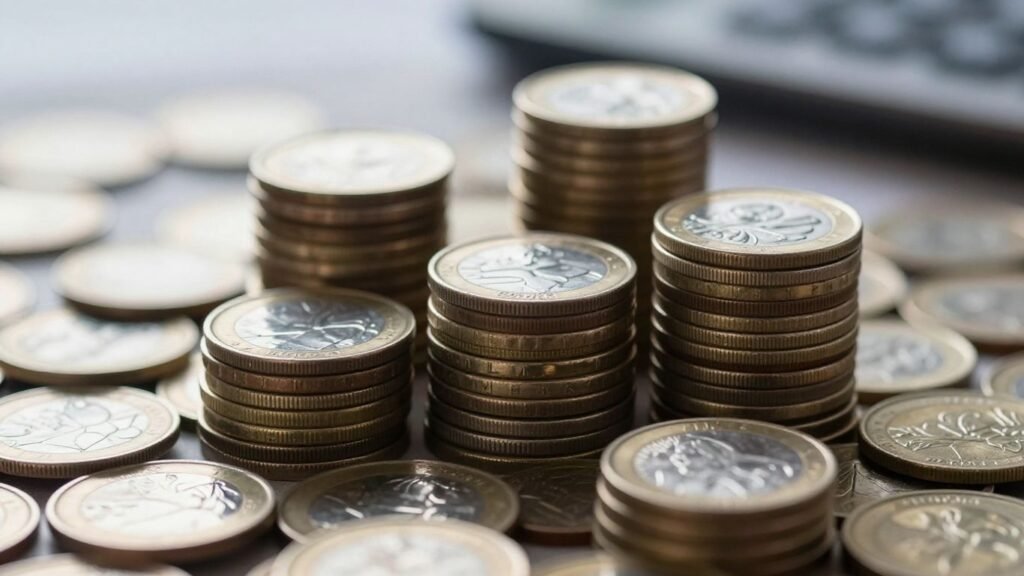
So, you’re curious about what makes one coin worth more than another? It’s not just about how old it is or if it’s made of gold. There are several factors affecting coin premiums that really come into play. Think of it like this: some things are just harder to find, some people really want them, and some just look better than others. We’ll break down the main things that add value to coins, so you can get a better idea of what’s going on.
Key Takeaways
- The main things that affect a coin’s price are how rare it is, how many people want it, its actual metal value, and its overall condition.
- Rarity isn’t just about how many were made; it’s also about how many are still around and if they’re linked to any interesting history.
- Collector demand is a big deal. Popular coin series or specific designs can fetch higher prices just because lots of people want them.
- The actual amount of gold or silver in a coin sets a baseline price, but this can change depending on the market for those metals.
- A coin’s grade, which is basically its condition and appearance, is the one thing you as a collector can actually control to boost its value.
Understanding The Core Factors Affecting Coin Premiums
So, you’ve got a coin, and you’re wondering what makes one worth more than another? It’s not just about the metal it’s made of, though that’s part of it. Several things come into play when figuring out a coin’s real value, especially that extra bit on top of its basic worth – the premium. Think of it like this: you’ve got rarity, how much people want it, the actual price of the metal, and then, how good the coin looks. Out of all these, the one thing you can actually do something about is the coin’s condition. Pretty neat, right?
Let’s break down these main players:
- Rarity: This is a big one. How many of these coins were made? How many are still around today? If a coin is super rare, it’s usually worth more. Sometimes, a coin might have a low mintage number, but if it’s tied to a cool historical event or has a unique little error, that makes it even more desirable. It’s not just about the number printed on the paper; it’s about how many survived and why people care about them.
- Collector Demand: Even if a coin isn’t super rare, if a lot of people want it, its price can go up. Think of popular coin series that everyone seems to be collecting. The market can change, too. What’s hot today might not be tomorrow, and that affects what people are willing to pay.
- Bullion Value: For coins made of gold, silver, or platinum, the price of that metal on the open market sets a kind of baseline. If gold prices jump, your gold coin’s value goes up, no matter how fancy it looks. This is the floor price; the numismatic value is what sits on top of it.
- Quality and Condition: This is where you, the collector, can make a difference. A coin that’s been handled carefully, looks sharp, and has no major marks or scratches will always be worth more than one that’s beat up. This is often judged using a grading scale, and even small differences in grade can mean big jumps in price.
Understanding these core elements is your first step to figuring out what a coin is truly worth. It’s a mix of objective facts like metal content and mintage numbers, and more subjective things like how much collectors are currently interested in a particular coin. Paying attention to these factors will help you make smarter choices when buying or selling.
So, while you can’t change how many coins were originally made or the current price of silver, you can take good care of the coins you own. Keeping them in good shape is your best bet for protecting their value and making them a solid part of your collection.
Assessing Coin Rarity: Beyond Mintage Numbers
Analyzing Survival Rates and Historical Significance
So, you’ve got a coin, and you’re wondering how rare it really is. Mintage numbers are a good starting point, sure, but they don’t tell the whole story. Think about it: a coin might have been minted in the millions, but if most of them got melted down or lost over the years, the ones left are actually pretty scarce. That’s where survival rates come in. We’re talking about how many of those original coins are still around today, in any condition. It’s not just about how many were made, but how many made it.
Historical events can really mess with survival rates. Wars, economic depressions, or even just changes in currency can lead to huge numbers of coins being taken out of circulation. For example, coins made of silver or gold were often melted down when the metal itself became more valuable than the coin’s face value. So, a coin from a period of high inflation or conflict might be rarer than its mintage number suggests.
Here’s a quick look at how survival can be affected:
- Melting Campaigns: Governments or individuals melting coins for their metal content.
- Lost Circulation: Coins lost, damaged, or simply discarded over time.
- Hoarding: Coins being saved in large quantities, sometimes for their silver or gold content, making them scarce in circulation later.
- Destruction: Coins destroyed in natural disasters or conflicts.
Understanding the historical context of a coin is just as important as knowing its mintage. A coin’s journey through time, its survival story, is a big part of what makes it rare and interesting to collectors. It’s like a historical artifact with a past.
The Influence of Mintages on Coin Desirability
Okay, let’s talk mintages. This is basically the number of coins a mint actually produced in a given year for a specific denomination. It’s a pretty straightforward number, and generally, the lower the mintage, the rarer the coin, right? Well, usually. But it’s not always that simple. A coin with a high mintage might still be desirable if it’s part of a popular series or has a really cool design that collectors love.
Think of it like this: if a million people want a specific type of cookie, and only a thousand were made, those cookies are going to be super valuable. But if a million cookies were made, and only a hundred people want them, they’re not worth much, even though there are tons of them. It’s that balance between how many were made and how many people actually want them.
Here are some things to consider about mintages:
- Low Mintage: Often leads to higher prices, especially if demand is present.
- High Mintage: Can mean a coin is common, but not always. Popular series can absorb high mintages.
- Mint Mark Variations: Different mints (like Philadelphia, Denver, San Francisco) can have vastly different mintages for the same coin type, affecting rarity.
Identifying Key Date and Mintmark Variations
This is where things get a bit more specific, and honestly, pretty exciting for serious collectors. Within any given coin series, there are usually a few specific dates and mint marks that are way rarer and more sought-after than the others. These are what we call "key dates." They’re the ones that can really make or break a collection.
For example, a coin from a particular year might have had a very low mintage, or maybe there was a special error during production that year. Or perhaps a certain mint mark (like a "D" for Denver or an "S" for San Francisco) was only used for a short time or produced a much smaller number of coins. Finding one of these key dates or mintmark variations can be a big deal.
It’s not just about the date, either. Sometimes, it’s a specific variety of a coin from that date and mint. Maybe the design was slightly different, or there was a small error that only affected a portion of the mintage. These little differences are what collectors hunt for.
- Key Dates: Specific dates within a series that are significantly rarer and more valuable. (e.g., the 1909-S VDB Lincoln cent).
- Key Mintmarks: Certain mint marks for a given coin type that are much scarcer than others.
- Varieties: Minor differences in the coin’s design or striking that make it distinct from the standard issue.
So, when you’re looking at a coin, don’t just glance at the year. Dig a little deeper. Check the mint mark, and if you’re really serious, research the specific varieties for that coin. It’s often in those small details that the true rarity and value lie.
Quantifying Collector Demand And Market Enthusiasm
So, how do you actually put a number on how much people want a coin? It’s not just about how many were made; it’s about the buzz, the chase, and what collectors are willing to shell out. Think of it like a popular concert ticket – even if they made a lot of them, if everyone wants to go, prices go up. The same applies to coins. We’re talking about tracking what series are hot, what trends are shifting, and how auction results are telling us the story of demand.
Tracking Popular Series And Collector Followings
Some coin series just seem to capture the imagination, year after year. Maybe it’s the design, the historical tie-in, or just the satisfaction of completing a set. These popular series, like the American Innovation dollars or certainennial commemoratives, often see consistent collector interest. This sustained demand means that even coins with higher mintages can hold their value well, and sometimes even gain a premium, because there’s a steady stream of buyers looking to complete their collections. It’s this ongoing collector following that really fuels the market for these specific coins.
Shifting Market Trends And Collector Preferences
Markets aren’t static, and neither are collectors. What’s popular today might be less so tomorrow. We’ve seen shifts over the years, with certain types of coins or metals gaining or losing favor. For instance, there’s been a noticeable increase in interest for coins with unique privy marks or special design elements, as these add an extra layer of rarity and desirability. Understanding these changing preferences is key. It’s about staying aware of what’s catching collectors’ eyes, whether it’s a move towards historical themes, specific metal compositions, or even coins linked to important events. Keeping an eye on these trends can help you anticipate where demand might be heading.
The Impact Of Auction Results On Perceived Demand
Auction results are like a real-time pulse check on coin demand. When a coin, especially a rare one, fetches a price significantly higher than its melt value or even previous records, it sends a strong signal. It tells everyone that collectors are actively competing for it, driving up its perceived worth. These high-profile sales can create a ripple effect, boosting interest in similar coins or series. It’s a clear indicator of what the market is truly valuing at that moment. For example, a recent sale of a privy-marked Flowing Hair Silver Medal for over $20,000 really showed how special designations can make a big difference. It’s not just about the metal; it’s about the story and the scarcity that collectors are willing to pay for.
The true measure of a coin’s desirability often lies not just in its physical attributes but in the collective enthusiasm it generates. This enthusiasm, fueled by historical narratives, aesthetic appeal, and the thrill of acquisition, translates directly into market demand. Understanding this dynamic is crucial for anyone looking to gauge a coin’s potential value beyond its intrinsic worth.
Here’s a quick look at how different factors can influence demand:
- Series Popularity: Consistent interest in ongoing series.
- Design Appeal: Unique or historically significant designs.
- Rarity & Exclusivity: Limited mintages, privy marks, or special varieties.
- Market Trends: Shifts in collector preferences and investment focus.
- Auction Performance: High prices realized at auctions signal strong demand.
When you’re looking to buy or sell, checking out reputable online dealers for silver can give you a good sense of current market activity. Buying silver is a good way to see how demand plays out in real-time.
The Intrinsic Value: Bullion Price Fluctuations
When you’re looking at coins, especially those made of precious metals like gold or silver, their value isn’t just about how rare they are or how pretty they look. There’s a baseline value tied directly to the metal itself. This is often called the "bullion value" or "spot price." Think of it as the floor price – the coin is worth at least what the metal inside it is worth on the open market.
Precious Metal Content As A Baseline Value
This is pretty straightforward. If a coin contains a specific amount of gold or silver, its value will move up and down with the global price of that metal. For example, a Silver Maple Leaf coin is guaranteed to be .9999 fine silver. So, if silver prices are high, the coin’s base value goes up. If silver prices drop, so does the coin’s base value. It’s like owning a small bar of silver, but in a more collectible form.
- Gold Eagles: Contain about 1 troy ounce of gold, so their value tracks gold prices closely.
- Silver Eagles: Contain 1 troy ounce of .999 fine silver, directly linked to silver market prices.
- Platinum Eagles: Similarly, their value is tied to the current price of platinum.
How Market Conditions Affect Bullion Prices
So, what makes the price of gold or silver go up or down? A lot of things, really. Global economic news plays a big part. If there’s uncertainty in the world, like a financial crisis or political unrest, people often turn to precious metals as a safe place to put their money. This increased demand can push prices higher. On the flip side, if the economy is booming and people feel confident, they might invest less in metals and more in things like stocks, which can lower metal prices.
Global events, industrial demand, and even interest rate changes can all send ripples through the precious metals market, affecting the baseline value of your coins.
Differentiating Bullion Value From Numismatic Premium
This is where it gets interesting and sometimes confusing. The bullion value is just the metal’s worth. But many coins, especially older ones or those with special designs, are worth more than just their metal content. This extra amount is called the "numismatic premium." It’s influenced by factors like rarity, condition, historical significance, and collector demand. So, you might have two coins made of the same amount of silver. One might be a common, modern bullion coin with a small premium over spot, while another could be a rare, old coin in perfect condition that sells for many times the value of the silver it contains. Understanding this difference is key to knowing if you’re paying for metal or for history and rarity.
| Coin Type | Typical Premium (over spot) | Primary Value Driver |
|---|---|---|
| Sovereign Bullion Coins | Moderate to High | Metal Content & Security |
| Generic Silver Rounds | Low | Metal Content |
| Silver Bars (larger) | Lowest | Metal Content (per ounce) |
The Significance Of Coin Quality And Grading
When you’re looking at coins, especially for collecting or investing, you’ll quickly find that their condition, or ‘grade,’ is a really big deal. It’s not just about how old a coin is; it’s about how well it’s held up over time. Think of it like this: a pristine, uncirculated coin is going to be worth a lot more than one that’s been tossed around in pockets for decades. This is where coin grading comes in. It’s a system used to describe a coin’s condition, and it’s pretty standardized.
Understanding The Sheldon Grading Scale
Most people in the coin world use something called the Sheldon scale. It’s a number system that goes from 1 to 70. A ‘1’ is basically a coin that’s barely recognizable, while a ’70’ is considered perfect, with no flaws whatsoever. You’ll hear terms like ‘Poor,’ ‘Fair,’ ‘Good,’ ‘Very Good,’ ‘Fine,’ ‘Very Fine,’ ‘Extremely Fine,’ ‘About Uncirculated,’ and then the ‘Mint State’ grades (MS-60 to MS-70).
- Poor (P-1): Barely identifiable, major damage.
- Good (G-4): Very worn, but the main features are visible.
- Fine (F-12): Significant wear, but details are clearer.
- Very Fine (VF-20): Moderate wear, but most details are sharp.
- Extremely Fine (XF-40): Light wear, only visible under magnification.
- About Uncirculated (AU-50 to AU-58): Very minimal wear, often just on the highest points.
- Mint State (MS-60 to MS-70): No wear from circulation. Higher numbers indicate better strike, luster, and fewer distracting marks.
The Importance Of Mint State And About Uncirculated Grades
Coins that have never been used as money, meaning they haven’t been in circulation, are generally the most sought after. These fall into the ‘About Uncirculated’ (AU) and ‘Mint State’ (MS) categories. An AU coin might have just a tiny bit of wear on its highest points, almost unnoticeable unless you’re really looking. Mint State coins, on the other hand, are supposed to look like they just came off the minting press. The difference between an MS-65 and an MS-67, for example, can be thousands of dollars, all depending on how many tiny marks or imperfections are visible under magnification. Getting your coins professionally graded by services like PCGS or NGC can really help establish their condition and increase their marketability.
The condition of a coin is one of the few aspects that a collector can directly influence through careful handling and storage. While you can’t change how many were originally made or how many have survived, you can certainly prevent further damage to the coins you own. This control over quality is a significant advantage for collectors aiming to preserve or increase the value of their holdings.
How Grade Differences Impact Market Value
Even small differences in grade can lead to big jumps in price. A coin might look pretty good to the average person, but to a seasoned collector or a grading service, the difference between, say, an MS-63 and an MS-64 can be substantial. This is because the higher grade implies better preservation, more original luster, and fewer distracting blemishes. When you’re buying or selling, understanding these nuances is key. It’s why people often pay a premium for coins that have been certified by reputable grading companies; it takes the guesswork out of assessing the condition.
Evaluating Luster And Surface Reflection
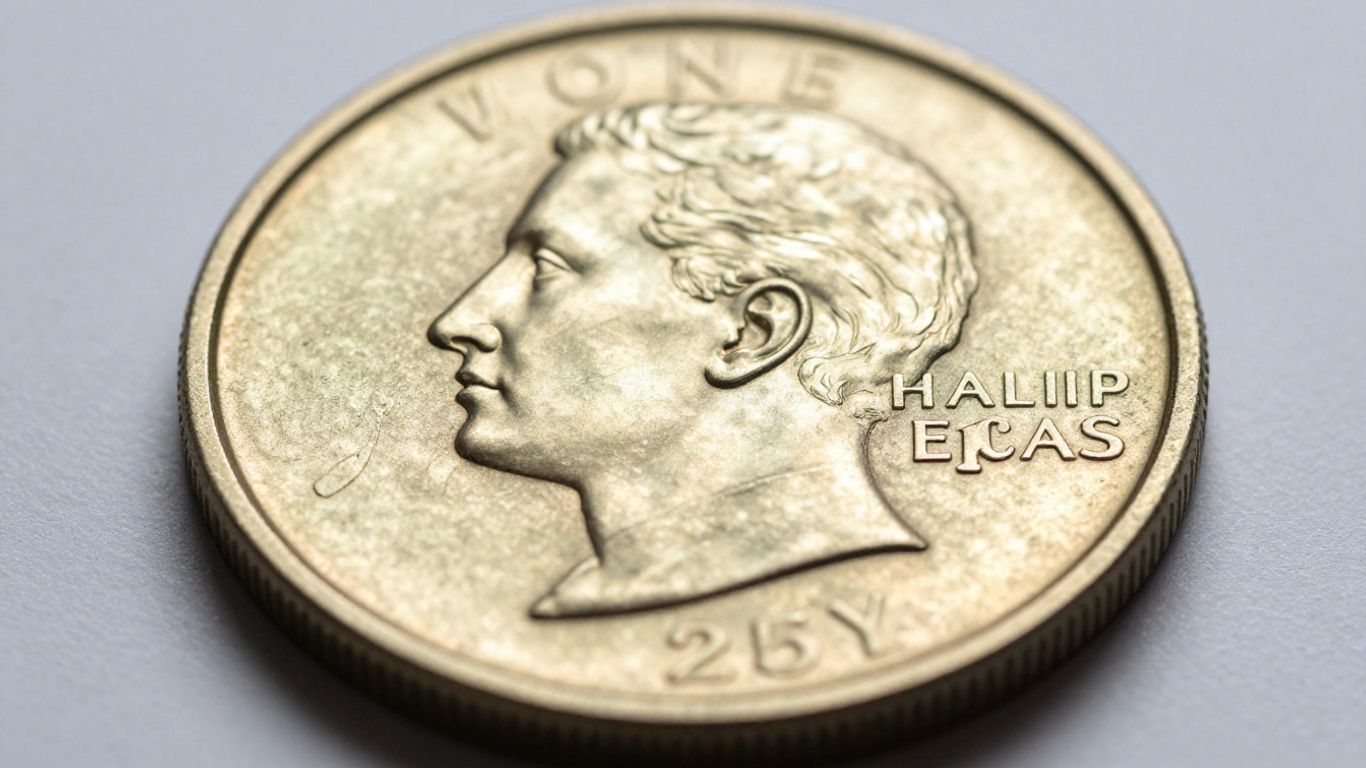
Luster is what gives a coin its character right out of the mint—think of how new coins have that flashy, spinning glow as you tilt them in the light. This shine comes from tiny lines pressed into the surface during minting, and those lines disappear as the coin wears down. Appreciating luster isn’t just about enjoying shiny things; it helps collectors understand a coin’s history and grade.
Identifying Original Mint Luster
Spotting original luster is pretty straightforward when you know what to look for. Here are basic steps you can follow:
- Hold the coin under a strong, white light—avoid yellow, warm bulbs.
- Tilt the coin back and forth and look for a continuous, wheel-like shimmer. This is often called the "cartwheel effect."
- Watch how the light moves: uninterrupted flow means original luster; broken or patchy flashes mean something’s off.
| Feature | Original Mint Luster | Disturbed Luster |
|---|---|---|
| Reflection Pattern | Smooth, flowing | Patchy or muted |
| Cartwheel Effect | Strong, complete | Weak or missing |
| Surface Flow Lines | Intact | Partly erased or broken |
When in doubt, compare your coin to a certified, uncirculated example to train your eye to the real thing.
Recognizing Diminished Luster Due To Wear
Circulation, even light handling, slowly removes luster. Key ways diminished luster shows up:
- Dull patches, especially on raised surfaces
- A faded or missing cartwheel effect when the coin is rotated
- Irregular, spotty glare instead of a consistent shine
Coins with lost luster will always fetch less in the market, no matter how rare or interesting the design might be.
Detecting Artificial Surface Enhancements
Some coins look unnaturally bright or have an odd, glassy gleam. This usually means they’ve been cleaned or enhanced:
- Chemical treatments ("dipping") can wipe away natural luster, leaving an unnaturally white appearance
- Abrasive polishing shows up as tiny, scratch-like lines that run in the same direction
- Artificial shine tends to look static, without the rolling movement of real mint luster
If a coin’s shine seems too harsh or doesn’t show that cartwheel motion, it’s likely been tampered with. Most collectors prefer untouched coins—even with some wear—over those that have been artificially altered.
Learning how to tell original luster from anything else saves money, disappointment, and helps build a collection you’ll be proud of.
Assessing Coloration And Natural Patina
Beyond just the metal itself, the colors that develop on a coin over time can really make it stand out. Think of it like aging wine or cheese; some changes are good, some aren’t. For collectors, understanding these natural color developments, often called patina, is key to spotting a coin’s true appeal and value.
The Appeal Of Toning On Silver Coins
Silver coins, especially older ones, are famous for developing beautiful toning. This isn’t tarnish in the bad sense; it’s a natural chemical reaction with the air and environment. You’ll see a whole spectrum, from light, almost golden or champagne hues around the edges to deep, rich blues and purples that can cover the whole coin. Attractive, even toning on silver coins often makes them more desirable and valuable than a plain, bright white coin. It shows the coin has been left alone to age naturally, which is what most collectors want.
- Light golden and champagne tones: Often seen on the peripheries, these are subtle and pleasing.
- Rainbow peripheral toning: A mix of colors appearing around the coin’s edge.
- Deep blue and violet patinas: These are striking and highly sought after.
Understanding Color Variations In Gold Coins
Gold coins tend to hold their color better because gold is pretty stable. However, the other metals mixed in (the alloy) can affect the final look. A coin with more copper might have a slightly rosier tint, while one with more silver could look a bit greener. Generally, collectors prefer a consistent, rich color that matches the expected alloy. You won’t see the dramatic blues and purples like on silver, but subtle shifts can still matter.
Evaluating Patinas On Copper And Bronze Coins
Copper and bronze coins are the most likely to show significant color changes. Left untouched, they’ll develop a patina that can range from a pleasant reddish-brown to a deep, chocolatey brown. The holy grail for many is the original "red" color from the mint, but this is super rare on older coins. Most of the time, you’re looking for a smooth, even brown that doesn’t look artificial. Sometimes, you’ll see transitional colors, like a red-brown, which can also be quite appealing.
The natural aging process of a coin’s metal, resulting in unique colorations and surface textures, is a significant factor in its numismatic appeal. Collectors often seek out coins that display attractive, original patinas, viewing them as indicators of authenticity and a connection to the coin’s history. Artificial treatments that mimic these natural colors are generally frowned upon and can drastically reduce a coin’s market value.
When you’re looking at a coin, try to see if the color looks natural. Does it seem too bright, too uniform, or just… off? If a coin looks unnaturally shiny or has weird splotches of color that don’t make sense for the metal, it might have been cleaned or treated. This is where knowing what to look for really helps you avoid paying a premium for something that’s been altered. It’s all part of the fun of building your collection and learning to spot the genuine article. You can find more information on grading and condition assessment at PCGS and NGC Price Guides.
The Role Of Eye Appeal In Coin Valuation
So, you’ve got a coin, and you’re trying to figure out what it’s really worth. We’ve talked about rarity, demand, and even the metal it’s made of. But there’s this other thing, ‘eye appeal,’ that can really make a difference. It’s not just about the grade on the label; it’s about how the coin looks to you, and more importantly, to other collectors and dealers. A coin with great eye appeal can often fetch a higher price than another coin with the exact same technical grade.
Think of it like this: two coins might be graded MS-65, but one might have this vibrant, original luster that just pops, while the other looks a bit dull or has some distracting marks. Which one are you more likely to want to buy? Probably the shiny one, right? That’s eye appeal at work. It’s that subjective, yet often quantifiable, visual quality that makes a coin desirable.
Factors Contributing To Positive Eye Appeal
What makes a coin look good? It’s a mix of things:
- Luster: This is the shine, the way light plays off the coin’s surface. Original mint luster is usually the most sought-after. It should look lively, not dull or flat.
- Coloration: For silver coins, a nice, even toning can be very attractive. For gold, it’s about that rich, warm color. We’ll get more into toning and patina later, but generally, attractive, natural colors add to eye appeal.
- Strike: How well was the coin struck by the mint dies? A sharp strike means all the fine details are clear and well-defined. Weak spots can detract from this.
- Surface Preservation: This is huge. We’re talking about minimal contact marks (those little nicks and scratches from being handled or bagged), and no ugly spots or blemishes.
Identifying Detracting Elements Like Carbon Spots
On the flip side, some things can really hurt a coin’s looks. Carbon spots are a big one. These are dark, often circular spots that can appear on the surface, especially on older silver coins. They’re usually caused by impurities in the metal or the environment the coin was stored in. They’re tough to remove without damaging the coin, and they definitely make a coin less attractive.
Other things that kill eye appeal include PVC damage (that greenish gunk from old soft plastic holders), uneven or blotchy toning that looks unnatural, and excessive bag marks. Even a weak strike, where some of the coin’s design is mushy instead of sharp, can be a real turn-off for collectors.
How Eye Appeal Influences Marketability And Price
So, how does this all translate to money? Well, it’s pretty straightforward. A coin that looks fantastic, with all the positive attributes we just mentioned and none of the negative ones, is going to be easier to sell. Collectors will actively seek out coins with great eye appeal, and they’ll often pay a premium for them. This premium can sometimes be quite significant, pushing the price well above what you might expect based solely on its grade.
Conversely, a coin that has a good technical grade but looks ‘off’ – maybe it’s dull, has a few too many marks, or some unsightly spots – might struggle to sell. You might have to lower your price to find a buyer, even if the grading service says it’s a solid coin. It’s a reminder that while grading is important, the overall visual impression matters a lot in the numismatic world.
Identifying And Avoiding Cleaning Damage
So, you’ve got a coin, and it’s looking a little dull. Maybe there’s some grime or tarnish. The first thought might be to give it a good scrub, right? Hold on a second. Cleaning a coin, even with the best intentions, is usually a one-way ticket to devaluing it. It’s like trying to fix a scratch on a car by sanding the whole panel – you might remove the scratch, but you’ve messed up the paint job. Collectors and dealers can spot a cleaned coin from a mile away, and they’ll often pay a lot less for it.
The Impact Of Abrasive Cleaning Methods
When you use brushes, polishing compounds, or even just a rough cloth, you’re not just removing dirt. You’re actually scratching the coin’s surface. These aren’t big, obvious gouges, mind you. They’re usually tiny, hairline scratches that run in the direction you were cleaning. Under magnification, they’re pretty obvious and they permanently alter the coin’s original surface texture. This texture is what gives a coin its natural luster, that soft, satiny sheen. Once that’s gone, it’s gone for good. Dipping a coin in a cleaning solution might make it shiny again, but it also strips away those microscopic details that numismatists look for.
Understanding Cabinet Friction And Its Effects
This is a subtler kind of wear, but it’s still damage. Think about how coins used to be stored – in paper envelopes, coin trays, or just loose in a box. Every time the coin rubbed against these surfaces, especially if it was moving around, it caused a tiny bit of wear on the high points. It’s not like a scratch, more like a gentle rubbing away. While it might not look like much, it tells an experienced grader that the coin wasn’t stored properly. It’s a sign of handling and movement that detracts from the coin’s pristine state. Proper storage in individual holders or albums prevents this kind of wear.
Why Never Cleaning Coins Is Often The Best Policy
Honestly, for most collectors, the safest bet is to just not clean your coins. Period. Unless you’re a trained professional conservator dealing with a specific problem like active corrosion, leave it alone. Even professional cleaning is a controversial topic in the numismatic world. If a coin looks a bit dirty or tarnished, it’s usually better to leave it as is. The natural toning or patina that develops over time can actually add to a coin’s appeal and value, especially on silver and copper coins. Trying to ‘improve’ it often backfires spectacularly. Remember, you can’t un-clean a coin. Once the damage is done, it’s permanent, and the market will reflect that.
The natural appearance of a coin, including its luster and any toning it has developed over time, is a significant part of its numismatic appeal. Aggressive cleaning methods, whether chemical or mechanical, invariably damage this surface. This damage manifests as removed luster, visible scratches, or an unnatural, overly bright appearance. Such alterations are permanent and drastically reduce a coin’s desirability and market value. For collectors, preserving the original state of a coin is paramount, and avoiding cleaning is the most effective way to maintain its integrity and potential for appreciation.
Leveraging Trusted Sources For Accurate Valuations
So, you’ve got a coin, and you’re wondering what it’s actually worth. It’s easy to get lost in all the numbers and opinions out there. That’s why leaning on reliable places for information is super important. Think of it like getting a second opinion from a doctor – you want someone who knows their stuff.
Utilizing U.S. Mint Information
The U.S. Mint is a pretty straightforward place to start. They give you the basic facts about the coins they produce, like how much precious metal is in them and their purity. This is especially helpful for bullion coins, where the metal content is a big part of the price. It’s not going to tell you the collector value, but it’s a solid foundation for understanding the intrinsic worth.
Consulting PCGS and NGC Price Guides
When you get into the collector side of things, the big names are PCGS (Professional Coin Grading Service) and NGC (Numismatic Guaranty Company). These outfits grade coins, and they also put out price guides. These guides aren’t gospel, but they’re compiled from a lot of data – what dealers are asking, what coins are selling for at auctions, and what experts think. They give you a good idea of what similar coins, in similar condition, are going for on the market.
It’s important to remember that these guides often show average prices. A coin might be listed at $100, but you might see it sell for $80 or $120 depending on the buyer and seller. For really common coins, especially those valued under $10, the price guides might just reflect what non-graded versions are worth because the cost of grading itself is higher than the coin’s value.
Interpreting Auction Results and Dealer Listings
Looking at actual sales is another smart move. Auction results, especially from well-known numismatic auction houses, show you what people are actually paying for coins right now. Dealer listings are also useful, but keep in mind dealers need to make a profit, so their listed prices will usually be higher than what you might get at auction or from a private seller. It’s all about getting a feel for the current market.
Here’s a quick look at what influences those prices:
- Rarity: Fewer coins out there usually means higher prices.
- Condition: A coin in mint condition is worth way more than one that’s worn out.
- Demand: If a lot of people want a specific coin, the price goes up.
- Historical Significance: Coins tied to big events or famous people can fetch a premium.
When you’re trying to figure out what your coin is worth, it’s best to use a few different sources. Don’t just rely on one price guide or one auction result. Cross-referencing information will give you a more balanced picture and help you avoid overvaluing or undervaluing your piece. It takes a little effort, but it’s worth it to get a realistic idea of your coin’s market value.
Historical Significance And Special Designations
Sometimes, a coin is more than just metal and a date. It tells a story, right? Coins tied to big historical moments or featuring unique designs can really grab collectors’ attention, pushing their prices up beyond what you might expect based on just rarity or condition. Think about coins that mark the end of a war or celebrate a national milestone; these often carry an extra layer of appeal.
Coins Linked To Important Historical Events
Coins that commemorate significant historical events often become instant collectibles. These pieces serve as tangible links to the past, making them highly desirable. For example, coins issued to celebrate the end of World War I or to honor important national figures can command a premium.
- Peace Dollar: Introduced to celebrate the end of World War I, this coin’s theme of peace resonates deeply.
- Franklin Half Dollar: Honoring Benjamin Franklin, this series connects collectors to a key figure in American history.
- Commemorative Issues: Many special issues, from state quarters to specific anniversary coins, are minted with historical events in mind.
The Value Of Unique Mint Marks And Varieties
Even within the same year and design, tiny differences can make a big difference in a coin’s value. A unique mint mark, like a rare ‘S’ for San Francisco or a ‘D’ for Denver, can significantly increase a coin’s desirability. Then there are the
Conclusion
So, after looking at all these different things that go into coin premiums, it’s clear there’s no single answer. Rarity, demand, the price of the metal, and the coin’s condition all play a part. Some of these, like how rare a coin is or what collectors are into right now, are totally out of your hands. But you can control how you store and handle your coins, and that can make a real difference in value over time. Using trusted price guides and keeping up with market trends helps too. At the end of the day, collecting coins is a mix of research, patience, and a bit of luck. If you pay attention to the basics and take care of your collection, you’ll be in a good spot—whether you’re in it for the history, the hobby, or the investment.
Frequently Asked Questions
What makes a coin rare and valuable?
A coin’s rarity and value go up when not many of them were made or if not many still exist today. Things like how many were originally produced, how many have survived over time, and if they’re connected to important historical moments all play a big part in how rare a coin is. Coins made in smaller numbers are usually worth more, especially if many people want to collect them.
How does what people want affect a coin's price?
When lots of collectors are interested in a specific coin or a whole series of coins, its price can go up. This is called collector demand. Even if a coin wasn’t made in super small numbers, if many people want it, it can become more expensive. What collectors like can change over time, which also affects prices.
What is bullion value and why does it matter for coins?
Bullion value is the basic worth of a coin based on the precious metal it contains, like gold or silver. This value acts as a starting point for the price of coins made from these metals. The price of gold and silver changes daily, which affects the bullion value of these coins, but it’s separate from their collector value.
How does the condition of a coin affect its price?
The condition, or grade, of a coin is super important because it’s the one thing collectors can actually control. Coins that are in better shape, with fewer scratches or signs of wear, are worth much more than those in poor condition. Using a standard grading system helps everyone understand how good a coin’s condition is.
What is luster and why is it important for coin value?
Luster is the shiny, reflective quality of a coin’s surface, like how light bounces off it. It’s created when the coin is made at the mint. When a coin is used or handled a lot, this shine fades. So, a coin that still has its original mint luster is usually in better condition and worth more.
How does color or patina affect a coin's worth?
The color of a coin, whether it’s the natural metal color or a developing patina (a surface coating that forms over time, especially on silver and copper), can make it more attractive. Nice, even toning or a pleasing patina can actually increase a coin’s value because it shows the coin hasn’t been messed with.
What is 'eye appeal' and how does it influence a coin's price?
Eye appeal is basically how good a coin looks to the eye. It includes things like sharp details, nice color, and a lack of distracting marks or spots. Even if two coins have the same official grade, the one that looks better (has better eye appeal) will often sell for more money because collectors simply like it more.
Why is it usually a bad idea to clean a coin?
Cleaning a coin, even with the best intentions, almost always damages its surface and makes it look unnatural. This damage, like tiny scratches or a dull appearance, makes the coin less desirable to collectors and significantly lowers its value. It’s usually best to leave a coin just as you found it.