So, you’re looking to get a better handle on coin grading, specifically when it comes to that cool shine, or luster, that some coins have? It’s a big part of figuring out what a coin is really worth. We’re talking about that original mint glow, and how it tells a story about the coin’s life. It’s not always super obvious, and there are definitely some things to watch out for. This guide is here to help you sort it all out, from looking at the coin up close to understanding what the pros look for. Let’s get started on mastering cartwheel luster identification.
Key Takeaways
- Use angled lighting and a good loupe to really see the coin’s surface details and original mint shine, which is key for cartwheel luster identification.
- Original mint luster, especially that ‘cartwheel’ effect, is a big sign of a coin’s preservation and is different from artificial shine.
- Focus on the overall condition and basic wear first when you’re learning to grade; don’t get lost in rare varieties too soon.
- Be aware of common grading mistakes like personal bias or bad lighting, which can mess up your assessment of cartwheel luster.
- Practice looking at lots of coins, compare them to known examples, and maybe even keep notes to get better at spotting and grading that cartwheel luster.
Understanding The Nuances Of Cartwheel Luster Identification
When you first start looking at old coins, it’s easy to get overwhelmed. There’s so much to take in, right? But one of the most important things to get a handle on is the coin’s luster, especially that "cartwheel" effect. It’s not just about how shiny a coin is; it tells a story about its life.
The Significance Of Original Mint Luster
Think of original mint luster as the coin’s first impression. It’s the glow it had right after it was made, before anyone really handled it much. This shine is created by the way the metal was struck and how the light bounces off those tiny, undisturbed surfaces. A coin that still has its full, original luster is a strong indicator that it hasn’t been messed with or heavily circulated. It’s like seeing a car with its original factory paint – it tells you a lot about its history. This pristine surface is what collectors often seek out.
Recognizing The Cartwheel Effect
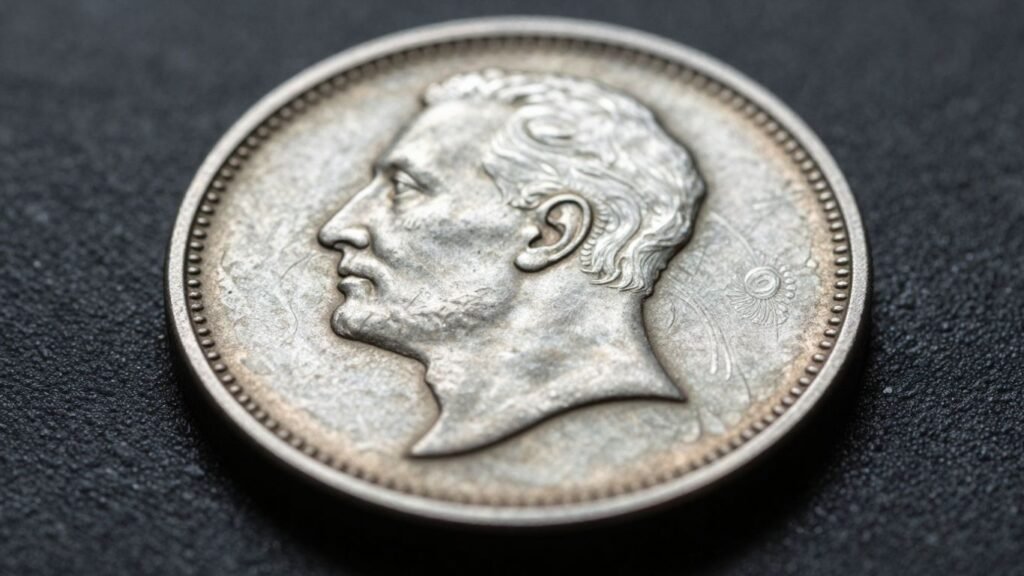
So, what exactly is this "cartwheel" effect? When you tilt a coin with strong original luster under a light source, you’ll see bands of light that seem to move across the surface, almost like the spokes of a turning wheel. This is the cartwheel effect in action. It’s a dynamic, flowing shine that’s unique to coins that have retained their mint state. It’s different from the flat, artificial shine you might see on a cleaned coin. You can often spot this effect on coins that have seen minimal handling, like this US coin with strong cartwheel luster.
Luster As A Key Indicator Of Preservation
Luster is more than just pretty; it’s a grading factor. A coin’s grade can be significantly impacted by the presence and quality of its original luster. Here’s a quick breakdown:
- Brilliant Luster: The coin reflects light strongly with a vibrant, full sheen. This is what you want to see on top-grade coins.
- Faint Luster: Some original shine remains, but it’s not as bright or complete. This might indicate some light handling.
- No Luster: The surface is dull, suggesting the coin has been cleaned, polished, or heavily circulated without preserving its original shine.
Understanding luster helps you differentiate between a coin that’s simply old and one that’s been well-preserved. It’s a silent witness to the coin’s journey from the mint to your collection.
When you’re examining coins, pay close attention to how the light plays across the surface. Does it have that flowing, dynamic quality, or is it flat and lifeless? This observation is a big step in identifying a coin’s true condition and potential value.
Essential Tools For Detailed Coin Examination
Alright, so you’re looking to really get into identifying that cartwheel luster, huh? That’s awesome. But before you start squinting at coins like a hawk, you need the right gear. Trying to judge something as subtle as luster with just your eyeballs and a dim lamp is like trying to paint a masterpiece with a crayon – you’re just not going to get the detail you need. Having the proper tools is non-negotiable if you want to move beyond guessing and start making solid assessments.
Selecting The Right Magnification Loupe
First up, magnification. You absolutely need a good loupe. Forget those cheap plastic ones that make everything look fuzzy. You want something that gives you a clear, sharp view. Most folks in the know recommend a 10x magnification. Why 10x? It’s a sweet spot – enough to see the tiny details that tell the story of a coin’s life, but not so much that it distorts the image or makes it hard to focus. Look for what they call an achromatic or triplet loupe. These are built with better lenses that correct for color and distortion, giving you a much truer picture of the coin’s surface. This is where you’ll spot faint wear on high points, see if the design was struck strongly, or even catch signs that someone might have tried to ‘improve’ the coin.
The Importance Of Consistent Lighting
Next, lighting. This is a big one, and honestly, people underestimate it. The way light hits a coin can totally change how it looks, especially when you’re trying to see that cartwheel effect. You need consistent, bright light. Natural daylight is great if you can get it, but it changes throughout the day. A good desk lamp with a bright, cool-toned bulb works well. The trick is to be able to position it so you can see the coin from different angles. Sometimes, angling the light just right is what reveals those subtle surface marks or that gentle flow of luster. Avoid using a single, harsh light source that creates deep shadows; you want to illuminate the surface evenly.
Utilizing Gloves For Surface Protection
And finally, something super simple but incredibly important: gloves. Your fingers have oils and dirt on them, even if you just washed your hands. When you’re handling coins, especially ones you’re trying to grade or identify luster on, those oils can transfer to the surface. Over time, this can cause microscopic damage, dull the luster, and generally mess with the coin’s condition. It might seem like overkill, but wearing clean, soft cotton gloves is the standard practice for a reason. It keeps your fingerprints off the coin and preserves that original mint surface you’re trying to evaluate. It’s a small step that makes a huge difference in keeping your coins in the best possible shape.
Handling coins properly is just as important as having the right tools. Always hold your coins by their edges. Never touch the flat surfaces. This simple rule protects the coin’s integrity and ensures that the luster and details you’re examining are as the mint intended, not altered by your own touch.
Assessing Surface Wear And Preservation
So, you’ve got a coin, and you’re trying to figure out how much it’s worth, right? A big part of that is looking at how worn out it is and how well the surface has held up over time. It’s not just about the big picture; it’s the little things that tell the real story.
Examining High Point Wear On Design Elements
Think about the parts of the coin’s design that stick out the most – like the top of a president’s head, the lettering around the edge, or maybe some fancy details in the artwork. These are the first places to get smoothed down when a coin gets handled a lot. If these high points are still sharp and clear, that’s a good sign the coin hasn’t seen too much action. If they look rounded or fuzzy, it means the coin has definitely been around the block a few times.
- Full Detail: All the little nooks and crannies of the design are still crisp. You can see every strand of hair or every serif on the letters.
- Moderate Wear: Some of the highest points are starting to look a bit soft. You can still make out the design, but it’s not as sharp as it could be.
- Heavy Wear: The design is significantly smoothed over. It might be hard to make out some of the finer details, and the coin might look almost flat in places.
Identifying Scratches And Contact Marks
Beyond just general wear, coins can pick up all sorts of other marks. Scratches are probably the most common. These can look like tiny lines across the surface, sometimes called hairlines. They happen when the coin rubs against something rough. Then there are contact marks – these are like little dings or nicks where the coin has bumped into something else. Even a small scratch or a tiny dent can really take away from a coin’s appearance and, you guessed it, its value. It’s these little imperfections that often make a coin go from looking pretty good to just okay.
A coin might seem fine at first glance, but a closer look can reveal hidden issues. Things like small dents on the edge, or even minor surface marks, can significantly impact its overall look and worth. It’s these small imperfections that often separate a good coin from a great one.
Evaluating Color And Tone Consistency
Finally, take a look at the coin’s color. Is it a uniform shade, or are there splotches or dark spots? A coin that has been cleaned, even gently, might have lost its original toning – that natural patina that develops over time. Sometimes, cleaning can leave a dull or artificial-looking shine. You want to see a consistent color that looks natural for the coin’s age and metal. If you see weird spots, discoloration, or a surface that looks unnaturally bright, it might be a sign that the coin has been altered, which affects its grade.
- Natural Toning: Even color across the surface, often with subtle variations that look organic.
- Artificial Toning: Uneven color, often with dark splotches or a metallic sheen that looks out of place.
- Cleaned Appearance: A surface that looks too bright, lacks original luster, or shows signs of polishing.
Mastering The Art Of Self-Grading
So, you’ve been looking at coins, maybe even picking up a few, and now you’re thinking about figuring out their condition yourself. It sounds like a big step, and honestly, it is, but it’s totally doable. Don’t worry about becoming an instant expert; that’s not the goal here. The idea is to build your own confidence in looking at a coin and getting a pretty good sense of where it stands. It’s more about developing a solid eye than memorizing every single rule.
Focusing On Overall Coin Condition
When you first start out, it’s easy to get lost in the weeds. You see a tiny scratch or a little bit of wear and start to panic. But really, the first thing to do is just step back and look at the coin as a whole. Does it look like it’s been through a lot, or does it seem like it just came off the press? This initial impression of wear and how well the surface has held up is your main guide. Think of it like looking at a car; you first notice if it’s shiny and new-looking or if it’s got dents and rust all over. That big picture view is where you start.
Avoiding Advanced Variety Studies Initially
I know, I know, finding a rare error or a special die variety sounds super exciting. It’s like a treasure hunt! But if you’re trying to learn how to grade, chasing those things right away is like trying to run a marathon before you can even walk. It’s just going to lead to a lot of confusion and probably some frustration. Stick to the basics first. Learn to tell the difference between a coin that’s been handled a bit and one that’s practically untouched. Once you’ve got that down, then you can start looking into the more complex stuff. It’s all about building a strong foundation.
The Journey Of Developing Grading Skills
Learning to grade coins is definitely a process. It’s not something you pick up overnight. You have to be patient with yourself and really look at a lot of different coins. Every coin you examine, even if you get the grade wrong, is a learning opportunity. Don’t get discouraged if you and someone else don’t agree on a grade; even the pros do that sometimes. The main thing is that you’re building up your knowledge bit by bit. It’s like learning to cook; you start with simple recipes and gradually move on to more complicated dishes. Over time, you’ll just get better at spotting the details that matter.
Think of grading as developing a critical eye for a coin’s story. It’s not just about assigning a number; it’s about understanding its journey and how well it’s been preserved. This skill helps you make smarter choices when you’re buying new coins and protects the value of the ones you already own.
Here’s a quick rundown of what to focus on:
- Assess Wear: Look closely at the highest points of the coin’s design. Are the details still sharp, or have they worn down smooth?
- Check for Damage: Examine the surface for any scratches, nicks, rim dings, or signs that the coin might have been cleaned.
- Evaluate Luster: Does the coin still have that original shine from the mint, or does it look dull or maybe even artificial?
It might seem like a lot, but remember, it’s a journey. Keep looking, keep learning, and don’t be afraid to ask questions or compare your findings with others. And if you’re ever dealing with a coin that’s worth a significant amount, getting a professional opinion is always a smart move. It’s like having a second set of eyes from someone who really knows their stuff.
Identifying Common Grading Pitfalls
So, you’re getting pretty good at looking at coins, spotting the luster, and figuring out if it’s been tossed around too much. That’s awesome! But, let’s be real, it’s super easy to mess up when you’re trying to grade your own coins. There are definitely some common traps that even experienced collectors can fall into, and they can really mess with how you see a coin’s true value.
Subjective Traps And Personal Bias
This is a big one. We all have coins we really like, right? Maybe it’s your first big find, or it’s a type of coin you’ve wanted forever. That feeling can make you see the coin as better than it actually is. It’s like looking at a photo of your kid – you see all the good stuff and maybe miss a smudge on their cheek. In coin grading, this means you might bump up the grade a notch because you want it to be that good, not because it objectively is. It’s really important to try and look at each coin with fresh eyes, like you’ve never seen it before.
The Impact Of Inadequate Lighting
Seriously, don’t grade coins in dim light or with a lamp that casts weird shadows. What looks like a minor mark under bad light might be a deep scratch. Or, that dull spot could be a sign of cleaning that you just don’t see. Good, consistent lighting is your best friend here. Think about getting a light source that mimics daylight, and make sure it hits the coin from different angles. It makes a world of difference in spotting those little details that matter.
Recognizing Signs Of Restoration Attempts
Sometimes, people try to make a coin look better than it is. They might polish it up, try to remove tarnish, or even fill in nicks. This is called ‘restoration’ or ‘conservation,’ and it can be tricky. A coin that’s been messed with often loses a lot of its original character and, frankly, its value. You’ll want to look for unnaturally shiny spots, a lack of natural toning, or surfaces that just look a bit too smooth or ‘off.’ It takes practice, but spotting these attempts is key to avoiding overvaluing a coin.
Here are some things to watch out for:
- Unnatural Shine: A coin that looks too bright or has a mirror-like finish where it shouldn’t.
- Smooth Surfaces: Areas where detail should be present but look worn down or polished.
- Odd Patches: Spots of color or texture that don’t seem to belong.
- Edge Issues: Sometimes cleaning or restoration can affect the coin’s rim.
Trying to grade a coin that has been cleaned or altered is like trying to judge a race car after it’s been in a fender bender and then repainted. The original performance and condition are compromised, and you’re left guessing about what it was truly like before the damage occurred. Always be wary of coins that look ‘too good to be true’ because they often are.
Comparing Against Professional Grading Standards
So, you’ve been looking at your coins, trying to figure out what grade they deserve. It’s a big step, and honestly, it can feel a bit overwhelming when you start thinking about the big grading services out there. They have their own ways of doing things, and it’s not always a perfect match from one to the next. Understanding these differences is pretty important if you want to get a real handle on your collection’s worth.
Understanding ICCS Grading Criteria
ICCS, or the Industry Canada Certification Service, is a big deal, especially if you’re into Canadian coins. They’ve got their own set of rules for grading, and they tend to be pretty detailed, especially when it comes to Canadian numismatic items. They really focus on the specifics that make those coins unique. It’s not just about a number; it’s about the whole picture of the coin.
Navigating NGC and PCGS Standards
Then you have the giants like NGC (Numismatic Guaranty Company) and PCGS (Professional Coin Grading Service). These guys are known worldwide. They have their own grading scales and their own ways of looking at things like luster, wear, and any marks on the coin. While they both aim for consistency, you might find a coin gets a slightly different grade from one to the other. It’s not a bad thing, just something to be aware of. They’re both very thorough, though.
The Role of the American Numismatic Association
The ANA, or the American Numismatic Association, doesn’t actually grade coins themselves, but they’re super important for setting the standards and educating collectors. They provide guidelines and resources that help everyone, from beginners to seasoned pros, understand what makes a coin grade a certain way. Think of them as the folks who help define what ‘good’ looks like in the coin world. They really push for collectors to be objective and to learn the ins and outs of grading.
Comparing grades between different services is a smart move. It helps you see if your own assessment is in the ballpark and makes sure you’re not missing any subtle details that could change a coin’s value. It’s like getting a second opinion, but for your coins.
Here’s a quick look at how some of these standards are generally viewed:
| Service | Focus | General Approach |
|---|---|---|
| ICCS | Canadian Coins | Detailed, specific to Canadian issues |
| NGC | Global Coins | Comprehensive, widely recognized |
| PCGS | Global Coins | Comprehensive, widely recognized |
| ANA | Standards & Education | Sets guidelines, educates collectors |
Effective Practice Strategies For Cartwheel Luster Identification
So, you want to get good at spotting that cartwheel luster, huh? It’s not something you just know overnight. It takes time and a bit of deliberate effort. Think of it like learning to really taste wine or appreciate a good cup of coffee – you gotta train your senses. The good news is, there are solid ways to build this skill.
Collecting Graded Coin Reference Images
This is a big one. You need to see what the pros consider "good." Start hunting down high-quality pictures of coins that have already been graded by reputable services like PCGS or NGC. Look for coins in the uncirculated grades, especially MS-63 and up, because that’s where you’ll see the best examples of original mint luster. Pay attention to how the light plays on the surfaces in these photos. The goal is to build a mental library of what true cartwheel effect looks like across different coin types and dates. You can find these images in grading service population reports, auction archives, and specialized numismatic books.
Participating In Numismatic Workshops
If you can find them, workshops are gold. Sometimes local coin clubs or even larger numismatic organizations will host events where experienced collectors or graders share their knowledge. You might get to see coins up close, ask questions in real-time, and get direct feedback on your observations. It’s a chance to learn from people who have been doing this for decades. Don’t be shy about asking them how they differentiate between original luster and artificial shine, or how they spot cleaning.
Building A Personal Study Collection
This is where you get hands-on. Start acquiring a few coins yourself, specifically ones where you want to practice identifying luster. Maybe pick up a few common uncirculated coins from different eras. The key here is consistency. Try to examine your study coins under the same lighting conditions you’ll use most often. Rotate them slowly, observe how the light reflects. It’s also super helpful to have a few coins you know have been cleaned, so you can directly compare the dullness or altered surface against your uncirculated examples. This direct comparison is incredibly effective for training your eye.
Learning to spot cartwheel luster isn’t just about seeing shine; it’s about understanding what that shine means for the coin’s history and preservation. It’s a story told in light and surface. Getting this right helps you avoid overpaying for cleaned coins and find those truly special pieces.
Here’s a quick rundown of what to look for when practicing:
- Rotation: Slowly turn the coin under a consistent light source. Watch how the light moves across the surface. Does it create a sweeping, almost wheel-like pattern? That’s the cartwheel.
- Intensity: Is the shine bright and vibrant, or does it look muted and dull? Brilliant luster is a good sign.
- Consistency: Does the luster cover the entire coin evenly, or are there dull spots, especially on the high points of the design?
- Color: Original luster often has a subtle, natural tone. Artificial shine might look harsh or have an unnatural hue.
- Comparison: Always try to compare your coin to known examples, either in photos or other coins you have. This is how you calibrate your eye.
Evaluating Luster And Eye Appeal
What Makes Coin Luster Special
Coin luster is that original, vibrant shine a coin possesses when it leaves the mint. It’s not just about being shiny; it’s a reflection of the coin’s surface quality and how well it has been protected over time. Think of it like the finish on a new car – it tells you it hasn’t been out in the elements much. This original mint surface reflection is a key indicator of minimal handling and the coin’s initial striking quality. It’s what truly differentiates a coin that’s been tucked away safely from one that’s spent years in circulation. It’s the first thing that catches your eye, and it’s a big part of what makes a coin desirable.
Understanding Luster Grading Categories
Luster isn’t just a yes-or-no thing; it exists on a spectrum. Collectors and graders often break it down into a few categories to describe just how much of that original mint brilliance remains. It helps us understand the coin’s journey since it was made.
- Brilliant Uncirculated: This is the jackpot. The coin still has its full, vibrant original mint shine, reflecting light strongly. You’ll see that dynamic cartwheel effect when you tilt it.
- Choice Uncirculated: Still great, but there’s a slight reduction in that surface brilliance. It might not be as dazzling as a brilliant uncirculated coin, but it’s still got plenty of original shine.
- About Uncirculated: Here, you’re starting to see some very minor wear, usually on the highest points of the design. The luster is still present, but it’s definitely not as complete as in the higher grades.
- Circulated: At this point, most of the original luster is gone. The coin has seen a lot of handling and use, and its surface is duller, showing significant wear.
Professional Techniques For Luster Assessment
Looking at luster isn’t just about holding a coin up to a light bulb. Professionals use specific methods to really see what’s going on. It’s about training your eye to notice the subtle differences that can make a big impact on a coin’s appearance and value. You can start practicing these techniques yourself with a little patience.
- Consistent, Angled Lighting: Use a light source that provides even illumination and try angling it. This helps reveal the way light plays across the surface and can highlight any imperfections or wear patterns that might be missed under direct light.
- Slow Rotation: Gently rotate the coin under your light source. Watch how the luster moves. A strong, original luster will create a distinct "cartwheel" effect, a wave of light that moves across the coin’s surface. This is different from a manufactured shine.
- Comparison: If possible, compare your coin to known examples, perhaps images from reputable sources like PCGS or other reference materials. Seeing how different grades of luster appear side-by-side is incredibly helpful for developing your eye.
When you’re evaluating luster, remember that cleaning a coin, even with a soft cloth, can often damage or remove that original mint surface. This is why uncleaned coins with their original luster are so highly prized by collectors. It’s a sign of preservation and a connection to the coin’s past.
Developing a good sense for luster and eye appeal takes time and practice. It’s about looking closely and learning what to look for. The more coins you examine, the better you’ll become at spotting that special quality that makes a coin truly stand out.
Documenting Your Findings For Accurate Grading
So, you’ve been looking at coins, maybe even trying to figure out their grade. That’s awesome! But how do you keep track of all those observations? Writing things down is a big deal, honestly. It helps you see patterns and remember what you learned. Without a system, it’s easy to forget the little things that make one coin different from another.
Creating A Systematic Grading Notebook
Think of a grading notebook as your personal coin journal. When you look at a coin, jot down what you see. Don’t just write "looks good." Be specific. Note the luster – is it bright and flashy, or a bit dull? How’s the wear? Are the high points on the design still sharp, or are they smoothed over? What about any marks or scratches? Even tiny ones can matter. This methodical approach helps you recognize subtle variations that distinguish one grade from another. It’s like building a reference library just for your eyes.
Tracking Surface Detail Variations
This is where things get interesting. As you look at more coins, you’ll start to notice how certain details change as the grade goes up or down. For example, how does the hair on a portrait look on a coin that’s graded MS-63 versus MS-65? Or how does the eagle’s feather detail hold up on a circulated piece compared to an uncirculated one? Keep a table in your notebook to track these specific areas. It’s a great way to train your eye.
| Design Element | Grade X Observation | Grade Y Observation | Difference Noted |
|---|---|---|---|
| Hair Detail | Slightly soft | Sharp and defined | Significant wear |
| Eagle Feathers | Worn smooth | Clear and distinct | High point wear |
| Field Luster | Weak cartwheel | Strong cartwheel | Preservation |
The Value Of Patient Observation
Look, nobody becomes a grading expert overnight. It takes time and a lot of looking. You need to be patient with yourself and with the coins. The more you observe, the more you’ll see. Don’t rush the process. Compare coins side-by-side if you can, under consistent lighting. This kind of careful looking is what separates a casual collector from someone who really knows their stuff. It’s about building that visual memory, coin by coin.
Learning to grade coins yourself is a journey, not a destination. It requires patience and a willingness to learn from every coin you examine. Don’t be discouraged if you make mistakes; even experienced graders sometimes disagree. The goal is to build a solid foundation of knowledge that will serve you well throughout your collecting life.
Keep Looking, Keep Learning
So, we’ve covered a lot about spotting that cartwheel luster. It might seem like a lot at first, but really, it’s about looking closely at coins and knowing what to look for. Think of it like learning to spot good apples at the market – you just get better with practice. Don’t get too caught up in all the tiny details right away. Just focus on the main things like wear and overall look. As you see more coins, you’ll start to get a feel for it. And remember, if you’re ever unsure, especially with a coin that costs a good bit, getting it checked by the pros is always a smart move. It’s like having a second opinion from someone who really knows their stuff. Keep looking, keep learning, and enjoy the coins you find.
Frequently Asked Questions
What exactly is “cartwheel luster” on a coin?
Imagine a brand new coin. When you tilt it under a light, you see a shiny, swirly pattern, almost like a wagon wheel spinning. That’s the cartwheel luster! It’s the original shine from the mint, showing the coin hasn’t been worn down much or cleaned.
Why is original mint luster so important for collectors?
Original luster is like a coin’s “birth certificate.” It tells you the coin is in great shape and hasn’t been handled too much. Coins with this shine are usually worth more because they look closer to how they did when they were first made.
What tools do I need to really see a coin’s details?
You’ll want a magnifying glass, called a loupe, that makes things about 10 times bigger. Good lighting is also key – try using a lamp that you can move around. And always wear gloves so your finger oils don’t mess up the coin’s surface!
How can I tell if a coin has been worn down?
Look closely at the raised parts of the coin’s design, like a person’s hair or the edges of letters. If these spots are smooth or blurry instead of sharp, the coin has seen some wear. Also, check for tiny scratches or marks.
What’s the biggest mistake people make when trying to grade coins themselves?
A common mistake is letting your personal feelings about a coin get in the way. You might really like a coin and want it to be worth more, so you accidentally grade it higher than it really is. Also, bad lighting can trick you into missing important details.
Are there different ways grading companies decide on a coin’s grade?
Yes, there are a few main companies like NGC and PCGS that grade coins. They all use a system from 1 to 70, but they might look at things like luster or tiny marks a little differently. It’s good to know what each one looks for.
How can I get better at spotting good luster and overall eye appeal?
Practice makes perfect! Look at lots of pictures of graded coins online or in books. Try to find coins in real life and compare them. The more you look, the better you’ll get at seeing what makes a coin look special and well-preserved.
What’s the difference between a circulated and an uncirculated coin?
An uncirculated coin is one that never went into everyday use. It still has its original mint shine and all its details are sharp. A circulated coin has been used as money, so it usually shows signs of wear and has lost most of its original shine.