So, you’ve got some coins and want to keep them looking good and maybe even increase their worth? It’s not as complicated as it sounds. We’re talking about simple stuff, really, like how you hold them and what you put them in. It’s all about treating these little pieces of history with a bit of respect so they don’t lose their shine or value over time. This guide breaks down the basics of proper coin handling techniques and a few other things to keep your collection in top shape.
Key Takeaways
- Always handle coins by their edges. Touching the surface can leave oils and dirt that damage the coin over time.
- Use cotton gloves for valuable coins. This adds an extra layer of protection against fingerprints and oils.
- Keep coins away from harmful materials like paper and certain plastics. These can release chemicals that damage metal.
- Store coins in a cool, dry place. Humidity and high temperatures can cause tarnishing and corrosion.
- Avoid cleaning coins yourself unless you know exactly what you’re doing. Improper cleaning can drastically lower a coin’s value.
Understanding Proper Coin Handling Techniques
When you’re looking at coins, whether they’re old pennies from your grandpa’s jar or something more valuable, how you hold them really matters. It’s not just about not dropping them, though that’s important too. The way you touch a coin can actually affect its condition over time, and for collectors, that means affecting its value. So, let’s talk about how to handle these little pieces of history right.
The Importance of Edge Handling
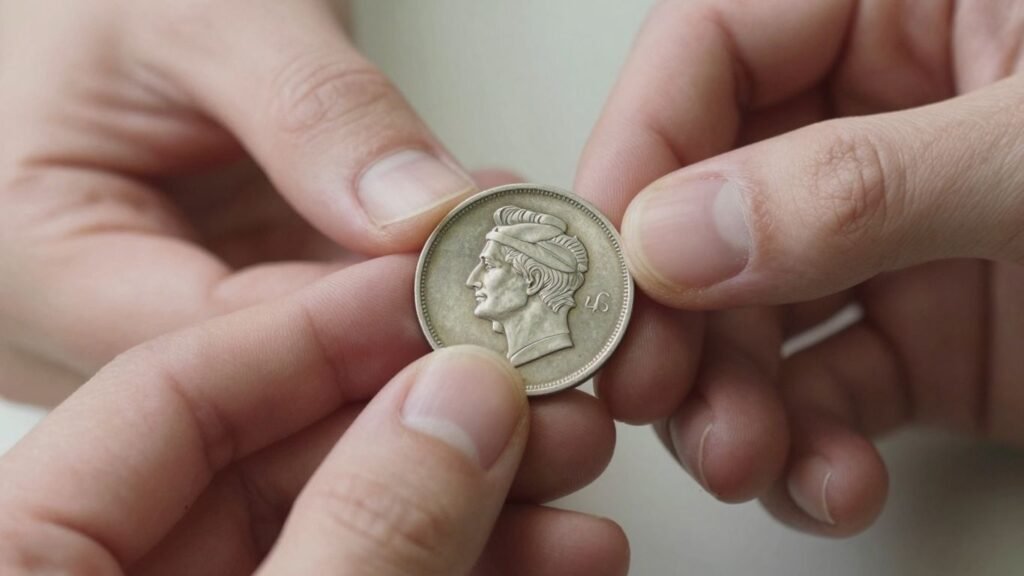
Always try to hold coins by their edges. Think about it – the surfaces of a coin are where all the details are, the stuff that makes it look good and tells you what it is. Your fingers have oils and tiny bits of dirt on them, even if you just washed your hands. When you touch the flat parts of a coin, those oils can transfer. Over time, this can cause a dull film or even tiny spots that are hard to get rid of. Holding by the edge means your fingers don’t mess with the main part of the coin. It’s a simple habit, but it makes a big difference in keeping the coin’s surface clean and original.
Avoiding Surface Contamination
Beyond just finger oils, coins can pick up all sorts of gunk. Dust in the air, tiny fibers from cloths, even residue from packaging can land on a coin’s surface. These aren’t always visible right away, but they can react with the metal over time, especially in humid conditions. This is why using the right tools is a good idea. If you’re moving a coin around a lot, using a soft, non-metallic tool or even just being super careful with the edge grip helps a lot. It’s all about minimizing what gets onto that precious metal.
The Role of Cotton Gloves
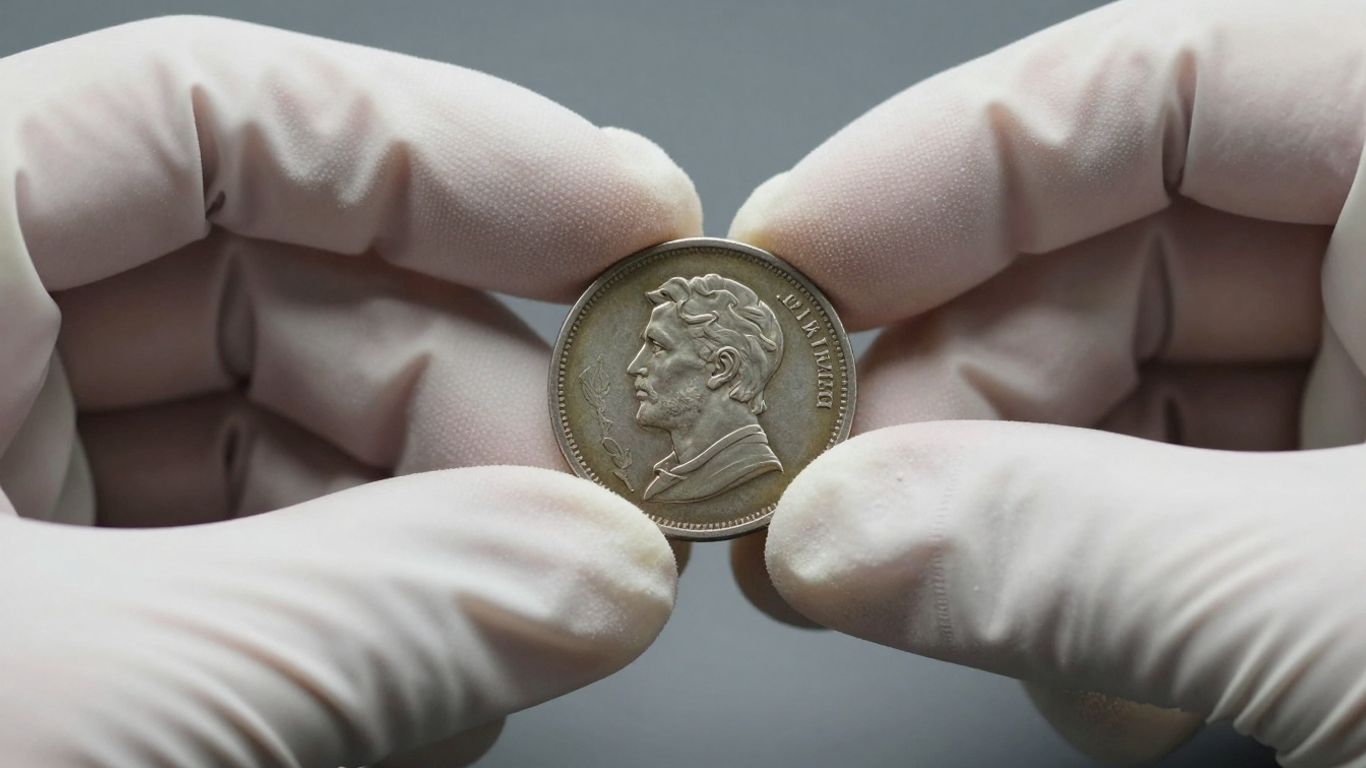
For really valuable coins, or ones that are in super nice condition, wearing cotton gloves is a common practice. These gloves create a barrier between your skin and the coin. They stop those finger oils from getting onto the surface. You might see people in coin shops or at shows wearing them. It might feel a little clumsy at first, but it’s a solid way to protect coins that are particularly sensitive or have a high market value. Just make sure the gloves are clean and lint-free before you put them on.
Essential Tools for Coin Examination
Alright, so you’ve got some coins, and you want to know what you’re really looking at. Just eyeballing them isn’t going to cut it if you want to get serious about their condition or value. You need the right gear. Think of it like a detective needing a magnifying glass – you need tools to see the tiny details that make all the difference.
Selecting the Right Magnification Loupe
First up, magnification. You absolutely need a good loupe. Most folks recommend a 10x magnification. This is usually enough to see the nitty-gritty without distorting the image too much. Look for something called an achromatic or triplet loupe if you can. They’re a bit pricier, sure, but the clarity is way better. With a decent loupe, you can spot subtle wear marks, how well the coin was struck, and even if someone tried to mess with it later on. These little things can seriously change how much a coin is worth.
Utilizing Precision Tweezers
Next, you’ll want some precision tweezers. But here’s the catch: you don’t actually use them to hold the coin for long periods. Instead, they’re for carefully picking up a coin by its edge for a quick look or to place it somewhere. The absolute golden rule is to always handle coins by their edges, never touch the flat surfaces. Your fingers have oils and dirt, and even if you can’t see it, that stuff can damage the coin’s surface over time. It’s like leaving fingerprints on a masterpiece – not good.
The Benefits of Angled Lighting
Finally, let’s talk about light. Just shining a regular desk lamp on a coin might not show you everything. You need angled lighting. Why? Because it helps reveal surface imperfections, like tiny scratches or wear patterns, that you’d miss with direct light. Try rotating the coin slowly under a consistent light source. You’ll start to see how the light plays off the surface, highlighting details you wouldn’t otherwise notice. It’s a simple trick, but it makes a huge difference in assessing a coin’s true condition.
Having the right tools isn’t about being fancy; it’s about being able to see what’s really there. It helps you make smarter decisions about buying, selling, or just appreciating your collection.
Assessing Coin Condition and Preservation
Figuring out what condition a coin is in is a big part of collecting. It’s not just about how old it is; it’s about how well it’s held up over time. This really affects how much it’s worth.
Evaluating Surface Wear Patterns
Coins show their history on their surfaces. When you look closely, you can see where they’ve been handled or circulated. The parts that stick out, like a person’s hair or the tops of letters, usually wear down first. Paying attention to these high points is key to spotting wear. A coin that looks pretty good at first glance might have significant wear on these raised areas, which lowers its grade. You’re looking for how much detail is still visible. Is it sharp and clear, or is it starting to look smooth and soft? This tells you a lot about its journey.
Recognizing Original Mint Luster
Original mint luster is that special shine a coin has when it’s brand new, fresh from the mint. It’s not just a shiny surface; it’s a reflective quality that seems to move when you tilt the coin, sometimes called a "cartwheel effect." This luster is a big indicator of how much the coin has been handled since it was made. A coin with full, vibrant luster is usually worth much more than one that’s dull or has been cleaned, even if they look similar otherwise. It shows the coin hasn’t been messed with much.
Here’s a quick look at what luster can tell you:
- Brilliant Uncirculated: The coin looks like it just came out of the mint bag. Full, bright shine.
- Choice Uncirculated: Still has most of its original shine, maybe just a tiny bit less bright.
- About Uncirculated: You can see a little bit of wear on the highest spots, and the shine might be a bit muted.
- Circulated: Most of the original shine is gone due to handling and wear.
Identifying Common Grading Pitfalls
Lots of collectors make mistakes when they first try to grade coins. One common issue is mistaking cleaning for original luster. Sometimes, people clean coins to make them look shinier, but this actually damages the surface and lowers the value. Another pitfall is overlooking minor damage like tiny scratches or nicks, which graders call "contact marks." These might seem small, but they can significantly impact a coin’s grade. Also, don’t assume a coin is in perfect condition just because it looks nice from a distance. You really need to examine it closely, preferably with magnification and good lighting, to spot these issues.
When you’re assessing a coin, think of yourself as a detective. You’re looking for clues about its history and how it’s been treated. The surface tells a story, and understanding how to read it is a skill that comes with practice and careful observation. Don’t rush the process; take your time and look at the coin from different angles.
Implementing Safe Storage Practices
Alright, so you’ve got these coins, maybe they’re old, maybe they’re shiny, but either way, you want them to stay that way. Storing them right is a big deal. It’s not just about shoving them in a drawer; there’s a bit more to it if you want to keep their condition and, you know, their value.
Choosing Acid-Free Protective Holders
First off, you need to put your coins in something safe. Think of it like a little protective bubble. You want holders that are "acid-free." This is super important because regular plastic or paper can actually break down over time and release stuff that’s bad for the metal. We’re talking about things that can cause spots or even corrosion. So, look for holders made from materials like Mylar or inert plastics. They should fit the coin snugly, so it doesn’t rattle around and get scratched up. It’s a small step, but it makes a huge difference in preventing damage.
Controlling Environmental Factors
Coins don’t really like a lot of change. They prefer a stable environment. What does that mean? Well, try to keep them away from places with wild temperature swings or high humidity. Think attics, basements, or even bathrooms – not the best spots. Humidity can lead to tarnish and other surface issues. Extreme heat can sometimes affect the holders themselves. A consistent, moderate temperature and relatively dry air are ideal. You might even consider a small dehumidifier if you live in a really damp area. Keeping your collection in a controlled environment is key to long-term preservation.
Avoiding Harmful Storage Materials
This one ties into the holders, but it’s broader. You need to be mindful of what else is around your coins. Paper, for instance, can contain sulfur, which isn’t good for metal. Even some types of cardboard or felt can cause problems. And definitely avoid those old-school PVC holders – they’re notorious for causing green gunk on coins. It’s all about using materials that are chemically stable and won’t react with the coin’s surface. If you’re unsure about a material, it’s probably best to steer clear. Better safe than sorry, right?
Here’s a quick rundown of what to avoid:
- PVC (Polyvinyl Chloride) plastics
- Regular paper or cardboard
- Materials with sulfur content
- Adhesives or tapes directly on holders
- Wood or untreated metal containers
When it comes to storing your coins, think of it as creating a safe haven. You’re shielding them from the everyday wear and tear of the world, as well as more insidious threats like chemical reactions and environmental shifts. The right storage isn’t just about keeping them looking nice; it’s about preserving their integrity for years to come.
Advanced Coin Authentication Methods
Scrutinizing Design Details and Mint Marks
When you get to this level of collecting, just looking at a coin isn’t enough. You need to become a detective. This means really looking at the tiny details. Are the letters sharp? Is the date clear? What about the little mint mark, that tiny symbol showing where the coin was made? Counterfeiters often mess these up. They might be blurry, the wrong size, or just not there when they should be. Comparing your coin to known genuine examples, maybe from a book or a trusted dealer, is super important. You’re looking for any little difference that seems off. The goal is to spot even the smallest deviation from what a real coin should look like.
Verifying Metal Composition and Dimensions
Coins aren’t just about looks; they’re also about substance. Real coins are made from specific metals, and they have exact weights and sizes. If a coin feels too light or too heavy, or if its diameter is a bit off, that’s a big red flag. Sometimes, fakes are made from cheaper metals or have the wrong proportions. You can use a precise digital scale and calipers to check these measurements. For really serious collectors, there are even tools that can analyze the metal itself, though that’s getting pretty advanced. It’s like checking the ingredients in a recipe – if they’re wrong, the final product won’t be right.
Consulting Expert Numismatists
Sometimes, no matter how much you study, you just can’t be 100% sure. That’s where the pros come in. Experienced coin dealers, professional grading services, or even well-known collectors in your area can be a lifesaver. They’ve seen thousands of coins, both real and fake, and have a trained eye for spotting problems. Don’t be afraid to ask for their opinion. They can often tell you in a second if something looks suspicious. Building relationships with these experts is a smart move for any serious collector.
Authenticating coins is a skill that develops over time with practice and study. It involves a combination of detailed observation, precise measurement, and sometimes, expert consultation. Being able to confidently identify genuine coins protects your investment and builds trust in your collection.
Navigating the Coin Market Dynamics
So, you’ve got a nice collection going, maybe you’ve even started upgrading some pieces. That’s awesome! But what happens when you want to buy more, or maybe sell a few to fund a bigger purchase? You’ve got to get a handle on the coin market. It’s not always a straight line up, you know? Prices can jump around based on what’s happening in the world, what collectors are suddenly really into, or if someone finds a lost hoard of something rare. It’s a bit like watching the stock market, but with more history involved.
Understanding Market Trends and Volatility
Think of the coin market like a river. Sometimes it’s flowing smoothly, and other times it’s got rapids. What causes these changes? A lot of things. Big economic shifts can make people more or less likely to spend money on collectibles. A sudden interest in a particular historical period or type of coin can send prices for those items soaring. And then there are those exciting discoveries – finding a rare coin that was thought lost can really shake things up. Staying informed is your best bet for not getting caught off guard. You need to keep an eye on what’s popular, what experts are talking about, and even what’s going on in the broader economy.
Strategic Buying and Selling Approaches
When you’re ready to buy or sell, having a plan makes a big difference. Where do you even start? Well, there are a few main places:
- Reputable Dealers and Coin Shops: Building a good relationship with a trusted dealer is super helpful. They often have access to coins before they hit the wider market and can give you solid advice.
- Auction Houses: For those really special pieces, auctions can be the place to go. You get to see what others are willing to pay, which gives you a good idea of a coin’s current worth.
- Online Marketplaces: These are everywhere now, offering tons of options. Just be extra careful here. Always check seller reviews and ask for detailed photos and information to make sure you’re not getting a fake or something misrepresented.
When selling, think about what you want to achieve. Are you trying to get the absolute top dollar, or do you just want to move a coin quickly? Your approach will change depending on your goal.
Making smart decisions in the coin market isn’t just about luck. It’s about doing your homework, knowing where to look, and having a bit of patience. Don’t rush into things, especially when you’re spending a good chunk of money or parting with a coin you’ve had for a while.
The Value of Collection Diversification
Putting all your eggs in one basket is rarely a good idea, and that’s true for coin collecting too. If you only collect, say, US silver dollars from the 19th century, and suddenly nobody is interested in those anymore, your whole collection’s value could take a hit. Spreading things out is smart.
Consider collecting:
- Coins from different countries or time periods.
- Various metals, like gold, silver, copper, or even ancient bronze.
- Different types of numismatic items, such as tokens, medals, or even paper money.
This way, if one area of the market cools down, other parts of your collection might still be doing well. It also just makes collecting more interesting, doesn’t it? You learn about so many different histories and cultures through the coins themselves.
Preserving Coin Value Through Proper Care
So, you’ve got some coins you want to keep looking good, right? It’s not just about putting them in a box. How you handle and clean them makes a huge difference in keeping their value. Messing up here can really hurt what your coins are worth.
The Risks of Abrasive Cleaning
This is where most people go wrong. Abrasive cleaning is basically scrubbing the coin. Think sandpaper, steel wool, or even harsh brushes. It removes metal from the coin’s surface. This isn’t just cosmetic; it actually lowers the coin’s grade. Even if a coin looks shiny right after you scrub it, the metal’s oxidation process gets kicked into high gear. What looks good today could be black and damaged tomorrow. Never use abrasive methods on coins you care about. It’s like taking a power sander to a priceless painting.
Understanding Nonabrasive Cleaning Methods
Okay, so what can you do? Nonabrasive cleaning is the way to go. This usually involves solvents. For years, people used things like trichlorofluroethane to get rid of grease and oil without leaving a residue. But that stuff is banned now because it’s bad for the ozone. These days, experts often suggest using denatured alcohol. It’s good for removing oils, dust, and other gunk that gets on coins from manufacturing or just being handled. Remember, even with these methods, you want to be gentle. No harsh scrubbing, even with cotton swabs. You’re trying to remove contaminants, not the coin’s surface itself.
- Test on the edge first: If you’re trying a new cleaning solution, put a tiny bit on the coin’s rim. The edge is made of the same stuff as the rest of the coin, so if it reacts badly there, don’t use it on the whole coin.
- Keep it dry and cool: Store coins in a place that’s not too humid or hot. Extreme temperatures and moisture can cause damage over time.
- Avoid paper products: Paper has sulfur, which can react with the metal and harm your coins.
Coins get dirty during minting and then again from handling and counting machines. Even a speck of dandruff or a fingerprint can start a slow process of deterioration. The metal type, the air quality, and how you handle the coin all play a part in how quickly it degrades.
The Impact of Handling on Preservation
Think about it: your fingers have oils and dirt. When you touch a coin’s surface, you’re leaving behind contaminants. These can cause tiny spots or discoloration that might not be visible right away but can worsen over time. This is why numismatists always recommend handling coins by their edges. Using precision tweezers designed for coin collecting is also a smart move. It keeps your skin oils and potential scratches away from the coin’s face. Proper handling is a simple step, but it’s one of the most effective ways to keep your coins looking their best for years to come.
Documenting Your Numismatic Collection
So, you’ve got some coins. Maybe you just started, or perhaps you’ve been at it for a while. Either way, keeping track of what you have is a big deal. It’s not just about knowing you own a ‘1909-S VDB’ Lincoln cent; it’s about knowing its story, its condition, and where it fits in your overall collection. Good documentation is the backbone of a serious numismatic pursuit.
Cataloging Coin Descriptions and Provenance
When you get a new coin, don’t just toss it in a holder and forget about it. Take a few minutes to write down the important stuff. What coin is it? What year? What mint mark? What’s its condition like? And where did you get it? This last part, the provenance, is super important. It’s the history of ownership. Knowing a coin came from a well-known collection or was passed down through your family adds a layer of interest and can even boost its perceived value.
Here’s a basic rundown of what to note:
- Coin Identification: Full name, date, mint mark, denomination.
- Condition Notes: Your assessment of its grade, any notable marks, wear, or luster.
- Acquisition Details: Where and when you got it, and for how much (if you want to track that).
- Provenance: Previous owners, auction records, or family history associated with the coin.
The Significance of Historical Research
Just knowing the coin’s specs is one thing, but understanding its context is another. Why was this coin made? What was happening in the world when it was minted? Was it part of a significant event? Digging into the history behind your coins makes them more than just metal objects; they become tiny pieces of history you can hold.
For example, knowing that a certain Roman denarius was minted during the reign of an emperor known for his military campaigns adds a whole new dimension to that coin. It connects you to that specific time and place. This kind of research can also help you spot fakes or coins that have been altered, as you’ll become familiar with what’s historically accurate.
Researching the historical background of your coins transforms them from mere collectibles into tangible links to the past. It enriches your appreciation and can even help you identify genuine pieces versus those that might be problematic.
Leveraging Digital Tools for Organization
Okay, so writing things down is good, but let’s be real, paper records can get messy. This is where digital tools come in handy. There are tons of software programs and apps designed specifically for coin collectors. You can input all your coin details, upload photos, track values, and even manage your want lists. It makes organizing a large collection way easier than flipping through binders of notes.
Some popular options include:
- Spreadsheets: Simple and customizable, great for beginners.
- Dedicated Numismatic Software: Offers specialized features for cataloging and tracking.
- Online Collection Management Platforms: Allows access from anywhere and often includes community features.
Using these tools means you can quickly pull up information on any coin in your collection, see what you have, and keep a clear record of your numismatic journey.
Wrapping Up: Your Coins, Your Legacy
So, we’ve gone over a lot of ground here, from how to actually hold a coin without messing it up to keeping it safe from all the stuff that can make it look bad. It’s not rocket science, but it does take a little care and attention. Think of it like this: you wouldn’t leave your favorite book out in the rain, right? Your coins deserve that same kind of respect. By using the right tools, storing them properly, and just being mindful, you’re not just keeping them looking good; you’re actually protecting their history and their worth for years down the line. It’s a pretty cool feeling, knowing you’re doing it right.
Frequently Asked Questions
Why shouldn't I touch my coins with my bare hands?
Touching coins with your fingers leaves behind oils and dirt. These can cause tiny scratches or make the coin look dull over time, which lowers its value. It’s best to hold coins by their edges or use special cotton gloves.
What's the best way to look closely at a coin?
To really see the details on a coin, you’ll want to use a magnifying glass, often called a loupe. A good one will magnify the coin’s surface clearly so you can spot tiny marks or see how well the design was made.
Can I clean my coins to make them look better?
Be very careful with cleaning! Rubbing or scrubbing a coin, known as abrasive cleaning, can remove metal and damage its surface, which almost always lowers its value. Sometimes, a gentle, non-harsh cleaning might be okay, but it’s usually best to leave cleaning to experts.
How should I store my coins to keep them safe?
Store your coins in special holders that don’t have harmful chemicals. These holders protect them from dust, moisture, and air. Keep them in a place that’s not too hot or too humid, as these conditions can damage the metal.
What does 'coin grading' mean?
Coin grading is like giving a coin a score based on how good its condition is. A coin that looks brand new and has no scratches gets a high score, while a coin that’s been used a lot in daily life gets a lower score. This score greatly affects how much the coin is worth.
How can I tell if a coin is real or fake?
Checking if a coin is real involves looking closely at its details, like the design, letters, and numbers. You should also check its weight and size to make sure they match what the real coin should be. Sometimes, comparing it to known real coins or asking an expert is the best way.
What is 'mint luster' and why is it important?
Mint luster is the original shine a coin has when it’s first made at the mint. It looks like a soft glow or a ‘cartwheel’ effect when you turn the coin under light. This shine shows that the coin hasn’t been worn down much and is a big part of its value.
Should I buy lots of different kinds of coins?
Yes, it’s usually a good idea to spread out your collection. Owning different types of coins from different times or places can help protect you if the value of one type of coin goes down. It makes your collection more stable.