So, you’re looking to figure out what your coins are actually worth? It can feel like a big task, especially with so much information out there. This guide is here to help make researching coin values online a whole lot easier. We’ll walk through where to look, what to watch out for, and how to get a good handle on your coin collection’s value without getting lost in the weeds. Whether you just found a few old coins in a drawer or you’re a serious collector, understanding how to research coin values online is a pretty important skill to have.
Key Takeaways
- Learning how to research coin values online is key for anyone collecting coins, from beginners to seasoned pros. It helps you know what you have and what it’s worth.
- There are tons of online resources, like specialized websites and auction sites, that can give you a good idea of coin prices. Just make sure the sites you use are reliable.
- Understanding coin grading is super important. A coin’s condition can change its value a lot, so knowing the grading basics or getting expert opinions is a smart move.
- Be careful when you’re researching. Stick to trusted sources and watch out for scams or bad information that could lead you to make poor decisions about buying or selling.
- To get the best results when researching coin values online, actively use different resources, like books and websites, and stay curious about new discoveries in the coin world.
Understanding The Importance Of Researching Coin Values Online
Why Thorough Research Is Crucial For Coin Collectors
Look, getting into coin collecting can be a lot of fun. You start seeing these old coins, maybe one you found in your grandpa’s change jar, and you wonder, "Is this thing actually worth anything?" That’s where research comes in. Without knowing what you’re looking at, you’re basically just guessing. It’s like trying to bake a cake without a recipe – you might end up with something edible, or you might end up with a burnt mess. For coins, that "burnt mess" could be paying way too much for a common coin or selling a rare gem for pennies.
Here’s why digging into coin values is a big deal:
- Know What You’ve Got: Research helps you identify the coin’s date, mint mark, and any special features. This stuff is key to figuring out its story and, yes, its price.
- Spotting the Good Stuff: Not all coins are created equal. Some are super rare, others are common as dirt. Research helps you tell the difference, so you don’t waste time or money on coins that won’t appreciate.
- Building a Smart Collection: If you want your collection to grow in value, you need to buy smart. Knowing what’s a good deal and what’s overpriced is half the battle.
You might think all old coins are valuable, but that’s rarely the case. Most coins minted in large numbers, especially modern ones, are worth just their face value. The real excitement comes from finding those scarcer pieces that history has overlooked.
The Role Of Research In Informed Coin Acquisition
So, you’re at a coin show, or maybe scrolling through an online auction. You see a coin that catches your eye. What do you do? If you’ve done your homework, you’ll know if that price tag is fair or if the seller is trying to pull a fast one. Research isn’t just about knowing the price; it’s about understanding the coin itself. What’s its history? How many were made? What condition is it in? All these questions matter.
Think about it like buying a used car. You wouldn’t just hand over cash without checking the mileage, looking for rust, or seeing if the engine sounds okay, right? Coin collecting is similar. You need to know the coin’s "specs" before you buy.
Avoiding Costly Mistakes Through Diligent Research
Honestly, the biggest mistake beginners make is buying without knowing. They see a shiny old coin and jump on it. Then, they find out later it’s a common date, or worse, a fake. That’s a hard lesson to learn. Diligent research means looking up the coin in reliable guides, checking recent sales prices, and understanding grading standards. It takes a little time, but it saves you a lot of headaches – and money – down the road. It’s about being a smart collector, not just a hopeful one.
Navigating Essential Resources For Coin Value Research
So, you’ve got a coin, or maybe a whole pile of them, and you’re wondering what they’re actually worth. It’s easy to get lost in all the information out there, but thankfully, there are some solid places to start looking. Think of these as your go-to spots for getting a handle on coin values without pulling your hair out.
Leveraging Comprehensive Coin Collecting Guides
When you’re just starting out, or even if you’ve been collecting for a bit, a good general coin collecting guide is your best friend. These books are like the Swiss Army knives of numismatics – they cover a lot of ground. You’ll find information on how to identify different coins, what the basic grading terms mean, and general ideas about pricing. They’re great for getting a broad picture and understanding the hobby better. These guides are your first step to making sense of the coin world. They help you avoid those early mistakes that can cost you money or lead you down the wrong path.
- Coin Identification: Learn to spot the differences between similar-looking coins.
- Basic Grading: Understand terms like ‘Good,’ ‘Very Good,’ and ‘Fine’ and what they mean for a coin’s condition.
- Market Overviews: Get a general sense of which coin series are popular and why.
A good general guide acts as your initial map, showing you the main roads and landmarks in the vast territory of coin collecting. It’s not the most detailed map, but it prevents you from getting completely lost.
Utilizing Specialized Coin Guides For In-Depth Knowledge
Once you’ve got a handle on the basics, you might find yourself drawn to a specific type of coin – maybe Lincoln cents, Morgan dollars, or even ancient Roman coins. That’s where specialized guides come in. These books go deep into a particular series or type of coin. They’ll have detailed histories, information on specific mint marks, known varieties, and much more precise grading information for that coin type. If you’re serious about a certain area, these guides are a must-have. They’re the difference between knowing a little about a lot and knowing a lot about something you really care about.
Consulting Coin Price Guides For Market Accuracy
Knowing what a coin is is one thing, but knowing what it’s worth is another. That’s where coin price guides come in. These are updated regularly, often annually, and they list coins with estimated values based on their condition (grade). It’s important to remember these are guides, not exact prices. The actual price you get or pay can depend on the buyer, the seller, the market at that moment, and the specific coin’s eye appeal. Still, they give you a solid benchmark for understanding market trends and whether a price seems fair.
| Coin Series | Condition (Grade) | Estimated Value Range | Notes |
|---|---|---|---|
| 1909-S VDB Lincoln Cent | AU-58 | $1,200 – $1,800 | Key date, high demand |
| 1881-S Morgan Dollar | MS-65 | $70 – $120 | Common in high grades, but popular |
| 1795 Flowing Hair Dollar | VF-20 | $3,000 – $5,000 | Early American, rare |
These price guides are your reality check. They help you understand if that coin you found at a garage sale might be more than just pocket change, or if that coin you’re looking to buy is priced reasonably.
Exploring Online Platforms For Coin Value Research
Key Websites For Coin Information And Pricing
When you’re trying to figure out what a coin is worth, the internet is a goldmine. There are tons of websites out there that can help. Think of places like PCGS (Professional Coin Grading Service) and NGC (Numismatic Guaranty Company). These sites aren’t just for grading; they have massive databases with information on millions of coins, including historical data, population reports (how many of a certain coin have been graded), and even price guides. It’s like having a whole library at your fingertips. You can look up specific coins, see what condition they’re in, and get a general idea of their market value. These resources are often the first stop for serious collectors.
Understanding Online Auction Platforms For Value Insights
Online auction sites are another really useful place to check. Sites like eBay, Heritage Auctions, and Stack’s Bowers are where coins actually change hands. By looking at sold listings (not just what people are asking for), you can get a real-time feel for what buyers are willing to pay. It’s not always perfect – sometimes a coin sells for a lot because of a bidding war, or for less because the seller needed cash fast. But over time, watching these sales gives you a pretty good picture of current market trends for different coins.
Here’s a quick look at what to consider:
- Sold Prices: Always look for items that have actually sold, not just what’s currently listed.
- Condition: Compare coins that are in similar condition to the one you’re researching.
- Seller Reputation: High feedback scores usually mean a more reliable seller.
- Auction Type: Was it a regular auction, a buy-it-now, or a special event?
Watching how coins perform on auction sites can be a bit like people-watching. You see trends, you see what catches people’s eye, and you get a sense of the overall mood. It’s a dynamic way to gauge value that static price lists just can’t capture.
The American Numismatic Association's Online Resources
The American Numismatic Association (ANA) is a big deal in the coin collecting world. Their website is packed with information. They have articles, educational materials, and even access to their library. For collectors, especially those who are newer to the hobby, the ANA site is a great place to learn the basics and get reliable information. They often have resources that explain grading, coin history, and how to spot fakes. It’s a trustworthy source that aims to educate collectors, which is exactly what we need when we’re trying to figure out coin values.
Mastering Coin Grading For Accurate Valuation
So, you’ve got a coin, and you’re wondering what it’s actually worth. Well, a big part of that puzzle is how well it’s been preserved. That’s where coin grading comes in. It’s basically a way to describe a coin’s condition, and it makes a huge difference in its price. Think of it like this: a brand-new car is worth more than one that’s been driven for years, right? Coins are similar.
The Significance Of Coin Grading In Determining Value
Coin grading isn’t just some fancy term collectors use; it’s the backbone of figuring out a coin’s market value. A coin that looks almost perfect, with no scratches or wear, will fetch a much higher price than one that’s seen better days. Even small details matter. The difference between a coin graded as "Mint State" (meaning it’s in uncirculated condition) and one that’s just "About Uncirculated" can be thousands of dollars, especially for rare coins. It’s all about the details and how well the coin has survived over time. Getting a good handle on grading helps you avoid overpaying for a coin that isn’t in great shape or, conversely, selling a gem for less than it’s worth. It’s a skill that takes practice, but it’s totally doable.
Utilizing Coin Grading Books And Standards
To get a handle on grading, you’ll want to get your hands on some good resources. Coin grading books are your best friend here. They lay out the whole system, usually with detailed descriptions and photos showing what different grades look like. You’ll see terms like "Poor," "Fair," "Good," "Very Good," "Fine," "Very Fine," "Extremely Fine," "About Uncirculated," and "Mint State." Each one has specific criteria. For instance, a "Fine" coin might show significant wear but still have some design details visible, while an "Extremely Fine" coin has only slight wear visible under magnification. It’s a spectrum, and these books help you place your coin on it. You can also check out online resources that explain the grading standards used by major grading services. This helps you compare what you’re seeing with established benchmarks.
Here’s a quick look at some common grading categories:
- Mint State (MS-60 to MS-70): No wear from circulation. Higher numbers mean better eye appeal and fewer imperfections.
- About Uncirculated (AU-50 to AU-58): Very light wear on the highest points, but still looks mostly uncirculated.
- Extremely Fine (XF or EF-40 to XF-45): Clear wear, but the coin still retains much of its original detail.
- Fine (F-12 to F-15): Moderate wear across the entire surface, with major design elements visible.
Understanding the nuances of coin grading is a journey, not a destination. It requires patience, a good eye, and a willingness to learn from experienced collectors and reliable guides. Don’t get discouraged if you don’t get it perfect right away; even seasoned collectors refer back to their grading guides.
Seeking Professional Opinions On Coin Condition
While grading books are super helpful, sometimes you just need a second pair of eyes, especially for valuable coins. This is where professional grading services come in. Companies like PCGS and NGC have experts who examine coins and encapsulate them in a protective holder with a grade assigned. This third-party grading is often seen as the gold standard because it’s unbiased. It gives buyers confidence and can significantly boost a coin’s value. If you’re serious about collecting or investing, getting key pieces professionally graded is a smart move. You can also consult with reputable dealers or numismatic societies for their opinions, which can be a great way to learn and get a feel for professional appraisal services.
Identifying Reliable Sources For Researching Coin Values Online
So, you’re looking to figure out what your coins are actually worth. That’s smart. The internet is packed with info, but not all of it is gold. It’s like sifting through a pile of pennies to find a rare mint error – you need to know what you’re looking for.
Verifying The Credibility Of Online Numismatic Sources
When you’re online, the first thing to ask is, ‘Who is telling me this?’ Is it some random forum post, or is it from a place that actually knows coins? Look for sites that have been around for a while and have a good reputation. Think of it like asking for directions; you’d rather ask someone who lives in the town than a tourist who just arrived.
Recognizing Reputable Websites And Forums
Some websites are just better than others. Places like PCGS or NGC, for example, are well-known in the coin world. They have experts who write articles and provide grading information. Online auction sites can also give you a feel for what coins are selling for, but remember, auction prices can be a bit wild. It’s good to cross-reference what you see. The American Numismatic Association (ANA) is another solid place to check out; they have a ton of resources for collectors.
- Check the ‘About Us’ page: See who runs the site and what their background is.
- Look for author bylines: Are articles written by people who seem to know their stuff?
- See if they cite sources: Good information usually points to where it came from.
Distinguishing Between Authoritative And Unreliable Information
Here’s the deal: if a website promises you’ll get rich quick with coins, run the other way. Unreliable sources often make big, bold claims without any proof. They might show pictures of coins that look too good to be true, or their prices might be way off from what you see elsewhere. Always be skeptical of information that seems too easy or too good to be true. It’s better to do a little extra digging than to get bad info that costs you money.
When you’re researching coin values online, think of yourself as a detective. You’re gathering clues from different places, and you need to figure out which clues are real and which ones are fake. Don’t just accept the first thing you read. Compare information from multiple sources, especially those with a long history in numismatics. This careful approach will save you headaches and, more importantly, your money.
For a good starting point on coin information, you can explore a comprehensive coin index. It’s a place where you can find facts and histories for many different coins, which is a great way to begin verifying what you find.
Deep Diving Into Specific Coin Series Research
So, you’ve got the basics down and you’re ready to get serious about a particular type of coin. That’s where focusing on specific coin series really comes into play. It’s like going from knowing a little about a lot of things to becoming a mini-expert in one area. This approach helps you understand the nuances that make certain coins more interesting or valuable than others.
Focusing on Barber Coinage for Detailed Analysis
The Barber coinage, which includes dimes, quarters, and half dollars designed by Charles E. Barber, is a popular area for collectors. These coins were minted from 1892 to 1916. When you start looking into them, you’ll notice variations in mint marks, dates, and even design details that can significantly affect value. For instance, the 1894-S Barber Dime is incredibly rare and commands astronomical prices. But even within more common dates, condition is everything.
Here’s a quick look at some key Barber series points:
- Dimes: 1892-1916
- Quarters: 1892-1916
- Half Dollars: 1892-1916
Understanding the mint marks (like ‘S’ for San Francisco or ‘CC’ for Carson City) and specific dates is key to tracking down rarer varieties.
Researching specific series means you’re not just looking at a coin’s face value; you’re digging into its history, its production numbers, and how many have survived in good condition. It’s a much deeper dive than just glancing at a price list.
Exploring Ancient Greek Coins and Their Value
Jumping into ancient coins, like those from Greek city-states, is a whole different ballgame. These aren’t just currency; they’re tiny pieces of history, art, and culture. The value here depends on a lot of factors: the city that issued it, the ruler depicted, the metal it’s made from (gold, silver, bronze), the condition, and, of course, its rarity. Some ancient coins are common, while others are unique. You might find resources that help identify these coins, like AI-powered coin identifier apps.
Key factors for ancient Greek coins:
- Attribution: Identifying the city, ruler, and date.
- Condition: How well-preserved is the coin? Are the details sharp?
- Metal Content: Gold, silver, or bronze.
- Rarity: How many are known to exist?
Understanding U.S. Coin History and Mintage Figures
When you look at U.S. coins, understanding their history and how many were actually made (mintage figures) is super important. Take the Lincoln cent, for example. The ‘Wheat’ cents (1909-1958) have different mintages for different years and mint marks. A 1909-S VDB (Very Good) Lincoln cent is much rarer than a 1958 Philadelphia cent. You can find this kind of data in coin catalogs and price guides. Knowing these numbers helps you figure out why some coins are worth more than others, even if they look similar at first glance.
Maximizing Your Coin Value Research Efforts
So, you’ve got your books, you’ve browsed some websites, but how do you really make sure you’re getting the most out of all that information? It’s not just about reading; it’s about actively using what you learn. Think of it like this: you wouldn’t just buy a cookbook and expect to become a chef, right? You’ve got to get in the kitchen and start cooking.
Actively Engaging With Research Materials
This means more than just flipping pages. When you’re looking at a coin in a book or online, really study it. Compare the images to the actual coin in your hand, if you have it. Note the little details – the sharpness of the lettering, the wear patterns, any tiny marks. The more you actively compare and contrast, the better you’ll get at spotting differences that affect value. It’s like training your eye. You can even make notes in your books (if you don’t mind marking them up!) or keep a separate notebook. Jot down key features, dates, mint marks, and any specific varieties mentioned. This active process helps solidify the information in your mind.
Supplementing Books With Online Resources
Books are great, they give you a solid foundation. But the online world moves fast. Websites like PCGS or NGC are constantly updated with new information, auction results, and grading trends. Don’t just rely on that old coin book you found at a garage sale. Use it as a starting point, then jump online to see what the latest prices are. There are even apps that can help you identify coins quickly, which is pretty neat for on-the-go research. You can find some good ones if you search for a free coin identifier.
Staying Updated With Numismatic Discoveries
Numismatics isn’t a static field. New discoveries happen, and research continues. What was considered rare a decade ago might be more common now, or vice versa. Keep an eye on numismatic news sites or forums. Sometimes, a small detail about a coin’s history or mintage can change its perceived value overnight. Being aware of these shifts means you won’t be caught off guard when buying or selling.
The coin market can be tricky. What seems like a good deal one day might not be the next. Staying informed about market trends and new findings is key to making smart decisions. Don’t just assume the information you found last year is still 100% accurate today.
Here’s a quick rundown of how to stay sharp:
- Compare and Contrast: Always look at multiple sources for a coin’s value. Don’t settle for the first price you see.
- Check Recent Sales: Auction results are often a good indicator of current market value. See what similar coins have actually sold for.
- Join the Conversation: Engage with other collectors online or in local clubs. You can learn a lot from people who are actively buying and selling.
Common Pitfalls To Avoid When Researching Coin Values
Alright, so you’re getting into coin collecting, which is pretty cool. But before you start spending your hard-earned cash, let’s talk about some of the common mistakes people make when they’re trying to figure out what a coin is actually worth. It’s easy to get tripped up if you’re not careful.
The Dangers Of Incomplete Coin Research
This is a big one. Thinking you know enough about a coin without really digging in can cost you. You might buy something thinking it’s a rare find, only to discover later it’s a common date or has some hidden flaw that tanks its value. Or maybe you sell something too cheap because you didn’t realize its true market price. Seriously, not doing your homework is probably the fastest way to lose money in this hobby.
- Not checking multiple sources: Relying on just one website or book can give you a skewed picture. Prices and information can vary.
- Ignoring historical context: A coin’s value isn’t just about its current price; its history, mintage numbers, and any significant events tied to it play a role.
- Skipping authentication checks: For higher-value coins, not verifying authenticity can lead to buying fakes.
It’s like trying to bake a cake without reading the whole recipe. You might end up with something edible, but it’s probably not going to turn out like the picture on the box. You need all the ingredients and steps to get it right.
The Impact Of Ignoring Coin Grading Standards
Coin grading is super important. It’s basically a way to describe a coin’s condition, from worn-out to practically perfect. If you don’t understand grading, you’re flying blind. You might see a coin described as "very fine" and think it’s great, but a seasoned collector knows that "very fine" is just okay, and a coin graded "mint state" is where the real value often lies.
Here’s a quick look at how grading can affect value:
| Grade Category | Description |
|---|---|
| Poor (P-1) | Barely identifiable |
| Good (G-4) | Very worn, but major features visible |
| Very Fine (VF-20) | Moderate wear, sharp details visible |
| Extremely Fine (EF-40) | Slight wear, sharp details, some luster |
| About Uncirculated (AU-50) | Very light wear, almost full detail, luster |
| Uncirculated (MS-60+) | No wear, full detail, original luster |
As you can see, the jump from a worn coin to a mint state one is huge in terms of value. Don’t just guess; learn the standards.
Recognizing And Avoiding Coin Collecting Scams
Sadly, there are people out there who try to take advantage of new collectors. Counterfeit coins are a real problem, and so are sellers who misrepresent what they’re selling. You need to be smart about where you buy and who you buy from.
- Be wary of deals that seem too good to be true: If a rare coin is being sold for a fraction of its market price, something’s probably wrong.
- Stick to reputable dealers and auction houses: Established businesses usually have a reputation to uphold and are less likely to sell fakes.
- Educate yourself on common counterfeits: Knowing what to look for in fake coins can save you a lot of heartache and money.
Choosing The Right Books For Researching Coin Values
So, you’re looking to get serious about coin collecting and need some good books to help you out. It can feel a bit overwhelming at first, right? There are tons of books out there, and figuring out which ones are actually useful can be a challenge. But don’t worry, finding the right resources is totally doable.
Essential Books For Beginner Coin Collectors
If you’re just starting, you need books that lay a solid groundwork. Think of these as your coin collecting 101. They should cover the basics without getting too technical right away. You want something that explains how to identify coins, what grading even means, and how to get a general idea of what coins are worth. A good beginner book will have clear pictures and straightforward language. It’s all about building that initial confidence.
- "A Guidebook of United States Coins" (The Red Book): This one’s been around forever and for good reason. It’s packed with info on U.S. coins, including their history, how many were made, and what they’re generally selling for. It’s a go-to for a reason.
- "Coin Collecting for Dummies" by Neil S. Berman: If the title doesn’t tell you it’s beginner-friendly, the content will. It breaks down the hobby into easy-to-digest pieces, covering grading and research tips.
- General Coin Collecting Guides: Look for books that offer a broad overview of the hobby. These often touch on identification, grading, and pricing, giving you a well-rounded introduction.
Advanced References For Experienced Numismatists
Once you’ve got the basics down, you’ll probably want to dig deeper. Experienced collectors often look for books that focus on specific areas. Maybe you’re really into ancient coins, or perhaps a particular U.S. series has caught your eye. These advanced books get into the nitty-gritty details, offering more in-depth analysis and often covering a wider range of coins within a niche.
- Specialized Series Guides: If you collect, say, Barber dimes, you’ll want a book dedicated to that series. These books usually have detailed information on variations, mintages, and specific varieties that affect value.
- Ancient Coin References: Books like "The Handbook of Identifying Ancient Greek Coins" offer deep dives into historical periods. They’re great for understanding the context and specific characteristics of older coinage.
- Auction Catalogs (Historical): While not strictly books, keeping an eye on past auction catalogs for specific coins or collections can provide a wealth of pricing data and condition information from actual sales.
Selecting Books Based On Collecting Interests
This is probably the most important part. What kind of coins do you actually like? Are you drawn to old U.S. silver dollars, or maybe foreign coins from a certain era? Your collection is your own, so your research books should reflect that. Trying to use a book about Roman coins when you only collect modern Canadian currency just isn’t going to work.
The best book for you is the one you’ll actually use. If it’s too dense or doesn’t cover what you’re interested in, it’ll just gather dust on the shelf. Think about what excites you about coins and find resources that feed that passion.
Here’s a quick way to think about it:
- Identify Your Niche: What coins do you collect or want to collect?
- Look for Specificity: Find books that focus on that niche.
- Check Reviews/Recommendations: See what other collectors say about the book’s accuracy and usefulness.
- Consider Publication Date: For pricing, newer is usually better, but historical context books don’t age as much.
The Role Of Coin Catalogs In Value Research
Understanding Coin Catalogs As Comprehensive References
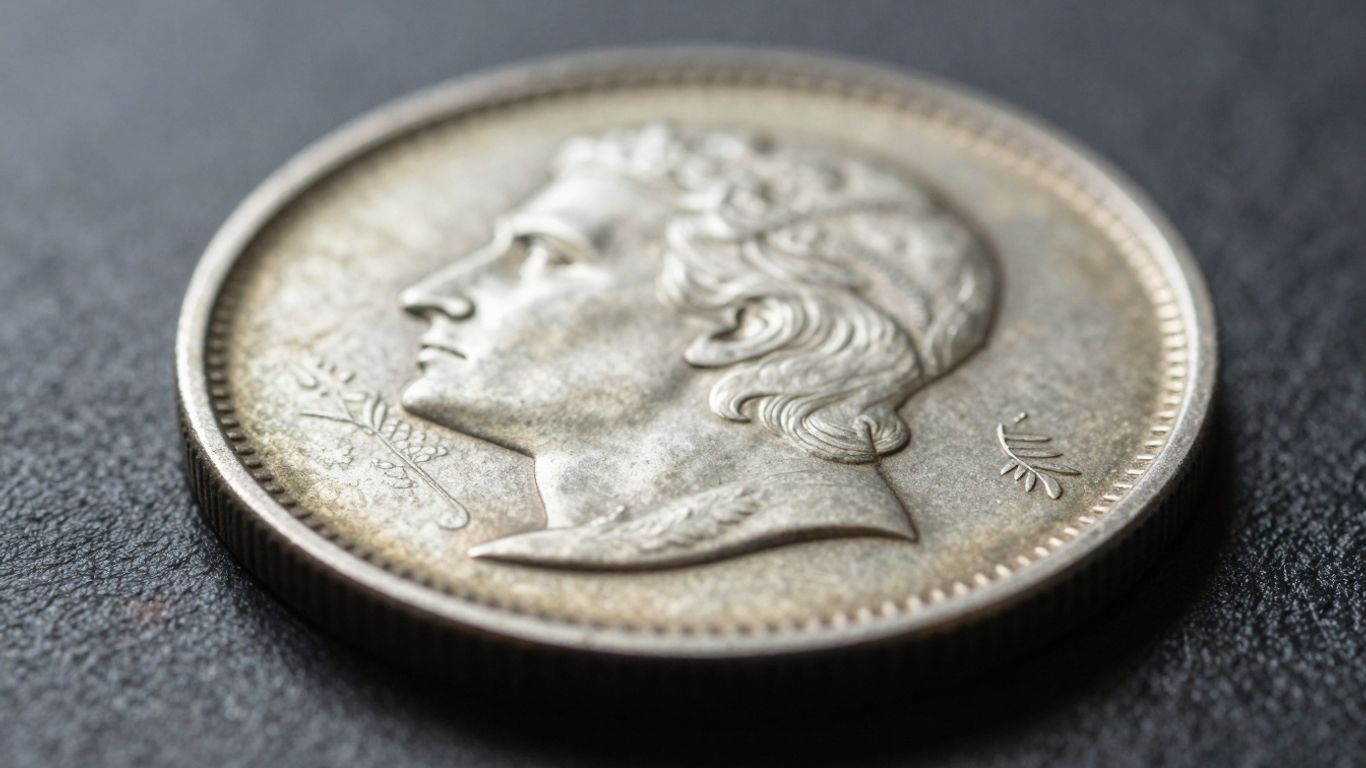
Coin catalogs are like the encyclopedias of the coin world. They’re not just lists; they’re detailed reference books that aim to cover a specific area of numismatics, whether it’s all U.S. coins, a particular series like Lincoln cents, or even ancient coins from a certain region. Think of them as a roadmap for collectors. They provide a structured way to look up coins and find out all sorts of facts about them. This organized information is key when you’re trying to figure out what a coin is really worth.
Using Catalogs For Mintage, Specifications, And Context
What kind of info do you find in these catalogs? Well, for starters, they’ll tell you how many of a particular coin were made (that’s the mintage figure). This is a big deal because rarity often drives value. They also list physical details – the metal content, the diameter, the weight. Knowing these specs helps you identify a coin correctly and spot fakes. Beyond the numbers, catalogs give you historical background. Why was this coin made? What was happening in the world at the time? This context adds a whole layer to your collecting and helps you appreciate why certain coins are more sought after than others.
Here’s a quick look at what you’ll typically find:
- Mintage Figures: How many were officially produced.
- Specifications: Metal composition, weight, diameter, and edge type.
- Varieties and Errors: Details on different die variations or minting mistakes.
- Historical Notes: Background information on the coin’s design and purpose.
- Grading Information: Often includes descriptions or images of different condition levels.
Catalogs are built on the work of dedicated researchers who spend years compiling data. They often include information on different die varieties, specific mint marks, and even known errors, all of which can significantly impact a coin’s rarity and, consequently, its market price. Without this level of detail, distinguishing between a common coin and a rare collectible would be much harder.
The Importance Of Catalogs For Both Collectors And Dealers
For collectors, catalogs are indispensable tools for identification, learning, and making smart buying decisions. They help you understand what you have, what you’re looking for, and what a fair price might be. For dealers, catalogs are just as vital. They use them daily to price inventory, verify authenticity, and advise customers. A dealer who doesn’t consult up-to-date catalogs is likely to be out of touch with the market. They provide a common language and a shared set of facts that everyone in the coin world relies on. It’s the foundation for understanding value.
Wrapping It Up
So, we’ve gone over a bunch of ways to figure out what your coins are worth online. It’s not always super straightforward, and sometimes you’ll find conflicting info, which is just part of the game. But by using a few different sites, checking out price guides, and maybe even joining a coin forum, you’ll get a much better idea. Don’t forget to look at the condition of your coin – that’s a big deal. Keep practicing, and you’ll get better at spotting those valuable pieces. Happy hunting out there!
Frequently Asked Questions
Why is it important to research coin values online?
Researching coin values online is super important because it helps you know what your coins are really worth. It’s like having a secret map to understand if a coin is common or rare, and if it’s a good deal to buy or sell. This stops you from making big mistakes, like paying too much for a coin or selling a valuable one for cheap.
What are the best places to look for coin values online?
You can find tons of info on special coin websites that have guides and price lists. Online auction sites, like eBay, can also give you ideas of what people are actually paying for coins. The American Numismatic Association (ANA) has a great website too, with lots of helpful articles and resources for collectors.
How does grading affect a coin's value?
Coin grading is like giving a coin a grade from 1 to 70, based on how good its condition is. A coin that looks almost perfect will be worth way more than one that’s worn out or damaged. So, knowing how to grade coins, or getting them graded by experts, is a big deal for figuring out their true value.
How can I tell if an online source for coin values is trustworthy?
To make sure you’re getting good information, stick to well-known websites and forums that lots of coin collectors trust. Look for sites that have experts writing articles or that are connected to official coin groups. Be careful of sites that seem too good to be true or don’t have clear information about who they are.
Are there specific types of coins that are harder to research?
Yes, some coins are trickier than others! For example, very old coins like Ancient Greek coins or special U.S. coins like Barber coinage can be harder to find detailed information on. You might need to look at specialized books or websites that focus just on those types of coins.
What are some common mistakes beginners make when researching coins?
A big mistake is not doing enough research before buying or selling. Another common error is not paying attention to coin grading – you might think a coin is in great shape when it’s not, or vice versa. Also, be aware of scams; some people try to sell fake coins, so always buy from trusted sources.
Besides online resources, what other tools are helpful for researching coins?
Books are still fantastic for coin research! There are general guides for beginners, detailed books on specific coin types, and price guides that are updated regularly. Coin catalogs are also super useful for finding out how many of a certain coin were made and other important details.
How can I get the most out of my coin research?
Don’t just read; really dive into the information! Take notes, highlight important parts, and use what you learn. It’s also smart to use both books and online resources together. The more you actively study and learn, the better you’ll become at understanding coin values.