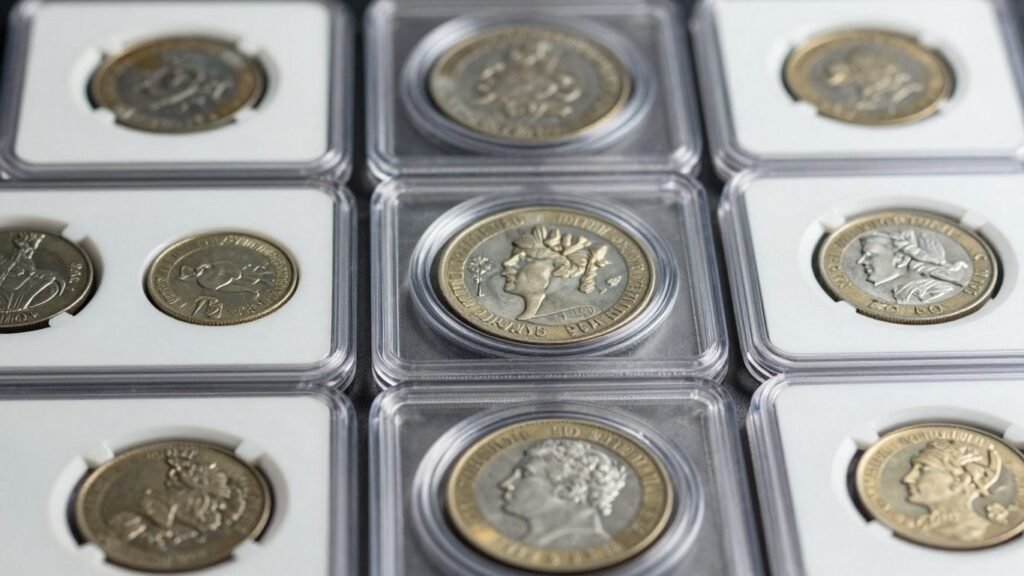
So, you’ve got a bunch of coins piling up, huh? Maybe you started picking them up here and there, or perhaps you inherited a collection. Whatever the case, having a lot of coins can get messy fast. It’s easy to lose track of what you have, and honestly, it’s just not as fun when everything’s a jumbled mess. This guide is all about making sense of your coins, showing you the best ways for organizing coin collections properly so you can actually enjoy them and know what you’ve got. We’ll cover everything from setting up a system to keeping your coins safe and sound.
Key Takeaways
- Figure out why you’re collecting coins in the first place. This helps you sort things out later.
- Keep a list of all your coins. Write down the important details for each one.
- Get good storage. You want to keep your coins safe from damage and the environment.
- Sort your coins in a way that makes sense to you, like by theme or when they were made.
- Learn how to tell the condition of your coins, as this affects their value and how you should store them.
Establishing Your Collection's Foundation
Before you even think about fancy holders or software, let’s get the basics sorted for your coin collection. It’s like building a house – you need a solid base before you start decorating. This part is all about figuring out what you’re actually collecting and why.
Defining Your Collecting Purpose
Why are you collecting coins? Seriously, take a minute and think about it. Are you fascinated by ancient Roman coins? Maybe you love the designs on U.S. state quarters. Or perhaps you’re just drawn to coins from a specific year or a particular country. Having a clear idea of your focus will make everything else much easier. It helps you decide what to buy, what to keep, and how to organize it all later on. Without a purpose, you might end up with a jumble of coins that don’t really tell a story.
Here are a few common collecting goals:
- Country-Specific: Focusing on coins from one nation (e.g., all Canadian pennies).
- Thematic: Collecting coins that depict animals, ships, or historical figures.
- Time Period: Gathering coins from a particular era, like the Victorian age or the Roaring Twenties.
- Mint Errors: Seeking out coins with mistakes made during the minting process.
- Type Collecting: Aiming to get one example of each design or denomination (e.g., one of every U.S. quarter design).
Your collection’s purpose doesn’t have to be super strict. It can evolve over time. The main thing is to have some direction so you don’t feel overwhelmed.
Understanding Coin Denominations
This might sound obvious, but knowing your denominations is key. A denomination is simply the face value of a coin – a penny is 1 cent, a nickel is 5 cents, and so on. But for collectors, it’s more than just the number. Different denominations have different sizes, weights, and metal compositions, which can affect how they’re stored and how they age. Plus, understanding denominations is the first step to figuring out a coin’s potential value.
Here’s a quick look at common U.S. denominations:
- Cent (Penny): The smallest denomination, often made of copper or zinc.
- Nickel: Worth five cents, typically made of a copper-nickel alloy.
- Dime: Ten cents, the smallest U.S. coin by size.
- Quarter: Twenty-five cents, a popular coin for collecting, especially with the state and national park series.
- Half Dollar: Fifty cents.
- Dollar: The highest face value coin, with various designs and compositions throughout history.
Exploring Coin Anatomy and Mint Terminology
Coins aren’t just flat discs; they have specific parts and are made using specialized processes. Knowing the lingo helps you understand coin descriptions and identify features that might make a coin special. Think of it like learning the parts of a car before you try to fix it.
- Obverse: This is the
Essential Steps for Organizing Coin Collections Properly
Alright, so you’ve got a pile of coins, maybe a shoebox full, maybe a few albums. That’s cool, but if you really want to get serious about your collection, you need to get organized. It’s not just about making things look neat; it’s about knowing what you have, keeping it safe, and actually being able to find that one coin you’re looking for.
Creating a Comprehensive Coin Catalog
First things first, you need a list. Think of it like a library catalog, but for your coins. You don’t need anything super fancy to start. A simple spreadsheet or even a notebook will do. What you want to record for each coin is pretty straightforward:
- Coin Name/Type: Like ‘Lincoln Cent’ or ‘Morgan Dollar’.
- Year of Minting: The year stamped on the coin.
- Mint Mark: Where it was made (e.g., ‘D’ for Denver, ‘S’ for San Francisco). If there’s no mark, that’s important too!
- Denomination: Penny, nickel, dime, etc.
- Condition (Briefly): Just a quick note, like ‘Good’, ‘Very Fine’, or ‘Brilliant Uncirculated’. We’ll get into grading later, but a basic idea helps.
- Purchase Date/Price (Optional): If you remember or have records, this can be handy down the line.
Having this list is the backbone of a well-managed collection. It helps you see what you have, what you’re missing, and prevents you from accidentally buying duplicates.
Leveraging Numismatic Software
Now, if you’re feeling a bit more tech-savvy, there’s software out there designed just for coin collectors. These programs can do a lot more than a simple spreadsheet. Many let you:
- Upload photos of your coins.
- Track market values and price guides automatically.
- Organize your collection in different ways (by country, by year, by type).
- Keep detailed notes on each coin’s history or any special features.
Some popular options include CoinManage, PCGS CoinFacts, and Numista. They usually have a cost, but for serious collectors with a lot of coins, the time and effort they save can be well worth it. It makes managing a growing collection much simpler.
Documenting Provenance and Historical Context
This is where your collection really starts to tell a story. Provenance is just a fancy word for the history of ownership of an item. For coins, this means knowing where your coin came from before you got it.
Did you buy it from a reputable dealer? Was it part of a known collection? Did it come with any old paperwork or a story from the previous owner? Even if it’s just "found in grandpa’s old desk," that’s a piece of its history.
Recording this information, even if it seems minor, adds a layer of depth. It can also significantly impact a coin’s value, especially for rare or historically important pieces. Think about it: a coin with a documented history of being owned by a famous collector is more interesting, and often worth more, than one with no known past. So, jot down any details you can find about where your coins have been.
Selecting Appropriate Storage Solutions
Alright, so you’ve got your coins, and you’re starting to get them organized. That’s awesome! But now comes a really important part: how you keep them safe. Think of it like putting your favorite photos in a good album instead of just leaving them in a shoebox. The right storage can make a huge difference in keeping your coins looking good for years to come.
Investing in High-Quality Coin Holders
When it comes to holders, you’ve got a few main options. You can go with individual plastic capsules, which are great because they really seal the coin in. Then there are cardboard "flips" with a plastic window. These are usually cheaper, but make sure the cardboard is "inert" – that means it won’t mess with the coin’s surface over time. Albums are another popular choice, especially if you’re collecting a specific series, like all the state quarters. They give you a nice way to see everything at once.
- Plastic Capsules: Offer excellent protection, often airtight.
- Cardboard Flips: Budget-friendly, but check for inert materials.
- Coin Albums: Ideal for series collections, providing a visual overview.
The key is to avoid anything that could damage the metal.
Choosing Acid-Free and Airtight Materials
This is where things get a bit technical, but it’s super important. You want materials that won’t react with the metal of your coins. "Acid-free" is the buzzword here. Even things like PVC (polyvinyl chloride), which is found in some older, cheaper plastics, can cause a green, gooey mess on your coins over time. That’s why "inert" or "archival quality" materials are the way to go. Airtight is also a big plus, especially if you live somewhere with a lot of humidity. It helps keep moisture away from your coins.
Think about the long game. What might seem okay now could cause problems decades down the line. It’s better to spend a little more upfront on good materials than to regret it later when a coin is damaged.
Protecting Coins from Environmental Factors
Besides the holders themselves, where you keep your collection matters too. You don’t want to store coins in a damp basement or a super hot attic. Fluctuations in temperature and humidity are bad news. A stable environment is best. Some collectors even use small dehumidifiers or silica gel packs in their storage areas to control moisture. And, of course, keep them away from direct sunlight, which can fade labels or even affect some coin materials over very long periods. Basically, treat your coins like you’d treat anything valuable and delicate – give them a stable, safe home.
Categorizing Your Numismatic Treasures
Alright, so you’ve got your coins, maybe a few, maybe a whole shoebox full. Now what? Just piling them up isn’t really going to cut it if you want to actually know what you have. This is where sorting them out comes in. It’s not just about making things look neat; it’s about making sense of your collection and being able to find what you’re looking for.
Organizing by Theme or Geographical Location
This is a pretty straightforward way to start. Think about what connects your coins. Are they all from the United States? Or maybe you’ve got a bunch from Europe? You could also go by theme. Maybe you’re really into coins with animals on them, or perhaps you like ones that show famous buildings. Picking a system that makes sense to you is the most important part.
Here are a few ideas to get you thinking:
- By Country: Grouping all your Canadian coins together, then your Mexican coins, and so on. This is super common and easy to manage.
- By Continent: A broader approach, like all North American coins, all European coins, etc.
- By Theme: This could be anything! Coins depicting ships, coins with historical figures, or even coins from specific events like the Olympics.
- By Mint: If you’re really into the details, you might group coins by the mint that produced them (like Philadelphia, Denver, San Francisco).
Grouping Coins by Historical Periods
This method really lets you see how coins changed over time. It’s like taking a trip through history, one coin at a time. You can see how designs evolved, how different rulers left their mark, and how economic times might have influenced what coins looked like.
- Ancient Coins: Think Roman, Greek, or Persian coins. These often have a very different feel and look.
- Medieval Period: Coins from roughly the 5th to the 15th century. Designs can be quite varied and sometimes a bit crude compared to later periods.
- Early Modern Period: From the Renaissance up to the 18th century. You start seeing more standardized designs and often portraits of monarchs.
- Modern Era: 19th century to the present day. This is where you’ll find most of the coins people commonly collect today, with more intricate designs and mass production.
Arranging by Rulers or Cultural Significance
This is another way to add a story to your collection. If you have a lot of coins from monarchies, arranging them by the ruler who was in power when they were made can be really interesting. Or, you could focus on coins that represent a specific culture or a significant historical event. It adds a layer of context that makes each coin more than just a piece of metal.
When you start sorting your coins, don’t feel like you have to stick to just one method forever. Your collection will grow and change, and so can your organizational system. What works for a small collection might need tweaking as you add more pieces. The goal is to make your collection accessible and enjoyable for you.
Implementing a Coin Grading System
Assessing Coin Condition Accurately
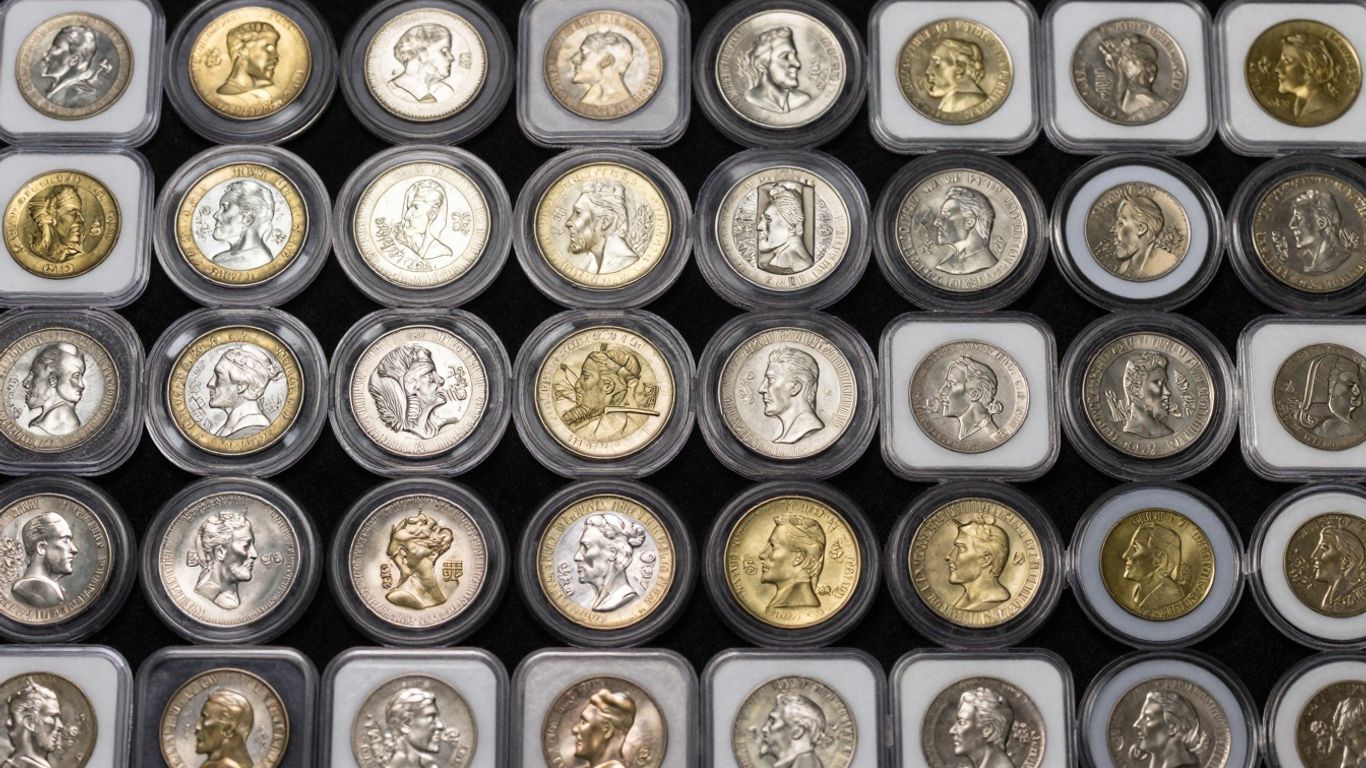
So, you’ve got a pile of coins, and you want to figure out what they’re really worth. A big part of that is knowing their condition, or grade. It sounds fancy, but it’s really just about looking closely at how worn a coin is. Think of it like grading a test – some answers are perfect, some are okay, and some are pretty rough. Coins are similar. A coin that looks like it just came from the mint is going to be worth a lot more than one that’s been tossed around in pockets for decades.
Here’s a quick rundown of what people generally look for:
- Uncirculated (or Mint State): This is the top tier. The coin looks like it never went into circulation. No wear at all, just as it left the mint. It still has all its original shine and detail.
- About Uncirculated (AU): Very close to uncirculated, but you might see a tiny bit of wear on the highest points of the design. It’s hard to spot without a magnifying glass.
- Extremely Fine (XF or EF): You can see some wear, but it’s light. Most of the detail is still there, and it looks pretty good overall.
- Very Fine (VF): More wear is visible now. The main features are clear, but the finer details might be softened.
- Fine (F): The coin is noticeably worn. You can still make out the design, but it’s quite smooth.
- Good (G) or Fair (FR): These coins are heavily worn. The design is visible, but it’s very flat, and some details might be missing.
The better the condition, the higher the value, generally speaking. It’s not always a straight line, but it’s a good rule of thumb.
Understanding Professional Grading Services
Okay, so you’ve tried grading your coins yourself, and maybe you’re feeling a bit unsure. That’s totally normal! Grading can be tricky, and even experienced collectors can disagree sometimes. This is where the pros come in. Services like PCGS (Professional Coin Grading Service) and NGC (Numismatic Guaranty Company) are the big names in the business. They have teams of experts who look at your coins under special conditions and give them an official grade. They then seal the coin in a protective holder, called a "slab," with the grade printed on it. This takes a lot of the guesswork out of it for buyers and sellers. It’s like getting a certificate of authenticity and condition all in one. It costs money, of course, but for valuable coins, it can really make a difference in their marketability and price.
Identifying Coins Requiring Special Care
Some coins just need a bit more attention than others. You might have a coin that’s got some damage that isn’t part of the original minting process. This could be anything from scratches and nicks to corrosion or even attempts at cleaning that went wrong. These kinds of issues can significantly lower a coin’s value, sometimes more than you’d expect. For instance, a coin that looks like it was cleaned with an abrasive material might be graded much lower than an identical coin that wasn’t. It’s important to spot these problems because they affect how you should store the coin and what its actual worth might be. If you’re unsure about a coin’s condition or if it has unusual marks, it’s often best to consult with a knowledgeable dealer or one of the professional grading services before you do anything that might make it worse.
When you’re looking at your coins, try to do it in good light. Natural light is usually best. Avoid using harsh chemicals or abrasive cloths to clean them. Sometimes, the best thing you can do for a coin’s condition is absolutely nothing at all. Let the experts handle any serious cleaning if it’s needed.
Identifying and Valuing Your Collection
So, you’ve got a bunch of coins, and now you’re wondering what they’re actually worth, right? It’s not always as simple as looking up a number. You’ve got to know what you’re looking at first. This section is all about figuring out what you have and what it might fetch.
Learning to Identify Coin Errors
Sometimes, the most interesting coins aren’t the perfect ones. Errors happen during the minting process, and these mistakes can actually make a coin more desirable to collectors. Think about a penny where the date is doubled, or a coin that’s struck off-center. These aren’t just damaged coins; they’re often unique pieces of minting history. It takes a keen eye to spot a genuine error versus something that just got banged up after it left the mint. You’ll want to learn the common types of errors, like double dies, off-center strikes, and brockages. A good magnifying glass is your best friend here.
Tracking Market Trends and Price Guides
Once you know what you have, you’ll want to see what it’s worth. Price guides are a good starting point, but they’re just that – a guide. They list coins and give an estimated value based on their condition. However, the real market can be a bit different. You need to keep an eye on what similar coins are actually selling for. This means looking at recent sales, not just what someone is asking for a coin. It’s a bit like watching the stock market; prices go up and down.
Here’s a quick look at what influences a coin’s value:
- Rarity: How many of these coins were made, and how many still exist?
- Condition (Grade): This is a big one. A coin in mint condition is worth way more than one that’s worn out.
- Demand: Are a lot of people looking for this specific coin right now?
- Historical Significance: Does the coin have a special story or connection to an important event?
Understanding Auction Results for Informed Decisions
Auction results are where you get a real-time look at what collectors are willing to pay. Websites that track coin auctions can be goldmines of information. You can see what coins sold for, and importantly, in what condition they were in. This helps you understand the actual market value, not just what a book says. It’s a good way to learn if that coin you found is a hidden gem or just a common piece.
Figuring out the value of your coins is a skill that develops over time. It involves a mix of research, careful observation, and understanding the collector market. Don’t get discouraged if it seems complicated at first; every seasoned collector started right where you are now, learning the ropes and building their knowledge base coin by coin.
When you’re trying to figure out what your coins are worth, remember these key points:
- Identify the coin accurately: Know the date, mint mark, and denomination.
- Assess the condition honestly: Use a grading scale if possible, or at least be realistic about wear.
- Consult multiple sources: Don’t rely on just one price guide or website.
- Look at recent sales: What did similar coins actually sell for?
- Consider professional appraisal: For very rare or valuable items, an expert opinion can be worth the cost.
Preserving the Integrity of Your Collection
Keeping your coins in good shape over the long haul is super important. It’s not just about making them look nice today, but about making sure they’re around for years to come, maybe even for someone else to enjoy later. Think of it like taking care of old books or artwork; a little attention goes a long way.
Scheduling Regular Maintenance Sessions
Don’t just put your coins away and forget about them. It’s a good idea to set aside some time, maybe once or twice a year, to give them a once-over. This is your chance to check if the holders are still doing their job, if there’s any weird stuff happening with the environment where you keep them, or if any coin looks like it’s starting to have a problem. Catching issues early can save you a lot of headaches down the road.
- Inspect all coin holders for cracks or signs of wear.
- Check the storage area for any changes in humidity or temperature.
- Look for any unusual spots or discoloration on the coins themselves.
Proper Handling Techniques
How you touch your coins matters. Oils and dirt from your hands can actually damage the surface of a coin over time, especially older or more delicate ones. It’s best to handle coins by their edges, or if you’re really worried, use cotton gloves. This might seem a bit much, but for valuable pieces, it’s a smart move. Remember, even a tiny fingerprint can affect a coin’s grade and value.
The goal with handling is always to minimize contact and avoid introducing anything that could cause damage or tarnish. Think of yourself as a temporary guardian, not the permanent owner.
When to Seek Professional Cleaning Services
Cleaning coins is a tricky business. While it might seem like a good idea to wipe off some grime, improper cleaning can seriously devalue a coin. It can remove patina, which is often desirable, or create tiny scratches that are visible under magnification. Unless you’re absolutely certain you know what you’re doing, it’s usually best to leave cleaning to the pros. Services that authenticate and grade coins often offer professional conservation, which is a much safer bet for your prized possessions. You can find these services through organizations like PCGS or NGC.
Here’s a quick rundown:
- Avoid DIY cleaning for valuable or rare coins.
- Professional conservation is safer and preserves value.
- Understand patina – it’s often part of a coin’s history and appeal.
Showcasing Your Numismatic Achievements
Creating an Appealing Coin Display
So, you’ve spent time and effort building a fantastic coin collection. Now what? It’s time to let those treasures shine! Displaying your coins isn’t just about making them look pretty; it’s about sharing the stories they hold and showing off your hard work. Think about what you want to highlight. Are you proud of a specific set, like all the state quarters you’ve gathered? Or maybe you have a few really rare pieces that deserve a spotlight. A well-thought-out display can turn your collection from a private hobby into a conversation starter.
When you’re thinking about how to show off your coins, consider a few options:
- Display Cases: These can range from simple shadow boxes to elaborate, lighted cabinets. Look for ones with UV-protective glass to keep your coins safe from light damage.
- Albums and Binders: Many collectors use specialized albums with slots for specific coin series. These keep coins organized and protected while still allowing you to flip through them.
- Individual Stands: For a few select coins, individual stands can give each piece its own moment to be admired.
Remember, the goal is to make your coins visible and accessible without compromising their condition. Think about lighting, security, and how you want people to interact with the display.
Sharing Your Passion with Others
Once you’ve got your collection looking good, don’t keep it all to yourself! Sharing your passion is one of the most rewarding parts of collecting. It’s how you connect with people and maybe even inspire the next generation of numismatists.
Here are some ways to get your collection out there:
- Talk to Friends and Family: Start with the people closest to you. Show them your favorite pieces and explain why they’re special. You might be surprised at who gets interested.
- Attend Local Coin Shows: These events are perfect for meeting other collectors and showing off your own finds. You can even set up a small display if allowed.
- Online Platforms: Use social media or dedicated numismatic forums to share photos and stories about your coins. It’s a great way to get feedback and connect with a wider audience.
Sharing your collection is more than just showing pictures; it’s about conveying the history, the artistry, and the personal journey behind each coin. It’s about building connections through a shared interest and keeping the hobby alive and vibrant for everyone involved.
Don’t be shy about your collection. Every coin has a story, and by sharing yours, you’re not just showing off your achievements, you’re contributing to the broader numismatic world.
Connecting with the Numismatic Community
Joining Local Coin Clubs
Sometimes, you just need to talk coins with people who get it. That’s where local coin clubs come in. These groups are usually a mix of folks, from those just starting out to seasoned collectors who’ve seen it all. You can learn a ton just by listening to their stories and seeing what they’re bringing to meetings. Plus, it’s a good way to find out about local coin shows or dealers you might not have known about. Don’t be shy about asking questions; everyone was a beginner once.
Participating in Online Forums
If getting to a physical meeting is tough, the internet is your friend. There are tons of online forums and social media groups dedicated to coin collecting. You can post pictures of your latest finds, ask for opinions on grading, or even get help identifying a mystery coin. It’s a 24/7 resource, and you can connect with people from all over the world. Just remember to take online advice with a grain of salt – not everyone online is an expert, even if they sound like one.
Gaining Insights from Fellow Collectors
Talking to other collectors is one of the best ways to improve your own collecting game. You’ll hear about different approaches to organizing, storage ideas you hadn’t considered, and tips on spotting fakes or common errors. It’s also a great way to get a feel for what’s currently popular or undervalued in the market. You might even find someone willing to trade or sell a coin you’ve been looking for.
Building relationships within the numismatic community can open doors to opportunities you wouldn’t find on your own. Shared knowledge and experiences are invaluable assets for any collector, regardless of how long they’ve been collecting.
Building and Expanding Your Collection Strategically
So, you’ve got a handle on organizing what you have. Now, let’s talk about growing that collection in a smart way. It’s not just about buying every shiny coin you see; it’s about having a plan. Think of it like building a really cool Lego castle – you need a blueprint, right?
Setting Clear Collecting Goals
First things first, what are you actually trying to collect? Are you all about U.S. state quarters, or maybe ancient Roman coins? Having a specific focus makes everything else easier. It stops you from just grabbing random stuff and helps you zero in on what truly interests you. It also makes it way easier to track down those missing pieces.
- Define your niche: Are you interested in a specific country, time period, metal type, or even a particular mint mark?
- Consider your budget: Be realistic about what you can spend. Some coins are super expensive, others are quite affordable.
- Think long-term: What do you want your collection to look like in 5, 10, or even 20 years?
Discovering Where to Find Valuable Coins
Finding coins isn’t just about hitting up the local coin shop, though that’s a good start. You’ve got to be a bit of a treasure hunter.
- Coin Shows and Conventions: These are goldmines for finding specific coins and talking to dealers who know their stuff.
- Online Marketplaces: Sites like eBay can be great, but you need to be careful. Know what you’re looking at and check seller reviews.
- Estate Sales and Flea Markets: Sometimes, people just don’t know what they have. You might find some real gems if you’re lucky and persistent.
- Roll Hunting: Buying rolls of coins from the bank and sifting through them can turn up older coins or even errors. It takes patience, but it’s a classic method.
Building a collection takes time and a bit of detective work. Don’t get discouraged if you don’t find what you’re looking for right away. The thrill of the hunt is part of the fun, and every coin you add tells a story.
Strategies for Estate Sales and Online Auctions
Estate sales and online auctions can be fantastic places to snag coins, but they can also be a bit wild. You need a strategy.
- Do your homework: Before bidding, know the approximate value of the coins you’re interested in. Check out resources like coin price guides.
- Set a maximum bid: Decide beforehand how much you’re willing to pay and stick to it. It’s easy to get caught up in the bidding war.
- Inspect carefully (if possible): For estate sales, try to look at the coins in person. For online auctions, scrutinize the photos and read the descriptions very carefully.
- Factor in fees: Remember that auction houses and online platforms often charge buyer’s premiums and shipping costs. Add these to your total cost.
Wrapping It Up
So, we’ve gone over a bunch of ways to get your coin collection sorted. It might seem like a lot at first, but really, it’s all about making your hobby more enjoyable. Having things neat and tidy means you can actually see and appreciate what you have, whether you’re just starting out or have been collecting for years. Think of it as giving your coins a proper home where they can be safe and you can easily find them. Keep at it, and your collection will be a source of pride and a cool way to connect with history. Happy collecting!
Frequently Asked Questions
Why is it important to organize my coin collection?
Organizing your coins helps you keep track of what you have, makes it easier to find specific coins, and protects them from damage. It’s like tidying up your room so you can find your favorite toys easily and make sure they don’t get broken!
What's the first step in organizing my coins?
Before you start sorting, think about why you’re collecting coins. Are you interested in coins from a certain country, a specific time period, or maybe coins with interesting pictures? Knowing your goal helps you decide how to group them later.
How should I store my coins safely?
You need special holders for your coins, like plastic sleeves or small boxes, that don’t damage the metal. Make sure these holders are made of safe materials and keep the coins protected from air and moisture, which can cause them to tarnish or corrode.
What's a coin catalog, and do I really need one?
A coin catalog is like a list or a notebook where you write down all the important details about each coin you own. This includes things like the year it was made, where it was made, and what it looks like. It’s super helpful for knowing exactly what’s in your collection.
How can I group my coins together?
You can group your coins in many fun ways! You could put all the coins from the same country together, or group them by the time they were made (like ancient coins or modern coins). Some people like to group them by the pictures on the coin, like animals or famous people.
What does 'grading' a coin mean?
Coin grading is a way to describe how good the condition of a coin is. A coin that looks brand new and has no scratches gets a high grade, while a coin that is worn out and hard to read gets a low grade. This helps you understand how valuable your coins might be.
Should I clean my old coins?
Be very careful with cleaning coins! Sometimes, cleaning can actually hurt a coin’s value. If you’re not sure how to clean a coin properly, it’s often best to leave it alone or ask an expert. They know the safe ways to handle and clean valuable coins.
Where can I learn more about coin collecting?
You can join a local coin club to meet other collectors, or check out online forums and websites dedicated to coins. Reading books and talking to experienced collectors are also great ways to learn new things and get advice.