So, you’ve got a pile of old coins, maybe from a relative or just found in a dusty box. You’re wondering what they’re actually worth. It’s not as simple as just looking at the metal content, though that’s part of it. There’s this whole other world of collector value that can make a coin way more interesting, and valuable, than just its weight in gold or silver. Figuring out the difference between melt value versus collector value is key to knowing if you’ve got a hidden treasure or just some old metal.
Key Takeaways
- Coins have two main types of value: melt value, based on the metal content, and collector value, based on rarity, condition, and demand.
- The rarity of a coin, including its mintage numbers and how many still exist, significantly impacts its collector value.
- A coin’s condition, determined by grading standards, plays a huge role; even small flaws can drastically change its worth.
- While precious metal prices affect the melt value, collector interest, historical significance, and eye appeal can push a coin’s price far beyond its metal worth.
- To get a fair price, research market trends, understand grading, and be wary of common mistakes like cleaning coins, which can destroy numismatic value.
Understanding Melt Value Versus Collector Value
So, you’ve got some old coins lying around, maybe from a grandparent or a lucky find. You’re probably wondering what they’re actually worth. It’s not always as simple as looking at the number stamped on the coin, or even what it’s made of. There are two main ways to think about a coin’s worth: its melt value and its collector value.
Defining Melt Value
Melt value is pretty straightforward. It’s basically the price of the metal the coin is made from, if you were to melt it down. Think of it like this: if you have a coin with a lot of silver or gold in it, its melt value is what that silver or gold is worth on the market right now. For example, a Canadian silver dollar from 1967, which has about 0.6 troy ounces of silver, would have a melt value based on the current price of silver. If silver is trading at $30 an ounce, that coin’s melt value would be around $18. This value changes daily, sometimes even hourly, depending on the global metal markets. It’s a baseline, a floor price, especially for coins made of precious metals.
Defining Collector Value
Collector value, often called numismatic value, is a whole different ballgame. This is where things get interesting, and sometimes, a bit confusing. Collector value isn’t just about the metal; it’s about the coin’s history, its rarity, its condition, and how much people actually want it. A coin might be made of a common metal, but if it’s super rare, in amazing shape, or has a fascinating story behind it, collectors might pay a lot more than just its metal worth. Think about old pennies or dimes that aren’t made of silver anymore – their melt value is practically zero, but some can be worth hundreds or even thousands of dollars to collectors. It’s the whole package: the year it was minted, any errors made during production, its design, and its overall appeal to people who collect coins.
The Interplay Between Metal and Numismatic Worth
These two values, melt and collector, don’t always exist in separate worlds. They often interact in ways that can surprise you. For coins made of precious metals, like the American Gold Eagle or the Silver Maple Leaf, the melt value is a significant part of their worth. However, their collector value can push the price much higher, especially for rare dates or special mintages. It’s a balancing act. Sometimes, the metal content is the main driver, particularly when metal prices spike. Other times, the numismatic side takes over, and a coin’s rarity or historical significance becomes the primary factor. Understanding this relationship is key to figuring out what your coin is truly worth, beyond just its weight in gold or silver. It’s about looking at the whole picture, not just one piece of it. For instance, a coin’s face value is often the least important factor when determining its actual market price.
Factors Influencing Coin's Collector Value
So, you’ve got a coin, and you’re wondering what makes it special beyond just its metal content. It’s not just about how old it is or what it’s made of. Several things come into play when collectors decide what a coin is really worth. Think of it like collecting anything else – some items just have that extra something that makes people want them more.
The Role of Rarity and Mintage
This is a big one. How many of a particular coin were actually made? This is called the mintage. If only a few thousand were produced, it’s naturally going to be rarer than a coin where millions were minted. But it’s not just the number struck; it’s also about how many are still around today. Many old coins were melted down, lost, or damaged over time. So, a coin with a high mintage might still be rare if most of them are gone. For example, a coin with a tiny mintage might be worth a lot, but if almost all of them were melted down and only a handful exist, its value can skyrocket. It’s a combination of how many were made and how many survived.
Condition and Grading's Impact on Worth
This is super important. A coin’s condition, or its ‘grade’, tells you how much wear and tear it has seen. Is it scratched? Dented? Does it still have its original shine? Coins that look like they just came from the mint, with no visible flaws, are worth way more than those with even minor damage. It’s tough to find coins in perfect shape, especially older ones. So, the better a coin’s condition, the higher its value will likely be. Grading services look at things like:
- Surface Preservation: Are there any marks, scratches, or spots?
- Strike Quality: How well-defined are the details on the coin?
- Luster: Does the coin still have its original mint shine?
- Eye Appeal: Does the coin just look good overall?
Even a small difference in grade can mean a huge jump in price. It’s why serious collectors often pay top dollar for coins that are graded as ‘mint state’ or ‘proof’.
Eye Appeal and Design Significance
Sometimes, a coin just looks good. Like a piece of art, some coins are more attractive than others. A sharp, clear design, interesting imagery, or a unique shape can make a coin stand out. Collectors are drawn to coins that are visually appealing. If a coin has a design that’s particularly striking or historically interesting, it can increase its desirability. Think about coins with intricate patterns, famous portraits, or unusual shapes – these often catch the eye and capture the imagination of collectors, driving up demand and, consequently, value. It’s that ‘wow’ factor that can make a coin more than just metal.
The Intrinsic Worth of Precious Metals
Precious Metal Content as a Baseline
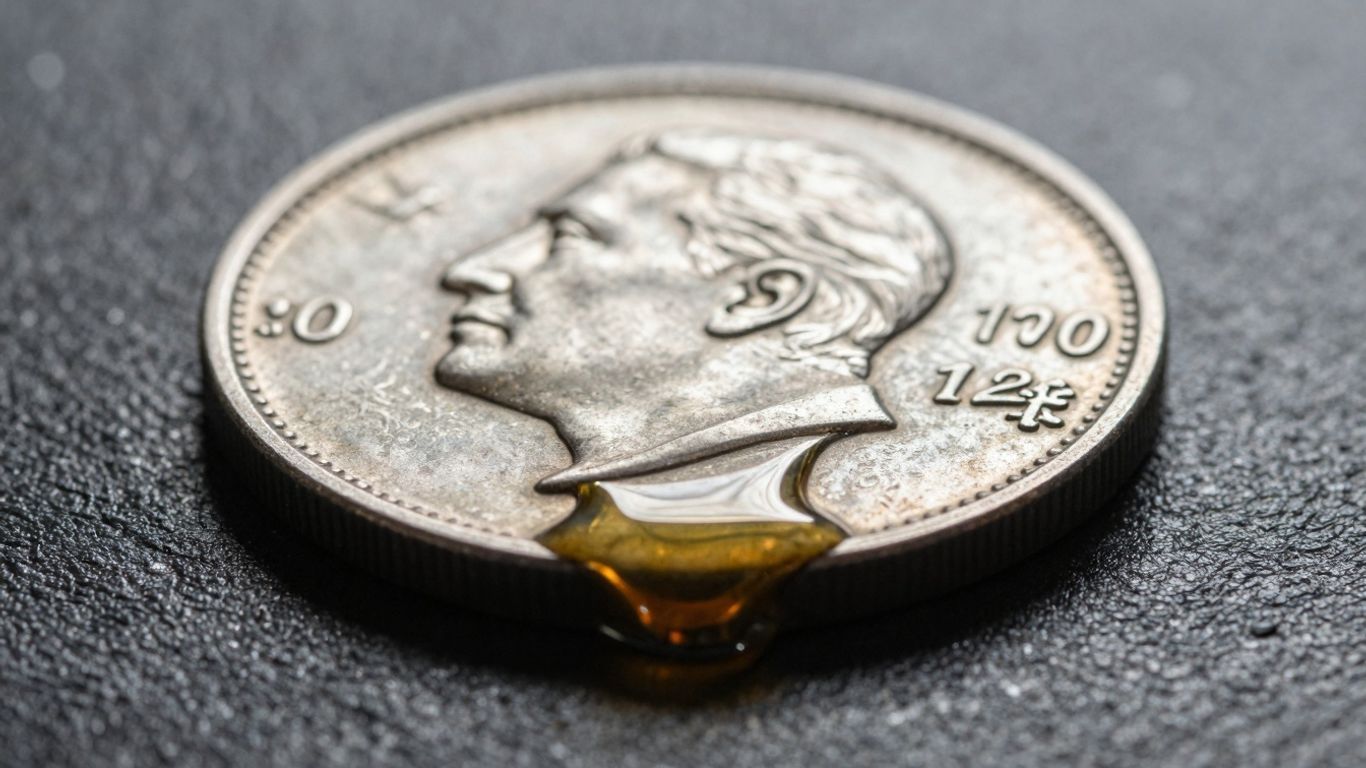
When you’re looking at a coin, especially one made of gold, silver, or platinum, the first thing to consider is what it’s actually made of. This is often called the melt value or intrinsic value. It’s basically the value of the metal itself, separate from any numismatic appeal. Think of it as the floor price for that coin. If the market for collectibles completely dried up, you could still melt down a gold coin and get paid for the gold content. This is a pretty straightforward calculation: you need to know the coin’s weight, its purity, and the current market price for that metal. For example, a coin that’s 99.9% pure silver will be worth roughly the price of an ounce of silver multiplied by its weight in ounces, minus a tiny bit for the non-silver part.
How Spot Prices Affect Coin Valuation
The price of gold, silver, and platinum on the global market, often called the "spot price," has a direct impact on coins made from these metals. When the spot price goes up, the melt value of your coins goes up too. This is especially true for bullion coins, which are primarily valued for their metal content. It’s like a baseline that influences the overall worth. Even coins that have collector appeal will see their value rise if the underlying metal becomes more expensive. It’s a constant dance between the commodity market and the coin collecting world.
Bullion Coins vs. Circulated Currency
It’s important to distinguish between coins made primarily for their metal content (bullion coins) and regular currency that has circulated. Bullion coins, like American Gold Eagles or Canadian Silver Maple Leafs, are minted with a high degree of purity and are often bought and sold based on their precious metal weight. Their face value is usually quite low compared to their actual metal worth. Circulated currency, on the other hand, might contain some precious metal, but its value is typically much closer to its face value, unless it’s a rare collectible in excellent condition. The intrinsic worth of precious metals is the foundation for bullion coins, while for circulated coins, it’s usually a secondary consideration after rarity and condition.
The value derived purely from the metal content provides a solid, quantifiable baseline. This intrinsic worth is independent of trends in the collector market, offering a degree of stability. Understanding this baseline is key before even considering numismatic factors like rarity or historical significance. It’s the raw material value that underpins everything else.
Here’s a quick look at how metal content plays a role:
- Gold Coins: Often have a face value in dollars or euros, but their real worth is tied to the current price of gold. A coin might say $50, but if it contains a full ounce of gold, it could be worth thousands. Learn about bullion.
- Silver Coins: Similar to gold, silver coins are valued based on their silver weight. A common example is the Silver Eagle, with a $1 face value but a market price dictated by silver’s spot price.
- Platinum Coins: Less common than gold or silver, but platinum coins also derive their primary value from the metal’s market price. These often carry higher denominations due to platinum’s higher cost.
Beyond the Metal: Numismatic Significance
Historical and Cultural Relevance
Coins are more than just pieces of metal; they’re tiny time capsules. Think about it – a coin minted in ancient Rome tells a story about emperors, trade, and daily life from thousands of years ago. It’s a tangible link to the past, carrying the weight of history and the culture of the era it came from. Sometimes, a coin might commemorate a significant event, like a royal wedding or a national anniversary, making it a historical artifact in its own right. These connections to the past are what really draw many collectors in, giving the coin a story that goes way beyond its material worth.
Emotional Attachment and Nostalgia
Let’s be honest, sometimes a coin’s value isn’t just about what it’s made of or how rare it is. It might be the coin your grandpa gave you, or one you found on a special trip. These personal connections can make a coin incredibly meaningful, even if it’s not worth a fortune on the open market. That feeling of nostalgia, or the joy of remembering a specific moment, adds a layer of value that’s hard to quantify but very real for the owner. It’s that personal story that makes a collection truly unique.
Artistic Merit and Unique Designs
Coins can be miniature works of art. Mint engravers put a lot of skill into creating intricate designs, portraits, and symbols. Some coins stand out because of their unique shapes, like those shaped like animals or other objects, or because they feature particularly striking artwork. The craftsmanship involved, the beauty of the design, and the innovation in its creation can all contribute to a coin’s appeal. A coin that’s visually stunning or exceptionally well-designed often captures the attention of collectors, regardless of its metal content.
| Feature | Description |
|---|---|
| Design Complexity | Intricate details, fine lines, and detailed imagery. |
| Artistic Style | Unique artistic movements or aesthetic qualities evident in the engraving. |
| Innovation | Unusual shapes, striking techniques, or novel minting processes. |
Assessing Your Coin's True Worth
So, you’ve got a pile of coins and you’re wondering what they’re actually worth. It’s not always as simple as looking up the price of silver or gold, though that’s a big part of it. Figuring out the real value means looking at a few different things. It can feel a bit overwhelming at first, but with a little know-how, you can get a much clearer picture.
Researching Market Trends and Auction Data
This is where you start to get a feel for what people are actually paying for coins like yours. It’s not just about what a dealer says it’s worth, but what collectors are willing to spend. Think of it like checking prices for used cars – you look at what similar models have sold for recently.
- Online Marketplaces: Sites like eBay can show you completed sales. Look for coins that are similar in date, mint mark, and condition to yours. Pay attention to the final selling price, not just what people are asking.
- Auction Records: Major coin auction houses often publish their past results. These can give you a good idea of the value for rarer or higher-grade coins.
- Dealer Websites: Many reputable dealers will list their inventory with prices. This can give you a benchmark, but remember they need to make a profit, so their prices might be a bit higher than what you’d get selling directly.
The market for coins can shift. What’s popular today might not be tomorrow, and vice-versa. Keeping an eye on trends helps you understand if a coin’s value is likely to go up or down.
Understanding Coin Grading Standards
This is a big one. A coin’s condition, or grade, can dramatically change its value. A coin that looks almost perfect will be worth way more than one that’s seen a lot of use. Grading is a whole system, and it’s pretty detailed.
Here’s a simplified look at the scale:
- Mint State (MS-60 to MS-70): These coins have never been circulated. MS-70 is perfect, while lower numbers indicate minor imperfections visible under magnification.
- About Uncirculated (AU-50 to AU-58): These coins have seen very light circulation but still retain most of their original detail.
- Extremely Fine (XF or EF-40 to XF-45): Shows signs of wear, but the main details are still clear.
- Very Fine (VF-20 to VF-35): Moderate wear is visible, but the coin is still quite detailed.
- Fine (F-12 to F-15): Significant wear, but the coin’s outline and major features are still distinct.
- Good (G-4 to G-6): Heavy wear, with major features worn smooth but still identifiable.
- Poor (P-1): Barely identifiable, often damaged.
The difference between an MS-65 coin and an XF-45 coin of the same type can be thousands of dollars.
Seeking Expert Appraisals
Sometimes, you just need a professional opinion. If you have a coin that seems particularly old, rare, or valuable, getting it looked at by an expert is a smart move. They have the experience and knowledge to spot things you might miss.
- Local Coin Dealers: Find a reputable dealer in your area. They can often give you a quick assessment, though they might offer to buy it for less than its full retail value.
- Professional Grading Services: Companies like PCGS and NGC will authenticate and grade your coins for a fee. This is often the best way to get an objective grade, especially for valuable coins.
- Numismatic Societies: Local or national coin clubs can be a great resource. Members often have a lot of knowledge and might be willing to offer advice.
Don’t be afraid to get a second opinion if you’re unsure about an appraisal. It’s your collection, and you want to make sure you’re getting a fair shake.
Common Pitfalls in Coin Valuation
When you’re trying to figure out what your coins are really worth, it’s easy to stumble into a few traps. People often get stuck thinking about just one aspect, like the metal content, and completely miss the bigger picture. This can lead to selling your treasures for way less than they’re actually worth.
Overlooking Condition and Grading's Impact on Worth
This is a big one. You might have a coin made of silver, but if it’s heavily worn, scratched, or damaged, its collector value can drop significantly. Grading is how experts assess a coin’s condition, using a scale that goes from poor to perfect mint state. A coin that looks okay to you might be considered only "Good" or "Very Good" by a professional, and that difference matters a lot to buyers. For instance, a 1958 Totem Pole dollar in a high grade can be worth substantially more than one in lower condition. It’s not just about the metal; it’s about how well the coin has survived.
The Danger of Cleaning Coins
It might seem like a good idea to make a dull coin shine, but resist the urge! Cleaning a coin, even with a soft cloth, can remove its natural patina and microscopic details. This damage is usually permanent and can drastically reduce a coin’s numismatic value, sometimes by 30% or even more. Collectors often prefer coins with their original surfaces, even if they show some age. That natural wear and toning are part of the coin’s history. Think of it like trying to restore an old painting – you wouldn’t just scrub it with soap and water, right?
Ignoring Demand and Market Sentiment
Sometimes, a coin’s value isn’t just about its rarity or condition; it’s also about how many people want it right now. Market sentiment plays a huge role. A coin might be rare, but if there aren’t many collectors actively seeking it out, its price might not be as high as you’d expect. Conversely, a coin with a popular theme or historical significance might see its value climb simply because it appeals to a lot of people. It’s like any other market – supply and demand are key. You need to look at current auction results and what similar coins are selling for to get a realistic idea. Researching current trends is a good way to understand coin values.
Don’t get caught up in assumptions or outdated information when valuing your coins. Always try to get current data from recent sales and ask for multiple opinions if possible. Understanding the current spot prices for metals is also important, but it’s only one piece of the puzzle. The real worth comes from a combination of factors, including how rare the coin is, its condition, and how much collectors desire it.
The Impact of Metal Prices on Coin Value
How Gold and Silver Price Hikes Affect Coins
It’s pretty straightforward, really. When the price of gold or silver goes up on the world market, the value of coins made from those metals tends to follow suit. This is especially true for coins that are primarily valued for their metal content, like bullion coins. Think of it as a direct link: more expensive metal means a more expensive coin, at least in terms of its base worth. This correlation is straightforward: as the market price for gold and silver goes up, so does the intrinsic value of coins made from these metals. Rising precious metal prices directly increase the value of gold and silver collector coins.
Bullion Coin Value Fluctuations
Bullion coins are designed with a high purity of precious metals, so their value is closely tied to the spot price of gold, silver, or platinum. If you own a bunch of American Gold Eagles or Canadian Silver Maples, you’ve probably noticed their value jump when the metal markets get hot. It’s not just about rarity or condition for these coins; the metal itself is the main driver. They are often recognized worldwide for their purity and craftsmanship.
The Relationship Between Spot Prices and Collector Coins
Even coins that aren’t strictly bullion can feel the ripple effect. A rare coin might have a high collector value that far exceeds its metal content. However, if the price of the metal it’s made from skyrockets, that coin’s overall value will likely increase too. It’s like a baseline boost. So, while rarity and condition are super important for numismatic value, the underlying metal price always plays a part.
Here’s a quick look at how face value compares to metal value for some common coins:
| Coin Type | Face Value | Metal Content | Approx. Metal Value | Why It Matters |
|---|---|---|---|---|
| 1 oz American Gold Eagle | $50 USD | Gold (.9167 fine) | Spot | U.S. legal tender but valued for its gold |
| 1 oz Canadian Silver Maple Leaf | $5 CAD | Silver (.9999 fine) | $30 | Recognized worldwide for its purity |
| 1 oz Silver Britannia | £2 GBP | Silver (.999 fine) | $30 | Iconic Royal Mint craftsmanship |
The intrinsic value of a coin, meaning the worth of its metal, provides a floor. Even if a coin isn’t particularly rare or in perfect condition, its value will generally not drop below the price of the precious metal it contains. This baseline is a significant factor, especially in times of high metal prices.
So, keeping an eye on the commodities market isn’t just for investors; it’s a smart move for coin collectors too. It helps you understand the baseline worth of your collection and anticipate potential shifts in value. It’s a bit like knowing the cost of lumber when you’re looking at wooden furniture – it gives you a solid reference point.
Navigating the Coin Market
So, you’ve got some coins and you’re wondering where to sell them or how to get a fair price. It can feel like a maze sometimes, right? There are a few main places people go, and each has its own pros and cons. It’s good to know what you’re getting into before you hand over your treasures.
Online Marketplaces vs. Local Dealers
When it’s time to sell, you’ve got a couple of main routes. Online marketplaces, like eBay or specialized coin auction sites, can reach a huge number of potential buyers. This means more eyes on your coin, which could lead to a better price, especially for rare or in-demand items. However, you’ve got to deal with listing fees, shipping, and the risk of dealing with buyers who might not be as straightforward as you’d hope. Plus, you’re often on your own when it comes to figuring out the best way to present your coin.
Local coin dealers, on the other hand, offer a more personal touch. You can walk in, show them your coins, and often get an appraisal on the spot. They usually have a good understanding of the current market and can make you an offer. The upside here is convenience and immediate payment. The downside? They’re running a business, so their offer will likely be lower than what you might get selling directly to a collector, as they need to make a profit themselves. It’s a trade-off between speed and potentially getting more money.
Identifying Genuine Silver and Gold Coins
This is super important, especially if you’re dealing with older coins or ones you didn’t acquire yourself. Not all coins that look like they’re made of precious metal actually are. Sometimes, they’re just plated, or they might be made of a base metal that looks similar. How do you tell? Well, a few things can help.
- Weight and Dimensions: Genuine silver and gold coins have specific weights and sizes. If a coin feels too light or too heavy for its size, that’s a red flag. Reputable dealers will have scales and calipers.
- Sound Test: When struck lightly, pure silver and gold coins often produce a distinct, ringing sound, unlike base metals which tend to have a duller thud. This takes some practice to get a feel for.
- Magnet Test: Precious metals like gold and silver are not magnetic. If a coin sticks to a magnet, it’s definitely not pure gold or silver.
- Professional Verification: The most reliable way is to have a trusted dealer or appraiser examine the coin. They have tools and knowledge to confirm authenticity.
Always be cautious of deals that seem too good to be true. If someone is selling a coin that should be worth hundreds or thousands of dollars for just a fraction of that price, there’s usually a reason. It might be fake, damaged, or misrepresented in some way. It’s better to pay a bit more for a coin from a source you trust than to get a bargain that turns out to be worthless.
The Importance of Transparency in Pricing
When you’re buying or selling, clear pricing is key. This means understanding all the costs involved. If you’re buying online, look out for shipping fees, insurance, and any taxes that might apply. If you’re selling to a dealer, make sure they’re upfront about any fees they deduct from their offer. Some dealers might quote you a price that doesn’t include taxes or other charges, which can be a surprise later on. A good dealer will break down the price for you, showing you what the coin is worth and what they’re offering, minus any legitimate costs. This honesty builds trust and makes the whole process smoother for everyone.
Future Value Considerations
Thinking about what a coin might be worth down the road is a bit like trying to predict the weather – you can make educated guesses, but there are always surprises. Still, some things give us clues about a coin’s potential future value. It’s not just about what it’s made of or how old it is; it’s about what people will want in the years to come.
Anticipating Renewed Interest in Themes
Sometimes, a coin’s theme or design can become popular again. Maybe a historical event it depicts gets a new movie, or a particular artistic style comes back into fashion. This can spark new interest from collectors, driving up demand. For instance, coins featuring specific historical figures or cultural motifs might see a surge in interest if those topics gain public attention. This renewed fascination can significantly impact a coin’s desirability and, consequently, its market price. Keep an eye on cultural trends and historical anniversaries; they can sometimes signal future collecting fads.
The Long-Term Investment Potential of Coins
When we talk about coins as an investment, it’s usually a long game. Unlike stocks that can swing wildly day-to-day, coins often appreciate more slowly, but steadily, over decades. This is especially true for coins that are already rare and in good condition. The Ten Best Coins price prediction for 2026 suggests a potential for growth, but remember that’s just one estimate. Building a collection with an eye toward the future means looking for coins that have a solid base value (like precious metal content) and a good chance of increasing in numismatic appeal over time.
Supply and Demand Dynamics Over Time
This is the big one, really. Even if a coin is common now, if a lot of them get lost, melted down, or simply disappear into private collections over the next 50 years, the supply will shrink. If demand stays the same or grows, prices will naturally go up. It’s a simple economic principle, but it plays out over long periods in the coin world. Think about it:
- Rarity: Fewer coins available means higher prices.
- Demand: More collectors wanting the same coin means higher prices.
- Preservation: Coins that survive in good condition are more likely to be desired.
Predicting future value requires looking beyond the present. It involves understanding how scarcity, historical context, and evolving collector tastes might interact over many years. A coin that seems ordinary today could become quite sought after if circumstances change.
So, while you can’t know for sure what a coin will be worth in 20, 30, or even 50 years, considering these factors can help you make more informed decisions about what to collect and hold onto.
Distinguishing Face Value from Real Value
It’s easy to get confused when you first start looking at coins, especially when you see a dollar amount printed right on them. That number, the face value, is what the coin is officially worth as money in the country it came from. Think of a U.S. quarter – its face value is 25 cents. Simple enough, right? But here’s where things get interesting: for many coins, especially those made with precious metals, that face value is practically meaningless when it comes to what someone would actually pay for it.
Why Face Value is Often Irrelevant
The face value is basically a government’s way of saying, "This coin can be used to buy things." It’s its legal tender status. However, collectors and investors are usually looking for something more than just a way to buy a soda. They’re interested in the coin’s intrinsic worth – what it’s made of and its history. For instance, a one-ounce American Gold Eagle coin has a face value of fifty dollars. Yet, you’ll find it trading for well over two thousand dollars. Why? Because the actual gold content inside is worth far more than $50. The face value is just a label; the real value comes from elsewhere.
The Dominance of Metal and Collector Value
So, if face value isn’t the main driver, what is? It boils down to two big things: melt value and collector value. Melt value is straightforward – it’s the worth of the precious metal if the coin were melted down. This is directly tied to the current market price of gold, silver, or platinum. Then there’s collector value, also known as numismatic value. This is where rarity, condition, historical significance, and demand come into play. A coin might have a low melt value but be incredibly valuable to collectors because it’s rare or has a fascinating story. Conversely, a coin with high melt value might not fetch much more than its metal worth if it’s common and not particularly sought after by collectors.
Understanding Intrinsic Value vs. Market Price
It’s important to see the difference between a coin’s intrinsic value and its market price. Intrinsic value is what the coin is fundamentally worth based on its metal content and, to some extent, its historical significance. The market price, however, is what someone is willing to pay for it right now. This price is influenced by a lot of factors, including the current spot price of metals like silver, the coin’s condition, its rarity, and overall collector demand. Sometimes, a coin’s market price can be much higher than its intrinsic value, especially for rare or historically important pieces. Other times, especially for modern bullion coins, the market price will hover very close to the melt value, with only a small premium for the minting and design.
Here’s a quick look at how face value stacks up against metal value for some common coins:
| Coin Name | Face Value | Metal Content (Approx.) | Spot Price (Example) | Metal Value (Approx.) |
|---|---|---|---|---|
| American Gold Eagle (1 oz) | $50 USD | Gold (.9167 fine) | $2400/oz | ~$2200 |
| Silver Maple Leaf (1 oz) | $5 CAD | Silver (.9999 fine) | $30/oz | ~$30 |
| Britannia (1 oz Silver) | £2 GBP | Silver (.999 fine) | $30/oz | ~$30 |
As you can see, the face value is often a tiny fraction of the actual metal value, which itself can fluctuate daily with market prices. This is why understanding melt value and collector appeal is so much more important than focusing on the number stamped on the coin.
Wrapping It Up
So, when you’re looking at your coin collection, remember it’s not just about the metal inside. Sure, knowing the melt value is a good starting point, especially for silver and gold coins. But that’s only part of the story. The real magic happens when you consider things like how rare the coin is, its condition, and even its history or design. These factors can seriously bump up the price way beyond what the metal alone is worth. Don’t just take the first offer you get. Do a little digging, compare prices, and understand what makes your coin special. That way, you’ll get a much fairer deal and truly know the worth of what you’ve got.
Frequently Asked Questions
What's the difference between melt value and collector value?
Think of melt value as the price of the metal if you melted the coin down. Collector value, also called numismatic value, is what someone will pay for the coin because it’s rare, has a cool design, or is historically important. Usually, collector value is much higher than melt value for special coins.
How does the condition of a coin affect its value?
A coin’s condition is super important! Coins that look brand new, with no scratches or wear, are worth way more than coins that are worn out or damaged. Experts have a grading system to rate how good a coin’s condition is, and this greatly impacts its price.
Does the rarity of a coin really matter?
Absolutely! If only a few of a certain coin were ever made, or if most of them have been lost or melted down, it becomes very rare. Rare coins are usually much more valuable because many collectors want them, and there aren’t many available.
Can the price of gold and silver change how much my coin is worth?
Yes, if your coin is made of gold or silver, its value will go up and down with the market price of those metals. When gold and silver get more expensive, coins made from them often become more valuable too, especially coins that are mainly valued for their metal content.
Why is cleaning a coin a bad idea?
You might think cleaning makes a coin look better, but it can actually hurt its value. Collectors often prefer coins with their original, natural look, including any toning or patina that developed over time. Cleaning can remove these historical features and significantly lower the coin’s collector value.
What is 'mintage' and why is it important?
Mintage refers to the total number of coins a mint (where coins are made) produced for a specific coin type and year. A lower mintage number generally means fewer coins were made, which can make that coin rarer and more desirable to collectors.
How can I find out the real value of my coin?
To get a good idea of your coin’s worth, you should do some research. Look at what similar coins have sold for recently at auctions or on reliable coin websites. Also, understanding coin grading and considering a professional appraisal from an expert can give you a clearer picture.
Is the face value of a coin ever important for its worth?
For most collectible coins, the face value (like the 50 cents on a Canadian silver dollar) is pretty much ignored. The coin’s worth comes from its metal content and its collector appeal. The face value is just a leftover from when it was used as regular money.