Thinking about selling your coin collection in Austin? It can feel like a big job, right? There’s a lot to think about, from figuring out what your coins are actually worth to finding the best way to sell them. This guide is here to help make the whole coin liquidation Austin process a bit easier to handle. We’ll break down the steps, offer some simple tips, and point you toward resources that can make selling your collection smoother.
Key Takeaways
- Get a clear picture of everything you have. Make a list of all your coins, noting their condition and any special features. This helps you know what you’re working with.
- Find out what your coins are really worth. A professional appraisal can give you a solid idea of value, helping you set realistic prices.
- Decide how you want to sell. You can work with local coin shops, try online auctions, or even sell directly to other collectors.
- Make your coins look good to buyers. Good photos and clear descriptions can make a big difference in attracting attention and getting good offers.
- Know the rules. Understand any local regulations, taxes, or insurance you might need for selling in Austin.
Understanding Coin Liquidation In Austin
The Importance of a Comprehensive Inventory
Getting ready to sell your coin collection in Austin? The very first thing you should do is figure out exactly what you have. This isn’t just a quick glance; it means making a detailed list of every single coin. Think about the metal type, the year it was minted, the mint mark (that little letter indicating where it was made), and its condition. A thorough inventory is your roadmap for the entire selling process. It helps you understand the scope of your collection and identify potential stars that might be worth more attention. Without this, you’re essentially flying blind, which is never a good strategy when dealing with potentially valuable items.
Here’s a basic breakdown of what to note for each coin:
- Coin Type: (e.g., Lincoln Cent, Morgan Dollar, Buffalo Nickel)
- Year: The year of minting.
- Mint Mark: (e.g., D for Denver, S for San Francisco, O for New Orleans, or no mark for Philadelphia).
- Condition (Grade): A general assessment (e.g., Good, Very Good, Fine, Very Fine, Extremely Fine, About Uncirculated, Uncirculated/Mint State). You might need a magnifying glass for this.
- Material: (e.g., Silver, Gold, Copper, Clad)
Taking the time to create this list upfront can save you a lot of headaches later. It prevents surprises and ensures you’re not overlooking anything important. It’s the foundation upon which all other decisions about selling will be built.
Seeking Professional Coin Appraisals
Once you know what you have, the next logical step is finding out what it’s worth. While you can do some research yourself, getting a professional appraisal is a smart move, especially for older or rarer coins. Austin has several reputable dealers and services that can help with this. They have the knowledge and tools to accurately assess your coins’ condition and market value. This isn’t just about getting a number; it’s about understanding the factors that influence that number, like rarity, historical significance, and current market demand. A good appraisal gives you a realistic expectation of what your collection might fetch. You can find local businesses specializing in coin sales and appraisals through resources that list top-rated services in the area, like Austin coin dealers.
Navigating Austin's Coin Market Dynamics
Austin’s market for collectibles, including coins, has its own rhythm. Like any market, prices can go up and down based on what collectors are looking for at any given time. Factors like economic conditions, major coin shows, or even trends in other collectible markets can play a role. For instance, a surge in interest in a particular historical period might boost demand for coins from that era. It’s also worth noting that the market can be fragmented, meaning prices might vary slightly between different dealers or platforms. Understanding these dynamics helps you time your sale and set realistic expectations. Being aware of current trends can significantly impact the final price you achieve.
Consider these points when thinking about the local market:
- Collector Demand: What types of coins are currently popular with collectors in the Austin area and beyond?
- Economic Climate: Broader economic health can influence discretionary spending on collectibles.
- Local Events: Are there any major coin shows or collector meetups happening in or near Austin soon?
- Dealer Specialization: Some dealers might focus more on certain types of coins (e.g., U.S. silver dollars, ancient coins), which could affect their interest and pricing.
Preparing Your Coin Collection For Sale
Before you even think about listing your coins or calling a dealer, you need to get your collection in order. This isn’t just about making things look nice; it’s about making sure you get a fair shake and that potential buyers can see what they’re getting. Think of it like getting ready for a big job interview – you wouldn’t show up in wrinkled clothes, right? Your coins deserve the same attention.
Organizing Your Numismatic Assets
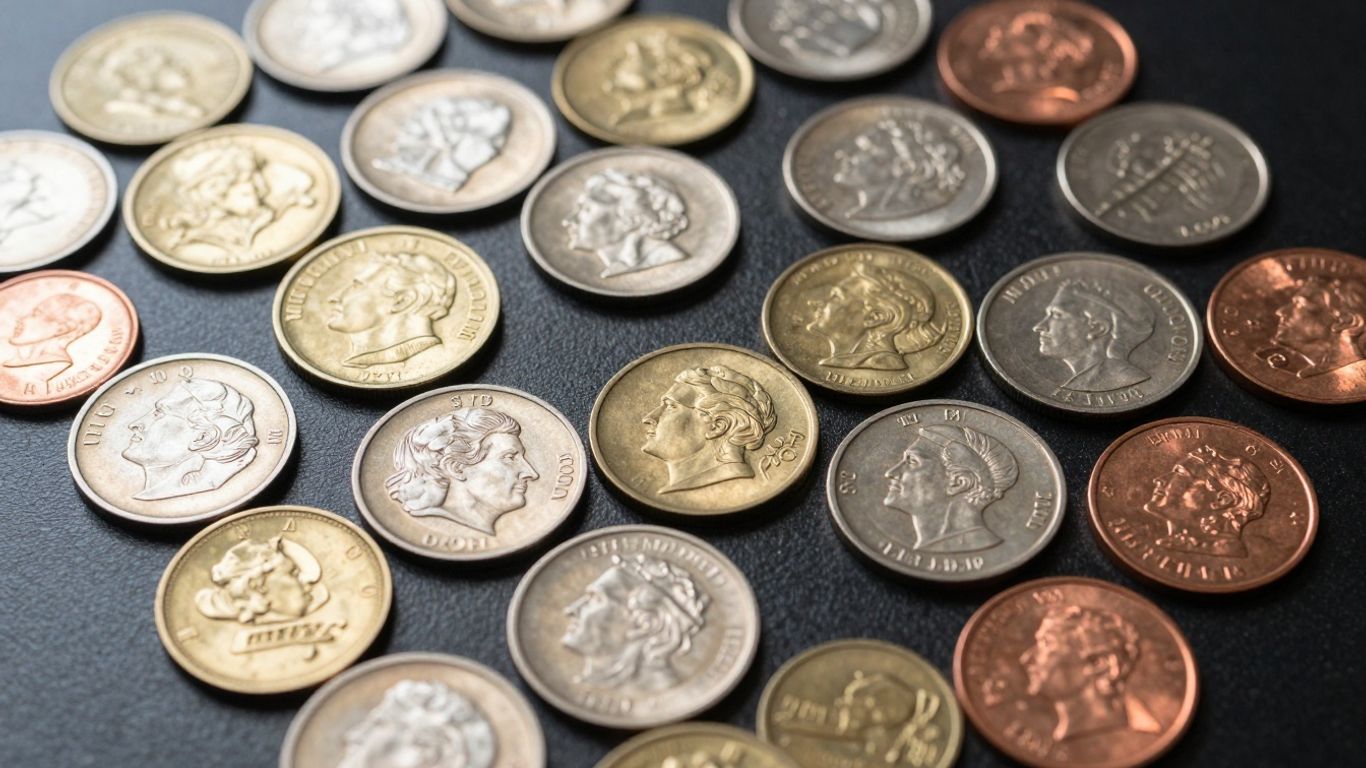
First things first, let’s get these coins sorted. If your collection is currently a jumbled mess in a few boxes, it’s time to bring some order to the chaos. Start by grouping similar coins together. This could mean by denomination (all quarters in one pile, all dimes in another), by mint mark (coins from Denver, Philadelphia, San Francisco), or by date. For more valuable or rare items, keep them separate and secure. A good system makes it easier to take stock of what you have and helps prevent accidental damage.
- Categorize by Type: Group pennies, nickels, dimes, quarters, half-dollars, and dollar coins.
- Sub-categorize by Series/Date: Within each denomination, arrange coins by their series (e.g., Lincoln Cents, Buffalo Nickels) and then by year.
- Separate by Mint Mark: If you have a significant number, consider grouping coins from different mints (D for Denver, P for Philadelphia, S for San Francisco, etc.).
- Isolate Key/Rare Items: Pull out any coins you suspect might be particularly valuable or rare for special attention.
Documenting Each Coin's Details
Once things are organized, it’s time to start writing things down. For each coin, especially the ones you think might be worth something, jot down the important details. This includes the coin’s type, year, mint mark, and any visible condition issues. If you have original packaging or certificates of authenticity, make sure to note that too. This detailed record is your first line of defense when talking to dealers or setting prices. It shows you’ve done your homework.
Having a clear, written record of your collection is incredibly helpful. It not only aids in pricing and selling but also serves as a personal inventory for your own records, which can be useful for insurance purposes or if you decide to keep some items.
Photographing Your Collection Effectively
Good photos can make a huge difference, whether you’re selling online or just showing a dealer what you have. You don’t need a fancy camera; your smartphone will likely do the trick. The key is good lighting and a clean background. Natural light is often best, so try taking pictures near a window. Avoid using flash directly on the coin, as it can create glare. Take clear, close-up shots of both the front (obverse) and back (reverse) of each coin. If there are any notable flaws or unique features, try to capture those too. High-quality images help build trust and attract serious buyers.
Here’s a quick rundown for better photos:
- Lighting: Use natural daylight whenever possible. Avoid direct sunlight which can cause harsh shadows and glare.
- Background: Opt for a plain, neutral background like a white piece of paper, a dark cloth, or a simple desk surface. This makes the coin stand out.
- Focus: Ensure your camera is focused directly on the coin. Blurry images won’t do your collection justice.
- Angles: Capture both the obverse (heads) and reverse (tails) sides of the coin. Include close-ups of any significant details or imperfections.
Choosing Your Coin Liquidation Path In Austin
So, you’ve got a coin collection ready to sell here in Austin. That’s great! But how do you actually go about it? It’s not like you can just put a "Coins for Sale" sign on your lawn and expect the best buyers to show up. You’ve got a few main routes you can take, and each one has its own pros and cons. Thinking about these options carefully now will save you a lot of headaches later.
Working With Local Coin Dealers
This is often the first thing people think of. Austin has a number of established coin shops. These folks know coins, they know the market, and they often have a steady stream of customers looking for specific items. When you walk into a local dealer, they can usually give you an on-the-spot offer for your collection, or at least for the more desirable pieces. It’s quick, it’s convenient, and you get cash in hand pretty fast. The downside? You’re probably not going to get top dollar. Dealers need to make a profit, so their offer will reflect what they think they can sell the coins for, minus their overhead and profit margin. It’s a trade-off between speed and maximum return.
- Pros: Fast payment, convenient, immediate offers, dealer expertise.
- Cons: Lower prices typically offered, less control over the final sale price.
When dealing with local shops, remember they are businesses. Their goal is to acquire inventory at a price that allows them to resell profitably. Don’t be afraid to get quotes from a few different dealers to compare offers.
Exploring Online Auction Platforms
This route has gotten really popular, and for good reason. Think eBay, or more specialized coin auction sites. You can list your coins individually or as lots, reaching a global audience of collectors. This means your coins could end up in front of someone who’s been searching for exactly what you have, potentially driving the price up. It takes more effort on your part, though. You’ll need to take good photos, write detailed descriptions, handle shipping, and deal with payment processing. It can also take longer to get your money, as auctions have set end dates and payment processing times.
- Pros: Potential for higher prices, access to a wider buyer pool, ability to sell individual rare coins for maximum value.
- Cons: Time-consuming to list and manage, requires shipping and payment handling, risk of items not selling or selling low.
| Platform Type | Typical Fees | Seller Control | Reach | Speed of Sale |
|---|---|---|---|---|
| General Auction (e.g., eBay) | 10-15% + listing fees | High | Global | Variable |
| Specialized Coin Auction | 15-25% | Moderate | Global | Variable |
Considering Private Sales and Collectors
This is a bit more of a direct approach. You can try to find private collectors who are specifically interested in the type of coins you own. This might involve networking at coin shows (even if they aren’t in Austin, people travel), posting on collector forums online, or even reaching out to local coin clubs. If you can connect directly with a collector who really wants your coins, you might be able to negotiate a price that’s better for both of you than what a dealer would offer, and faster than a broad online auction. The challenge here is finding those collectors and building trust. It requires more legwork and a good understanding of who might be interested in your specific collection.
- Pros: Potentially better prices than dealers, direct connection with interested buyers.
- Cons: Difficult to find the right buyers, requires networking and trust-building, can be time-consuming.
Ultimately, the best path for you depends on what you prioritize: speed, convenience, or getting the absolute highest price possible. Sometimes, a mix of these methods works best, too. Maybe you sell the common stuff to a dealer and auction off the rare gems.
Marketing Your Coin Collection To Austin Buyers
So, you’ve got this collection of coins, and now it’s time to let them go. Just putting them out there isn’t going to cut it, especially in a place like Austin with so many different interests. You really need to get the word out in a smart way. Think of it like this: you wouldn’t just put a sign on your lawn for a rare comic book, right? You’d find the people who actually care about comic books. It’s the same with coins.
Crafting Compelling Coin Descriptions
When you’re listing your coins, whether it’s online or for a local dealer, the description is your first handshake. Don’t just list the year and mint mark; tell a little story. What makes this coin special? Is it a rare variety? Does it have a unique history or provenance? Use clear, descriptive language that someone who isn’t a coin expert can still understand, but include the technical terms that collectors will be looking for. Think about keywords people would actually type into a search engine. For example, instead of just "old silver dollar," try "1889 Morgan Silver Dollar, AU condition, Carson City Mint." This helps the right buyers find your coins.
Leveraging Social Media for Coin Sales
Social media is a huge deal these days, and it’s not just for sharing vacation photos. For coin collections, platforms like Facebook groups dedicated to numismatics or even Instagram can be goldmines. You can post clear photos of your best pieces and use relevant hashtags like #AustinCoins, #CoinCollecting, or #Numismatics. It’s a good way to reach a lot of people quickly. You can also join local Austin buy/sell/trade groups. Just be mindful of the rules in each group – some are stricter than others about what you can post.
Here’s a quick look at how to approach social media:
- Identify the right platforms: Focus on where coin collectors hang out online.
- Post consistently: Don’t just post once and forget about it. Keep your collection visible.
- Engage with comments: Answer questions promptly and politely. This builds trust.
- Use high-quality visuals: Good photos are non-negotiable. Make sure they’re well-lit and show the coin clearly.
Targeted Outreach to Austin Collectors
Beyond the broad strokes of social media, think about who specifically in Austin might be interested in your coins. Are there local coin clubs? You could try reaching out to their organizers or members. Sometimes, local antique shops or even pawn shops that deal in collectibles might have connections to serious buyers. A personalized email or a phone call to a known dealer or collector, letting them know you have specific types of coins they might be interested in, can go a long way. It shows you’ve done your homework and respect their time and knowledge.
Building a network is key. Sometimes, the best buyers aren’t actively searching online; they’re part of a community. Making connections within that community, even before you’re ready to sell, can pay off later. It’s about being known and trusted.
Establishing A Strategic Pricing Approach
Figuring out what to ask for your coins is a big part of selling them. It’s not just about slapping a number on them; it’s a careful balance. You want to get a fair price, but you also want them to actually sell. If you price things too high, they’ll just sit there. Price them too low, and you’re leaving money on the table. It’s a bit of an art and a science, really.
Researching Comparable Coin Values
Before you even think about putting a price tag on anything, you need to know what similar coins are going for. This means doing some homework. Check out what coins like yours have recently sold for. Online marketplaces are great for this, but be sure to look at sold prices, not just what people are asking. This gives you a real-world idea of what buyers are willing to pay right now.
- Check recent sales on major online auction sites. Look for coins in similar condition and with similar grading.
- Visit local coin shops. While they might offer to buy your coins, their retail prices can give you a benchmark for what they believe the market will bear.
- Consult coin price guides. These can offer a general idea, but remember they are often a bit out of date and don’t always reflect current market demand.
Implementing Dynamic Pricing Strategies
Sometimes, especially if you’re having a sale over a few days, you might want to think about changing prices as the sale goes on. This can help move items that aren’t selling as quickly. A common approach is to start with full price on the first day, then offer a discount on the second day, and an even bigger discount on the final day. This creates a sense of urgency for buyers.
A simple discount schedule can really help clear out inventory. For example, you could plan for 25% off on the second day and 50% off on the last day. Announcing this upfront can encourage people to buy sooner rather than later.
Understanding Market Value vs. Liquidation Speed
This is where that balance comes in. Your coin’s market value is what it’s theoretically worth to a collector who has time to wait for the perfect buyer. Liquidation speed is about how quickly you need or want to sell. If you need cash fast, you might have to accept a price that’s a bit lower than the absolute top market value. It’s a trade-off. You have to decide what’s more important for your situation. For example, a rare coin might fetch a higher price over months through a specialized dealer, but if you need to liquidate quickly, selling to a local dealer who offers a fair, but lower, price might be the better route.
Here’s a quick look at how different approaches might play out:
| Goal | Strategy | Potential Outcome |
|---|---|---|
| Maximize Profit | Patience, specialized marketing, expert advice | Higher price, longer selling time |
| Quick Liquidation | Competitive pricing, local dealers, auctions | Faster sale, potentially lower price |
| Balanced Approach | Research, strategic discounts, broad marketing | Reasonable price, moderate selling time |
Legal and Logistical Considerations
Before you even think about showing off your coins, there are some important legal and practical things to sort out. It’s not the most exciting part, but getting this right means you avoid headaches later on. Think of it as setting up the stage properly before the main act.
Permits and Regulations for Sales in Austin
First off, you need to know what the City of Austin requires. Depending on how you plan to sell, you might need a permit. For instance, if you’re having a large, organized event that looks more like a business operation than a casual sale, the city might want you to have a specific license. It’s always best to check with the Austin City Clerk’s office. They can tell you if your specific selling method requires any paperwork. Don’t just assume you’re good to go; a quick call can save you from potential fines.
- Check City Hall: Contact the Austin City Clerk for any required business or sales permits.
- HOA Rules: If you live in a neighborhood with a Homeowners Association, review their rules. They often have their own restrictions on signage and sale duration.
- Signage Laws: Be aware of local ordinances about where and how you can place signs to advertise your sale. You don’t want your signs taken down before people even see them.
Understanding Sales Tax Obligations
This is a big one. In Texas, you generally have to collect and remit sales tax on tangible goods sold. When you’re selling coins, they count as tangible goods. You’ll likely need to register with the Texas Comptroller of Public Accounts to get a sales tax permit. You’ll then collect the state and local sales tax on each sale and send it in periodically. It’s a bit of paperwork, but it’s how the state keeps things running.
It’s your responsibility to figure out the correct tax rate for Austin and apply it to your sales.
Here’s a quick rundown:
- Get a Permit: You’ll probably need a Texas Sales and Use Tax Permit.
- Collect Tax: Add the correct sales tax rate to the price of each coin sold.
- File Returns: Report and pay the collected tax to the state on a regular basis (monthly, quarterly, or annually).
Keeping good records of every sale is super important here. You need to know exactly how much tax you collected so you can pay the right amount to the state. Missing this step can lead to penalties and interest.
Securing Appropriate Insurance Coverage
When people come to your home to buy coins, there’s always a small risk of accidents. What if someone trips and falls? Your standard homeowner’s insurance might not cover a large event like a coin sale. It’s a good idea to look into getting extra liability insurance for the duration of your sale. This protects you financially if someone gets hurt or if property is damaged during the event. It might seem like an unnecessary expense, but it’s a small price to pay for peace of mind and protection against potentially huge costs.
The Day Of Your Coin Liquidation Event
So, the big day is finally here! After all the planning and preparation, it’s time to actually sell your coins. This is where all your hard work pays off, but it’s also where things can get a little hectic if you’re not ready. Think of it like hosting a party – you want everything to run smoothly so your guests (in this case, buyers) have a good time and you can actually enjoy the fruits of your labor.
Creating an Appealing Display
First impressions matter, especially with something as visually appealing as coins. You want to make your collection look its best. Think about how you’ll present them. Are you going to use velvet display trays? Small, clear stands? Whatever you choose, make sure it’s clean and doesn’t detract from the coins themselves. Good lighting is also a must; a few well-placed lamps can make a huge difference in how the metal and details of the coins catch the eye. Avoid harsh, direct overhead lights that can create glare.
- Organize by type or era: Grouping similar coins together makes it easier for buyers to browse and compare.
- Use clear labels: Briefly identify each coin or group, including its denomination, date, and any key identifying features.
- Secure high-value items: Keep your most valuable coins in locked display cases or very close to your checkout area where they can be constantly watched.
The goal is to make your coins look like treasures waiting to be discovered, not just a pile of metal. A little effort in presentation can really boost buyer interest and, ultimately, your sale price.
Managing Buyer Inquiries and Negotiations
Expect questions. Buyers will want to know about the coins, their history, and why you’re selling. Be prepared to answer honestly and confidently. If you’ve done your research, this part should be easier. For negotiations, decide beforehand what your bottom line is for certain items or groups. It’s okay to be firm, but also be open to reasonable offers, especially if you’re looking to liquidate quickly. Remember, a sale is better than no sale.
Don’t be afraid to walk away from a deal that doesn’t feel right.
Here’s a quick look at how you might handle different types of inquiries:
| Coin Type | Common Questions | Potential Negotiation Point |
|---|---|---|
| Silver Dollars | "Is this a Morgan or Peace dollar?" "What’s the mint mark?" | Condition, rarity |
| Proof Sets | "Are these original mint packaging?" "Any toning?" | Completeness, eye appeal |
| Ancient Coins | "What’s the provenance?" "Is it authenticated?" | Historical significance |
Streamlining the Checkout Process
This is where you turn browsers into buyers. Make the payment process as simple and quick as possible. Have a clear pricing system (like color-coded stickers if you used them) and be ready with your payment methods. Accepting a variety of payment types – cash, major credit cards, and even mobile payment apps – will broaden your customer base and make it easier for people to buy.
- Have change ready: If you’re accepting cash, ensure you have enough small bills and coins for making change.
- Test your card reader: Make sure your credit card reader is working and you have a stable internet connection.
- Keep records: For every sale, jot down the item sold, the price, and the payment method. This is vital for your financial records later on.
Post-Sale Management For Coin Collections
Handling Unsold Coin Inventory
So, the main event is over, and you’ve got a few coins left that didn’t find a buyer. Don’t sweat it too much. The first thing to do is take stock. What’s left? Are these items that just didn’t fit the market you targeted, or are they lower-value pieces that might be harder to move individually? You could bundle them up. Think about creating "starter kits" for new collectors or themed assortments. For instance, a group of common date silver dimes or a mix of Lincoln cents from different decades could appeal to someone just starting out. If you worked with a dealer, check if they’re interested in buying the remaining inventory at a slightly reduced price. Sometimes, they’ll take the lot off your hands to save you the hassle.
Finalizing Financial Records
This is where you tie up all the loose ends financially. You’ll want to go through all your sales receipts, whether from individual sales, a dealer, or an auction house. Make a list of everything that sold, the price it went for, and the date. It’s also a good idea to note any expenses you incurred, like appraisal fees, marketing costs, or any supplies you bought. This helps you see the actual profit you made. If you sold items through a consignment service or dealer, make sure you’ve received all your payments and that the amounts match what you agreed upon. Keep these records organized; they’re important for tax purposes and just for your own peace of mind.
Here’s a quick look at what your financial summary might include:
- Total Sales Revenue: The sum of all money received from sold coins.
- Cost of Goods Sold (if applicable): What you originally paid for the coins, if you can track it.
- Expenses: Appraisal fees, dealer commissions, auction fees, marketing, supplies.
- Net Profit/Loss: Total Revenue minus Costs and Expenses.
Responsible Disposal of Remaining Items
For any coins that are truly unsellable or that you simply don’t want to keep, think about how to dispose of them responsibly. If they have any metal value, even if not numismatic value, a precious metals dealer might be an option, though the payout will be low. For common, low-value coins, donating them to a local coin club or a youth numismatic program can be a good way to pass them on. Some charities might even accept them, though their ability to value them might be limited. Ultimately, the goal is to clear out your collection without creating more clutter or waste. If you’re unsure about the value or best approach for a specific item, it’s always worth a quick call to a trusted dealer or experienced collector.
Dealing with unsold items can feel like a chore, but approaching it systematically can turn a potential headache into a final, positive step. Whether it’s bundling, donating, or a final sale to a dealer, having a plan makes the process much smoother.
Wrapping Up Your Coin Collection Sale
So, you’ve gone through the steps, figured out what your coins are worth, and maybe even found a buyer. Selling off a coin collection, especially in a place like Austin, can feel like a big project. It’s not just about the money, right? It’s about making sure your collection gets to someone who will appreciate it. Whether you went the route of a local dealer, an online auction, or a private sale, the main thing is that you took the time to do it right. Hopefully, this guide made that process a little less confusing and a lot more successful. Now you can move forward, knowing you handled your collection with care and got a fair deal.
Frequently Asked Questions
What is coin liquidation?
Coin liquidation basically means selling your coin collection. Instead of keeping your coins, you’re turning them into cash. It’s like emptying out a piggy bank, but with potentially much more valuable coins!
Why should I get my coins appraised before selling?
Getting your coins checked by an expert helps you know what they’re really worth. Sometimes, a coin that looks ordinary might be super rare and valuable. An appraisal ensures you don’t accidentally sell a treasure for way less than it’s worth.
How do I know if a coin dealer in Austin is trustworthy?
Look for dealers who are part of professional groups like the American Numismatic Association (ANA). Check online reviews and ask friends or other collectors for recommendations. A good dealer will be honest and explain things clearly.
Should I clean my coins before selling them?
Generally, no! Cleaning coins can actually damage them and make them worth less. Most collectors prefer coins in their original condition, even if they look a little dirty. It’s best to leave the cleaning to the experts or the buyer.
What's the difference between selling to a dealer and using an online auction?
Selling to a dealer is usually faster, and you get cash right away. Online auctions might get you a higher price because more people can bid, but it takes longer, and you have to handle shipping. It’s like selling at a garage sale versus selling on eBay.
How do I price my coins if I sell them myself?
Do your homework! Look up similar coins on sites like eBay (check what they actually sold for, not just what people are asking). See what local dealers are selling similar coins for. This helps you set a fair price that buyers will be happy with.
Do I need any special permits to sell coins in Austin?
It’s a good idea to check with the City of Austin or Travis County. Sometimes, you might need a permit, especially if you’re selling a lot of items. They can tell you about any rules you need to follow, like collecting sales tax.
What information should I have ready when selling my coins?
Have a list of all your coins, including what they are, their condition, and any details you know about them (like the year and mint mark). Photos of your coins are also really helpful for potential buyers.