

Getting a coin inheritance in Austin, TX can feel like a treasure hunt, but without a map, it can get confusing fast. This guide is here to help you figure out what to do with those inherited coins, from figuring out their worth to understanding any paperwork involved. We’ll cover the basics so you can handle your coin inheritance austin tx with confidence.
Key Takeaways
- Understand that a coin inheritance in Austin, TX, is property passed down after someone’s death, distinct from a lifetime gift.
- Getting your coin collection professionally appraised is important to know its true value.
- Texas does not have an inheritance tax, but federal rules might apply to larger estates.
- The probate process is the legal way to transfer inherited assets, and your executor plays a key role.
- Consider consulting with estate planning attorneys and numismatic experts in Austin for help with your coin inheritance austin tx.
Understanding Coin Inheritance in Austin, TX
So, you’ve inherited some coins. Maybe it was your grandpa’s old collection, or perhaps a distant relative left you a few interesting pieces. Whatever the case, figuring out what you’ve got and what to do with it can feel a bit overwhelming, especially here in Austin. Let’s break down what a coin inheritance actually means and how it fits into the Texas landscape.
What Constitutes A Coin Inheritance?
A coin inheritance is essentially any collection of coins, currency, or related numismatic items that are passed down to you after someone has passed away. This isn’t just about the face value of the coins; it’s about the entire collection as a whole, which could include everything from common circulated coins to rare, valuable specimens. These items become part of the deceased person’s estate and are then distributed according to their will or Texas intestacy laws if there’s no will.
Key Differences Between Gifts and Inheritances
It’s important to know that getting coins as an inheritance is different from receiving them as a gift. A gift is something you receive while the giver is still alive, and they don’t get anything of equal value back. An inheritance, on the other hand, is what you get after the person has died. This distinction matters a lot, especially when it comes to taxes and how the assets are handled legally. For gifts, the person giving it might have tax obligations if the value is high enough. With inheritances, the tax responsibility usually falls on the estate itself, and in Texas, you generally don’t pay state inheritance tax on what you receive.
- Timing: Gifts are given during life; inheritances are received after death.
- Taxation: Gift tax can fall on the giver; inheritance tax is typically handled by the estate, and Texas has no state inheritance tax.
- Legal Process: Gifts can be transferred directly; inheritances often go through a probate process.
Understanding these differences is key. It helps you know what to expect legally and financially when you receive these assets. It’s not just about the coins themselves, but the whole process of how they come to you.
Navigating Texas Inheritance Laws
Texas has its own set of rules for how estates are handled. If the person who left you the coins had a will, that document will usually guide how the collection is distributed. If there wasn’t a will, Texas law dictates who inherits what. This can involve a court process called probate. For coin collections, this means the executor of the estate is responsible for identifying, valuing, and distributing the coins according to the law or the will. It’s a structured process designed to make sure everything is handled fairly and legally.
Valuing Your Coin Collection
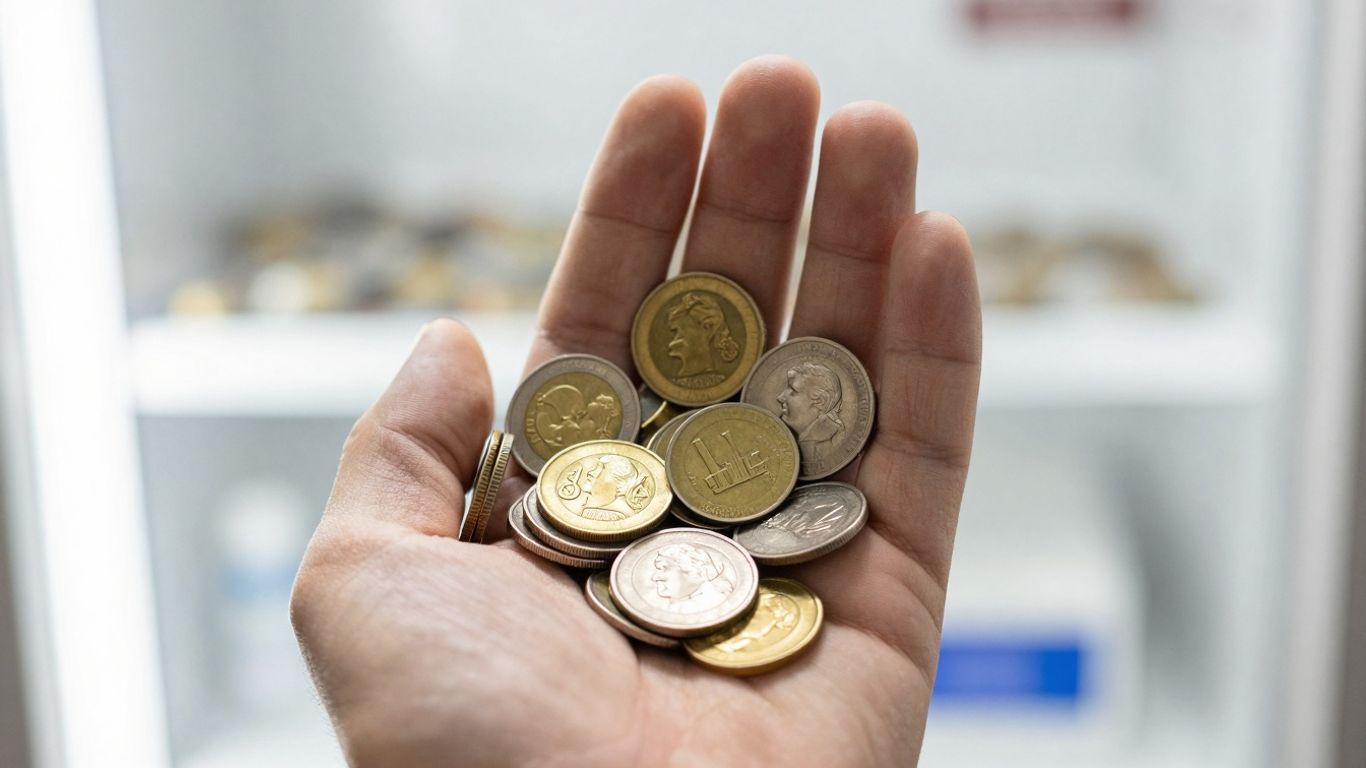
So, you’ve inherited a coin collection here in Austin, and now you’re wondering what it’s all worth. It’s not as simple as just looking up a price online, unfortunately. Getting a professional appraisal is the most important step you can take. This isn’t just about finding out if you’re sitting on a goldmine; it’s about understanding the true value for insurance, taxes, and eventual sale.
The Importance of Professional Coin Appraisals
Think of an appraisal as a detailed report card for your coins. A qualified appraiser looks at a lot more than just the metal content. They consider the coin’s condition, its rarity, historical significance, and what collectors are actually paying for similar items right now. This detailed assessment is key for several reasons:
- Accurate Insurance: If your collection isn’t properly valued, you might be underinsured, meaning you wouldn’t get enough to replace it if something happened.
- Tax Purposes: Whether you’re donating coins or settling an estate, you’ll need a solid appraisal to back up any claims for tax deductions or to correctly report the value.
- Informed Selling: Knowing the real market value helps you avoid selling your coins for less than they’re worth. You can make smarter decisions about when and where to sell.
- Legal Clarity: In cases of inheritance or estate division, a professional appraisal provides an unbiased, objective valuation that can prevent disputes among beneficiaries.
Factors Influencing Coin Value
Several things go into determining what a coin is worth. It’s a mix of art and science, really.
- Condition (Grading): This is a big one. Coins are graded on a scale, usually from 1 (poor) to 70 (perfect). Even small differences in wear can mean huge differences in price. Professional graders use specific standards to assess things like surface preservation, strike, and luster.
- Rarity: How many of these coins were made? How many still exist today? The fewer there are, generally the more valuable they can be.
- Demand: What do collectors want right now? Sometimes a coin might be rare but not particularly popular, which affects its price. Market trends play a significant role.
- Historical Significance: Coins tied to important historical events or figures can sometimes command a premium, regardless of their other factors.
- Mint Mark: Where the coin was made (e.g., Philadelphia, Denver, San Francisco) can affect its rarity and value.
- Metal Content: While less important for many collectible coins, the actual precious metal content (gold, silver) sets a baseline value.
The appraisal process involves a deep dive into a coin’s history, its physical state, and its place in the current market. It’s a detailed analysis that goes beyond a quick glance, aiming to provide a defensible valuation for any purpose.
Appraisal Services Available in Austin
Austin has a good number of places where you can get your coins looked at. You’ll want to find someone who specializes in numismatics, not just general antique dealers.
- Specialized Coin Dealers: Many coin shops in Austin offer appraisal services. They have staff who are knowledgeable about coins and current market prices. Some places might offer a free verbal appraisal, but for official valuations, especially for insurance or legal matters, you’ll likely need a written report, which usually costs money.
- Independent Appraisers: There are also independent appraisers who focus solely on valuations. These individuals often have certifications and a deep understanding of the numismatic field. You can find them through professional organizations or by asking for recommendations.
- Auction Houses: Larger auction houses sometimes provide appraisal services, especially if they think your collection might be suitable for auction. They have a good pulse on what buyers are willing to pay in the auction market.
When looking for someone, check their credentials and see if they have experience with the types of coins you have. For example, you might find services like Mitchell Valuation or other local coin buyers. It’s always a good idea to get a few opinions if you have a particularly valuable or complex collection.
Tax Implications of Coin Inheritance
When you inherit a coin collection in Austin, the first thing that might pop into your head is, "Do I owe taxes on this?" It’s a common question, and the answer can be a bit nuanced. Generally speaking, Texas doesn’t have an inheritance tax, which is good news. This means you likely won’t owe state taxes just for receiving the coins. However, that doesn’t mean taxes are completely off the table. What you do with the coins after you inherit them is where things can get a little more complicated.
Federal Tax Rules for Inherited Assets
At the federal level, inheritances themselves aren’t typically taxed as income. The IRS doesn’t consider the value of the coins you receive as taxable income. But, and this is a big ‘but,’ if you decide to sell those inherited coins, you might be looking at capital gains tax. The good news here is that you often get a "step-up in basis." This means the cost basis for tax purposes is usually the fair market value of the coins at the time the original owner passed away, not what they originally paid for them. This can significantly reduce any potential capital gains tax you might owe if the coins have appreciated in value.
Texas Inheritance Tax: What You Need to Know
Let’s clear this up right away: Texas is one of the states that does not have an inheritance tax. So, if you’re a Texas resident inheriting coins (or pretty much any other asset) from someone who lived in Texas, you don’t have to worry about paying a state tax on the inheritance itself. This is a major benefit for Texans and simplifies things considerably compared to states that do have such taxes.
Minimizing Tax Liabilities on Your Coin Inheritance
So, how can you keep as much of your inherited coin collection as possible? Here are a few things to think about:
- Understand the "Step-Up in Basis": As mentioned, this is key if you plan to sell. Knowing the value of the coins when the original owner died is crucial for calculating any potential capital gains tax accurately. Get a professional appraisal done around the time of inheritance.
- Hold for the Long Term: If you don’t need to sell immediately, holding onto the coins can be beneficial. If you hold them for over a year after the date of inheritance (which is considered the date of death for basis purposes), any profit from selling them would be taxed at lower long-term capital gains rates.
- Consider Trusts: For larger or more complex estates, a trust might be a useful tool. While not always necessary for a coin collection, trusts can sometimes offer tax advantages and provide more control over how assets are distributed and managed, potentially reducing future tax burdens for beneficiaries.
- Keep Detailed Records: This is super important. Document everything – the appraisal, any costs associated with storing or insuring the coins, and records of any sales. Good record-keeping makes tax filing much smoother and helps you prove your cost basis.
The tax implications of an inheritance aren’t usually about the act of receiving the assets, but rather what happens to those assets afterward. For coin collectors in Austin, this means understanding the potential for capital gains tax if you sell, and utilizing strategies like the step-up in basis to manage that liability effectively. Getting professional advice early on can save a lot of headaches down the road.
Here’s a quick look at potential tax triggers after inheritance:
| Scenario | Potential Tax Trigger |
|---|---|
| Selling Inherited Coins | Capital Gains Tax (federal) |
| Receiving Income from Coins | Income Tax (e.g., if coins are part of a business) |
| Gifting Inherited Coins | Gift Tax (federal, if donor exceeds annual exclusion) |
| Estate Holding Coins | Estate Tax (federal, only for very large estates) |
Legal Aspects of Coin Inheritance in Austin
Dealing with inherited assets, especially something as specific as a coin collection, can bring up a lot of legal questions. It’s not always as straightforward as just handing things over. In Austin, like the rest of Texas, there are established processes to make sure everything is handled correctly.
Probate Process for Inherited Assets
When someone passes away, their assets, including coin collections, typically go through a legal process called probate. This is overseen by a court to make sure the deceased person’s wishes are followed and their debts are paid. If there’s a will, it usually names an executor who guides this process. If there’s no will, the court appoints an administrator. For valuable items like coins, the executor or administrator has a duty to properly identify and value them. This might involve getting professional appraisals, especially for rare or high-value coins, to establish their fair market value. This step is important for accurate estate accounting and to prevent disputes among beneficiaries. The probate process can take time, depending on the complexity of the estate and whether there are any disagreements.
Executor's Role in Distributing Coin Collections
The executor’s job is pretty significant when it comes to a coin collection. They’re responsible for safeguarding the collection from the moment they take charge. This means keeping it secure and preventing any damage or loss. Once the probate process allows, and after any debts or taxes are settled, the executor’s next big task is to distribute the coins according to the will or Texas intestacy laws if there’s no will. This distribution needs to be fair and transparent. If the will specifies how the coins should be divided, the executor must follow those instructions precisely. If not, they might need to consult with the beneficiaries to decide on a fair division, which could involve selling some coins to divide the cash or distributing them based on appraised value. It’s a role that requires careful attention to detail and a commitment to following legal and ethical standards. For instance, in Texas, executors must appraise high-value inheritances like firearms and jewelry to establish fair market value. This ensures all estate assets are properly accounted for according to state law.
Contesting An Inheritance
Sometimes, people might disagree with how an estate is being handled, or who is set to inherit what. This is known as contesting an inheritance. For coin collections, this could happen if someone believes the will wasn’t properly executed, if they think the deceased person was pressured into making certain decisions about the collection, or if they believe the executor isn’t acting in good faith. Contesting an inheritance is a legal action that can be complex and costly. It usually involves filing a lawsuit and presenting evidence to the court. If a coin collection is involved, disputes might center on its valuation, its rightful ownership, or the executor’s handling of it. It’s generally advisable for anyone considering contesting an inheritance, or anyone facing such a challenge, to seek advice from an experienced estate planning attorney in Austin. They can help understand the legal grounds for a contest and the best way to proceed.
Dealing with inherited assets, especially unique items like coin collections, requires a clear understanding of legal procedures. Following the correct steps in probate and distribution helps prevent future complications and ensures the wishes of the deceased are honored. It’s always wise to consult with legal professionals to navigate these matters effectively.
Here are some key steps an executor might take:
- Secure the Collection: Ensure the coins are stored safely and protected from damage or theft.
- Obtain Professional Appraisals: Get accurate valuations from qualified numismatists.
- Inventory All Assets: Create a detailed list of every coin and its estimated worth.
- Distribute According to Will: Follow the instructions in the will for dividing the collection.
- Communicate with Beneficiaries: Keep all parties informed throughout the process.
Securing Your Digital Coin Assets
Okay, so we’ve talked about physical coins, but what about the digital ones? You know, cryptocurrency. It’s a whole different ballgame when it comes to passing it on. Most people think about their house or their car, but they totally forget about their Bitcoin or Ethereum. This oversight can lead to thousands of dollars permanently lost and irreplaceable digital memories becoming inaccessible.
Understanding Digital Assets Under Texas Law
Texas law is starting to catch up with the digital age, but it’s still a bit of a gray area sometimes. Basically, anything online that has value, whether it’s money in a crypto wallet or even just sentimental photos in cloud storage, counts as a digital asset. This includes things like:
- Cryptocurrency wallets (think Bitcoin, Ethereum, etc.)
- Online investment accounts
- Digital payment platforms (like PayPal or Venmo)
- NFTs and digital collectibles
- Social media accounts and cloud storage
It’s not just about the money, either. Sometimes, the personal history stored in these accounts is incredibly important to your family.
Protecting Cryptocurrency Wallets and Private Keys
This is where things get really technical, and honestly, a bit scary. Your cryptocurrency is accessed through private keys. If someone doesn’t have those keys, they can’t get to your coins. It’s like a super-secret password. You need to store these keys somewhere safe, and not just on your computer where it could get hacked. Think about:
- Using a hardware wallet: These are physical devices that store your keys offline.
- Paper wallets: Printing your keys out and storing them securely, maybe in a safe deposit box.
- Encrypted password managers: Storing the keys in a secure app that only you (and your designated person) can access.
It’s a good idea to have backups, too, and store them in different places. You don’t want everything in one spot in case of a fire or flood.
The biggest mistake people make is thinking their digital assets are too complicated to plan for. They’re not. It just requires a bit of organization and clear instructions for your loved ones. Ignoring it is like leaving a treasure chest unlocked.
Appointing A Digital Executor
Just like you have an executor for your will, you can appoint a "digital executor." This person is specifically tasked with handling your digital assets. They’ll work alongside your main executor, but they’ll know the ins and outs of your online accounts, passwords, and crypto wallets. You need to trust this person completely, as they’ll have access to a lot of sensitive information. Make sure you clearly outline what you want them to do with each asset – should they sell it, keep it, or delete it?
Estate Planning for Coin Collectors
Thinking about what happens to your coin collection after you’re gone is a big part of estate planning, especially if you’ve got a serious numismatic hobby. It’s not just about the money; it’s about making sure your passion and the value you’ve built are passed on smoothly. This means getting your ducks in a row now, so your loved ones don’t have a mess to sort out later.
Integrating Coin Collections into Your Estate Plan
Your coin collection isn’t just a bunch of old metal; it’s a significant asset. To make sure it’s handled right, you need to formally include it in your overall estate plan. This involves more than just mentioning it in your will. You’ll want to think about how it fits with your other assets and what specific instructions you want to leave.
- Detailed Inventory: Create a thorough list of every coin or set. Include descriptions, purchase dates, prices paid, and any previous appraisals. This is your starting point.
- Valuation Records: Keep copies of all appraisal reports and receipts. This documentation is key for determining value for tax purposes and for your beneficiaries.
- Storage and Security: Note where your collection is stored and any specific security measures in place. This helps your executor know where to find everything and how to keep it safe.
Planning for your coin collection’s future is about more than just financial transfer; it’s about preserving a legacy of your interest and dedication. Clear instructions and documentation prevent confusion and potential disputes among heirs, ensuring your collection is appreciated and managed according to your wishes.
Choosing Beneficiaries for Your Collection
Deciding who gets your coins is a personal choice. You might want to leave the entire collection to one person, or perhaps divide it among several family members or friends who share your interest. Sometimes, collectors even choose to leave specific coins to specific people, based on their relationships or knowledge of numismatics.
Consider these points when selecting beneficiaries:
- Interest and Knowledge: Does the potential beneficiary appreciate coins? Do they have some understanding of their value and care required?
- Financial Need: Is the coin collection a significant financial asset that could help a particular beneficiary?
- Relationship: Who do you feel closest to and want to share this part of your life with?
It’s also wise to name alternate beneficiaries in case your primary choices are unable to inherit the collection for any reason.
The Role of Trusts in Coin Inheritance
For valuable or complex coin collections, a trust can be a really useful tool. Unlike a will, which goes through probate court, a trust can allow for a more private and often quicker distribution of assets. It can also provide more control over how and when beneficiaries receive the collection.
Here’s why a trust might be a good idea:
- Privacy: Trust details are generally not public record, unlike wills that become part of probate.
- Control: You can set terms for distribution, such as requiring beneficiaries to reach a certain age or complete specific educational steps related to numismatics.
- Asset Protection: A trust can protect the collection from creditors or legal challenges that might affect individual beneficiaries.
Setting up a trust involves working with an attorney, but for a significant collection, it can offer peace of mind that your wishes will be followed precisely.
Working with Professionals for Coin Inheritance
Dealing with a coin inheritance, especially in a place like Austin, can get complicated pretty fast. It’s not just about knowing what a coin is worth; there are legal bits, tax rules, and sometimes even digital assets to think about. That’s where bringing in the right people makes a huge difference. Trying to figure it all out yourself can lead to mistakes, and honestly, who has the time or the specialized knowledge for all that?
Finding An Estate Planning Attorney in Austin
When you inherit something valuable like a coin collection, you need someone who understands the legal side of things. An estate planning attorney in Austin can help make sure the transfer of ownership goes smoothly. They know the Texas laws inside and out, which is super important because laws can be tricky and change. They’ll help you sort out the paperwork, deal with the probate process if needed, and generally make sure everything is handled correctly according to your loved one’s wishes and the law.
- Probate Process Navigation: Attorneys guide you through court procedures for asset distribution.
- Will Interpretation: They clarify the deceased’s intentions regarding the collection.
- Beneficiary Rights: They protect your rights as an heir.
- Legal Document Review: Ensuring all necessary legal documents are in order.
It’s really about having a trusted advisor who can translate the legal jargon into plain English and guide you through each step, preventing costly errors down the line.
Collaborating with Numismatic Experts
Beyond the legalities, you’ve got the coins themselves. This is where numismatic experts come in. These are the folks who really know coins – their history, their rarity, and most importantly, their market value. A good numismatist can tell you if that old coin is a common find or a rare treasure. They’ll help you understand the factors that make a coin valuable, like its condition (that’s grading!), its mint mark, and its historical significance. This knowledge is key for making informed decisions about selling, keeping, or insuring the collection.
Here’s a look at who you might work with:
- Professional Coin Appraisers: Provide an official valuation for insurance or estate purposes.
- Numismatists: Offer deep historical context and specialized knowledge.
- Grading Services: Independent companies that authenticate and grade coins on a standardized scale.
The Benefits of Professional Guidance
Honestly, getting professional help might seem like an extra expense, but it often saves you money and a lot of headaches in the long run. An estate attorney ensures you don’t run afoul of the law, and a numismatic expert ensures you get a fair assessment of your inherited assets. They can help you avoid common pitfalls, like selling a valuable coin for far less than it’s worth because you didn’t know its true value, or making legal missteps that could complicate the inheritance process. Their combined knowledge creates a safety net, protecting both the value of the collection and your peace of mind.
Protecting Your Coin Legacy
So, you’ve got this coin collection, maybe inherited, maybe built over years. It’s more than just metal; it’s history, it’s value, and it’s something you want to make sure is handled right, both now and for the future. Thinking about what happens to it down the line is just smart planning. It’s about making sure your hard-earned collection doesn’t become a headache for your loved ones.
Creating A Detailed Digital Asset Inventory
This is where you get down to brass tacks. You need to know exactly what you have. For a coin collection, this means more than just a list. Think about:
- Each coin’s specifics: Date, mint mark, condition (grade), any unique features.
- Where they are stored: Safe deposit box, home safe, with a dealer?
- Any documentation: Certificates of authenticity, previous appraisals, purchase receipts.
- Digital records: Photos of the coins, scanned documents. A secure password manager app can be a lifesaver here, keeping all this info encrypted and accessible to those you trust. Just don’t keep it all in a plain text file!
Updating Legal Documents Regularly
Your will and any trusts are the big players here. They need to clearly state what happens to your coin collection. Is it going to one person, or should it be divided? Are there specific instructions for its sale or distribution? It’s not enough to just mention it; you need to be specific. If you’ve got a lot of valuable coins, you might want to look into estate planning attorney in Austin to make sure everything is legally sound and reflects your wishes precisely. Laws change, and so do your assets, so a yearly check-up on these documents is a good idea.
Ensuring Smooth Asset Transition for Loved Ones
This is the human element. How do you make this easy for the people you leave behind? It’s about clear communication and accessible information. If your coins are in a safe deposit box, make sure someone knows where it is and how to access it. If there are digital records, ensure the designated person has the passwords or knows how to get them. The goal is to prevent confusion and potential loss.
Leaving behind a well-documented collection means your heirs can appreciate its value, both monetary and sentimental, without the added stress of figuring out what it is or where to start. It’s a final act of care.
Think about creating a separate binder or digital folder specifically for the coin collection. This would contain all the inventory details, contact information for appraisers or dealers you trust, and copies of relevant legal documents. It’s like a roadmap for your heirs, guiding them through the process with minimal fuss.
Wrapping Things Up
So, dealing with inherited coins, especially in Austin, can feel like a lot. You’ve got the sentimental value, the potential financial worth, and then all the paperwork and rules that come with it. Remember, Texas doesn’t have an inheritance tax, which is a big plus. But understanding how to handle these assets, whether they’re physical coins or digital ones like crypto, is key. It’s always a good idea to get things appraised and to talk to someone who knows the ins and outs of estate planning here in Texas. It might seem like a hassle now, but sorting it all out properly means your loved ones won’t have to deal with extra confusion down the road. Take your time, get the right advice, and you’ll get through it.
Frequently Asked Questions
What exactly is a coin inheritance?
A coin inheritance is simply a collection of coins that someone leaves to you when they pass away. It’s like getting a special gift from their estate, which could include old coins, rare coins, or even just a large number of regular coins.
Do I have to pay taxes on inherited coins in Texas?
Good news! Texas doesn’t have its own inheritance tax. Usually, you won’t have to pay federal taxes on the coins themselves when you inherit them. However, if you later sell them for more than they were worth when you inherited them, you might owe taxes on the profit.
How do I figure out how much my inherited coins are worth?
The best way to know the real value of your coins is to get them checked by a professional coin appraiser. They know all about coins and can tell you their worth based on things like rarity, condition, and historical importance.
What's the difference between inheriting coins and being given coins?
When you inherit coins, it’s after the owner has passed away. A gift is when someone gives you coins while they are still alive. The main difference is timing and sometimes how taxes are handled, as inheritances have different rules than gifts.
What if my loved one had digital coins, like Bitcoin, and left them to me?
Digital assets like Bitcoin are treated similarly to other types of property. Texas has laws to help make sure these digital assets can be passed on. It’s important to have a plan for accessing them, like knowing where passwords or digital keys are kept, to make sure you can receive them.
Who decides what happens to the coins if my family member didn't leave clear instructions?
If your loved one had a will or estate plan, the person named as the executor will be in charge of distributing the coins according to those instructions. If there’s no clear plan, the court might get involved to figure out how the coins should be shared.
Can I contest an inheritance of coins?
Yes, it’s possible to contest an inheritance, but it’s usually for specific legal reasons, like if you believe the will wasn’t valid or if there was unfair pressure. It’s a serious step and often requires legal help.
What should I do to make sure my own coin collection is passed on smoothly?
To make sure your own coin collection is handled properly after you’re gone, it’s a good idea to include it in your estate plan. Clearly state who you want to inherit it and make sure all your important documents are up-to-date. Talking to an estate planning lawyer can be very helpful.