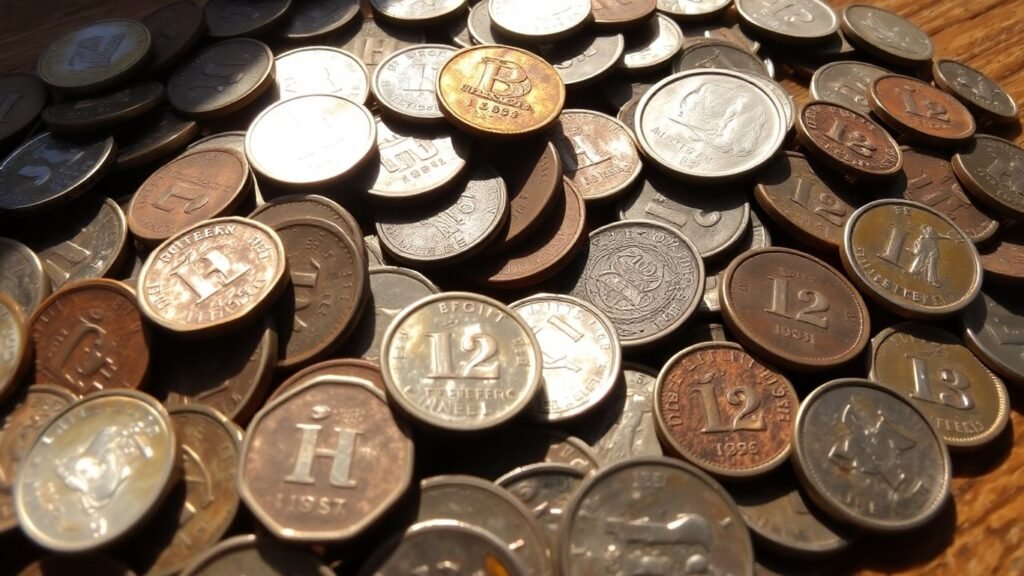
Got some old coins lying around your house in Austin? Maybe you inherited them, or perhaps they’re just forgotten treasures tucked away. Whatever the reason, turning those coins into actual cash is totally possible. This guide will help you figure out where to sell them and how to get a fair price for your coin collection. We’ll cover what makes coins valuable, where to find buyers, and the best way to make the sale happen. Let’s get your old coins turned into cash for old coins Austin.
Key Takeaways
- Understand what makes your coins valuable, like their metal content, condition, and how rare they are.
- Look for reputable coin dealers, jewelry stores, or specialized buyers in Austin for selling.
- Organize your coins and handle them carefully before getting them appraised.
- Expect a straightforward selling process involving evaluation and an immediate cash offer.
- Selling locally in Austin offers convenience, personal service, and competitive rates for your coins.
Understanding Your Old Coins' Value
So, you’ve got a jar of old coins sitting around, maybe inherited from a grandparent or just collected over the years. Before you rush off to sell them, it’s a good idea to get a handle on what they might actually be worth. It’s not always as simple as "old coin equals lots of money." Several things play a role, and knowing them can help you get a fair shake when you decide to sell.
Key Factors Determining Coin Price
When someone looks at your coins, they’re not just seeing metal. They’re looking at a whole package of characteristics that add up to a price. Think of it like buying a used car – the year, make, and model are just the start. For coins, it gets a bit more detailed.
- Metal Content: What is the coin made of? Is it gold, silver, copper, or something else? The current market price of these metals is a big part of the equation, especially for older coins that are primarily valued for their material.
- Condition: How worn is the coin? Are there scratches, nicks, or bent edges? A coin that looks like it’s been through the wringer will be worth less than one that’s practically pristine.
- Rarity: How many of these coins were made, and how many still exist today? If you’ve got something that’s hard to find, it’s generally worth more.
- Demand: Are collectors actively looking for this specific coin right now? Sometimes, a coin’s popularity can drive its price up, even if it’s not super rare.
Metal Content and Purity
This is often the most straightforward part of valuing a coin, especially for bullion coins. If your coin is made of gold or silver, its weight and the purity of that metal are primary drivers of its value. Think of it as a small, portable bar of precious metal. The higher the purity (like .999 fine silver or 24k gold), the closer its value will be to the current market price of that metal. Even if a coin is worn, as long as it’s a recognizable gold or silver piece, its intrinsic metal value remains. For example, a worn silver dollar still contains a significant amount of silver, which has a market price.
Condition and Wear Assessment
This is where things get a little more subjective, but it’s super important. Coin collectors call this "grade." A coin that looks like it just came from the mint, with sharp details and no visible damage, is going to be worth a lot more than one that’s been passed around in commerce for decades. Look closely for:
- Surface Scratches: Any marks that aren’t part of the original design.
- Dents or Gouges: Obvious damage to the coin’s surface.
- Edge Damage: Is the rim smooth or nicked?
- Wear on High Points: Details like a president’s hair or the eagle’s feathers can get smoothed down over time.
Even minor wear can significantly impact a coin’s value, especially for collectible coins. However, for coins valued primarily for their metal content, wear might not affect the price as much as it would for a rare collectible piece.
Rarity and Market Demand
Sometimes, a coin isn’t particularly rare in terms of how many were minted, but it’s rare in terms of how many have survived in good condition. Or, maybe it was a special issue that collectors really want. The number of coins available on the market versus the number of people who want to buy them is what drives demand. A coin that was once common might become highly sought after if it’s featured in a popular collection or if a new generation of collectors takes an interest. This is why coin values can fluctuate over time – what’s hot today might be less so tomorrow, and vice versa.
Understanding these factors helps you have a more informed conversation with potential buyers. It’s not just about what they offer, but why they’re offering it. Knowing the basics of metal content, condition, and rarity gives you a better sense of whether you’re getting a fair deal.
Where to Find Cash for Old Coins in Austin
So, you’ve got some old coins lying around and you’re wondering where to turn them into actual cash right here in Austin. It can feel a bit overwhelming at first, but thankfully, there are a few solid options available. You don’t have to just guess; there are places that specialize in this.
Reputable Local Coin Dealers
These are your go-to folks if you’re serious about getting a fair shake for your collection. Local coin dealers often have a deep knowledge of numismatics, meaning they know coins inside and out. They’re not just looking at the melt value of the metal; they understand the historical significance, rarity, and collector demand that can really drive up a coin’s worth. Finding a dealer with a good reputation is key to a smooth and profitable sale.
When you visit a coin dealer, expect them to:
- Examine your coins closely, often using magnification tools.
- Consider factors like the coin’s condition, mint mark, year, and any special varieties.
- Provide an offer based on both the precious metal content and its collector value.
- Be knowledgeable about current market trends for both bullion and rare coins.
It’s always a good idea to do a little homework before you go. Knowing what you have, even just the basics, can help you feel more confident during the appraisal process.
Jewelry Stores with Coin Buying Services
Some local jewelry stores in Austin also buy coins, especially those made of gold and silver. They often have the equipment to test metal purity and can make offers based on that. While they might not always have the same specialized numismatic knowledge as a dedicated coin dealer, they can be a convenient option, especially if you’re also looking to sell other types of precious metals or jewelry.
Here’s what you might find:
- Quick evaluations, particularly for coins with high metal content.
- Competitive offers for common gold and silver bullion coins.
- A straightforward selling process, often with immediate payment.
Specialized Gold and Silver Buyers
These buyers focus specifically on precious metals. If your coins are primarily valuable for their gold or silver content, these places can be excellent. They often have advanced technology to quickly assay the metal and can provide offers based on real-time market prices. They’re usually very efficient, and their business model is built around buying and selling these materials.
What to expect:
- Offers that closely track the current spot price of gold and silver.
- Fast transactions, as their primary concern is the metal’s weight and purity.
- A clear breakdown of how they arrived at their offer, showing the weight, purity, and market price.
Preparing Your Coins for Sale
Before you head out to sell your old coins, taking a little time to get them ready can make a big difference. It’s not about cleaning them up to look shiny – in fact, that can sometimes hurt their value. It’s more about knowing what you have and presenting it in a way that helps buyers assess them fairly.
Organizing Your Coin Collection
If you have a pile of coins, try to sort them out a bit. Grouping them by type, country, or metal content can be helpful. For instance, you might put all your silver dollars together, then your foreign coins, and so on. This makes it easier for a dealer to go through them and for you to keep track of what’s what.
Researching Common Coin Types
It’s a good idea to do a little homework. You don’t need to become an expert overnight, but knowing if you have something potentially valuable can be useful. Look up common U.S. coins like Morgan or Peace dollars, or popular bullion coins like American Eagles or Canadian Maple Leafs. Knowing the basics of what makes a coin sought after – like its metal content, year, and condition – is a good start.
Handling Coins Safely
This is super important. Always handle coins by their edges, never by the flat surfaces. Your fingers have oils and dirt that can damage the coin’s surface over time, especially if it’s an older or more delicate piece. If coins are in protective holders, leave them there. Trying to remove them can cause more harm than good. For coins that are already graded and sealed in plastic slabs, definitely keep them that way; that’s part of their protection and verified condition.
When assessing your coins, remember that while scratches or wear might affect the numismatic (collector) value, they generally don’t impact the intrinsic metal value of gold and silver coins. Buyers will often consider both aspects when making an offer.
The Selling Process for Your Coins
So, you’ve decided it’s time to turn those old coins into some actual cash. That’s great! The actual selling part might seem a bit daunting, but it’s usually pretty straightforward once you know what to expect. It generally breaks down into a few key steps, and most places want to make it as easy as possible for you.
Scheduling an Appraisal Appointment
While some places might let you just walk in, it’s often a good idea to book an appointment. This way, the buyer can set aside enough time to properly look at your coins without feeling rushed. It also means they’re ready for you, and you won’t have to wait around. For example, places like ATX Jewelry Exchange operate by appointment only to give you their full attention.
In-Person Evaluation of Your Coins
This is where the magic happens. You’ll bring your coins to the dealer, and they’ll take a look. They’ll examine them for things like condition, rarity, and metal content. This is the most important step for getting a fair offer. They’ll use special tools to check purity and weight, and they should explain their process to you. It’s good to see this happening right in front of you so you know exactly what’s going on.
Receiving Immediate Cash Offers
Once they’ve evaluated your coins, they’ll make you an offer. Good buyers will base this on current market prices, especially for gold and silver coins. They should be able to give you a clear breakdown of how they arrived at their offer. Many places in Austin can give you cash on the spot, which is super convenient. The whole evaluation and offer process usually doesn’t take too long, often just 10 to 20 minutes for a few coins.
Be prepared to answer questions about where you got the coins or if you know anything about their history. This information can sometimes help in the valuation process, even if it’s just a little bit.
What Determines a Coin's Worth
So, you’ve got a pile of old coins and you’re wondering what they’re actually worth. It’s not always as simple as just looking at the metal. Several things come into play, and understanding them can help you get a fair price when you decide to sell.
The Role of Metal Content
This is often the biggest factor, especially for more modern bullion coins. If your coin is made of gold, silver, platinum, or palladium, its value is directly tied to the current market price of that metal. Think of it like this: the coin is essentially a small, portable bar of precious metal. The purer the metal and the more of it there is, the higher the base value. For example, a pure gold American Eagle coin will be worth significantly more than a silver quarter, even if the quarter is older.
Here’s a quick look at how metal content plays a role:
- Gold Coins: Value is heavily influenced by the spot price of gold. Purity (like .9999 fine gold) is a big deal.
- Silver Coins: Similar to gold, silver’s market price is key. Older silver coins might have a collector’s premium on top of their silver value.
- Other Precious Metals: Platinum and palladium coins also follow their respective market prices.
Impact of Coin Condition
Even if a coin is made of a precious metal, its condition matters a lot, especially for collectible coins. A coin that’s been handled a lot, scratched, or shows significant wear will be worth less than one that looks like it just came from the mint. Buyers look at things like:
- Wear: Are the details sharp, or are they smoothed down?
- Scratches and Dents: Any damage can lower the value.
- Toning: Sometimes, a natural, even toning can be appealing, but artificial or harsh toning can be a negative.
- Cleaning: Most collectors and dealers prefer coins that haven’t been cleaned, as cleaning can damage the surface and reduce value.
Coins that are professionally graded (like those in a sealed slab from PCGS or NGC) have their condition certified, which can add a significant premium if the grade is high.
Rarity and Collector Demand
This is where things get interesting, especially for older coins that aren’t primarily valued for their metal content. Rarity means how many of a particular coin were made, and how many still exist today. Collector demand is about how many people want that specific coin for their collection. A coin can be rare but not in demand, or common but highly sought after. The sweet spot for value is a coin that is both rare and in demand.
Factors that influence rarity and demand include:
- Mint Year and Mint Mark: Some years or mint locations produced fewer coins.
- Historical Significance: Coins tied to important historical events can be more desirable.
- Errors: Coins with minting errors can be highly collectible.
- Low Mintage Numbers: Fewer coins produced generally means higher potential value.
When you’re selling, remember that a dealer might offer you the melt value for a coin if it’s common and worn, but if it has collector appeal due to its rarity or condition, that value can jump significantly. It’s always worth getting a professional opinion to see if your coin falls into that special category.
Types of Coins Accepted by Buyers
When you’re looking to turn those old coins into cash here in Austin, it helps to know what kinds of coins buyers are generally interested in. It’s not just about having something old; it’s about what makes it desirable to someone else. Most places that buy coins are looking for a few main categories, and understanding these can help you figure out where to go and what to expect.
Common Gold and Silver Coins
These are often the bread and butter for coin buyers. Think of coins that are primarily valued for their precious metal content. They’re usually government-minted and recognized internationally. The U.S. Mint’s American Eagle coins, for example, are super popular. They’re made of gold or silver, have a known purity, and are easy to trade. Other common ones include Canadian Maple Leafs, South African Krugerrands, and various older U.S. silver coins like dimes, quarters, and half-dollars minted before 1965 (since those are mostly silver). The key here is the metal content and the coin’s general condition.
Rare and Collectible Coins
This is where things get a bit more interesting, and potentially more profitable. These coins aren’t just about the gold or silver they contain; their value comes from their history, rarity, and how much collectors want them. This could be anything from old U.S. coins with low mintages, errors, or special historical significance, to foreign coins that are hard to find. Sometimes, a coin’s condition is graded by professional services like PCGS or NGC, and a high grade can significantly boost its value beyond just the metal. Even if a coin isn’t made of gold or silver, if it’s rare enough, collectors will pay a good price for it.
Bullion and Investment Coins
Bullion coins are basically coins made of precious metals like gold, silver, platinum, or palladium, primarily intended as an investment. They’re valued based on their weight and the current market price of the metal, often referred to as the ‘spot price’. While they might not have the same collector appeal as rare coins, they are highly liquid because investors are always looking to buy them. Think of modern mint issues like the American Gold Eagle, Silver Eagle, or the Canadian Maple Leaf. Buyers will often purchase these based on their metal content, and sometimes a small premium is added if they are in pristine condition, perhaps still in their original sealed packaging (carded) or certified by a grading service.
When you bring in your coins, buyers will typically look at a few things: the type of metal, how much of it there is, the coin’s condition (any scratches, wear, or damage), and how rare it is. Coins that are still in their original sealed packaging or have been professionally graded often get a better look, but even worn coins have value if they’re made of precious metal.
Here’s a quick look at how different types might be assessed:
- Bullion Coins: Valued close to the current spot price of the metal, with a small premium for condition or mint packaging.
- Collectible Coins: Value depends heavily on rarity, condition (grade), and collector demand. Metal content is secondary.
- Scrap Gold/Silver Coins: If a coin is too worn or damaged to be considered collectible, it will likely be valued based solely on its melt value (the price of the metal it contains).
Choosing a Trusted Austin Coin Buyer
Finding the right place to sell your old coins in Austin is super important. You want someone who knows their stuff and will give you a fair shake. It’s not just about getting rid of them; it’s about getting what they’re actually worth. Think about it, you’ve probably held onto these coins for a while, maybe they have a story, and you don’t want to just hand them over to the first person who offers you pocket change.
Reading Customer Reviews and Testimonials
Before you even step foot in a shop, do a little digging online. See what other people are saying about the coin buyers you’re considering. Are they consistently getting good feedback? Do customers mention feeling treated fairly and getting good prices? Look for comments about honesty and transparency. A lot of positive reviews mentioning these things is a good sign. On the flip side, if you see a pattern of complaints about low offers or shady dealings, steer clear.
Verifying Dealer Credentials
It’s a good idea to check if the dealer has any professional affiliations. Organizations like the American Numismatic Association (ANA) or the Professional Numismatists Guild (PNG) have standards that their members have to follow. While not every great coin buyer is a member, belonging to these groups shows a commitment to professionalism and ethical practices. It’s just another layer of confidence that you’re dealing with someone legitimate.
Understanding Their Buying Process
Every buyer has a slightly different way of doing things. Some might want you to book an appointment, while others are happy to have you walk in. It’s helpful to know how they assess your coins. Do they use fancy equipment? Do they explain their valuation process to you? A good buyer will be happy to walk you through how they arrived at their offer. You should also ask about payment methods – do they offer cash on the spot, or will it be a check or digital transfer? Knowing this upfront can save you a lot of hassle later.
Here’s a quick look at what to expect:
- Initial Contact: This might be a phone call or an online inquiry where you describe your coins.
- Appraisal: The buyer will examine your coins, either in person or sometimes via detailed photos/videos for an initial estimate.
- Offer: You’ll receive a cash offer based on their assessment and current market rates.
- Transaction: If you accept the offer, payment is usually made immediately.
It’s always wise to get a second opinion if you’re unsure about an offer. Don’t feel pressured to accept the first price you’re given. Take your time, do your research, and trust your gut. Selling coins should be a positive experience, not a stressful one.
Maximizing Your Payout for Coins
So, you’ve decided to sell your old coins. That’s great! But how do you make sure you’re getting the most cash for them? It’s not just about finding a buyer; it’s about being smart about the process. Understanding what influences your coin’s worth is the first step to a better payout.
Understanding Current Market Prices
Before you even talk to a dealer, do a little homework. Coin values can swing based on the precious metal markets (like gold and silver) and collector demand. Checking current spot prices for metals can give you a baseline. You can find this information online easily. Also, look at recent sales of similar coins to get an idea of what collectors are actually paying. This knowledge is power when you’re discussing offers.
Negotiating with Confidence
Once you have a good idea of your coins’ value, you can approach buyers with more confidence. Don’t be afraid to ask questions about how they arrived at their offer. If you feel an offer is too low, politely explain why you think so, referencing your research. Remember, you don’t have to accept the first offer you get. It’s okay to walk away and try another buyer if you’re not satisfied. Building a relationship with a reputable dealer can also lead to better deals over time.
Avoiding Lowball Offers
Unfortunately, not everyone you meet will be honest. Some buyers might try to offer you significantly less than your coins are worth, hoping you don’t know any better. This is where your research really pays off. Be wary of anyone who pressures you to sell immediately or seems unwilling to explain their valuation process. Look for buyers who are transparent about their methods and offer fair prices. If a deal sounds too good to be true, it probably is. For a list of places that buy coins in Austin, you might want to check out local coin dealers.
Here are some things to keep in mind:
- Know your metals: Understand if your coins are primarily gold, silver, or other precious metals, as this is a major value driver.
- Condition matters: Coins in better shape, with less wear and tear, will always fetch more.
- Rarity is key: Some coins are simply much rarer than others, making them more desirable to collectors.
Getting the best price for your coins involves a mix of preparation, research, and confident negotiation. Don’t rush the process, and always trust your gut if something feels off.
Payment Methods for Your Sold Coins
Once you’ve agreed on a price for your old coins, the next step is getting paid. Most reputable coin buyers in Austin aim to make this process as straightforward as possible. You should expect to receive your payment promptly after the sale.
Here are the common ways you can get your cash:
- Instant Cash Transactions: Many dealers prefer to pay in cash, especially for smaller transactions. This is often the quickest way to get your money and is preferred by many sellers who want immediate funds.
- Digital Payment Options: Increasingly, buyers are offering digital payment methods. This can include services like Zelle, Venmo, or direct bank transfers. These are convenient and secure, though processing times can sometimes vary.
- Secure Check Issuance: For larger amounts or if you prefer not to carry cash, a cashier’s check or a personal check might be offered. Always ensure the check is from a reputable source and consider waiting for it to clear before considering the transaction fully complete, though most reputable dealers will issue a cashier’s check on the spot.
It’s always a good idea to discuss payment preferences with the buyer beforehand to know what to expect. This helps avoid any surprises and ensures a smooth end to your coin selling experience.
Benefits of Selling Locally in Austin
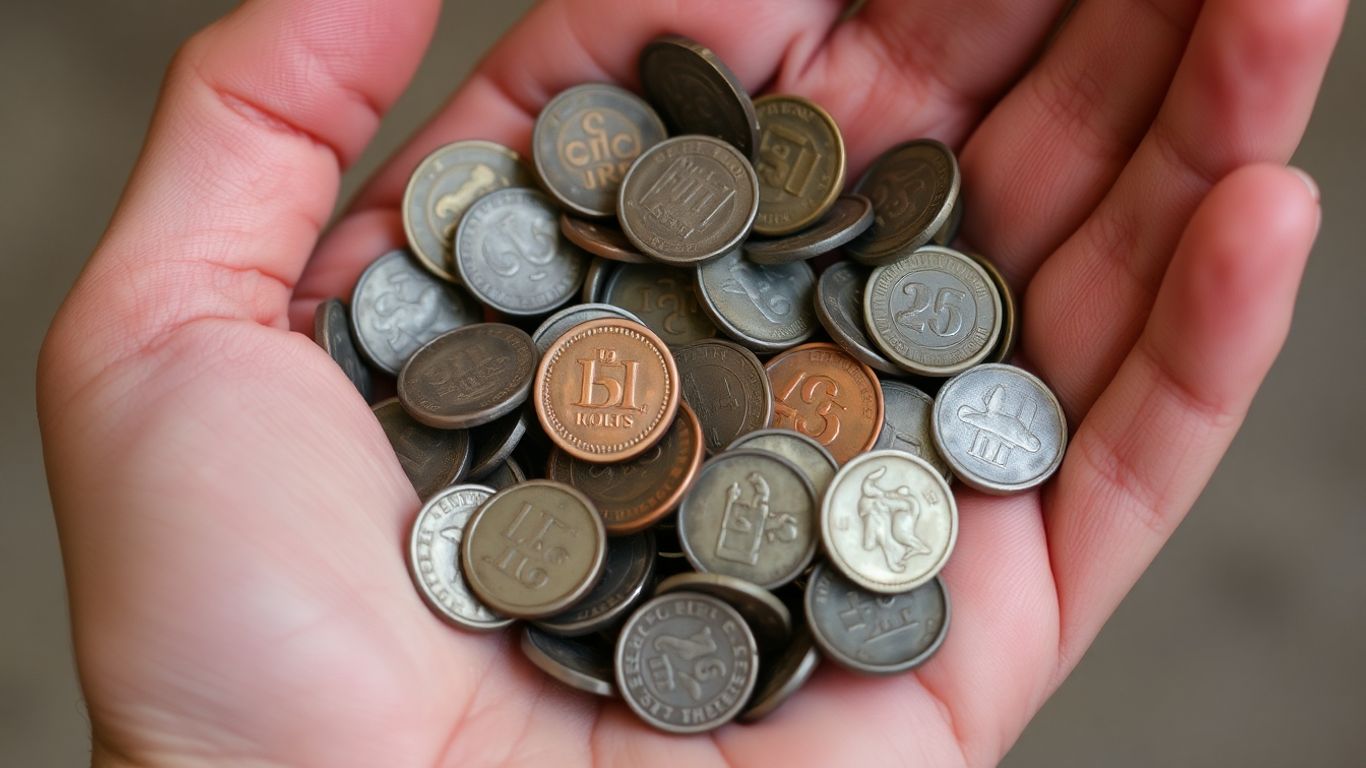
When you’re ready to turn those old coins into cash, sticking close to home in Austin can actually work in your favor. It’s not just about convenience, though that’s a big part of it. Selling locally means you’re dealing with people who understand the Austin market and often have a more personal touch than some big online operation.
Convenience of Local Transactions
Let’s be real, nobody wants to wait around for days or weeks to get paid. Selling your coins to a dealer right here in Austin means you can often walk in, get an appraisal, and walk out with cash in hand the same day. No shipping hassles, no waiting for checks to clear. It’s straightforward.
Personalized Service and Expertise
Types of Coins Accepted by Buyers
- Common Gold and Silver Coins: Think American Eagles, Canadian Maple Leafs, or older U.S. silver dollars. These are usually straightforward to price based on their metal content and condition.
- Rare and Collectible Coins: This is where things get interesting. These could be old mint errors, coins with low mintage numbers, or pieces with historical significance. Their value can go way beyond the metal.
- Bullion and Investment Coins: These are primarily valued for their gold or silver content, like Krugerrands or certain modern mint bars. Buyers will focus on the spot price of the metal.
Choosing a Trusted Austin Coin Buyer
Maximizing Your Payout for Coins
Payment Methods for Your Sold Coins
Selling your coins locally in Austin offers a direct connection to buyers who are part of the community. This often translates into a more transparent process and a better chance of getting a fair price for your collection. You can see who you’re dealing with, ask questions directly, and feel more secure about the entire exchange.
Ready to Turn Those Coins into Cash?
So, you’ve got some old coins lying around, and you’re wondering what to do with them. We’ve gone over how to figure out what they’re worth, looking at things like the metal they’re made of and how worn they are. Plus, we talked about finding a good place in Austin to sell them, like DJP Jewelers or ATX Jewelry Exchange, where they know their stuff and can give you a fair price. Don’t let those coins just sit there; it’s time to see what they’re really worth and get some cash in your pocket. It’s usually a pretty straightforward process, and you might be surprised at what you find.
Frequently Asked Questions
Where's the best spot in Austin to sell my old coins for cash?
For selling gold and silver coins in Austin, places like ATX Jewelry Exchange are top choices. They focus just on coins and bullion, making the selling process quick, clear, and well-liked by customers, with good money offered.
How can I get money for my coins right away?
To get cash for your coins, you can contact a place like ATX Jewelry Exchange to set up a free appraisal. They work by appointment. You’ll bring your coins in, and experts will check their metal, condition, and how rare they are to figure out their worth. You’ll get a fast cash offer right then, with payment usually happening the same day through cash, check, or digital payment methods.
What makes a coin valuable?
A coin’s worth comes down to a few main things. First, what the coin is made of, like gold or silver, really matters. Second, its condition – if it’s worn out or looks new – plays a big role. Lastly, how many of that specific coin were made and if people want to collect it (its rarity and demand) also affect its price.
What kinds of coins do buyers usually take?
Buyers are often interested in common gold and silver coins, especially those made for investing like American Eagles or Maple Leafs. They also look for rare coins that collectors might want. Basically, if it’s made of precious metal or has a special history, it’s likely something buyers will consider.
How do I find a trustworthy coin buyer in Austin?
To find a good buyer, check out what other customers say by reading reviews and testimonials. Make sure the dealer is licensed and has good credentials. Also, try to understand exactly how they buy coins and give offers so you know you’re being treated fairly.
How can I make sure I get the most money for my coins?
To get the best price, know what your coins are worth by checking current market prices for metals and rare coins. Be ready to talk about the price confidently, but avoid accepting offers that seem too low. Knowing the value helps you negotiate better.
What are the usual ways I can get paid for my coins?
Most places that buy coins offer quick cash for your items. Some might also provide digital payment options like Zelle or Venmo, or give you a secure check. The goal is usually to get you your money right away.
Why is it good to sell my coins to someone local in Austin?
Selling locally in Austin is convenient because you can meet the buyer in person and get cash immediately. You also get to talk directly with experts who can give you personal service and advice. Plus, the local market might offer better prices because there’s competition among buyers.