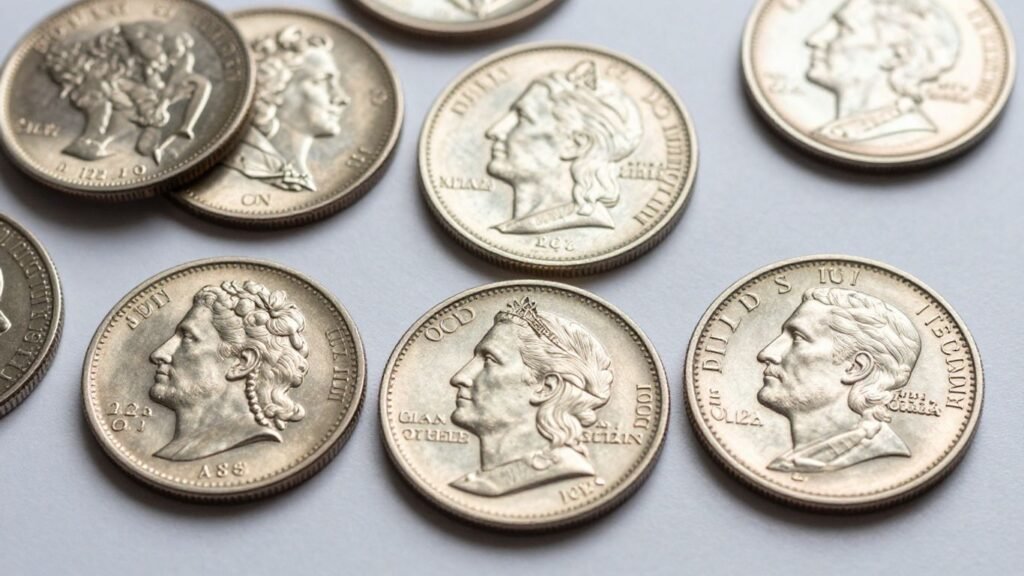
So, you’ve heard about ‘uncirculated sets explained’ and are wondering what all the fuss is about. Basically, these are coin collections straight from the mint, never having been used for buying stuff. Think of them as brand new, fresh out of the factory. They look great, keep their shine, and have all their details sharp. We’ll break down what makes them special, how to tell them apart from used coins, and what goes into making them.
Key Takeaways
- An uncirculated coin is one that has never been used in everyday transactions, keeping its original mint luster and sharp details.
- Uncirculated coin sets typically include one of each denomination from a specific year, packaged by the mint to protect them.
- The value of uncirculated sets depends on factors like how many were made (mintage), the year they were issued, and if the original packaging is still in good shape.
- When buying, stick to official mints or trusted dealers, and watch out for listings with vague descriptions or prices that seem too good to be true.
- Proper storage in original packaging, in a cool, dry place, is important for keeping uncirculated sets in good condition and maintaining their value.
Understanding Uncirculated Sets Explained
What Constitutes An Uncirculated Coin?
So, what exactly makes a coin ‘uncirculated’? Simply put, it’s a coin that has never been used for buying or selling. Think of it as fresh off the minting press, untouched by human hands in everyday commerce. These coins haven’t been passed around in pockets or dropped into cash registers. They’ve been preserved in their original state, straight from the source. The key is that they’ve avoided the wear and tear that comes with circulation.
The Appeal Of Pristine Mint State Coins
Why do collectors go gaga for these uncirculated coins? It’s all about that ‘like new’ condition. These coins still have their original mint luster, which is that shiny, almost glowing appearance that happens when light bounces off the untouched metal. The designs are sharp and clear, not worn down or fuzzy. You won’t find scratches or dings from being tossed around. While minor marks from being handled at the mint (sometimes called ‘bag marks’) can be present, they’re usually not a big deal if the coin is otherwise perfect.
Distinguishing Uncirculated From Circulated
Spotting the difference between an uncirculated coin and one that’s been in circulation can sometimes be tricky, but there are tell-tale signs. Circulated coins will show signs of wear, especially on the high points of the design. Their luster will be gone, replaced by a duller, sometimes darker, appearance. You might see nicks, scratches, or rim damage. Uncirculated coins, on the other hand, will look like they just rolled off the press. They retain that bright mint luster and the design details are crisp and full.
Here’s a quick rundown:
- Luster: Uncirculated coins have original mint luster; circulated coins do not.
- Details: Designs on uncirculated coins are sharp; they can be softened or worn on circulated coins.
- Wear: Uncirculated coins show no signs of wear from handling or use; circulated coins do.
When you’re looking at coins, especially if you’re new to collecting, it’s easy to get confused. Sometimes, coins that look pretty good might have actually seen some action. Paying close attention to the shine and the sharpness of the design is your best bet for telling them apart.
Key Characteristics Of Uncirculated Coins
So, what exactly makes a coin "uncirculated"? It’s not just about it looking shiny. These are coins that have never been used for everyday buying and selling. Think of them as having skipped the whole journey through pockets, cash registers, and vending machines. This means they’ve held onto their original appearance from the moment they were made.
Retaining Original Mint Luster
One of the biggest giveaways of an uncirculated coin is its luster. This is that vibrant, almost liquid-like shine you see when you tilt the coin under a light. It’s the coin’s original finish, and it hasn’t been dulled down by friction from circulation. The presence and quality of this mint luster are huge factors in how appealing a coin looks. While some uncirculated coins might have minor marks from being handled at the mint or packed in bags, the luster itself should still be lively and intact, not worn flat.
Sharpness Of Design Details
When a coin is struck at the mint, the designs are pressed into the metal with incredible precision. In an uncirculated coin, these details remain sharp and well-defined. You can clearly see the fine lines in a portrait, the intricate patterns on a shield, or the delicate features of an animal. Wear from circulation, even if it’s not obvious at first glance, tends to soften these details over time. So, if the design elements look crisp and clear, it’s a good sign the coin hasn’t seen much action.
Absence Of Wear And Handling Marks
This is where things can get a little nuanced. "Uncirculated" doesn’t always mean "perfect." Coins can still have minor imperfections that occurred during the minting process or when they were bagged up. These might include small nicks or scratches, often called "bag marks." However, these are different from the kind of wear you see on a coin that’s been passed around. You won’t find flattened high points on the design or a general lack of detail that comes from being handled extensively. It’s about the type of marks and the overall lack of wear, not necessarily a complete absence of any surface imperfections. You can often find uncirculated coins in U.S. Mint products that are specifically made for collectors.
It’s important to distinguish between marks that happen at the mint and wear that occurs from circulation. Bag marks are common on uncirculated coins and are generally accepted. True wear, however, means the coin has been used, and its original details and luster have been diminished.
Types Of Uncirculated Coin Designations
Brilliant Uncirculated (BU) Coins
When you hear the term "Brilliant Uncirculated" or "BU," think of coins that look just like they did when they left the mint, but maybe with a few minor bumps and bruises from their journey. These coins haven’t been used for buying stuff, so they still have that original shine, or luster, that catches the light. It’s like getting a brand-new car straight from the factory – it’s got that factory finish. However, BU coins aren’t always perfect. They might have small marks or scuffs from being stored in bags or tubs with other coins. These are called "contact marks," and they’re pretty normal for BU coins. They don’t show wear from being handled by people or sitting in cash registers, though. That’s the main difference.
Mint State (MS) Grading
"Mint State" (MS) is a more technical way to talk about uncirculated coins, especially when you get into grading. Think of it as a detailed report card for a coin’s condition. The grading scale goes from MS-60 all the way up to MS-70. A coin graded MS-60 is technically uncirculated, meaning it hasn’t been used in commerce, but it might have a fair number of bag marks and a less vibrant luster. As you move up the scale towards MS-70, the coins get progressively cleaner, with fewer marks and a brighter, more appealing shine. An MS-70 coin is considered the absolute best, a perfect specimen with no visible flaws to the naked eye.
Here’s a quick look at the Mint State scale:
| Grade | Description |
|---|---|
| MS-60 to MS-64 | Uncirculated, but with noticeable bag marks and/or other imperfections. Luster may be somewhat impaired. |
| MS-65 to MS-69 | Gem Uncirculated. Very attractive with sharp details and excellent luster. Minor imperfections are present but not distracting. |
| MS-70 | Perfect Uncirculated. Flawless with superb luster and strike. The ultimate coin. |
The Unique Nature Of Proof Coins
Proof coins are a whole different ballgame compared to BU or Mint State coins. These aren’t just uncirculated; they’re specially made for collectors and have a very distinct look. The minting process for proof coins is much more involved. They’re typically struck at least twice with specially polished dies and planchets (the blank metal discs). This process gives them incredibly sharp details and a stunning contrast between frosted design elements and mirror-like fields. Because of this extra care and the special finish, proof coins usually command a higher price than their uncirculated counterparts.
While both uncirculated and proof coins are never used in commerce, their production methods and resulting appearance set them apart. Uncirculated coins aim to preserve the coin as it leaves the minting press, while proof coins are crafted for aesthetic perfection with a distinct visual appeal.
The Composition Of U.S. Mint Uncirculated Sets
When you pick up an uncirculated coin set from the U.S. Mint, you’re not just getting a few loose coins. These sets are carefully put together, and what’s inside tells a story about the year they were made. Think of them as a snapshot of the U.S. Mint’s production for that specific year.
Coins From Multiple Mints
Most uncirculated sets you’ll find will contain coins from more than one U.S. Mint facility. Typically, this means you’ll get examples from both the Philadelphia Mint and the Denver Mint. Sometimes, depending on the year and the specific set, you might even see coins bearing the West Point Mint’s "W" mint mark, especially for special issues. This inclusion of coins from different mints is a key part of what makes these sets interesting, showing the output from various production centers.
Protective Packaging For Preservation
These coins aren’t just tossed into a box. They come housed in special protective packaging. This is super important because it keeps the coins from rubbing against each other or getting damaged during transit. The U.S. Mint uses specific holders, often made of plastic, designed to keep the coins safe and preserve their original mint state condition. This careful packaging is a big reason why many collectors choose these sets to build their albums, as the coins are already protected from the kind of wear and tear that would happen if they were just loose.
Certificates Of Authenticity
To go along with the coins and their protective packaging, you’ll usually find a Certificate of Authenticity (COA). This document is like a little guarantee from the Mint. It confirms that the coins are genuine, uncirculated examples from the year of issue and that they came directly from the U.S. Mint. For collectors, this COA adds a layer of confidence and helps verify the set’s origin and quality. It’s a small but significant piece that contributes to the overall value and trustworthiness of the set. For example, the Special Mint Sets from 1965-1967 included a Cent, Nickel, Dime, Quarter, and Half Dollar from each respective year, all presented in their original government packaging, preserving their condition and authenticity for collectors. You can find more details about these specific sets on the U.S. Mint’s historical offerings.
The careful assembly of these sets, from selecting coins from various mints to the specialized packaging and accompanying documentation, highlights the U.S. Mint’s commitment to providing collectors with high-quality, authentic pieces of numismatic history. It’s this attention to detail that makes uncirculated sets a popular choice for those looking to acquire pristine examples of circulating coinage.
Evaluating The Value Of Uncirculated Sets
So, you’ve got an uncirculated coin set, and you’re wondering what it’s actually worth. It’s not always as straightforward as you might think, but there are definitely some key things to look at. The year the set was issued and how many were made are usually the biggest starting points.
When you’re trying to figure out the value, think about these main points:
- Mintage Numbers: This is pretty simple – the fewer coins the mint made, the rarer they are. Lower mintage usually means higher potential value, especially for older sets. It’s like anything else, really; if there’s less of it, people tend to want it more.
- Year of Issue: Older sets often command more attention. As time goes on, these sets become harder to find in good condition, and that scarcity drives up interest and price. Think about it, finding a set from the 1960s that looks like it just came from the mint is a lot tougher than finding one from last year.
- Condition and Original Packaging: This is a big one. Is the original packaging still intact? Are there any tears, fading, or damage to the case or certificate of authenticity? A set that’s still in its original, pristine mint packaging is almost always worth more than one that’s been opened or damaged. It shows the set has been cared for.
Sometimes, you’ll see tables that try to break down values, but remember these are just general guides. For example, a common modern set might go for around $25–$60, while an older one from the 70s or 80s could be anywhere from $50 to $200 or more, depending on the specific coins and their condition. It’s a bit like looking at average prices for similar items to get a ballpark figure.
The condition of the coins themselves is paramount. Even if the packaging is perfect, if the coins inside have developed toning, scratches, or other imperfections, their value will be significantly impacted. Collectors are looking for that "just minted" look, and any deviation from that ideal can lower the price.
Don’t forget about the visual appeal, too. Sometimes, two coins might have the same official grade, but one just looks "better" – maybe it has a brighter shine or more vibrant colors. That extra bit of eye appeal can make a difference to a collector willing to pay a bit more.
Factors Influencing Uncirculated Set Worth
So, you’ve got an uncirculated coin set, and you’re wondering what makes it tick in terms of value. It’s not just about the coins being shiny and new; a few key things really bump up or bring down what a set is worth. Think of it like this: not all uncirculated coins are created equal, and the same goes for the sets they come in.
The Role Of Professional Grading
Getting a professional grading service involved can make a big difference, especially for older or more limited sets. Services like PCGS and NGC examine the coins and assign a numerical grade, which tells everyone exactly how well-preserved the coin is. A higher grade usually means a higher price tag. It takes the guesswork out of it for potential buyers and sellers, making it easier to agree on a fair price. It’s not always a must-do, but if you have a set with great luster and all the design details looking sharp, it’s probably worth looking into grading. It’s like getting an official stamp of approval.
Visual Appeal And Luster
Beyond the official grade, how a coin looks matters a lot. Two coins with the same grade can have totally different visual appeal. One might have this bright, even shine that just catches your eye, while another might look a bit dull or have some uneven toning. Collectors often lean towards the ones that look more vibrant and attractive. It’s about that initial wow factor when you first see the coin. This is why looking at angled photos or seeing the set in person can be so helpful when you’re buying.
Market Demand And Rarity
This is a big one. How many of a particular set were made, and how many people actually want them? Sets with lower mintage numbers are naturally rarer, and if there’s a good number of collectors looking for them, the price can go up. It’s basic supply and demand, really. Sometimes, a set might be rare but not very popular, which keeps the price down. On the flip side, even a more common set can fetch a good price if it features a design that’s really in demand. For instance, certain historical themes or popular figures on coins can really drive collector interest. You can check out resources like official government mints for current trends and historical data.
When evaluating an uncirculated set, remember that condition is king. Even if a set is rare, significant wear or damage to the coins or their original packaging can drastically reduce its desirability and market value. Always inspect for any signs of mishandling or environmental damage that might have occurred over time.
Here’s a quick look at how some factors might play out:
| Factor | Impact on Value | Notes |
|---|---|---|
| Professional Grade | High | Higher grades (e.g., MS-65+) command premiums |
| Original Luster | Medium | Bright, even luster is more appealing |
| Mintage Numbers | Variable | Lower mintage often means higher value |
| Year of Issue | Variable | Older, harder-to-find sets can be worth more |
| Collector Demand | High | Popular designs or themes drive interest |
Where To Acquire Authentic Uncirculated Sets
So, you’ve decided you want to get your hands on some of these pristine, uncirculated coin sets. That’s great! But where do you actually go to find them without getting ripped off? It’s not like you can just pop down to the corner store and pick one up. Luckily, there are a few reliable avenues to explore.
Official Government Mints
This is probably your safest bet, hands down. Think of the U.S. Mint itself, or if you’re looking at coins from other countries, their respective official mints like the Royal Canadian Mint or the Perth Mint. Buying directly from the source means you’re getting the real deal, straight from the production line. They usually come in their original packaging, complete with any certificates of authenticity. It’s the most straightforward way to ensure you’re not dealing with fakes or damaged goods. Plus, you often get access to the newest releases before they hit the secondary market.
Reputable Online Dealers
Beyond the official mints, there’s a whole world of established coin dealers who operate online. These folks have been in the business for a while and have built a reputation for selling authentic items. They often have a wider selection, including older sets that the mints might no longer carry. When you’re looking at these dealers, check out their ‘About Us’ page to get a feel for their history and credentials. Look for dealers who specialize in U.S. coinage or whatever area you’re interested in. A good dealer will have clear return policies and stand behind their products.
Navigating Online Marketplaces Safely
Okay, this is where things can get a little tricky, but also potentially rewarding if you know what you’re doing. Marketplaces like eBay can be a treasure trove, but you absolutely have to be cautious. You’ll find individual collectors selling their sets, as well as smaller dealers. The key here is due diligence. Always check seller ratings and read reviews. Look for sellers who provide lots of high-quality photos, showing the set from multiple angles, including the packaging and any certificates. Vague descriptions like ‘looks uncirculated’ or ‘from a collection’ should be a warning sign. If a deal seems too good to be true, it probably is. Don’t be afraid to ask the seller questions or request more pictures before you commit to buying.
Here’s a quick checklist for buying on general marketplaces:
- Seller Reputation: Look for sellers with high positive feedback scores and a history of successful coin sales.
- Photos: Insist on clear, detailed images of the entire set, including the packaging and any accompanying documents.
- Descriptions: Read descriptions carefully. Avoid listings with vague language or missing details about the condition.
- Certificates: Ensure that Certificates of Authenticity (COAs) are present and look legitimate, not like something quickly printed at home.
- Packaging: Original mint packaging is a big plus. If it’s missing or damaged, be extra skeptical.
When you’re buying from less official sources, remember that authenticity is your responsibility. Take your time, compare prices, and if something feels off, it’s better to walk away and find another option. Patience is a virtue in coin collecting, especially when you’re trying to secure genuine uncirculated sets.
Identifying Potential Scams And Red Flags
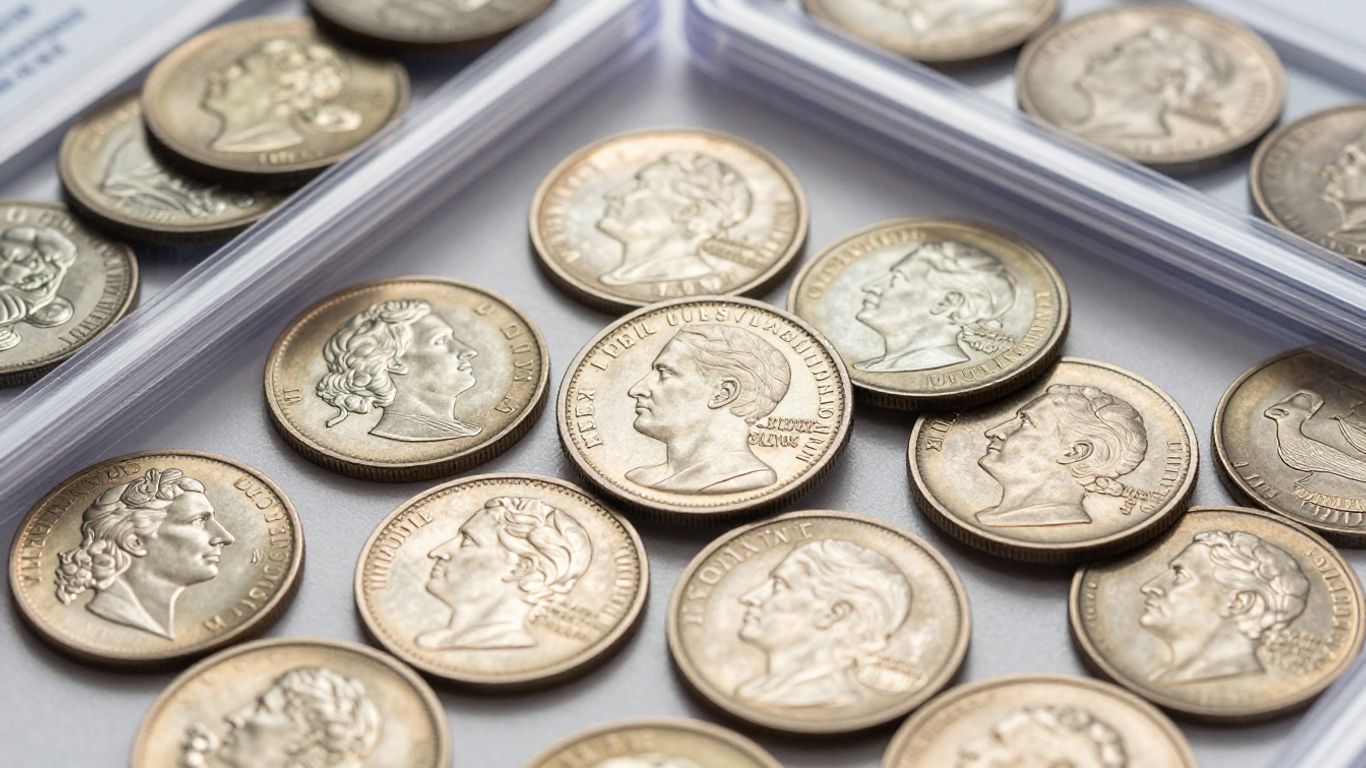
When you’re hunting for uncirculated coin sets, it’s super important to keep your eyes peeled for anything that seems a little off. The coin collecting world is generally honest, but like any market, there are folks out there trying to pull a fast one. Being aware of common tricks can save you a lot of money and disappointment.
Risky Listing Terminology
Watch out for descriptions that are vague or use terms that sound exciting but don’t actually guarantee quality. Phrases like "unsearched rolls" or "estate finds" can be tempting, but they often mean you’re getting coins that have already been through the wringer. Genuine uncirculated coins are usually clearly described as such, often with specific grading information. If a seller is being cagey about the condition, it’s a big warning sign.
Incomplete Documentation
Authenticity is key in coin collecting. A Certificate of Authenticity (COA) from the mint or a reputable grading service is a big deal. If a listing is missing this, or if the packaging looks damaged or tampered with, be very cautious. Sometimes sellers will try to hide the fact that the original mint packaging is gone or damaged, hoping you won’t notice. Always look for clear photos of the COA and the original packaging.
Unrealistically Low Pricing
This one’s a classic in any market. If a deal seems too good to be true, it probably is. Compare prices across several reputable dealers and online marketplaces before you commit. A price that’s significantly lower than the going rate for similar sets could mean the coins aren’t what they’re claimed to be, or they might be damaged in a way the seller isn’t disclosing. It’s always better to pay a fair price for a genuine item than to get a bargain on a fake or damaged one. You can often find current market values on sites that track coin sales.
Scammers often rely on a buyer’s excitement and lack of experience. They might use high-pressure sales tactics or create a sense of urgency to get you to buy without thinking. Take your time, do your research, and don’t let anyone rush you into a purchase. A good deal will still be there after you’ve done your due diligence.
Here are some common red flags to watch out for:
- Vague descriptions: "Looks uncirculated," "from a collection," or "nice condition" without specifics.
- Poor quality photos: Blurry images, bad lighting, or photos that don’t show the entire coin or its packaging.
- Missing or questionable COA: No certificate, a generic one, or one that doesn’t match the coin.
- Damaged or non-original packaging: Torn holders, resealed bags, or missing mint packaging.
- Seller history: New sellers with no feedback or a pattern of negative reviews.
- Refusal to provide more information: If a seller won’t answer questions or provide extra photos, walk away.
Proper Storage For Uncirculated Coin Sets
Alright, so you’ve got these shiny, uncirculated coin sets, and you want them to stay that way, right? It’s not rocket science, but there are definitely some things to keep in mind if you want to preserve their condition and, you know, their value. Think of it like storing fine wine – you wouldn’t just leave it out on the counter, would you?
The Importance Of Original Mint Packaging
Honestly, the best place for your uncirculated set is usually right where the mint put it. That original packaging isn’t just for show; it’s designed to protect the coins. It keeps them from rubbing against each other, which can cause those dreaded bag marks or even wear down the delicate surfaces over time. If you can keep the set in its original holder, sealed and intact, that’s usually your safest bet for long-term preservation. It also helps when it comes time to sell, as collectors often want to see that original presentation.
Environmental Considerations For Storage
So, where do you put these original packages? Well, think cool, dry, and dark. Humidity is the enemy here. If you store your sets in a damp basement or an attic that gets super hot, you’re asking for trouble. Moisture can lead to toning or even corrosion on the coins, and extreme temperature swings aren’t great either. A stable environment is key. Some people even use dehumidifiers or silica gel packs in their storage areas, especially if they live in a more humid climate. Just make sure whatever you use doesn’t directly touch the coins or their packaging in a way that could cause damage.
Materials To Avoid For Coin Protection
This is a big one. You absolutely want to steer clear of plastics that contain PVC. That’s polyvinyl chloride, and it breaks down over time, releasing chemicals that can cause a green, sticky residue on your coins. It’s nasty stuff and can permanently damage them. So, if you’re ever thinking about moving your coins out of their original packaging (which, again, isn’t usually recommended), make sure whatever you use is inert. Look for materials like Mylar, polyethylene, or polypropylene. These are generally safe for long-term coin storage. Also, avoid rubber bands, paper clips, or anything abrasive that could scratch the coins or their holders. Basically, if it feels cheap or smells plasticky, it’s probably not good for your coins.
Here’s a quick rundown of what to use and what to skip:
- Use:
- Original Mint Packaging (OMP)
- Inert plastic holders (Mylar, polyethylene, polypropylene)
- Acid-free paper envelopes (for individual coins if needed)
- Coin albums designed for archival storage
- Avoid:
- PVC-containing plastics (vinyl binders, soft plastic flips)
- Rubber bands
- Paper clips
- Adhesives (tape, glue)
- Rough or abrasive materials
When in doubt, always err on the side of caution. Keeping your uncirculated sets in their original, protective mint packaging and storing them in a stable environment is the most straightforward way to maintain their condition. It’s better to be a little overprotective than to regret damage down the line.
Resale And Liquidity Of Uncirculated Sets
So, you’ve got a collection of uncirculated coin sets, and you’re wondering about selling them down the line. It’s a good question to ask! The ease with which you can turn these sets back into cash, or how quickly they sell, is what we mean by liquidity. It’s not always a straightforward answer, as a few things really play a role.
Factors Affecting Resale Speed
When it comes to selling uncirculated sets, some move faster than others. Newer sets, especially those from the 2000s onward, tend to be easier to sell if you price them reasonably. People are often looking for these to complete their own collections or just because they’re current. Older sets, though, can be a bit trickier. They might take longer to find the right buyer, but when you do, they can sometimes fetch a better price. It really depends on what the buyer is looking for at that moment.
- Recent Issues: Generally sell quicker, especially if priced competitively.
- Older Sets: May require more patience but can yield higher returns.
- Special Finishes: Sets with unique finishes, like the satin-style ones from the mid-2000s, might appeal to a specific group of collectors.
Attracting Collectors To Older Sets
Getting collectors interested in older uncirculated sets often comes down to rarity and condition. If a set is from a year with a low mintage, that automatically makes it more desirable. Plus, if the original packaging is still in great shape, and maybe even includes a certificate of authenticity, that’s a big plus. Think of it like buying a vintage car – the more original parts and documentation it has, the better.
For older sets, the story behind them matters. Knowing the mintage numbers, the year of issue, and how well the coins have been preserved can really help attract buyers who appreciate the history and scarcity.
Popular Designs And Their Impact
Sometimes, it’s just about what’s popular. Sets featuring well-loved designs or significant historical events, like the U.S. Bicentennial coins from 1976, tend to be more sought after. These designs have a broader appeal, making them easier to sell and often commanding a higher price. It’s a bit like how certain art styles are always in demand. If you have a set with a design that many people recognize and like, you’re usually in a better position when it comes time to sell. The visual appeal of the coins within the set is a major driver of resale interest. If you’re thinking about building a collection with an eye toward future resale, picking sets with popular designs is a smart move. You can often find these sets at places like official government mints or through reputable dealers.
Wrapping It Up
So, that’s the lowdown on uncirculated coin sets. They’re basically like time capsules for coins, keeping them in that fresh-from-the-mint condition. We’ve talked about what makes them special, how to tell if one’s the real deal, and where you might find them. Whether you’re just starting out or you’ve been collecting for ages, understanding these sets can really help you pick out the good stuff. It’s not just about shiny coins; it’s about owning a piece of history that hasn’t been roughed up by everyday life. Keep these tips in mind, and you’ll be well on your way to building a collection you can be proud of.
Frequently Asked Questions
What exactly makes a coin “uncirculated”?
An uncirculated coin is basically a coin that has never been used to buy or sell anything. Think of it as a brand-new coin, fresh from the mint, that hasn’t passed through anyone’s hands or pockets for everyday shopping. It keeps its original shine and all its tiny design details look super sharp.
Are all uncirculated coins super valuable?
Not always! Being ‘uncirculated’ just means the coin is in great condition, like it just came out of the mint. Some uncirculated coins are quite common, so they might only be worth a little more than their face value. However, if it’s a rare coin or from a special year, then yes, it can be very valuable.
Can an uncirculated coin have any marks on it?
Yes, it’s possible. Even though they haven’t been used in daily life, uncirculated coins can sometimes get tiny marks from bumping into other coins when they’re being made or transported in big bags at the mint. These are called ‘bag marks,’ and they’re usually okay as long as the coin isn’t scratched or worn down.
What’s the difference between Brilliant Uncirculated (BU) and Mint State (MS) coins?
Both BU and MS coins are uncirculated. ‘Brilliant Uncirculated’ (BU) means the coin looks great and has its original shine, but might have a few minor marks. ‘Mint State’ (MS) is a more official grading term. It’s part of a scale from 60 to 70, where MS-70 is a perfect coin. So, MS is a more specific way to describe how good an uncirculated coin is.
What usually comes in a U.S. Mint uncirculated set?
These sets typically include one of each type of coin made that year, like pennies, nickels, dimes, and quarters. They often have coins from both the Denver and Philadelphia mints. Everything is usually put in special protective packaging, and sometimes there’s a paper that proves it’s real and what condition it’s in.
How do I know if an uncirculated coin set is real and not a fake?
It’s best to buy from official sources like the U.S. Mint itself or well-known, trusted dealers. If you buy online, check the seller’s reputation carefully. Look for clear pictures, original packaging, and any included papers like a Certificate of Authenticity. Be wary of prices that seem too good to be true or descriptions that are unclear.
What’s the best way to store my uncirculated coin sets?
Keeping them in their original mint packaging is usually the best idea. Store them in a cool, dry place away from direct sunlight. Avoid using plastic containers that can damage the coins over time. Always handle coins by their edges, never touch the shiny surfaces directly, as even a small smudge can affect their look.
Are uncirculated coin sets easy to sell later?
Generally, yes, they are moderately easy to sell. Newer sets tend to sell faster if priced fairly. Older or rarer sets might take a bit longer but can often fetch higher prices, especially if they feature popular designs. Having them professionally graded can also make them more attractive to buyers.