Ever wondered what makes those shiny coins different from the ones you get as change? We’re talking about proof coins here. They’re not just regular coins; they’re made with a special process to look really impressive. Think super polished backgrounds and designs that pop. Originally, these were made to show off new coin designs, but now, they’re mostly for collectors and people who like investing in precious metals like gold and silver. Understanding proof coin finish characteristics is key if you’re thinking about collecting them or investing, as they often cost more than regular coins.
Key Takeaways
- Proof coins have a unique look, usually with shiny background areas and frosted designs, thanks to a special manufacturing process.
- They are made for collectors, not for everyday spending, which is why they have a higher quality finish and cost more.
- The traditional proof look involves mirror-like backgrounds and frosted raised parts, creating a strong contrast.
- There are other types of finishes too, like reverse proofs where the design is mirrored and the background is frosted, and older matte finishes.
- To keep proof coins looking their best, handle them carefully with gloves, store them in protective holders, and avoid touching the shiny surfaces.
Understanding Proof Coin Finish Characteristics
Proof coins are something special in the coin collecting world. They’re not just regular coins that happen to look nice; they’re made with a whole different approach to stand out. The main thing that sets them apart is their incredible visual appeal, achieved through a meticulous manufacturing process. Think of them as the show cars of the coin world – built for display and admiration, not for everyday driving.
The Distinctive Appearance of Proof Coins
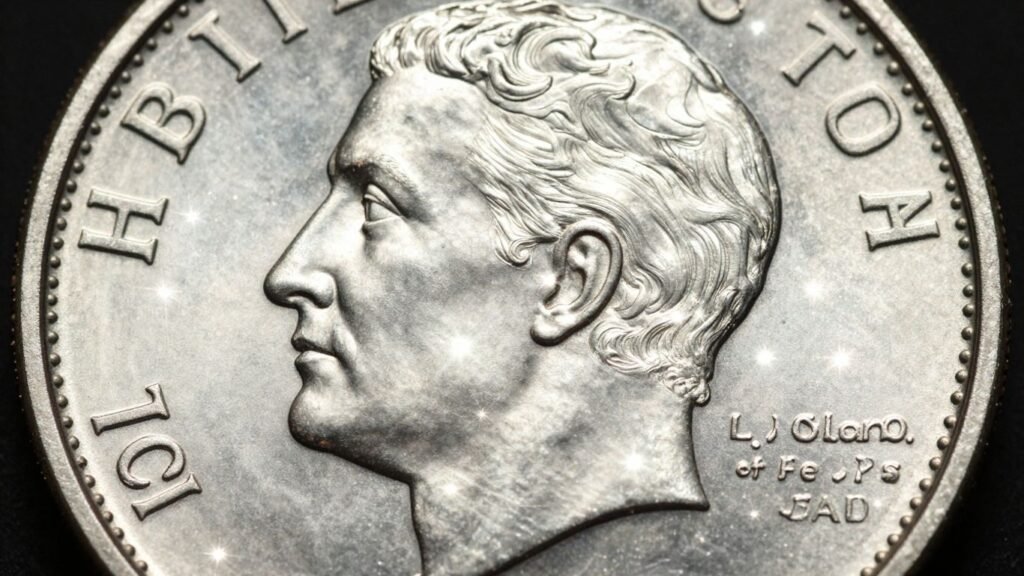
When you first see a proof coin, you’ll probably notice the dramatic contrast. It’s usually a combination of super shiny, mirror-like backgrounds and design elements that look frosted or matte. This isn’t accidental; it’s the hallmark of a proof finish. This contrast makes the coin’s design pop out, giving it a depth and brilliance you just don’t find on coins meant for circulation. It’s this unique look that collectors really go for.
Key Elements of Proof Coin Aesthetics
Several factors contribute to the unique look of a proof coin:
- Mirror-Like Fields: The flat, background areas of the coin are polished to an extreme degree. They’re so reflective they can almost look like a mirror, sometimes appearing very dark in photos because they’re reflecting so much light.
- Frosted Devices: In contrast to the fields, the raised parts of the design – like the portrait, numbers, or symbols – are given a matte or frosted appearance. This texture is achieved through special treatment of the dies.
- Sharp Details: Proof coins are struck multiple times with high pressure. This ensures that every tiny detail of the design is captured with incredible sharpness and clarity, far beyond what you’d see on a regular coin.
The creation of a proof coin is a deliberate effort to produce a specimen of the highest quality, intended to showcase the mint’s capabilities and to be a prized possession for collectors. The contrast between the polished fields and frosted devices is a key characteristic that defines this premium finish.
Manufacturing for Superior Visuals
How do they get that look? It starts with the preparation. Both the coin blanks (called planchets) and the dies used to strike the coins are specially treated. The planchets are polished until they gleam, and the dies are meticulously prepared. Then, the coins are struck not just once, but multiple times. This multi-strike process, combined with immense pressure, is what creates those sharp details and that signature contrast. It’s a labor-intensive method designed purely for visual perfection, making them a popular choice for collectors.
| Feature | Proof Coin |
|---|---|
| Background Fields | Highly polished, mirror-like |
| Raised Design | Frosted, matte appearance |
| Detail | Exceptionally sharp and clear |
| Production | Multiple strikes under high pressure |
Comparing Proof Coins to Regular Issues
Primary Purpose: Collecting vs. Circulation
When you look at a proof coin and a regular coin side-by-side, the first thing to remember is why they were made. Proof coins? They’re basically made for people who like to collect coins. Think of them as special edition items. Regular coins, on the other hand, are just meant to be used for buying stuff, you know, for everyday spending. They’re churned out in huge numbers, and their main job is to get passed around.
Appearance Differences
This is where things get really interesting visually. Regular coins usually have a pretty standard finish. It’s functional, but not exactly eye-catching. Proof coins, though, are something else entirely. They’ve got these super shiny, mirror-like backgrounds. Then, the design parts – like the president’s head or the eagle – they’re frosted. This contrast between the shiny background and the matte design is what makes them pop. It’s a look that regular coins just don’t have.
Here’s a quick rundown:
- Proof Coins: Mirror-like fields, frosted raised designs. Maximum contrast.
- Regular Coins: Uniform finish, often with a satin or business strike appearance. Less contrast.
The highly polished fields on proof coins are so reflective they can almost look black in photos because they’re bouncing back so much light. It’s a deliberate effect.
Production Method Variations
The way these coins are made is a big part of the difference. Regular coins are typically struck just once. They get the job done, but that’s it. Proof coins? They get struck multiple times. This high-pressure, repeated striking is what gives them those incredibly sharp details and that super crisp edge. The dies and the metal blanks (called planchets) used for proofs are also specially prepared and polished way more than what’s used for regular coins. It’s a much more involved process, all aimed at creating that superior look.
| Feature | Proof Coins | Regular Coins |
|---|---|---|
| Strikes | Multiple strikes under high pressure | Single strike |
| Dies/Planets | Specially prepared, polished, and treated | Standard |
| Surface Finish | Mirror fields, frosted devices (traditional) | Uniform, business strike |
| Detail Level | Exceptionally sharp and crisp | Standard |
The Traditional Mirror Proof Finish
Highly Polished Background Fields
The hallmark of a traditional mirror proof coin is its incredibly reflective background, often called the "fields." These areas are polished to an almost perfect mirror sheen. When you tilt the coin under a light, you should see clear reflections, much like looking into a mirror. This intense polish is achieved through a meticulous process where the dies used to strike the coins are themselves polished to a high degree. It’s this super-smooth, glassy surface that really makes proof coins stand out from regular issues. It’s a look that collectors have appreciated for ages, and it’s a big part of why these coins are so sought after. The goal is to get that surface as smooth and reflective as possible, which takes a lot of effort during manufacturing. This attention to detail is what sets proof coins apart.
Frosted Raised Design Elements
Now, contrast that super-shiny background with the raised parts of the coin’s design – the images, the lettering, the dates. These elements, known as the "devices," are given a frosted or matte appearance. This isn’t just a random texture; it’s intentionally created. The frosted effect makes the design elements stand out sharply against the mirror-like fields. Think of it like a spotlight hitting a sculpture in a dark room. The frosted texture diffuses light, making the design pop. This contrast is key to the classic proof look. It’s achieved through different treatments applied to the dies before striking, or sometimes through specific striking techniques. The result is a dramatic visual separation that draws your eye right to the coin’s artwork.
Maximum Visual Contrast
Putting it all together, the traditional mirror proof finish is all about that extreme contrast. You have the deep, dark, mirror-like fields reflecting everything around them, and then you have the bright, frosted design elements that seem to glow against that reflective backdrop. This stark difference is what collectors primarily associate with the term "proof coin." It’s not just about being shiny; it’s about that specific interplay of light and texture. This high contrast makes the coin’s details incredibly clear and gives it a luxurious, high-quality feel. It’s a look that’s hard to achieve and even harder to maintain, which is why handling these coins with care is so important. The visual impact is undeniable, making them a favorite for many numismatists.
The manufacturing process for traditional mirror proofs is quite involved. It requires specially prepared dies that are polished to a mirror finish, and the planchets (the blank metal discs) are also carefully selected and prepared. Then, the coins are struck multiple times under significant pressure. This multi-strike process is what helps create both the sharp details on the frosted devices and the deep, reflective fields, resulting in that signature high contrast.
Here’s a quick rundown of what defines this finish:
- Mirror Fields: Background areas are highly polished and reflective.
- Frosted Devices: Raised design elements have a matte, textured look.
- High Contrast: The difference between fields and devices is very noticeable.
- Multiple Strikes: Coins are struck more than once to bring out detail and achieve the finish.
- Collector Focus: These coins are made specifically for collectors, not for general spending.
Exploring Other Proof Coin Finishes
While the classic mirror proof is what most people think of, coin mints have gotten pretty creative over the years with different looks. It’s not just about the shiny background and frosted design anymore. They’ve come up with some neat variations that collectors really seem to enjoy.
The Reverse Proof Effect
This one’s kind of a neat twist on the traditional proof. Instead of the background being super shiny and the design elements being frosted, it’s flipped. So, you get a frosted background, and the raised parts of the design, like the portrait or the date, are polished to a mirror finish. It gives the coin a totally different feel, almost like the design is popping out from a cloudy sky. It was first introduced around 2006, so it’s a more modern take on the proof concept. It really makes you look twice at the coin.
Historical Matte and Sandblast Finishes
Going way back, not all proofs were super shiny. Some older coins, especially from the late 19th and early 20th centuries, had what’s called a matte or sandblast finish. These weren’t meant to be super reflective. Instead, they had a more subdued, satin-like appearance. Think less mirror, more soft glow. This finish was often achieved by treating the dies with sandblasting or other abrasive methods. It gives these older coins a unique historical character that collectors who appreciate vintage pieces often seek out.
Modern Enhanced Uncirculated Options
Sometimes, mints will create coins that aren’t technically proofs but have some proof-like qualities. These are often called
The Manufacturing Process Behind Proofs
Specially Prepared Dies and Planchets
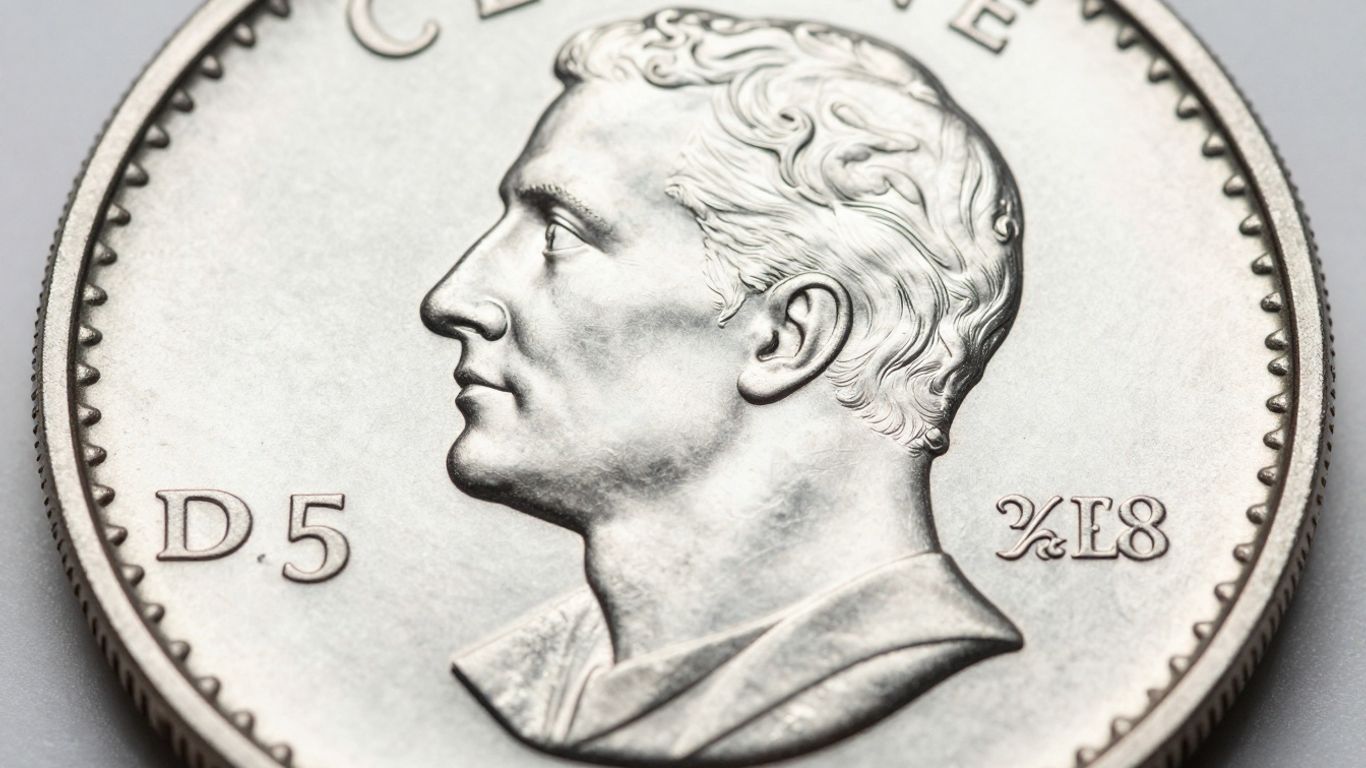
Making a proof coin isn’t like just churning out regular pocket change. It starts way before the coin is even struck. Both the metal discs, called planchets, and the metal dies that stamp the design are given extra special treatment. Think of it like prepping a canvas for a masterpiece versus just slapping some paint on a wall. The planchets are polished until they’re super smooth and free of any tiny imperfections. The dies, too, get a mirror-like polish on their background areas. This careful preparation is the first step in getting that super reflective look that proof coins are known for.
Multiple Strikes for Detail and Contrast
Once the planchets and dies are ready, the actual striking happens. But here’s the kicker: a proof coin isn’t just hit once. It’s struck multiple times, often with a lot more force than a regular coin. This isn’t just for show; it really brings out the detail in the design. Each strike pushes the metal further into the die, making the raised parts of the design really pop and the background fields stay incredibly smooth and reflective. This multi-strike process is what gives proofs that sharp, almost three-dimensional look and that dramatic contrast between the shiny background and the frosted design.
Ensuring Flawless Surfaces
Throughout the entire process, there’s a huge emphasis on keeping things clean and perfect. Mints use special gloves and handle everything with extreme care to avoid even the smallest scratch or fingerprint. Any coin that doesn’t come out looking absolutely pristine is usually set aside. This attention to detail is why proof coins look so amazing right out of the mint. They’re basically made to be perfect, with no smudges, no dings, and a finish that really shines. It’s this commitment to a flawless surface that collectors really appreciate.
The goal with proof coins is to create a coin that’s visually stunning, with a level of detail and finish that you just don’t see on coins meant for everyday use. It’s a combination of meticulous preparation and careful execution at every stage.
Handling and Preserving Proof Coin Quality
So, you’ve got some beautiful proof coins, maybe a shiny gold proof or a silver proof, and you want to keep them looking their best. It’s not rocket science, but you do need to be a little careful. These coins are made to look amazing, and that means they can show smudges and scratches pretty easily. The goal is to keep that mint-fresh look for as long as possible.
The Importance of Careful Handling
When you’re looking at your proof coins, resist the urge to pick them up with your bare fingers. Oils and dirt from your skin can stick to those mirror-like fields and frosted designs, and honestly, it’s a pain to get off. It’s like leaving fingerprints on a brand new car – it just ruins the shine. Even a tiny scratch can really bring down the value, especially for more expensive coins.
Here’s a quick rundown on how to handle them:
- Gloves are your friend: Always use soft cotton gloves. They create a barrier between your skin and the coin’s surface.
- Edge control: If you absolutely have to hold the coin without gloves (which I don’t recommend!), always grasp it by the reeded or smooth edge. Never touch the main faces of the coin.
- Work surface matters: When you’re examining your coins, place them on a soft, clean surface like a felt pad or a microfiber cloth. This prevents accidental scratches if the coin slips.
Proof coins are not meant for everyday use. They are special collectibles, and treating them as such is key to maintaining their appeal and worth. Think of them more like delicate artwork than pocket change.
Proper Storage Solutions
Once you’re done admiring your proofs, it’s time to put them away safely. The best way to do this is to keep them in protective holders. These can be individual plastic capsules, or you might keep them in the original mint packaging if you bought them that way. These holders shield the coins from dust, air, and accidental bumps. Just make sure whatever you use is made of inert plastic – avoid anything that says PVC, as that stuff can actually damage coins over time. For valuable coins, consider certified grading services for an extra layer of protection and authentication.
Avoiding Damage to Reflective Surfaces
Proof coins have those super shiny backgrounds that look fantastic, but they also act like mirrors, showing every little imperfection. This means:
- No abrasive cleaners: Never try to polish or clean a proof coin. You’ll almost certainly damage it.
- Watch out for stacking: Don’t stack coins directly on top of each other, even if they’re in holders. A slight shift can cause micro-scratches.
- Environmental control: Store your coins in a stable environment. Extreme temperature or humidity fluctuations aren’t good for them in the long run.
Factors Influencing Proof Coin Value
So, you’ve got a proof coin, and you’re wondering what makes one worth more than another? It’s not just about the shiny finish, though that’s a big part of it. Several things come into play, and understanding them can help you figure out if you’ve got a real gem on your hands.
Rarity and Mintage Figures
This is a pretty straightforward one. The fewer coins that were made, the harder they are to find, and generally, the more people want them. Mints often produce proofs in much smaller numbers than regular coins meant for everyday use. Sometimes, a particular year or design might have had a really low mintage, making it a "key date" and much more desirable to collectors. It’s like finding a rare comic book versus one that’s everywhere.
- Limited Production Runs: Proof coins are intentionally made in smaller quantities.
- Key Dates: Specific years or mint marks with exceptionally low mintages often command higher prices.
- Series Completion: Collectors might pay a premium for a proof that completes a specific series they are collecting.
Condition and Grading
This is where things get a bit more technical, but it’s super important. Even proof coins, with their fancy finishes, can get damaged. Scratches, dings, or even just fingerprints can really knock down the value. Professional grading services look at coins on a scale, usually from 60 to 70 for proofs (PR-60 to PR-70). A perfect PR-70 coin is worth way more than a PR-65, which is still pretty nice but not flawless.
- PR-70 (Perfect): The absolute best, with no visible flaws under magnification.
- PR-69 (Near Perfect): Almost perfect, with only the slightest imperfections visible to a trained eye.
- PR-65 (Gem Proof): A very nice coin, but with some minor, though not distracting, imperfections.
- Lower Grades (e.g., PR-60): These coins have noticeable flaws and are worth significantly less.
Handling proof coins requires extra care. Their highly polished surfaces show every little smudge or scratch, which can drastically reduce their collectible worth. Always use gloves or hold them by the edge when you need to handle them, and keep them in protective holders.
Precious Metal Content
For proof coins made from gold, silver, or platinum, the actual metal value is a big part of the price. These coins often have a premium over their melt value because of the numismatic (collector) appeal, but if the price of gold or silver goes up, the value of your proof coin usually goes up too. It’s like having an investment in both the coin’s rarity and the market price of the metal it’s made from.
- Gold Proofs: Value is influenced by both collector demand and the current price of gold.
- Silver Proofs: Similar to gold, collector interest combines with the fluctuating price of silver.
- Platinum Proofs: Less common, but the value is tied to platinum prices and collector rarity.
So, when you’re looking at a proof coin’s price tag, remember it’s a mix of how rare it is, how perfect it looks, and what the metal it’s made of is worth on any given day.
Identifying Proof Coin Characteristics
So, you’ve got a coin and you’re wondering if it’s a special ‘proof’ coin or just a regular one. It’s not always super obvious at first glance, especially if you’re new to this. But there are some tell-tale signs that collectors look for. The most striking difference is usually the contrast between the background and the design.
Here’s a breakdown of what to look for:
- Mirror-Like Fields: This is the big one. The flat, background areas of a proof coin are polished to an incredibly high sheen. When you tilt the coin under a light, these fields should reflect like a mirror. They can look almost black in photos because they’re so reflective. Regular coins, even shiny ones, just don’t have this level of polish.
- Frosted Raised Design Elements: Now, contrast that mirror background with the actual design – the portrait, the eagle, the lettering. On a proof coin, these raised parts usually have a matte, frosted appearance. This frosted look makes the design pop right out against the shiny background. It’s this combination that gives proofs their dramatic, high-contrast look.
- Sharp Details and Crisp Edges: Proof coins are made with extra care. They’re struck multiple times with specially prepared dies. This process means the details on the coin are incredibly sharp and well-defined. You’ll notice crisp edges on the lettering and design elements that you just don’t see on coins made for everyday spending.
Think of it like this:
A regular coin is like a car that’s been washed and waxed. It looks decent. A proof coin is like that same car after a professional detailing – polished to a mirror finish with every detail sharp and clear.
It’s this combination of a super-shiny background and a frosted design, all with razor-sharp details, that really sets a proof coin apart. If you see that extreme contrast and mirror-like finish on the fields, you’re likely holding a proof.
Wrapping It Up
So, we’ve looked at what makes proof coins special. It’s really about that fancy finish, right? The super shiny backgrounds and the frosted bits on the design make them look pretty different from the coins you get in your change. They’re made with extra care, struck more times, and generally just look a lot nicer. Whether you’re into them for how they look, because they might be worth something later, or because they’re made of gold or silver, knowing these details helps. Remember to handle them carefully and keep them protected so they stay looking good. It’s a neat part of coin collecting, for sure.
Frequently Asked Questions
What exactly is a proof coin?
A proof coin is a special kind of coin made with extra care. It’s not meant for everyday spending. Instead, it’s created for people who collect coins. Proof coins have a really shiny, mirror-like background and designs that look frosted, making them look super fancy and different from regular coins.
How are proof coins made differently from normal coins?
Making proof coins involves a special process. The metal discs (called planchets) and the metal stamps (called dies) are polished until they’re super smooth and shiny. Then, the coin is pressed multiple times with a lot of force. This makes the details really sharp and clear, and creates that amazing contrast between the shiny background and the frosty design.
What's the main difference in how proof coins look compared to regular coins?
The biggest difference is the finish. Proof coins have super shiny, mirror-like backgrounds that reflect light, while the raised parts of the design look frosty or matte. Regular coins usually have a more even, less reflective finish all over and aren’t as detailed.
Are there different kinds of proof coin finishes?
Yes! The most common is the traditional proof with mirror backgrounds and frosted designs. But there’s also a ‘reverse proof’ where the design is mirrored and the background is frosted. Sometimes, older coins have a ‘matte’ or ‘sandblast’ finish, which is less shiny than modern proofs.
Why are proof coins usually more expensive than regular coins?
Proof coins cost more because they take a lot more effort and time to make. The special polishing and multiple strikes mean higher production costs. Plus, they are made for collectors, who are willing to pay more for their beauty and rarity, so there’s an added collector’s value.
Can I handle a proof coin with my bare hands?
It’s best not to! Proof coins are very sensitive. Touching them can leave fingerprints and smudges that are hard to remove and can damage their shiny surface. It’s a good idea to wear soft cotton gloves or hold the coin only by its edge.
Do proof coins always go up in value?
Not always, but many do. Their value depends on how rare they are, their condition, how old they are, and if they’re made of precious metals like gold or silver. Some proof coins become more valuable over time, especially if they are hard to find or have a special design.
What is a 'reverse proof' coin?
A reverse proof coin is a cool variation where the look is flipped compared to a regular proof. Instead of having a mirrored background and frosted design, the design itself is mirrored and shiny, while the background areas have a frosted, non-shiny look. It creates a really unique visual effect.