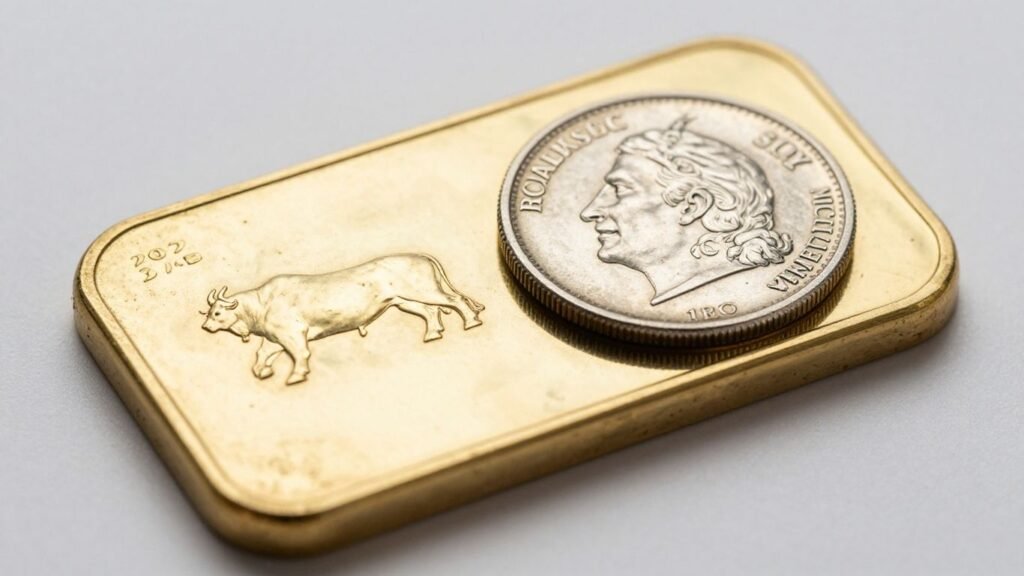
So, you’re looking at coins and precious metals, and maybe you’re a little confused about what’s what. It’s easy to get them mixed up, but there’s a pretty big bullion versus numismatic difference. One is all about the metal itself, like gold or silver you can hold. The other is about the coin as a collectible, with its own story and rarity. Let’s break down what makes them tick, so you know what you’re dealing with.
Key Takeaways
- Bullion’s value comes straight from the precious metal it contains, like gold or silver, and its purity. Think of it as owning raw metal.
- Numismatic coins are collected for reasons beyond just their metal content. Their value is tied to how rare they are, their historical importance, and their condition.
- When you buy bullion, you’re usually focused on the metal’s price and how it moves in the market.
- Numismatic coins, on the other hand, have a market driven by collectors’ interest, rarity, and historical appeal, which can make their value very different from the metal inside.
- Understanding the bullion versus numismatic difference is key, whether you’re looking to invest in precious metals or start a coin collection.
Understanding The Bullion Versus Numismatic Difference
When folks talk about coins and precious metals, you’ll hear two terms a lot: bullion and numismatics. They both involve coins and have value, sure, but they’re different in what they’re for, what they’re like, and why people collect or invest in them. Let’s break down what makes bullion and numismatics distinct.
Defining Bullion: Focus On Metal Content
Bullion is basically precious metal, like gold, silver, or platinum, shaped into bars, ingots, or coins. The main point here is the metal itself. Think of it as a way to own a piece of that metal. Its value comes directly from how much metal is in it and what that metal is worth on the market right now.
- Primary Value Driver: The amount and purity of the precious metal. That’s it. No fancy designs or historical stories needed.
- Purity Standards: Bullion is usually made to be very pure. For gold, this often means .999 or .9999 fine, meaning it’s 99.9% or 99.99% pure gold. Silver is often .999 fine.
- Market Fluctuations: The price of bullion goes up and down with the global markets for gold, silver, and other precious metals. It’s pretty straightforward – if gold prices rise, your gold bullion is worth more.
Bullion is primarily about the raw material. Its worth is tied directly to the commodity price of the metal it’s made from, with purity and weight being the key factors.
Defining Numismatics: Focus On Collectibility
Numismatics, on the other hand, is all about the coin as a collectible item. It’s the study and collection of coins, looking at their history, rarity, design, and condition. The value here isn’t just about the metal; it’s about how interesting, rare, or historically important the coin is.
- Collectibility Factors: What makes a coin numismatic? Things like its age, how many were made (mintage), its condition, and any historical events it’s linked to.
- Historical Significance: Some coins are valuable because they represent a specific time period, a ruler, or a significant event. They’re like tiny pieces of history you can hold.
- Aesthetic Appeal: The design and artistry of a coin can also add to its numismatic value. Some coins are simply beautiful and sought after for their appearance.
Key Distinctions In Purpose
So, why do people buy bullion versus numismatic coins? It usually comes down to their goals.
- Bullion Investors: Typically looking to invest in precious metals as a store of value or a hedge against inflation. They’re focused on the metal content and its market price.
- Numismatic Collectors: Often driven by a passion for history, art, or the thrill of the hunt for rare items. They might see their collection as both a hobby and a potential long-term investment, but the primary motivation is often the collecting itself.
- Hybrid Approach: Some coins, like American Gold Eagles or Canadian Maple Leafs, can be both bullion and numismatic. They have a precious metal content, but also a limited mintage and collector appeal, creating a dual value proposition. The core difference lies in whether the primary value is derived from the metal content or from the coin’s rarity and historical context.
The Intrinsic Value Of Bullion
Precious Metal Content As Primary Driver
When you’re looking at bullion, the main thing that gives it value is the actual precious metal it’s made of. Think gold, silver, platinum, or palladium. It’s not really about the design or how old it is; it’s all about how much of that shiny metal is packed inside. The more pure metal, the more it’s worth. This is why bullion coins and bars are often stamped with their weight and purity. It’s pretty straightforward – you’re buying the metal itself, plain and simple. This makes it a direct way to invest in commodities like gold, where its spot price can change daily.
Purity And Fineness Standards
Bullion has to meet certain standards to be considered, well, bullion. These standards basically tell you how much pure precious metal is in the item. You’ll often see terms like ‘fineness’ or ‘karats’ used. For example, .999 fine gold means that 99.9% of the metal is pure gold. Government mints usually produce bullion to very strict specifications, making it reliable. Private refiners also make bullion, and they have to meet specific industry standards too. This consistency is a big deal for buyers because it means they know exactly what they’re getting.
Here’s a quick look at common fineness levels:
| Metal | Common Fineness |
|---|---|
| Gold | .999 or .9999 |
| Silver | .999 |
| Platinum | .9995 |
| Palladium | .9995 |
Market Fluctuations Of Precious Metals
The price of bullion isn’t fixed; it moves around a lot based on what’s happening in the world. Things like economic news, political events, and even how much of a metal is being mined can affect its price. If the economy is shaky, people often turn to gold and silver as a safe place to put their money, which can drive prices up. Conversely, if things are booming, people might sell off precious metals to invest in other things, potentially lowering prices. It’s a dynamic market, and keeping an eye on these trends is part of owning bullion.
The value of bullion is directly tied to the global market price of the precious metal it contains. This price is influenced by a complex interplay of supply and demand, geopolitical stability, and investor sentiment. Unlike collectible coins, the numismatic or historical aspects play a minimal role in determining the intrinsic worth of bullion. Its primary function is as a store of value and a hedge against inflation or economic uncertainty.
Bullion coins, like the American Eagle or Canadian Maple Leaf, are popular because they are recognized worldwide and are easy to trade. They offer a tangible way to own precious metals, providing a sense of security for investors. The ease of buying gold online makes it accessible for many people looking to diversify their assets.
The Collectible Value Of Numismatic Coins
Rarity and Historical Significance
When we talk about numismatic coins, we’re stepping away from just the metal content. The real value here comes from a coin’s story and how many of them are left in the world. Think about it – a coin that was around during a major historical event, or one that was made in very limited numbers, is going to be worth more than a common coin, even if they’re made of the same stuff. It’s like comparing a mass-produced souvenir to an artifact dug up from an ancient site. The latter has a history, a scarcity that makes it special.
- Limited Mintage: Coins produced in small quantities are inherently rarer and thus more sought after by collectors.
- Historical Events: Coins associated with significant historical moments or figures often command higher prices.
- Cultural Importance: Some coins are collected for their representation of a particular culture or era, regardless of their metal value.
The allure of numismatic coins often lies in their connection to the past. Owning a piece of history, something that has passed through many hands and witnessed different times, adds a layer of fascination that pure metal simply can’t replicate.
Aesthetic Appeal and Condition
Beyond just how old or rare a coin is, how it looks and how well it’s been preserved plays a huge role. A coin that’s been kept in great shape, with all its details sharp and clear, is going to be more desirable than one that’s worn down or damaged. This is where the condition really matters. Collectors often use a standardized system to grade coins, which helps everyone understand just how good a coin’s condition is. It’s a bit like judging a piece of art; its presentation and state of preservation are key.
The Role of Mintage Numbers
Mintage numbers are a big deal in the numismatic world. They tell you exactly how many of a particular coin were originally produced. A low mintage number usually means a coin is rarer, and rarity often translates to higher value. It’s a pretty straightforward concept: fewer exist, more people want them, prices go up. This is why collectors spend a lot of time researching these numbers before deciding on a purchase. It’s a key factor in determining a coin’s potential collectibility and future worth.
Market Dynamics: Bullion Versus Numismatics
Liquidity and Tradability of Bullion
When you’re looking at bullion, think of it like a commodity, similar to gold or silver itself. It’s generally easy to buy and sell because its value is tied directly to the precious metal content. If you have a gold bar or a silver coin with a known purity and weight, most dealers and exchanges will know exactly what it’s worth based on the current market price of that metal. This makes bullion quite liquid. You can usually find a buyer pretty quickly, and the transaction is straightforward. It’s not uncommon for bullion coins, especially popular ones like American Eagles or Canadian Maple Leafs, to be traded at a small premium over their melt value, but that premium is usually pretty stable.
Assessing Numismatic Market Value
Now, numismatic coins are a whole different ballgame. Their value isn’t just about the metal they’re made of, though that can be a baseline. Instead, you’re looking at a mix of factors that can make a coin worth way more, or sometimes less, than its metal content. Think about how rare it is – were only a few thousand made? Does it have a cool historical story attached to it, like being part of a famous shipwreck or owned by a president? The condition of the coin is also a huge deal. A coin that’s been perfectly preserved over decades will fetch a much higher price than one that’s been scratched up or heavily worn. Mintage numbers, errors, and even eye appeal all play a part. It’s a much more subjective market, driven by collector demand and historical interest.
The Gap Between Metal and Numismatic Worth
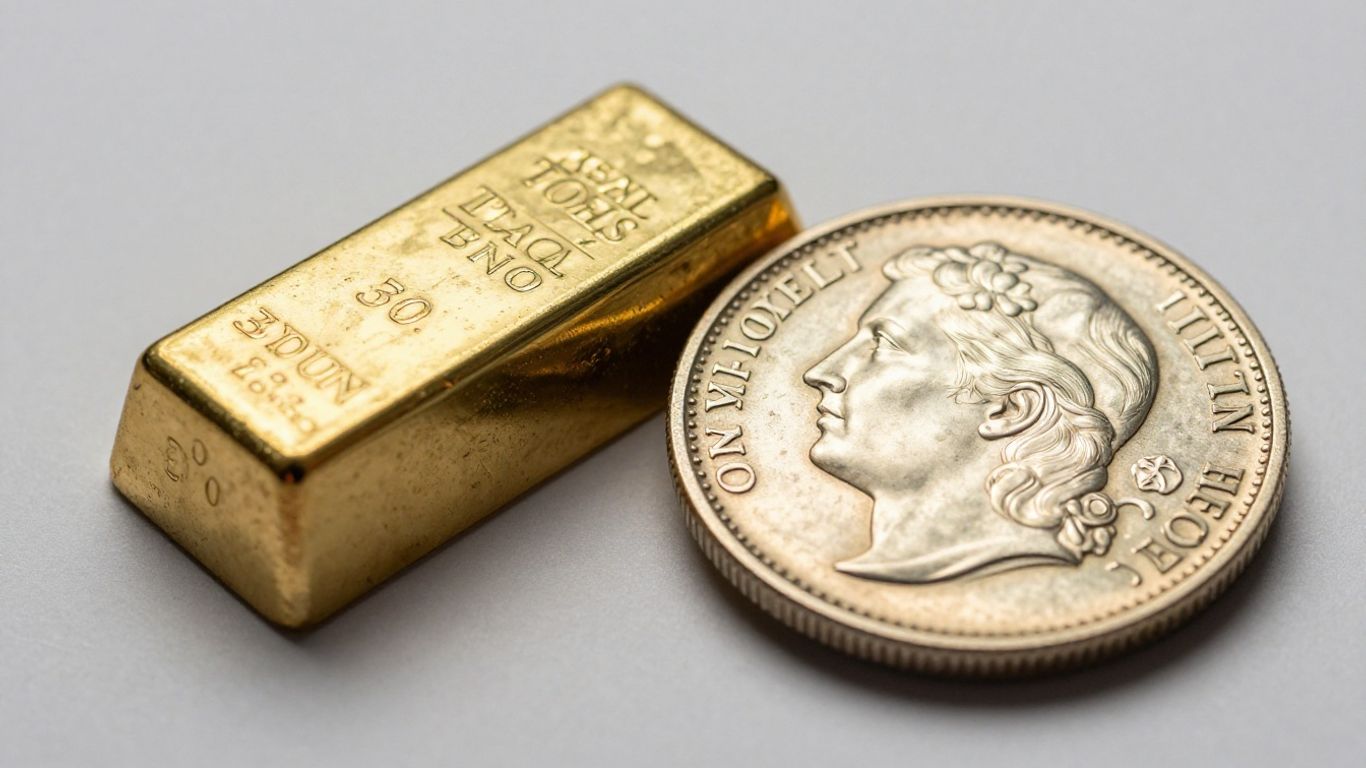
This is where things get really interesting. You can have two coins made of the exact same metal, with the exact same weight and purity. One might be a simple bullion round, worth just a bit over its melt value. The other could be a rare, ancient coin in fantastic condition, worth thousands or even millions. That massive difference is the numismatic premium. It’s the value added by rarity, history, condition, and collector desirability.
Here’s a quick look at how that value can stack up:
- Bullion Coins: Value primarily based on precious metal content, with a small premium for minting and design.
- Common Circulated Coins: Value often close to or below melt value, unless they have specific rare dates or mint marks.
- Key Date/Low Mintage Coins: Value significantly higher than melt, driven by rarity and collector demand.
- High-Grade/Rare Coins: Value can be exponentially higher than melt, reflecting historical significance, condition, and extreme rarity.
The market for numismatic items is less about immediate price fluctuations of commodities and more about the long-term appreciation driven by scarcity and historical appeal. It requires a different kind of research and patience compared to simply tracking metal prices.
So, while bullion is pretty straightforward – you’re buying metal – numismatics is about buying history, art, and rarity. The price you pay reflects not just the material, but the story and the scarcity behind the piece.
Production And Standardization
Standardized Bullion Production
When you look at bullion, you’re usually seeing something made with a very specific purpose: to hold and represent a certain amount of precious metal. Think of gold bars or silver rounds. These aren’t just random lumps; they’re produced with strict rules about what they contain and how much they weigh. Mints, whether they’re government-run or private operations, aim for consistency. This means a one-ounce gold bar from one reputable refiner should be pretty much the same as a one-ounce gold bar from another, at least in terms of its metal content and purity. This standardization is what makes them easy to trade and understand for investors worldwide.
- Purity: Bullion is typically stamped with its fineness, like .999 or .9999, meaning it’s 99.9% or 99.99% pure precious metal.
- Weight: Common weights include troy ounces, grams, or kilograms, and these are clearly marked.
- Design: While designs can vary (think of the iconic American Eagle or Canadian Maple Leaf coins), the focus is on clear identification of the metal and its quantity.
The goal with bullion production is to create a reliable store of value, where the metal itself is the main attraction, not some unique design or historical quirk.
Varied Numismatic Coinage
Numismatic coins, on the other hand, are a whole different ballgame. Their production is often tied to historical events, specific commemorative purposes, or even just regular circulation that eventually becomes collectible. Because they’re valued for more than just their metal – think rarity, historical context, or artistic merit – the production process can be much less uniform. Some might be minted in very limited numbers, while others might have had millions made but are now scarce due to being lost, melted down, or simply not saved by collectors.
Government And Private Mint Roles
Both government and private mints get involved in producing coins, but their roles differ depending on whether it’s bullion or numismatic. Government mints, like the U.S. Mint or the Royal Canadian Mint, produce both standardized bullion coins (like Gold Eagles or Maple Leafs) and circulating or commemorative coins that can become numismatic items. Private refiners and mints primarily focus on bullion products – bars, rounds, and some specific bullion coins. They operate under strict quality controls to ensure their products meet the market’s expectations for purity and weight. For numismatic coins, the story is often more complex, involving decisions about design, mintage limits, and historical significance that go beyond simple metal content.
Investment Motivations
Investing In Precious Metals
When people think about investing in precious metals, they’re usually looking at gold, silver, platinum, or palladium. The main idea here is that these metals tend to hold their value over time, especially when the economy is shaky. Think of it as a safe bet, a way to protect your money from inflation or big market drops. People buy them as bars, ingots, or specific coins like the American Eagle or Canadian Maple Leaf. The value is pretty straightforward: it’s all about how much metal is in it and what that metal is worth on the market right now. It’s a pretty direct way to get a piece of something tangible that has a global price.
Collecting For Historical Interest
This is where things get a bit more interesting than just pure metal value. Collecting coins for historical interest means you’re buying them because of the story they tell. Maybe it’s a coin from ancient Rome, or one that marks a significant event in history. The metal content is secondary; what really matters is the coin’s rarity, its condition, and its connection to the past. These aren’t just pieces of metal; they’re tiny artifacts. People get into this because they love history, they enjoy the hunt for a rare piece, and they find satisfaction in owning something unique that has survived for decades, or even centuries. It’s a way to connect with the past on a personal level.
Diversifying Portfolios With Coins
Adding coins, whether they’re bullion or numismatic, to your investment mix can be a smart move. It’s like not putting all your eggs in one basket. If the stock market takes a nosedive, your gold coins might hold steady, or a rare collectible coin could even go up in value. It spreads out the risk. Bullion coins offer a way to invest in precious metals with a bit more ease than just buying bars, while numismatic coins can offer growth potential based on factors beyond just the metal price. It’s about creating a more balanced financial picture.
Here’s a quick look at why people choose different types of coins:
- Bullion Coins: Primarily for exposure to precious metal prices. Value tied to metal content and market fluctuations.
- Numismatic Coins: Value driven by rarity, historical significance, condition, and collector demand. Potential for appreciation independent of metal prices.
- Hybrid Coins (Bullion Coins with Collectible Appeal): Can offer benefits of both, though their value is often a blend and can be harder to predict.
When you’re thinking about investing in coins, it’s really important to know why you’re buying them. Are you looking for a hedge against inflation with gold, or are you hoping to find a rare piece of history that might increase in value over time? Your motivation will guide you to the right type of coin and the right approach to collecting or investing.
Grading And Authentication
Professional Grading Services
When you’re looking at coins, especially ones that aren’t just plain old bullion, figuring out what they’re actually worth can get tricky. That’s where professional grading services come in. Think of them like appraisers for rare coins. They have experts who look at a coin and give it a grade based on its condition. This grade is super important because it tells you how well-preserved the coin is, which directly impacts its value. Services like PCGS (Professional Coin Grading Service) and NGC (Numismatic Guaranty Company) are the big names in this game. They put the coin in a special sealed holder, called a "slab," along with its grade and a unique identification number. This not only protects the coin but also gives buyers confidence that they know exactly what they’re getting.
The Sheldon Scale In Numismatics
So, how do these grading services actually decide on a grade? They mostly use something called the Sheldon Scale. It’s a system that goes from 1 to 70, with 70 being the absolute best condition possible. It’s not just a simple "good" or "bad" rating; it’s pretty detailed. For example, a coin might get a grade of MS-65 (Mint State, meaning it’s uncirculated) or AU-58 (About Uncirculated, meaning it’s almost perfect but has seen a tiny bit of handling). The scale helps everyone speak the same language when talking about coin condition. It’s pretty neat how they can spot even the smallest imperfections that might escape the average eye.
Here’s a quick look at some general categories on the scale:
- 70 (Perfect Uncirculated): Flawless, as if it just came off the minting press.
- 60-68 (Mint State): Uncirculated, with minor to moderate imperfections visible under magnification.
- 50-58 (About Uncirculated): Shows very light wear, but most of the original detail is still there.
- 30-40 (Extremely Fine): Moderate wear, but all major design elements are still clear.
- 1-10 (Poor to Good): Significant wear, often with major details worn away.
Authenticity For Both Categories
Authenticity is a big deal, whether you’re talking about a shiny gold bar or a rare old coin. For bullion, it’s usually pretty straightforward. Reputable mints and dealers have ways to verify that the metal is what it says it is – pure gold, silver, or whatever. They’ll check the weight, dimensions, and purity. It’s more about confirming the metal content. With numismatic coins, authenticity is a whole other level of important. Because these coins can be worth so much more than their metal content, there are a lot of fakes out there. That’s why grading services are so vital; they don’t just grade the coin, they also confirm it’s genuine. If a coin isn’t real, it’s basically worthless, no matter how good it looks. So, getting a coin authenticated and graded by a trusted third party is a really smart move for anyone serious about collecting or investing.
When buying or selling, especially for higher-value items, always look for coins that have been graded and authenticated by a reputable service. This adds a layer of security and transparency to the transaction, making it easier to trust the item’s true value and condition.
Storage And Portability Considerations
Storing Bullion Assets
When you’re holding onto bullion, like gold bars or silver rounds, the main concern is keeping it safe and sound. Think about security first. A home safe is a start, but for larger amounts, a bank safe deposit box or a specialized precious metals depository might be a better bet. These places are built to be secure and often have insurance. You also want to think about how you’ll organize it. Keeping things in their original mint packaging can help protect them and make them easier to track. It’s not usually about fancy display cases for bullion; it’s more about practical, secure storage.
Handling Numismatic Treasures
Numismatic coins are a different story. These aren’t just metal; they’re pieces of history, and their condition matters a lot for their value. You’ll want to handle them carefully, ideally by the edges, to avoid getting fingerprints on the surfaces. Fingerprints can leave oils that might damage the coin over time, especially if it’s a high-grade collectible. Many collectors use special holders, like inert plastic flips or hard acrylic cases, to protect individual coins. Keeping them in a stable environment, away from extreme temperatures or humidity, is also key to preserving their condition. It’s like taking care of old photographs; you want to keep them pristine.
Ease of Transport For Investments
Transporting bullion is generally straightforward. Because its value is tied directly to the metal content, a few ounces of gold are easier to move than a large amount of silver, weight-wise. You can put it in a secure bag or box. However, moving large quantities might require specialized transport services, especially if you’re dealing with significant value. For numismatic coins, transport is more delicate. You’d want to ensure each coin is securely housed in its protective holder and then packed carefully to prevent any shifting or impact. Think about using padded containers or even specialized coin cases. The goal is to get your valuable items from point A to point B without any damage.
Here’s a quick look at how storage and transport differ:
| Feature | Bullion | Numismatic Coins |
|---|---|---|
| Primary Goal | Security of metal value | Preservation of condition and historical integrity |
| Handling | Less sensitive to touch | Requires careful handling by edges |
| Packaging | Sturdy containers, original mint packaging | Protective flips, hard cases, specialized trays |
| Transport | Secure bags/boxes, specialized services for bulk | Padded containers, careful packing, individual protection |
When thinking about where to keep your coins and precious metals, consider what you’re storing. Bullion is about the weight and purity of the metal, so secure, straightforward storage is usually enough. Numismatic coins, on the other hand, are about their condition and history. They need more careful handling and protection to maintain their value over time. It’s a bit like comparing storing sacks of potatoes to storing antique china.
Types Of Numismatic Investments
When you get into collecting coins, it’s not just about shiny metal. There’s a whole world of different things people collect, and they all have their own reasons for being interesting. It’s more than just buying gold or silver; it’s about history, rarity, and sometimes just plain cool designs.
Rare and Ancient Coins
These are often the stars of the numismatic show. We’re talking about coins that are super old, maybe thousands of years, or coins that were only made in tiny amounts. Think Roman denarii or early American dollars with very low mintages. Their value comes from how hard they are to find and the stories they can tell. Because they’re so scarce, their price isn’t really tied to the metal they’re made of; it’s all about demand from collectors.
Paper Currency Collections
Don’t forget about paper money! Old banknotes, especially those from defunct banks or historical periods, can be really sought after. People collect them for their historical context, unique artwork, and the fact that paper doesn’t last forever, making older examples rarer. It’s a different kind of collecting, focusing on the art and history printed on the bills.
Bullion Coins as a Hybrid
Now, this is where things get a little mixed. Bullion coins, like the American Eagle or Canadian Maple Leaf, are made with a specific amount of precious metal and are valued mostly for that metal content. However, some of these coins, especially if they have a low mintage year or a special finish (like proof coins), can also gain numismatic value. They sit in a bit of a gray area, offering both metal backing and potential collector appeal. It’s like getting the best of both worlds, sometimes.
Here’s a quick look at what makes these categories distinct:
| Investment Type | Primary Value Driver | Key Characteristics |
|---|---|---|
| Rare/Ancient Coins | Rarity, Historical Significance | Low mintage, age, unique historical context |
| Paper Currency | Rarity, Historical Significance, Art | Old banknotes, unique designs, historical periods |
| Bullion Coins (Hybrid) | Metal Content, Rarity (sometimes) | Standardized metal weight/purity, potential collector appeal |
It’s important to remember that while bullion coins have a base value tied to their metal, their numismatic value can fluctuate independently based on collector interest and rarity. This makes them a unique option for those looking for a bit of both worlds.
Navigating The Numismatic Market
So, you’ve got some old coins lying around, or maybe you’re thinking about picking some up. The numismatic market is where all that action happens – it’s basically the place where rare coins and paper money get bought and sold. It sounds simple enough, but honestly, it’s a whole world of its own. Understanding how it works can really make a difference if you’re looking to find something special or maybe even make a bit of profit.
Understanding Market Trends
Keeping up with what’s hot and what’s not in the coin world isn’t always straightforward. It’s not like tracking the price of gold, where you can just look at a chart and see the daily fluctuations. With numismatics, value is tied to so many other things. Think about it: a coin’s history, how many were made, and even how good it looks all play a part. Subscribing to coin collecting magazines or following online forums can give you a sense of what collectors are talking about. Sometimes, just attending a local coin show can be super informative. You get to see what people are buying and selling, and you can chat with dealers and other collectors.
Networking With Collectors
This is a big one, seriously. The numismatic community can be really helpful. You’ll find people who have been collecting for decades and know a ton. Going to coin shows or joining a local coin club is a great way to meet these folks. They can offer advice, point you toward good deals, or even help you identify something you’ve found. Building relationships is key to learning the ropes and avoiding common pitfalls. It’s like having a built-in support system for your collecting journey.
Researching Potential Purchases
Before you drop a bunch of cash on a coin, do your homework. Seriously. You need to know what you’re buying. This means looking into the coin’s history, its rarity, and what similar coins have sold for recently. Websites that track auction results can be really useful here. You also want to make sure the coin is what the seller says it is. Sometimes, coins are graded by professional services, which gives you a more objective idea of its condition and worth. Checking out resources on gold value trends can also give you a broader perspective on precious metals explore gold value trends.
The numismatic market is a fascinating space where history, art, and finance intersect. It requires patience, a keen eye for detail, and a willingness to learn. Don’t rush into big purchases; take your time to understand the nuances of each coin and the broader market forces at play. Building a collection is a marathon, not a sprint.
Here’s a quick look at what influences a coin’s value:
- Rarity: How many of these coins were originally made, and how many still exist?
- Condition: Is it in mint condition, or does it show signs of wear and tear?
- Historical Significance: Does the coin have a story behind it? Was it part of a major event?
- Demand: Are a lot of collectors looking for this specific coin right now?
- Metal Content: While less important for numismatics than bullion, the precious metal content can still add a baseline value.
Wrapping It Up
So, we’ve gone over the main differences between bullion and numismatic coins. It’s pretty clear they’re not the same thing, even though they both involve precious metals. Bullion is mostly about the metal itself – like gold or silver – and its market price. Think of it as a straightforward investment in the metal’s weight and purity. Numismatics, on the other hand, is all about the coin’s history, its rarity, and how it looks. A coin might be made of silver, but its real value could come from it being super old or having a special story. Knowing this difference is key, whether you’re looking to invest your money or just build a cool collection. It helps you figure out what you’re actually buying and what you can expect from it down the road.
Frequently Asked Questions
What's the main difference between bullion and numismatic coins?
Think of it this way: bullion coins are all about the metal inside, like gold or silver. Their value mostly comes from how much metal they contain. Numismatic coins, on the other hand, are special because they’re rare, historically important, or just really cool to look at. Their value comes from being collectible, not just the metal.
Why is the metal content so important for bullion?
Bullion is basically a way to invest in precious metals like gold, silver, or platinum. So, the main reason people buy it is for the actual metal. The more pure metal and the heavier the piece, the more it’s generally worth. It’s like buying a block of pure gold.
What makes a coin a 'numismatic' coin?
Numismatic coins are valued for more than just their metal. Things like how many were made (mintage), if they’re linked to a famous event or person, their age, and how good they look all play a big part. They’re collected for their story and uniqueness.
Can a coin be both bullion and numismatic?
Yes, absolutely! Some coins are made with a good amount of precious metal, like gold or silver, and are also produced in limited numbers or have special designs. These are often called ‘bullion coins’ but can also have numismatic value because they’re collectible.
How do you know if a numismatic coin is valuable?
Figuring out a numismatic coin’s worth involves looking at a few things. Experts check its rarity (how many exist), its condition (is it shiny or worn?), its historical importance, and how much people want to buy it. It’s a bit like art appraisal.
Is bullion easier to buy and sell than numismatic coins?
Generally, yes. Bullion is traded based on the current price of its metal, so it’s usually easy to find buyers and sellers quickly. Numismatic coins can sometimes take longer to sell because you need to find a collector who specifically wants that particular coin.
What does 'grading' mean for numismatic coins?
Grading is like giving a numismatic coin a report card on its condition. Professional companies examine the coin and give it a score, usually on a scale from 1 to 70. A higher grade means the coin is in better shape and is often worth more.
Where do people usually buy bullion and numismatic coins?
You can find both from specialized coin dealers, precious metal dealers, and sometimes at coin shows. Bullion might also be available from some banks or online bullion retailers. It’s always smart to buy from reputable sources to make sure you’re getting the real deal.