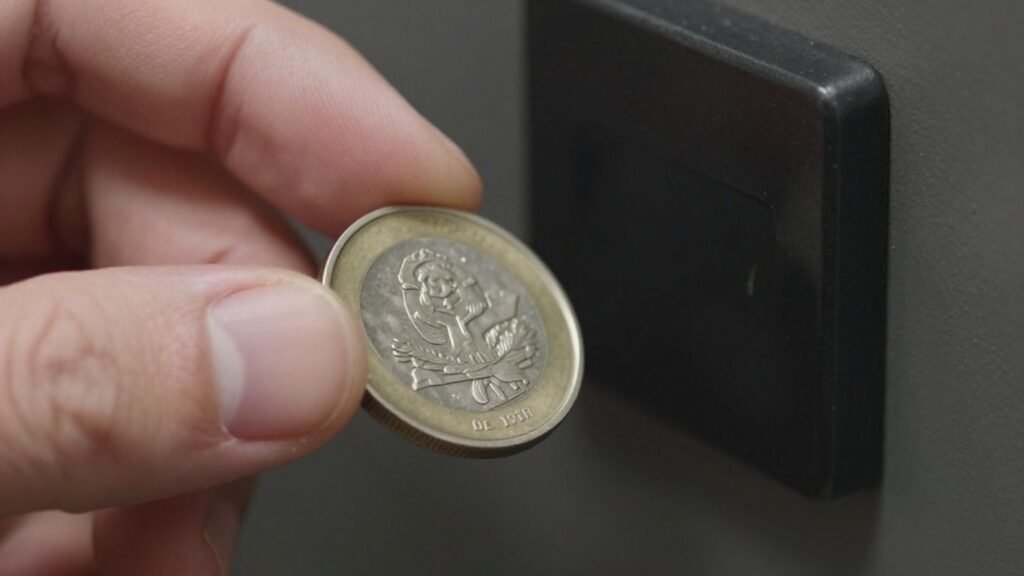
Ever wondered if that old coin is worth more than its face value? Sometimes, a simple magnet can offer clues. Using magnets to test coins is a straightforward method that can help you identify certain metal compositions and even spot potential fakes. It’s not a foolproof system, but it’s a great starting point for any coin collector. Let’s explore how this basic tool can help you sort through your collection.
Key Takeaways
- Magnets attract certain metals, helping to identify coin composition. Ferromagnetic materials like iron and nickel will stick to a magnet.
- Most common coins, especially older ones made of silver or copper, are not magnetic. This makes the magnet test a quick way to rule out certain metals.
- A weak attraction might indicate a coin with a small amount of magnetic metal, or it could be due to other factors.
- While a magnet test is useful, it’s not the only test. Other methods like checking weight and size are also important for coin authentication.
- Be aware that some counterfeit coins might be made with magnetic metals to fool collectors. Always use multiple authentication methods.
Understanding Magnetic Properties of Coins
So, you want to test your coins with magnets? That’s a smart move, and it all starts with knowing a bit about magnetism itself. It’s not just about whether a coin sticks to your fridge; it’s about the metals they’re made from and how those metals behave around a magnetic field.
What is Magnetism?
At its core, magnetism is a force. It’s generated by moving electric charges, like electrons spinning within atoms. Think of it as an invisible push or pull. Some materials have a lot of these tiny magnetic effects that line up, making them magnetic. Others have them all jumbled up, so they don’t show any magnetic behavior. This alignment of atomic particles is what determines if something will be attracted to a magnet.
Ferromagnetic Materials Explained
When we talk about materials that magnets really like, we’re usually talking about ferromagnetic materials. These are the heavy hitters – iron, nickel, and cobalt are the classic examples. They have a strong attraction to magnets and can even become magnets themselves. Many coins aren’t made of pure iron, nickel, or cobalt, but they might contain alloys with these metals, which can give them magnetic properties. It’s these specific metal compositions that we’re trying to identify when we test coins.
Identifying Coin Composition
Knowing what a coin is made of is key to understanding its magnetic response. Different metals and alloys react differently. For instance, some coins are primarily copper or nickel, and these can show varying degrees of magnetic attraction. Others, like pure silver or gold, generally don’t react to magnets at all. This basic test helps us sort coins into broad categories based on their metallic makeup. For example, you might find that certain copper-nickel alloys are magnetic, which is an important detail for collectors of specific coin types.
The way a coin interacts with a magnet gives us a clue about its internal structure and the metals used in its creation. It’s a simple physical property that can tell us a lot without needing complex equipment.
Selecting the Right Magnet for Testing
Alright, so you’ve got your coins and you’re ready to see what’s what. But hold on a second, you can’t just grab any old magnet off the fridge. Not all magnets are created equal, and using the wrong one can lead you down a rabbit hole of confusion. We need to pick a tool that’s actually going to help us out here.
Types of Magnets Available
When you’re out looking for a magnet, you’ll see a few main types. For coin testing, we’re generally looking at ceramic magnets, neodymium magnets, and sometimes alnico magnets. Ceramic ones are pretty common, often black and a bit chunky. They’re okay for basic stuff, but they’re not usually the strongest. Neodymium magnets, on the other hand, are the powerhouses. They’re usually silver-colored and can be surprisingly small but pack a serious punch. Alnico magnets are a bit less common for everyday use but are known for holding their magnetism even at high temperatures, which isn’t really a concern for us coin testers.
Strength Considerations for Coin Testing
This is where things get interesting. You don’t need a magnet that can lift a car, but you definitely need something with a bit of oomph. A weak magnet might not give you a clear reaction, especially with coins that have only a slight magnetic pull or are made of materials that are only weakly magnetic. For most coin testing, a neodymium magnet with a pull force of around 5-10 pounds is a good starting point. You want to feel a definite tug, not just a gentle nudge. Too strong, and you risk damaging delicate coins or getting false positives from other nearby metal objects. Too weak, and you’ll miss out on identifying certain metals.
Here’s a quick rundown:
- Weak Magnets (e.g., basic ceramic): Might only attract strongly ferromagnetic materials. Can be hard to get a clear reading.
- Medium Strength Magnets (e.g., 5-10 lb pull neodymium): Good all-around choice. Should clearly attract iron and nickel, and give a noticeable pull on other magnetic metals.
- Strong Magnets (e.g., 15+ lb pull neodymium): Can be overkill. Might attract non-ferrous metals if they have impurities, or even induce magnetism in some materials. Use with caution.
Choosing a Magnet for Durability
Let’s be real, we want a magnet that’s going to last. Neodymium magnets are super strong, but they can be brittle. If you drop one, it might shatter. Ceramic magnets are tougher but less powerful. Look for magnets that are coated, often with nickel or rubber. This coating helps protect them from chipping and breaking, and it also makes them safer to handle, reducing the chance of pinching your fingers. A rubber-coated neodymium magnet strikes a good balance between strength and durability for a coin collector.
When selecting your magnet, think about how you’ll store it. Strong magnets can attract each other forcefully, and if they snap together, they can break. Keeping them separated in their packaging or in a container that prevents them from touching each other is a good idea.
The Basic Magnet Test Procedure
Alright, so you’ve got your magnet, and you’re ready to start checking out your coins. It’s not complicated, but doing it right makes a big difference. Let’s get this done.
Preparing Your Coin Collection
Before you start waving magnets around, it’s a good idea to get your coins organized. You don’t want to be digging through a pile while you’re trying to test.
- Lay out your coins: Spread them out on a flat surface so you can easily pick them up one by one. A tray or a cloth works well to keep them from rolling away.
- Clean them up a bit: If your coins are really grimy or tarnished, a quick wipe down can help. Sometimes, heavy tarnish can interfere with the test, though we’ll talk more about that later.
- Have your magnet ready: Make sure your magnet is easily accessible. If you’re using a stronger one, keep it a safe distance from sensitive electronics nearby.
Performing the Attraction Test
This is the main event. It’s pretty straightforward: you’re just seeing if the coin sticks to the magnet.
- Pick up a coin: Grab one coin from your prepared collection.
- Bring the magnet close: Hold the magnet near the coin. You don’t need to press them together hard, just get them within about half an inch or so.
- Observe the reaction: Does the coin jump towards the magnet? Does it cling to it? Or does it just sit there, completely unbothered?
The key is to see if there’s any pull at all. A strong attraction means it’s likely a magnetic metal. A weak pull might mean something else, and no pull usually means it’s not magnetic.
Interpreting Initial Results
What you see right away tells you a lot, but it’s not the whole story.
- Strong Attraction: If the coin snaps to the magnet and holds on tight, you’re probably looking at a coin made of iron or steel. These are strongly magnetic.
- No Attraction: If the coin just hangs out and doesn’t move towards the magnet, it’s likely made of a non-magnetic metal like copper, nickel, zinc, or aluminum. This is common for many circulating coins.
- Slight Pull (Less Common): Sometimes, you might feel a very weak tug. This can be tricky and might indicate a specific alloy or a coin with a magnetic plating. We’ll get into more advanced stuff later, but for now, focus on the clear yes or no.
Remember, this basic test is a great first step. It helps you quickly sort through coins and identify the ones that are definitely magnetic or definitely not. It’s a simple way to start understanding what your coins are made of without needing fancy equipment.
Distinguishing Between Magnetic and Non-Magnetic Coins
So, you’ve got your magnet, and you’re ready to test some coins. Great! The first big step is figuring out which coins will actually stick to your magnet and which ones won’t. This isn’t just about seeing if something clings; it tells us a lot about what the coin is made of.
Common Magnetic Coin Metals
When a coin is attracted to a magnet, it’s usually because it contains iron or nickel. These metals are ferromagnetic, meaning they can be strongly attracted to magnets. Think of it like this: the magnet’s pull is really strong on these particular metals.
- Nickel: Most modern coins that contain nickel will show a slight attraction. It’s not usually a super strong pull, but you’ll feel it.
- Iron: Coins made primarily of iron, or those with a significant iron content, will often have a noticeable magnetic pull. Some older coins or specific foreign currency might fall into this category.
- Steel: Many coins are actually steel that’s been plated with other metals. If the steel core is exposed or the plating is thin, the magnet will pick up on the steel’s magnetic properties.
Non-Magnetic Coin Materials
On the flip side, many coins are made from metals that magnets just don’t care about. These are typically non-ferromagnetic. They might be valuable, but they won’t be sticking to your magnet.
- Copper: Pure copper is not magnetic. Many older coins, like pennies before 1982, are mostly copper and will pass the magnet test.
- Aluminum: This lightweight metal is also non-magnetic. You’ll find it in some modern coinage.
- Silver: Pure silver is non-magnetic. This is a key point for collectors, as many silver coins won’t react to a magnet at all. This method helps differentiate genuine precious metals from fakes.
- Gold: Like silver, gold is not magnetic. If a coin claiming to be gold sticks to your magnet, it’s almost certainly not pure gold.
Identifying Common Fakes
Magnets are super handy for spotting coins that aren’t what they seem. If you have a coin that’s supposed to be silver or gold but it sticks to your magnet, that’s a big red flag. It suggests the coin is likely made of a cheaper, magnetic metal like steel, possibly just plated to look like the real thing. This simple test can save you from buying counterfeit or base-metal coins.
Sometimes, a coin might feel like it’s sticking, but it’s a very weak attraction. This can happen with certain alloys or if the coin is heavily tarnished. Don’t dismiss a coin immediately if the pull is faint; it might warrant a closer look with other testing methods.
Here’s a quick rundown:
- Strong Attraction: Likely contains iron or steel. Not typically precious metals like gold or silver.
- Slight Attraction: Could be nickel or a coin with a steel core and plating.
- No Attraction: Often copper, silver, gold, aluminum, or zinc. These are the metals you’d expect for many genuine, valuable coins.
Advanced Techniques for Coin Magnet Testing
So, you’ve got the basics down, huh? You can tell a magnet from a non-magnet with your eyes closed. But what if you want to get a little more technical? There are some neat tricks you can pull out of your hat to really dig deeper into what your coins are made of. It’s not just about a simple ‘stick’ or ‘no stick’ anymore.
Using Multiple Magnets
Sometimes, one magnet just isn’t enough. Different metals react differently, and a weaker magnet might not show you anything, while a stronger one will. Think of it like using different tools for different jobs. You wouldn’t use a tiny screwdriver to hammer a nail, right? The same goes for magnets. A super-strong neodymium magnet can reveal magnetism in metals that a weak fridge magnet would completely miss. This is especially helpful when you’re trying to identify coins that might have been plated or have a core of a different metal. You might find that a coin doesn’t stick to your basic magnet, but then, bam, it jumps onto a much stronger one. That tells you something interesting is going on with the metal composition.
Testing for Weak Magnetism
This is where things get a bit more subtle. Not all magnetic materials are super obvious. Some metals are only weakly magnetic, meaning they’ll only respond to a very strong magnetic field. You might not even see a clear ‘stick’. Instead, you might notice a slight pull or a subtle movement when you bring a powerful magnet close. This is often the case with certain alloys or metals that have been treated in specific ways. It’s like trying to hear a whisper in a noisy room – you need the right conditions and a sensitive ear (or in this case, a sensitive magnet).
- Neodymium Magnets: These are your go-to for testing weak magnetism. They are incredibly strong for their size.
- Magnetized Tweezers: Sometimes, you can use magnetized tweezers to pick up very small magnetic particles or to test the pull on a coin without direct contact.
- Suspension Test: For very weak magnetism, you can try suspending the coin from a fine thread and bringing a strong magnet near it. Any slight deflection or pull indicates magnetism.
Understanding Magnetic Induction
This is a bit more of a mind-bender, but it’s super interesting. Magnetic induction is basically how a magnet can temporarily make something else magnetic. When you bring a magnet close to a piece of metal that isn’t normally magnetic, it can actually induce a weak magnetic field in that metal. This is why sometimes a coin might seem to ‘stick’ slightly even if it’s not made of a strongly magnetic material. It’s the magnet you’re holding influencing the coin. This phenomenon is key to understanding how things like electromagnets work, and it’s a neat concept to keep in mind when you’re getting really serious about your coin testing. It’s a good reminder that magnetism isn’t always a simple on-or-off switch; there are shades of gray, and understanding these nuances can really help you out.
Sometimes, the most telling signs aren’t the obvious ones. A slight hesitation, a gentle tug, or a subtle shift can tell you as much, if not more, than a strong attraction. It’s about paying attention to the details and knowing what to look for.
Exploring Specific Coin Types with Magnets
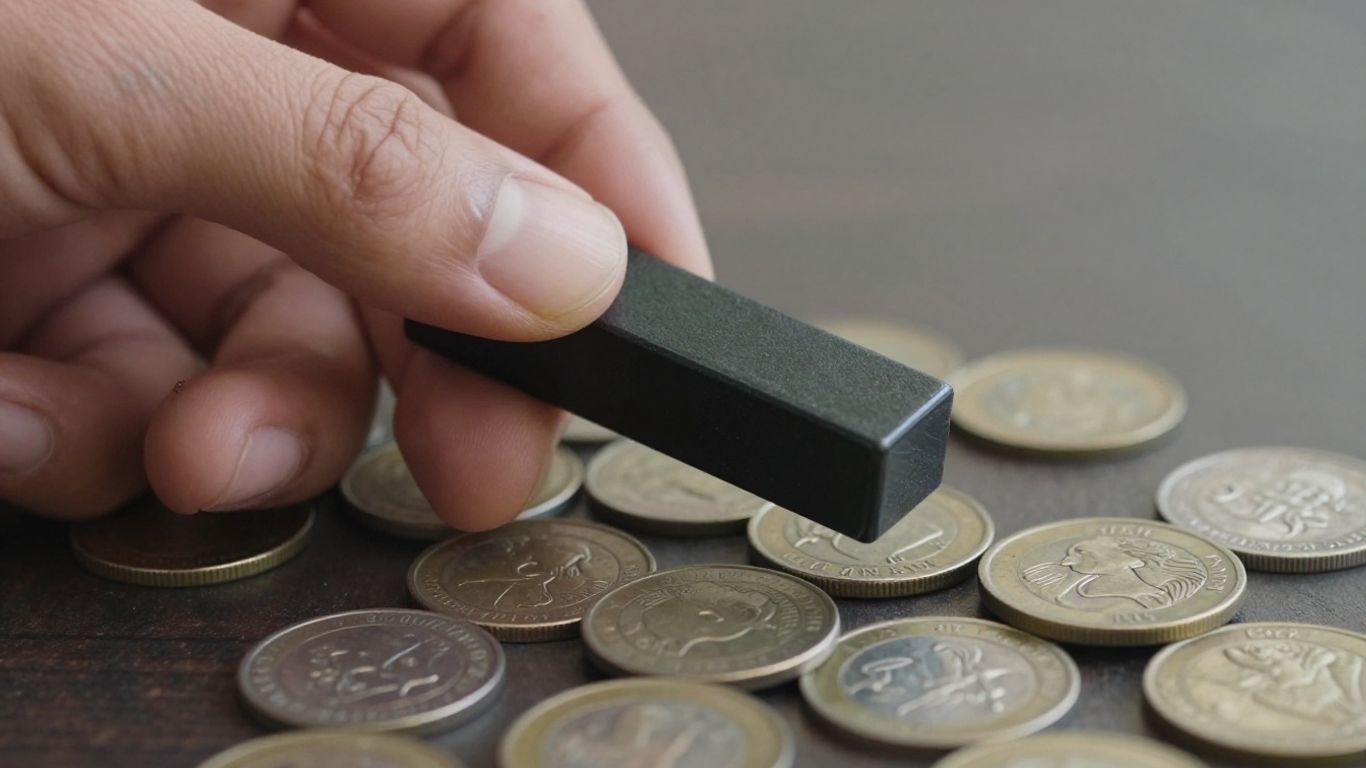
So, you’ve got your magnet and you’re ready to test some coins. But what exactly are you looking for when you test different metals? It’s not just about a simple yes or no. Different metals react differently, and knowing this can tell you a lot about the coin in your hand.
Testing Silver Coins
When it comes to silver coins, especially older ones, you’re generally in the clear. Pure silver, like most of the silver used in coinage throughout history, isn’t magnetic. So, if you have a coin that’s supposed to be silver and your magnet sticks to it like glue, that’s a pretty big red flag. It might be a fake or a different metal entirely. However, there’s a little nuance here. Some silver alloys, or coins that have been plated with other metals, might show a slight reaction, but it’s usually very weak. A strong attraction to a magnet almost certainly means it’s not a genuine silver coin.
Testing Copper and Nickel Coins
Copper itself is not magnetic. So, if you have a coin made purely of copper, like some older pennies or certain foreign coins, it won’t react to a magnet. Nickel, on the other hand, is a bit of a trickster. Pure nickel is magnetic, but many nickel alloys used in coins are not. For example, the "clad" coins in the US, like the nickel itself, have a copper core and a nickel outer layer. The nickel plating is magnetic, but the overall coin might not show a strong pull. This is where things can get a little confusing. If you’re testing a coin that’s supposed to be copper or nickel, and it shows a strong attraction, it’s likely not what it claims to be, or it’s a very unusual alloy.
Here’s a quick rundown:
- Copper: Generally non-magnetic.
- Nickel (pure): Magnetic.
- Nickel (common alloys in coins): Often non-magnetic or weakly magnetic.
- Silver: Non-magnetic.
Identifying Modern vs. Older Currency
Magnets can be surprisingly helpful when you’re trying to figure out if a coin is old or new, especially if you’re looking at currency from countries that have changed their metal compositions over time. Many older coins, particularly those made of silver or copper, will be non-magnetic. Modern coins, however, sometimes use alloys that are magnetic to save costs or for other manufacturing reasons. For instance, some countries switched from silver to steel or other magnetic metals for their coinage. If you have a coin that looks old but strongly attracts a magnet, it’s worth investigating further. It could be a modern counterfeit made to look old, or perhaps a coin made from a less common, magnetic alloy that was in circulation.
It’s important to remember that a magnet is just one tool in your coin-testing arsenal. While it’s great for quickly identifying obviously fake or unusual coins, it doesn’t tell the whole story. Many valuable coins are made of non-magnetic metals, and some common, less valuable coins are also non-magnetic. Use the magnet test as a first pass, and then move on to other methods if you need more certainty.
Safety Precautions When Using Magnets
Alright, so we’re talking about using magnets to check out coins, which is pretty neat. But before we get too excited about finding out if that old penny is actually silver or just a regular copper one, we gotta chat about being safe. Magnets, especially the stronger ones you might end up using, aren’t just fun toys; they can actually cause some trouble if you’re not careful.
Handling Strong Magnets
First off, those super-strong neodymium magnets? They can be a real handful. They have a strong pull, and if two of them snap together, they can pinch your fingers pretty hard. It’s like a tiny, sudden vise grip. So, always try to slide them apart rather than pulling them straight off each other. And if you’re working with kids, make sure they understand this before they even touch one. It’s easy to get careless, but a pinched finger is a good way to ruin your coin-hunting day.
Keeping Magnets Away from Electronics
This is a big one. Magnets and electronics do not mix. Think about your phone, your computer, credit cards, even those little key cards for hotels. A strong magnet can scramble the data on them, making them useless. It’s not just about convenience; some medical devices, like pacemakers, can be seriously affected by magnets. So, keep your magnets a good distance away from anything electronic or medical. A few feet should do the trick for most common magnets, but with really powerful ones, it’s best to be extra cautious.
Supervision for Younger Collectors
If you’ve got younger folks joining in on the coin testing fun, you absolutely need to keep an eye on them. Small magnets, especially, can be a choking hazard if they end up in the wrong hands (or mouths). If a child swallows more than one small, strong magnet, they can actually attract each other through the walls of the intestines, which is a medical emergency. So, always supervise, and keep any small magnets stored safely away when not in use. It’s better to be safe than sorry, right?
Remember, the goal is to have a good time and learn something new about coins. Being mindful of safety means everyone can enjoy the process without any unexpected bumps or bruises. Treat your magnets with respect, and they’ll be great tools for your numismatic adventures.
Troubleshooting Common Magnet Testing Issues
Sometimes, your magnet test might not give you a clear answer, and that’s okay. It doesn’t always mean something is wrong with your coin or your magnet. Let’s look at a few things that can happen and what they might mean.
When a Coin Doesn't React
If you hold a magnet up to a coin and nothing happens – no pull, no stick – it usually means the coin is made of a non-ferrous metal. Think of things like pure copper, silver, or gold. These metals aren’t attracted to magnets. However, don’t stop there! Some fake coins are made to look like precious metals but are actually from non-magnetic materials, so this test alone isn’t a guarantee of authenticity. It’s a good first step, though.
Dealing with Tarnished Coins
Old coins often have a layer of tarnish or patina. This dark coating can sometimes interfere with the magnet test. It might seem like a coin isn’t magnetic when it actually is, just because of that surface layer. If you suspect a coin should be magnetic but isn’t reacting, try cleaning it gently. A soft cloth might be enough. For tougher tarnish, a specialized coin cleaner could help, but be careful not to damage the coin’s surface. Remember, verifying gold coins with a magnet is just one piece of the puzzle.
Interpreting Ambiguous Results
What if the coin sticks, but only a little? Or what if it feels like it’s dragging rather than strongly attracting? This can happen with certain alloys or if the coin has been plated. For instance, a coin might have a magnetic core with a non-magnetic outer layer. In these cases, the magnet test is giving you a hint, but you’ll need other methods to be sure. It’s a good idea to have a few different types of magnets on hand, maybe a stronger neodymium magnet for testing those weaker reactions. You might also want to compare your results with known genuine coins of the same type. This helps you get a feel for what a real reaction looks like versus something unusual.
Sometimes, a coin might react slightly to a magnet. This could be due to plating or specific alloys. Don’t dismiss it immediately; it might be a clue, but not a definitive answer on its own. Further investigation is usually needed.
Here’s a quick rundown of what different reactions might suggest:
- No reaction: Likely non-magnetic metal (e.g., pure copper, silver, gold). Still needs further checks for authenticity.
- Slight attraction/drag: Could indicate plating over a magnetic core, or a specific alloy. Requires more testing.
- Strong attraction: Almost certainly contains iron or nickel, which are magnetic. This is common in many base metal coins and some modern currency.
The Role of Magnets in Numismatics
Magnets as a Collector's Tool
So, you’ve got your magnet, you’ve done some basic tests, and you’re starting to get a feel for which coins are magnetic and which aren’t. That’s awesome! But where does this fit into the bigger picture of collecting coins? Think of a magnet as one of your first lines of defense, a quick way to sort through a pile or check out a coin you’re curious about. It’s not going to tell you if a coin is a rare mint error or if it’s been cleaned, but it can definitely help you spot some common fakes or identify metals that just don’t belong in certain series. It’s a simple tool, but it can save you time and maybe even a bit of money.
Limitations of Magnetic Testing
Now, let’s be real. Magnets aren’t magic wands. They’re great for identifying strongly magnetic metals like iron or steel, and they’ll tell you if a coin is made of non-magnetic stuff like copper or aluminum. But what about those in-between cases? Some alloys might show a very weak magnetic pull, or none at all, even if they contain trace amounts of magnetic elements. Plus, a coin could be made of the correct metal but still be a fake if the weight or dimensions are off. You can’t tell the condition of a coin, its rarity, or its historical significance with just a magnet. It’s just one piece of the puzzle, you know?
Complementary Coin Authentication Methods
Because magnets have their limits, serious collectors use them alongside other methods. It’s like having a whole toolbox instead of just a hammer. You’ll want to get familiar with:
- Visual Inspection: Looking closely at the details, the strike, and any signs of wear or damage.
- Weight and Measurement: Using a precise scale and calipers to check if the coin matches the official specifications.
- Sound Test: Tapping the coin (gently!) to hear its ring, which can sometimes indicate authenticity or metal composition.
- Reference Guides: Consulting books or online databases for known characteristics of genuine coins.
Using a magnet is a good starting point, a quick check that can help you weed out obvious imposters. But for true authentication, especially with valuable coins, you need to layer multiple testing techniques. It’s all about building confidence in your collection.
Wrapping Up Our Magnetic Adventures
So there you have it! Using magnets to test coins, or just to explore the world around you, is pretty straightforward. We’ve seen how these simple experiments can show us big ideas about forces and how things work. It’s not just about coins, really. It’s about looking closer at everyday stuff and finding the science hidden inside. Keep those magnets handy, keep experimenting, and who knows what else you’ll discover. Science is everywhere, and sometimes, all it takes is a little magnetic pull to get you started.
Frequently Asked Questions
What makes a coin magnetic?
Coins are magnetic if they are made from metals that are attracted to magnets. The most common metals that attract magnets are iron and nickel. If a coin contains a good amount of these metals, it will stick to a magnet.
Can all coins be tested with a magnet?
No, not all coins can be tested effectively with a simple magnet. Many coins are made from metals like copper, silver, or aluminum, which are not magnetic. So, if a coin doesn’t stick to a magnet, it doesn’t automatically mean it’s fake; it just means it’s likely made of a non-magnetic material.
What kind of magnet should I use to test coins?
A reasonably strong magnet is best. A simple refrigerator magnet might not be strong enough to show a clear attraction. A stronger magnet, like a neodymium magnet (handle with care!) or a magnet from a hardware store, will give you a more reliable result.
What does it mean if a coin is strongly attracted to a magnet?
If a coin strongly sticks to a magnet, it’s a good sign it’s made of a magnetic metal, like iron or nickel. This can sometimes indicate a fake coin, especially if it’s supposed to be made of a non-magnetic metal like silver or copper.
What if a coin is only weakly attracted to a magnet?
Some metals might show a very slight attraction. This can be tricky to tell. If the attraction is weak, it might mean the coin has a small amount of magnetic material, or it could be a sign of a less common type of fake. It’s good to compare it with known examples.
Can magnets help identify real silver or gold coins?
Yes, indirectly! Real silver and gold are not magnetic. So, if you test a coin that’s supposed to be pure silver or gold and it sticks strongly to a magnet, it’s almost certainly not the real deal. It’s a quick way to rule out many fakes.
Are there any coins that are supposed to be magnetic?
Yes, some coins are intentionally made with magnetic metals. For example, many modern coins made with steel cores (often plated) are magnetic. Knowing the composition of the coin you’re testing is key.
What are the limitations of using magnets to test coins?
Magnets can’t tell you everything. They only test for magnetic properties. They won’t tell you about the coin’s weight, thickness, or the exact purity of the metal. It’s just one tool among many for checking coins.