So, you’ve got a coin and you’re wondering what makes it rare and, you know, actually worth something? It’s not just about the date on it. Turns out, there’s a whole bunch of stuff that goes into figuring out what determines coin rarity and value. We’re talking about how many were made, if it’s in good shape, and even if it’s got a little oopsie from the mint. It can seem a bit confusing at first, but once you get the hang of it, it’s pretty interesting. Let’s break down what makes one coin a treasure and another just pocket change.
Key Takeaways
- The number of coins produced, known as mintage, is a big deal for rarity. Fewer made means it’s usually worth more.
- A coin’s condition, or grade, is super important. A coin that looks like it just left the mint will be worth way more than one that’s been jingling around in pockets for years.
- Mistakes made during the minting process, like double strikes or off-center designs, can make a coin surprisingly valuable because they’re so uncommon.
- While the metal a coin is made of has a base value, what collectors are willing to pay often goes way beyond just the silver or gold content.
- Keeping an eye on what other collectors are looking for and buying is key, as demand can really push prices up or down for certain coins.
Understanding Coin Rarity: The Foundation of Value
When you first start looking at coins, it’s easy to get overwhelmed. There are so many different kinds, and they all look… well, like coins. But the truth is, not all coins are created equal. Some are super common, like the ones you find in your pocket change, while others are incredibly hard to find. This difference in availability is what we call rarity, and it’s a huge part of why some coins are worth a lot more than others.
The Role of Mintage Numbers in Determining Rarity
Think of mintage numbers as the coin’s birth certificate. It tells you exactly how many of that specific coin were made in a particular year and at a specific mint. If a mint produced millions of a coin, it’s probably not going to be very rare. But if they only made a few thousand, or even just a few hundred, that coin is going to be much harder to find. Lower mintage numbers generally mean higher rarity. It’s pretty straightforward, really. For example, a coin with a mintage of 10,000 is going to be a lot rarer than one with a mintage of 10,000,000.
Here’s a quick look at how mintage can affect things:
- High Mintage: Millions produced. Usually common and less valuable on its own.
- Medium Mintage: Hundreds of thousands to a few million. Can be moderately rare depending on other factors.
- Low Mintage: Tens of thousands or fewer. Often considered rare and more desirable.
Identifying Historical Variations and Anomalies
Sometimes, even coins from the same year and mint can have subtle differences. These are called variations or anomalies. They might be small changes in the design, a different mint mark location, or even slight shifts in the metal composition. These little quirks can make a coin unique and, therefore, rarer. Collectors often seek out these specific variations because they represent a piece of history that’s a bit different from the standard issue. It’s like finding a book with a misprint – it’s not perfect, but it’s special.
Discovering these historical oddities requires a sharp eye and a good reference guide. What might seem like a simple imperfection to a casual observer could be a significant detail to a seasoned collector, pointing to a limited production run or a specific historical event during the minting process.
The Impact of Production Numbers on Scarcity
So, we’ve talked about mintage numbers, but it’s also important to think about how many of those coins are still around today. Just because a coin had a low mintage doesn’t automatically make it scarce. Some coins might have been melted down, lost, or simply worn out over time. Scarcity is about how many are available to collectors right now. A coin with a low mintage that has also survived in good condition over many years will be much scarcer and, consequently, more valuable. It’s a combination of how many were made and how many are left. The intrinsic worth of a coin, especially those made with precious metals, can also influence its survival rate, as they might be melted down for their metal content if their collector value is low.
Condition and Grading: Preserving a Coin's Potential
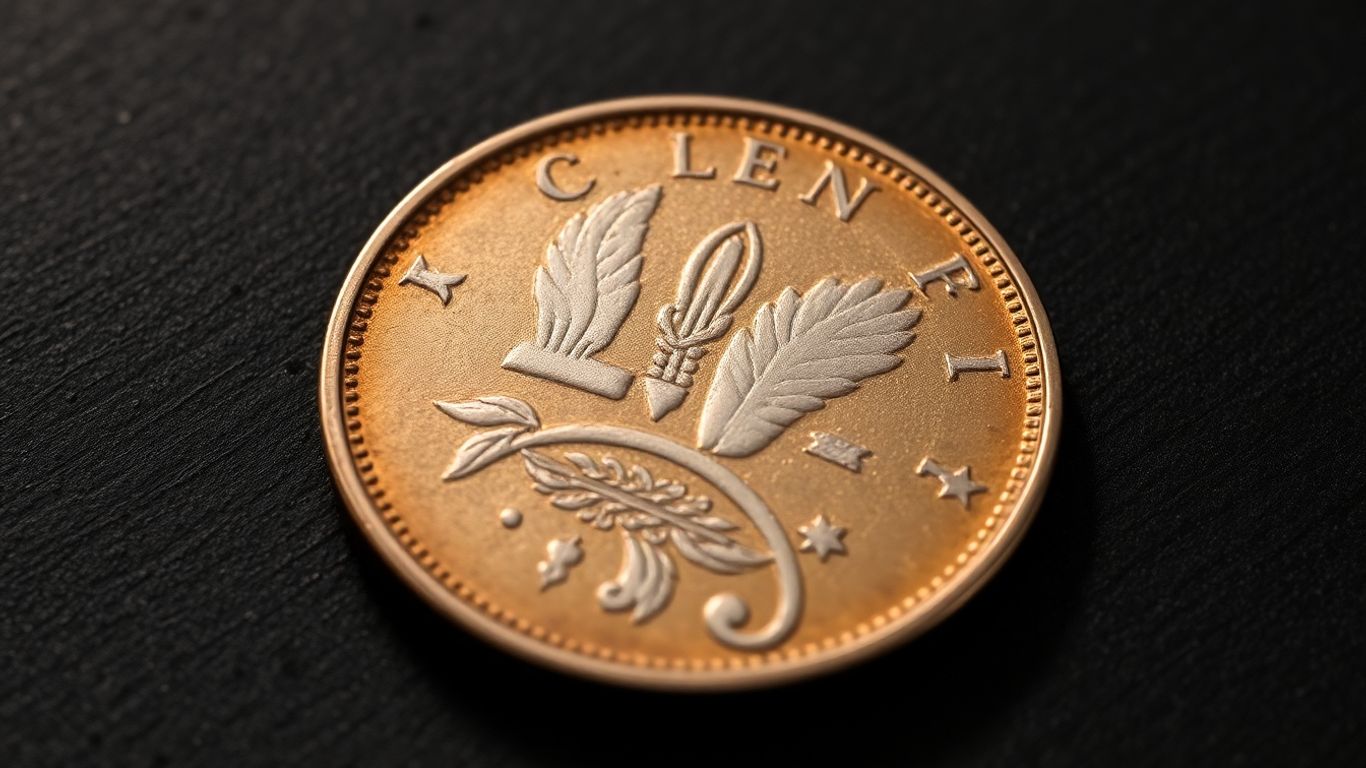
So, you’ve got a coin, and you’re wondering what it’s actually worth. Well, a big part of that puzzle is its condition. Think of it like a used car – a car that’s been babied and kept in a garage is going to be worth more than one that’s been driven through mud puddles every day, right? Coins are kind of the same way. The less wear and tear it shows, the better.
The Coin Grading Scale Explained
This is where things get a bit more official. Coin grading uses a scale, usually from 1 to 70, to describe how worn a coin is. It’s not just about whether you can see the date; it’s about the fine details. A coin graded MS-70 is basically perfect, like it just came off the minting press yesterday. On the other end, a coin in Poor (P-1) condition might barely be recognizable. Most coins you find will fall somewhere in the middle.
Here’s a quick look at some common points on the scale:
- MS-70 (Mint State Perfect): Absolutely flawless, with full luster and no signs of wear. The best of the best.
- MS-65 (Mint State Gem): Still looks fantastic, with great luster and only very minor imperfections visible under magnification.
- AU-50 (About Uncirculated): Shows only the slightest hint of wear, usually on the highest points. You can still see most of the original detail.
- VF-20 (Very Fine): Moderate wear is visible, but all the main features of the coin are clear and distinct.
- G-4 (Good): Significant wear, but the coin’s date and major design elements are still readable.
Assessing Wear and Luster for Accurate Grading
When you’re looking at a coin, you want to check for a few key things. First, wear. Where are the high points on the coin? Are they worn smooth, or do they still have sharp details? Then there’s luster, which is that original shine the coin had when it was made. A coin that still has its original luster, especially if it’s bright and vibrant, is usually worth more than one that’s been handled a lot and lost its shine. You also want to look for scratches, nicks, or any other damage. These things can really bring down a coin’s grade.
The difference between a coin that’s just ‘uncirculated’ and one that’s ‘gem uncirculated’ can be thousands of dollars. It’s all in those tiny details that only a trained eye might catch at first glance.
The Significance of Mint State and Perfect Condition
Coins that are graded as ‘Mint State’ (MS) mean they’ve never been used in regular circulation. They left the mint and went straight into someone’s collection. The higher the number in the MS grade (like MS-65, MS-67, or the coveted MS-70), the fewer imperfections the coin has. A perfect MS-70 coin is incredibly rare and commands top dollar because it represents the absolute best example of that particular coin that exists. Even a slight difference in grade can mean a huge jump in value, which is why collectors and dealers pay so much attention to these details.
Mint Marks and Errors: Unique Identifiers of Value
You know, sometimes the smallest details on a coin can make a huge difference in what it’s worth. It’s not just about how old it is or if it’s shiny. Two things that really stand out are the mint mark and any errors that might have happened during production.
How Mint Marks Influence Coin Desirability
Think of a mint mark as a coin’s birthplace. It tells you which U.S. Mint facility actually made the coin. The main ones you’ll see are ‘P’ for Philadelphia, ‘D’ for Denver, ‘S’ for San Francisco, and ‘O’ for New Orleans (though the ‘O’ mint is much rarer for modern coins). Sometimes, coins from a specific mint are just harder to find, maybe because that mint produced fewer coins that year, or perhaps collectors just really like coins from a certain location for reasons only they know. This can make coins with certain mint marks more sought after.
Here’s a quick look at some common mint marks:
- P – Philadelphia (often no mark on older coins)
- D – Denver
- S – San Francisco
- O – New Orleans (historically significant)
- CC – Carson City (highly collectible)
The High Value of Error Coins
Now, errors are where things get really interesting, and often, really valuable. These are mistakes that happen when the coin is being made. They aren’t supposed to happen, which is why they’re rare. The more unusual or noticeable the error, the more collectors might want it. It’s like finding a typo in a book – it makes that particular copy unique.
Some common types of errors include:
- Double Dies: When the die used to strike the coin gets hit twice, creating a doubled image.
- Off-Center Strikes: The coin planchet (the blank metal disc) isn’t perfectly centered when struck by the dies.
- Struck Through: When something foreign gets between the die and the planchet, like a piece of cloth or metal.
- Wrong Planchet: A coin is struck on a planchet meant for a different type of coin.
Finding a coin with a significant error can turn a common piece of metal into a treasure. These aren’t just manufacturing defects; they’re historical anomalies that collectors actively seek out. The thrill of the hunt for these unique pieces drives a lot of the excitement in coin collecting.
Common Errors and Their Impact on Rarity
Not all errors are created equal, and some are much more common than others. For instance, a slight off-center strike might not add much value, but a dramatic one where you can barely see part of the design could be worth a lot. Similarly, a minor double die might be overlooked, but a strong, obvious one is a big deal. The rarity of the error itself is a huge factor. If only a handful of coins were made with a specific mistake, they’re going to be much more valuable than if thousands were produced with a similar, but less severe, flaw. It’s all about how unique and how hard to find that particular mistake is.
Metal Content and Intrinsic Worth
The Baseline Value of Precious Metals
Okay, so sometimes a coin is valuable just because of what it’s made of. Think gold or silver coins. The metal itself has a price, right? This is called the intrinsic value. For a lot of older coins, especially those made from silver or gold, this metal content sets a floor for how much they’re worth. Even if nobody wanted to collect it, you could melt it down and get at least that much for the metal. It’s like a safety net for the coin’s value. For example, a silver dollar from the 1800s will always be worth at least the price of the silver in it, no matter what. This baseline is super important, especially when you’re looking at coins that aren’t super rare or in amazing condition.
When Collector Demand Exceeds Metal Worth
But here’s where it gets interesting: most of the time, a coin is worth way more than just its metal. Why? Because people want it! Collector demand is a huge deal. If a coin is rare, has a cool history, or is in fantastic shape, people will pay a lot more than just the silver or gold price. Take a look at some of the more sought-after Morgan dollars or early American gold coins. Their value is often many times the price of the metal they contain. This happens because the coin is desirable for reasons beyond its material. It’s about the history, the rarity, the beauty, and the thrill of owning something special. So, while the metal gives you a starting point, it’s usually the collector interest that really drives the price up, sometimes way, way up.
Here’s a quick look at how metal content plays a role:
- Bullion Value: This is the price of the precious metal (like gold or silver) in the coin. It’s a solid starting point for value.
- Numismatic Value: This is the value added by collectors. It accounts for rarity, condition, historical significance, and demand.
- The Gap: The difference between bullion value and numismatic value is where the real collecting excitement happens.
It’s easy to get caught up in the melt value of a coin, especially if it’s made of silver or gold. But remember, that’s just the starting point. The real magic, and often the biggest part of the price tag, comes from what makes that specific coin special to collectors. Think of it as the difference between the cost of the ingredients for a cake and the price of a beautifully decorated, custom-made cake. The ingredients are important, but they’re not the whole story.
Let’s consider some common precious metal compositions:
| Metal | Common Coin Examples | Notes |
|---|---|---|
| Gold | American Gold Eagles, Krugerrands, older US Gold Coins | High intrinsic value, often commands significant premiums over spot price. |
| Silver | Morgan Dollars, Peace Dollars, Silver Eagles, older US Silver Coins | Intrinsic value is lower than gold but still significant for collectors. |
| Platinum | American Platinum Eagles, Canadian Maple Leafs | Less common in older coinage, but modern issues exist. |
| Palladium | Less common in coinage, but some modern issues exist | A rarer precious metal used in some collector coins. |
Market Dynamics: The Influence of Collector Demand
So, you’ve got a coin, and you’re wondering what makes it worth more than just its metal weight. A huge part of that answer comes down to people – specifically, how many people want that coin. It’s like anything else, really. If a lot of folks are trying to get their hands on the same thing, the price tends to go up. This is where collector demand really comes into play.
Tracking Current Market Trends
Keeping up with what’s hot in the coin world isn’t always straightforward. Prices can shift based on what’s being talked about, what’s being shown at major coin shows, or even what a celebrity might be collecting. It’s a good idea to peek at auction results from recent sales. This gives you a real-time look at what coins are actually selling for, not just what someone is asking. Online price guides are helpful too, but remember they’re often just a snapshot. The real action is in what buyers are willing to pay right now.
The Role of Collector Interest in Value Fluctuation
Think about it: a coin that was overlooked a decade ago might suddenly become super popular. Maybe a new book came out about its history, or a famous collection featuring it was sold. This surge in interest means more people are hunting for that specific coin, driving up its price. Conversely, if a coin series falls out of favor, its value might dip, even if it’s still rare. It’s a constant ebb and flow.
Here’s a general idea of how different factors can sway demand:
- Popular Series: Coins from well-loved series (like Morgan Dollars or certain Lincoln Cents) often have a built-in audience.
- Historical Significance: Coins tied to major historical events or figures tend to attract more attention.
- Rarity & Condition: Even with high demand, a coin in poor shape or one that’s incredibly common won’t command top dollar.
- Investment Potential: Sometimes, coins become popular because people see them as a good investment, not just a hobby.
How Demand Impacts Specific Coin Series
Different coin series have their own fan bases. For instance, the demand for early American silver dollars might be strong among a certain group of collectors, while another group might be focused on modern commemorative issues. A coin’s value isn’t just about its own merits; it’s also about where it fits into the broader collecting landscape. A 1909-S VDB Lincoln Cent, for example, has a relatively low mintage, but its value is also significantly boosted by its iconic status and the sheer number of collectors who want one for their Lincoln Cent collection. It’s a perfect storm of rarity and sustained collector desire.
The market for coins is a living thing. It breathes with the interests of collectors, investors, and historians. What one person finds fascinating, another might overlook. This dynamic means that even coins with similar physical characteristics can have vastly different values based purely on how desirable they are to the collecting community at any given time. Staying informed about these trends is key to understanding why a coin’s price might change.
Historical Significance and Context
The Importance of a Coin's Era
Coins aren’t just metal discs; they’re tiny time capsules. The era a coin comes from tells a story about the time it was made. Think about it – the designs, the metal used, even the way it was produced all reflect the society, economy, and technology of that period. A coin from ancient Rome will look and feel completely different from one minted during the American Revolution, and that difference is a big part of its appeal.
How Historical Events Shape Coin Value
Major historical events can really put a coin on the map for collectors. For instance, coins minted during wartime might be rarer because production was disrupted, or they might carry special symbols related to the conflict. A coin that was in circulation during a significant presidential term or a period of great economic change can become more desirable simply because it connects people to that history. It’s like owning a small piece of a famous moment.
Here are a few ways events can influence value:
- Scarcity: Wars or economic downturns often mean fewer coins were made.
- Symbolism: Coins might feature designs or inscriptions tied to important national moments.
- Circulation: Coins that were used during a specific, notable period can gain interest.
- Commemoratives: Special issues created to mark anniversaries or events are often sought after.
Connecting with the Past Through Numismatics
Collecting coins, or numismatics, is more than just accumulating shiny objects. It’s about building a tangible link to the past. When you hold a coin that’s been passed down through generations or was used by people living centuries ago, you’re touching history. This connection is what draws many people into the hobby. It allows for a personal engagement with historical periods that textbooks alone can’t provide. You can learn about the rulers, the economy, and even the art of a bygone era, all through the coins themselves.
The story a coin tells goes far beyond its metal content or mint date. It’s woven into the fabric of the time it was created, reflecting the world and the people who handled it. Understanding this historical backdrop is key to appreciating why certain coins are so highly prized by collectors today.
Authenticity and Verification: Ensuring True Value
So, you’ve got a coin, and you think it might be worth something. That’s great! But before you start planning your retirement, you’ve got to make sure it’s the real deal. It’s like buying a used car; you wouldn’t just hand over the cash without checking under the hood, right? Coins are no different. A fake or a doctored coin can look convincing at first glance, but it’s basically worthless to a serious collector.
Detecting Counterfeit or Altered Coins
Spotting fakes is a skill, and it takes practice. Sometimes, it’s the little things that give them away. Maybe the metal feels off, or the details aren’t quite as sharp as they should be. Counterfeiters aren’t always perfect, and they often miss subtle cues that an experienced eye can catch. It’s also worth remembering that coins can be altered, not just outright fakes. Someone might try to make a common coin look like a rare variety, or try to ‘improve’ the condition to bump up its grade. Always be suspicious of coins that seem too good to be true.
Here are some common red flags:
- Weight discrepancies: Real coins have a specific weight. If it feels too light or too heavy, that’s a big warning sign.
- Edge issues: The edge of a coin should usually be smooth or have a consistent reeding. Jagged or uneven edges can point to a fake.
- Soft or mushy details: Genuine coins are struck with significant force. If the design elements, like portraits or lettering, look blurry or worn down in a way that doesn’t match the coin’s overall condition, it might be a fake.
- Magnetic properties: Most genuine US coins (especially older ones made of copper, silver, or gold) are not magnetic. If your coin sticks to a magnet, it’s likely made of the wrong stuff.
Authenticity isn’t just about avoiding outright fakes; it’s also about recognizing coins that have been tampered with. A coin that’s been cleaned aggressively, had its surface altered, or had its mint mark added or changed can lose significant value, even if it’s made of the correct metal.
Key Features of Authentic Coinage
So, what makes a coin legit? It’s a combination of things. First off, the metal composition is key. For example, a 1964 penny should be mostly copper. If you test it and it’s magnetic or feels like cheap pot metal, it’s not right. Then there’s the strike. A well-struck coin will have clear, sharp details. You should be able to see the fine lines in a portrait or the crisp lettering. The surface should also look natural, with a consistent luster that isn’t artificial or overly shiny.
The Importance of Weight and Material Composition
This is where things get a bit more technical, but it’s super important. Every coin type has a specific weight and is made from a particular alloy. For instance, a genuine 1964 penny weighs about 3.11 grams and is 95% copper with 5% zinc. If you have a scale, you can check this. If your coin is significantly off, it’s a problem. Likewise, knowing the metal composition helps. If a coin that should be silver is attracted to a magnet, it’s probably not silver. These physical characteristics are the first line of defense against counterfeits and altered pieces. They’re the baseline for verifying a coin’s identity.
Leveraging Resources for Accurate Valuation
So, you’ve got a coin, and you’re wondering what it’s actually worth. It’s not always as simple as looking at the date and the metal it’s made of. Luckily, there are some pretty good tools out there to help you figure things out without needing a degree in numismatics. Think of it like checking a car’s value before you buy or sell – you wouldn’t just guess, right? Same idea here.
Utilizing Online Price Guides and Databases
This is probably the easiest place to start. The internet is packed with websites dedicated to coin values. You can find databases that list thousands of coins, often with details about different conditions and mint marks. You just type in what you have, and it gives you a ballpark figure. It’s super handy for getting a quick idea, but remember, these are just guides. They’re based on what similar coins have sold for recently, so they’re a good starting point.
- Check multiple sources: Don’t just rely on one website. Prices can vary a bit, so comparing a few will give you a more balanced view.
- Be specific: The more details you can input – like the exact year, mint mark (that little letter indicating where it was made), and its condition – the more accurate the estimate will be.
- Look for recent data: Coin values change, so make sure the prices you’re seeing are up-to-date. Look for sites that update regularly.
The Value of Auction Result Archives
This is where you get to see what people are actually paying for coins, not just what someone thinks they’re worth. Auction sites often keep records of past sales. Digging through these archives can show you the real market value for a specific coin in a particular condition. It’s like getting a peek behind the curtain of the coin market. You can see if a coin you have recently sold for a lot or just a little. This gives you a much clearer picture than just a static price guide.
Engaging with Coin Collecting Forums and Blogs
Sometimes, you just need to talk to people who know their stuff. Online forums and blogs are full of collectors, dealers, and hobbyists who love to share their knowledge. You can post pictures of your coin, ask questions, and get opinions from people who have seen it all. It’s a great way to learn about subtle details that might affect value, like specific types of errors or historical quirks. Plus, you can often find discussions about current trends and what’s popular in the collecting world right now.
When you’re trying to figure out what a coin is worth, remember that it’s a combination of what it’s made of, how many were made, how well it’s been kept, and whether someone actually wants to buy it. These resources help you piece all that information together.
It’s important to remember that these resources are tools to help you. The final value often comes down to finding the right buyer who really wants your specific coin. But by using these guides, archives, and communities, you’ll be way more informed and confident in your valuation.
The Expert's Perspective on Coin Rarity
So, you’ve got a coin and you’re wondering if it’s a hidden gem or just another piece of metal. While we’ve talked about mintage and condition, sometimes you just need to get a real person involved. That’s where the pros come in. They’ve seen it all, and their eyes can spot things we might miss.
Consulting Professional Coin Graders
These folks are the ultimate arbiters of a coin’s condition. They use a standardized scale, usually from 1 to 70, to grade coins. It’s not just about whether the coin looks worn; they look at everything – the sharpness of the strike, the amount of original shine (luster), and any marks or imperfections. Getting a coin professionally graded can really nail down its condition and, by extension, its rarity and value. It’s like getting a report card for your coin.
Here’s a quick look at what those grades mean:
- MS-70 (Mint State Perfect): Absolutely flawless, as if it just left the mint. The rarest of the rare.
- MS-65 (Mint State Gem): Still looks fantastic, with only very minor imperfections visible under magnification.
- AU-58 (About Uncirculated): Shows only the slightest hint of wear, but still has most of its original shine.
- VF-20 (Very Fine): Moderate wear is visible, but the coin’s main features are still clear.
- G-4 (Good): Heavily worn, with major design elements flattened, but the date and denomination are usually readable.
Sometimes, a coin’s true value isn’t just about its grade, but about how it feels in hand. Experts can often sense the quality of the strike and the overall preservation in a way that’s hard to put into numbers.
The Role of Reputable Coin Dealers
Good coin dealers are more than just shop owners; they’re often seasoned collectors themselves. They have a finger on the pulse of the market and know what’s currently in demand. They can tell you if a coin you have is common or if it’s something special that collectors are actively seeking. They also have a good sense of fair pricing, based on what they’ve bought and sold recently. If you’re thinking of selling, they can give you a realistic offer. You can often find them at coin shows or through online directories, and they are a great resource for accurately valuing coins.
Seeking Advice from Numismatic Organizations
Groups like the American Numismatic Association (ANA) are treasure troves of information. They often have educational resources, host conventions where you can meet experts, and sometimes even offer appraisal services. These organizations are dedicated to the hobby and have a vested interest in promoting accurate knowledge. They can connect you with knowledgeable individuals and provide guidance on everything from identifying rare varieties to understanding market trends. It’s a good way to get a broader perspective beyond just one dealer or grader.
Beyond the Obvious: Subtle Factors in Coin Value
So, you’ve looked at the mintage numbers, checked the condition, and maybe even spotted a cool error. That’s all great stuff, but sometimes, the real value isn’t in the big, flashy details. It’s in the little things, the things you might miss if you’re not really paying attention. Think of it like finding a hidden gem in a pile of rocks – it takes a keen eye.
The Impact of Strike Quality
Ever seen a coin that just looks… soft? That’s often down to the strike quality. A strong strike means the metal was pressed with enough force to bring out all the fine details of the die. A weak strike? Those details can be mushy, blurry, or just plain missing. For collectors, a coin with a sharp, well-defined strike is way more appealing. It shows the mint’s work at its best.
Here’s a quick way to think about it:
- Strong Strike: Crisp details, sharp lines, full definition in hair, lettering, and design elements.
- Medium Strike: Most details are visible, but some might be a bit soft or less defined.
- Weak Strike: Key details are missing, blurry, or look like they were never fully impressed into the metal.
A coin with a superior strike quality will almost always command a higher price than an identical coin with a weak strike. It’s a sign of careful production and a more aesthetically pleasing piece.
Understanding Coin Luster and Preservation
Luster is basically the shine on a coin. It’s that original, frosty, or cartwheel effect you see on uncirculated coins. Over time, coins can lose this luster, or it can be damaged. Things like improper handling, cleaning, or even just storage in a bad environment can dull that shine. A coin that still has its original, vibrant luster is much more desirable. It looks like it just came from the mint, even if it’s decades old.
Think about it like this:
- Original Luster: Bright, vibrant, often with a frosty or satiny appearance. This is what collectors want.
- Bag Marks/Contact Marks: Small nicks and scratches from coins bumping into each other. Some are expected, but excessive ones hurt value.
- Cleaning: This is a big no-no. Cleaning a coin, even with the best intentions, usually removes luster and can leave microscopic scratches, permanently lowering its grade and value.
Preserving that original mint luster is key. It’s a direct indicator of how well the coin has been cared for since it was made. Even a coin with a few minor marks can be more appealing if it retains its original, brilliant shine.
The Nuances of Eye Appeal in Numismatics
This one’s a bit more subjective, but super important. Eye appeal is how good a coin looks to you, the collector. It’s a combination of everything – the strike, the luster, the color, the toning (that’s the natural discoloration that can happen over time), and how well it’s been preserved. A coin might have a great grade on paper, but if it has ugly toning or a distracting spot, its eye appeal suffers. Conversely, a coin with beautiful, even toning and a pleasing overall look can sometimes fetch more than its technical grade might suggest.
It’s the overall ‘wow’ factor. Does the coin just look pleasing to look at? Does it have a certain charm? That’s eye appeal. It’s what makes one coin stand out from another, even if they have the same official grade. Sometimes, a coin with slightly lower grade but fantastic eye appeal can be a better buy than a higher-graded coin that looks dull or damaged.
So, What's the Takeaway?
Figuring out what makes a coin rare and valuable isn’t some secret code. It really comes down to a few main things: how many were made, what kind of shape they’re in, and if people actually want them. Think of it like collecting anything else – the harder it is to find and the better it looks, the more someone might pay for it. So, next time you’re looking at an old coin, remember to check its mintage, give it a good once-over for wear and tear, and see if it’s got any interesting history attached. It’s not just about the metal it’s made of; it’s the whole story behind it that gives it its real worth.
Frequently Asked Questions
What makes a coin rare?
A coin becomes rare when not many of them were made, or when many have been lost or destroyed over time. Think of it like a popular toy that sold out really fast – the ones still left are super rare and valuable!
How does the condition of a coin affect its value?
Imagine a brand-new comic book versus one that’s torn and faded. The brand-new one is worth way more, right? It’s the same with coins. Coins that look almost new, with no scratches or wear, are much more valuable than ones that look old and used.
What are mint marks and why do they matter?
Mint marks are like tiny secret codes on a coin that tell you where it was made. Sometimes, coins made at a specific location are harder to find, making them more special and valuable to collectors.
Are coins with mistakes more valuable?
Yes, often! If a coin has a mistake during the minting process, like a double image or being stamped off-center, it’s called an error coin. These mistakes make them unique and often very collectible, sometimes worth a lot more than perfect coins.
Does the metal a coin is made of affect its value?
Definitely! Coins made from precious metals like gold or silver have a basic value just from the metal itself. But if a coin is also rare and in great shape, collectors might pay much more than just the metal’s worth.
How does what other people want affect a coin's price?
It’s like anything popular! If lots of people suddenly want to collect a certain type of coin, its price can go up because it’s in high demand. If fewer people are interested, the price might go down.
Can a coin's history make it more valuable?
Absolutely! Coins from important historical times or that were owned by famous people can be extra special. Learning the story behind a coin can make it much more interesting and valuable to collectors.
How can I be sure a coin is real and not fake?
Real coins have specific details, weights, and metal compositions. Checking these carefully, and sometimes even getting an expert to look at it, helps make sure you have a genuine coin and not a fake one.