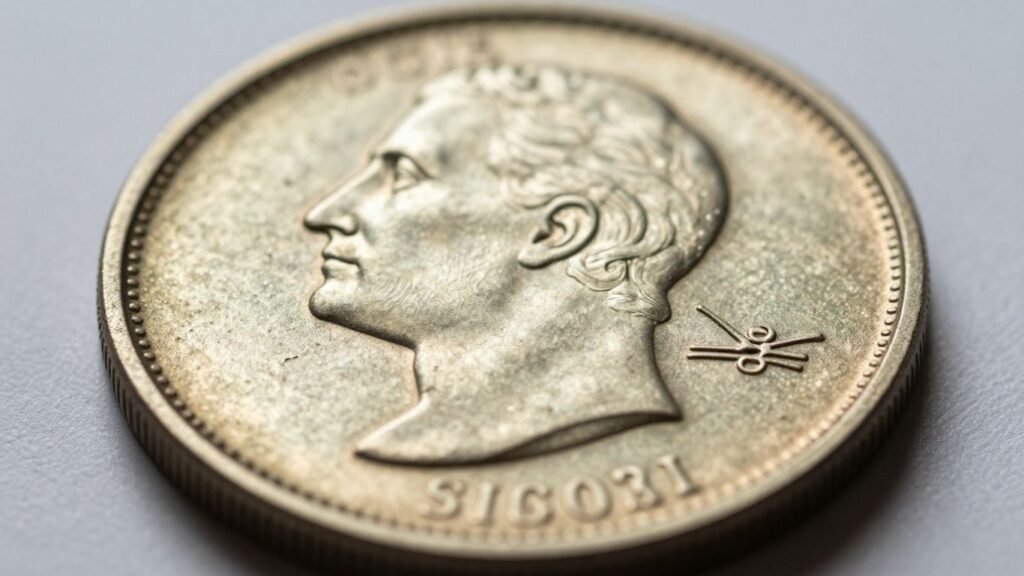
When you’re looking at coins, whether you’re a seasoned collector or just starting out, you’ll notice some just look ‘better’ than others. This isn’t just in your head; there are specific things that make a coin visually appealing. We’re going to break down the main factors in coin eye appeal, the stuff that really makes a coin stand out and why it matters for collectors and investors alike. It’s about more than just the date and mint mark; it’s about the whole package.
Key Takeaways
- The way a coin was made, known as its strike quality, really affects how clear and sharp the design looks. A strong strike means all the little details are well-defined.
- Surface preservation is about how well the coin’s original finish has been kept. Luster, or the way light bounces off the surface, is a big part of this and can make a coin look much more attractive.
- Coloration, or the natural toning a coin develops over time, can add a lot to its eye appeal. Some colors are more sought after than others, depending on the coin type.
- The Sheldon scale, a 1-70 system, is the standard for grading coins. It helps everyone understand a coin’s condition, from worn-out pieces to perfect specimens.
- Professional grading services authenticate coins, protect them from counterfeits, and provide a reliable assessment of their condition, which generally boosts their market value and collector confidence.
Understanding the Core Factors in Coin Eye Appeal
When you first look at a coin, what makes you say "Wow"? It’s not just about the date or the metal it’s made from. There are a few key things that really make a coin pop, and understanding them is pretty important if you’re into collecting. These are the things that graders and collectors alike look at to decide how nice a coin really is.
The Role of Strike Quality in Coin Appearance
Think about how a coin is made. A giant press slams a design onto a metal blank. If that press is strong and the dies are perfect, you get a really sharp, clear image. That’s a good strike. If the press was weak, or the dies were worn out, the details might look mushy or incomplete. A strong strike means all those tiny lines and features on the coin are well-defined and crisp. This makes a huge difference in how the coin looks and how valuable it can be. You can see this difference clearly when comparing coins of the same type; some just look more ‘alive’ because of how well they were struck.
Assessing Surface Preservation and Luster
This is about how the coin has held up over time. Has it been handled a lot? Has it been stored poorly? Surface preservation looks at things like scratches, dents, or any other marks that shouldn’t be there. Then there’s luster. Luster is that original shine from the mint, the way light plays off the coin’s surface. It can be frosty, cartwheel-like, or just a general brightness. A coin that has been cleaned or handled roughly often loses its original luster, making it look dull. It’s like the difference between a brand-new car and one that’s been driven for years – you can see the wear and tear.
Here’s a quick look at what affects surface and luster:
- Original Mint Luster: The untouched shine from when the coin was first made.
- Contact Marks: Small scratches or nicks from coins bumping into each other.
- Cleaning: Any attempt to polish or wash the coin, which usually damages the surface.
- Environmental Damage: Spots, corrosion, or dullness from being stored in bad conditions.
The Significance of Coloration and Attractiveness
Coloration is a big deal, especially for older coins or coins made from certain metals like silver or copper. A silver coin might have a beautiful, even toning – blues, purples, golds – that collectors find very appealing. Copper coins can range from a bright reddish-brown to a deep, dark brown, and collectors often have preferences. It’s not just about the color itself, but how it’s distributed. Is it natural and attractive, or does it look like someone spilled something on the coin? Eye appeal is ultimately subjective, but certain colorations and a clean, well-struck appearance generally lead to higher desirability.
Sometimes, a coin might have a technically perfect grade, but if it just doesn’t look ‘right’ to the eye – maybe the toning is weird, or there’s a distracting mark – collectors might pass it over. It’s that gut feeling, that visual draw, that makes a coin truly special.
The Nuances of the Sheldon Coin Grading Scale
From Poor to Mint State: Understanding the Spectrum
Before we get too deep into what makes a coin look good, we need to talk about how we even describe that. For a long time, people just called coins ‘new’ or ‘used.’ Not exactly helpful when you’re trying to figure out if something is worth a lot or just pocket change, right? That’s where the Sheldon Scale comes in. It’s basically a way to put a number on how worn a coin is, from basically a metal disc with a ghost of a design on it, all the way up to something that looks like it just rolled off the minting press yesterday.
Think of it like this:
- Poor (P-1): You can barely tell what it is. The date might be there, maybe, but the details? Gone. It’s seen some serious action.
- Good (G-4): Still pretty worn, but you can make out the main parts of the design. The letters might be a bit mushy.
- Fine (F-12): Moderate wear. Most of the design is visible, but the high points are smoothed over.
- Very Fine (VF-20): Less wear. Details are pretty sharp, but you can still see it’s been handled.
- Extremely Fine (EF-45): Light wear. The details are crisp, and you might even see some of the original shine in the protected spots.
- About Uncirculated (AU-58): Barely any wear at all. It looks almost new, maybe just a tiny bit of rub.
- Mint State (MS-60 to MS-70): This is the ‘uncirculated’ zone. No wear from being used as money. The higher the number here, the more perfect it is.
Key Grade Designations and Their Meaning
Within that 1-70 scale, there are certain points that really matter to collectors. You’ll hear terms like ‘AU’ for About Uncirculated and ‘MS’ for Mint State a lot. These are big deals because they mean the coin hasn’t been worn down by everyday use. A coin that’s ‘AU-58’ is just shy of perfect uncirculated, and that tiny difference can mean a lot in value. On the flip side, a coin graded ‘Good’ or ‘Fine’ has seen a lot of life, and its value reflects that wear.
The difference between a coin that’s been in someone’s pocket for years and one that’s been carefully stored since it was made is huge. That’s what these grades are trying to capture.
The 70-Point System Explained
So, why 70? It’s a system that William Herbert Sheldon came up with way back when, originally for large cents, but it caught on. The idea was to have enough steps to really differentiate between coins that looked almost identical to the naked eye. The scale goes from 1 (Poor) all the way up to 70 (Perfect Mint State). Each number represents a slightly better condition than the one before it. For example, an MS-60 coin is uncirculated but might have some noticeable marks or issues. An MS-65 coin is considered ‘Gem Uncirculated,’ meaning it’s really nice with good luster and few distractions. An MS-70 is, theoretically, flawless. It’s a detailed way to describe condition, and it’s become the standard for pretty much all coins graded today.
How Professional Grading Enhances Coin Value
So, you’ve got a coin, and you’re wondering if getting it officially graded is worth the hassle and the fee. Honestly, for many collectors, especially those with coins that might be rare or have a decent shot at a high grade, the answer is usually yes. It’s not just about getting a number; it’s about what that number and the whole process represent.
Authentication and Protection Against Counterfeits
Let’s face it, the world of collectibles has its share of fakes. As coins get more valuable, the temptation to create convincing counterfeits grows. Professional grading services act as a first line of defense. They have trained eyes and specialized equipment to spot fakes. When a coin is authenticated and graded by a reputable company, you get a pretty solid guarantee that it’s the real deal. This authentication is a big part of why graded coins often fetch higher prices.
Building Market Confidence Through Objective Assessment
Imagine trying to buy or sell a coin without a clear idea of its condition. It’s a guessing game, right? One person might think a coin looks great, while another sees flaws. Professional grading takes the guesswork out of it. Companies like PCGS and NGC use a standardized scale, most famously the Sheldon scale (1-70), to assign a grade. This objective assessment means that a coin graded MS-65 by one service is generally understood to be in a similar condition to an MS-65 graded by another. This consistency builds trust in the market.
Here’s a quick look at how grades can impact value:
| Grade Range | Description | Typical Value Impact |
|---|---|---|
| Good (G) to Very Good (VG) | Significant wear, details visible | Lower end of market |
| Fine (F) to Very Fine (VF) | Moderate wear, most details clear | Mid-range value |
| Extremely Fine (EF/XF) | Light wear, sharp details | Higher value |
| About Uncirculated (AU) | Very light wear, almost full detail | Significantly higher value |
| Mint State (MS) | No wear, full luster | Highest market value |
Securing Investments with Certified Documentation
For folks who see their coin collection as an investment, proper documentation is key. When a coin is graded and encapsulated (often called ‘slabbing’), it comes with a certificate or label detailing its grade and authenticity. This is super helpful for insurance purposes, estate planning, or if you ever need to prove the condition of your coin to a buyer. It’s like having a verified report card for your coin. This certified documentation provides a clear record, which can make transactions smoother and give peace of mind to both buyers and sellers.
Getting a coin professionally graded isn’t just about a number on a label. It’s about verification, standardization, and creating a reliable record. This process helps protect against fakes, makes it easier for people to trade coins with confidence, and provides solid documentation for serious collectors and investors alike. It adds a layer of trust that’s hard to achieve otherwise.
The Intricacies of the Coin Grading Process
So, you’ve got a coin and you’re wondering what it’s really worth, or maybe you’re just curious about its condition. That’s where the grading process comes in. It’s not just about slapping a number on it; it’s a careful look at the coin’s life story, so to speak. Professional graders are basically detectives for coins, examining them with a fine-tooth comb to figure out exactly where they stand.
Initial Examination and Wear Assessment
The first step is pretty straightforward: a good look-over. Graders will examine the coin under good lighting, checking out its overall appearance. They’re looking for any obvious signs of wear and tear, like scratches, dings, or anything that just doesn’t look right. This initial pass gives them a general idea of the coin’s condition before they get into the nitty-gritty details.
- Overall surface condition: Is it clean or does it have marks?
- Signs of circulation: Does it look like it’s been passed around a lot?
- Damage: Are there any nicks, bends, or rim issues?
Detailed Inspection Under Magnification
This is where things get serious. The coin gets put under a microscope, or at least some pretty powerful magnification. This allows the grader to see all the tiny details that you’d miss with the naked eye. They’re checking the sharpness of the design, looking for any minting errors, and carefully noting any small marks or hairlines. Luster, that special shine a coin has, is also a big focus here. How the light plays off the surface tells a lot about how the coin was handled after it left the mint.
Assigning a Grade Based on Comprehensive Evaluation
After all that looking, it’s time to make a decision. The grader takes everything they’ve seen – the wear, the marks, the strike quality, the luster – and compares it against the established grading scale, usually the Sheldon scale that runs from 1 to 70. This is where the objective assessment really solidifies the coin’s place in the numismatic world. It’s a system designed to be consistent, so a coin graded by one reputable service should be graded similarly by another. It’s a bit like a report card for your coin, telling everyone its condition and, by extension, its potential value.
The grading process isn’t just about finding flaws; it’s about understanding the coin’s journey from mint to collector. Each mark, each bit of wear, tells a part of that story, and the grader’s job is to interpret that story accurately according to a standardized system.
Preserving Your Coins for Optimal Eye Appeal
So, you’ve got some coins, maybe they’re old, maybe they’re shiny, and you want them to stay that way, right? It’s not rocket science, but there are definitely some things you should and shouldn’t do if you want your coins to look their best over time. Think of it like taking care of a classic car – you wouldn’t just leave it out in the rain, would you? Your coins need a bit of that same consideration.
Proper Handling Techniques to Prevent Damage
This is probably the most important bit. When you’re holding a coin, especially a valuable one, always try to touch it by the edges. Seriously, just pinch it between your thumb and forefinger. Why? Because the oils and dirt on your skin can do a real number on the coin’s surface over time. It might not look like much at first, but those little smudges can build up and eventually affect how the coin looks, and that’s bad news for its grade and its value. If you’re dealing with really high-grade or super rare coins, some folks even wear thin cotton gloves. It adds an extra layer of protection, just in case.
The Importance of Protective Storage Solutions
Once you’re done admiring your coin (carefully, of course), you need to put it somewhere safe. Just tossing it in a drawer with your keys and loose change is a recipe for disaster. You’ll want to look into proper coin holders. There are all sorts of options out there, from simple cardboard flips to more robust plastic slabs. The key is to use materials that are specifically made for coins. Some plastics or papers can actually react with the metal of the coin over time, causing discoloration or other damage. Albums are great too, but make sure the pages and slots are made from inert materials. It’s all about keeping the coin isolated from anything that could harm it.
Environmental Controls for Long-Term Preservation
Where you store your coins matters too. Think about the environment. You want a place that’s cool, dry, and has stable temperatures. Big swings in humidity or heat can cause problems. For example, high humidity can lead to corrosion, while rapid temperature changes can cause condensation. So, that damp basement or the attic that gets scorching hot in the summer probably isn’t the best spot. A stable environment helps prevent all sorts of slow-acting damage that can really mess with a coin’s appearance and condition over the years. It’s about creating a little time capsule for your coins.
The biggest mistake most people make is thinking they can ‘clean up’ a coin to make it look better. Resist that urge! Cleaning almost always does more harm than good. What might look like dirt to you could actually be part of the coin’s original surface or patina, and trying to scrub it off can leave tiny scratches or remove that desirable toning. If you’re unsure, it’s always best to leave it alone or consult with a professional numismatist.
The Impact of Wear on a Coin's Grade
So, you’ve got a coin, and you’re wondering how much it’s worth. A big part of that comes down to wear. Think about it like a favorite old t-shirt; the more you wear it, the softer it gets, but also, the more faded and maybe even a little holey it becomes. Coins are kind of the same way, except instead of getting softer, they lose their sharp details.
Identifying Different Levels of Surface Wear
Wear on a coin isn’t just one thing; it’s a whole spectrum. It’s what happens when a coin gets passed around, rubbed against other coins, or even just handled a lot. You can see it in the way the high points of the design start to look a bit smoothed over. It’s like the coin’s edges are getting rounded off, and the fine lines that make up the picture or the lettering start to fade.
- Heavily Worn: You can barely make out the design. The date might be there, but it’s hard to read. This is usually at the lowest end of the grading scale.
- Moderately Worn: Most of the design is still visible, but it’s not crisp. You can tell what it is, but it looks like it’s been through a lot.
- Lightly Worn: The coin looks pretty good, maybe just a little bit of softness on the highest parts of the design. You can still see all the details pretty clearly.
- No Wear (Uncirculated): This is the jackpot. The coin looks like it just came from the mint. It has all its original sharpness and shine.
How Wear Affects Design Detail Visibility
When a coin gets worn, the parts that stick out the most are the first to go. Think about the hair on a portrait, the tips of a bird’s wings, or the lettering around the edge. These are the areas that take the brunt of the friction. As wear increases, these details become less defined, eventually looking like smooth, rounded surfaces. The less wear a coin shows, the more of its original design detail will be visible, and generally, the higher its grade and value will be.
The Distinction Between Circulated and Uncirculated Coins
This is a pretty big deal for collectors. A circulated coin is one that has been used in commerce – it’s been in someone’s pocket, a cash register, or a vending machine. Because of this, it’s almost always going to show some level of wear. An uncirculated coin, on the other hand, has never been used for spending. It left the mint and went straight into a collection or a bank roll, so it retains its original mint luster and sharp details. The difference in value between a circulated coin and an uncirculated coin of the same type can be huge, sometimes by orders of magnitude.
The amount of wear a coin has experienced is a primary factor in determining its grade. Even slight wear can significantly impact the visibility of design elements and the coin’s overall aesthetic appeal, directly translating to its market worth. Collectors and graders pay close attention to these subtle, yet important, signs of use.
Luster: The Shine That Captivates Collectors
When you first look at a coin, what grabs your attention? Often, it’s that special shine, the way light plays across its surface. That’s luster, and for many collectors, it’s a huge part of what makes a coin appealing. It’s not just about being shiny; it’s about the original brilliance that came right from the mint.
Understanding Original Mint Luster
Think of luster as the coin’s original
The Role of Surface Marks in Grading
When you’re looking at a coin, especially one you’re thinking of buying or selling, you’ll notice all sorts of little things on its surface. These aren’t just random blemishes; they’re called surface marks, and they play a pretty big part in how a coin is graded. Think of them like tiny scars on the coin’s skin. Some are barely noticeable, while others really jump out and can change the coin’s whole look.
Distinguishing Between Hairlines and Scratches
It’s easy to lump all surface marks together, but graders make a distinction between hairlines and scratches. Hairlines are super fine, thin lines that often happen when a coin is being handled, maybe even during the minting process or when someone tries to clean it. They’re usually so thin you can barely see them without magnification. Scratches, on the other hand, are deeper and more obvious. They can be caused by anything from a coin rubbing against another object to a careless cleaning attempt. The depth and visibility of these marks are key to how they affect the grade.
The Impact of Nicks and Other Imperfections
Beyond lines, coins can have other imperfections. Nicks are small dents or chips, often found on the edge or surface. You might also see rim dings, which are more pronounced marks on the coin’s rim. Then there are things like planchet errors (flaws present before striking) or die cracks (cracks in the metal die used to stamp the coin). While some of these are considered mint errors and can sometimes add to a coin’s appeal, most surface marks, especially those that look like damage, will bring the grade down.
How Marks Affect Overall Eye Appeal
Ultimately, it all comes down to how these marks affect the coin’s overall look – its ‘eye appeal.’ A coin with a few faint hairlines might still look great, especially if it has fantastic luster and sharp details. But a coin with deep scratches, noticeable nicks, or distracting marks will just look worn and damaged, no matter how good the rest of it is. Graders try to look at the coin as a whole, but significant surface marks are hard to overlook and will almost always lower the grade.
Here’s a quick look at how different types of marks might be viewed:
| Mark Type | Description |
|---|---|
| Hairline | Very fine, thin line, often hard to see |
| Scratch | Deeper, more visible line, clearly noticeable |
| Nick | Small dent or chip on the surface or rim |
| Rim Ding | More significant damage to the coin’s edge |
| Cleaning Mark | Lines or dullness from improper cleaning |
When evaluating surface marks, graders consider not just their presence but also their severity, location, and how they interact with the coin’s design and luster. A mark that might be insignificant on a heavily circulated coin could be a major detractor on a nearly perfect specimen.
Navigating Common Coin Grading Misconceptions
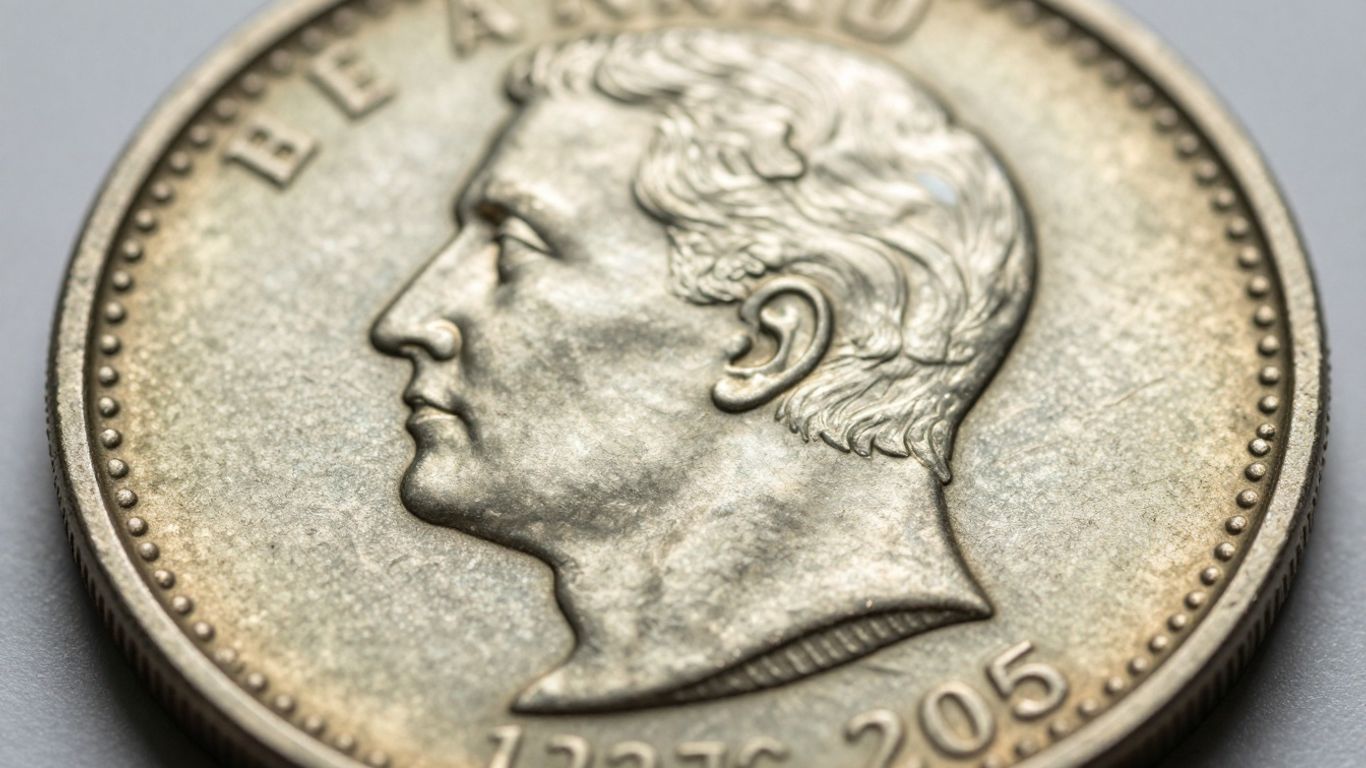
It’s easy to get caught up in the world of coin grading, and sometimes, we fall for a few myths. Let’s clear some of those up.
The Limits of Certified Coin Guarantees
Many folks think that if a coin comes in a fancy slab from a grading service, it’s automatically a perfect investment and you can’t possibly overpay. That’s just not true. While certification does mean the coin has been looked at by professionals and is likely genuine, it doesn’t mean the price tag is fair. Dealers can still ask for a lot of money, even for a certified coin. You still need to know what the coin is actually worth in the market. A grade is a guide, not a golden ticket. It’s like buying a car with a detailed inspection report – it’s helpful, but you still need to check if the asking price makes sense.
Understanding Value Beyond the Grade
Sometimes, a coin might have a great grade, but it just doesn’t have that certain something that makes collectors excited. This is where "eye appeal" comes in. Two coins with the exact same grade can look quite different. One might have vibrant luster and sharp details, while the other looks a bit dull or has some minor marks that, while not enough to lower the grade, detract from its overall look. This is why understanding condition rarity is so important; a coin that’s rare in its specific condition can be more desirable than a common coin with a slightly higher grade.
Here’s a quick look at factors that influence a coin’s appeal beyond just its numerical grade:
- Luster: How well does the original mint shine come through? Is it bright and flashy, or dull and subdued?
- Strike: How sharp and clear are the coin’s design elements? A weak strike can make even a high-grade coin look less impressive.
- Coloration: For older coins, natural toning can add beauty and character, sometimes making a coin more attractive than a "white" coin.
- Surface Marks: Even within a grade, the type and placement of marks matter. Are they tiny hairlines or distracting scratches?
Addressing Evolving Grading Standards
Grading standards aren’t set in stone forever. Over the years, grading services have refined their processes and sometimes, it feels like the bar has shifted. What might have been considered a "Mint State" coin twenty years ago might be graded slightly differently today. This is partly due to better technology allowing for closer inspection and a desire to differentiate coins within already high grades. It means collectors need to stay informed about current grading practices and not assume that a grade from an older certification is directly comparable to a brand-new one without some research.
It’s a good idea to look at population reports from the major grading services. These reports show how many coins of a specific type and grade have been submitted. If a lot of coins are getting the same high grade, it might mean that grade is more common than you think, and the premium for that grade might not be as high as expected. This information helps you see the bigger picture beyond just the number on the slab.
The Future of Coin Grading: AI and Technology
It’s pretty wild to think about how much technology is changing everything, and coin grading is no exception. We’re seeing some really interesting developments with artificial intelligence and other tech stepping into the picture. These new tools are starting to help with the initial steps of looking at coins. While they’re not quite ready to replace the seasoned human graders just yet, they’re definitely making waves.
Emerging AI Tools for Preliminary Assessment
So, what’s actually happening? Well, companies are developing software that can look at a coin and give it a preliminary grade. Think of it like a first pass. These AI systems are trained on tons of images of coins that have already been graded by experts. They learn to spot things like wear, strike quality, and surface marks. It’s pretty neat because it can speed things up, especially for large collections or when you just want a quick idea of what you’ve got. For instance, an app might be able to tell you if your coin is likely in the "Mint State" category, which is a big deal for collectors. This kind of tech could make it easier for people to get a basic understanding of their coins’ condition before sending them off for professional grading, potentially making the whole process more accessible.
The Continued Importance of Human Expertise
Even with all this fancy AI, the human touch is still super important. Grading a coin isn’t just about ticking boxes; it’s about nuance. A really experienced grader can spot things that an AI might miss, like subtle signs of cleaning or very specific types of damage that affect eye appeal. They also understand the market and how certain features are perceived by collectors. For high-value coins, or those that are borderline between grades, a human grader’s judgment is still the gold standard. They bring a level of experience and intuition that machines just can’t replicate yet. It’s like the difference between a robot chef and a Michelin-star chef – both can cook, but one has that extra something.
Using Technology for Collector Education
Beyond just grading, technology is also becoming a big help for collectors who want to learn more. There are online databases that let you see population reports, which tell you how many coins of a certain grade exist. This helps people understand rarity. Plus, educational websites and apps are using technology to explain grading concepts in ways that are easier to grasp. You can find detailed explanations of the Sheldon scale, see examples of different grades, and even get tips on how to properly store your coins to maintain their condition. This kind of information is really helpful, especially for newer collectors trying to figure out what makes a coin desirable. It’s making the hobby more approachable and informative for everyone involved, and it’s pretty exciting to see where it all goes next, especially with the growing online market for collectibles like gold coins online and cross-border trading.
The integration of AI and technology into coin grading is a gradual process. While these tools can assist with initial assessments and provide educational resources, the final determination of a coin’s grade, especially for valuable specimens, still relies heavily on the discerning eye and accumulated knowledge of human experts. This blend of old and new is shaping the future of how we evaluate and appreciate numismatic items.
Wrapping It Up
So, we’ve gone over a lot about what makes a coin look good and how that affects its worth. It’s not just about how old a coin is, but really about its condition, how well it was made, and if it has any dings or scratches. Getting coins professionally graded might seem like a hassle, but it really helps take the guesswork out of buying and selling. It gives everyone a clearer picture and can make a big difference in what a coin is worth. Whether you’re just starting out or have been collecting for years, paying attention to these details will help you make better choices and enjoy your collection even more.
Frequently Asked Questions
What makes a coin look good to collectors?
Coins look good to collectors based on a few things. How well the coin was made (strike quality) is important. Also, how well it’s been kept over time (surface preservation) and if it still has its original shine (luster) matter a lot. Even the color of the coin can make it more appealing.
What is the Sheldon Scale?
The Sheldon Scale is a way to grade coins, kind of like a report card for coins. It uses numbers from 1 to 70. A coin with a grade of 1 is in really rough shape, while a 70 is absolutely perfect. Most collectors focus on coins that are in really good condition, usually from 60 up to 70.
Why should I get my coins professionally graded?
Getting coins graded by experts is like getting them verified. They check if the coin is real and not a fake. This makes other collectors trust the coin more. It also helps protect your investment because the grade is officially documented, which is good for insurance or selling later.
How do experts decide a coin's grade?
Graders look at a coin very closely. First, they check for any signs of wear and tear. Then, they use magnifying tools to look for tiny scratches or other marks. They also check how clear the design is and how much shine the coin has. All these details help them pick the right number on the grading scale.
How can I keep my coins in good shape?
To keep coins looking their best, always handle them by the edges, not the flat parts. Use special holders or albums to store them safely. Keep them in a place that’s not too hot or too damp. And whatever you do, don’t try to clean them yourself, as this can often cause more harm than good!
Does a coin that's been used a lot (circulated) have less value?
Yes, generally, coins that have been used a lot in everyday transactions (circulated) usually have lower grades and less value than coins that have never been used (uncirculated). Wear and tear from use can make the design details harder to see and reduce the coin’s shine.
What is 'luster' on a coin?
Luster is the original shine a coin has when it’s first made at the mint. It’s how light bounces off the coin’s surface. When a coin is handled a lot or stored improperly, this shine can fade, making the coin look duller and less appealing to collectors.
Are there any common mistakes people make when thinking about coin grades?
Some people think that just because a coin is graded, it’s automatically a great deal. But you still need to know if the price is fair for that grade. Also, grading standards can change a bit over time, so it’s good to stay informed. A grade is important, but it’s not the only thing that makes a coin valuable.