

The crypto market is buzzing again, and it feels like a pretty big deal. Prices are climbing, and everyone’s talking about the latest crypto surge. It’s easy to get caught up in the excitement, but what’s really going on behind the scenes? We’ll break down what’s driving this surge, look at what happened before, and figure out what new trends are shaping things up. Plus, we’ll talk about how to invest smart in this kind of market. We’re going to unpack the coin market demand factors.
Key Takeaways
- The current cryptocurrency surge is driven by a mix of factors, including advancements in blockchain technology, shifts in investor sentiment, and how crypto markets interact with traditional finance.
- Looking back at past market cycles, like the 2020-2021 boom, shows us patterns of accumulation and the importance of innovation in keeping growth going.
- New trends like Layer-2 solutions for faster transactions, the combination of AI and blockchain, and the growth of DeFi and metaverse projects are significant fuel for the current market.
- While Bitcoin often grabs headlines, many altcoins have unique uses and potential for growth, though they come with higher risks that need careful planning.
- To invest wisely during this cryptocurrency surge, it’s important to do your homework on projects, spread your investments around to manage risk, and figure out the best times to buy and sell.
Understanding Core Coin Market Demand Factors
So, what’s really making the prices of digital coins go up and down? It’s not just random noise, you know. There are some pretty solid reasons behind the shifts we see. Think of it like this: for any market to grow, it needs a few key things to be in place.
Technological Advancements Driving Blockchain Evolution
First off, the tech itself has to get better. Blockchain, the technology that powers most cryptocurrencies, is always being tweaked and improved. We’re seeing faster transaction speeds, better security, and ways to handle more users without everything slowing to a crawl. These improvements make the whole system more reliable and useful, which naturally attracts more people.
- Protocol Upgrades: New versions of blockchain software that fix bugs and add features.
- Consensus Mechanisms: Better ways for the network to agree on transactions, like Proof-of-Stake replacing older methods.
- Scalability Solutions: Things like "Layer-2" networks that help process transactions off the main chain, making things quicker and cheaper.
The ongoing development in blockchain isn’t just about making things faster; it’s about building a more robust and versatile foundation for a whole new digital economy. This continuous innovation is what keeps the technology relevant and opens doors for new applications.
Increased Adoption and Expanding Use Cases
It’s not enough for the tech to be good; people actually have to use it. We’re seeing this happen. Cryptocurrencies aren’t just for buying digital art anymore. They’re starting to show up in supply chains, helping manage digital identities, and even being used in some financial services. The more ways people find to use these digital assets in real life, the more demand there is.
Shifting Investor Interest in Digital Assets
Finally, there’s the money side of things. More and more people, and even some big companies, are looking at digital assets as a place to put their money. It’s a mix of looking for new investment opportunities and maybe even seeing some of these coins as a way to protect their wealth, especially when traditional markets are shaky. This growing interest from investors, both big and small, directly impacts demand.
| Asset Type | Recent Investor Interest Trend | Primary Driver |
|---|---|---|
| Bitcoin (BTC) | Increasing | Store of value, institutional adoption |
| Ethereum (ETH) | Steady | Smart contracts, DeFi, NFTs |
| Altcoins | Volatile | Speculation, specific project utility, hype |
| Stablecoins | Growing | Trading, yield generation, fiat on-ramp/off-ramp |
Basically, when the technology improves, people find more reasons to use it, and more investors want in, you get a recipe for increased demand in the coin market.
Investor Sentiment and Market Psychology's Influence
It’s easy to get caught up in the charts and numbers, but sometimes, the biggest driver of crypto prices isn’t logic at all – it’s pure human emotion. Think about it: when you see a coin’s price shooting up day after day, it’s hard not to feel a little buzz, right? That feeling of wanting to jump in before it’s too late, often called FOMO, can really push prices higher. It’s like a snowball rolling downhill, picking up more snow as it goes.
The Role of FOMO in Price Surges
Fear Of Missing Out, or FOMO, is a powerful force in the crypto world. When prices start climbing rapidly, people see others making money and start to worry they’ll be left behind. This can lead to a rush of new buyers, which, in turn, pushes prices even higher. It creates a positive feedback loop that can be hard to break. We saw this play out quite a bit in past market cycles.
Impact of Collective Mood on Market Momentum
The overall mood of the market, influenced by news, social media chatter, and even just the general price action, can create a strong momentum. If everyone’s feeling optimistic, prices tend to go up. If the mood turns sour, you can see a quick sell-off. It’s a bit like a crowd at a concert – the energy can build and build, or it can dissipate just as fast. Understanding this collective mood is key to grasping why markets move the way they do. For a deeper look into how sentiment affects reactions to economic news, you can check out how sentiment affects reactions.
Navigating Emotional Drivers in Crypto
So, how do you deal with all these emotions? It’s not about ignoring them, but about recognizing them. Here are a few things to keep in mind:
- Acknowledge your feelings: Are you buying because of solid research, or because you’re feeling FOMO?
- Stick to a plan: Having a clear investment strategy can help you avoid impulsive decisions driven by short-term price swings.
- Take breaks: Sometimes, stepping away from the charts and social media can give you a clearer perspective.
The crypto market is a fascinating mix of technological innovation and human behavior. While technology provides the rails, investor psychology often dictates the speed and direction of the train. Recognizing these emotional currents is just as important as understanding the underlying tech or economic factors. It’s a constant dance between logic and feeling.
This emotional aspect is why markets can sometimes seem unpredictable. One day everything is green, the next it’s a sea of red, and often, the reasons aren’t immediately obvious from the charts alone. It’s a dynamic that requires constant observation and a good dose of self-awareness.
Interplay Between Traditional and Digital Asset Markets
Correlation with Stocks, Bonds, and Commodities
It’s getting harder to ignore how much crypto moves in sync with the rest of the financial world. Remember when crypto was this totally separate thing? Yeah, those days are pretty much over. Now, when the stock market sneezes, crypto often catches a cold, and vice versa. Big moves in commodities like gold or oil can also send ripples through the digital asset space. It’s like they’re all dancing to the same economic tune, even if crypto’s rhythm is a bit wilder.
Here’s a quick look at how these markets can move together:
- Equities: Major stock indices often show a positive correlation, especially during periods of high market liquidity or risk-on sentiment.
- Bonds: Bond yields can influence crypto. When yields rise, investors might pull money from riskier assets like crypto to chase safer returns.
- Commodities: Gold, often seen as a safe haven, can sometimes move inversely to crypto, but both can react similarly to inflation fears.
The idea that crypto is completely detached from traditional finance is fading fast. What happens in Wall Street or global commodity markets now has a much more direct impact on the price of Bitcoin and other digital coins than it used to.
Influence of Central Bank Policies on Crypto
Central banks, especially the big ones like the Federal Reserve, have a massive say in what happens in crypto. Think about interest rates. When they hike rates, borrowing money gets more expensive. This often means less cash sloshing around for people to invest in riskier things, and crypto definitely falls into that category. Conversely, when they lower rates or start printing more money (quantitative easing), there’s often more capital looking for a home, and crypto can become a more attractive option. It’s a direct line from their policy meetings to your crypto portfolio.
Global Events and Flight to Safety
Major world events – think geopolitical tensions, economic crises, or even pandemics – can really shake things up. When uncertainty spikes, investors tend to get nervous. They often look for places to park their money that feel safe. Traditionally, that meant gold or government bonds. But lately, Bitcoin has started to get a look-in as a potential ‘digital gold’ or a hedge against instability. So, depending on the nature of the global event, you might see money flow out of crypto into traditional safe havens, or sometimes, you might see a surprising inflow into Bitcoin as people seek an alternative store of value outside of traditional systems.
Historical Parallels and Market Cycle Analysis
Looking back at how the crypto market has behaved in the past can give us some clues about what might happen next. It’s not just about watching prices go up and down; it’s about understanding the bigger picture of how these markets develop over time. Cycles are a normal part of many financial markets, and crypto is no different. For a long time, crypto seemed to follow a pretty predictable four-year rhythm, often tied to Bitcoin’s halving events. These events, which cut the reward for mining new blocks in half, create scarcity and have historically preceded big price run-ups, followed by corrections. It’s like a heartbeat for the market.
Lessons from Past Crypto Cycles
We’ve seen different phases in crypto history. There was the ICO craze of 2017, which led to a massive boom and then a sharp crash in 2018. That period, while painful for many, helped clear out weaker projects and set the stage for more sustainable growth. Then came 2021, with the rise of DeFi and NFTs, which really boosted altcoins and showed the growing utility beyond just Bitcoin. Each cycle, from the euphoric highs to the fearful lows, offers lessons for how we might navigate today’s landscape.
Understanding Bull, Bear, and Kangaroo Markets
Markets don’t always move in a straight line. They can go up, down, or just sort of meander. Understanding these different phases is key:
- Bull Market: Think steady price increases over a good chunk of time. Demand is strong, people are optimistic, and the economy is usually doing okay. Trading volumes tend to be high.
- Bear Market: This is when prices are falling for an extended period. It’s often linked to economic slowdowns, tighter money policies, or just a general loss of confidence. Pessimism is common, and people tend to move towards safer investments.
- Kangaroo (Choppy) Market: This is where prices bounce around a lot within a certain range. There’s no clear long-term trend, and it can be driven by uncertainty, mixed economic signals, and investors who aren’t sure which way to go. It makes predicting the next move pretty tricky.
The Impact of Bitcoin Halving Events
Bitcoin halvings are a pretty big deal in the crypto world. They happen roughly every four years and reduce the rate at which new Bitcoins are created. This programmed scarcity is a core part of Bitcoin’s design. Historically, these events have often been followed by significant price increases, as the reduced supply meets ongoing or increasing demand. However, it’s not a guarantee, and other factors, like overall market sentiment and macroeconomic conditions, also play a huge role in how the market reacts.
While past cycles offer valuable context, the crypto market is evolving. Factors like institutional adoption, regulatory shifts, and the integration of new technologies mean that relying solely on historical patterns might not be enough to understand current market dynamics. It’s a blend of looking back and looking forward.
Macroeconomic Triggers Affecting Crypto Today
It feels like crypto markets are always reacting to something big happening in the wider economy, and lately, that’s been a major theme. You can’t really look at Bitcoin or other digital assets without considering what the Federal Reserve is up to, or how inflation is behaving. It’s not just about the tech anymore; it’s about how these assets fit into the global financial picture.
Federal Reserve Policy and Interest Rate Uncertainty
The Federal Reserve’s decisions on interest rates are a huge deal for crypto. When rates are high, borrowing money gets more expensive, and investors might pull back from riskier assets like crypto to put their money into safer, higher-yielding options. Conversely, when the Fed signals rate cuts, it often means more money flowing into the economy, which can make riskier investments more attractive. There’s been a lot of back-and-forth chatter about when and how much the Fed might cut rates in 2026. This uncertainty makes it tough for investors to make clear decisions. The market is constantly trying to guess the Fed’s next move.
- Dovish Signals: Hints of rate cuts can boost crypto.
- Hawkish Stance: Talk of keeping rates high or raising them can dampen enthusiasm.
- Policy Disagreements: Internal Fed debates add to market jitters.
The constant guessing game around monetary policy creates a choppy environment. Investors are looking for clear signals, but often get mixed messages, leading to price swings that don’t always align with crypto-specific news.
Inflationary Pressures and Store-of-Value Narratives
Inflation is another big one. When prices for everyday goods and services are rising fast, people start looking for ways to protect their money’s purchasing power. This is where the "store-of-value" idea for Bitcoin really comes into play. Some investors see Bitcoin as a hedge against inflation, similar to gold. If inflation is high and expected to stay that way, demand for assets like Bitcoin might increase. However, this narrative can be fragile. If inflation cools down, or if other assets are seen as better inflation hedges, this demand can fade. It’s a constant tug-of-war between the inflation hedge story and the reality of market performance.
M2 Money Supply and Liquidity Expansion
Think of the M2 money supply as a measure of how much money is circulating in the economy. When the M2 supply expands significantly, it often means there’s more liquidity – more money available to be invested. Historically, periods of rapid M2 growth have coincided with asset price increases, including in the crypto space. This is because increased liquidity can find its way into riskier assets. However, if central banks start tightening their balance sheets or reducing the money supply, it can have the opposite effect, potentially leading to less capital available for investments like digital assets.
- Liquidity Inflows: More money in the system can push asset prices up.
- Liquidity Outflows: Less money available can lead to price declines.
- Global Liquidity Cycles: International monetary policies also play a role in overall market liquidity.
It’s a complex web, and these macroeconomic factors are definitely shaping how crypto markets behave today.
Emerging Trends Fueling Market Activity
The crypto space is always buzzing with new ideas, and right now, a few key developments are really pushing the market forward. It’s not just about Bitcoin hitting new highs; there’s a lot happening under the hood that’s creating new opportunities and making the whole system work better.
Layer-2 Scaling Solutions for Network Efficiency
One of the biggest hurdles for many blockchains, especially Ethereum, has been slow transaction times and high fees when the network gets crowded. Layer-2 solutions are like express lanes built on top of the main blockchain. They process transactions off the main chain, making things much faster and cheaper. This is a big deal because it makes using decentralized apps and trading digital assets more practical for everyday people. Think of it as upgrading a busy highway with an extra, faster lane.
- Faster Transactions: Significantly reduces confirmation times.
- Lower Fees: Makes micro-transactions and frequent trading economically viable.
- Increased Throughput: Allows blockchains to handle a much larger volume of activity.
Integration of AI and Blockchain Technology
Artificial intelligence and blockchain are starting to work together in some really interesting ways. AI can analyze huge amounts of data to spot patterns that humans might miss, helping predict market movements or identify potential risks. On the other hand, blockchain can provide AI with secure and transparent data to train on, making AI systems more reliable. This combination could lead to smarter trading bots, more efficient decentralized networks, and even new ways to manage digital identity. The synergy between AI and blockchain is poised to create entirely new categories of applications.
Growth of Decentralized Finance and Metaverse Projects
Decentralized Finance, or DeFi, continues to expand, offering alternatives to traditional banking services like lending, borrowing, and trading without intermediaries. This sector is constantly innovating, attracting more users and capital. Alongside DeFi, the metaverse – persistent, interconnected virtual worlds – is also gaining traction. Blockchain technology is key to the metaverse, enabling ownership of digital assets, virtual land, and in-world economies. As these virtual spaces become more sophisticated and populated, they create new demand for cryptocurrencies and NFTs, driving further market activity. The digital assets, including crypto, stablecoins, and tokenization, have reached a market value exceeding 4 trillion dollars, signaling their significant integration into the global financial system.
These emerging trends are not just buzzwords; they represent tangible advancements that address current limitations and open up new frontiers for blockchain technology. Their continued development and adoption are likely to be significant drivers of market demand in the coming years, moving beyond simple speculation towards real-world utility and integration.
Institutional Capital and Regulatory Landscape
Impact of Spot Bitcoin ETFs on Liquidity
The arrival of spot Bitcoin Exchange-Traded Funds (ETFs) has been a pretty big deal for the crypto market. It’s like opening a new highway for money to flow into Bitcoin. Before ETFs, getting big chunks of cash into Bitcoin often meant dealing with complex setups or less regulated avenues. Now, traditional investors can buy Bitcoin exposure through their regular brokerage accounts, just like buying stocks. This has significantly boosted liquidity, meaning it’s easier to buy and sell large amounts of Bitcoin without drastically moving the price. We’ve seen substantial inflows into these ETFs, showing that a lot of institutional money is finally getting a clear, approved path to enter the Bitcoin market. This isn’t just about more buyers; it’s about a more stable, predictable demand that can help smooth out some of the wild price swings we used to see.
Corporate Treasury Accumulation of Bitcoin
Beyond ETFs, a growing number of companies are deciding to put Bitcoin on their balance sheets. Think of it like a company holding gold reserves, but in digital form. Companies like MicroStrategy have been buying Bitcoin for a while, and others are starting to follow suit. This trend is tracked by indexes that list public companies holding Bitcoin as a treasury asset. When companies add Bitcoin to their reserves, it reduces the amount of Bitcoin available for trading on exchanges. This scarcity, combined with the ongoing demand from ETFs and other investors, can put upward pressure on prices over the long term. It signals a belief in Bitcoin’s long-term value, not just as a speculative asset, but as a store of value.
Regulatory Developments and Their Market Effects
Regulation is a huge piece of the puzzle, and it’s a mixed bag right now. On one hand, we’re seeing clearer paths for institutional investment, like the approval of spot Bitcoin ETFs. This provides a framework that many traditional players need to feel comfortable. However, there are also actions that create uncertainty. For instance, government agencies selling off seized Bitcoin can send mixed signals about how digital assets are viewed. These actions, even if the amounts are small, can affect market sentiment. The global regulatory landscape is still developing, with different countries taking different approaches. This patchwork of rules means that regulatory news can cause significant market reactions, either positive or negative, depending on the specifics.
The way governments and financial bodies interact with digital assets is shaping more than just prices; it’s influencing the very narrative and perceived legitimacy of cryptocurrencies. Actions taken today, whether they involve approving new investment vehicles or liquidating seized assets, are setting precedents for how decentralized technologies will integrate with, or remain separate from, the established financial system. This ongoing dialogue between innovation and oversight is a constant undercurrent in market movements.
Here’s a look at how some of these factors play out:
- ETF Inflows: Direct tracking of daily and weekly inflows into spot Bitcoin ETFs shows the immediate appetite from institutional investors.
- Corporate Holdings: Monitoring the Bitcoin reserves of publicly traded companies provides insight into the trend of Bitcoin as a treasury asset.
- Regulatory Announcements: Keeping an eye on statements and actions from major financial regulators (like the SEC, Treasury, or central banks) can preempt market shifts.
- Legislative Proposals: Tracking proposed laws related to digital assets in key jurisdictions highlights potential future regulatory frameworks.
Analyzing Specific Coin Market Dynamics
Bitcoin's Role as a Strategic Asset
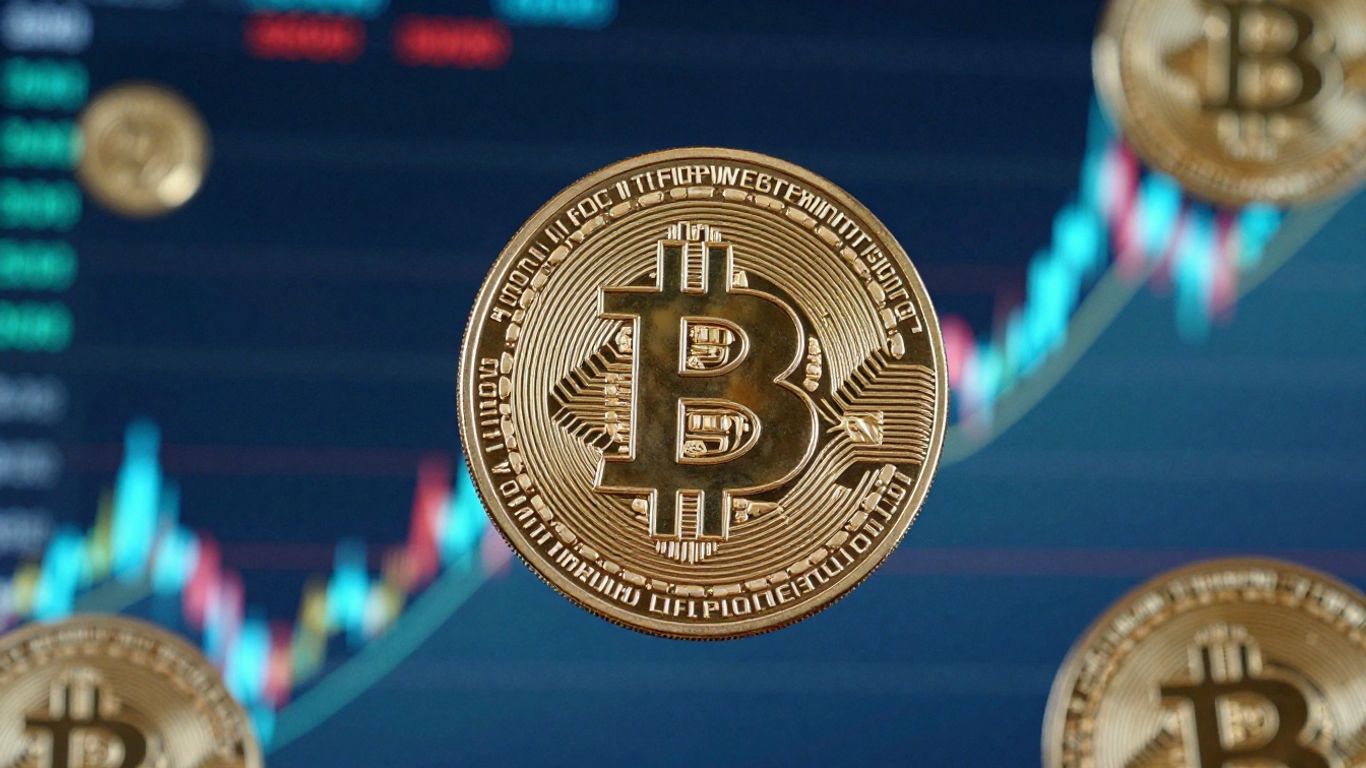
Bitcoin often gets talked about as digital gold, and for good reason. It’s the original cryptocurrency, and its fixed supply makes it attractive as a hedge against inflation. Think of it as a store of value, something that might hold its worth when other currencies are losing theirs. This perception has led to increased interest from institutions, who are now treating it less like a speculative gamble and more like a strategic part of their portfolios. The introduction of products like spot Bitcoin ETFs has made it easier for these big players to get involved, adding a layer of legitimacy and potentially influencing its price stability. While Bitcoin’s volatility is decreasing, it’s still a significant factor to consider, especially as it becomes more integrated into traditional finance, bringing new risks along with it.
Altcoin Potential and Associated Risks
Beyond Bitcoin, there’s a whole universe of other digital assets, often called altcoins. These can be pretty exciting because they often focus on specific use cases, like powering decentralized applications, facilitating faster payments, or enabling new forms of digital interaction. However, with this potential comes a higher degree of risk. Altcoins can be much more volatile than Bitcoin, and their success often depends on the adoption of their underlying technology, which is still developing. It’s a bit like investing in early-stage tech companies; there’s a chance for massive growth, but also a real possibility of failure. Diversifying your holdings across different types of altcoins, each with its own purpose and risk profile, can be a smart way to manage this.
Understanding Price Slumps and Outliers
Sometimes, you’ll see a coin’s price take a nosedive, or maybe one coin will shoot up way beyond what seems reasonable. These aren’t always random events. Price slumps can happen for many reasons: negative news about a project, a broader market downturn, or even just a shift in investor sentiment. Outliers, on the other hand, might be driven by hype, a successful product launch, or a sudden influx of new investors. To make sense of these movements, it helps to look at a few things:
- Project Fundamentals: Is the underlying technology sound? Is there real user adoption?
- Market Sentiment: What are people saying on social media and in the news?
- On-Chain Data: How many people are actually using the network? What’s the transaction volume like?
Trying to predict every single price swing is a fool’s errand. The crypto market is dynamic, and unexpected events will always occur. The goal is to build a framework for understanding why these things happen, rather than trying to time every move perfectly.
Here’s a quick look at how different types of coins might behave:
| Coin Type | Typical Role | Risk Level | Potential Upside | Example Indicators to Watch |
|---|---|---|---|---|
| Bitcoin (BTC) | Store of Value, Digital Gold | Medium | Moderate | Inflation rates, institutional adoption, ETF flows |
| Ethereum (ETH) | Smart Contracts, DeFi, NFTs | High | High | Network upgrades, dApp usage, gas fees |
| Altcoins (Misc.) | Specific Use Cases (Payments, Gaming, etc.) | Very High | Very High | Project development, community growth, tokenomics |
| Stablecoins | Price Stability, Medium of Exchange | Low | Low | Regulatory news, issuer reserves, peg stability |
Strategic Investment in a Dynamic Market
Importance of Project Due Diligence
Okay, so you’re looking to put some money into crypto. That’s cool, but before you just jump in, you really need to do your homework. It’s not like picking stocks where there’s a ton of history and established rules. With crypto, projects pop up all the time, and some are legit, while others… well, not so much. You’ve got to look into what a project is actually trying to do. Does it solve a real problem? Is the technology sound, or is it just hype? Who’s actually building it? Are they experienced, or are they anonymous folks with big promises? Checking out their whitepaper, their team, and their community engagement can tell you a lot. It’s about separating the projects with actual substance from the ones that are just looking for a quick buck.
Diversification Strategies for Risk Management
Putting all your eggs in one basket is a bad idea, especially in crypto. This market swings wildly, and what looks like a sure thing today could be worth pennies tomorrow. So, spreading your investment around is smart. Think about Bitcoin and Ethereum as your base – they’re generally seen as more stable, though still volatile. Then, you can look at other coins, but be picky. Maybe some that are focused on specific areas like decentralized finance (DeFi), or perhaps those building out infrastructure for the metaverse. The goal isn’t just to own a lot of different coins, but to own different types of coins that might react differently to market events. This way, if one area tanks, another might hold steady or even go up, helping to balance things out.
Here’s a rough idea of how you might think about it:
- Core Holdings (e.g., Bitcoin, Ethereum): Aim for a significant portion, maybe 50-70%, depending on your risk tolerance. These are the more established players.
- Established Altcoins (e.g., Solana, Cardano): These have proven use cases and larger communities. Allocate perhaps 20-30% here.
- Emerging/Niche Projects: This is where the higher risk, higher reward plays are. Think DeFi tokens, Layer-2 solutions, or specific metaverse projects. Keep this to 10-20% and only invest what you can truly afford to lose.
Timing Buys and Sells in Volatile Markets
Trying to perfectly time the market – buying at the absolute bottom and selling at the absolute top – is pretty much impossible. Seriously, even the pros struggle with that. Instead of chasing perfection, focus on a more consistent approach. Dollar-cost averaging (DCA) is a popular method. This means investing a fixed amount of money at regular intervals, say $100 every week, no matter if the price is up or down. Over time, this helps smooth out your average purchase price. You buy more coins when the price is low and fewer when it’s high. When it comes to selling, it’s also good to have a plan. Maybe you decide you’ll sell a portion of your holdings once a coin has doubled in price, or set a stop-loss to automatically sell if it drops by a certain percentage. This helps you avoid making emotional decisions when the market is going crazy.
The crypto market moves fast, and trying to predict every twist and turn is a losing game. Instead, focus on building a solid foundation with projects you believe in, spreading your risk, and sticking to a disciplined investment plan. Emotional decisions are usually the worst ones when money is involved.
The Evolving Nature of Crypto Demand
Beyond Price Charts: Underlying Technology and Utility
Look, nobody’s going to deny that price charts are exciting. Seeing those numbers climb can get anyone’s attention. But if we’re really trying to figure out what’s going on with crypto demand, we have to look past just the ticker symbols. The real story is in the tech itself. Think about it: blockchain technology is constantly getting better. We’re seeing faster transactions, more secure networks, and ways to use this stuff that go way beyond just sending money around. These improvements aren’t just for the tech nerds; they’re what make crypto actually useful for more people and more things. When a project is actually building something cool and solving a problem, that’s when you get demand that sticks around, not just the kind that disappears when the hype dies down.
Adaptability in a Complex and Interconnected Market
The crypto world isn’t some isolated island anymore. It’s tangled up with everything else in the financial universe. What happens with stocks, or what the Federal Reserve decides to do with interest rates, can totally shake up crypto prices. And global events? They can send investors scrambling for safety, sometimes into crypto, sometimes away from it. It’s like a giant, complicated web. So, trying to understand crypto demand means you’ve got to keep an eye on the bigger economic picture, not just what’s happening on crypto news sites. It’s a lot to keep track of, for sure.
Volatility as a Fundamental Market Characteristic
Let’s be real: crypto is wild. Prices can swing like crazy, and that’s not necessarily a bug; it’s kind of a feature. This ups and downs, this volatility, is just part of how these markets work right now. It’s not always about missing out on gains or panicking during a dip. It’s about understanding that these big price moves are a normal part of the crypto landscape. Trying to predict every little wiggle is a losing game. Instead, it’s more about recognizing that this characteristic is baked into the system.
The crypto market is no longer just a fringe experiment. It’s becoming a more integrated part of the global financial system, influenced by a wider array of factors than ever before. This means that understanding its demand requires a broader perspective, looking at technological progress, real-world applications, and the complex interplay with traditional markets and economic policies.
Wrapping It Up
So, what’s the takeaway from all this? It’s pretty clear that the crypto world isn’t just about watching prices go up and down. We’ve seen how past market cycles give us some hints, but new tech like faster transaction systems and the way AI is mixing with blockchain are really changing the game. It’s not just Bitcoin making waves anymore; a lot of other coins have their own unique uses and potential, though they definitely come with more risk. For anyone thinking about putting money into this space, the main advice is to really look into the projects, spread your investments around so you don’t lose everything if one goes south, and try to be smart about when you buy and sell. Staying informed and being ready to adjust seems like the best way to handle all the ups and downs.
Frequently Asked Questions
What's making cryptocurrency prices go up right now?
Several things are pushing crypto prices higher. The technology behind it, called blockchain, is getting better and more secure. More people are also starting to invest, and sometimes crypto prices follow what the stock market does. Big news and how people feel about the future also play a role in these ups and downs.
Has crypto seen big price increases like this before?
Yes, definitely! In the past, especially around 2020 and 2021, crypto prices also jumped a lot. We’ve learned that new ideas and technologies in crypto often lead to big growth. It’s like noticing when people are quietly buying something before it becomes super popular. Watching these patterns helps us guess what might happen next.
Are there any cool new types of crypto or technology emerging?
For sure! There are new ways to make blockchain networks faster and cheaper, called ‘Layer-2’ solutions. Also, exciting things like Artificial Intelligence (AI) are starting to work together with blockchain. Plus, areas like ‘Decentralized Finance’ (DeFi), which offers bank-like services without actual banks, and the ‘Metaverse,’ which is like a virtual world, are growing quickly.
Besides Bitcoin, are there other crypto coins worth considering?
Yes, there are many other cryptocurrencies, often called altcoins. Some have unique uses and potential for growth, but they also usually come with more risks than Bitcoin. It’s important to research each one carefully to understand what it does and the potential dangers.
How do big world events affect crypto prices?
Major global events can make investors nervous. Sometimes, they might pull their money out of riskier things like crypto and put it into safer investments, causing crypto prices to drop. Other times, certain events might make people see Bitcoin as a safe place to put their money, like gold, which could push its price up.
What is 'FOMO' and how does it affect crypto prices?
FOMO stands for ‘Fear Of Missing Out.’ When crypto prices start rising fast, people get excited and worry they’ll miss out on making money. This often causes them to buy quickly, which can push prices even higher, creating a cycle of rapid increases.
Why are things like interest rates from the Federal Reserve important for crypto?
When the Federal Reserve changes interest rates, it affects how much money is available for people to invest. If rates are low, more money might flow into riskier investments like crypto, potentially raising prices. If rates are high, people might invest less in crypto.
What does 'market cycle' mean for crypto?
A market cycle refers to the pattern of prices going up (bull market), down (bear market), or moving sideways in a choppy way (kangaroo market) over a period of time. Understanding these cycles, which have historically been influenced by events like Bitcoin ‘halving,’ can help investors anticipate potential market shifts.