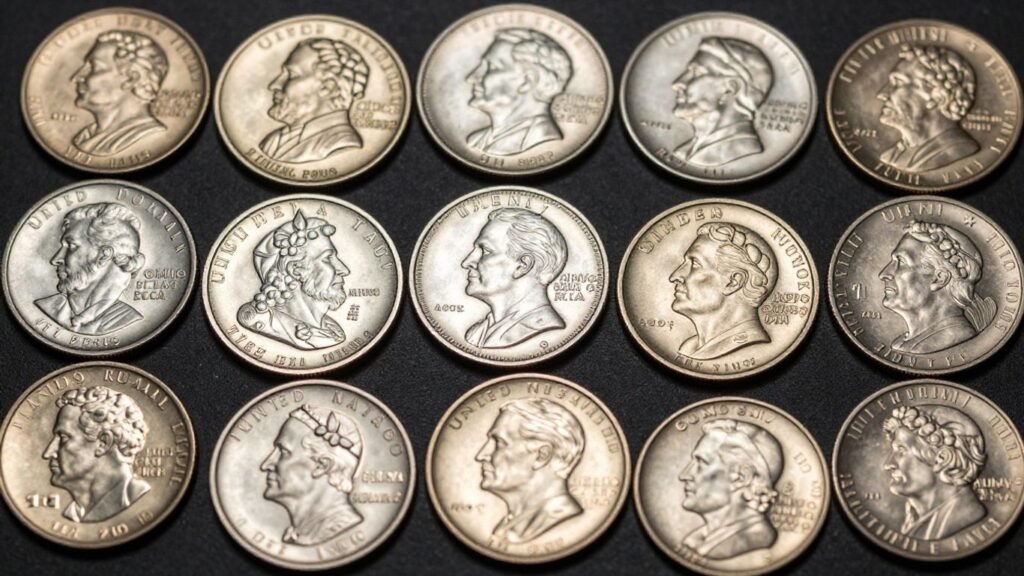
Thinking about collecting coins, especially those from the Royal Canadian Mint? It can seem a bit overwhelming at first, but it’s actually a pretty cool hobby. These coins aren’t just metal discs; they tell stories about Canada’s past and show off some really neat designs. Whether you’re just starting out or looking to add to an existing collection, understanding the background of special mint sets can make the whole experience more enjoyable. Let’s get into it.
Key Takeaways
- The Royal Canadian Mint has a long history of making coins that reflect Canada’s identity and important moments.
- Collecting coins involves learning about them, deciding what you like, and making your first purchase.
- As you collect more, focusing on specific series or coin conditions can make your collection more interesting.
- The Mint uses advanced technology and creative designs, including special finishes and precious metals, to make unique coins.
- Special mint sets and commemorative coins offer a way to own special issues that aren’t meant for everyday use.
Understanding Special Mint Sets Background
When you start looking into coin collecting, especially Canadian coins, you’ll quickly run into the Royal Canadian Mint (RCM). This place has been around for a long time, officially opening its doors back in 1908. Think about it – the very first Canadian-made coin, a 50-cent piece, was struck right there. It was a big deal, showing Canada was stepping out on its own. Since then, the RCM hasn’t just made money; they’ve basically been telling Canada’s story, one coin at a time.
The Royal Canadian Mint's Historical Significance
The RCM’s history is tied right into Canada’s own development. Before 1908, Canada relied on coins from other countries, or coins made in Britain. Having their own mint meant Canada could control its own currency and, in a way, its own identity. Every coin produced since then carries a piece of that history, marking moments, people, and symbols important to the country. It’s pretty neat when you think about holding a piece of history that was made to be used, but also to remember.
Craftsmanship and Uniqueness in Coinage
It’s not just about the history, though. The way these coins are made is a big part of why people collect them. The RCM puts a lot of effort into making sure their coins look good and are well-made. They use fancy techniques, sometimes old-school sculpting and other times modern laser stuff, to get really detailed designs. You see everything from animals and nature scenes to important figures and national symbols. Plus, they do special finishes, like making parts frosted or adding colors, which makes some coins really stand out from the everyday money you find in your pocket.
The Role of Coins in Narrating History
So, a coin isn’t just metal with a picture on it. It’s like a tiny history book. The designs aren’t random; they’re chosen to represent something significant. Maybe it’s an anniversary, a famous Canadian, or a cultural event. These coins become tangible links to the past. They show what was important to Canadians at different times. Collecting these coins is like collecting little pieces of a national narrative.
Here’s a look at some key aspects:
- Design: Intricate details that tell a story.
- Materials: Often made with precious metals like gold and silver.
- Special Finishes: Proof, reverse proof, and frosted finishes add visual appeal.
- Themes: Commemorating events, people, and symbols.
The Royal Canadian Mint has also been a leader in new coin-making methods. They’ve done things like create the first colored coin for everyday use and even a coin with a million-dollar face value. These kinds of innovations make their coins even more interesting to collectors.
Embarking on Your Coin Collection Journey
So, you’ve been looking at those shiny Royal Canadian Mint coins and thinking, ‘Hey, I could do that!’ It’s a great idea, honestly. Starting a coin collection might seem a bit daunting at first, but it’s really just about taking a few simple steps. Think of it like starting any new hobby – you wouldn’t try to run a marathon on day one, right? Same with coins.
Essential Education for New Collectors
Before you even think about buying your first coin, it’s a good idea to do a little homework. You don’t need to become a history professor or a metallurgist overnight, but knowing a bit about what you’re looking at helps a lot. Where can you learn? Libraries are still a thing, and they often have books on coins. There are also plenty of websites and online forums where collectors share information. It’s like getting a head start before a big test.
- Read up on the Royal Canadian Mint: Get a feel for their history and what makes their coins special.
- Familiarize yourself with coin terms: What’s a ‘mint mark’? What does ‘uncirculated’ mean? A quick search can clear things up.
- Look at different coin series: See what catches your eye – maybe it’s the wildlife series, or perhaps the historical figures.
Learning the basics will make your collecting experience much more enjoyable and prevent you from making common beginner mistakes. It’s about building a solid foundation for your collection.
Defining Your Collecting Aspirations
Now for the fun part: figuring out what you actually want to collect. This is where you get to be a bit selfish and focus on what excites you. Are you drawn to coins made of gold or silver? Do you love the designs from a particular decade? Maybe you’re interested in coins that mark specific events, like anniversaries or national holidays. Having a focus will make your collection more cohesive and satisfying.
Here are a few ideas to get you thinking:
- By Metal: Silver dollars, gold coins, or even base metal circulation coins.
- By Theme: Animals, historical figures, Canadian provinces, or special events.
- By Year/Era: Coins from a specific decade or century.
- By Mint Product: Special Mint Sets, proof coins, or uncirculated coin sets.
Acquiring Your Inaugural Coin
Okay, you’ve done some reading and have an idea of what you like. Time to get your first coin! This is a big moment. It doesn’t have to be the rarest or most expensive coin out there. Often, your first coin is special because it’s the start of something. You can find coins from reputable dealers, coin shows, or even online marketplaces. Just remember to check the condition – you want something that looks good and is what the seller says it is. A good starting point is often a coin that represents your chosen collecting theme.
Elevating Your Collection with Rare Finds
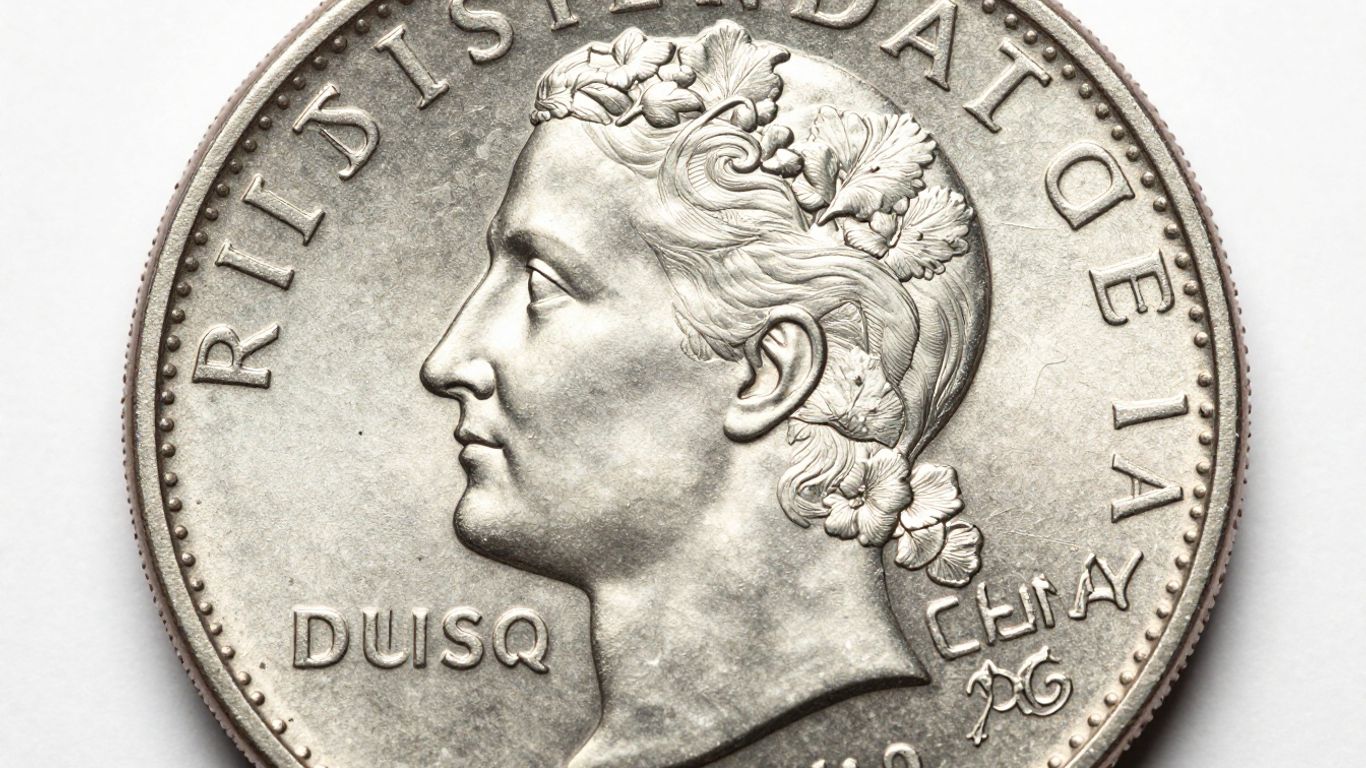
So, you’ve got a few coins, maybe a starter set or a couple of commemoratives. That’s awesome! But what happens when you want to move beyond the basics? It’s time to start thinking about those special pieces that really make a collection stand out. This is where focusing on specific coin series and the stories behind them comes into play.
Think about it: the Royal Canadian Mint has put out so many different coins over the years. Some are tied to big national events, others celebrate Canadian heroes or cultural moments. Digging into these specific themes can be super rewarding. You might find yourself drawn to coins related to Canadian wildlife, or perhaps the history of the RCMP, or even coins marking royal visits. Finding coins that connect with you personally makes collecting way more interesting.
When you’re hunting for these rarer finds, condition is a big deal. A coin that’s been handled a lot, or has scratches and wear, just isn’t going to have the same appeal – or value – as one that looks like it just came off the press. You’ll often see terms like ‘mint condition’ or specific grading scales used. It’s worth learning a bit about what these mean.
Here’s a quick look at what collectors often consider:
- Low Mintage: Coins produced in smaller numbers are naturally harder to find.
- Errors: Sometimes, mistakes happen during the minting process, creating unique, albeit unintentional, varieties.
- Special Finishes: Proof coins or those with special finishes often have a different look and appeal.
- Historical Significance: Coins tied to important events or anniversaries can be highly sought after.
You don’t have to be an expert overnight. Start by reading up on coins that catch your eye. Look for information about their production numbers, any special features, and what makes them unique. The more you learn, the better you’ll get at spotting those gems.
And don’t forget about the people! Talking to other collectors is a fantastic way to learn. You can find them at coin shows, in clubs, or online. They often have insights into where to find rare coins, what to look out for, and sometimes, they might even have something you’re looking for to trade or sell. It’s a community, and sharing that passion makes the hobby even better.
Exploring Royal Canadian Mint Innovations
The Royal Canadian Mint (RCM) isn’t just about making coins; they’re really at the forefront of figuring out new ways to mint them. They’ve been responsible for some pretty cool "firsts" in the coin world. Think about it, they were the ones who released the very first colored coin meant for everyday use, which was a huge deal. And they didn’t stop there; they also produced the first coin with a face value of a million dollars. These kinds of groundbreaking developments make their coins super interesting to collectors.
Pioneering Coin Manufacturing Technologies
The RCM has a history of pushing boundaries when it comes to how coins are made. They’ve developed and used advanced techniques that allow for incredibly detailed designs and special effects. This commitment to innovation means that even standard circulation coins can have a level of artistry and complexity that’s hard to find elsewhere. It’s not just about the metal; it’s about how it’s shaped and finished.
Commemorative and Bullion Coin Offerings
Beyond the coins you get as change, the RCM puts out a lot of special editions. These include commemorative coins that celebrate important events, people, or themes in Canadian history and culture. Then there are the bullion coins, often made of gold, silver, or platinum, which are popular with investors and collectors alike. These coins can feature anything from wildlife to historical figures, and they often come with unique finishes that make them stand out. For example, the Winnipeg facility’s 50th anniversary set highlights a special "W" mint mark on its coins.
Proprietary Authentication Technologies
Counterfeiting is a concern for any mint, so the RCM has developed its own ways to make sure their coins are genuine. One notable example is their "Bullion DNA" technology. This system uses micro-engraving or other security features that are hard to replicate, giving collectors and investors peace of mind. It’s a behind-the-scenes innovation that adds a layer of security to their products.
The mint’s dedication to technological advancement isn’t just about making pretty coins; it’s also about ensuring authenticity and creating unique collector appeal through special finishes and security measures.
Here are some of the ways the RCM stands out:
- Colored Coins: Introducing vibrant colors directly onto coins, making them visually striking.
- High Relief Designs: Creating coins where the design elements stand out dramatically from the surface.
- Special Finishes: Employing techniques like proof, reverse proof, and frosted finishes to give coins a distinct look and feel.
- Unique Shapes and Materials: Experimenting with non-traditional coin shapes and incorporating elements like holograms or glow-in-the-dark features.
The Artistry Behind Minted Coins
Collaborative Design and Engraving Processes
Creating a coin is a lot like putting together a tiny, detailed masterpiece. It’s not just one person’s job; it involves a whole team. Designers come up with the initial ideas, sketching out what the coin will look like. Then, engravers take these designs and bring them to life, often using a mix of old-school sculpting and fancy laser technology. This collaboration is key to getting those intricate details just right, whether it’s the fine lines of a portrait or the texture of a maple leaf. The goal is to make each coin a small work of art.
Special Finishes and Their Appeal
Have you ever noticed how some coins just seem to sparkle more than others? That’s often down to special finishes applied by the mint. Think of things like proof finishes, which give a mirror-like background and frosted design, or reverse proofs where that’s flipped. Some coins even get special treatments like color applications or holographic effects. These finishes aren’t just for looks; they make the coins stand out and become more desirable for collectors who appreciate that extra bit of polish and visual flair.
Precious Metal Coinage
When we talk about coins, we often think of the metal they’re made from. The Royal Canadian Mint, like many others, works with precious metals such as gold, silver, and platinum for many of its special issues. These aren’t your everyday pocket change; they’re crafted with high purity metals. This adds another layer of appeal for collectors, combining the historical and artistic value of the coin with the intrinsic worth of the metal itself. It’s a tangible connection to both history and value.
The process of minting a coin is a careful balance between artistic vision and technical execution. Every curve, every line, and every finish is deliberate, aiming to create an object that is both beautiful and historically significant. It’s a testament to the skill involved that these small metal discs can carry so much meaning and aesthetic appeal.
Notable Royal Canadian Mint Releases
Celebrating Anniversaries and Milestones
The Royal Canadian Mint has a knack for marking significant moments in Canadian history and culture with special coin issues. These aren’t just coins; they’re tiny pieces of history you can hold. Think about the 2022 1-cent 10th Anniversary of the Last Penny coin. It brought back the classic maple leaf twig design from 1937, a nice nod to the past. Then there was the 2002 Brilliant Uncirculated Dollar, which celebrated Queen Elizabeth II’s Golden Jubilee. It even featured the Gold State Coach, a vehicle used in coronations since way back in 1831. These coins really capture the spirit of important events.
Honoring Cultural Heritage and Icons
Beyond just dates and anniversaries, the Mint also shines a light on Canada’s diverse cultural tapestry and its beloved figures. Take the 2005 $30 Totem Pole Sterling Silver Coin, for example. It’s a beautiful tribute to Indigenous art and storytelling, with a detailed totem pole design that represents family histories. And for pop culture fans, the 2018 $20 Captain Canuck Fine Silver Coin was a hit. It’s shaped like a comic book and features the Canadian superhero, really capturing a piece of national identity. These releases show how coins can tell stories beyond just national events.
Commemorating Royal Reigns
Given Canada’s historical ties, it’s no surprise that the Royal Canadian Mint often releases coins that honor the British monarchy. These coins serve as a tangible link to a long and significant period of Canadian history. While specific releases vary, the theme of commemorating royal milestones, like jubilees or significant anniversaries of a monarch’s reign, is a recurring one. These coins often feature detailed portraits and symbolic imagery, making them popular with collectors interested in both numismatics and royal history. The Mint’s ability to capture these moments in precious metal is quite remarkable, offering a lasting tribute. You can explore some of these historical coin sets at Colonial Acres Coins.
The Jefferson Nickel and Collector Interest
You know, the Jefferson nickel is one of those coins that just seems to be everywhere, and for good reason. It’s got a pretty interesting story, especially around the mid-1960s. That’s when things got a little wild with coin production. There was this big coin shortage happening, and the U.S. Mint was really scrambling to keep up with demand. Prices for silver were going up, and people were apparently snatching coins out of circulation, which, of course, the Mint tried to blame on collectors. It’s kind of funny when you think about it.
Designer's Perspective on Iconic Coinage
Felix Schlag, the guy who designed the Jefferson nickel, actually spoke at an ANA convention back in 1964. He talked about how he wanted to capture the essence of Thomas Jefferson, imagining his strong features and character. He mentioned that his main goal was to find a likeness that really portrayed the great American as he pictured him. It’s neat to think about the artist’s vision behind such a common coin. Interestingly, his initials, F.S., didn’t even show up on the nickel until 1966, a couple of years after the design was first used. It’s a small detail, but it adds another layer to the coin’s history.
Production Surges and Accessibility
This is where things get really interesting for collectors. Because of that coin shortage and some legislative changes allowing coins dated 1964 to be struck past the end of the year, the mintages for 1964 Jefferson nickels went through the roof. Seriously, billions were made! Philadelphia alone churned out over a billion, and Denver made even more. For comparison, Philadelphia only made about 100 million in 1963. This massive production means that 1964 nickels are super accessible. You can still find them in circulation pretty regularly, and they’re generally not hard to come by in various conditions. It makes them a great starting point for new collectors who want something tangible from a specific historical moment.
Here’s a look at the sheer scale of production:
| Mint Facility | 1964-Dated Nickel Production (approx.) |
|---|---|
| Philadelphia | 1,028,622,762 |
| Denver | 1,787,297,160 |
Varieties and Special Mint Set Editions
Even with such high production numbers, there are still things for collectors to hunt for. The 1964 Jefferson nickel has a bunch of minor varieties, including doubled die errors on the obverse and reverse. If you’re into that sort of thing, there are quite a few to track down. But what’s really special for some collectors are the 1964 nickels found in Special Mint Sets (SMS). These coins have a different finish than regular circulation strikes. While not super common, a small number of these 1964 SMS nickels do pop up now and then, especially since some of these sets came onto the market in the 1990s. They’re a bit more elusive and can fetch higher prices, particularly if they have that coveted "Full Steps" designation on the reverse, which refers to the detail on Monticello’s steps. Getting a "Full Steps" coin means it was struck with enough force and survived handling without damaging those fine details.
The period around 1964 was a unique time for U.S. coinage. The combination of a national coin shortage, rising silver prices, and legislative actions led to unprecedented mintages of circulating coins. This surge in production, while making coins like the Jefferson nickel incredibly common, also created a fascinating backdrop for numismatic interest, highlighting the Mint’s efforts to meet public demand and the resulting impact on coin availability and collector pursuits.
For collectors interested in the "Full Steps" aspect, here’s a simplified breakdown:
- What it means: Clear, sharp detail on the five steps leading up to Monticello on the reverse.
- Why it matters: It indicates a well-struck coin that has been well-preserved.
- Grading: Coins with "Full Steps" (FS) are generally more desirable and command higher prices than those without.
So, while the 1964 Jefferson nickel might seem like just another coin in your pocket, it represents a significant chapter in U.S. minting history and offers plenty for collectors to explore, from massive production runs to subtle design details and special set variations.
Collecting Non-Circulation Coinage
Special Sets for Collectors
So, you’ve got a few coins lying around, maybe some from your change jar, and you’re thinking about getting more serious. That’s cool. But have you ever thought about coins that aren’t meant to be spent? These are called non-circulation coins, and they’re made specifically for people like us – collectors. The Royal Canadian Mint puts out some really neat ones.
These sets are often put together with a theme in mind. Think about it: a whole set of coins celebrating a specific event or a particular aspect of Canadian culture. It makes them more than just metal discs; they become little pieces of history you can hold. The key difference is that these coins are never intended to enter general circulation. They come in special packaging, often with a certificate of authenticity, and they’re usually made with higher quality standards than the coins you’d find in your pocket.
Here’s a quick look at what makes them special:
- Purpose-Built: Created solely for collectors, not for everyday transactions.
- Thematic Grouping: Often released as sets focused on a particular theme, anniversary, or subject.
- Enhanced Quality: Typically feature superior finishes and are handled with more care during production.
- Presentation: Usually come in protective packaging, highlighting their collectible status.
Commemorating Royal Legacies
When we talk about non-circulation coins, a big part of that often involves the Royal Family. The Royal Canadian Mint has a long history of honoring Canadian monarchs and significant royal events. These coins aren’t just pretty; they tell a story about Canada’s connection to the Crown.
For example, you might find sets dedicated to a royal wedding, a significant anniversary of a monarch’s reign, or even coins that feature different effigies of the Queen over the years. It’s a way for collectors to connect with that part of Canadian history and heritage.
Transition Obverses in Modern Coinage
This is where things get a bit more technical, but it’s really interesting. You know how coins have the monarch’s portrait on one side? Well, sometimes, when there’s a change in the monarch, the Mint needs to update that portrait. This period of change is called a transition. For a while, you might see coins with a new effigy appearing, even while the previous one is still being used on other coins.
These "transition obverses" are super interesting for collectors because they mark a specific moment in time. They show the shift from one era to another. The Royal Canadian Mint sometimes releases special sets that highlight these transition periods, making them quite sought after by those who appreciate the finer details of numismatic history. It’s like catching a coin in the middle of a historical blink.
The careful production of non-circulation coinage allows for intricate details and special finishes that simply wouldn’t survive in the rough-and-tumble world of everyday commerce. These coins are crafted with the collector in mind, from the initial design concept right through to the final packaging.
The Evolution of Royal Effigies
Over the decades, the portrait of Queen Elizabeth II on Canadian coins has changed, reflecting her journey from a young monarch to a revered elder stateswoman. These changes aren’t just about updating a picture; they represent different eras and perceptions of her long reign. It’s pretty fascinating to see how a single image can tell so much of a story.
Early Portraits of Queen Elizabeth II
The very first effigy to grace Canadian coins, designed by Mary Gillick, showed a young Queen Elizabeth II wearing a laurel wreath. This image captured her at the beginning of her reign, full of youthful promise. It was a classic look, fitting for the time.
Mature and Crowned Likenesses
By 1965, a new portrait by Arnold Machin was introduced, and Canada was the first Commonwealth nation to adopt it. This effigy depicted a more mature Queen, wearing a tiara, signifying her growing presence and authority. Later, in 1990, Dora de Pédery-Hunt created the third effigy, a crowned portrait that was notable for being the first designed by a Canadian artist. This marked a significant step in Canadian numismatic history.
Contemporary and Informal Depictions
The most recent effigy, designed by Susanna Blunt, debuted in 2002 for the Queen’s Golden Jubilee. This portrait presented a more mature and approachable Queen, a likeness many Canadians grew to know well. It was a departure from the more formal depictions, showing a Queen who was deeply connected to the country.
It’s interesting to note how these different portraits were rolled out. For instance, the transition obverse, introduced for 2023-dated coins, features Susanna Blunt’s portrait alongside markings that represent all four effigies. This special design acknowledges the entirety of her presence on Canadian coinage.
The Royal Canadian Mint has consistently updated the Queen’s image on its coins, mirroring her life stages and Canada’s evolving relationship with the monarchy. Each effigy tells a part of her story and Canada’s history.
Here’s a quick look at the artists behind these iconic images:
- Mary Gillick (First Effigy)
- Arnold Machin (Second Effigy)
- Dora de Pédery-Hunt (Third Effigy)
- Susanna Blunt (Fourth Effigy)
These changes weren’t just cosmetic; they were a way for the mint to connect with Canadians and reflect the Queen’s enduring role. The introduction of the two-pound coin also featured Queen Elizabeth II’s effigy, showing her presence across various denominations and coin types.
Tributes to Queen Elizabeth II's Reign
Queen Elizabeth II was a constant presence for Canadians for seven decades. It makes sense that the Royal Canadian Mint would create special coins to honor her long service. These coins aren’t just currency; they’re like little pieces of history, showing different sides of the Queen as she aged and as Canada grew.
Timeless Emblems and Intimate Portraits
For 2023, the Mint released a collection that really looks back at her reign. Some coins feature classic symbols that remind us of her time as Queen, while others use portraits that feel more personal, like the Queen many Canadians came to know. It’s a way to remember her grace and dedication.
The Significance of the Tribute Obverse
What’s really neat about some of these tribute coins is the special "tribute obverse." This side of the coin is marked with the years 1952 and 2022, separated by a Tudor rose. But the coolest part? It actually shows all four different portraits of Queen Elizabeth II that have appeared on Canadian coins since she was crowned. It’s like a mini-history lesson right on the coin.
The Transition Obverse in Numismatics
After the Queen passed away in September 2022, the Mint needed a way to update the coins. For 2023 collector and bullion coins, they introduced a "transition obverse." This design shows the portrait of Queen Elizabeth II by Susanna Blunt, but it has a special marking. You’ll see the dates "1952" and "2022" with four pearls in between. Each pearl represents one of the four effigies that have been on Canadian coins since 1953. This is a temporary design until a new monarch’s portrait is decided upon for Canadian currency.
The Royal Canadian Mint has a long history of marking significant moments and figures through its coinage. The tributes to Queen Elizabeth II’s reign are a clear example of how coins can serve as a lasting memorial, reflecting both national identity and the passage of time.
Wrapping It Up
So, we’ve taken a good look at what makes those special mint sets so interesting. It’s more than just shiny metal; it’s a piece of history, a bit of art, and for many, a fun hobby. Whether you’re just starting out or have been collecting for years, there’s always something new to discover. Remember, every coin has a story, and building your collection is its own unique adventure. Happy collecting out there!
Frequently Asked Questions
What makes Royal Canadian Mint coins special?
Royal Canadian Mint coins are special because they are more than just money. They are like tiny pieces of art that tell stories about Canada’s history, its culture, and important events. The mint uses great skill to make them, and some are made in limited numbers, making them unique and interesting for collectors.
How do I start collecting coins from the Royal Canadian Mint?
To start, learn as much as you can about the coins. Think about what kind of coins you like – maybe from a certain year, made of a special metal, or with a design that catches your eye. Your first coin is important, so pick one that you really like. You can buy coins from dealers or online.
Why is the condition of a coin important for collectors?
The condition, or how good the coin looks, really matters to collectors. A coin that is in great shape, with no scratches or wear, is usually worth more and is more desirable. It’s like having a book that’s still in perfect condition versus one that’s been read many times.
What are some new technologies the Royal Canadian Mint uses?
The mint is always trying new things! They’ve made coins with colors, coins that glow in the dark, and even coins with very detailed designs using lasers. They also have special ways to make sure their valuable coins are real and not fake.
Are there different types of finishes on coins?
Yes, some coins have special finishes that make them look extra special. These can include shiny, mirrored surfaces, or frosted designs that stand out. These finishes make the coins look more like art pieces and are very appealing to collectors.
Can you give an example of a notable coin release?
The Royal Canadian Mint has released many interesting coins. For example, they made a coin to celebrate the 10th anniversary of Canada’s last penny, featuring a classic maple leaf design. They also create coins that honor important figures, like Queen Elizabeth II, or cultural symbols, such as totem poles.
What is a 'Special Mint Set' edition of a coin?
Special Mint Sets are collections of coins made specifically for collectors. These coins are not meant to be used as everyday money. They often have a special finish and are presented in a way that highlights their quality and beauty, making them different from coins you find in your pocket change.
Why are there different pictures of Queen Elizabeth II on Canadian coins?
Over her long reign, Queen Elizabeth II’s appearance changed, and Canada updated her picture on coins to match. The first coins showed her as a young queen, while later ones show her as a more mature person. These different portraits mark different times during her rule and are collected by many.