World War II wasn’t just fought on battlefields; it also played out in our pockets. The United States Mint had to get creative, changing up the coins we used every day. This was all part of the bigger picture, a massive effort to make sure the country had the materials it needed to build planes, ships, and all the other gear for the war. These wartime coin composition changes show how even everyday items can be affected when a nation is at war.
Key Takeaways
- During WWII, the US Mint changed coin metals to save vital resources for the war effort.
- Pennies were made of steel for a short time to conserve copper.
- Nickels were altered to remove nickel entirely, using silver and manganese instead.
- The Mint also produced coins for other countries and adapted paper money, like the ‘Hawaii’ notes.
- These wartime coin composition changes highlight the significant impact of conflict on even the most common aspects of daily life.
The Penny's Wartime Transformation
World War II totally changed the way Americans thought about something as basic as a penny. Everyone was focused on the war effort—from car factories cranking out tanks to kids collecting scrap metal—and money itself had to adapt fast. During this time, even the humble Lincoln cent was caught up in the government’s push to save raw materials for military use.
The Shift to Steel Cents
The 1943 penny is probably the most famous oddball coin from this period. The US Mint switched from the usual 95% copper makeup to using steel that was coated with zinc. This move freed up a huge amount of copper for war production—enough for over a million artillery shells. The steel cent looked strikingly different from past coins. These new pennies had a shiny, silver color, causing people to mistake them for dimes and raising all kinds of confusion at the cash register.
| Year | Composition | Approximate Quantity Minted |
|---|---|---|
| 1942 | 95% copper, 5% other metals | ~657 million |
| 1943 | Steel core, zinc coating | ~1.1 billion |
| 1944 | Recycled copper shell casings | ~1.4 billion |
Reasons for the Copper Shortage
Several things pushed copper into short supply during WWII:
- The military needed tons of copper for shell casings, electrical wiring, and communication equipment.
- Factories retooled to pour all resources into tanks, planes, and ships.
- Everyday items, like pennies, suddenly seemed less important as people focused on winning the war.
Copper, once taken for granted in pocket change, became a priority for ammunition and electronics—almost overnight.
Public Reaction to Steel Pennies
The introduction of the steel cent wasn’t exactly smooth sailing for Americans. Some challenges included:
- Vending machines rejected the lighter, silver-colored coins, causing headaches for anyone wanting a snack.
- People often confused the new pennies with dimes, leading to lost change and frustration at stores.
- Many folks simply didn’t like the look or feel of the new coins, missing the traditional copper tone they were used to.
By 1944, the Mint went back to a copper-based penny, this time using metal reclaimed from recycled shell casings. Americans never totally warmed up to the steel cents, but that year-long experiment remains one of the Mint’s most memorable moments.
Nickel's Strategic Alloy Change
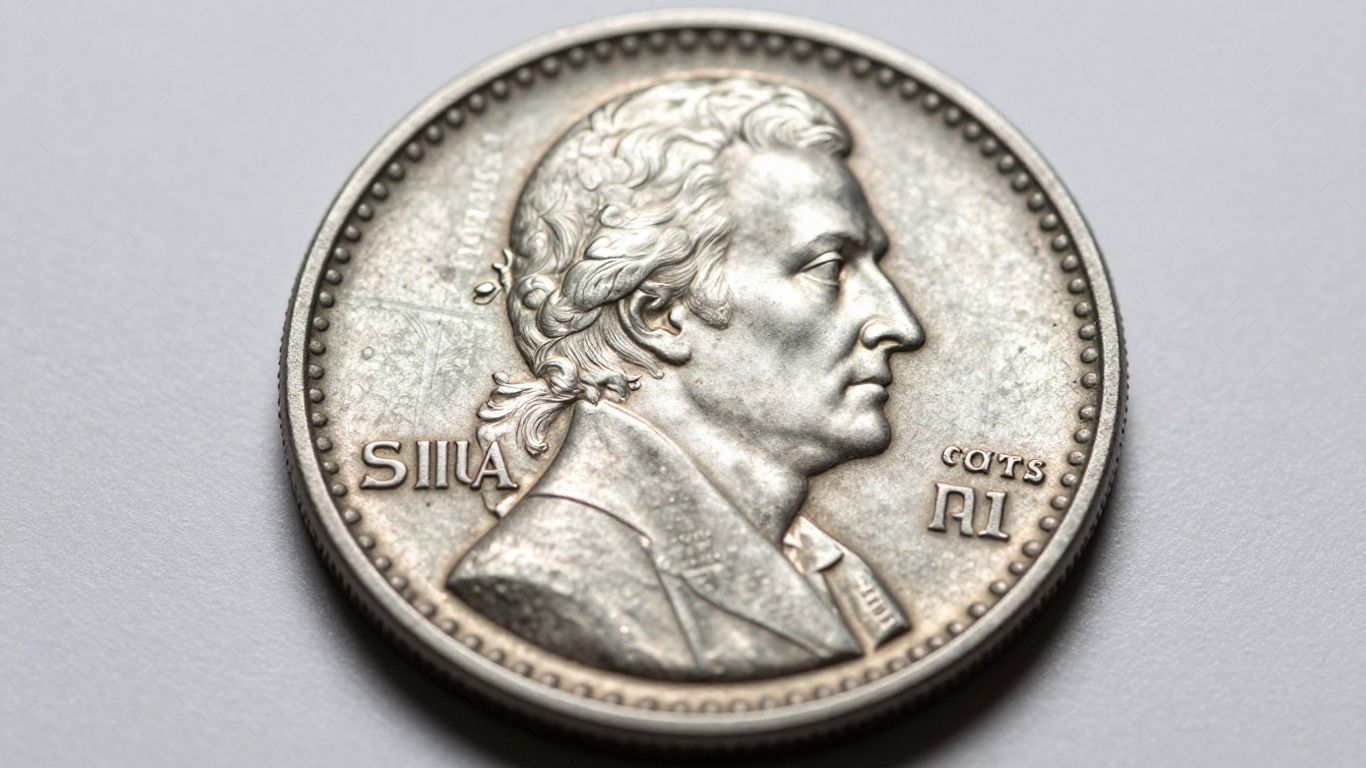
The nickel, that trusty five-cent piece, also saw a significant change during World War II. It wasn’t just the penny that got a wartime makeover. Back in 1942, the government realized that the nickel metal used in our everyday nickels was actually pretty important for making things like armor plating and high-strength steel for the war effort. So, a mandate came down: remove nickel from the five-cent coin.
Mandate to Remove Nickel
On March 27, 1942, Congress passed a law that basically told the US Mint they had to stop using nickel in their coins. By October 8th of that same year, the Mint had to come up with something else. This wasn’t a small request; the standard nickel alloy was 75% copper and 25% nickel. Finding a replacement that looked and felt similar, and importantly, didn’t disrupt commerce, was a challenge.
The Silver and Manganese Composition
So, what did they do? They came up with a new recipe. The wartime nickel, often called the "silver nickel" because of its color, was made from 56% copper, 35% silver, and 9% manganese. This new mix saved a ton of nickel and copper that could be used for tanks, planes, and bullets. It was a smart move, conserving vital materials without completely changing the coin’s weight or size. The US Mint produced over 870 million of these special nickels between 1942 and 1945, saving an estimated 800,000 pounds of nickel and 1.8 million pounds of copper.
Identifying Wartime Nickels
How could you tell if you had one of these special wartime nickels? Look at the back, above Monticello. You’ll see a big mint mark – a "P" (for Philadelphia), "D" (for Denver), or "S" (for San Francisco). This was a deliberate choice by the Mint. They wanted to make these coins easy to spot so they could be pulled out of circulation once the war was over. It was a clever way to manage the currency transition.
The shift to a copper-silver-manganese alloy for nickels was a direct response to the urgent need for nickel in military production. This temporary change not only conserved a critical war material but also resulted in a coin that was visually distinct, aiding in its eventual removal from circulation.
Here’s a quick look at the composition change:
| Coin Type | Pre-War Alloy (%) | Wartime Alloy (%) |
|---|---|---|
| Nickel (5-cent) | 75% Copper, 25% Nickel | 56% Copper, 35% Silver, 9% Manganese |
These wartime nickels are a fascinating piece of history, showing how everyday objects were adapted for the massive effort of World War II. They’re a tangible reminder of the sacrifices and ingenuity that went into supporting the troops.
Conserving Vital Metals for the War Effort
World War II wasn’t just fought on battlefields; it was also waged in factories and on the home front, demanding every available resource. As the United States ramped up production for tanks, planes, and ships, a serious crunch hit for some common metals. We’re talking about copper, zinc, and tin – stuff that wasn’t just used for weapons, but also for everyday coins.
Copper, Zinc, and Tin Scarcity
The need for these metals was immense. Copper was vital for wiring in everything from aircraft to radios. Zinc played a role in alloys and was used in munitions. Tin was essential for solder and plating. When the war machine started churning at full speed, the demand for these materials skyrocketed, creating shortages that impacted both industrial production and the coins in our pockets. It became clear that the Mint had to find ways to cut back on its use of these precious resources.
Saving Metals Through Coin Redesign
So, what did the U.S. Mint do? They got creative. The most noticeable change was with the penny. For 1943, they switched from the usual copper composition to a steel core coated with zinc. This move alone saved thousands of tons of copper, enough to make a ton of artillery shells. The nickel also got a wartime makeover. To free up nickel for industrial uses, the Mint created a new alloy for the five-cent piece using silver and manganese instead of nickel. This meant the coins looked and felt pretty much the same, but they were made of different stuff.
Here’s a quick look at the changes:
- Penny (1-cent coin):
- Pre-war: 95% Copper, 5% Zinc
- Wartime (1943): Steel core with a zinc coating
- Nickel (5-cent coin):
- Pre-war: 75% Copper, 25% Nickel
- Wartime (starting mid-1942): 56% Copper, 35% Silver, 9% Manganese
Impact on Industrial Production
These changes might seem small, but they added up. By reallocating metals from coinage to the war effort, the Mint directly contributed to the production of essential military equipment. Think about it: every bit of copper saved could be used for wiring in a bomber, and every bit of nickel freed up could go into making stronger steel for tanks. It was a quiet but significant way the Mint supported the troops and the overall war strategy.
The decision to alter coin compositions wasn’t just about making do; it was a strategic move to ensure that the materials needed for victory were available where they were needed most. It highlights how even seemingly minor aspects of daily life were mobilized for the war effort.
The US Mint's Broader Wartime Role
Production for Allied Nations
The United States Mint wasn’t just busy changing its own coins; it also stepped up to produce currency for other countries. With so many nations caught up in the global conflict, their own mints were often unable to operate or had their metal supplies diverted. The Mint was authorized by Congress way back in 1874 to make coins for foreign governments, and this capability became incredibly important during World War II. They ended up supplying coins to 26 different countries.
- Australia
- Belgium
- Bolivia
- Cuba
- Dominican Republic
- Ecuador
- France
- Guatemala
- Honduras
- Liberia
- Netherlands
- Nicaragua
- Panama
- Peru
- The Philippines
- Saudi Arabia
- Venezuela
Many of these countries were dealing with serious economic fallout from the war, some even facing invasion. They suddenly needed coins, but couldn’t make them. The U.S. Mint stepped in, often producing these coins at cost, and sometimes the foreign nations even provided the metal. It was a massive undertaking, with the Mint using over 15,000 tons of metal annually on average for both domestic and foreign coinage.
Foreign Coinage Operations
Between 1939 and 1945, the U.S. Mints churned out billions of coins for domestic use. But they also struck over 3.3 billion coins specifically for foreign countries. Most of this foreign production happened at the Philadelphia and San Francisco facilities. The Denver Mint, for example, made coins for Australia, the Dutch East Indies, Ecuador, the Philippines, Curaçao, and Venezuela during certain years. This international cooperation helped keep economies running in nations struggling with the war’s impact. It’s pretty amazing to think about the sheer scale of this operation, especially when you consider the metal needed to produce everything from tanks to artillery shells. The Mint’s ability to pivot and support allies through coinage was a significant, though often overlooked, contribution to the war effort. You can find records of domestic and foreign coins manufactured by U.S. mints from this era here.
Meeting Global Coinage Demands
Producing coins for so many different nations wasn’t a simple task. Each country had its own specifications, and the Mint had to manage different metals and designs. This required a huge amount of coordination and resources. The war effort meant that metals like copper, zinc, and tin were in high demand for military production. Yet, the Mint managed to secure and use vast quantities of these materials, alongside silver and manganese for the special nickel alloy, to meet these global demands. It highlights how interconnected the war effort was, extending even to the production of everyday currency for allies around the world. The Mint’s flexibility and capacity were truly tested and proven during this period.
Paper Currency Adaptations
During WWII, American paper money changed in ways most people never talk about, but it was all about security and keeping resources safe. Wartime made the government rethink how bills could be used and abused if they ended up in the wrong hands.
Hawaii Overprint Notes
Special Hawaii overprint notes were printed in case America lost control of Hawaii to enemy forces. These notes looked different from normal dollars:
- The word "HAWAII" was stamped boldly on both sides of the bill
- Issued as $1, $5, $10, and $20 denominations
- The seals and serial numbers were brown, making them stand out
The logic was simple: if Hawaii were invaded, the US could instantly declare these notes worthless, making it harder for an enemy to use American currency.
Preventing Enemy Seizure of Funds
The US government didn’t just redesign currency for fun—it was strategic. Here’s how these new bills made a difference:
- Isolated military zones (like Hawaii and North Africa) used overprinted dollars to contain risk
- Fast invalidation meant less worry if stockpiles were captured
- Local banks swapped regular bills for overprints so personal savings stayed protected, but the system could still shut down the cash if needed
It’s wild to think that, for a while, those bills could change in value overnight just depending on who controlled the islands.
Denominations and Circulation
The Hawaii notes and similar emergency types weren’t rare in their time—they were everywhere in Hawaii during the war.
| Denomination | Color of Seal | Main Feature | Years Issued |
|---|---|---|---|
| $1 | Brown | HAWAII overprint | 1942–1944 |
| $5 | Brown | HAWAII overprint | 1942–1944 |
| $10 | Brown | HAWAII overprint | 1942–1944 |
| $20 | Brown | HAWAII overprint | 1942–1944 |
After WWII, most of those notes were rounded up and destroyed. But some survived, so now they pop up in collections and tell a story. Wartime currency was more than just money—it was a shield and a response to a real fear of invasion, done with just a stamp and a new ink color.
Post-War Coinage Reversions
Returning to Pre-War Compositions
Once the dust settled and the war officially ended in 1945, the U.S. Mint was eager to get back to business as usual. This meant ditching those wartime substitutes and bringing back the familiar metals that made up our coins. Think of it like cleaning up the workshop after a big project – time to put the right tools back in their places. The big change everyone noticed was the return of copper to the penny. Those steel cents, while necessary for the war effort, just didn’t have the same feel or durability. By 1947, the penny was back to its 95% copper composition, and folks were happy to see it.
The Significance of Wartime Coin Changes
These temporary shifts in coin makeup weren’t just about saving metal; they were a clear sign of the times. The fact that we had to resort to steel pennies and nickel-free nickels really drove home how serious the metal shortages were. It showed that even something as everyday as our pocket change was impacted by the global conflict. Plus, the Mint’s ability to produce coins for other countries during the war was pretty impressive. It wasn’t just about making our own money; it was about supporting allies and keeping economies running when they were under immense pressure.
Lessons Learned from Wartime Coinage
Looking back, the wartime changes taught us a few things. For starters, it highlighted the importance of having a diverse supply of metals and the flexibility to adapt when things get tough. It also showed how much we rely on coinage for everyday life and international trade. The Mint’s role in producing foreign currency during the war was a big deal, too. It demonstrated their capability and willingness to help out on a global scale.
The temporary alterations to coin compositions during wartime served as a tangible reminder of the widespread impact of global conflict, affecting even the most common items in daily life and underscoring the need for resourcefulness and international cooperation.
Here’s a quick rundown of what went back to normal:
- Pennies: Switched back from steel (with zinc coating) to 95% copper. The zinc coating was removed, and the core was copper again.
- Nickels: The 35% silver and 55% copper alloy (with 10% manganese) was phased out. The standard 75% copper and 25% nickel composition returned.
- Dimes, Quarters, and Halves: These coins, which had been made with a 90% silver and 10% copper alloy, went back to their pre-war silver content. The wartime silver-manganese alloy was a short-lived experiment.
It’s interesting to think about how these everyday objects reflected such extraordinary times. The coins we carry in our pockets tell a story, and the wartime period is a particularly fascinating chapter.
Conclusion
Looking back, it’s kind of wild how much war changed the coins and bills people used every day. The government had to get creative—switching metals, redesigning coins, and even printing special paper money—just to make sure the country had what it needed for the war effort. Stuff like steel pennies and silver nickels might seem like small details, but they tell a bigger story about how everyone, right down to the change in your pocket, pitched in. After the wars, most of these changes faded away, but some coins stuck around as reminders of those tough times. Next time you find an old coin in your change, maybe take a second look. It might be more than just spare change—it could be a piece of history.
Frequently Asked Questions
Why did the US change the penny during World War II?
During World War II, the US needed metals like copper for making weapons and other war supplies. To save these important metals, the government decided to make pennies out of steel with a zinc coating instead of copper. This helped free up a lot of copper for the war effort.
What were the steel pennies like?
The steel pennies were made in 1943 and looked silver because they were made of steel coated in zinc. People sometimes confused them with dimes because of their color. They also caused problems with coin-operated machines because they were lighter than the usual copper pennies.
Did the nickel also change during the war?
Yes, the nickel changed too! To save nickel for the war effort, the US Mint made nickels with a different mix of metals. They used copper, silver, and manganese instead of copper and nickel. These special nickels were made from 1942 to 1945.
How could you tell the difference between a regular nickel and a wartime nickel?
The wartime nickels had a large mint mark (like a ‘P’, ‘D’, or ‘S’) above the building on the back of the coin. This was done so the government could easily find and remove these special nickels from circulation after the war was over.
Were other types of money changed because of the war?
Absolutely. In Hawaii, the US military printed special paper money with ‘Hawaii’ on it. This was done to make it harder for the enemy to use American money if they invaded the islands. It was a way to protect funds and prevent them from falling into the wrong hands.
Did the US Mint make coins for other countries during the war?
Yes, the US Mint played a role in helping other countries too. They produced millions of coins for 26 different nations that were struggling to make their own money because of the war. This helped keep economies running in allied countries.
What happened to the coins after the war ended?
After the war, the US Mint went back to making coins with their usual metals. The steel pennies were no longer made, and the special wartime nickels were taken out of circulation. Things slowly returned to how they were before the war.
What can we learn from these wartime coin changes?
These changes show how everyday things, like the money in our pockets, can be affected by big events like wars. It highlights the resourcefulness of the US Mint and the government’s efforts to support the war by finding smart ways to conserve important materials.