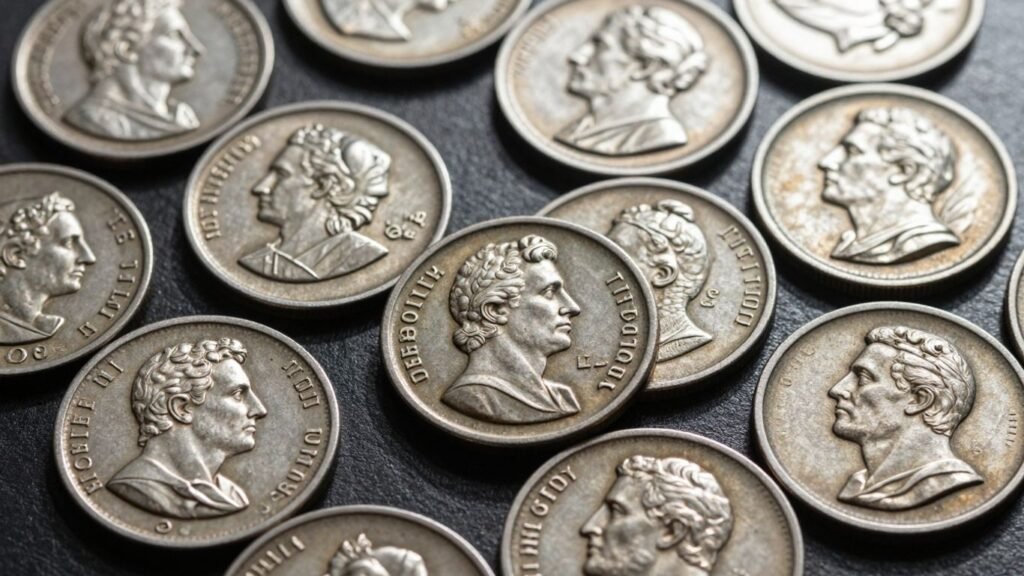
Thinking about selling some old coins? Specifically, those older ones, maybe from the early days of the U.S.? If you’re in Austin and have some bust coinage lying around, you might be wondering where to get a fair price. It’s not always straightforward, and you want to make sure you’re dealing with folks who know their stuff. This guide is here to help you figure out the best places to sell bust coinage in Austin, getting you expert appraisals and top offers.
Key Takeaways
- When you sell bust coinage in Austin, look for dealers who specialize in historical coins.
- Get appraisals from multiple places to compare offers for your bust coinage.
- Reputable coin dealers will offer fair prices based on the coin’s condition and rarity.
- Understand that the value of your bust coinage depends on factors like metal content, rarity, and condition.
- Selling to a trusted Austin dealer ensures a smooth transaction for your bust coinage.
1. Paper Money
When you think about selling old money, coins often come to mind first. But paper money, or banknotes, can be just as interesting and valuable. Think about it: these pieces of paper have traveled through history, witnessing economic booms and busts, wars, and periods of rebuilding. From the early days when paper was used as a promise to deliver coin, to today’s collectible notes, paper money tells a story.
The value of your paper money collection depends on several factors, including rarity, condition, historical significance, and demand. It’s not just about how old a bill is; a note from a significant historical event might fetch more than a much older, common bill. Things like Gold Certificates, Silver Certificates, Large Size Notes, and even Confederate Currency can be quite sought after by collectors.
Here are some types of paper money that collectors often look for:
- Early American Currency: Notes issued before the establishment of the Federal Reserve.
- Confederate Currency: Money printed and used by the Confederate States of America during the Civil War.
- Fractional Currency: Small denomination notes issued when coins were scarce.
- High Denomination Notes: Bills with face values of $500, $1,000, or even higher.
- Error Notes: Currency with printing mistakes or misprints.
Selling old paper money can feel a bit overwhelming. You might have a stack of old bills tucked away, unsure if they’re worth anything more than their face value. It’s a common situation, and that’s where getting a professional appraisal really helps. Experts can spot the details that make a difference, like specific series, rare signatures, or unique printing characteristics that add to a note’s appeal for collectors.
Getting an accurate appraisal is the first step. An experienced buyer will look at the condition of the note – is it crisp and new, or worn and torn? They’ll also consider its history and how many are still around. This helps determine a fair price, so you know what to expect when you decide to sell.
2. Rare Coins
When you’ve got coins that aren’t just for spending, but hold a piece of history, you’re dealing with rare coins. These aren’t your everyday pocket change; they’re collectibles that can be quite valuable. Think about coins from different eras, maybe ones with interesting designs or from limited mintages. The condition of a rare coin is a huge factor in its worth. A coin that’s been well-preserved, with clear details and minimal wear, will always fetch a higher price than one that’s seen better days.
Figuring out what makes a coin rare and valuable can be tricky. Here are a few things to look for:
- Mint Mark: Where the coin was made can affect its rarity. Coins from smaller mints or specific years might be harder to find.
- Date: Certain dates are scarcer than others, especially if there was a low mintage for that year.
- Rarity: How many of these coins were originally produced, and how many are believed to still exist today?
- Condition (Grade): This is a big one. Coins are graded on a scale, and higher grades mean better condition and more value.
If you’re curious about what you might have, getting an appraisal is the way to go. Places that specialize in numismatics, like Austin Coin Buyers, can help you understand the history and potential value of your collection. They know the ins and outs of different coin types, from early American issues to more modern collector’s items.
Sometimes, a coin’s value isn’t just about its metal content. It’s about the story it tells, the historical period it represents, and how many other people are looking for that exact piece. This is why understanding grading and rarity is so important when you’re looking to sell.
Don’t just assume your old coins are worth a lot or nothing at all. A professional appraisal can give you a clear picture. They’ll look at factors like the coin’s metal, its age, its condition, and how many are out there. This helps them give you a fair offer for your rare coins.
3. Gold
When you’re looking to sell gold in Austin, it’s not just about the weight. While the market price of gold is a big factor, the condition and type of gold item can really change its worth. Think about old gold coins, jewelry, or even dental gold – they all have different ways of being valued.
Understanding the different forms of gold you might have is key to getting a fair appraisal.
Here’s a quick look at what buyers usually consider:
- Purity (Karat): This tells you how much pure gold is in an item. 24K is pure gold, while 14K or 10K means it’s mixed with other metals. The higher the karat, the more it’s worth.
- Weight: This is straightforward. The heavier the item, the more gold you have, and the more it’s worth based on the current gold price.
- Type of Item: Is it a solid gold bracelet, a gold coin with historical value, or a gold filling from a dentist? Each has its own market and appraisal method.
- Condition and Craftsmanship: For jewelry, intricate designs or pieces from well-known makers can add value beyond just the gold content.
When you bring your gold items in, expect the appraiser to:
- Test the gold’s purity, often using a touchstone and acid.
- Weigh the item accurately.
- Examine the item for any maker’s marks or hallmarks.
- Consider the item’s overall condition and any unique features.
Selling gold can feel a bit overwhelming, especially if you’re not sure what you have. A good buyer will explain the process clearly, showing you how they test and weigh your gold. They should be transparent about the purity and the current market rate they’re using to make an offer. It’s all about making sure you feel comfortable and informed about the value of your gold.
4. Silver
When you’re looking to sell silver in Austin, it’s not just about the shiny metal itself. We’re talking about a whole range of items, from old coins and jewelry to bars and even some industrial scraps. The value can really depend on the purity of the silver, how much of it there is, and if it’s something collectible.
Many people don’t realize how much silver they might have lying around. Think about those old silverware sets gathering dust, or maybe some inherited jewelry that’s not quite your style anymore. Even some older coins, especially those that aren’t super rare but are made of a good amount of silver, can add up.
Here’s a quick look at what we typically see:
- Silver Coins: This includes everything from old dimes, quarters, and half-dollars minted before 1965 (when the silver content changed) to more specific silver dollars or foreign coins.
- Silver Jewelry: Rings, necklaces, bracelets, earrings – if it’s marked with a .925 or Sterling stamp, it’s likely got a good amount of silver.
- Silverware and Serving Pieces: Old forks, spoons, trays, and other decorative items can be surprisingly heavy and contain a significant amount of silver.
- Silver Bars and Ingots: These are often bought and sold based on their weight and purity.
The market price for silver fluctuates daily, much like gold. When you bring your silver items in, we’ll weigh them accurately and check their purity to give you a fair offer based on the current market rates. It’s always a good idea to have a general idea of what silver is trading at, but we’ll do the precise calculation for you.
We’re equipped to handle various forms of silver, so don’t hesitate to bring in whatever you have. We’ll sort through it and let you know what it’s worth.
5. Jewelry & Diamonds
Got some sparkly things you’re looking to part with? Austin has a few spots where you can get a fair shake for your jewelry and diamonds. It’s not just about the gold or platinum setting, you know. The real value often comes from the stones themselves, especially if they’re good quality and a decent size.
When you’re thinking about selling, it helps to have a little idea of what you’ve got. Here are some things to consider:
- Gemstone Type: Diamonds are the big one, but sapphires, rubies, and emeralds can also fetch a good price.
- Carat Weight: Bigger is usually better, but clarity and color matter a lot too.
- Metal Type: Is it 10k, 14k, 18k, or 24k gold? Platinum? Sterling silver? The purity makes a difference.
- Brand or Designer: Sometimes, a well-known jewelry designer’s name adds extra worth.
- Condition: Is it broken, scratched, or in pristine shape?
It’s always a good idea to get a few opinions before you commit to selling. Different buyers might see different value in your pieces. Some places might focus more on the scrap metal value, while others will really look at the stones and the craftsmanship.
Selling jewelry can feel a bit personal, especially if it’s something with sentimental value. Finding a buyer who respects that and offers a price that reflects the true worth of your items is key. Don’t be afraid to ask questions about how they arrived at their offer.
If you have pieces that are more than just metal and stones, like antique jewelry or items with a unique history, those can sometimes be worth more than their material components. It’s worth asking about that specifically when you talk to potential buyers.
6. Bullion
When people talk about selling valuable items, bullion often comes up. This isn’t just about old coins; it’s about precious metals in a standardized form. Think gold bars, silver ingots, platinum rounds, and even palladium. These items are valued primarily for their metal content, not necessarily their rarity as a collectible coin might be.
The price of bullion fluctuates daily based on global market conditions. It’s important to know this because what your bullion is worth today might be different tomorrow. Reputable dealers will base their offers on the current spot price of the metal, minus a small percentage for their handling and profit.
Here’s a quick look at common bullion types you might bring in:
- Gold: This is the most well-known. You’ll find it in bars, coins like the American Gold Eagle, or rounds. Purity is key here, usually measured in karats or fineness (like .999 fine).
- Silver: Often more accessible than gold, silver bullion comes in similar forms – bars, rounds, and coins. The Silver Eagle is a popular example.
- Platinum and Palladium: These are less common but still hold significant value. They are used in industry and jewelry, and their prices can be quite volatile.
When you’re ready to sell, a good buyer will weigh your items, test their purity (often with non-destructive methods), and then give you an offer based on the current market rate for that specific metal. It’s a pretty straightforward process, focused on the intrinsic value of the metal itself.
7. Watches
Got a watch gathering dust? Whether it’s a vintage Rolex, a classic Omega, or even a modern luxury timepiece, there’s a market for it here in Austin. Many collectors and dealers are actively looking for well-maintained watches with good provenance. It’s not just about the brand name, though; the condition, rarity, and any original documentation can significantly impact its worth.
When you bring your watch in, expect a thorough examination. Appraisers will look at:
- Movement: The internal mechanism is key. Is it running accurately? What’s the condition of the gears and springs?
- Case and Bracelet: Material (gold, steel, platinum), any scratches or dents, and the overall integrity of the case and band are important.
- Dial and Hands: Originality is often preferred. Are there any signs of aging, damage, or replacement?
- Box and Papers: Having the original box, warranty card, and service records can add a surprising amount to the value.
Some common brands that tend to hold their value well include Patek Philippe, Audemars Piguet, and Jaeger-LeCoultre, but don’t count out less common but equally well-made pieces.
The world of watch collecting can be quite intricate. Factors like limited production runs, specific dial variations, or even a watch’s history can make a seemingly ordinary timepiece exceptionally desirable to the right buyer. Understanding these nuances is what separates a good appraisal from a great one.
If you’re curious about what your watch might be worth, bringing it to a local Austin dealer specializing in timepieces is a smart first step. They can offer a professional opinion and a fair offer if you decide to sell.
8. Memorabilia
When you think about selling things, maybe coins and gold come to mind first. But what about all those other cool items you’ve collected over the years? Memorabilia can be surprisingly valuable, and Austin has places that know how to spot that value. We’re talking about anything that holds historical or cultural significance – think sports items, entertainment collectibles, political keepsakes, and even vintage toys.
The key is finding someone who understands the market for these unique pieces. It’s not just about the item itself, but its condition, rarity, and the story it tells. A signed baseball from a local legend might be worth more than you think, or perhaps a vintage movie poster could fetch a nice price.
Here are some types of memorabilia that often find buyers:
- Sports Collectibles: Autographed items, vintage equipment, trading cards, and event tickets.
- Entertainment Memorabilia: Movie posters, props, autographs from actors or musicians, and concert memorabilia.
- Historical & Political Items: Campaign buttons, documents, photographs, and items related to significant events.
- Vintage Toys & Games: Classic action figures, board games, and other nostalgic playthings.
Figuring out what your collection is worth can be tricky. It’s not like a gold coin where the melt value is pretty straightforward. For memorabilia, you need an appraiser who knows the trends and what collectors are looking for right now. Some places in Austin specialize in this, and they can help you get a fair price. You might be surprised at what treasures are hiding in your attic or basement. If you’re looking to sell a variety of items, checking out places like top antique buyers in Austin could be a good starting point.
Appraising memorabilia often involves looking at provenance, which is the history of ownership. This can significantly impact an item’s desirability and price. A clear, documented history adds a layer of authenticity that collectors highly value.
9. Confederate Currency
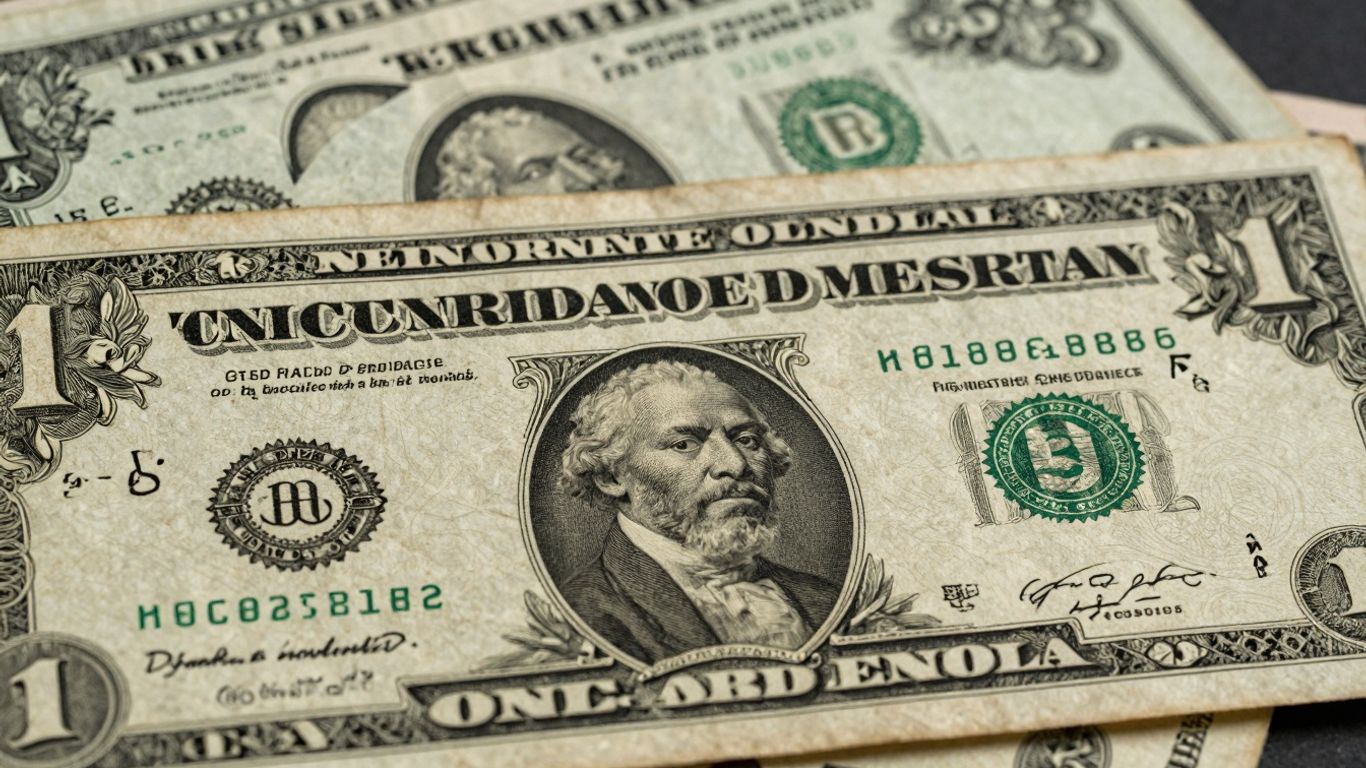
Confederate currency, often called "Greybacks," holds a unique place in American history. Issued by the Confederate States of America during the Civil War, these notes were printed in large quantities but quickly lost value due to inflation and the Confederacy’s eventual defeat. Many collectors are drawn to Confederate money not just for its historical significance, but also for the intricate designs and the stories they tell about a nation in turmoil.
When you’re looking to sell Confederate currency in Austin, it’s important to understand what affects its worth. Several factors come into play:
- Condition: Like most collectibles, the better the condition of the note, the higher its value. Look for notes that are crisp, with no major tears, folds, or discoloration.
- Rarity: Some denominations and series of Confederate notes were printed in smaller numbers or are harder to find today.
- Historical Significance: Notes associated with specific events or individuals might be more sought after.
- Denomination and Design: Certain designs, like those featuring prominent figures or scenes, can be more appealing to collectors.
It’s not uncommon for Confederate notes to have unique markings or even evidence of circulation, which can add character. However, severe damage will almost always reduce the price. If you have a collection, it’s worth looking into top US currency dealers who specialize in historical paper money. They can help you sort through your notes and identify the most desirable pieces.
The value of Confederate currency can fluctuate significantly. While some common notes might be worth only a few dollars, rare examples in excellent condition can command much higher prices. It’s always best to get an appraisal from someone who knows their stuff.
When selling, consider dealers who have a solid reputation for handling historical paper money. They’ll be able to give you a fair assessment and a competitive offer for your Confederate notes.
10. Error Notes and Misprinted Currency
Sometimes, the printing press just has an off day. That’s when you get error notes and misprinted currency, which can actually be quite valuable to collectors. These aren’t just any old bills; they’re mistakes that happened during the minting process. Think about things like a double stamp, a misaligned cut, or even ink that didn’t quite dry right before the next step. These kinds of errors make each note unique.
The most sought-after errors are usually those that are obvious and significantly affect the appearance of the bill. Simple smudges might not add much value, but a major printing defect can turn a common bill into a collector’s item. It’s fascinating how a "mistake" can increase an item’s worth.
Here are some common types of errors you might find:
- Inverted Printing: Part of the bill, like the back or a seal, is printed upside down.
- Misaligned Cuts: The bill is cut off-center, sometimes cutting into the design or leaving a large margin on one side.
- Color Errors: The wrong color ink is used, or a color is missing entirely.
- Stuck or Missing Clips: Sometimes, the clips that hold the sheets of paper can leave marks or get stuck, causing printing issues.
Figuring out if your misprinted currency is worth something can be tricky. You’ll want to look at the rarity of the error, how noticeable it is, and the overall condition of the bill. A professional appraisal is always a good idea to get a fair assessment. You can even check your serial number for "Fancy Serials" using online tools, which might give you an idea of what collectors look for in unique banknotes check serial numbers.
Collectors often look for errors that are easy to spot and don’t just look like normal wear and tear. The more dramatic the printing mistake, the more likely it is to catch a buyer’s eye and command a higher price. Condition is still key, though; a heavily damaged error note might not be worth as much as a crisp, clean one with a less severe error.
When you’re ready to sell, look for buyers who specialize in paper money and understand the nuances of error notes. They’ll be able to properly identify and value these unique pieces of currency. Selling these kinds of items requires a buyer who knows their stuff, so finding the right place is half the battle.
Ready to Sell Your Coins?
So, you’ve got some old coins lying around and you’re wondering what they’re worth. It can feel like a puzzle, but it doesn’t have to be. Finding a place in Austin that knows its stuff when it comes to coins, especially those older, less common ones, is key. We’ve talked about how important it is to get a fair appraisal from people who really understand the history and value behind your collection. Don’t just guess; get an expert opinion. It makes all the difference when you’re ready to sell and want to make sure you’re getting a good deal for your pieces of history.
Frequently Asked Questions
What kind of old coins do you buy?
We’re interested in all sorts of old coins, from regular U.S. coins to really rare ones. If you have a collection or even just a few special coins, bring them in!
How do I know if my coin is valuable?
Figuring out coin value can be tricky. Our experts have years of experience and can help you understand what makes a coin rare and how much it might be worth.
Do you buy paper money too?
Absolutely! We buy all kinds of paper money, including old U.S. bills, special Texas notes, and even Confederate money. If it’s historical paper money, we’re interested.
What makes some paper money more valuable?
Things like mistakes in printing, special designs, or if the money was printed during important historical times can make paper money more valuable. We can help you spot these.
Can I sell gold and silver items?
Yes, we buy gold and silver, whether it’s in the form of coins, jewelry, or even just scrap metal. We’ll give you a fair price for your precious metals.
What is considered 'bullion'?
Bullion refers to gold, silver, or other precious metals that have been melted down and cast into bars or ingots. We buy and sell bullion too.
How do you determine the price for my items?
Our experienced appraisers look at many factors, like the item’s rarity, condition, historical significance, and current market prices, to give you the best offer.
Is there a cost for an appraisal?
No, we offer free appraisals. You can bring in your coins, paper money, or other valuables, and we’ll give you a no-obligation offer.