Thinking about selling those old Civil War tokens you found in Austin? It’s not as straightforward as you might think. These aren’t just any old coins; they’re pieces of history, and knowing where and how to sell them can make a big difference in what you get. This guide will walk you through the process, from understanding what you have to finding the right buyer right here in Austin.
Key Takeaways
- Local coin shops and numismatic groups in Austin are good places to start when you want to sell civil war tokens austin.
- The value of your tokens depends on their history, condition, and rarity, so research is important before selling.
- Properly cleaning and documenting your tokens can help you get a better price when you sell civil war tokens austin.
- Consider private sales, auctions, or consignment through Austin dealers to get the best deal for your tokens.
- Getting your tokens authenticated and graded by a reputable service can increase their appeal and price to buyers.
Understanding Civil War Tokens
Before you start thinking about selling your Civil War tokens in Austin, it’s a good idea to get a handle on what these little pieces of history actually are. They aren’t just old coins; they tell a story about a really turbulent time in American history. Back in the 1860s, the country was in a real bind financially, especially during the Civil War. Regular money was scarce, and people needed a way to buy and sell everyday things. That’s where these tokens come in.
Historical Significance of Tokens
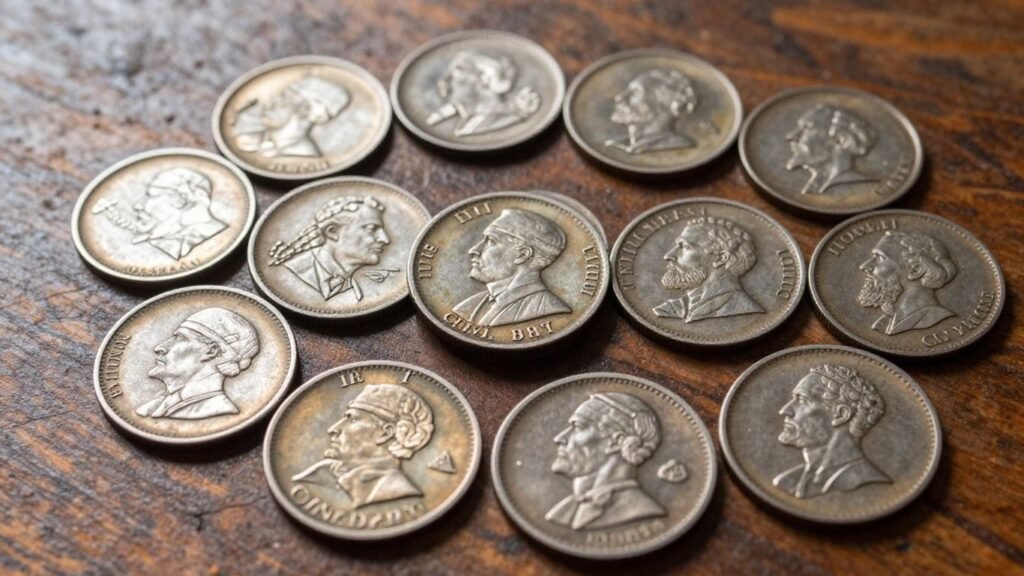
These tokens, often called Civil War Sutler Tokens or Store Cards, were basically private money. Businesses, especially those near military camps, issued them to make sure soldiers and locals could still make purchases. Think of them as a local currency that kept commerce going when the official money supply was all messed up. They’re a tangible link to the daily lives of people during that era, showing us how communities adapted to hardship. Some tokens even have local Austin businesses on them, making them extra interesting for collectors in the area.
Types of Civil War Era Currency
It’s not just tokens, though. The Civil War era saw all sorts of money floating around. You had:
- Confederate Currency: Issued by the Confederate States of America, this money lost most of its value by the end of the war.
- Fractional Currency: Small denomination paper money issued by the U.S. government to make up for the shortage of coins.
- Treasury Warrants: These were essentially government checks or orders for payment, often used for military expenses. Some of these, like the Austin Texas Treasury Military Warrants, are quite collectible today.
- Private Tokens: This is the category most Civil War tokens fall into, issued by businesses, individuals, or even organizations.
The economic disruption caused by the war meant that official currency often wasn’t enough. People and businesses had to get creative to keep the economy functioning, leading to a wide variety of alternative monetary instruments.
Identifying Your Austin Tokens
When you’re looking at your own collection, try to figure out what you have. Look for:
- The Issuer: Is there a name of a business or person on the token? If it’s an Austin business, that’s a big plus for local collectors.
- The Denomination: What value does it show? Usually, these were for small amounts like a cent or a nickel.
- The Material: Most are made of copper, brass, or sometimes nickel.
- Any Mint Marks or Dates: While less common on these private issues, sometimes they’re present.
Coins minted in places like Charlotte and Dahlonega are exceptionally rare due to the closure of these mints at the start of the Civil War in 1861. This historical event significantly impacted the availability of these specific American numismatic items.
Figuring out if your token is genuine and what it’s worth is the next step, and that’s where knowing the history really helps.
Where to Sell Civil War Tokens in Austin
So, you’ve got some Civil War tokens lying around and you’re wondering where to turn them into cash right here in Austin. It’s not as simple as just walking into any old shop, you know? These aren’t your everyday coins. Finding the right buyer is key to getting a fair price.
Here are a few avenues to explore:
- Local Coin Dealers: Austin has several coin shops. Some might deal in Civil War tokens, especially if they focus on U.S. currency or historical items. It’s worth calling ahead to see if they buy these types of tokens and what their specialty is. You might find a dealer who knows the ins and outs of obsolete currency.
- Numismatic Societies and Clubs: Austin has coin clubs. These groups are full of collectors who might be interested in your tokens. It’s a good way to connect with people who really know their stuff and might offer a good price or point you in the right direction. Plus, you can learn a lot from them.
- Online Marketplaces: Websites dedicated to coins and collectibles are a big deal. You can list your tokens there, reaching a national or even international audience. This often means more potential buyers, but you’ll need to be comfortable with shipping and handling transactions online.
When you’re looking to sell, remember that condition matters a lot. Tokens that are worn down or damaged won’t fetch as much as those in good shape. Also, if you have any documentation about where the token came from or its history, that can add to its appeal and value.
Think about what you want out of the sale. Are you looking for a quick sale, or are you willing to wait for the best possible offer? Each selling method has its pros and cons, so weigh them carefully before you decide.
Valuing Your Civil War Tokens
Figuring out what your Civil War tokens are actually worth can feel like a puzzle. It’s not just about what you paid for them or how old they are. Several things play a part in their value, and knowing these can help you get a fair price when you decide to sell.
Factors Affecting Token Value
Lots of things can make one token more desirable than another. Think about the condition first – is it worn smooth or does it still have sharp details? Rarity is a big one too; if only a few were ever made, it’s likely worth more. The historical story behind a token can also add to its appeal. Was it used in a specific town, or does it represent a particular business that’s now long gone? Even the metal it’s made from can matter.
Here are some key things to consider:
- Condition: How worn is the token? Are the designs clear or faded?
- Rarity: How many of these tokens were originally made, and how many are thought to still exist?
- Historical Context: Does the token have a known association with a specific event, person, or business?
- Material: Some metals are more sought after than others.
- Demand: Are collectors actively looking for this type of token right now?
The Role of Professional Grading
Sometimes, getting an expert opinion is the best way to go. Professional grading services look at your token and give it a score based on its condition. They also verify that it’s real. This can be super helpful because it gives potential buyers a clear picture of what they’re getting. It’s like getting a report card for your token. While it costs money, a good grade from a respected service can often mean a higher selling price, especially for rarer pieces.
Getting a token professionally graded can add a layer of confidence for buyers. It’s a way to confirm its condition and authenticity, which often translates into a more straightforward sale and potentially a better outcome for you as the seller. It takes some of the guesswork out of the equation for everyone involved.
Researching Austin Token Prices
Before you even think about selling, do your homework, especially if you’re in Austin. What are similar tokens selling for locally or online? Check out coin dealer websites, auction results, and collector forums. You might find that certain types of tokens are more popular with collectors in Texas. Looking at past sales can give you a realistic idea of what to expect. It’s better to have a price in mind based on solid research than to just guess.
Preparing Tokens for Sale
Before you even think about listing those Civil War tokens, there are a few things you should do to get them ready. It’s not about making them look brand new, but more about presenting them in the best possible light without messing them up. Think of it like getting ready for a job interview – you want to look presentable.
Cleaning and Preservation Tips
When it comes to cleaning old coins, especially something as historical as a Civil War token, you have to be super careful. Most of the time, it’s best to leave them as they are. Seriously, aggressive cleaning can actually lower the value because it damages the surface and removes the original patina, which collectors often look for. If you absolutely feel the need to do something, stick to very gentle methods.
- Dusting: Use a very soft brush, like a makeup brush or a camel hair brush, to gently remove loose dust. Do this over a soft cloth or paper towel.
- Water Rinse (with extreme caution): For tokens that are genuinely grimy, a very brief rinse in distilled water might be considered. Pat it dry immediately with a soft, lint-free cloth. Never rub.
- Avoid Chemicals: Absolutely no household cleaners, polishes, or abrasive materials. These will almost certainly cause irreversible damage.
Remember, the goal is preservation, not restoration. You’re trying to stop any further deterioration, not make it shiny.
The original surface and any natural toning on a Civil War token are part of its history. Trying to remove these can strip away the very character that makes it appealing to collectors. It’s a delicate balance between presentation and historical integrity.
Documenting Your Collection
Before you sell, take some time to write down what you have. This isn’t just for your own records; it helps potential buyers understand what they’re looking at and can speed up the selling process. You’ll want to note down:
- Token Type: Is it a store card, a patriotic token, or something else?
- Issuer Information: If it has a name or location, write it down.
- Date: If a date is present, record it.
- Condition Notes: Any visible damage, wear, or unique features.
- Acquisition Details (Optional): Where and when you got it, if you remember.
This information will be super helpful when you’re listing your tokens online or talking to a dealer.
Photographing Your Tokens Effectively
Good photos are non-negotiable, especially if you’re selling online. People can’t hold the token, so your pictures have to do all the talking. You don’t need a fancy camera; your smartphone will probably do the trick.
- Lighting: Use natural light whenever possible. Avoid direct sunlight, which can create harsh glare. A slightly overcast day is often perfect.
- Background: Keep it simple and neutral. A plain white or black background works best. Avoid busy patterns or anything that distracts from the token.
- Angles: Take pictures of both sides of the token. Get close-ups of any important details, like inscriptions or mint marks, and also show the overall condition.
- Focus: Make sure your photos are sharp and in focus. Blurry pictures won’t help anyone.
Think about what you’d want to see if you were buying. Clear, well-lit photos that show the token accurately are key to attracting buyers and getting a fair price.
Austin's Connection to Civil War Era Finance
Austin may not be the first place that pops in your mind when you think about the Civil War, but money from the era tells a different story. Throughout the 1860s, Austin had unique financial challenges and solutions—including some pretty fascinating currency types that collectors now chase down.
Treasury Warrants and Their History
Back when the Confederate states needed every resource, Texas started issuing its own treasury warrants, especially from Austin. These acted almost like IOUs from the state—some were for military use, some for paying suppliers, and others for routine government business. If you look at these pieces now, they’re more than odd paper—they show how local governments tried to keep the economy moving when official currency ran dry.
- Treasury warrants came in various denominations, most commonly $5, $10, $20, $50, and $100.
- Signed often by local Austin officials, making some highly collectible.
- These notes were usually printed on thin, low-quality paper and often feature ornate engravings unique to Texas.
| Denomination | Year(s) Issued | Common Use |
|---|---|---|
| $5 | 1861-1864 | Civil payroll |
| $10 | 1861-1863 | Military expenses |
| $20 | 1862-1864 | Supplies |
| $50 | 1863 | Major contracts |
| $100 | 1863-1864 | Army purchases |
Handling one of these old Austin warrants, you can almost picture the anxiety of the era—folks unsure if what they held would be honored, but still counting on it for groceries, uniforms, and daily life.
Obsolete Currency in Texas
After the war, much of the currency used during those years quickly became worthless—literally overnight. Obsolete currency isn’t just about the paper; it’s a window into a time when people in Austin and elsewhere scrambled for anything they could use to trade.
- Local banks sometimes issued their own notes since official US currency was absent.
- Notes from private merchants and even city governments circulated right alongside Confederate bills.
- Today, many obsolete notes survive only in small numbers, with Austin-issued examples being especially sought after.
The Economic Landscape of 1860s Austin
To understand why all this odd currency existed, you have to get the feel for Austin in the 1860s. The city was small, cut off from many regular trade routes, and resources were tight. Banks closed, gold and silver disappeared from circulation, and trust in money tanked.
Main features of the Austin economy during the Civil War:
- Shortages of metal coinage led to reliance on paper alternatives.
- Military needs put financial pressure on Austin’s local government.
- Everyday trade depended largely on credit, barter, and whatever notes people could get their hands on.
It’s hard to imagine it now, but Austin’s money scene during the Civil War era was a mix of desperate creativity and local pride. The currency might look strange to us, but for Austinites of the 1860s, it was day-to-day reality.
Choosing the Right Selling Venue
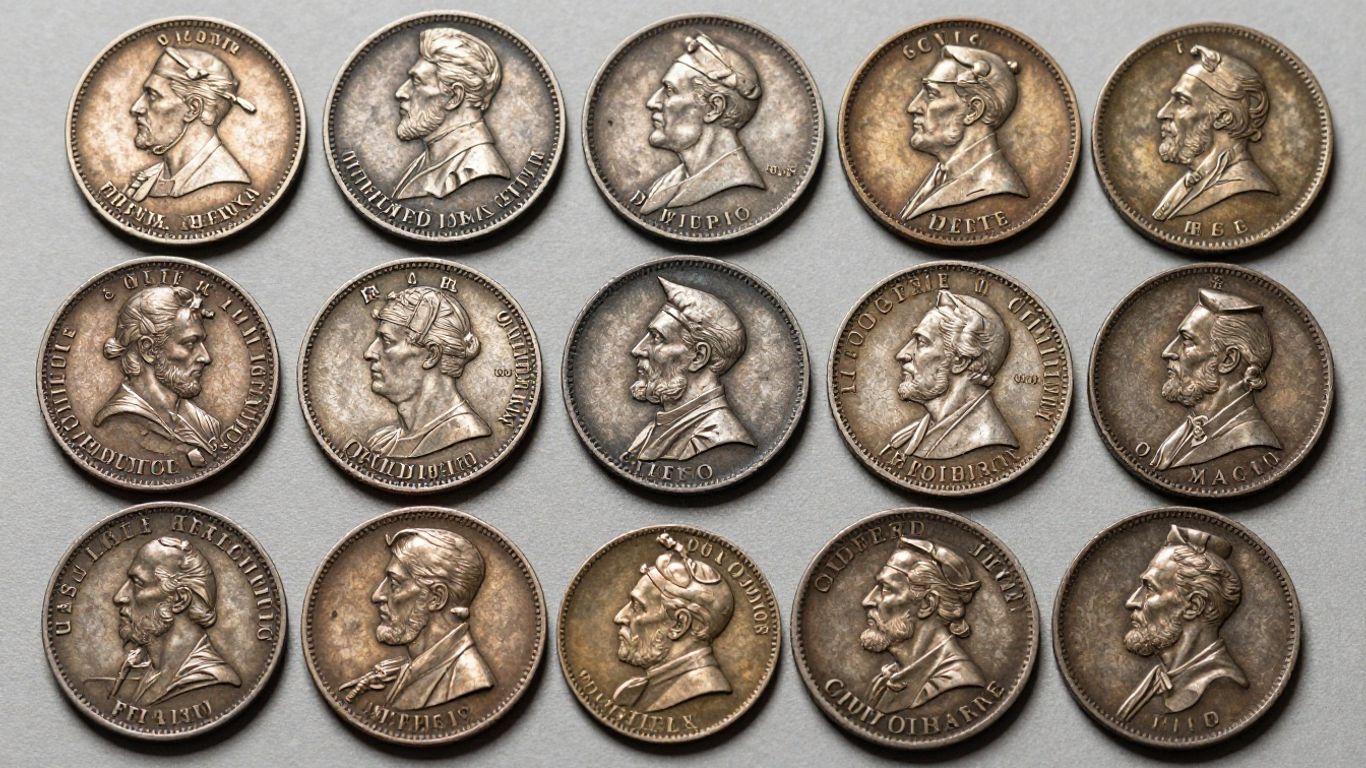
So, you’ve got these Civil War tokens and you’re ready to turn them into cash. That’s great! But where do you actually go to sell them in Austin? It’s not like you can just walk into any old shop. You’ve got a few different paths you can take, and each one has its own pros and cons. It really comes down to what you’re looking for in terms of price, speed, and how much effort you want to put in.
Private Sales vs. Auctions
Selling directly to another collector or a private buyer can sometimes get you the best price. You cut out the middleman, so to speak. However, finding that buyer can take time and a bit of legwork. You might have to advertise, attend shows, or network with other collectors. It’s a more hands-on approach.
Auctions, on the other hand, can be exciting. They create a buzz and can sometimes drive prices up if there’s a lot of interest. But, you’re also subject to the auction house’s fees, and there’s no guarantee your token will sell for what you hope. Sometimes, items just don’t get the attention they deserve on auction day.
Here’s a quick look at the differences:
| Feature | Private Sale | Auction |
|---|---|---|
| Potential Price | Often higher, direct negotiation | Can be high with demand, or lower than expected |
| Speed of Sale | Can be slow, depends on finding a buyer | Relatively quick once listed |
| Fees | Minimal to none, depending on method | Auction house commissions, listing fees |
| Effort Required | Higher (finding buyers, marketing) | Lower (consigning, providing info) |
| Control | More control over price and terms | Less control, subject to auctioneer and bidders |
Consignment Options in Austin
Consignment is a middle-ground option. You hand your tokens over to a dealer or auction house, and they handle the selling for you. They’ll typically take a percentage of the final sale price as their fee. This is a good choice if you want to avoid the hassle of marketing and dealing directly with buyers but still want a professional to handle the sale. You’ll want to find a reputable Austin dealer who specializes in coins or historical items. They’ll know the market and how best to present your tokens to potential buyers. Make sure you understand their commission rates and terms before you agree to anything.
Direct Sales to Collectors
This is where you actively seek out individuals who are specifically looking for the types of Civil War tokens you own. This might involve attending local coin shows in the Austin area, joining numismatic clubs, or even participating in online collector forums. The advantage here is that you’re talking directly to someone who likely appreciates the historical value and rarity of your items. This direct connection can often lead to a more informed and fair price for both parties. It requires a bit more effort on your part to find these collectors, but the payoff can be significant in terms of both price and the satisfaction of knowing your tokens are going to a good home.
When considering where to sell, think about your own comfort level with negotiation and marketing. If you’re patient and enjoy the process of connecting with people, private sales or direct collector outreach might be best. If you prefer a more hands-off approach and are willing to pay a fee for convenience and expertise, consignment or auctions could be the way to go. It’s all about finding the fit that works for you and your collection.
Maximizing Your Return When Selling
So, you’ve got these Civil War tokens and you’re ready to sell. It’s not just about finding a buyer; it’s about getting the most bang for your buck. Think of it like selling anything else – a little preparation and knowing the market can make a big difference. You wouldn’t just toss a valuable item on a curb, right? Same idea here.
Understanding Market Demand
Before you even think about listing your tokens, get a feel for what collectors are actually looking for. Are certain types of tokens more popular right now? Are there specific historical periods or mint marks that are hotter than others? Sometimes, a token that seems common to you might be a rare find for someone else, and vice versa. Checking out recent sales at coin shows or online can give you a good idea. It’s like knowing if people want winter coats in July – probably not.
Negotiating Fair Prices
When someone makes an offer, don’t just jump at the first number. Do your homework on what similar tokens have sold for. If you’ve got a price in mind, be ready to explain why your token is worth it. Mention its condition, any unique history, or if it’s particularly rare. A polite but firm negotiation can often lead to a better outcome for everyone. Remember, it’s a conversation, not a battle.
Timing Your Sale Strategically
Sometimes, when you sell can be just as important as how you sell. Are there upcoming coin shows in Austin that might draw a lot of collectors? Is there a particular holiday season when people might be looking for unique gifts? While it’s hard to predict the market perfectly, being aware of these cycles can help. Selling when demand is high is generally a good strategy.
Selling collectibles isn’t always a quick process. It often involves patience and a bit of research to get the best results. Don’t rush into a sale if you’re not comfortable with the offer or the timing. Sometimes, holding onto an item for a little longer can pay off significantly down the line.
Specialized Austin Coin Buyers
Dealers Specializing in Obsolete Currency
When you’ve got Civil War tokens, especially those with a Texas connection, you might want to look for dealers who really know their stuff when it comes to older, less common money. These aren’t your everyday quarters and dimes. We’re talking about currency that tells a story from a specific time, like treasury warrants or scrip issued during the Civil War. Some Austin shops focus on this niche, meaning they understand the history and the market for these particular items.
Reputable Austin Rare Coin Specialists
Beyond the general coin shops, there are specialists in Austin who deal in rare coins and currency. These folks often have a deeper knowledge base and a wider network of collectors. They might be the ones who can properly assess the condition and historical importance of your tokens. It’s always a good idea to find a buyer who is known for their honesty and fair dealings.
Finding Buyers for Texas-Specific Items
If your tokens have a strong Texas link, like those issued in Austin or other Texas cities during the war, you’ll want to find buyers who appreciate that regional aspect. Some dealers actively seek out items tied to local history. They might even have a list of collectors specifically looking for Texas-related Civil War currency. This can make a big difference in getting a good price.
Here are a few things to consider when looking for these specialized buyers:
- Research their specialization: Do they mention obsolete currency, Civil War scrip, or Texas history on their website or in their shop?
- Check reviews and reputation: See what other collectors say about their experience with these dealers.
- Ask about their buying process: Understand how they evaluate items and what kind of offers you can expect.
Sometimes, a dealer who focuses on a specific area, like Civil War era currency from Texas, will have a better grasp of what your tokens are truly worth. They often know collectors who are actively searching for these exact types of items, which can lead to a more straightforward sale and a better price for you.
The Importance of Authenticity and Certification
When you’re looking to sell your Civil War tokens, especially here in Austin, making sure buyers trust what they’re seeing is a big deal. That’s where authenticity and certification come into play. It’s not just about having a cool old token; it’s about proving it’s the real deal and knowing exactly what condition it’s in. This can make a huge difference in how much someone is willing to pay.
Why Certified Coins Command Higher Prices
Think of it like this: if you’re buying a used car, you’d feel a lot better if it came with a detailed inspection report and a clean title, right? It’s the same with collectible tokens. When a token has been looked over by a respected third-party grading service, it takes a lot of the guesswork out for the buyer. They know the token is genuine and they get a clear picture of its condition, often on a standardized scale. This confidence often translates directly into a higher selling price. Buyers feel more secure spending their money when they have that independent verification.
Identifying Reputable Grading Services
Not all grading services are created equal. For Civil War tokens, you’ll want to look for services that have a solid reputation in the numismatic community. The big names you’ll often hear about are Professional Coin Grading Service (PCGS) and Numismatic Guaranty Company (NGC). These companies have established standards and experienced graders who examine coins and tokens. They encapsulate the item in a protective holder, often called a ‘slab,’ which includes a label detailing the token’s grade and authenticity. It’s wise to stick with these well-known services when you’re aiming for the best possible outcome for your sale.
Ensuring Your Tokens Are Genuine
Authenticity is the bedrock of collecting. Unfortunately, like with many collectibles, there can be fakes out there. A reputable grading service’s primary job is to weed out counterfeits. They have the knowledge and resources to spot inconsistencies that a casual collector might miss. If your token hasn’t been graded, you might consider getting it done, especially if you believe it’s a particularly rare or valuable piece. This process not only confirms its legitimacy but also provides a professional assessment of its condition, which is vital for attracting serious buyers in Austin and beyond.
Here’s a quick look at what a grading service typically provides:
- Authenticity Verification: Confirms the token is not a counterfeit.
- Condition Grading: Assigns a numerical grade (e.g., from 1 to 70) based on wear, eye appeal, and other factors.
- Encapsulation: Places the token in a secure, tamper-evident holder.
- Documentation: Provides a detailed label with the token’s specifics and grade.
While getting your tokens graded can add to the cost upfront, the potential increase in sale price and the broader pool of interested buyers often make it a worthwhile investment. It’s about presenting your collection in the best possible light and building trust with potential buyers.
Navigating the Selling Process
So, you’ve got these old Civil War tokens and you’re ready to turn them into cash. It sounds simple enough, right? Well, there are a few things to think about before you just hand them over to the first person who offers you something. Getting the best price means being smart about how you sell.
Setting Realistic Expectations
It’s easy to get excited about what your tokens might be worth, especially if you’ve heard stories of rare finds. But let’s be real, most tokens aren’t going to make you rich. Do some homework first. Look at what similar tokens have actually sold for, not just what someone is asking.
- Condition is King: A token that’s worn smooth won’t fetch nearly as much as one in great shape.
- Rarity Matters: How many of these things are out there? Fewer is usually better for your wallet.
- Demand Fluctuates: What collectors are looking for today might change tomorrow.
Don’t expect every token to be a jackpot. Most collectors are looking for specific pieces to fill gaps in their own collections, and they know what they’re willing to pay.
Understanding Payment Methods
How you get paid is just as important as how much you get. Different sellers offer different options, and some are better than others.
- Cash: The simplest, but sometimes harder to get upfront, especially for higher-value items.
- Check: Common, but you have to wait for it to clear.
- Bank Transfer/Wire: Usually quick and secure for larger amounts.
- Consignment Payouts: If you sell through a dealer or auction house, they’ll pay you after the item sells, minus their fees.
Legal Considerations for Selling Collectibles
While selling a few old tokens probably won’t land you in hot water, it’s good to be aware of the basics. If you’re dealing with a lot of valuable items, or if you’re a regular seller, things can get a bit more complicated.
- Taxes: Depending on how much you make and where you live, you might owe taxes on your profits. Keep good records!
- Authenticity: Make sure you’re not accidentally selling fakes. If you’re unsure, get it checked out by an expert.
- Disputes: If you sell directly to someone, there’s always a small chance of a disagreement later on. Having clear terms upfront can help.
Wrapping It Up
So, you’ve got these old Civil War tokens and you’re wondering what to do with them here in Austin. It’s not always straightforward, but we’ve looked at a few spots that might be worth checking out. Whether you’re thinking of selling to a local dealer, trying an auction house, or even looking online, there are options. Remember to do a little homework on your tokens first – knowing what you have is half the battle. Good luck finding the right buyer for your piece of history!
Frequently Asked Questions
What exactly are Civil War tokens?
Civil War tokens are like old coins that people used during the American Civil War. Because regular money was hard to find back then, these tokens were made by businesses or cities to help people buy and sell things. They’re like little pieces of history from that time.
Why are these tokens historically important?
These tokens tell a story about what life was like during the Civil War. They show how people managed to keep businesses going even when money was scarce. Each token is a small reminder of the challenges and resourcefulness of that era.
How do I know if my token is valuable?
The value of a token depends on a few things. How rare it is, its condition (if it’s worn out or looks new), and if it has any special markings or history can all make a difference. Some tokens are worth more than others.
Should I clean my Civil War tokens before selling them?
It’s usually best not to clean them yourself. Cleaning can sometimes damage the token or make it look less authentic, which can lower its value. It’s often better to leave them as they are or ask an expert for advice.
Where in Austin can I sell these tokens?
You can try local coin shops in Austin that deal with old money. There are also collector groups or societies you could connect with. Sometimes, online platforms are an option too, where you can reach a wider audience of buyers.
What's the difference between selling to a dealer versus selling online?
Selling to a dealer is usually quicker, and they know what they’re doing. Selling online might get you more money, but it takes more effort to list your item, find a buyer, and handle shipping. It’s about choosing what’s best for you.
Is it important to get my tokens professionally graded?
Yes, getting your tokens graded by a professional service can be very helpful. They check if the token is real and give it a condition score. This official grading makes buyers trust the token more and can often lead to a higher selling price.
What should I do to prepare my tokens for a sale?
Make sure you know as much as you can about each token, like its history or any special details. Taking clear, good-quality pictures is also really important so potential buyers can see exactly what they’re interested in.