Thinking about selling commemorative coins in Austin? It can feel a bit overwhelming trying to figure out where to get a fair price. You’ve got these coins, maybe inherited or collected over time, and now you want to turn them into cash. Austin has a few places that deal with coins, but not all are created equal. We’ll help you sort through the options so you can sell your commemorative coins in Austin with confidence.
Key Takeaways
- Austin Rare Coins & Bullion is a long-standing business with experience in various coin types, including gold coins.
- Coinfully offers a straightforward, online appraisal process with insurance for mail-in sales, serving many Texas cities.
- Austin Coin Buyers focuses on local service in Central Texas, offering at-home appraisals and community involvement.
- When selling commemorative coins in Austin, consider dealers who specialize in numismatics, not just precious metal weight.
- Understand that rarity, condition, and demand significantly impact the value of your commemorative coins beyond their melt value.
Gold and Silver Coins
When you’re looking to sell gold and silver coins in Austin, you’re tapping into a market that’s always had a certain appeal. These aren’t just pieces of metal; they’re often historical artifacts with intrinsic value tied to their precious metal content and sometimes, their rarity. Think about those old U.S. Double Eagles or even older silver dollars – they can be worth a good bit more than just the gold or silver they contain.
The value of your gold and silver coins depends on a few key things: the purity and weight of the metal, the coin’s condition, and its rarity or historical significance. For instance, a common silver dime from the 1950s might only be worth its silver melt value, but a rare gold coin from the 1800s in excellent shape could fetch a much higher price from collectors.
Here’s a quick rundown of what buyers typically look for:
- Precious Metal Content: This is the baseline value. Buyers will weigh your coins and check their purity (like .999 fine silver or .900 fine gold in older U.S. currency). Spot prices for gold and silver fluctuate daily, so this is a moving target.
- Condition (Grading): Coins are graded on a scale from poor to mint state. A coin in better condition, especially if it’s been professionally graded by services like PCGS or NGC, will be worth more.
- Rarity and Demand: How many of these coins were originally minted? How many still exist today? Is there a strong demand from collectors for this particular coin? These factors can significantly increase a coin’s value beyond its metal worth.
Selling gold and silver coins often involves understanding both the commodity market for precious metals and the collector market for numismatics. A good buyer will be knowledgeable about both aspects to give you a fair assessment. They’ll consider the melt value but also any premium the coin might command due to its history or scarcity.
When you bring your gold and silver coins to a dealer, they’ll likely examine them for these factors. They might reference current market prices for gold and silver, check grading standards, and assess the coin’s overall appeal. It’s always a good idea to get a few opinions if you have particularly old or unusual coins, just to make sure you’re getting the best possible price for your treasures.
Rare and Collectible Coins
When you’ve got coins that aren’t just about the gold or silver content, you’re stepping into the world of rare and collectible coins. These pieces have value beyond their metal, thanks to things like how many were made, their condition, and how much people want them. It’s a whole different ballgame than just melting down some old silver.
What makes a coin truly collectible? It’s a mix of factors, really. Think about the coin’s history – was it part of a significant event? Then there’s the rarity; if only a handful exist, that ups the ante. Condition is a big one too. A coin that’s been kept in great shape, with clear details and no major scratches, is going to be worth more than one that’s seen better days. And finally, demand plays a huge role. If a lot of collectors are chasing after a particular coin, its price can really climb.
Here are some common types of collectible coins you might encounter:
- U.S. Silver Dollars: Think Morgan dollars and Peace dollars. These are popular for their design and historical significance.
- Pre-1933 U.S. Gold Coins: These include coins like the Liberty Head Double Eagles ($20 gold coins) and Liberty Head Eagles ($10 gold coins). They’re sought after for both their gold content and their numismatic value.
- World Coins: Coins from ancient civilizations or modern countries can be fascinating, offering a glimpse into different cultures and eras.
- Commemorative Coins: These are often issued to honor specific events, people, or places, making them unique historical markers.
Figuring out the real value of these coins can be tricky. It’s not just about looking up a price; it involves understanding the nuances of grading, rarity, and market trends. Professional appraisal is often the best way to get a clear picture of what your collection is truly worth, especially if you’re considering selling.
When you’re ready to sell, finding a buyer who understands this market is key. You want someone who appreciates the history and rarity, not just the melt value. They’ll be able to give you a fair price based on the coin’s true collectible worth.
Precious Metals
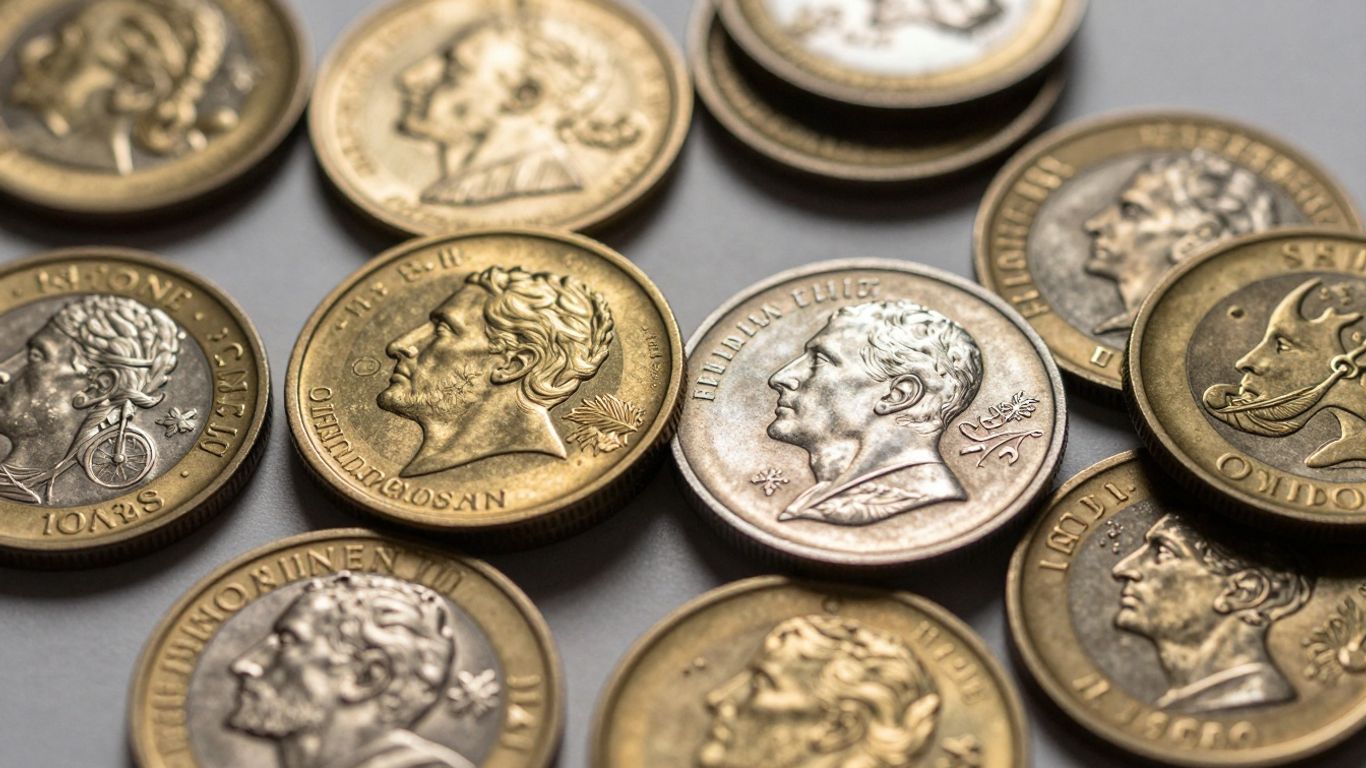
When you’re looking to sell items that contain precious metals, like gold, silver, or platinum, it’s important to know what you have. This isn’t just about coins; it can include bars, rounds, or even jewelry. The value is primarily determined by the metal’s purity and its current market price.
Several places in Austin can help you get a fair price for your precious metals. They’ll typically assess your items based on weight and the current spot price of the metal. It’s a good idea to get a few quotes before you decide where to sell.
Here’s a general idea of how the process works:
- Identification: The buyer will first identify the type of precious metal (gold, silver, platinum) and its purity.
- Weighing: Your items will be weighed accurately, often on a certified scale.
- Pricing: The current market price (spot price) for that metal is checked.
- Offer: An offer is made based on the weight, purity, and spot price, minus any buyer’s fees.
It’s wise to understand that not all dealers operate the same way. Some might offer prices closer to the spot price, while others may deduct more for their services. Always ask about any fees or commissions upfront.
For those looking to sell, understanding the daily fluctuations in the precious metals market can be helpful. You can often find this information online. If you have items like the 1892-93 World’s Columbian Exposition medal, its value might be tied to both its precious metal content and its numismatic rarity, so it’s worth getting an appraisal from a specialist Austin Rare Coins & Bullion.
Estate and Inherited Collections
Finding out what to do with a coin collection that’s been passed down can feel a bit overwhelming. It’s not just about the money, though that’s certainly a part of it. These collections often come with a history, a story from the person who collected them.
When you inherit coins, the first step is usually figuring out what you actually have. This means looking at each coin, noting its condition, and trying to identify it. It can be a lot to take in, especially if you’re not familiar with coins.
Here’s a general idea of what goes into valuing an inherited collection:
- Identification: What kind of coins are they? Are they U.S. coins, foreign coins, or a mix? What year are they from?
- Condition: How worn is the coin? Are there any scratches, dents, or other damage? This is a big factor in value.
- Rarity: How many of these coins were made? Are they common or hard to find?
- Metal Content: Many older coins are made of gold or silver, and their melt value can be significant.
It’s easy to get lost in the details when you’re looking at a collection for the first time. Sometimes, just having someone experienced walk you through it can make all the difference. They can point out the key features that affect value and help you understand why certain coins are more sought after than others. It takes the guesswork out of it.
If you’re in Austin and have inherited coins, getting a professional appraisal is a smart move. It helps you understand the true worth, whether you plan to sell them, keep them as part of your own legacy, or use them for estate planning. A good buyer will explain the process clearly and give you a fair assessment without any pressure.
U.S. $20 Gold Coins
When you’re looking to sell U.S. $20 gold coins in Austin, you’re dealing with some pretty substantial pieces of American history. These coins, often called ‘Double Eagles,’ first showed up way back in 1850. They’re a big deal because they contain a good amount of gold – just shy of a full ounce of pure gold, actually.
There are two main types you’ll likely encounter:
- Liberty Head Series: These were minted from 1850 all the way up to 1907. You can spot them by Liberty’s profile facing left.
- St. Gaudens Series: These are the more modern ones, produced from 1907 to 1933. They’re known for their impressive design, featuring a striking eagle on the reverse.
Both series are popular with collectors and investors, so finding a buyer in Austin who understands their value shouldn’t be too difficult. The condition and rarity of your specific $20 gold coin will significantly impact its worth.
Many dealers will look at the gold content first, but for rarer dates or coins in excellent condition, the numismatic value can be much higher than just the melt value of the gold.
When you’re ready to sell, think about getting your coins appraised by a reputable dealer. They can help you understand if you have a common date coin or something truly special that commands a premium.
U.S. $10 Gold Coins
When you’re looking to sell U.S. $10 gold coins in Austin, you’re dealing with a piece of American history. These coins, often called "Eagles," have a couple of main designs that collectors and investors tend to look for. There’s the classic Liberty Head design, which was minted for a long stretch, and then the more visually distinct Indian Head design that came later.
These coins are sought after not just for their gold content, but also for their historical significance and numismatic appeal. The value can really vary depending on the specific date, the coin’s condition, and how rare it is. Some dates are much harder to find than others, which naturally drives up demand.
Here’s a quick look at what buyers consider:
- Type of Coin: Liberty Head vs. Indian Head.
- Condition (Grade): From mint state to heavily circulated.
- Rarity: How many were originally minted and how many still exist.
- Mint Mark: Where the coin was produced (e.g., Philadelphia, Denver, San Francisco).
- Gold Content: While important, it’s often secondary to numismatic value for these specific coins.
Many dealers will reference grading services like PCGS or NGC when assessing these coins, as a certified grade can significantly impact the price. If you have a collection, it’s a good idea to get an appraisal from a reputable dealer who understands the nuances of these older gold coins. You can find several such places right here in Austin, like Austin Coins and Jewelry.
When selling, remember that buyers are looking at both the intrinsic value of the gold and the collectible value. A coin that’s in great shape and from a scarce date will fetch a much higher price than one that’s worn out and common. It’s always wise to get a few opinions if you have something particularly special.
Commemorative Coins
Commemorative coins are special issues that honor significant events, people, or places. Unlike regular circulating coins, these are often produced in limited quantities and feature unique designs. They can hold both intrinsic value, based on their precious metal content, and numismatic value, driven by rarity, condition, and collector demand.
When you’re looking to sell commemorative coins in Austin, it’s good to know what makes them desirable. Factors like the issuing country, the specific event or person being honored, the metal composition (gold, silver, or clad), and the coin’s condition all play a role in its market value. Coins graded by reputable services like NGC or PCGS often fetch higher prices because their authenticity and condition are professionally verified.
Here are some common types of commemorative coins you might encounter:
- U.S. State Quarters: While common, some special editions or uncirculated sets can be of interest.
- National Park Quarters: Similar to State Quarters, these honor specific parks and have collectible appeal.
- Olympic Coins: Issued to commemorate the Olympic Games, these often come in gold or silver.
- Anniversary and Historical Event Coins: These celebrate milestones or significant historical moments.
Understanding the specific details of your commemorative coins is key. Knowing the year of minting, the mint mark (if any), and whether it has been graded can significantly impact its worth. Many collectors are drawn to coins that tell a story or represent a piece of history, making the narrative behind the coin as important as its physical attributes.
Bullion
When you’re looking to sell bullion in Austin, you’re essentially selling items valued primarily for their precious metal content, like gold, silver, platinum, or palladium. This is different from collectible coins where rarity and historical significance play a bigger role. Think of items like American Eagles, Canadian Maple Leafs, or even gold bars. The value here is pretty straightforward – it’s tied directly to the current market price of the metal itself, plus a small premium.
The key is understanding the purity and weight of your bullion. Most reputable buyers will test your items to confirm their metal content. They’ll then base their offer on the current spot price for that metal. It’s a good idea to check the spot prices yourself before you go in, so you have a general idea of what to expect. You can find these prices easily online.
Here’s a quick rundown of what to expect when selling bullion:
- Purity Verification: Buyers will confirm the karat or fineness of your gold, silver, or other precious metal. This is usually done with testing equipment.
- Weight Measurement: Your bullion will be weighed accurately to determine the exact amount of precious metal you have.
- Market Price Calculation: The offer will be based on the current market price (spot price) for the specific metal, multiplied by its weight and purity.
- Premium Adjustment: Sometimes, there’s a small difference between the spot price and what buyers are willing to pay, especially for less common forms of bullion.
Selling bullion is often a more transactional process compared to selling rare coins. The focus is on the intrinsic value of the metal. Buyers are looking for established products like gold and silver coins that have a consistent market value. Transparency in pricing is important, and you should feel comfortable asking questions about how the offer was calculated.
When you’re ready to sell, look for dealers who are transparent about their pricing and who can clearly explain how they arrived at their offer. It’s about getting a fair price for the actual metal content you possess.
Paper Currency
While many people think of coins when they’re looking to sell collectibles, don’t forget about paper money. Old banknotes, especially those that are rare or in good condition, can be quite valuable. Think about those old dollar bills tucked away in a grandparent’s attic or a forgotten box. These aren’t just pieces of paper; they’re historical artifacts that collectors actively seek.
When you’re looking to sell paper currency in Austin, you’ll want to find buyers who understand its nuances. Factors like the issuing bank, the denomination, the condition (often graded using terms like
Certified Coins
When you’re looking to sell coins, especially those you suspect have significant value, you’ll often run into the term "certified coins." This basically means a coin has been examined and graded by a professional, third-party service. Think of it like getting a professional inspection on a house before you sell it – it adds a layer of trust and objective assessment.
These grading services, like PCGS (Professional Coin Grading Service) and NGC (Numismatic Guaranty Corporation), are pretty well-known in the coin world. They look at a coin’s condition, authenticity, and other factors to assign it a numerical grade, usually on a scale from 1 to 70. A grade of MS70, for example, means the coin is in perfect, uncirculated condition. This certification takes a lot of the guesswork out of determining a coin’s worth.
So, why is this important for selling? Well, a certified coin generally commands a higher price because buyers know exactly what they’re getting. It removes the risk of buying a coin that’s been misrepresented or is in worse condition than advertised. If you have coins that have already been graded, it makes the selling process smoother and often more profitable.
Here’s a quick look at what goes into coin certification:
- Authenticity Check: The grading service confirms the coin is genuine and not a counterfeit.
- Condition Assessment: A detailed evaluation of the coin’s surface, strike, luster, and eye appeal.
- Grading: Assigning a numerical grade (e.g., 65, 67, 70) based on established standards.
- Encapsulation: The coin is typically sealed in a protective plastic holder (slab) with a label detailing its grade and other information.
When you bring certified coins to a buyer, they can quickly assess the coin’s value based on its grade and the current market. It’s a much more straightforward transaction compared to selling raw, uncertified coins where the buyer has to do all the evaluation themselves.
Selling certified coins can often lead to better offers because the buyer has a clear, objective assessment of the coin’s quality and authenticity. This professional validation reduces risk for the buyer and, consequently, can increase the perceived value of the coin.
Ready to Sell Your Commemorative Coins?
So, you’ve got these commemorative coins sitting around, and you’re wondering the best way to turn them into cash right here in Austin. We’ve looked at a few solid options, from places that really know their stuff when it comes to rare finds to those who offer straightforward deals on gold and silver. Remember, getting a few opinions is always a good idea. Don’t feel rushed, and make sure you’re comfortable with the buyer and the price they offer. Selling your collection can be a smooth process if you know where to look and what to expect. Good luck out there!
Frequently Asked Questions
What makes a coin valuable?
A coin’s value depends on a few things: how rare it is (how many still exist), its condition (how good it looks), and how many people want to buy it. Sometimes, a coin’s history also makes it more special.
Can I sell my old U.S. coins?
Yes, if your U.S. coins are worth more than their printed value, we’re interested! We also buy old U.S. paper money.
Do you buy gold and silver coins?
Absolutely! We buy all kinds of gold and silver coins, like American Eagles, Krugerrands, and older U.S. silver coins made before 1965. We look at their purity, weight, and what people are paying for them right now.
What if I don't know if my coins are valuable?
No worries at all! We can check them out for you for free. We’ll tell you what they’re worth and explain why some coins are more valuable than others.
Can someone come to my home to look at my coins?
Yes, we can! We’re happy to travel to your home or another safe, private place to look at your collection. We can also meet in public spots if you prefer.
How quickly will I get paid?
For most sales, we can pay you right away with cash or a same-day wire transfer. We want to make getting your money as fast and easy as possible.
Do you buy entire coin collections?
Yes, we do! Whether you have just a few coins or a large collection passed down through your family, we can evaluate the whole lot and make you an offer.
Why should I sell my coins to you instead of a big national company?
We’re a local Texas business that understands the Central Texas market and our community. We offer fair prices based on real market values and provide personal service, unlike national companies that might not know your area or treat you like just another number.