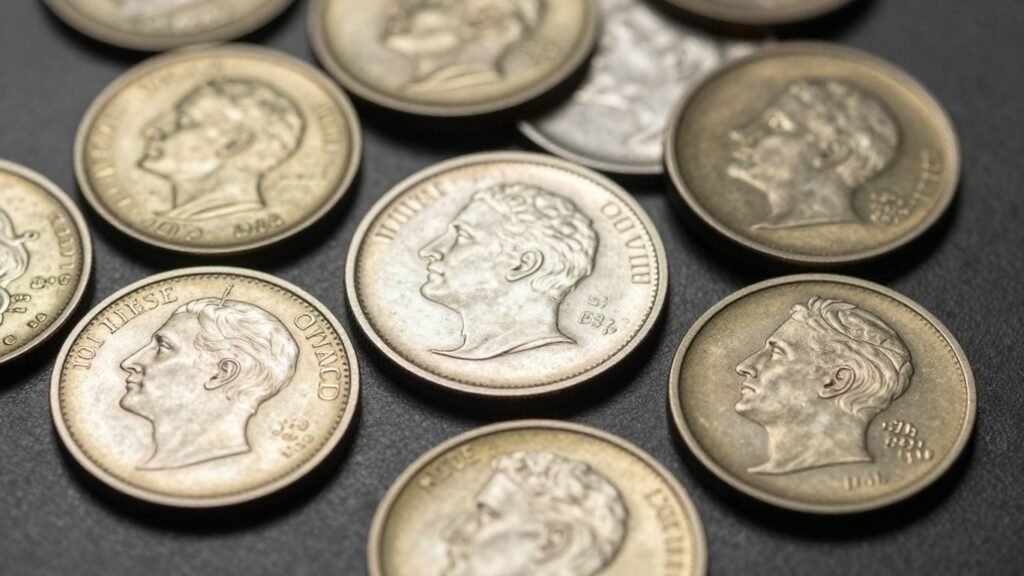
Thinking about selling some old coins, maybe some of those special die trial ones, here in Austin? It can be a bit of a puzzle figuring out where to get the best value. You don’t want to just hand them over to anyone. This guide is here to help you find the right people to talk to, making sure you get a fair deal for your numismatic treasures. We’ll cover some of the types of coins that often get attention, so you know what might be valuable.
Key Takeaways
- When you want to sell die trial coins in Austin, look for dealers who specialize in rare and historical coins.
- Certain coin types, like Liberty Seated Half Dollars and Barber Quarters, are often sought after by collectors.
- Coins with official grading or approval, such as CAC Approved coins, can sometimes fetch higher prices.
- Researching the specific type and condition of your coin is important before you sell.
- Finding reputable buyers in Austin ensures you get a fair price for your collectible coins.
1. Liberty Seated Half Dollar
The Liberty Seated half dollar series, minted from 1839 to 1891, is a really popular area for collectors. These coins feature Lady Liberty seated on a throne, holding a shield and a staff. They come in a few main varieties, including those with and without drapery, and some later issues have the motto "In God We Trust." Finding high-grade examples, especially from earlier dates or those with mint marks like ‘O’ for New Orleans or ‘S’ for San Francisco, can be quite a challenge.
Many collectors focus on specific dates, mint marks, or die varieties within the series, making some coins much rarer than others. For instance, low mintage dates or coins with significant die errors can command higher prices. The condition of the coin is, of course, a huge factor. A coin that’s well-struck with attractive toning and minimal wear will always be more desirable.
Here are a few things to look for when evaluating a Liberty Seated Half Dollar:
- Strike: How well are the details impressed into the coin? Look for sharp stars, clear drapery, and a well-defined eagle on the reverse.
- Surface Preservation: Are there many marks, scratches, or bag marks? Mint State coins with clean, original surfaces are highly sought after.
- Toning: Many collectors prefer coins with natural, attractive toning, which can add to their visual appeal. This can range from subtle hints of color to more vibrant, widespread toning.
- Die Varieties: Some dates have known die pairings or errors that are particularly scarce and collectible.
When you’re looking to sell your Liberty Seated Half Dollars in Austin, dealers will be paying close attention to the overall condition and rarity of the specific coin. It’s always a good idea to have your coins professionally graded if they appear to be in high grade, as this can significantly impact their value and marketability. Knowing the specific variety and its known mintage can also help you understand its potential worth.
2. Capped Bust Half Dollar
The Capped Bust Half Dollar series, minted from 1807 to 1836, is a really interesting part of early American coinage. These coins feature Lady Liberty with a distinctive cap on her head, a design that was quite a change from earlier styles. Finding these in good condition can be a bit of a treasure hunt, especially the earlier dates or those with specific die varieties.
When you’re looking to sell a Capped Bust Half Dollar, its condition and rarity play a big role in its value. Some dates are much harder to find than others, and certain mint errors or unique die pairings can make a coin stand out. For example, coins from the early 1800s, like an 1809 or 1815, are often more sought after than later dates if they’re in similar shape.
Here are a few things that collectors and buyers look for:
- Date and Mint Mark: Some dates are naturally rarer. The presence or absence of a mint mark (like ‘O’ for New Orleans) also affects rarity and value.
- Condition (Grade): A coin that’s barely worn will fetch a much higher price than one that’s been heavily circulated. Look for sharp details on Liberty’s cap, the eagle on the reverse, and the date.
- Die Varieties: Coin experts have identified specific pairings of dies used to strike these coins. Some pairings are much rarer and more desirable than others.
- Surface Preservation: Even in high grades, the way the coin’s surface looks matters. Original toning, lack of distracting marks, and overall eye appeal are important.
Many Capped Bust Half Dollars saw heavy use in daily commerce, meaning that finding examples in high mint-state grades can be quite challenging. This scarcity in top condition is a major factor driving collector interest and, consequently, market value for the finest specimens.
3. Indian Cent
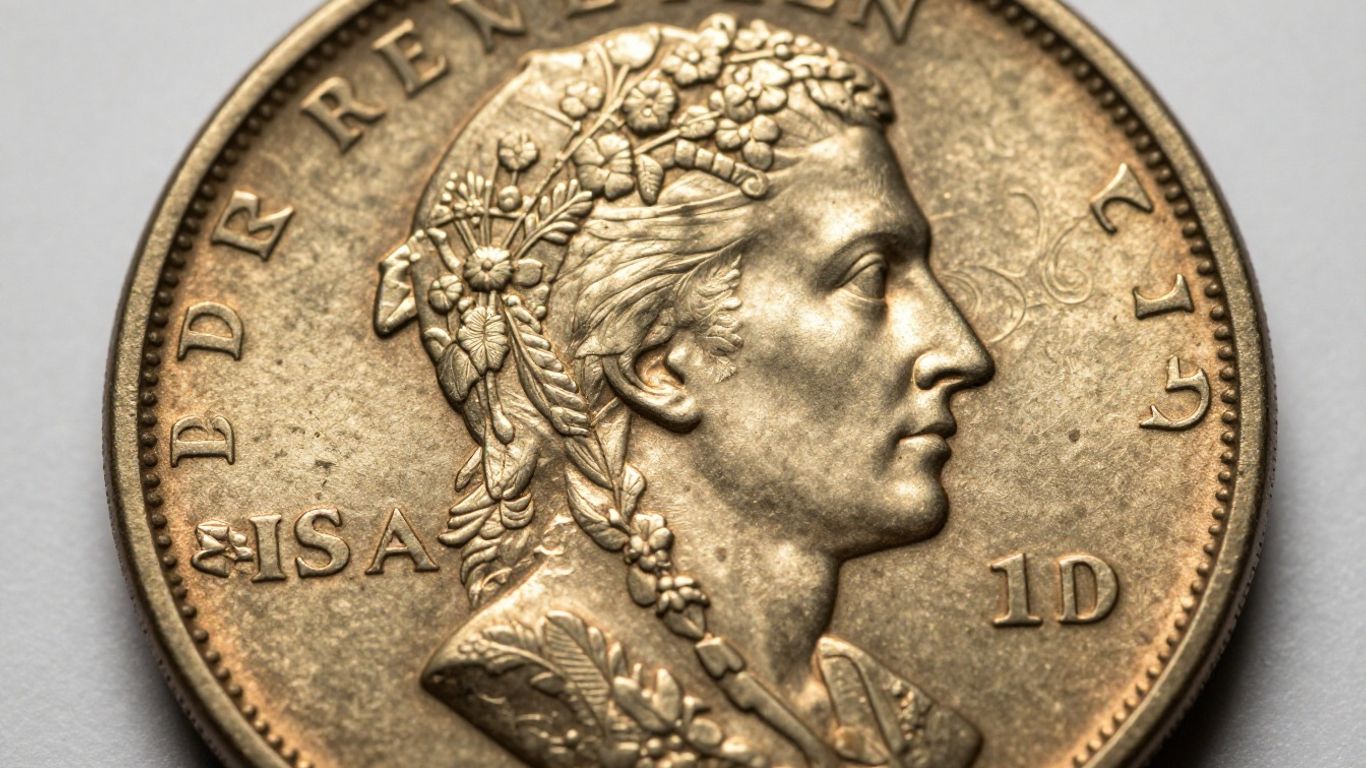
The Indian Cent, officially known as the Indian Head Cent, is a favorite among collectors, and for good reason. These coins, minted from 1859 to 1909, feature a portrait of Lady Liberty wearing a Native American headdress. They’re not just pretty; they represent a significant period in American history.
When you’re looking to sell your Indian Cents in Austin, condition is king. A coin that’s been well-preserved, especially those with full red (RD) color, will fetch a much higher price. Even circulated coins can be valuable if they show minimal wear and retain a good amount of their original detail. The key is to find a buyer who appreciates the nuances of coin grading and history.
Here’s a quick look at what collectors often seek:
- Key Dates and Mint Marks: Certain years and mint locations are rarer than others. For example, the 1877 Indian Cent is notoriously scarce.
- Condition: As mentioned, uncirculated or "red" coins are highly desirable. Even coins graded as Very Fine (VF) or Extremely Fine (XF) can be quite valuable.
- Errors: Mint errors, like double dies or off-center strikes, can significantly increase a coin’s value, even if it’s a common date.
If you’re unsure about the specifics of your Indian Cents, it’s always a good idea to consult with a reputable dealer. They can help you identify key features and provide a fair assessment. For those in the Austin area, checking out some of the local numismatic businesses listed in top coin shops can be a great starting point.
Selling older coins like the Indian Cent requires a bit of knowledge about what makes them special. It’s not just about the metal content; it’s about the history, the rarity, and the condition. Understanding these factors will help you get the best possible price when you decide to part with your collection.
4. Liberty Seated Dime
When you’re looking to sell your Liberty Seated Dimes in Austin, it’s good to know what makes these coins tick. These dimes, minted from 1837 to 1891, are a popular series for collectors. The condition and rarity of the specific date and mint mark are huge factors in their value.
Several things can really affect how much a Liberty Seated Dime is worth. Think about the overall wear – is it barely used, or has it seen a lot of pocket change? Then there are the little details, like whether it has "Arrows" or "Rays" near the date, which can indicate specific mintage years with different designs. Some dates are just plain harder to find than others, especially in nice shape. For example, Civil War era dimes from Philadelphia (1863-1866) are not easy to come by in good condition.
Here are some points to consider when evaluating your dime:
- Date and Mint Mark: Some dates are much rarer than others. Dimes from San Francisco (S mint) or New Orleans (O mint) can sometimes be more sought after.
- Condition (Grade): This is a big one. Coins are graded from Poor (P) all the way up to Mint State (MS). A coin in higher grade will always fetch more.
- Die Varieties: Sometimes, slight differences in the dies used to strike the coins create varieties that collectors seek out. These can add significant value.
- Surface Preservation: Look for coins with original luster and minimal damage like scratches or heavy bag marks.
If you’ve got a particularly nice example, especially one that’s been approved by services like CAC, it’s definitely worth highlighting. For instance, finding a well-preserved 1853 Arrows dime or a rare 1891-S small S variety can be quite exciting for collectors. It’s not uncommon for collectors to seek out specific die pairings, like the F-103 for the 1856 Large Date dime, which is tough to find in top grades. When selling, remember that dealers are always looking for quality inventory, and a coin that’s part of a well-known collection, like the Gerry Fortin collection, can sometimes attract more attention.
Dealers in Austin who specialize in U.S. coins will be your best bet for selling Liberty Seated Dimes. They understand the nuances of the series and can offer fair prices based on current market demand and the coin’s specific attributes. Be prepared to discuss the coin’s history if you know it, as provenance can sometimes add to its appeal.
5. Barber Quarter
The Barber Quarter, designed by Charles E. Barber, was minted from 1892 to 1916. These coins are quite popular with collectors, and finding them in good condition can be a bit of a challenge, especially the earlier dates or those with lower mintages. When you’re looking to sell your Barber Quarters in Austin, you’ll want to find a dealer who knows their value.
Condition is king when it comes to Barber Quarters, so pay close attention to wear and any potential damage. A coin that looks worn will fetch less than one that’s nearly perfect. Even small things like scratches or rim dings can really bring down the price.
Here’s a quick look at some key aspects collectors consider:
- Date and Mint Mark: Some dates are rarer than others. For example, the 1894-S is legendary for its rarity, but even common dates can be valuable in high grades.
- Condition (Grade): This is probably the most important factor. Coins are graded on a scale, and higher grades mean more money.
- Rarity: Lower mintage numbers generally mean a coin is more valuable.
- Eye Appeal: Does the coin look good? Does it have nice color and luster? This can make a big difference.
When you bring your Barber Quarters to a coin dealer in Austin, they’ll likely examine them closely. They’ll check the date, mint mark, and overall condition. Be prepared to discuss what you know about the coin, but also be open to their assessment. A good dealer will explain their offer and why they’ve arrived at that price.
Some Barber Quarters might have special markings or varieties that can increase their worth. For instance, coins with arrows at the date (like the 1873 Arrows half dollar, though that’s a different coin type) or other minting anomalies can be more desirable. Always do a little research on your specific coins before heading out to sell them.
6. Half Dime
The half dime, a smaller denomination of silver coinage, might not get as much attention as its larger dollar or half dollar cousins, but it holds a special place for many collectors. These little coins circulated for a long time, from the late 1700s all the way up to 1873 when they were finally discontinued.
When you’re looking to sell your half dimes in Austin, remember that condition is king. Even small differences in wear can mean big differences in value. A coin that looks almost perfect, with sharp details and minimal scratches, will always fetch more than one that’s heavily worn or damaged.
Here are a few things that really impact a half dime’s worth:
- Mint Mark: Where the coin was made matters. Coins from branch mints like San Francisco (‘S’) or New Orleans (‘O’) can sometimes be rarer and more valuable than those from Philadelphia.
- Date and Die Variety: Certain dates are naturally scarcer than others. Plus, collectors often seek out specific die varieties, which are slight variations in the dies used to strike the coins. Sometimes these are identified by numbers or letters, like the ‘Arrows’ or ‘No Motto’ designations.
- Overall Condition: This covers everything from the sharpness of the strike to the amount of original luster and any toning present. Coins graded by services like PCGS or NGC often have a clearer value.
Selling older coins, especially those in good shape, can be a bit of a treasure hunt. It’s not just about the metal content; it’s about the history and the rarity. Finding a buyer who appreciates these qualities is key to getting a fair price for your collection.
7. Draped Bust Dollar
The Draped Bust Dollar is a really interesting coin for collectors, especially those into early American currency. These coins were made for a pretty short time, from 1795 to 1803, and they represent a significant period in U.S. coinage history. Finding them in good condition can be tough, and that’s what makes them desirable.
When you’re looking to sell a Draped Bust Dollar, its condition and rarity are the big factors. Some dates and mint marks are way rarer than others. For example, the 1795 and 1796 issues are generally more sought after than later dates. The mint mark, if present (like from the New Orleans mint, though that’s later than the Draped Bust series), can also play a role in value.
Here’s a quick look at what buyers consider:
- Strike Quality: How well the details of the design came out when the coin was made. Sharpness on Liberty’s hair and the eagle’s feathers is a big plus.
- Surface Preservation: Look for original toning and avoid coins that have been cleaned or show heavy bag marks. A coin that looks like it did when it left the mint is ideal.
- Date and Mint Mark: Certain combinations are much harder to find than others. Researching the specific variety you have is key.
- Overall Eye Appeal: This is a bit subjective, but a coin that just looks good, with pleasing colors and a strong strike, will always do better.
Selling an early American coin like the Draped Bust Dollar requires finding a buyer who appreciates its historical significance and rarity. It’s not just about the silver content; it’s about the piece of history it represents. A good dealer will know how to assess these factors and offer a fair price.
8. Seated Five Cent
When you’re looking to sell your Seated Liberty five-cent pieces, Austin has a few places that might be interested. These coins, often called Nickels, were made for a good chunk of time, from 1837 all the way up to 1891. They come in a few different designs, so knowing which one you have is pretty important for figuring out its value.
The key is understanding the different types within the Seated Liberty series, as some are much rarer than others. For instance, the early dates, especially those from the 1840s, can be quite sought after, particularly if they’re in good condition. The later dates, like those from the 1870s and 1880s, were made in larger numbers, so they’re generally less valuable unless they’re in really top-notch shape or have some special variety.
Here’s a quick rundown of what collectors often look for:
- Early Dates (1837-1840): These are generally scarcer and more desirable.
- Arrows and Rays (1853-1855): Coins from these years have specific design modifications that collectors notice.
- No Motto (1837-1865): The absence of the motto is a key identifier for this period.
- With Motto (1866-1891): The addition of the motto marks a distinct design change.
- Key Dates and Mint Marks: Certain years and mints (like San Francisco ‘S’ or New Orleans ‘O’) are more valuable. For example, the 1871-S is a well-known key date.
When you bring your Seated Liberty nickels to a dealer, they’ll look at the coin’s condition, its date, and the mint mark. Coins that have been graded by services like PCGS or NGC, especially if they have a CAC sticker, will usually fetch a better price because their authenticity and condition are verified. If you’re curious about current values, checking resources that track coin values can give you a general idea, though a dealer’s offer will depend on their specific inventory needs.
Selling these older coins often means dealing with wear and tear. Most Seated Liberty nickels you find will have seen a lot of use, so finding one in uncirculated condition is pretty rare. This rarity drives up the value significantly for high-grade examples. Be prepared for most coins to be in circulated grades, which affects their market price.
9. CAC Approved Coin
When you’re looking to sell your die trial coins in Austin, you might come across coins that have been approved by CAC. CAC stands for Certified Acceptance Corporation, and getting their approval means a coin has been independently reviewed and deemed to meet a certain quality standard for its assigned grade. This extra layer of authentication can really make a coin stand out to buyers.
For collectors and sellers alike, CAC approval is often seen as a mark of confidence. It suggests that the coin is not only correctly graded but also possesses good eye appeal for that grade. This can translate into a stronger market presence and potentially a higher value when you decide to sell.
Here’s a quick rundown of what CAC approval generally signifies:
- Quality Assurance: CAC verifies that a coin meets the standards for its assigned grade. They don’t assign grades themselves, but they confirm the grade given by major grading services like PCGS or NGC.
- Eye Appeal: Beyond just the technical grade, CAC looks for coins that have strong visual characteristics – good color, surfaces, and strike.
- Market Acceptance: Many collectors specifically seek out CAC-approved coins because they trust the sticker as an indicator of a high-quality example.
While not every coin needs CAC approval to be valuable, having it can certainly give potential buyers in Austin more peace of mind. It’s like getting a second opinion from a trusted expert, confirming that your die trial coin is a solid example of its kind.
When you’re talking about selling coins, especially those that are a bit more specialized like die trials, having that extra stamp of approval from a reputable third party like CAC can make a big difference. It’s a signal to buyers that the coin has been looked at closely and meets a certain standard, which can make them feel more comfortable making a purchase.
10. Sunset Collection Half Dollar
The Sunset Collection represents a significant offering for collectors focused on Liberty Seated Half Dollars, particularly those in Mint State condition. This collection showcases a remarkable array of these coins, often featuring high-grade examples that have passed rigorous grading standards. Many of these coins have also received CAC approval, indicating they meet a higher bar for quality and eye appeal beyond standard grading.
This collection is notable for its depth and the quality of its individual pieces. For those looking to acquire top-tier Liberty Seated Half Dollars, the Sunset Collection presents a prime opportunity. The sale catalog itself is a testament to the collector’s dedication, with detailed descriptions and high-quality photography.
Here are some highlights you might find in such a collection:
- 1856-S PCGS AU58 CAC Half Dollar: This particular coin was noted as being the only example approved at the AU58 level, with only a few higher graded pieces existing. Its reserve price was strong, reflecting its rarity and desirability.
- 1868 PCGS MS63 CAC Half Dollar: Often cited for its excellent strike and overall condition, this coin is a prime example of the series.
- 1842 Sm Date NGC MS61 CAC Half Dollar: This coin is another example of a well-preserved piece that has met the stringent requirements for CAC approval.
When evaluating coins from a specialized collection like the Sunset Collection, it’s important to consider the provenance and the collector’s focus. These coins often represent years of dedicated searching for specific varieties, dates, and grades, making them particularly sought after by serious numismatists.
Ready to Sell Your Die Trial Coins?
So, you’ve got some die trial coins sitting around and you’re in Austin looking to turn them into cash. We’ve gone over a few places that might be interested in buying them. Remember, doing a little homework on each shop, maybe even calling ahead, can save you time and help you get the best deal. Selling coins can be a bit of a process, but finding the right buyer makes all the difference. Good luck out there!
Frequently Asked Questions
What are die trial coins?
Die trial coins are special coins made to test new coin dies before they are used for regular production. Think of them like test runs for making money.
Why are some old coins valuable?
Old coins can be valuable because of their rarity, historical importance, the condition they are in, and how much collectors want them. Some coins were made in very limited numbers.
Where can I sell my old coins in Austin?
In Austin, you can sell your old coins to local coin shops, coin dealers, or at coin shows. Some online dealers also buy coins.
How do I know if my coin is valuable?
You can get your coin looked at by a professional coin appraiser or a reputable coin dealer. They can tell you about its condition, rarity, and potential value.
What makes a coin 'CAC Approved'?
CAC Approved means a coin has been reviewed by a company called Certified Acceptance Corporation (CAC) and they agree with the grade given by a major grading service. It’s like a second opinion that confirms the coin’s quality.
Should I clean my old coins before selling them?
No, you should not clean old coins. Cleaning can damage the coin’s surface and actually lower its value. It’s best to leave them as they are.
What is a 'Liberty Seated' coin?
Liberty Seated coins are a series of U.S. coins made from the 1830s to the early 1900s. They feature a figure of Lady Liberty sitting down on the coin’s design.
How do coin dealers price coins?
Coin dealers look at many things like the coin’s date, mint mark, condition (grade), rarity, and current demand from collectors. They also consider what they can sell it for.