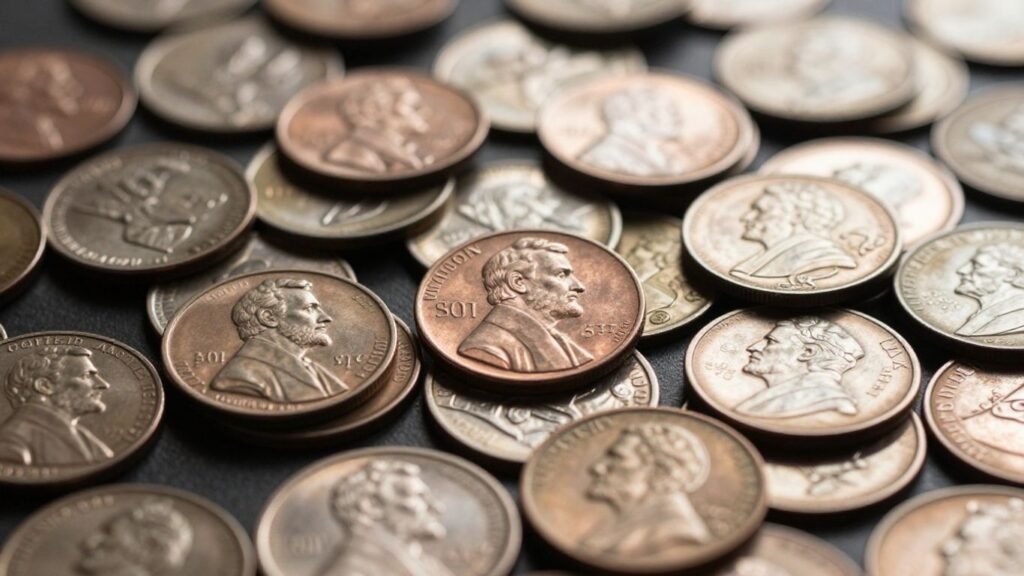
Thinking about selling those old encased cents you have lying around? If you’re in Austin, Texas, you’ve got a few options to explore. It’s not always straightforward, figuring out the best place and the right price. This guide is here to help you sort through it all, whether you’re looking at local shops, online sales, or even coin shows. We’ll cover what makes them valuable, where to find buyers, and how to get the most for your collection. Let’s get started on figuring out how to sell encased cents in Austin, TX.
Key Takeaways
- Understand what makes your encased cents valuable by looking at factors like rarity, condition, and the cent itself.
- Explore local Austin coin dealers, like Joe Koen & Son Jewelers, and other shops for potential buyers.
- Consider online platforms, including major auction houses and specialized coin websites, for a wider reach.
- Prepare your coins properly by documenting them, handling them with care, and thinking about professional grading.
- Be realistic about pricing, be ready to negotiate, and make sure your transaction is secure when you sell.
Understanding Encased Cents Value
So, you’ve got some of these encased cents lying around and you’re wondering what they’re actually worth. It’s not as simple as just looking at the date on the penny inside, that’s for sure. Several things play a role in how much someone might pay for one of these little historical pieces.
Factors Influencing Your Encased Cents' Worth
When you’re trying to figure out the value of an encased cent, a few key things pop up. The condition of both the cent itself and the casing is a big deal. Is the cent worn down to nothing, or can you still see the details? How about the casing? Is it cracked, faded, or is it still clear and intact? The rarity of the specific encased cent also matters a lot. Some were made in huge numbers, while others were produced in very limited runs, making them much harder to find.
Here are some points to consider:
- The Cent Inside: What year is it? Is it a common date or something rare? What’s its condition like? A shiny, uncirculated cent will be worth more than a heavily worn one.
- The Casing Material: Most are metal, but some might be plastic or other materials. The type and condition of the casing are important.
- The Advertising/Design: What’s printed on the casing? Is it a well-known company, a historical event, or something obscure? Unique or historically significant advertising can boost value.
- Rarity: How many of this specific encased cent are believed to exist? This is often the biggest factor.
Researching Recent Sales Data
To get a real feel for the market, you’ve got to look at what these things are actually selling for. Auction results are a good place to start. You can often find records from major coin auction houses or even specialized numismatic sites. Keep an eye out for sales of similar encased cents – same year, same advertiser, similar condition. This gives you a much better idea than just guessing.
Identifying Rare Varieties and Errors
Sometimes, things just aren’t quite right, and that can actually make an encased cent more valuable. Maybe the cent inside is a rare mint error, or perhaps there’s a mistake in the printing on the casing itself. These kinds of anomalies, if they’re genuinely rare and not just damage, can significantly increase the desirability and price of an encased cent. It’s like finding a typo in a book that makes it a collector’s item instead of just a regular read.
Figuring out the true value involves looking at the coin, the holder, and the history behind it. It’s a bit like being a detective, piecing together clues to arrive at a fair price.
Local Austin Coin Dealers and Shops
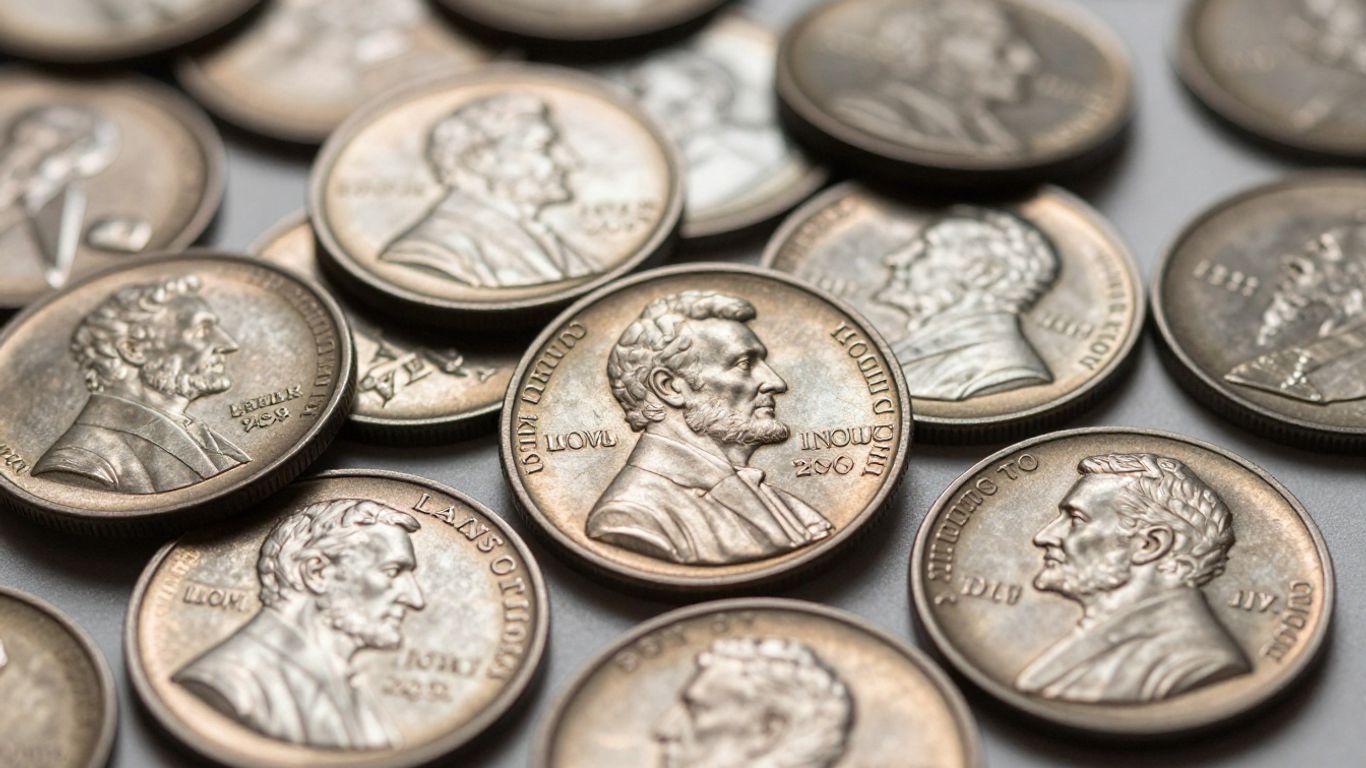
When you’re looking to sell your encased cents right here in Austin, Texas, checking out local coin dealers and jewelers is a solid first step. These folks often have a good pulse on the market and can give you a direct offer. It’s a good idea to visit a few places to compare what they might offer you.
Joe Koen & Son Jewelers: A Historic Austin Establishment
Joe Koen & Son Jewelers has been a part of Austin for a really long time, dating back to 1883. That’s over 140 years of history in the city! While they’re known for jewelry, places with this kind of history often deal with coins and collectibles. It’s worth stopping by to see if they handle encased cents and what their appraisal process looks like. They’ve seen a lot of changes in Austin and likely have a good understanding of local collecting interests.
Exploring Other Austin Coin Retailers
Beyond Joe Koen & Son, Austin has other places that might be interested in your encased cents. It pays to do a little legwork and see who else is around. You might find a smaller shop that specializes in coins or a pawn shop that deals in collectibles.
Here are a few types of places to consider:
- Coin Shops: These are your go-to for anything numismatic. They usually have knowledgeable staff who can properly assess your coins.
- Antique Stores: Some antique shops have sections for coins and collectibles. You might get lucky, though their expertise can vary.
- Pawn Shops: While not always the best for top dollar, they can offer quick sales if you need cash fast. Just be prepared for lower offers.
Evaluating Local Buy Offers for Encased Cents
When you get an offer from a local dealer, take a moment to think about it. Don’t feel pressured to accept the first price you’re given. Consider these points:
- The Offer Amount: Does it seem fair based on your own research? Remember, dealers need to make a profit, so their offer will likely be below retail.
- The Dealer’s Reputation: Are they well-regarded in the local collecting community? Look for reviews or ask around.
- Payment Method: How will they pay you? Cash, check, or something else?
It’s always smart to get a few opinions before you decide. Different dealers might see different value in your specific encased cents, especially if there are any rare varieties or unique historical connections.
Remember, these local shops can be great for a quick sale or a professional opinion, but always keep your own research and expectations in mind.
Online Platforms for Selling Encased Cents
So, you’ve got these cool encased cents and you’re wondering where to offload them without trekking all the way to a local shop. The internet, right? It’s a huge place, and thankfully, there are several spots where your encased cents could find a new home. It’s not just about listing them and hoping for the best; you need to pick the right platform for the job.
Major Online Auction Houses
These are the big players, the ones that handle serious collections and often have a global reach. Think of places that regularly auction off rare coins and currency. They usually have a more formal process, which can be good for higher-value items. They’ll take a cut, of course, but they also bring in serious buyers. It’s worth looking into auction houses that specialize in numismatics, as they’ll know exactly what your encased cents are worth and how to market them.
Specialized Numismatic Websites
Beyond the giant auction houses, there are websites dedicated specifically to coins and collectibles. These places often have forums, marketplaces, and sometimes even auction features tailored for collectors. You’re more likely to find buyers here who are specifically looking for encased cents or similar items. They tend to have a more knowledgeable audience, which can be a plus when you’re trying to get a fair price.
Selling Encased Cents on eBay and Similar Sites
Then there’s the everyday marketplace like eBay. It’s accessible, and you can reach a massive number of potential buyers. The trick here is making your listing stand out. Good photos, a clear description, and understanding how to price your item are key. You might not get the absolute top dollar compared to a specialized auction, but it’s often the easiest route for many people. Just be prepared for a lot of watchers and maybe some lowball offers. Setting a reserve price can help protect you from selling too low.
Here’s a quick look at what you might expect:
- Reach: eBay offers the widest audience, while specialized sites and auction houses cater to a more niche, informed group.
- Fees: Expect fees on all platforms, but they can vary significantly. Auction houses often have higher seller fees but may achieve higher prices.
- Expertise: Specialized sites and auction houses usually have staff who understand numismatics better than a general marketplace.
- Process: Listing on eBay is straightforward. Auction houses and specialized sites might have consignment agreements or specific submission guidelines.
When you’re choosing an online platform, think about how much effort you want to put in versus the potential return. A quick sale on a general site might be fine for common encased cents, but for something truly rare, a more specialized route could be worth the extra steps.
Preparing Your Encased Cents for Sale
Alright, so you’ve got these cool encased cents and you’re thinking about selling them. Before you just toss them in a box and hope for the best, there are a few things you should do to get them ready. It’s not rocket science, but a little bit of effort can really make a difference in what you get for them. Think of it like getting a car ready to sell – you wouldn’t just put it on the lot covered in mud, right?
Documenting Your Collection
First off, you need to know what you actually have. Take some time to write down the details for each encased cent. This isn’t just for your own records; it’s super helpful for potential buyers too. They want to know what they’re looking at.
Here’s a basic checklist to get you started:
- Date of the Cent: What year is the coin inside?
- Type of Encasing: Is it metal, plastic, or something else? Note any markings or manufacturer names if you can see them.
- Condition of the Encasing: Is it scratched, cracked, tarnished, or perfectly clear?
- Condition of the Cent: Even though it’s encased, try to note any visible wear or damage on the coin itself.
- Any Known History: Did it come from a specific event, person, or collection? This can add a lot of interest.
Taking clear photos is also a big part of documenting. Get shots from different angles, showing both the front and back, and any close-ups of interesting details or flaws. Good pictures are your best advertisement.
Handling and Storage Best Practices
When you’re getting your encased cents ready, how you handle them matters. You don’t want to accidentally damage them while you’re trying to prepare them for sale. Always handle encased cents by their edges or the encasing itself, avoiding direct contact with the coin’s surface.
For storage, especially if you’re not selling right away, keep them somewhere safe and stable. Avoid places with extreme temperatures or humidity. A simple display case or a soft-lined box works well. If you have older ones, like those from the Civil War era, remember that the materials used back then might be more fragile. Some early examples, like those patented by John Gault, were designed to protect stamps, showing an early form of collectible preservation [d736].
Professional Grading Considerations
Now, grading is a bit of a bigger step, and it’s not always necessary for every encased cent. For common pieces, the cost of professional grading might outweigh the potential increase in value. However, if you suspect you have something particularly rare or valuable, getting it graded by a reputable service like PCGS or NGC could be a smart move. They’ll authenticate the coin and the encasing, assign a condition grade, and seal it in a protective holder. This adds a layer of trust for buyers and can definitely boost the price for truly special items. Think about it for those really standout pieces in your collection; it might be worth the investment to see what a professional opinion yields.
Preparing your encased cents properly is about more than just cleaning them up. It involves understanding what you have, protecting it from further harm, and presenting it in the best possible light to potential buyers. This diligence shows you respect the item and its history, which buyers will appreciate.
Navigating the Selling Process
So, you’ve got these cool encased cents and you’re ready to turn them into cash. It sounds simple enough, right? Well, like most things, there’s a bit more to it than just slapping a price tag on them. You want to get the best deal possible, and that means being smart about how you go about it. Setting realistic expectations is probably the first big step. Don’t expect to retire on selling a few old pennies, but also don’t undersell something genuinely rare.
Here’s a breakdown of what to keep in mind:
- Know Your Piece: Before you even think about selling, do your homework. What year is the cent? What’s the condition of both the cent and the casing? Is the casing advertising something historical or unusual? This information is gold when you talk to potential buyers.
- Research, Research, Research: Look at what similar encased cents have sold for recently. This isn’t always easy, as they aren’t as common as regular coins. Check auction results, coin forums, and dealer sites. This will give you a ballpark figure.
- Decide Where to Sell: Are you going for a quick sale at a local shop, or are you aiming for a higher price through an auction or online listing? Each has its pros and cons.
When you start talking to people who might buy your coins, you’ll want to be prepared to negotiate. They’ll likely offer you less than what you think it’s worth, and that’s just business. Be polite but firm, and know your bottom line. If you’re selling online or through an auction, make sure you understand all the fees involved. Sometimes, a slightly lower offer from a direct buyer is better than a higher price minus a big chunk for commissions and shipping.
When it comes to securing your transaction, especially if you’re dealing with private buyers or shipping valuable items, take precautions. Use payment methods that offer protection for both parties, like secure escrow services or reputable payment platforms. If meeting in person, choose a public, safe location. Documenting the sale with clear photos and a written agreement can prevent misunderstandings later on.
Here’s a quick look at potential offer ranges, though these are just rough estimates and can vary wildly:
| Type of Sale | Potential Offer Range (USD) | Notes |
|---|---|---|
| Local Dealer (Quick) | $10 – $50 per cent | Usually the lowest, but fastest |
| Online Marketplace | $20 – $100+ per cent | Requires more effort, wider audience |
| Specialized Auction | $50 – $500+ per cent | Best for rare or high-grade examples |
Remember, these numbers are highly dependent on the specific coin, its condition, and the current market demand. Don’t be discouraged if initial offers are low; keep looking and learning.
Austin Coin Shows and Events
Attending local coin shows and events in the Austin area can be a fantastic way to connect with other collectors and dealers. It’s a chance to see coins in person, get a feel for the market, and maybe even find that missing piece for your collection. Plus, you can often get a good sense of what your encased cents might be worth by seeing what similar items are selling for.
Upcoming Numismatic Events in the Austin Area
While specific dates can change, keeping an eye on local listings is key. The Texas Numismatic Association often hosts shows around the state, and Austin usually has a presence or is within easy driving distance. For instance, the 2026 Texas Numismatic Association Coin Show in Fort Worth is a major event to mark on your calendar. It’s always a good idea to check their website closer to the date for any Austin-specific gatherings or related events.
- Check Local Listings: Look for announcements from coin clubs or dealer associations in the Austin region.
- Travel to Nearby Cities: Major shows in Dallas or San Antonio can also be worth the drive.
- Online Event Calendars: Many numismatic organizations maintain online calendars of upcoming shows.
Networking with Collectors and Dealers
Coin shows are more than just places to buy and sell; they’re social hubs for people who share a passion for coins. Striking up conversations can lead to valuable insights. You might meet someone who specializes in encased cents or knows a collector who is actively looking to buy them. Don’t be shy about asking questions or sharing your own knowledge. Building these connections can open doors you didn’t even know existed.
Direct Selling Opportunities at Shows
Many dealers at coin shows are open to buying directly from attendees. This can be a straightforward way to sell your encased cents. Be prepared to present your items clearly and have a general idea of their value. It’s often helpful to have done some research beforehand, as mentioned in the ‘Understanding Encased Cents Value’ section. You might get an on-the-spot offer, which can be convenient if you’re looking for a quick sale.
When you attend a show, remember that dealers are running businesses. They need to make a profit, so their offers will reflect that. However, a good dealer will be fair and knowledgeable about the items they are interested in purchasing.
Specialized Auctions for Rare Coins
Identifying High-Profile Coin Auctions
When you have encased cents that might be particularly rare or valuable, looking into specialized coin auctions is a smart move. These events often attract serious collectors and dealers who are willing to pay top dollar for unique items. Think about auctions that focus on specific types of coins or historical periods. Sometimes, a big auction house will have a dedicated sale for U.S. coins, or even a special section for error coins or coins in unusual holders. It’s worth doing some digging to find out which auctions are known for handling high-quality numismatic material. For instance, an auction like the one hosted by Gold Standard Auctions in Texas on February 28, 2026, featuring a rare 1845 Seated Liberty Dollar, shows the kind of caliber you might find.
Understanding Auction House Fees
Before you send your encased cents off to an auction, you need to know about the fees involved. Auction houses typically charge a seller’s commission, which is a percentage of the final sale price. This can vary quite a bit, so it’s a good idea to compare rates. Some might also have fees for lotting, photography, or insurance. Always ask for a clear breakdown of all potential costs. This way, you can figure out your net profit before the auction even happens.
Here’s a general idea of what to expect:
- Seller’s Commission: Usually ranges from 5% to 20% of the hammer price.
- Photography Fees: Some houses charge extra to photograph your item.
- Insurance/Handling: May be a small percentage or a flat fee.
- Unsold Lot Fees: Be aware if there’s a charge if your item doesn’t sell.
Maximizing Your Return Through Auctions
To get the most money for your encased cents at auction, presentation is key. Make sure you have good documentation about the coin and its history. If your coins are graded by a professional service, that can really help. Also, consider the timing of the auction. Sometimes, coins do better when sold during a period of high collector interest. Researching past sales results for similar items can give you a good idea of what to expect. The more information you can provide about your item’s condition and rarity, the more confident buyers will be.
Selling through a specialized auction can be a great way to reach a wide audience of interested buyers. It takes some preparation, but the potential for a good return is often higher than selling locally or through general online marketplaces. Just be sure to go in with your eyes open about the costs and the process.
The Role of Condition in Selling
When you’re looking to sell your encased cents, how they look and how well they’ve been kept really matters. It’s not just about the coin inside, but the whole package. Think of it like selling a vintage car – a shiny paint job and a well-maintained engine will always get more attention than something that’s been sitting in a field for years.
Assessing the Integrity of the Encasing
The holder, or encasing, is the first thing a buyer sees. Is it clear and free of cracks or major scratches? A cloudy or damaged holder can really hide the coin and make it look less appealing. Some older holders might have a bit of discoloration, which is often acceptable if it’s consistent with age, but significant damage is a problem.
- Clarity: Is the plastic or material clear, allowing a good view of the cent?
- Damage: Look for cracks, deep scratches, chips, or signs of melting.
- Discoloration: Some yellowing or clouding can be normal with age, but excessive fogging or staining is not.
- Seal: Is the encasing still properly sealed, or does it look like it might have been tampered with?
The original encasing is part of the item’s story. If it’s in good shape, it suggests the coin inside was likely treated with care.
Evaluating the Cent's Condition
Of course, the condition of the actual cent inside the holder is super important. Even if the encasing is perfect, a worn or damaged coin won’t fetch a top price. You’ll want to look for:
- Wear: Are the details sharp, or are they smoothed down from circulation?
- Color: Does the cent have its original mint luster, or is it dark, spotted, or unnaturally shiny?
- Surface: Check for any obvious marks, scratches, or corrosion on the coin’s surface.
The Impact of Damage or Wear
Any damage or significant wear on either the cent or its encasing can really bring down its market value. Buyers are looking for items that look as good as possible, and imperfections are usually a deal-breaker for serious collectors. Sometimes, a rare error or a particularly interesting historical context can overcome minor condition issues, but generally, the better the condition, the better the sale price you can expect.
Here’s a quick way to think about it:
| Condition Factor | Impact on Value | Notes |
|---|---|---|
| Encasing Integrity | High | Cracks, deep scratches, or cloudiness hurt. |
| Cent Wear | High | Worn details reduce appeal significantly. |
| Cent Color/Luster | Medium | Original color and shine are preferred. |
| Surface Issues (Coin) | Medium | Scratches or spots can be a problem. |
| Surface Issues (Case) | Low to Medium | Minor scuffs might be overlooked. |
When to Consider Private Sales
Sometimes, selling your encased cents directly to another collector or a private buyer makes a lot of sense. It’s not always about the big auction houses or the local coin shops. Private sales can offer a more personal touch and, potentially, a better price if you find the right person.
Finding Potential Private Buyers
So, how do you actually find these private buyers? It takes a bit of digging, but it’s doable. Think about where collectors hang out, both online and off.
- Numismatic Forums and Social Media Groups: Many online communities are dedicated to coin collecting. Posting about what you have for sale in the appropriate sections can attract interested individuals. Just be sure to follow the rules of each group.
- Local Coin Clubs and Shows: Even if you’re not selling at a formal show, attending them can be a great way to network. You might meet someone who’s looking for exactly what you have.
- Word of Mouth: Let people you know in the coin world hear that you’re looking to sell. You never know who might be interested or know someone who is.
Benefits of a Discreet Sale
Selling privately can sometimes feel more relaxed than a public auction. You get to control the process more directly.
- Negotiation Control: You can talk directly with a potential buyer about the price. This allows for a back-and-forth that might not happen in a fixed-price or auction setting.
- Privacy: If you prefer to keep the details of your sale quiet, a private transaction is the way to go. You don’t have to worry about public auction results or dealer markups being widely known.
- Potentially Higher Prices: For rare or unique items, a private buyer who really wants the piece might be willing to pay a premium that they wouldn’t bid at a public auction.
Ensuring a Safe Private Transaction
Safety and trust are super important when you’re dealing with private sales, especially when money is involved. You want to make sure everything is above board.
- Payment Methods: Agree on a secure payment method beforehand. For larger amounts, consider using escrow services or meeting at a bank to complete the transaction.
- Verification: If you’re selling online, take clear, detailed photos and videos of the encased cents. Be honest about their condition. If you’re buying, do your homework on the seller.
- Meetups: If you decide to meet in person, choose a public, safe location. A police station lobby or a bank are often good choices. Always trust your gut feeling; if something feels off, it probably is.
Private sales require a bit more legwork and careful planning. You’re essentially acting as your own dealer, which means you need to be informed about your item’s worth and comfortable with the negotiation process. It can be rewarding, but it also means taking on more responsibility for the sale’s success and security.
Maximizing Your Sale Price
So, you’ve got these cool encased cents and you’re ready to sell. Great! But how do you make sure you’re getting the most cash for them? It’s not just about finding a buyer; it’s about making your cents shine and knowing when and where to sell them. Let’s break down how to get the best bang for your buck.
Timing Your Sale Strategically
When you decide to sell can make a big difference. Think about the overall market for coins. Are things generally up, or are people holding onto their money? Sometimes, waiting for a big coin show or a specific numismatic event can bring more attention and better prices. For instance, there’s an upcoming Austin Archer Coin Auction on February 28, 2026, that might be a good time to see what the market is doing for similar items. Keep an eye on auction results from places like Gold Standard Auctions to get a feel for current trends.
Presenting Your Encased Cents Effectively
First impressions count, right? For encased cents, this means making sure the casing is clean and the cent inside is visible. You don’t want to polish the cent itself – that can hurt its value – but a gentle wipe of the casing might be okay. Good photos are super important, especially if you’re selling online. Take clear pictures from different angles, showing any text on the casing and the condition of the cent inside. If you have any history or story behind the cent, include that too. People like a good story!
Understanding Market Trends for Encased Cents
What’s hot right now? Sometimes, certain types of coins or historical periods become more popular. For encased cents, this could mean that cents from a particular era or with specific advertising are in higher demand. Researching recent sales is key here. Look at what similar encased cents have sold for in the past year. This gives you a realistic idea of what buyers are willing to pay. It’s a bit like watching the stock market, but for coins.
Selling encased cents isn’t just about the coin itself; it’s about the whole package. The story, the condition of the casing, and how well you present it all play a role in the final price you can get. Being informed about the market and timing your sale right are your best tools for success.
Wrapping It Up
So, you’ve got these encased cents and you’re wondering what to do with them here in Austin. We’ve looked at a few spots, from local coin shops to online auctions. It really comes down to what you’re looking for – a quick sale, the best possible price, or just getting rid of them. Remember, the market can change, so doing a little homework before you sell is always a good idea. Keep an eye on those auction dates we mentioned, especially in March 2026, as there are a lot of coin sales happening. Good luck finding the right buyer for your collection!
Frequently Asked Questions
What makes an encased cent valuable?
Several things can make an encased cent worth more money. The condition of both the coin and the casing is super important. If the casing is clear and the coin inside looks great, that’s a big plus. Also, if the cent is rare, like a special edition or has a mistake, it can be worth a lot more. The history behind it, like who made the casing or what event it represents, also adds value.
Where can I sell my encased cents in Austin?
In Austin, you have a few options. You can check out local coin shops like Joe Koen & Son Jewelers, which has a long history in the city. There are also other coin dealers around town that might be interested. For a wider reach, online platforms and coin shows are great places to find buyers.
How do I figure out how much my encased cents are worth?
To get a good idea of your encased cents’ value, do some homework. Look up similar coins that have sold recently online or in coin catalogs. Check out specialized coin websites and auction sites to see what collectors are paying. Also, consider getting an expert opinion from a coin dealer.
Should I clean my encased cents before selling?
It’s generally best not to clean your encased cents yourself. Cleaning can often damage the coin or the casing, which can lower its value. If you think it needs cleaning, it’s better to ask a professional coin dealer or grader for advice. They know the best and safest ways to handle them.
What's the difference between selling to a dealer and selling at auction?
Selling to a local dealer is usually quicker, and you get paid right away. However, they might offer you less than the coin is truly worth because they need to make a profit. Selling at an auction can potentially get you a higher price if there’s a lot of interest, but it takes more time, and there are fees involved.
Are there special events in Austin for coin collectors?
Austin sometimes hosts coin shows and numismatic events where you can meet collectors and dealers. These events are great opportunities to learn more about your coins, network with others in the hobby, and sometimes sell your items directly to interested buyers.
What does 'professional grading' mean for encased cents?
Professional grading means sending your encased cent to a company that specializes in evaluating coins. They’ll assess its condition, authenticity, and rarity, then give it a grade on a scale. This can help prove its quality and potentially increase its value, especially for rare or valuable pieces.
What's the best way to present my encased cents when selling?
When you’re ready to sell, make sure you have good pictures and a clear description. If you know any history about the cent or its casing, share it! Being honest about the condition, including any flaws, builds trust with potential buyers. Good presentation can make a big difference in attracting interest.