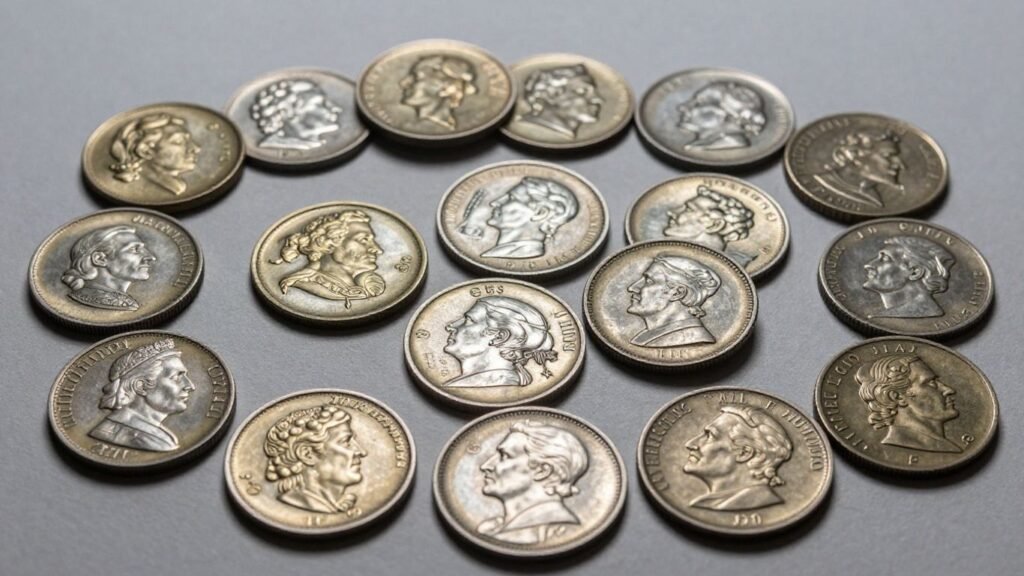
So, you’ve got some exonumia coins you’re looking to sell in Austin, TX. Maybe they’re old tokens, commemorative medals, or just interesting pieces that aren’t standard currency. It can feel a bit overwhelming figuring out where to start. This guide is here to help you figure out the best spots and ways to sell exonumia coins in Austin, TX, without too much fuss.
Key Takeaways
- Connecting with local coin clubs in Austin, like the Capital City Coin Club, can open doors to potential buyers and offer advice on how to sell exonumia coins in Austin, TX.
- Reputable coin dealers in Austin are a good option for selling, but do your homework to find specialists and understand how they value your items.
- Online platforms offer a wide reach for selling exonumia, but require careful listing and shipping practices.
- Attending coin shows, both local and regional, provides direct interaction with collectors interested in buying exonumia.
- Understanding the factors that influence the value of your specific exonumia pieces is important for getting a fair price.
Connect With Austin Coin Clubs To Sell Exonumia
Capital City Coin Club: A Local Hub
If you’re in Austin and looking to connect with fellow collectors or find potential buyers for your exonumia, the Capital City Coin Club is a great place to start. They’ve been around since 1969, so they’ve got a solid history in the area. Meetings are held on the first Thursday of each month at the Yarborough Branch Library. It’s a good chance to meet people who are genuinely interested in coins and other numismatic items. Don’t be shy about bringing some of your exonumia to show around; you never know who might be looking for exactly what you have.
Women in Numismatics: Supporting Female Collectors
While not strictly an Austin-based club, Women in Numismatics (WIN) has a presence and is worth knowing about, especially if you’re a woman involved in collecting or selling exonumia. Founded in 1991, WIN focuses on promoting numismatics among women. They are a national non-profit organization. Their mission is to encourage more women to get involved in coin collecting and related fields. Connecting with WIN can open doors to a supportive network and potentially new avenues for selling your items.
Networking Opportunities for Selling Exonumia
Joining a local coin club, like the Capital City Coin Club, offers more than just a place to talk about coins. It’s a prime spot for networking. You can learn a lot from other collectors about what’s popular and what might be worth more. Plus, you get direct access to people who might be interested in buying your exonumia. Think of it as a built-in community of potential customers and fellow enthusiasts.
Here are some ways clubs can help you sell:
- Direct Sales: Members might be interested in buying items directly from you after seeing them at a meeting.
- Information Exchange: Learn about current market trends and what types of exonumia are in demand.
- Referrals: Club members often know other collectors or dealers who might be looking for specific items.
Attending club meetings regularly can build trust and recognition within the numismatic community, making future sales smoother.
Explore Local Coin Dealers for Exonumia Sales
Identifying Reputable Dealers in Austin
When you’re looking to sell your exonumia, finding a coin dealer you can trust is a big deal. In Austin, there are several established shops that have been serving collectors for years. A good dealer will be knowledgeable about all sorts of numismatic items, not just standard currency. Look for dealers who are members of professional organizations like the American Numismatic Association (ANA) or the Texas Numismatic Association (TNA). This often means they adhere to a code of ethics. Don’t be afraid to ask questions; a reputable dealer will be happy to share their knowledge. Check online reviews, but also trust your gut feeling. If a place seems shady or too good to be true, it probably is.
Understanding Dealer Specializations
Not all coin dealers are created equal, and many have specific areas they focus on. Some might be experts in ancient coins, while others specialize in modern commemoratives or, importantly for you, exonumia like tokens and medals. If you have a collection heavy on specific types of exonumia, it’s worth seeking out a dealer who has a particular interest or known expertise in those areas. This can lead to a more accurate appraisal and a better selling price. You might find this information on their website or by simply asking them directly about their experience with items like yours.
Negotiating Fair Prices for Your Exonumia
Negotiating is a part of selling anything, and exonumia is no different. Before you even walk into a shop, do a little homework. Try to get a general idea of what your items are worth. Websites like eBay (check sold listings, not just active ones) or specialized numismatic forums can give you a ballpark figure. When you talk to a dealer, present your items clearly and be open to their assessment. Remember, dealers need to make a profit, so their offer will likely be lower than what you might get selling directly to a collector. However, they offer convenience and immediate payment. Be prepared to walk away if the offer feels too low, but also be realistic about the market.
Here’s a quick look at what to consider:
- Condition: The better the condition, the higher the potential value.
- Rarity: How many of these items were made, and how many still exist?
- Historical Significance: Does the item commemorate a specific event or person?
- Material: While less common for exonumia, some metals are more valuable than others.
When dealing with local shops, remember that they are running a business. They have overhead costs and need to acquire items at a price that allows them to resell profitably. Building a good relationship with a dealer can be beneficial in the long run, especially if you plan to sell more items in the future.
Leverage Online Platforms to Sell Exonumia
Selling your exonumia doesn’t have to mean only dealing with people face-to-face. The internet opens up a whole world of buyers, right from your living room. It’s a pretty big deal, honestly, and can really expand who sees your collection.
Popular Online Marketplaces for Exonumia
When you’re thinking about selling online, a few places come to mind. eBay is probably the biggest one, with tons of people looking for all sorts of collectibles. Then there are more specialized sites. Some coin forums have buy/sell sections, and there are even dedicated exonumia sites, though they might have a smaller audience. It’s worth checking out a few to see where your items might fit best.
- eBay: Huge reach, auction or fixed-price options.
- Specialty Numismatic Sites: Can attract serious collectors.
- Online Forums: Often have dedicated sections for buying and selling.
- Social Media Groups: Facebook groups dedicated to exonumia can be surprisingly active.
Creating Effective Online Listings
Just throwing up a picture and a price isn’t going to cut it. You need to give people a reason to buy from you. Good photos are super important; make sure they’re clear and show the item from different angles. Write a description that’s honest and detailed. Include measurements, material, any known history, and any flaws. Think about what a buyer would want to know. If you’re selling a token, mention the city or organization it represents. For medals, describe the event or person depicted.
Shipping and Handling Considerations
Once you make a sale, you’ve got to get the item to the buyer. This is where things can get a little tricky if you’re not careful. You’ll need to figure out shipping costs. Weigh your item with packaging. Look up rates for different carriers like USPS, UPS, or FedEx. Always pack your exonumia carefully. Use bubble wrap, a sturdy box, and maybe even some padding inside the box so it doesn’t rattle around. Consider offering different shipping options, like standard and expedited, so buyers can choose. Tracking is also a good idea so you both know where the package is.
When you’re shipping, think about insurance for higher-value items. It might cost a little extra, but it can save you a lot of headaches if something goes wrong during transit. Always keep your shipping receipts and tracking information handy.
Attend Coin Shows to Sell Your Exonumia Collection
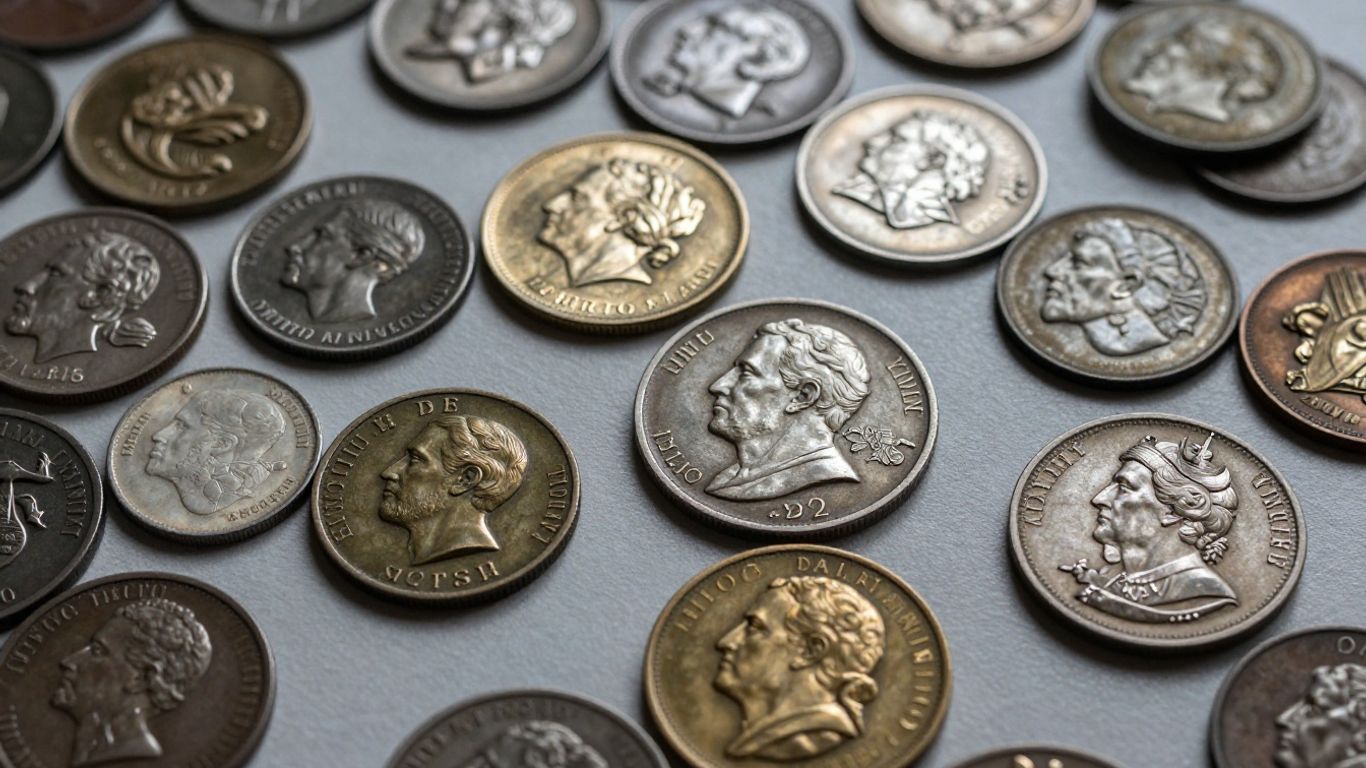
Coin shows are a fantastic way to connect with fellow collectors and dealers who are actively looking for unique exonumia. These events bring together a concentrated group of interested buyers, making them a prime spot for selling your items. Don’t underestimate the power of face-to-face interaction when it comes to moving your collection.
Upcoming Coin Shows in the Austin Area
While specific dates can shift, keeping an eye on local and regional coin club calendars is your best bet. Many clubs host their own shows or participate in larger events. For instance, the Austin Archer Coin Auction is an example of a significant event that might feature exonumia. Always check the websites of clubs like the Capital City Coin Club for their scheduled events. Sometimes, you’ll find smaller, more intimate shows that are perfect for selling.
Preparing Your Exonumia for a Show
Getting your exonumia ready for a show involves a few key steps:
- Organization is Key: Group similar items together. This could be by type (tokens, medals), by theme, or by historical period. Having your items neatly arranged makes it easier for potential buyers to browse.
- Pricing Strategy: Decide on your pricing beforehand. You can use price tags, a price list, or be prepared to negotiate. Researching recent sales of similar items can help you set fair prices. Remember, you’re at a show to sell, so be realistic.
- Presentation Matters: Clean your items gently if needed, but avoid over-cleaning, which can damage value. Use protective holders like flips or small bags to keep them safe and presentable. A little effort here goes a long way.
Interacting with Buyers at Shows
When buyers approach your table, be friendly and approachable. Be ready to talk about your items, share any interesting history you know, and answer questions. Don’t be pushy; let people look. If someone shows interest, be prepared to discuss the item’s condition and your asking price. Remember, building rapport can lead to a sale and potentially future business.
Coin shows offer a dynamic environment for selling exonumia. You get immediate feedback on what people are interested in, and you can often make sales on the spot. It’s a chance to clear out items you no longer need and perhaps find new treasures for your own collection.
Understanding Exonumia Valuation
Figuring out what your exonumia is actually worth can feel like a puzzle. It’s not as straightforward as coins with a face value, that’s for sure. Several things play a role in how much someone might pay for a token, medal, or other piece of exonumia. The rarity of the item is often the biggest factor. If only a few were ever made, it’s likely to be worth more than something produced in the thousands.
Factors Affecting Exonumia Value
When you’re looking at your collection, keep these points in mind:
- Condition: Just like with coins, the better the condition, the higher the value. Look for pieces that are free from scratches, dents, or heavy wear. Even small details matter.
- Rarity: How many of these items were made? Are they common, or were they issued in very limited numbers? This is a big one.
- Historical Significance: Does the piece commemorate a specific event, person, or place? Items with a strong historical connection often fetch higher prices.
- Material: While less common, the metal composition can sometimes influence value, especially for older or more unusual pieces.
- Eye Appeal: Does the item look good? Interesting designs, clear inscriptions, and attractive patinas can make a piece more desirable to collectors.
Researching Rare and Unique Pieces
Finding information on less common exonumia can be tricky. You might need to dig a bit deeper than just a quick online search. Specialized numismatic books or catalogs can be a good starting point. Sometimes, reaching out to experienced collectors or dealers who focus on specific types of exonumia can provide insights. Don’t be afraid to ask questions at local coin clubs; someone might have seen something similar before.
Determining the exact worth of exonumia often requires a blend of research and experience. What might seem like a common token to one person could be a rare find to a dedicated collector. It’s about understanding the context and the demand within the collecting community.
Appraisal Services for Exonumia
If you have a significant piece or an entire collection and want a professional opinion, consider getting an appraisal. Some coin dealers offer appraisal services, though they might charge a fee. For very specialized or high-value items, you might need to find an expert who focuses specifically on the type of exonumia you have. Be sure to ask about their experience and how they determine their fees before committing. It’s always a good idea to get a second opinion if you’re dealing with something particularly valuable.
Selling Specific Types of Exonumia
When you’re looking to sell exonumia in Austin, it helps to know what you’ve got. Not all pieces are created equal, and understanding the different categories can make a big difference in finding the right buyer and getting a fair price.
Tokens and Medals
Tokens and medals are a huge part of exonumia. Think about things like transit tokens, advertising tokens, or even commemorative medals struck for special events or organizations. The history and rarity of a token or medal often drive its value. For example, an old advertising token from a long-gone Austin business might be more interesting to a local collector than a generic modern medal.
When evaluating tokens and medals, consider:
- Material: Are they made of brass, aluminum, silver, or something else?
- Condition: Is it worn down, scratched, or in mint condition?
- Rarity: How many of these do you think were made, and how many are still around?
- Subject Matter: Does it depict something historically significant, artistic, or locally relevant?
Commemorative Coins and Rounds
These are often produced to celebrate specific events, people, or themes. While they might look like coins, they usually aren’t official government currency. Think about rounds made to honor military branches, historical figures, or even pop culture icons. Their value can depend on the metal content (if they’re silver or gold), the limited mintage, and the popularity of the theme.
Here’s a quick look at what affects their worth:
- Precious Metal Content: If it’s made of silver or gold, that’s a big factor.
- Mintage Numbers: Lower production runs usually mean higher potential value.
- Design and Theme: Is it a popular subject that collectors are seeking?
- Manufacturer: Some mints or private assayers are more well-known and respected than others.
Other Numismatic Items
This is a catch-all for anything else that doesn’t quite fit the above categories but is still collected by numismatists. This could include things like souvenir coins from amusement parks, casino chips that are no longer in use, or even certain types of scrip. It’s a broad category, and sometimes the most interesting finds are here.
Selling exonumia often means you’re dealing with items that have a story. Collectors are usually looking for more than just the metal or the material; they’re often drawn to the piece’s history, its connection to a place or event, or its unique design. Doing a little digging into what makes your specific piece special can really help when you’re talking to potential buyers.
Tips for a Successful Exonumia Sale in Austin
Selling your exonumia in Austin can be a rewarding experience, but a little preparation goes a long way. Think of it like getting ready for a big yard sale, but with potentially more interesting items and a slightly different crowd. Being organized and setting realistic expectations are key to making the most of your sales efforts.
Organizing Your Collection for Sale
Before you even think about meeting buyers, take some time to sort through what you have. Grouping similar items together makes them easier to present and for potential buyers to browse. Consider these categories:
- Tokens: Group by type, such as transportation tokens, advertising tokens, or trade tokens.
- Medals: Separate by theme, like historical events, military, or art medals.
- Commemorative Rounds: Group by series or issuer.
- Other Items: This could include things like foreign coins that aren’t standard currency, or unique numismatic pieces.
For each item, if you have any information about its history or origin, jot it down. Even a small note can add interest for a collector. If you have multiple similar items, consider creating a simple spreadsheet or list. This doesn’t need to be fancy, just clear.
| Item Type | Quantity | Notes |
|---|---|---|
| Subway Tokens | 15 | Mostly NYC, some Chicago |
| Advertising Medals | 8 | Various local businesses, 1970s-1990s |
| Space Program Medals | 3 | Apollo missions |
Setting Realistic Expectations
It’s easy to get excited about the potential value of your collection, especially if you’ve held onto these items for a while. However, exonumia, while fascinating, doesn’t always command the same prices as rare coins. Do a bit of research beforehand. Look at what similar items have sold for online or at local shows. Remember that dealers need to make a profit, so their offers will likely be lower than retail prices. Don’t be discouraged if you don’t get offers that match your initial hopes. The goal is to find good homes for your pieces and get a fair price for them.
The market for exonumia can be niche. While some pieces are highly sought after, many are collected for their historical interest or aesthetic appeal rather than pure monetary value. Understanding this difference will help you approach sales with a balanced perspective.
Building Relationships with Buyers
Whether you’re dealing with a local coin dealer, a collector at a show, or someone online, try to be pleasant and professional. If you’re selling at a coin show or through a club, you’ll likely encounter repeat buyers and dealers. Being known as someone who is honest and easy to work with can lead to better sales and even friendships. Don’t be afraid to ask questions about the items you’re selling, especially if you’re unsure of their background. A genuine interest in the hobby can go a long way. Building these connections can also provide you with valuable information about the market and where to find the best buyers for specific types of exonumia in the future.
The Role of Local Coin Shows in Selling Exonumia
Finding Regional Coin Shows
Local coin shows are a fantastic place to connect with other collectors and dealers who are genuinely interested in exonumia. These events, often organized by coin clubs, bring together a concentrated group of people who appreciate the unique items you might have. Think of them as concentrated markets for your specific interests. You can usually find information about upcoming shows through local coin club websites or by checking numismatic association calendars. Sometimes, even local libraries or community centers will have flyers posted.
Showcasing Your Exonumia
When you bring your exonumia to a show, presentation matters. You don’t need a fancy booth, but having your items organized and clearly displayed makes a big difference. Consider using small plastic bags or coin flips to protect individual pieces. A simple price list or tags can help potential buyers know what you’re asking. Being able to talk about your items, their history, or why you collected them can also spark interest.
Direct Sales at Shows
Coin shows offer a direct line to buyers. Unlike online sales, you can interact face-to-face, answer questions immediately, and even negotiate prices on the spot. This personal touch can be really effective for selling more unusual or higher-value exonumia. It’s also a great way to get immediate feedback on what people are looking for.
Here’s a quick look at what to expect:
- Variety of Buyers: You’ll find everything from casual collectors looking for a unique piece to serious dealers who might buy in bulk.
- Networking: Talk to people! You might find out about other shows, learn about rare finds, or even make a trade.
- Immediate Transactions: Get cash or other payment right then and there. No waiting for shipping or payment processing.
Attending coin shows isn’t just about selling; it’s about becoming part of the numismatic community. You learn a lot by just walking around, seeing what others are selling, and chatting with folks. It’s a hands-on way to understand the market for your exonumia.
Wrapping It Up
So, you’ve got some exonumia you’re looking to sell here in Austin. We’ve gone over a few places that might be able to help you out. It’s not always easy to find the right spot, but checking out local coin clubs, like the Capital City Coin Club, or even some of the dealers we mentioned, is a good start. Don’t be afraid to do a little digging yourself, too. Sometimes the best deals are found when you put in the effort. Good luck with your sales!
Frequently Asked Questions
What exactly is exonumia?
Exonumia is basically any coin-like item that isn’t official money. Think of things like special tokens from businesses, cool medals, or even souvenir coins. They’re different from regular money because they weren’t made by a government to be used for buying things.
Where can I find people interested in buying exonumia in Austin?
Austin has a few places! You can check out local coin clubs like the Capital City Coin Club, which is a great spot to meet collectors. Local coin dealers who specialize in coins and collectibles are also good options. Plus, online marketplaces and coin shows offer even more ways to connect with buyers.
How do I know if my exonumia is valuable?
The value can depend on a few things. Rarity plays a big role – if there aren’t many of them, they might be worth more. The condition of the item is important too; items in better shape usually fetch higher prices. Sometimes, unique designs or historical significance can also boost the value. Looking up similar items online or asking an expert can help you get an idea.
Should I join a coin club to sell my items?
Joining a coin club can be really helpful. You get to meet other collectors who are passionate about these kinds of items. It’s a good way to learn more, get advice, and find people who might be interested in buying what you have. Plus, it’s a friendly way to get started.
What's the difference between a coin dealer and a coin club?
A coin dealer is usually a business that buys and sells coins and collectibles, often for a profit. A coin club is more like a group of people who share a hobby. While dealers are focused on transactions, clubs are more about sharing knowledge, meeting fellow enthusiasts, and sometimes organizing events where you can sell items.
Are online platforms good for selling exonumia?
Yes, online platforms can be very effective! Websites like eBay or specialized numismatic forums allow you to reach a huge number of potential buyers from all over. You just need to make sure you take clear pictures and write good descriptions so people know what they’re buying.
What should I do to prepare my exonumia before selling it?
First, try to organize your items. Knowing what you have makes it easier to sell. Clean them gently if needed, but be careful not to damage them, as improper cleaning can lower value. Researching each piece can also help you set a fair price and attract more buyers. Having clear photos is also a must, especially for online sales.
How do I make sure I get a fair price for my exonumia?
Doing your homework is key. Look up similar items that have recently sold to see what they went for. Coin clubs and experienced collectors can offer valuable advice. If you have something particularly rare or valuable, consider getting an appraisal from a trusted expert. This helps you understand the true worth before you start negotiating.